
Your Avatar Everywhere: Blockchain Interoperability and the Future of Metaverse Identity

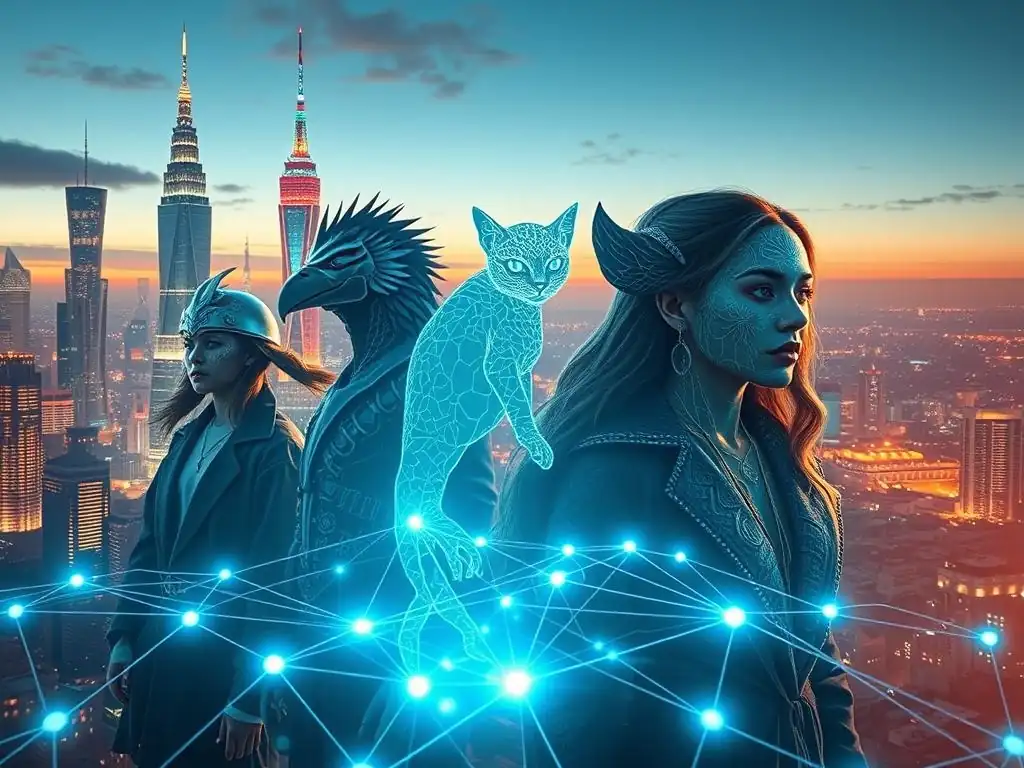
Welcome to Blockchain Trends, your compass in the rapidly evolving world of decentralized innovation.
Delve into the transformative power of blockchain, far beyond the realm of cryptocurrencies. Curious about how your digital identity can seamlessly traverse the metaverse? Our lead article, " Your Avatar Everywhere: Blockchain Interoperability and the Future of Metaverse Identity," explores the fascinating possibilities of blockchain interoperability and its impact on your digital self. Discover how this technology is poised to revolutionize how we interact in virtual worlds and beyond. Ready to unlock the secrets of a unified digital future?
Decentralized Identity in Web3: Interoperability and the Future of Digital Ownership
- Introduction: Decentralized Identity and Web3
- Understanding Blockchain Interoperability for Decentralized Identity
- The Current State of Web3 Identity: Silos and Limitations
- Blockchain-Based Solutions for Universal Web3 Identities
- Benefits of Blockchain Interoperability for Web3 Identity
- Use Cases: Blockchain Interoperability in Action
- The Future of Web3 Identity: A Vision of Interoperability
- Challenges and Opportunities in Achieving True Interoperability
- Conclusion: Embracing Blockchain Interoperability for a Unified Web3 Identity
-
Frequently Asked Questions
- What is blockchain interoperability and why is it crucial for the metaverse?
- How does blockchain technology enable a unified metaverse identity?
- Beyond cryptocurrencies, what other applications of blockchain are relevant to metaverse identity?
- What are some of the regulatory challenges associated with blockchain-based metaverse identities?
- How does blockchain interoperability contribute to the future of the metaverse?
- Final Reflection: Embracing the Decentralized Self
- Unveil Your Metaverse Self: Shape the Future of Digital Identity!
Introduction: Decentralized Identity and Web3
The Promise of Self-Sovereign Identity in Web3
Web3 envisions a digital realm where users possess greater control over their data and online experiences. At the heart of this vision lies the concept of self-sovereign identity (SSI). SSI empowers individuals to own and manage their digital identities without reliance on centralized authorities.
In contrast to Web2, where identity is often controlled by platforms like Google or Facebook, SSI in Web3 promises to return agency to the user. This shift is crucial for building a more equitable and decentralized internet, where individuals can interact across various platforms and services with a single, portable, and verifiable digital identity. This promise extends beyond mere convenience; it's about fundamentally altering the power dynamics of the internet, placing individuals at the center of their digital lives.
Imagine a world where your digital persona is not tied to specific platforms but is entirely under your control. This is the essence of self-sovereign identity in Web3. It's about moving away from a system where large corporations act as gatekeepers of your online existence and towards a model where individuals have the tools to create, manage, and control their own digital identities.
This includes deciding what information to share, with whom, and under what conditions. The potential impact is vast, ranging from enhanced privacy and security to new forms of digital citizenship and governance, all built on the foundation of user-centric identity.
The Challenge: Fragmented Identity Solutions
While the promise of self-sovereign identity is compelling, the current Web3 landscape faces a significant hurdle: fragmentation. Various platforms and applications are developing their own isolated identity solutions, leading to a siloed ecosystem. For instance, a user might have a distinct identity within a specific Decentralized Autonomous Organization (DAO), a separate one for a DeFi platform, and yet another for a metaverse environment.
This lack of interoperability undermines the very principles of Web3, recreating the walled gardens of Web2 in a decentralized context. Users are forced to juggle multiple identities, manage different credentials, and face limitations in moving their digital assets and reputations across platforms.
This fragmentation creates friction and limits the potential of a truly interconnected Web3. Consider a user who has built a strong reputation within one metaverse platform through active participation and valuable contributions. Currently, this reputation is often confined to that specific platform, making it difficult to leverage it in other metaverse environments or even within other Web3 applications.
This lack of portability not only hinders user experience but also impedes the growth of a cohesive and interconnected digital ecosystem. The challenge, therefore, is to move towards interoperable identity solutions that can seamlessly bridge these fragmented silos and unlock the full potential of decentralized identity in Web3.
Understanding Blockchain Interoperability for Decentralized Identity
What is Blockchain Interoperability? Connecting Web3 Ecosystems
Blockchain interoperability refers to the ability of different blockchains to communicate, share data, and interact with each other seamlessly. In essence, it's about breaking down the silos that exist between various blockchain networks, allowing for the flow of information and assets across them. Think of it as the internet protocol (TCP/IP) for blockchains, enabling different networks to function as a unified, interconnected system. Without interoperability, each blockchain operates in isolation, limiting its functionality and potential. Interoperability is crucial for realizing the vision of a truly interconnected Web3, where users can move freely between different applications and ecosystems without friction.
The need for blockchain interoperability stems from the proliferation of diverse blockchain networks, each often optimized for specific use cases. For example, Ethereum is popular for DeFi and NFTs, while networks like Polygon offer scalability solutions, and others like Polkadot and Cosmos are built specifically for interoperability. However, the value of these individual networks is amplified when they can interact with each other.
Interoperability allows for the creation of complex applications that leverage the strengths of multiple blockchains, fostering innovation and expanding the overall utility of the Web3 ecosystem. It is the key to unlocking composability and network effects within the decentralized web.
Why Interoperability Matters for Decentralized Identity Management
Interoperability is paramount for effective decentralized identity management in Web3 because it enables users to leverage their digital identities across different blockchain platforms and applications. If decentralized identities are confined to specific blockchains, they lose their portability and universality, undermining the core principles of self-sovereignty. Imagine having a verifiable credential issued on one blockchain that cannot be recognized or utilized on another. This creates friction and limits the utility of decentralized identity. Interoperability ensures that a user's identity, reputation, and credentials can be recognized and verified across the entire Web3 landscape, regardless of the underlying blockchain technology.
Consider the scenario of a user building a reputation within a decentralized social media platform built on one blockchain. Without interoperability, this reputation would be confined to that platform and blockchain. However, with interoperable identity solutions, this reputation could be portable and verifiable on other platforms, including metaverse environments, DeFi applications, and e-commerce marketplaces, even if they are built on different blockchains. This cross-chain portability of identity is essential for creating a seamless and user-centric Web3 experience, where users can build and leverage their digital identities across the entire ecosystem, maximizing their value and utility.
Key Technologies Enabling Cross-Chain Identity Verification
Several technologies are emerging to facilitate cross-chain identity verification and enable blockchain interoperability for decentralized identities. One crucial technology is cross-chain messaging protocols. These protocols, like LayerZero, Wormhole, and Chainlink CCIP, allow for the secure and reliable transfer of data and messages between different blockchains. In the context of decentralized identity, these protocols can be used to verify credentials or identity attributes stored on one blockchain from another blockchain. For example, a DeFi platform on Ethereum could verify a KYC credential issued on a Polkadot-based identity chain through a cross-chain messaging protocol.
Another key technology is bridge technologies, specifically designed for identity. Projects like Lit Protocol and Ceramic are building infrastructure that allows for cross-chain identity management and data sharing. Lit Protocol, for instance, focuses on decentralized key management and access control, enabling users to control access to their data and identities across different blockchains.
Ceramic provides a decentralized data network that can be used to build interoperable identity solutions by allowing data to be anchored to multiple blockchains. Furthermore, the development of standardized identity protocols and formats, such as Decentralized Identifiers (DIDs) and Verifiable Credentials (VCs), is crucial for ensuring that identity data is portable and understandable across different blockchain systems. These technologies, working in concert, are paving the way for a truly interoperable and user-centric Web3 identity layer.
The Current State of Web3 Identity: Silos and Limitations
Existing Web3 Platforms and Their Identity Solutions
Currently, many Web3 platforms are developing their own proprietary identity solutions, often tied to their specific ecosystems. For instance, within the metaverse space, platforms like Decentraland and The Sandbox have their own avatar and identity systems, which are largely isolated from each other. Similarly, numerous DeFi platforms rely on wallet addresses as rudimentary forms of identity, often supplemented by platform-specific reputation systems.
While these solutions address immediate identity needs within their respective platforms, they contribute to the fragmentation of the Web3 identity landscape. These isolated systems often lack standardized protocols and interoperability features, creating silos that hinder user experience and limit the potential of a unified Web3.
Consider the example of NFT marketplaces. While platforms like OpenSea and Magic Eden allow users to connect their wallets and trade NFTs, the identity associated with these activities is primarily tied to the wallet address and platform-specific user profiles. There is limited portability of reputation or transaction history across different NFT marketplaces or other Web3 applications.
This platform-centric approach to identity mirrors the Web2 model, where user data and identity are controlled by individual platforms, rather than being user-owned and interoperable. The current state of Web3 identity, therefore, is characterized by a patchwork of isolated solutions, lacking the seamlessness and interoperability necessary for a truly decentralized and user-centric internet.
The Problems with Isolated Identity Systems: Limited Portability, Vendor Lock-in
Isolated identity systems in Web3 create significant problems for users, primarily in terms of limited portability and vendor lock-in. When identity is tied to a specific platform, users lose the ability to seamlessly move their digital persona, reputation, and credentials across different Web3 environments. This lack of portability forces users to recreate their identities and reputations on each new platform they engage with, leading to a fragmented and inefficient user experience.
Furthermore, users become locked into specific platforms, as their digital identity and associated assets are not easily transferable. This vendor lock-in undermines the principles of user ownership and control that are central to the Web3 vision.
Imagine a user who has accumulated significant digital assets and reputation within a specific metaverse platform. If this platform-specific identity is not interoperable, the user cannot easily leverage their achievements and assets when exploring other metaverse environments or Web3 applications. They are essentially starting from scratch on each new platform, losing the accumulated value and recognition they have earned elsewhere. This lack of portability and vendor lock-in not only hinders user experience but also stifles innovation and competition within the Web3 ecosystem, as platforms are incentivized to create walled gardens to retain users and their data.
Lack of Universal Recognition and Trust
The absence of interoperable identity solutions in Web3 also leads to a lack of universal recognition and trust. When identity systems are fragmented and platform-specific, there is no common framework for verifying and trusting digital identities across different applications and blockchains. This creates challenges for establishing trust and security in Web3 interactions. For example, a user's reputation score on one platform may not be recognized or trusted by another platform, even if both platforms operate within the same Web3 ecosystem. This lack of universal recognition hinders the development of a cohesive and trustworthy digital environment.
Without interoperable identity, establishing trust often relies on centralized intermediaries or platform-specific reputation systems, which can be opaque and vulnerable to manipulation. In contrast, an interoperable decentralized identity system, based on open standards and blockchain technology, could provide a more transparent and verifiable foundation for trust in Web3. Universal recognition of digital identities would enable users to seamlessly interact across different platforms and applications, knowing that their identity and reputation are consistently recognized and trusted. This is crucial for fostering a more secure, efficient, and user-friendly Web3 ecosystem.
Blockchain-Based Solutions for Universal Web3 Identities
Decentralized Identifiers (DIDs) and Verifiable Credentials
Decentralized Identifiers (DIDs) and Verifiable Credentials (VCs) are foundational technologies for building universal Web3 identities. DIDs are globally unique identifiers that enable individuals or entities to control their digital identities without relying on centralized registries. They are resolvable through decentralized systems, typically blockchains or distributed ledgers, ensuring persistence and tamper-proofness.
VCs, on the other hand, are digitally signed credentials that can be issued by trusted parties and verified cryptographically. They represent claims about an individual or entity, such as age verification, educational qualifications, or professional licenses. Together, DIDs and VCs form the basis for self-sovereign identity, empowering users to own and control their digital identities in Web3.
The W3C (World Wide Web Consortium) has standardized both DIDs and VCs, promoting interoperability and adoption across different systems. DIDs provide the mechanism for creating and managing decentralized identities, while VCs provide a standardized format for expressing and verifying identity attributes and credentials. By utilizing these open standards, developers can build interoperable identity solutions that work across different blockchain platforms and applications.
For example, a user could obtain a KYC (Know Your Customer) credential issued as a VC and associated with their DID. This VC could then be presented and verified across various DeFi platforms or metaverse environments requiring KYC compliance, regardless of the underlying blockchain infrastructure.
NFT-Bound Tokens (SBTs) for Reputation and Credentials
NFT-Bound Tokens (SBTs), also known as Soulbound Tokens, represent a novel approach to managing reputation and credentials in Web3. Unlike traditional NFTs that can be transferred or traded, SBTs are permanently linked to a specific wallet address, representing a "soul" or identity. This non-transferable nature makes SBTs ideal for representing achievements, affiliations, memberships, and other forms of reputation that are intrinsically tied to an individual or entity. SBTs can be issued by various entities, such as DAOs, educational institutions, or employers, and serve as verifiable proof of credentials or reputation within the Web3 ecosystem.
The concept of SBTs, popularized by Glen Weyl, Puja Ohlhaver, and Vitalik Buterin, offers a powerful tool for building richer and more nuanced digital identities. Imagine receiving an SBT for completing a course, contributing to a DAO, or achieving a certain level of reputation within a community.
These SBTs, bound to your digital identity (represented by your wallet address), become a permanent record of your achievements and affiliations, building a verifiable and portable reputation. SBTs can be combined with DIDs and VCs to create comprehensive and interoperable identity solutions, where DIDs provide the core identity framework, VCs represent formal credentials, and SBTs capture reputation and community-specific achievements.
Blockchain-Based Identity Marketplaces and Interoperability Protocols
To further enhance interoperability and accessibility of decentralized identities, blockchain-based identity marketplaces and interoperability protocols are emerging. These platforms aim to create a unified ecosystem where users can manage their DIDs, VCs, and SBTs, and seamlessly utilize them across different Web3 applications. Identity marketplaces can facilitate the discovery and verification of identity providers and credential issuers, making it easier for users to obtain and manage their digital credentials. Interoperability protocols, on the other hand, focus on establishing communication standards and bridges between different identity systems and blockchain networks.
Projects like SpruceID with their Credible platform, and others developing identity aggregators and marketplaces, are working towards creating a more user-friendly and interoperable identity layer for Web3. These platforms often leverage open standards like DIDs and VCs and build on interoperability protocols to ensure cross-chain compatibility.
By creating a centralized point of access for managing decentralized identities and facilitating interoperability between different identity systems, these marketplaces and protocols are crucial for realizing the vision of a truly unified and user-centric Web3 identity ecosystem. They aim to abstract away the complexities of managing identities across different blockchains and provide a seamless user experience for accessing and utilizing decentralized identities across the entire Web3 landscape.
Benefits of Blockchain Interoperability for Web3 Identity
Enhanced User Experience: Seamless Access Across Platforms
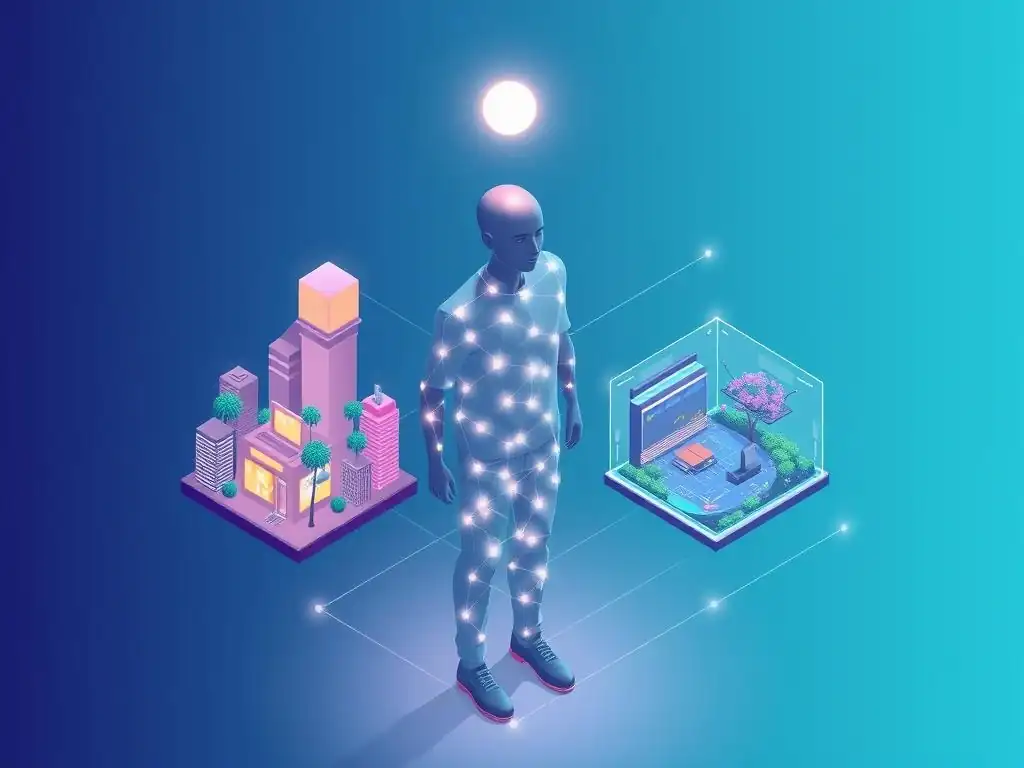
Blockchain interoperability for Web3 identity dramatically enhances user experience by enabling seamless access across different platforms and applications. Instead of creating and managing multiple identities for each Web3 environment, users can utilize a single, interoperable identity to navigate the entire ecosystem. This eliminates the friction of constantly logging in, creating new accounts, and managing disparate credentials. With interoperable identity, users can seamlessly transition between metaverse environments, DeFi platforms, social media applications, and other Web3 services, using their same digital persona and credentials. This streamlined experience makes Web3 more user-friendly and accessible to a wider audience.
Imagine a user who wants to participate in a DAO governance vote, access a DeFi lending platform, and explore a virtual art gallery, all within a single Web3 session. With interoperable identity, they can use their decentralized identity to authenticate and interact with each of these applications seamlessly, without needing to create separate accounts or manage multiple logins.
This frictionless experience not only saves time and effort but also reduces the cognitive load on users, making Web3 interactions more intuitive and enjoyable. Enhanced user experience is a key driver for wider adoption of Web3 technologies, and interoperable identity is a crucial enabler in this regard.
Increased Security and Privacy: Data Ownership and Control
Interoperable blockchain-based identity solutions enhance security and privacy by empowering users with greater data ownership and control. Decentralized identities, built on blockchain, inherently offer increased security through cryptographic mechanisms and tamper-proof data storage. Interoperability further strengthens security by enabling users to leverage their decentralized identities across different platforms without exposing their private data to multiple centralized providers. Users maintain control over their identity data and can selectively share verifiable credentials with different applications, minimizing data exposure and enhancing privacy.
By using DIDs and VCs, users can prove specific attributes about themselves without revealing unnecessary personal information. For example, to access age-restricted content in a metaverse environment, a user can present a verifiable age credential without disclosing their exact birthdate or other personal details. This selective disclosure enhances privacy and reduces the risk of data breaches and identity theft.
Furthermore, the decentralized nature of blockchain-based identity systems reduces reliance on centralized identity providers, which are often single points of failure and targets for cyberattacks. Interoperability, combined with the inherent security features of blockchain, contributes to a more secure and privacy-preserving Web3 environment.
New Economic Opportunities: Identity-Based Services and Monetization
Blockchain interoperability for Web3 identity unlocks new economic opportunities by enabling the development of identity-based services and monetization models. With portable and verifiable digital identities, users can leverage their reputation, credentials, and data to access personalized services and participate in new forms of digital economy. For example, interoperable identity can facilitate the development of identity-based credit scoring systems for DeFi lending, allowing users to access loans based on their on-chain reputation and verifiable credentials. Similarly, verifiable professional credentials can enable new opportunities for freelancers and remote workers in the Web3 gig economy.
The ability to own and control their digital identities also empowers users to potentially monetize their identity data. In a privacy-preserving manner, users could choose to share anonymized or aggregated identity data for research or marketing purposes, earning rewards or tokens in return. Interoperable identity can also facilitate the creation of decentralized identity marketplaces, where users can offer identity-related services, such as KYC verification or reputation attestation, to other users or applications. These new economic opportunities, driven by interoperable and user-owned identities, can foster innovation and create a more equitable and rewarding Web3 ecosystem.
Fostering a More Open and Decentralized Web3 Ecosystem
Ultimately, blockchain interoperability for Web3 identity is crucial for fostering a more open and decentralized Web3 ecosystem. By breaking down identity silos and enabling seamless interaction across different platforms, interoperability promotes a more unified and interconnected digital landscape. This open and decentralized approach contrasts sharply with the walled gardens of Web2, where user data and identity are controlled by centralized corporations. Interoperable identity empowers users, reduces vendor lock-in, and fosters competition and innovation within the Web3 space.
A truly interoperable Web3 identity layer can unlock the full potential of decentralization by enabling users to move freely and seamlessly across different applications and blockchains. This creates a more level playing field for developers and platforms, as users are not tied to specific ecosystems due to identity lock-in. Interoperability promotes composability, allowing developers to build upon existing identity infrastructure and create innovative applications that leverage verifiable and portable digital identities. By fostering a more open, decentralized, and user-centric Web3 ecosystem, blockchain interoperability for identity is essential for realizing the transformative vision of the decentralized web.
Use Cases: Blockchain Interoperability in Action
Cross-Chain DeFi Lending with Identity-Based Credit Scores
Blockchain interoperability enables the development of sophisticated cross-chain DeFi lending platforms that utilize identity-based credit scores. Currently, DeFi lending is largely collateral-based, limiting access for users who lack sufficient collateral. Interoperable identity solutions can address this limitation by enabling the creation of decentralized credit scoring systems that aggregate user reputation and verifiable credentials from various Web3 platforms and blockchains. For example, a user's on-chain transaction history, DAO participation, and verified professional credentials, stored as SBTs or VCs across different blockchains, could be aggregated to generate a comprehensive credit score.
This cross-chain credit score can then be used by DeFi lending platforms to offer undercollateralized or uncollateralized loans, expanding access to DeFi services for a wider range of users. Interoperability is crucial for this use case, as user reputation and credentials may be scattered across different blockchains. By leveraging cross-chain messaging protocols and interoperable identity frameworks, DeFi platforms can access and verify user identity data from various sources, creating a more robust and inclusive lending ecosystem. This use case demonstrates the power of blockchain interoperability to unlock new financial services and improve accessibility in the DeFi space.
Interoperable Governance Participation Across DAOs
Interoperable identity solutions can revolutionize governance participation across Decentralized Autonomous Organizations (DAOs). Currently, DAO governance is often fragmented, with users needing to hold specific tokens and participate in separate voting processes for each DAO. Interoperable identity can enable users to leverage their reputation and credentials across multiple DAOs, streamlining governance participation and potentially introducing new forms of reputation-based voting. For example, a user's proven expertise in a specific domain, verified through VCs or SBTs issued by reputable organizations, could grant them increased voting power or influence within relevant DAOs, even if they hold fewer governance tokens.
Interoperability can also facilitate cross-DAO governance initiatives, where multiple DAOs can collaborate and coordinate their decision-making processes. By utilizing interoperable identity frameworks, DAOs can verify the identities and reputations of participants from other DAOs, enabling secure and transparent cross-DAO governance mechanisms. This can lead to more efficient and collaborative decision-making processes within the broader Web3 ecosystem. Interoperable identity is therefore essential for scaling and enhancing the effectiveness of DAO governance, fostering more inclusive and representative decentralized organizations.
Universal KYC/AML Compliance for Web3 Applications
Blockchain interoperability is critical for achieving universal KYC/AML (Know Your Customer/Anti-Money Laundering) compliance for Web3 applications. Regulatory requirements for KYC/AML are increasingly important for Web3 platforms, especially in areas like DeFi and crypto exchanges. However, implementing KYC/AML in a fragmented Web3 environment poses significant challenges. Interoperable identity solutions can provide a standardized and reusable KYC/AML framework, allowing users to complete KYC verification once and reuse their verified credentials across multiple compliant Web3 applications.
By utilizing DIDs and VCs, users can obtain verifiable KYC credentials from trusted KYC providers. These credentials can then be presented and verified by different Web3 platforms requiring KYC compliance, regardless of the underlying blockchain infrastructure.
Interoperability ensures that KYC credentials issued on one blockchain are recognized and accepted by applications on other blockchains, streamlining the KYC process for users and reducing compliance costs for platforms. This universal KYC/AML framework, enabled by blockchain interoperability, is crucial for fostering regulatory compliance and mainstream adoption of Web3 technologies, while also enhancing user privacy and data control compared to traditional centralized KYC processes.
The Future of Web3 Identity: A Vision of Interoperability
The Evolution of Identity Standards and Protocols
The future of Web3 identity hinges on the continued evolution and adoption of open standards and interoperability protocols. Standards like DIDs and VCs are already gaining traction, but further development and refinement are necessary to address scalability, privacy, and usability concerns. We can expect to see the emergence of more specialized identity protocols tailored for specific use cases, such as decentralized reputation systems, privacy-preserving identity verification, and cross-chain identity management. The focus will be on creating robust, secure, and user-friendly standards that facilitate seamless interoperability across the diverse Web3 ecosystem.
Collaboration between industry stakeholders, standards organizations like the W3C and the Decentralized Identity Foundation (DIF), and blockchain communities will be crucial in driving the evolution of identity standards and protocols. Open-source development and community-driven initiatives will play a vital role in ensuring that these standards are widely adopted and effectively address the evolving needs of the Web3 ecosystem. The future of Web3 identity will be shaped by the ongoing efforts to create a truly interoperable and user-centric identity layer, built on a foundation of open standards and collaborative innovation.
The Role of DAOs in Governing Decentralized Identity
Decentralized Autonomous Organizations (DAOs) are likely to play an increasingly important role in governing decentralized identity systems in Web3. DAOs can be used to manage identity registries, oversee credential issuance and verification processes, and govern the evolution of identity standards and protocols. By decentralizing the governance of identity infrastructure, DAOs can ensure that these systems are community-owned, transparent, and resistant to censorship or manipulation by centralized entities. This decentralized governance model aligns with the core principles of Web3 and empowers users with greater control over their digital identities.
We may see the emergence of specialized identity DAOs focused on specific aspects of decentralized identity management, such as governing DID registries, managing verifiable credential schemas, or developing interoperability protocols. These identity DAOs can leverage tokenized governance mechanisms to enable community participation and ensure that identity systems are developed and governed in a way that benefits all stakeholders. The involvement of DAOs in governing decentralized identity is crucial for building trust, ensuring fairness, and fostering the long-term sustainability of Web3 identity infrastructure.
Addressing Scalability and Security Concerns
Addressing scalability and security concerns is paramount for realizing the vision of interoperable Web3 identities. As the Web3 ecosystem grows and the number of users and applications increases, identity systems must be able to scale efficiently and handle a large volume of identity transactions and verifications. Scalability solutions, such as layer-2 scaling technologies and optimized blockchain infrastructure, will be essential for ensuring that decentralized identity systems can meet the demands of a mass-market Web3. Furthermore, robust security measures are critical to protect user identity data and prevent identity theft or fraud.
Security considerations include protecting private keys associated with DIDs, ensuring the integrity and authenticity of VCs and SBTs, and mitigating risks associated with cross-chain communication and interoperability protocols. Ongoing research and development in cryptography, secure multi-party computation, and zero-knowledge proofs will contribute to enhancing the security and privacy of Web3 identity systems. Addressing scalability and security challenges is crucial for building trust and ensuring the long-term viability of interoperable decentralized identity as a foundational layer of the Web3 ecosystem.
Challenges and Opportunities in Achieving True Interoperability
Technical Hurdles: Bridging Different Blockchain Architectures
Achieving true blockchain interoperability for decentralized identity faces significant technical hurdles. Different blockchains often have distinct architectures, consensus mechanisms, and data formats, making seamless communication and data exchange challenging. Bridging these architectural differences requires sophisticated cross-chain technologies and protocols. Developing robust and secure bridges that can reliably transfer identity data and credentials between different blockchains is a complex technical undertaking. Ensuring the security and atomicity of cross-chain transactions is also crucial to prevent vulnerabilities and maintain data integrity.
Furthermore, the diversity of blockchain ecosystems and the lack of universal standards can hinder interoperability efforts. While standards like DIDs and VCs provide a common framework, their implementation and adoption may vary across different blockchains. Overcoming these technical hurdles requires ongoing research, development, and collaboration among blockchain developers and interoperability experts. Innovations in cross-chain messaging, bridge technologies, and standardized data formats are essential for achieving seamless blockchain interoperability for decentralized identity.
Regulatory Considerations: Global Standards for Digital Identity
Regulatory considerations pose both challenges and opportunities for achieving true interoperability in Web3 identity. As digital identity becomes increasingly important, governments and regulatory bodies are beginning to pay closer attention to its governance and standardization. Navigating the complex and evolving regulatory landscape across different jurisdictions is a significant challenge for interoperable identity solutions. Different countries and regions may have varying regulations regarding data privacy, KYC/AML compliance, and digital identity verification. Harmonizing these regulations and establishing global standards for digital identity is crucial for fostering interoperability and cross-border recognition of decentralized identities.
However, regulatory engagement also presents opportunities for shaping the future of Web3 identity in a way that is both compliant and user-centric. By proactively engaging with regulators and participating in policy discussions, the Web3 community can advocate for regulatory frameworks that support innovation and promote the adoption of interoperable decentralized identity solutions. Collaborative efforts between industry stakeholders, regulators, and standards organizations are essential for creating a regulatory environment that fosters trust, security, and interoperability in the Web3 identity space.
User Adoption and Education: Promoting Decentralized Identity Solutions
User adoption and education are critical for the success of interoperable decentralized identity solutions. While the technical infrastructure for interoperability is developing rapidly, widespread user adoption requires addressing usability challenges and educating users about the benefits of decentralized identity. Many users are still unfamiliar with concepts like DIDs, VCs, and SBTs, and may find the process of managing decentralized identities complex or confusing. Improving user experience, simplifying onboarding processes, and providing clear and accessible educational resources are essential for driving user adoption.
Furthermore, building trust in decentralized identity systems is crucial. Users need to be confident that their decentralized identities are secure, private, and reliable. Addressing security concerns, promoting transparency, and building user-friendly identity management tools are key steps in fostering user trust and encouraging adoption. Community-driven initiatives, educational campaigns, and collaborations with user-facing applications are vital for promoting decentralized identity solutions and realizing the vision of a user-centric Web3.
Conclusion: Embracing Blockchain Interoperability for a Unified Web3 Identity
The Transformative Potential of Interoperable Web3 Identities
Interoperable Web3 identities hold transformative potential for the future of the internet. By breaking down identity silos and empowering users with self-sovereign control over their digital personas, interoperability paves the way for a more user-centric, secure, and open Web3 ecosystem. Imagine a future where your avatar and digital identity seamlessly traverse metaverse environments, DeFi platforms, social media networks, and all corners of the decentralized web, carrying your reputation, credentials, and digital assets with you. This vision of a unified Web3 identity, enabled by blockchain interoperability, promises to revolutionize online interactions and unlock new possibilities for digital ownership and participation.
The shift towards interoperable identity is not just about technological advancement; it represents a fundamental change in the power dynamics of the internet. By moving away from platform-centric identity systems and towards user-owned and controlled identities, we can create a more equitable and decentralized digital world. Interoperability is the key to unlocking the full potential of decentralized identity and realizing the transformative vision of Web3. It is the foundation upon which a truly open, interconnected, and user-empowering digital future can be built.
Call to Action: Advocate for Open Standards and Interoperable Identity Solutions
To realize the transformative potential of interoperable Web3 identities, a collective effort is needed to advocate for open standards and interoperable identity solutions. Developers, platforms, users, and policymakers all have a role to play in driving the adoption of interoperable identity frameworks. Developers should prioritize building applications that support open identity standards and interoperability protocols. Platforms should embrace decentralized identity solutions and work towards integrating interoperability features into their ecosystems. Users should demand interoperable identity solutions and actively participate in shaping the future of Web3 identity.
Policymakers should support the development of regulatory frameworks that promote interoperability and user empowerment in the digital identity space. By working together to champion open standards and interoperable identity solutions, we can collectively build a more unified, user-centric, and transformative Web3 ecosystem. The future of the internet depends on embracing interoperability and empowering individuals with control over their digital identities. Let us advocate for a future where your avatar, and your identity, truly belong to you, everywhere in the metaverse and beyond.
Frequently Asked Questions
What is blockchain interoperability and why is it crucial for the metaverse?
Blockchain interoperability refers to the ability of different blockchain networks to communicate and share information with each other. It's crucial for the metaverse because it allows users to seamlessly transfer their digital assets and identities across different virtual worlds.
How does blockchain technology enable a unified metaverse identity?
Blockchain allows for the creation of verifiable and portable digital identities, securely stored on a distributed ledger. This means users can own and control their identity, using it across different metaverse platforms without needing to create separate accounts or share personal data with each platform.
Beyond cryptocurrencies, what other applications of blockchain are relevant to metaverse identity?
Besides cryptocurrencies, blockchain features like Non-Fungible Tokens (NFTs) are crucial for representing unique digital assets, including avatars and virtual items. Decentralized Identity (DID) solutions built on blockchain provide users with self-sovereign control over their personal information.
What are some of the regulatory challenges associated with blockchain-based metaverse identities?
Regulatory challenges include data privacy concerns, the potential for identity theft or fraud, and the need for clear guidelines on cross-border data transfers within the decentralized metaverse.
How does blockchain interoperability contribute to the future of the metaverse?
Blockchain interoperability fosters a more open and interconnected metaverse, allowing users to seamlessly navigate different virtual worlds and retain ownership of their digital assets and identities across platforms, promoting a more user-centric and decentralized experience.
Final Reflection: Embracing the Decentralized Self
The journey through the possibilities of blockchain interoperability in shaping metaverse identity reveals a profound truth: the future of our digital selves hinges on our ability to connect and control our data across disparate virtual worlds. This is no longer a futuristic fantasy; it is a pressing concern as we increasingly inhabit these digital spaces, demanding a seamless and secure representation of ourselves.
The concept of a truly portable and interoperable avatar, powered by blockchain, has deeply resonated with the growing need for digital autonomy. It underscores the importance of owning our identity, not just renting it from centralized platforms. This shift towards decentralized identity is not merely a technological advancement; it's a cultural revolution. Identity is no longer just a static label; it's a dynamic expression of who we are, and it should be portable and verifiable across all the spaces we inhabit.
This quote encapsulates the essence of what we're striving for: a future where our digital selves are as authentic and versatile as our physical ones.
As we stand on the cusp of this new era, I invite you to consider the implications of a truly interoperable metaverse identity. How will you choose to represent yourself in these interconnected worlds? What values will you prioritize in shaping your digital persona? The power to define your digital self is within your grasp. Embrace the opportunity to build a future where your avatar is not just a reflection, but a testament to your unique identity, seamlessly traversing the boundaries of the metaverse.
Unveil Your Metaverse Self: Shape the Future of Digital Identity!
Thank you for exploring the exciting potential of interoperable avatars and the future of identity in the metaverse. We hope this article shed light on how blockchain technology can revolutionize digital ownership and self-expression. Now, let's put that knowledge into action and contribute to shaping this groundbreaking landscape:
- Dive into the metaverse and start exploring different platforms that support emerging interoperability standards. Experiment with avatar creation and identity management options. This is your primary action!
- Share this article with your network and spark conversations about the ethical and technical considerations of decentralized digital identities on your social media accounts.
- Participate in online forums and communities discussing blockchain identity solutions. Research current projects and contribute your insights.
How will you contribute to building a metaverse where your identity truly belongs to you? Share your thoughts in the comments below!
Leave a Reply