
Decentralized Finance (DeFi)
Explore the transformative world of Decentralized Finance (DeFi)—a blockchain-powered financial ecosystem enabling open, transparent, and permissionless access to trading, lending, borrowing, and digital asset opportunities. Discover how smart contracts are reshaping traditional finance, along with emerging innovations, real-world applications, and essential insights into security, regulation, volatility, and other DeFi risks. 🚀
 Introduction to DeFi
 DeFi Risks & Challenges
 DeFi Lending & Borrowing
 Yield Farming & Liquidity Mining
 Decentralized Exchanges (DEXs) & AMMs
Decentralized Finance (DeFi) is transforming financial services by replacing traditional intermediaries with blockchain-based protocols, smart contracts, and open-access applications. At Blockchain Trends, explore how decentralized finance enables users to trade digital assets, earn yield, access loans, provide liquidity, and participate in a more transparent financial ecosystem.
Our DeFi coverage explains the technologies, opportunities, and limitations shaping this rapidly evolving sector. Whether you are learning the basics of decentralized finance or researching advanced strategies, you will find practical insights into DeFi protocols, smart contract security, liquidity pools, decentralized exchanges, crypto lending, yield farming, tokenomics, and financial regulation.
Discover how DeFi works, compare different platforms, understand potential returns and risks, and learn why decentralized applications are becoming an important part of the future of blockchain technology. Our guides are designed to make complex concepts accessible while helping readers make informed decisions in the fast-changing world of open finance.
🌐 Introduction to DeFi
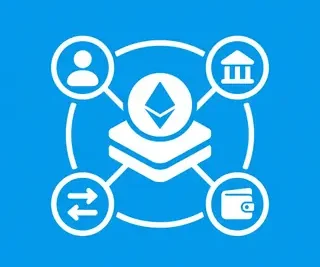
The Introduction to DeFi subcategory provides a clear foundation for understanding decentralized finance. Learn how blockchain networks, smart contracts, decentralized applications, and crypto wallets work together to deliver financial services without relying on banks or centralized institutions.
Readers can expect beginner-friendly explanations of important DeFi terminology, including total value locked, governance tokens, stablecoins, liquidity pools, protocol fees, and decentralized autonomous organizations. This section is ideal for anyone looking to understand the benefits, use cases, and evolving architecture of the DeFi ecosystem.
🔄 Decentralized Exchanges (DEXs) & AMMs
Explore how decentralized exchanges allow users to swap digital assets directly from their wallets without traditional order books or centralized custodians. This section covers popular DEX models, wallet connectivity, trading pairs, transaction fees, and the role of blockchain networks in peer-to-peer crypto trading.
Learn how automated market makers (AMMs) use liquidity pools and mathematical pricing formulas to facilitate trades. Articles will explain impermanent loss, slippage, price impact, concentrated liquidity, and other factors that traders and liquidity providers should understand before using a DEX.
🌾 Yield Farming & Liquidity Mining
The Yield Farming & Liquidity Mining section examines how DeFi users may earn rewards by depositing assets into liquidity pools, lending protocols, and other decentralized applications. Discover how protocol incentives, governance tokens, annual percentage yield, and compounding strategies influence potential returns.
Readers will also learn why high yields can involve significant risk. Topics include impermanent loss, reward-token volatility, smart contract vulnerabilities, liquidity lockups, emissions schedules, and changing market conditions. These guides emphasize research and risk management rather than guaranteed profits.
💰 DeFi Lending & Borrowing
Discover how DeFi lending and borrowing platforms use smart contracts to connect lenders and borrowers without conventional credit institutions. This subcategory explains collateralized loans, overcollateralization, interest rates, liquidation thresholds, stablecoin borrowing, and decentralized credit markets.
Learn how users can supply assets to lending pools and potentially earn interest, while borrowers access liquidity without selling their crypto holdings. Coverage includes loan-to-value ratios, collateral management, liquidation risk, protocol solvency, variable rates, and the differences between decentralized and traditional lending.
⚠️ DeFi Risks & Challenges
The DeFi Risks & Challenges subcategory offers essential guidance on the threats affecting decentralized finance. Explore smart contract exploits, oracle manipulation, bridge vulnerabilities, phishing attacks, private-key loss, governance attacks, market volatility, and the risks associated with unaudited protocols.
This section also examines wider challenges such as regulatory uncertainty, scalability limitations, high gas fees, fragmented liquidity, user-experience barriers, and systemic risk. Understanding these issues can help users evaluate DeFi platforms more carefully and develop safer approaches to managing digital assets.
❓ Frequently Asked Questions About Decentralized Finance
What is decentralized finance?
Decentralized finance, or DeFi, is a collection of blockchain-based financial services that use smart contracts instead of traditional intermediaries. DeFi applications can provide trading, lending, borrowing, payments, and investment tools through open and programmable protocols.
How do DeFi platforms work?
DeFi platforms operate through smart contracts deployed on blockchain networks. Users interact with these contracts using crypto wallets, while liquidity pools, decentralized governance, and automated rules help deliver services such as token swaps and collateralized loans.
What are the main benefits of DeFi?
Key benefits include global access, transparent transactions, user-controlled assets, programmable financial products, and the ability to interact with services without opening a traditional bank account. However, availability and costs can vary by blockchain network and jurisdiction.
What are the biggest risks of DeFi?
Major risks include smart contract bugs, hacking, scams, volatile token prices, impermanent loss, liquidation, oracle failures, and regulatory changes. Users should research protocols, verify contract addresses, protect private keys, and avoid investing more than they can afford to lose.
Can beginners use DeFi safely?
Beginners should start by learning how wallets, blockchain transactions, gas fees, and smart contracts work. Using established protocols, enabling wallet security features, checking transaction details, and starting with small amounts can reduce avoidable mistakes, although no DeFi activity is completely risk-free.