
Tokenization and Tokenomics
Explore how tokenization and tokenomics are reshaping blockchain innovation, from designing sustainable digital economies to converting real-world assets into programmable tokens. Discover insights on utility and security tokens, regulatory considerations, asset tokenization, and NFTs powering the creator economy—helping you understand how decentralized systems unlock new opportunities for ownership, fundraising, governance, and value creation. 🚀
 NFTs & the Creator Economy
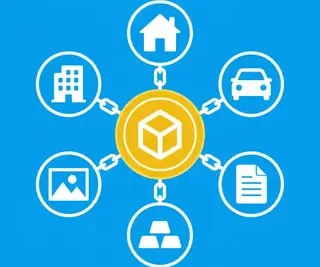 Tokenization of Assets
 Legal Aspects of Tokenization
 Utility vs. Security Tokens
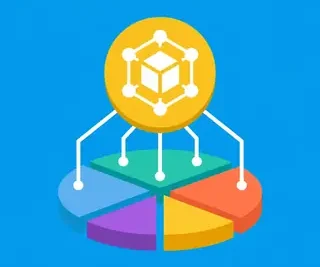 Tokenomics Design for Blockchain Projects
Tokenization and Tokenomics: Building Value in the Digital Economy
Tokenization and tokenomics are reshaping how value, ownership, access, and participation work across blockchain ecosystems. At Blockchain Trends, this category explores how real-world and digital assets can be represented on blockchain networks, how token economies are designed, and how decentralized projects create sustainable incentives for users, investors, creators, and businesses.
Discover practical insights into tokenomics models, utility tokens, security tokens, asset tokenization, NFTs, digital ownership, regulatory compliance, and blockchain project economics. Whether you are researching a new Web3 business model, evaluating a crypto project, exploring investment opportunities, or learning how blockchain can transform traditional markets, our guides provide clear explanations and industry-focused analysis.
From token supply and distribution to governance, liquidity, valuation, and legal classification, this category helps readers understand the factors that influence a token’s long-term success. Explore how tokenization can improve transparency, unlock fractional ownership, streamline fundraising, and support new forms of digital commerce beyond cryptocurrencies.
📊 Tokenomics Design for Blockchain Projects
Explore the core principles of tokenomics design for blockchain projects, including token supply, issuance schedules, allocation models, vesting periods, staking rewards, governance mechanisms, and incentive structures. Readers can learn how effective token economics align the interests of founders, investors, developers, users, and communities.
This subcategory also examines how to create sustainable token utility and avoid common problems such as excessive inflation, concentrated ownership, weak demand, and short-term speculation. Expect practical guidance on token valuation, ecosystem growth, liquidity planning, treasury management, and long-term Web3 sustainability.
⚖️ Utility vs. Security Tokens
Understand the differences between utility tokens and security tokens, two important classifications in the digital asset industry. This section explains how utility tokens provide access to products, services, platforms, or governance features, while security tokens may represent investment interests, ownership rights, revenue participation, or other regulated financial instruments.
Readers can expect clear comparisons covering token functionality, investor expectations, fundraising methods, compliance considerations, and regulatory risk. These insights help blockchain entrepreneurs and investors evaluate token classification, digital asset use cases, securities regulations, and responsible token issuance strategies.
⚖️ Legal Aspects of Tokenization
Tokenization creates significant opportunities, but it also raises important legal and compliance questions. This subcategory explores the legal aspects of issuing, selling, transferring, and managing blockchain-based tokens across different jurisdictions and industries.
Learn about securities law, anti-money laundering requirements, know-your-customer procedures, data privacy, intellectual property, consumer protection, taxation, and regulatory licensing. Content is designed to help readers identify potential legal risks and understand why professional advice is essential when launching a tokenized asset or blockchain project.
🏦 Tokenization of Assets
Discover how blockchain technology can transform physical and financial assets into programmable digital representations. This includes the tokenization of real estate, commodities, artwork, collectibles, private equity, debt, invoices, intellectual property, and other real-world assets.
Readers will learn how asset tokenization can support fractional ownership, faster settlement, improved transparency, automated compliance, and broader market access. This section also examines custody, valuation, liquidity, ownership verification, smart contracts, and the practical challenges involved in connecting on-chain tokens with off-chain assets.
🎨 NFTs & the Creator Economy
Explore how non-fungible tokens are changing the creator economy by enabling verifiable digital ownership, direct fan engagement, programmable royalties, and new forms of monetization. This subcategory covers NFT use cases across art, music, gaming, entertainment, fashion, sports, memberships, and digital communities.
Learn how creators and brands can use NFT marketplaces, token-gated experiences, digital collectibles, smart contracts, and community incentives to build sustainable relationships with audiences. The content also addresses intellectual property, marketplace fees, royalty models, NFT utility, authenticity, and the evolving future of creator-focused Web3 business models.
❓ Frequently Asked Questions About Tokenization and Tokenomics
What is tokenization in blockchain?
Tokenization is the process of representing an asset, right, service, or form of ownership as a digital token on a blockchain. A token may represent a physical asset such as real estate or artwork, a financial interest, access to a platform, or ownership of a digital collectible.
What does tokenomics mean?
Tokenomics refers to the economic design of a blockchain token and its surrounding ecosystem. It includes supply, distribution, utility, demand drivers, issuance, burning mechanisms, staking rewards, governance, vesting, and incentives that influence how a token functions and retains value.
What is the difference between a utility token and a security token?
A utility token is generally designed to provide access to a product, service, platform feature, or community benefit. A security token may represent an investment contract, ownership interest, profit expectation, or claim on financial returns and may therefore be subject to securities regulations.
Why is legal compliance important for tokenized assets?
Legal compliance helps protect issuers, investors, users, and businesses from regulatory penalties, enforcement actions, fraud risks, and disputes over ownership. Token projects may need to address securities law, consumer protection, tax rules, privacy requirements, anti-money laundering obligations, and licensing requirements.
How can NFTs support the creator economy?
NFTs can help creators sell verifiable digital works, offer exclusive memberships, engage directly with fans, and create programmable digital products. Depending on the platform and legal structure, NFTs may also support royalties, access rights, collectibles, event tickets, gaming assets, and community participation.