
Blockchain for Telemedicine Research: Securely Sharing & Analyzing Data


Welcome to Blockchain Trends, your gateway to understanding the revolutionary impact of blockchain technology. Dive into the world beyond cryptocurrencies and discover how this powerful technology is reshaping industries.
Are you ready to explore the cutting edge of blockchain innovation in healthcare? Our featured article delves into Blockchain telemedicine data security, revealing how this technology is paving the way for secure data sharing and advanced research. Uncover the secrets of how blockchain can protect patient privacy while accelerating medical breakthroughs. Let's unlock the future of healthcare, together.
- Blockchain for Telemedicine Research: Securely Sharing & Analyzing Data
- Understanding Blockchain Technology for Healthcare Applications
- Challenges in Traditional Telemedicine Data Sharing
- Blockchain-Based Solutions for Secure Telemedicine Data Sharing
- Benefits of Using Blockchain for Telemedicine Research Data
- Use Cases: Blockchain Applications in Telemedicine Research
- Implementing Blockchain for Telemedicine Data: Key Considerations
- The Future of Blockchain in Telemedicine: Trends and Predictions
- Addressing the Challenges of Blockchain Adoption in Telemedicine
- Conclusion: Blockchain's Potential to Transform Telemedicine Research
-
Frequently Asked Questions
- How does blockchain enhance telemedicine data security?
- Can blockchain improve data sharing among telemedicine researchers?
- What role does blockchain play in ensuring patient privacy in telemedicine research?
- What are the main challenges in implementing blockchain for telemedicine data security?
- How might blockchain impact the future of telemedicine research?
- Final Reflection: Securing the Future of Telemedicine Data
- Unveil the Future of Telemedicine Research!
Blockchain for Telemedicine Research: Securely Sharing & Analyzing Data
The Growing Need for Secure Data Sharing in Telemedicine Research
The landscape of healthcare is rapidly evolving, with telemedicine emerging as a critical component of modern patient care. This shift generates an immense volume of sensitive health data, ranging from electronic health records and diagnostic images to real-time physiological data from remote monitoring devices and video consultations.
As telemedicine adoption accelerates – with some estimates indicating a global market size reaching hundreds of billions of dollars in the coming years – the need for secure, efficient, and compliant methods for sharing this data for research purposes becomes paramount. Researchers require access to large, diverse datasets to advance medical understanding, develop new treatments, and improve diagnostic capabilities, but traditional methods often fall short in providing the necessary levels of security and privacy.
The challenge is amplified by the highly sensitive nature of health information. Regulations worldwide, such as HIPAA in the United States and GDPR in Europe, impose strict requirements on how patient data must be handled, shared, and protected. A single data breach can have severe consequences, including significant financial penalties (potentially millions of dollars per incident), loss of patient trust, and reputational damage to institutions.
The sheer volume and complexity of telemedicine data – often fragmented across various platforms and providers – makes traditional centralized systems vulnerable and difficult to manage securely for collaborative research initiatives. Therefore, exploring advanced technological solutions to enhance Blockchain telemedicine data security is not just beneficial, but increasingly essential for the future of medical discovery.
How Blockchain Addresses Data Security Concerns in Telemedicine
Blockchain technology offers a fundamentally different approach to data management that directly addresses many of the inherent security challenges in telemedicine. Unlike traditional centralized databases where data resides in a single location, making it a prime target for cyberattacks, a blockchain is a distributed ledger.
This means data is replicated across a network of computers, making it significantly harder for malicious actors to tamper with or delete information without being detected by the network's consensus mechanisms. The cryptographic links between blocks ensure that any alteration to past data would break the chain, immediately signaling that the data's integrity has been compromised.
Moreover, blockchain's inherent immutability provides a robust audit trail. Once data is recorded on the blockchain, it cannot be retrospectively altered or deleted. This feature is invaluable in telemedicine research, where maintaining the integrity and provenance of data is critical for validating findings and ensuring regulatory compliance.
Every transaction or data entry is timestamped and permanently recorded, creating a transparent and verifiable history of data access and modification. By leveraging these core principles – distribution, cryptography, and immutability – blockchain technology presents a compelling solution for enhancing Blockchain telemedicine data security, building trust among researchers, patients, and institutions involved in data sharing initiatives.
Understanding Blockchain Technology for Healthcare Applications
What is Blockchain and How Does it Work?
At its core, a blockchain is a type of distributed ledger technology (DLT) that records transactions across many computers. Imagine a shared, continuously updated spreadsheet that everyone in a network can see, but no single person controls, and nobody can change past entries without everyone else agreeing. Data is grouped into "blocks," and each block contains a cryptographic hash of the previous block, creating a "chain." This chaining mechanism, combined with the cryptographic hashing of the data within each block, makes the ledger immutable and tamper-evident.
When a new transaction or data entry occurs (e.g., a researcher requesting access to a dataset, or a patient granting consent), it is broadcast to the network. Participants in the network (nodes) validate the transaction according to predefined rules (consensus mechanisms). Once validated, the transaction is added to a new block.
Before being added to the chain, this new block must also be validated by the network through a consensus process (like Proof-of-Work or Proof-of-Stake). Only after achieving consensus across a sufficient number of nodes is the block added to the immutable chain, making the data entry permanent and transparent to all authorized participants on the ledger. This decentralized and verified process is foundational to improving Blockchain telemedicine data security.
Key Features of Blockchain Relevant to Telemedicine Data Security: Immutability, Transparency, and Decentralization
Three fundamental features of blockchain technology are particularly relevant to enhancing Blockchain telemedicine data security: immutability, transparency, and decentralization. Immutability ensures that once data is recorded on the blockchain, it cannot be changed or deleted. In the context of telemedicine research data, this means that audit trails of data access, patient consent records, and even research findings can be permanently and reliably stored, preventing tampering or fraud. For instance, a record showing a researcher accessed a specific dataset on a particular date is cryptographically sealed and cannot be altered later to hide unauthorized access.
Transparency, in the context of a permissioned blockchain network often used in healthcare, means that authorized participants have visibility into transactions and data access logs relevant to their role. While patient data itself might be stored off-chain and referenced by a hash on the blockchain for privacy, the records of who accessed the data and when are transparent and auditable by relevant parties (e.g., patients, researchers, regulators). Decentralization removes the single point of failure inherent in traditional centralized databases.
Instead of relying on one server or institution to protect all the data, the ledger is distributed across multiple nodes, making it significantly more resilient to cyberattacks and system failures. This distributed nature enhances the overall robustness and reliability of Blockchain telemedicine data security infrastructure.
Challenges in Traditional Telemedicine Data Sharing
Data Silos and Lack of Interoperability
A significant hurdle in traditional telemedicine research is the pervasive issue of data silos. Healthcare data is often fragmented and locked within disparate systems – electronic health records (EHRs) from different providers, data from remote monitoring devices, lab results, and research databases – that often lack the ability to communicate effectively with one another. This lack of interoperability means researchers face considerable challenges and delays in aggregating comprehensive datasets necessary for meaningful analysis. Manually extracting, transforming, and combining data from these disparate sources is time-consuming, error-prone, and costly, hindering the pace of medical discovery.
For example, a researcher studying the long-term effects of a chronic condition might need to access patient data from their primary care physician's EHR, their specialist's system, data from their wearable device, and records from previous hospital visits. Each system might use different data formats, coding standards, and access protocols, making it incredibly difficult to link this information together seamlessly. This fragmentation not only impedes research efficiency but also introduces potential vulnerabilities as data is moved and copied between incompatible systems, further complicating efforts to ensure robust Blockchain telemedicine data security using traditional methods.
Security Vulnerabilities and Data Breaches in Existing Systems
Traditional centralized systems commonly used for managing healthcare data are frequent targets for cyberattacks, posing significant security vulnerabilities. These systems often rely on perimeter-based security measures that can be breached, leading to unauthorized access, data theft, and ransomware attacks. The healthcare sector consistently ranks among the most targeted industries for cybercrime due to the high value of patient data on the black market. For instance, reports indicate that the average cost of a healthcare data breach is significantly higher than in other industries, exceeding $10 million per incident in recent years, according to various cybersecurity reports.
These breaches not only compromise patient privacy but also jeopardize the integrity of research data. If research datasets are stored in vulnerable systems, they can be altered or deleted, invalidating years of work and potentially impacting medical findings. The complexity of managing access controls across multiple systems and institutions also increases the risk of accidental data exposure or insider threats. The inherent fragility of these traditional security models underscores the urgent need for more resilient and tamper-proof solutions to safeguard sensitive information and improve Blockchain telemedicine data security in the research domain.
Protecting patient privacy is paramount in telemedicine, especially when data is used for research. Telemedicine consultations often involve highly sensitive information, including detailed medical histories, diagnostic results, mental health status, and even video recordings. Sharing this information, even for valuable research, raises significant privacy concerns. Patients must trust that their data will be handled responsibly, shared only with authorized individuals, and used strictly for the purposes they have consented to. Traditional data sharing methods often rely on complex consent forms and centralized permission systems that can be opaque to the patient and challenging to audit effectively.
Current processes for anonymizing or de-identifying data for research are not always foolproof, and the risk of re-identification, especially with increasingly sophisticated data analysis techniques, remains a concern. Patients often have limited visibility or control over who accesses their data and for what purpose once it leaves the direct care setting. This lack of transparency and control erodes patient trust and can make individuals hesitant to participate in telemedicine or share their data for research. Addressing these deep-seated privacy concerns with more transparent and patient-centric approaches is crucial for fostering participation and enabling secure Blockchain telemedicine data security practices.
Blockchain-Based Solutions for Secure Telemedicine Data Sharing
Decentralized Data Storage and Access Control using Blockchain
Blockchain technology facilitates a paradigm shift from centralized data storage to decentralized models. Instead of storing all sensitive telemedicine data directly on the blockchain (which would be impractical due to size and privacy concerns), a common approach is to store the actual data off-chain in secure, distributed storage systems like IPFS (InterPlanetary File System) or encrypted cloud storage.
The blockchain then stores immutable hashes of the data and, crucially, the access control policies and permissions. This separation ensures that only the cryptographic proof of the data's existence and integrity resides on the public or permissioned ledger, while the sensitive content is kept secure elsewhere.
Access control is managed via the blockchain using decentralized identifiers (DIDs) and verifiable credentials. Patients can use their DID to grant specific researchers or institutions permission to access their off-chain data. This permission is recorded as a transaction on the blockchain, creating an immutable log of who has access rights.
When a researcher requests access, the system checks the blockchain for the valid permission record associated with their identity and the data hash. This decentralized access control mechanism puts the patient in the driver's seat, allowing granular control over who can access their telemedicine data for research, significantly enhancing Blockchain telemedicine data security and patient empowerment.
Enhancing Data Privacy with Encryption and Anonymization Techniques on the Blockchain
While blockchain provides security through immutability and decentralization, protecting the privacy of the data itself requires additional measures, primarily encryption and anonymization techniques, often used in conjunction with the blockchain. Sensitive telemedicine data stored off-chain should always be encrypted, both in transit and at rest. Advanced encryption methods ensure that even if the storage layer is breached, the data remains unreadable without the appropriate decryption keys. These keys can be managed using secure protocols, potentially with references or access permissions recorded on the blockchain.
Furthermore, anonymization and pseudonymization techniques are vital for research datasets. While full anonymization can limit research utility, pseudonymization (replacing direct identifiers with artificial ones) allows data to be linked while reducing the risk of direct re-identification. The blockchain can store the link between a patient's DID and their pseudonymized research ID in a secure, controlled manner, accessible only to authorized entities for re-identification purposes under strict conditions (e.g., clinical necessity). Combined with encryption and off-chain storage referenced by blockchain hashes, these techniques create a multi-layered security and privacy framework essential for robust Blockchain telemedicine data security in research contexts.
Smart Contracts for Automated Data Sharing Agreements and Compliance
Smart contracts, self-executing contracts with the terms of the agreement directly written into code, are a powerful tool within blockchain ecosystems for automating and enforcing data sharing agreements. In telemedicine research, smart contracts can be programmed to automatically grant or revoke access to specific datasets based on predefined conditions, such as the duration of a research project, the researcher's credentials, or the patient's consent preferences. For example, a smart contract could be triggered by a patient's digital signature (via their DID) to grant a specific research team access to their de-identified telemedicine data for a period of one year.
These smart contracts ensure that data sharing occurs precisely according to the agreed-upon terms, reducing the need for manual oversight and minimizing the risk of human error or malicious deviation from the agreement. They can also be used to automate compliance checks, ensuring that data access requests adhere to regulatory requirements like HIPAA or GDPR before permission is granted. By automating these processes and making the terms of the agreement transparent and auditable on the blockchain, smart contracts streamline the complex administrative tasks associated with data sharing and further strengthen Blockchain telemedicine data security by enforcing rules programmatically.
Benefits of Using Blockchain for Telemedicine Research Data
Improved Data Security and Integrity
One of the most significant benefits of applying blockchain technology to telemedicine research data is the substantial improvement in data security and integrity. The decentralized nature of the blockchain eliminates single points of failure that are vulnerable to attack in traditional systems. Data is not stored in one central location but is distributed across multiple nodes, making it far more resilient to hacking attempts and ransomware attacks. The cryptographic hashing and chaining of blocks ensure that any attempt to tamper with or alter historical data records is immediately detectable, as it would break the cryptographic links in the chain.
This immutability provides an unparalleled level of data integrity. Researchers can trust that the data they are accessing has not been modified since it was originally recorded or consented for sharing. Audit trails of all data access and sharing activities are permanently logged on the blockchain, providing a transparent and verifiable history. This enhanced security and integrity are fundamental requirements for reliable research outcomes and regulatory compliance, building a foundation of trust for Blockchain telemedicine data security.
Enhanced Patient Privacy and Control Over Their Data
Blockchain empowers patients by giving them greater control and transparency over how their sensitive telemedicine data is used for research. Through decentralized identity and consent management systems built on blockchain, patients can grant granular permissions for specific researchers or projects to access particular subsets of their data. This consent is recorded on the immutable ledger, providing a clear and auditable record of their preferences. Patients can also potentially revoke access at any time, with the change immediately reflected and enforced by the blockchain system.
This model moves away from the traditional "opt-out" or broad consent models towards a more patient-centric "opt-in" approach with fine-grained control. Patients gain visibility into who has accessed their data and when, fostering trust and encouraging participation in research. By using off-chain encrypted storage referenced by the blockchain, the sensitive content of the data remains private, with only the cryptographic proof of its existence and the access permissions residing on the ledger. This combination significantly enhances patient privacy and control, crucial aspects of effective Blockchain telemedicine data security.
Increased Transparency and Auditability of Research Data
Blockchain provides an unprecedented level of transparency and auditability for data sharing in telemedicine research. Every transaction related to data access, consent, or data provenance (the origin and history of a dataset) is recorded on the distributed ledger. This ledger is accessible to authorized participants, allowing for easy verification and auditing. Researchers, institutions, patients (within their consent parameters), and regulatory bodies can independently audit the history of data handling.
This transparency helps build trust among all stakeholders involved in the research process. Researchers can verify the source and integrity of the data they are using, while institutions can demonstrate compliance with data protection regulations by providing auditable logs of data access. Regulators can also more easily oversee data handling practices. The ability to transparently track data flow and access points significantly simplifies compliance reporting and enhances accountability, contributing directly to the robust auditability required for effective Blockchain telemedicine data security.
Facilitating Collaboration and Data Sharing Among Researchers
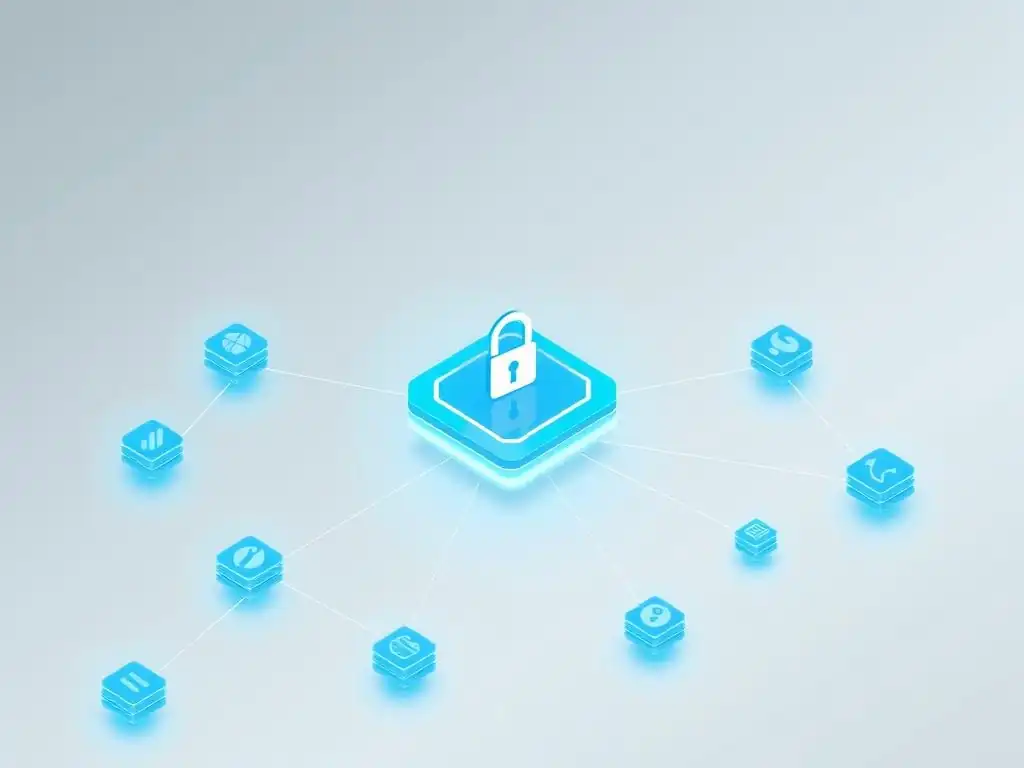
Data silos and trust issues are major impediments to collaborative research. Blockchain can break down these barriers by providing a trusted, shared infrastructure for data access and sharing among different research institutions, universities, and pharmaceutical companies. By agreeing to use a common blockchain platform and data standards (or utilizing blockchain for cross-platform referencing), researchers can more easily discover and request access to relevant datasets held by other parties.
Smart contracts can automate the process of negotiating and enforcing data sharing agreements between institutions, reducing legal and administrative overhead. The transparent and immutable ledger ensures that all parties have confidence in the integrity of the data being shared and the adherence to agreed-upon terms. This shared, secure infrastructure built on blockchain fosters a more collaborative research environment, accelerating the pace of scientific discovery by facilitating efficient and secure Blockchain telemedicine data security across organizational boundaries.
Streamlining Data Management and Reducing Administrative Costs
Managing telemedicine data for research involves complex processes, including data collection, cleaning, de-identification, consent management, access provisioning, and auditing. These tasks are often manual, labor-intensive, and prone to errors in traditional systems, leading to high administrative costs and delays. Blockchain technology, particularly through the use of smart contracts and automated workflows, can significantly streamline these processes.
Automated consent management via smart contracts, for instance, reduces the manual effort required to track patient permissions. Decentralized access control simplifies the process of granting and revoking researcher access. The immutable audit trail reduces the burden of manual logging and compliance reporting. While initial implementation requires investment, the long-term benefits in terms of reduced administrative overhead, increased efficiency, and minimized risk of costly breaches contribute to a more streamlined and cost-effective approach to Blockchain telemedicine data security and research data management.
Use Cases: Blockchain Applications in Telemedicine Research
Securely Sharing Genomic Data for Personalized Medicine Research
Genomic data is incredibly sensitive and voluminous, posing significant challenges for privacy and sharing in personalized medicine research. A single human genome sequence can be hundreds of gigabytes, and contains uniquely identifying information as well as predispositions to diseases. Researchers need access to large cohorts of genomic data linked with clinical information (often collected via telemedicine) to identify genetic markers for diseases, predict drug responses, and develop targeted therapies. Traditional methods of sharing this data often involve physically transferring hard drives or using insecure file transfer protocols, creating major security and privacy risks.
Blockchain can provide a secure framework for sharing genomic data for research. The large genomic files themselves can be stored off-chain in encrypted, distributed storage systems. The blockchain then stores a cryptographic hash of the file, proving its integrity, along with metadata and access control permissions. Patients can use smart contracts to grant specific researchers permission to access their encrypted genomic data for defined research purposes. The blockchain immutably records these consent transactions and access logs, ensuring transparency and auditability. This approach enhances Blockchain telemedicine data security for genomic data, facilitating crucial research while protecting patient privacy.
Tracking and Verifying Clinical Trial Data with Blockchain
Clinical trials are the cornerstone of medical advancement, but ensuring the integrity and provenance of trial data is critical and complex. Data is collected from numerous sources (patients, clinicians, labs, wearable devices via telemedicine), and maintaining an accurate, tamper-proof audit trail is essential for regulatory approval (e.g., FDA submissions). Traditional electronic data capture (EDC) systems can be vulnerable to data manipulation or errors, potentially compromising trial results.
Blockchain can provide an immutable ledger for recording key clinical trial events and data points. For example, patient enrollment, consent updates (potentially via telemedicine), data entry, data modifications (with justification), and site monitoring visits can all be hashed and recorded on the blockchain. This creates a permanent, verifiable audit trail that is resistant to tampering.
Smart contracts can automate data validation rules or trigger alerts for deviations from the protocol. By ensuring the integrity and transparency of the data lifecycle, blockchain enhances the reliability of clinical trial results and strengthens Blockchain telemedicine data security within the research process, potentially reducing the time and cost associated with data verification.
Protecting Patient Identity in Telemedicine Consultations and Data Analysis
Telemedicine consultations generate sensitive data, including video recordings, audio transcripts, and clinical notes, all directly linked to a patient's identity. Using this data for research requires robust methods to protect patient identity while retaining the utility of the data for analysis. Traditional de-identification processes can be cumbersome and carry a risk of re-identification, particularly with rich datasets.
Blockchain, combined with decentralized identifiers (DIDs) and verifiable credentials, can help manage patient identity and pseudonyms securely. A patient's real identity can be linked to a research pseudonym or a DID off-chain or through a trusted intermediary. The blockchain then uses the pseudonym or DID to record consent and access permissions for de-identified or pseudonymized data stored off-chain.
Researchers access the data using the pseudonym, without ever needing access to the patient's real identity. This separation, managed and audited on the blockchain, provides a higher level of assurance that patient identity is protected during data analysis for research, significantly boosting Blockchain telemedicine data security for sensitive consultation data.
Enabling Secure Remote Monitoring of Patients with Chronic Conditions
Remote patient monitoring (RPM) via telemedicine devices (wearables, sensors, connected medical devices) generates continuous streams of health data for patients with chronic conditions like diabetes, heart disease, or hypertension. This data is valuable for both clinical management and research into disease progression and treatment effectiveness. However, securing the vast amount of data transmitted from potentially insecure IoT devices and ensuring its integrity for research is a major challenge.
Blockchain can secure the data pipeline from RPM devices to research databases. Data from devices can be cryptographically signed by the device (or a secure gateway) and then hashed and timestamped on a blockchain ledger before being stored off-chain. This ensures the integrity and provenance of the data – researchers can verify that the data originated from a specific device at a specific time and has not been altered.
Smart contracts can manage consent for sharing this streaming data for research and automate alerts based on data patterns. This application of blockchain for RPM data not only supports clinical care but also provides a secure, reliable data source for research, enhancing Blockchain telemedicine data security for continuous patient monitoring.
Implementing Blockchain for Telemedicine Data: Key Considerations
Choosing the Right Blockchain Platform for Telemedicine Needs
Implementing blockchain for Blockchain telemedicine data security requires careful consideration of the underlying platform. Not all blockchain platforms are created equal, and the choice depends on the specific needs of telemedicine research applications. Public, permissionless blockchains like Bitcoin or Ethereum (Proof-of-Work) can be slow, expensive (due to transaction fees), and have privacy concerns as all transactions are globally visible. For healthcare, permissioned or private blockchains (like Hyperledger Fabric, R3 Corda, or specific healthcare-focused platforms) are often more suitable.
Permissioned blockchains restrict participation to known and authorized entities (e.g., hospitals, research institutions, patients via DIDs), offering better privacy and scalability. They typically use consensus mechanisms that are faster and more energy-efficient than Proof-of-Work. Factors to consider include the platform's transaction throughput (can it handle the volume of telemedicine data access requests? ), cost of operation, ease of integration with existing systems, regulatory compliance features, and the availability of developer tools and community support. A thorough evaluation is necessary to select a platform that aligns with the performance, privacy, and security requirements of telemedicine research data management.
Addressing Scalability and Performance Issues
While blockchain offers significant security advantages, scalability and performance remain key considerations, particularly for handling the potentially massive volume of data access requests and transactions generated in large-scale telemedicine research. Early blockchain platforms faced limitations in the number of transactions they could process per second compared to traditional databases. For example, Bitcoin handles around 7 transactions per second, whereas Visa can handle thousands.
Modern blockchain platforms and scaling solutions are addressing these issues. Techniques like sharding, layer-2 solutions (e.g., state channels, plasma), and more efficient consensus mechanisms significantly increase transaction throughput. Off-chain data storage, with only hashes and access permissions on the blockchain, also drastically reduces the on-chain data load. However, it is crucial to design the blockchain solution architecture carefully, potentially using a combination of on-chain and off-chain components, to ensure it can scale to meet the demands of large research consortia and high-frequency data access, thereby maintaining the effectiveness of Blockchain telemedicine data security at scale.
Ensuring Regulatory Compliance and Data Governance
Implementing blockchain for telemedicine data must navigate a complex landscape of healthcare regulations and data governance requirements. Regulations like HIPAA, GDPR, and others dictate how patient data must be collected, stored, shared, and protected. While blockchain's immutability and auditability can support compliance, the "right to be forgotten" provisions in regulations like GDPR present a challenge, as data on a blockchain is typically permanent.
Solutions involve storing sensitive patient data off-chain with encryption, and only storing hashes or consent pointers on the blockchain. If a patient invokes their right to be forgotten, their off-chain data can be deleted, and while the blockchain record of the hash remains, it would no longer point to accessible data. Smart contracts can be designed to enforce consent rules and data retention policies programmatically.
Establishing clear data governance frameworks that define roles, responsibilities, and rules for data access and usage within the blockchain ecosystem is crucial. Collaboration with legal and compliance experts is essential to ensure the blockchain implementation fully aligns with all applicable healthcare data regulations, solidifying Blockchain telemedicine data security within a compliant framework.
Integrating Blockchain with Existing Telemedicine Systems
A major practical challenge is integrating new blockchain solutions with existing telemedicine platforms, electronic health record (EHR) systems, and research databases. Healthcare institutions have significant investments in their current IT infrastructure, and a blockchain solution needs to be able to interact seamlessly with these legacy systems. This often requires developing integration layers, APIs, and middleware to connect the blockchain network with existing data sources and applications.
For example, data from an EHR system might need to be extracted, de-identified, encrypted, and then referenced on the blockchain for research access. Similarly, data from a telemedicine consultation platform or RPM device needs a secure pathway to be hashed and recorded on the ledger.
Ensuring interoperability between the blockchain layer and existing systems is complex and requires careful planning and development. A phased approach, starting with pilot projects focused on specific use cases like consent management or audit trails, can help manage the complexity of integrating blockchain technology to enhance Blockchain telemedicine data security across existing healthcare IT landscapes.
The Future of Blockchain in Telemedicine: Trends and Predictions
Increased Adoption of Blockchain for Secure Data Sharing
The trend towards decentralized, patient-centric healthcare and the increasing volume and value of telemedicine data suggest a strong likelihood of increased adoption of blockchain technology for secure data sharing in the coming years. As pilot projects demonstrate the tangible benefits in terms of enhanced security, privacy, and efficiency, more healthcare institutions, research organizations, and technology providers are expected to explore and implement blockchain solutions. The growing awareness of cyber threats and the stringent requirements of data protection regulations are further driving the need for more robust security frameworks like those offered by blockchain.
Industry reports and market analyses predict significant growth in the use of blockchain in healthcare, with the secure sharing of patient data and clinical trial management often cited as key application areas. While widespread adoption will take time due to the complexity of integration and regulatory hurdles, the foundational advantages blockchain offers for Blockchain telemedicine data security are well-aligned with the evolving needs of the healthcare and research sectors. We can anticipate a gradual but steady increase in blockchain deployments specifically aimed at securing and streamlining telemedicine data for research purposes.
Development of New Blockchain-Based Telemedicine Applications
Beyond secure data sharing for research, the principles of blockchain are expected to underpin the development of entirely new telemedicine applications. This includes decentralized applications (dApps) for managing patient health records, verifying the credentials of telemedicine providers, automating insurance claims processing based on consultation data, and creating secure marketplaces for health data where patients can monetize their information ethically.
Smart contracts will likely play a central role in enabling automated workflows within these applications, such as automatically releasing a portion of a research grant upon verified access to a specific dataset or automating payments for remote monitoring services based on data delivery milestones. The focus will be on creating more transparent, efficient, and patient-controlled telemedicine ecosystems. These future applications will leverage blockchain's core strengths to build trust and security into every interaction, further solidifying the role of Blockchain telemedicine data security as a key enabler for innovative healthcare delivery models.
The Role of Blockchain in Promoting Patient-Centric Healthcare
Blockchain technology is poised to play a crucial role in the broader movement towards patient-centric healthcare. By providing individuals with greater control and transparency over their health data, including sensitive telemedicine information, blockchain empowers patients to become active participants in managing their health and contributing to medical research. Decentralized identity solutions allow patients to manage their digital health footprint and grant or revoke consent for data usage with ease and confidence.
This shift from institutions holding primary control over patient data to a model where patients are the ultimate custodians of their information aligns with the principles of patient autonomy and data sovereignty. As blockchain-based consent and data access systems become more widespread, patients will be more likely to trust the system and be willing to share their data for valuable research, knowing that their privacy is protected and their preferences are respected. This patient empowerment is a key driver for the long-term potential of Blockchain telemedicine data security to transform healthcare research.
Addressing the Challenges of Blockchain Adoption in Telemedicine
Overcoming Regulatory Hurdles and Legal Uncertainties
One of the most significant challenges to widespread blockchain adoption in telemedicine is navigating the complex and often uncertain regulatory and legal landscape. Existing healthcare data regulations (like HIPAA, GDPR) were not designed with decentralized, immutable ledgers in mind, leading to questions about how concepts like the "right to be forgotten," data ownership, and liability apply in a blockchain context. For example, determining jurisdiction and responsibility in a decentralized network can be challenging.
Addressing these hurdles requires ongoing dialogue between blockchain technologists, healthcare providers, legal experts, and regulatory bodies. Developing clear guidelines and potentially adapting existing regulations or creating new frameworks specific to blockchain applications in healthcare is essential. Industry consortiums and pilot programs are working to establish best practices and demonstrate compliant use cases. Providing legal clarity and regulatory certainty is crucial for fostering trust and encouraging investment in Blockchain telemedicine data security solutions.
Ensuring Data Interoperability and Standardization
While blockchain can facilitate secure data sharing, it doesn't automatically solve the fundamental problem of data interoperability and standardization across different healthcare systems. Telemedicine data still originates from various sources using diverse formats, coding systems (e.g., ICD-10, SNOMED CT), and standards. Simply recording hashes of non-standardized data on a blockchain does not make the underlying data usable for research if different systems cannot interpret it.
Efforts are needed to promote the use of common data standards (like FHIR - Fast Healthcare Interoperability Resources) in conjunction with blockchain implementations. Blockchain can help track the provenance and integrity of data formatted according to these standards, and smart contracts could potentially include logic to verify data formatting. However, the broader challenge of achieving semantic interoperability across the healthcare ecosystem remains. Successful Blockchain telemedicine data security strategies must integrate blockchain with initiatives focused on data standardization and exchange protocols.
Educating Healthcare Professionals and Patients about Blockchain Technology
A lack of understanding and awareness about blockchain technology among healthcare professionals and patients is another significant barrier to adoption. Clinicians, researchers, and administrative staff need to understand how blockchain works, its benefits for security and privacy, and how it will impact their workflows. Patients need to understand how blockchain enhances their control over their data and why sharing data via a blockchain system might be more secure than traditional methods.
Educational initiatives are crucial to build confidence and acceptance. Training programs for healthcare IT staff, workshops for researchers on accessing blockchain-based datasets, and clear, accessible information for patients about consent management systems are necessary. Overcoming skepticism and building trust requires transparent communication about the technology's capabilities and limitations. Educating stakeholders is a vital step in paving the way for the successful implementation and utilization of Blockchain telemedicine data security solutions in real-world settings.
Conclusion: Blockchain's Potential to Transform Telemedicine Research
Recap of the Benefits of Blockchain for Secure Telemedicine Data
Telemedicine has revolutionized healthcare access, but the resulting surge in sensitive data presents significant challenges for secure sharing and analysis in research. Traditional systems struggle with data silos, security vulnerabilities, and empowering patient control. Blockchain technology offers a powerful paradigm shift, providing a decentralized, immutable, and transparent ledger that directly addresses these issues. We've seen how blockchain enhances Blockchain telemedicine data security through its core features: immutability ensures data integrity and provides tamper-proof audit trails; decentralization removes single points of failure; and cryptographic principles protect data.
Beyond security, blockchain enables enhanced patient privacy and control via decentralized identity and consent management. It increases transparency and auditability for all data sharing activities, fostering trust among researchers, institutions, and patients. Furthermore, blockchain can facilitate more efficient collaboration by providing a shared, secure infrastructure and streamline data management processes through automated smart contracts, ultimately reducing administrative burdens and costs in telemedicine research.
The Path Forward for Blockchain Adoption in the Telemedicine Industry
The potential of blockchain to transform telemedicine research by enabling secure, private, and efficient data sharing is clear. Use cases ranging from genomic data sharing and clinical trial management to protecting consultation data and securing remote monitoring streams highlight the diverse applications where blockchain can make a significant impact. However, realizing this potential requires addressing key challenges, including selecting the right platform, ensuring scalability, navigating complex regulations, and achieving seamless integration with existing systems.
The path forward involves continued research and development, piloting blockchain solutions in specific telemedicine research contexts, establishing industry standards for data representation and interoperability on the ledger, and fostering collaboration among technology providers, healthcare institutions, and regulatory bodies. Crucially, educating all stakeholders – from IT professionals and researchers to patients – about the benefits and practicalities of blockchain is essential for building the necessary trust and acceptance.
As these challenges are overcome, blockchain is poised to become a fundamental component of the infrastructure supporting secure Blockchain telemedicine data security and driving the future of medical discovery in the digital age.
Frequently Asked Questions
How does blockchain enhance telemedicine data security?
Blockchain offers enhanced security through immutable records and decentralized storage, making it difficult for unauthorized parties to tamper with or access sensitive patient data. This promotes data integrity and patient trust.
Can blockchain improve data sharing among telemedicine researchers?
Yes, blockchain facilitates secure and auditable data sharing among researchers. By using permissioned blockchains, only authorized individuals can access and analyze data, promoting collaborative research while maintaining privacy.
What role does blockchain play in ensuring patient privacy in telemedicine research?
Blockchain employs cryptographic techniques and access controls to protect patient privacy. By using pseudonymization and differential privacy, researchers can analyze data without revealing individual identities.
What are the main challenges in implementing blockchain for telemedicine data security?
Challenges include scalability issues, the complexity of integrating with existing systems, and navigating the evolving regulatory landscape concerning data privacy and security standards.
How might blockchain impact the future of telemedicine research?
Blockchain could revolutionize telemedicine research by enabling secure and transparent data sharing, fostering trust among stakeholders, and ultimately accelerating the development of innovative healthcare solutions.
Final Reflection: Securing the Future of Telemedicine Data
The exploration of blockchain's potential in telemedicine research underscores a critical need: safeguarding patient data while fostering collaborative innovation. As telemedicine expands its reach, the ethical and practical implications of data security become paramount. This article highlights not just the technological possibilities, but also the responsibility we have to ensure that sensitive health information remains protected in this new era of digital healthcare.
The promise of blockchain lies in its ability to create a transparent and immutable record, fostering trust and accountability in data sharing. This is particularly vital in telemedicine, where the sensitive nature of patient information demands the highest levels of security. Data is the new oil, and telemedicine data is particularly valuable. Blockchain offers a way to refine that oil responsibly, ensuring its value benefits all stakeholders, especially the patients themselves.
As we move forward, let us not only embrace the technological advancements that blockchain offers, but also commit to building a future where telemedicine data is handled with the utmost care and respect. Consider how you can contribute to this secure and collaborative ecosystem, whether through research, development, or simply advocating for responsible data practices. The future of healthcare depends on our collective commitment to blockchain telemedicine data security.
Unveil the Future of Telemedicine Research!
Thank you for exploring the potential of blockchain technology to transform telemedicine research. We hope you've gained a clear understanding of how secure and transparent data sharing can revolutionize healthcare. Are you ready to take the next step?
Here are some ways to get involved:
- Propose a pilot project: Consider implementing a small-scale study that uses blockchain to facilitate secure data sharing within your organization. Assess its practicality and advantages firsthand. This is your opportunity to lead the change!
- Share this information with colleagues to foster discussion on how blockchain can address current challenges related to data security and patient privacy.
- Explore frameworks for blockchain-based data governance to promote responsible handling of sensitive patient information.
How will you contribute to advancing secure and transparent data sharing in telemedicine?
Leave a Reply