
Immutable Birth Certificates: How Blockchain is Protecting Identity in Developing Nations

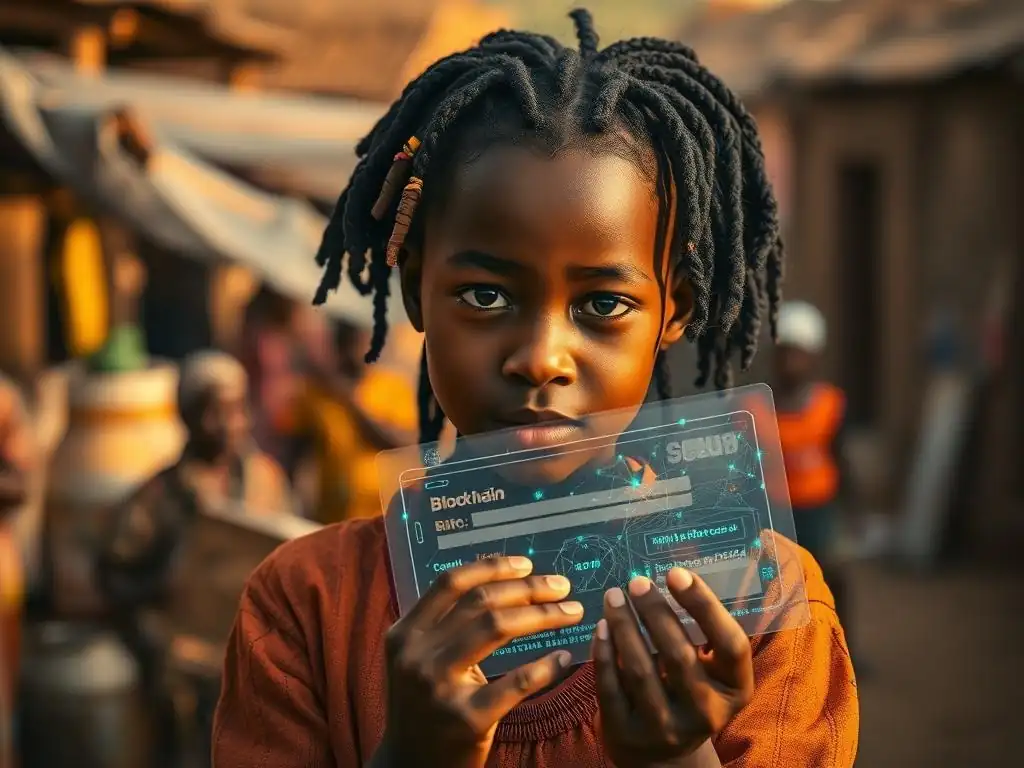
Welcome to Blockchain Trends, your guide to the revolutionary world beyond crypto. Tired of the hype and hungry for real-world impact? Discover how blockchain is reshaping industries and empowering communities.
Dive into our latest case study: Immutable Birth Certificates: How Blockchain is Protecting Identity in Developing Nations. Could a secure, decentralized ledger be the key to solving identity challenges and unlocking opportunity in underserved regions? Explore the innovative solutions emerging now and consider the broader implications for a future built on trust and transparency. Read on to uncover the potential!
Immutable Birth Certificates: How Blockchain is Protecting Identity in Developing Nations
-
The Challenge: Identity Crisis in Developing Nations and the Need for Secure Records
- Lack of Reliable Birth Registration Systems in Developing Countries
- The Impact of Missing Birth Certificates: Limited Access to Education, Healthcare, and Social Services
- Why Traditional Systems Fail: Corruption, Inadequate Infrastructure, and Lack of Resources
- Exploring Blockchain's Potential for Secure Identity Management
- Blockchain Birth Certificates: A Solution for Secure and Verifiable Identity
- Case Studies: Blockchain Birth Certificate Implementations in Developing Nations
- Benefits of Blockchain-Based Birth Registration for Developing Nations
-
Overcoming Barriers to Blockchain Birth Certificate Adoption
- Addressing Technological Infrastructure Challenges: Limited Internet Connectivity and Device Access
- Building Trust and Educating Citizens about Blockchain Technology
- Navigating Regulatory Landscapes and Ensuring Data Privacy Compliance
- The Importance of Collaboration Between Governments, NGOs, and Technology Providers
-
The Future of Blockchain and Digital Identity in Developing Countries
- Expanding Blockchain Applications Beyond Birth Certificates: Healthcare Records, Land Titles
- The Role of Blockchain in Achieving Sustainable Development Goals (SDGs)
- The Potential for Decentralized Identity to Drive Economic Growth and Social Inclusion
- Advancements in Zero-Knowledge Proofs and Scalable Blockchain Solutions for Identity Management
-
Frequently Asked Questions
- How does blockchain technology help create immutable birth certificates?
- Why are immutable birth certificates particularly important in developing nations?
- What are the key benefits of using blockchain for birth certificates in these regions?
- Are there any challenges to implementing blockchain-based birth certificate systems in developing nations?
- What is the long-term potential of blockchain birth certificates for individuals and economies in developing nations?
- Final Reflection: Securing Futures with Immutable Records
- Empower Identity: Join the Blockchain Revolution!
The Challenge: Identity Crisis in Developing Nations and the Need for Secure Records
Lack of Reliable Birth Registration Systems in Developing Countries
Across many developing nations, the fundamental act of birth registration remains a significant hurdle. Millions of children born each year are not officially registered, leaving them without a recognized legal identity.
This pervasive issue stems from a complex web of factors, including geographical remoteness, lack of awareness about the importance of registration, high costs associated with the process, and insufficient government resources allocated to civil registration infrastructure. For instance, UNICEF data consistently highlights that a substantial percentage of children under five in sub-Saharan Africa and South Asia remain unregistered, creating a 'data gap' that impacts everything from public health planning to social welfare programs.
The absence of a formal birth registration system means that individuals lack the most basic proof of identity required to navigate modern society. This not only affects children but perpetuates a cycle of vulnerability across generations. Without a birth certificate, accessing essential services and exercising fundamental rights becomes incredibly difficult, if not impossible. The scale of unregistered births represents a silent crisis, hindering individual potential and national development alike, underscoring the urgent need for innovative and reliable solutions like blockchain birth certificates developing nations can readily adopt.
A missing birth certificate acts as a significant barrier, effectively excluding individuals from accessing crucial state-provided services. Without proof of age and identity, enrolling in formal education is often impossible, trapping children in cycles of illiteracy and limited opportunity. Similarly, accessing healthcare can become a challenge, as clinics or hospitals may require official identification, particularly for vaccinations or specialized treatments. This lack of access disproportionately affects vulnerable populations, including those in rural areas, minority groups, and refugees.
Furthermore, the inability to prove identity restricts access to social safety nets, welfare programs, and legal protections. Adults without birth certificates may struggle to open bank accounts, own property, vote in elections, or obtain formal employment. They are also more susceptible to exploitation, human trafficking, and statelessness, as their existence is not formally recognized by the state. The profound impact of this 'identity gap' highlights the critical need for secure and universally accessible identity systems.
Why Traditional Systems Fail: Corruption, Inadequate Infrastructure, and Lack of Resources
Traditional, paper-based birth registration systems in many developing countries are often plagued by inefficiencies and vulnerabilities. Centralized databases can be susceptible to tampering, loss due to natural disasters or conflict, and bureaucratic bottlenecks that slow down the registration process significantly. Inadequate infrastructure, including limited access to electricity, connectivity, and trained personnel in remote areas, further exacerbates these challenges. Maintaining physical records across vast geographical areas is costly and logistically complex.
Corruption also presents a significant barrier, where the process can be manipulated or bribes may be required to obtain documents, making registration inaccessible for the poorest segments of the population. The lack of interoperability between different government departments further complicates matters, meaning even if a birth is registered, verifying that information across health, education, or social services agencies can be difficult. These systemic failures underscore the need for a robust, transparent, and decentralized approach to identity management, paving the way for technologies like blockchain birth certificates developing nations can trust.
Exploring Blockchain's Potential for Secure Identity Management
The inherent properties of blockchain technology offer a compelling alternative to the fragile and inefficient traditional systems. Its decentralized and immutable nature provides a foundation for creating identity records that are secure, transparent, and resistant to fraud or tampering. Each birth registration recorded on a blockchain creates an unchangeable entry, providing a verifiable audit trail. This distributed ledger technology moves away from single points of failure, making the system more resilient to data loss and corruption.
By leveraging blockchain, developing nations can potentially build identity systems that are not only more secure but also more accessible. The technology allows for the creation of unique digital identities linked to an individual's birth record, which can then be used to access various services. This exploration of blockchain for identity management is gaining traction globally, with various pilot projects demonstrating its viability for creating reliable and verifiable records, including the critical area of blockchain birth certificates developing nations need.
Blockchain Birth Certificates: A Solution for Secure and Verifiable Identity
What are Blockchain Birth Certificates? A Decentralized Approach to Identity
Blockchain birth certificates represent a digital record of a person's birth, stored securely on a distributed ledger. Unlike traditional paper certificates or entries in a centralized database, this digital record is cryptographically linked to the individual and distributed across multiple nodes in a blockchain network. This decentralization means there is no single point of failure where the record can be lost or manipulated. The birth certificate information, while potentially anonymized or hashed for privacy on the public ledger, is tied to a unique digital identifier belonging to the individual.
This approach shifts the paradigm from relying on a single issuing authority to verify identity towards a system where the authenticity of the record can be verified by the network itself. It provides individuals with a form of self-sovereign identity, where they have more control over their personal data and how it is shared. For blockchain birth certificates developing nations are piloting, this means providing citizens with a foundational digital identity that is both secure and easily verifiable by authorized parties, without compromising privacy.
How Blockchain Technology Ensures Data Integrity and Prevents Fraud
The core strength of blockchain lies in its cryptographic security and distributed consensus mechanism. When a birth record is added to the blockchain, it is bundled into a block with other transactions. This block is then cryptographically hashed, and its hash is included in the next block, creating a chain where each block is linked to the previous one. Altering any information in a past block would change its hash, breaking the chain and making the tampering immediately obvious to the network.
Furthermore, for a new block to be added, it must be validated by the majority of participants (nodes) in the network through a consensus process. This distributed validation makes it virtually impossible for any single entity to fraudulently alter or delete records without the consent of the network. For sensitive records like blockchain birth certificates developing nations are using, this immutability is paramount, ensuring that the foundational identity document remains authentic and cannot be forged or duplicated easily, thereby significantly reducing identity theft and fraud.
Key Features of Blockchain-Based Birth Registration Systems: Security, Transparency, Accessibility
Blockchain-based birth registration systems offer several key features that address the shortcomings of traditional methods. Security is drastically enhanced through cryptography and immutability, protecting records from unauthorized access and alteration. Once a birth is registered on the blockchain, that record is permanent and verifiable. Transparency is another crucial feature; while sensitive personal details might be kept off the public chain or encrypted, the existence and validity of the record can often be verified by authorized parties across the network, creating an auditable trail of registration events.
Accessibility is also improved, particularly in areas with limited infrastructure. While initial registration might require some digital access, the resulting digital identity can potentially be linked to various forms of verification, including mobile applications or even physical tokens in the future. The decentralized nature means that verification can occur without needing to access a single, potentially remote or offline, government database. These features combine to create a more reliable and robust system for issuing blockchain birth certificates developing nations can leverage to build a foundation for digital inclusion.
Case Studies: Blockchain Birth Certificate Implementations in Developing Nations
Case Study 1: Tanzania - Implementing Blockchain for Birth Registration in Zanzibar
Tanzania, specifically the semi-autonomous region of Zanzibar, has been a pioneering location for implementing blockchain technology for birth registration. Recognizing the significant number of unregistered children, particularly in rural areas, the government partnered with UNICEF and innovation firms to explore how distributed ledger technology could provide a more efficient and reliable system. The project aimed to overcome the geographical barriers and bureaucratic hurdles that prevented many families from obtaining official birth certificates.
The initiative focused on creating a mobile-based registration system integrated with a blockchain backend. Community health workers and local officials were equipped with smartphones to register births at the point of contact, often in remote villages. This data was then securely recorded on the blockchain, creating an immutable digital ledger of birth records. The project highlighted the potential for technology to reach underserved populations and streamline administrative processes, laying important groundwork for the adoption of blockchain birth certificates developing nations could replicate.
The Objectives of the Blockchain Birth Certificate Project in Tanzania
The primary objective was to increase the rate of birth registration, particularly among children under five and in hard-to-reach areas of Zanzibar. The target was to provide every child with a legal identity from birth, ensuring they could access essential services like healthcare and education. A secondary objective was to create a more secure and tamper-proof system for storing these vital records, reducing the risk of loss, damage, or fraudulent manipulation inherent in paper-based systems.
Furthermore, the project aimed to improve the efficiency of the registration process itself, reducing the time and cost associated with obtaining a birth certificate for families. By enabling registration via mobile devices, the goal was to make the process more accessible and less burdensome, encouraging wider participation and demonstrating the practical benefits of blockchain birth certificates developing nations could implement at scale.
The Technology Stack: Ethereum Blockchain and Mobile Applications
The Zanzibar project utilized a private instance of the Ethereum blockchain, chosen for its flexibility and the ability to develop smart contracts to manage the registration workflow. Mobile applications served as the front-end interface for registrars in the field. These applications allowed for the collection of necessary data offline and subsequent synchronization with the blockchain when connectivity was available.
The system was designed to record essential birth details cryptographically on the ledger. While specific personal identifiers might be handled with care for privacy, the core record of the birth event and its link to the individual was secured by the blockchain's immutable nature. This combination of mobile technology for accessibility and blockchain for security provided a robust framework for digital birth registration, showcasing a practical application of blockchain birth certificates developing nations could adapt.
Results and Impact: Improved Birth Registration Rates and Access to Healthcare
The pilot project in Zanzibar demonstrated significant success in improving birth registration rates in the targeted areas. Reports indicated a substantial increase in the number of children registered compared to previous periods using traditional methods. This immediate impact meant more children gained a legal identity, a crucial step towards securing their rights.
Having an official birth record facilitated better access to healthcare services, including immunization programs. It also laid the foundation for future access to education and social welfare benefits. The project proved that blockchain technology could be effectively deployed in challenging environments to address a critical development issue, providing valuable lessons for future initiatives involving blockchain birth certificates developing nations might undertake.
Case Study 2: Pakistan - Empowering Citizens with Self-Sovereign Identity through Blockchain
Pakistan has also explored the use of blockchain for identity management, focusing on creating a more secure and citizen-centric system. While broader than just birth certificates, initiatives like the one explored by the National Database and Registration Authority (NADRA) have looked into how blockchain could underpin a national digital identity framework. The goal is to provide citizens with greater control over their personal data and reduce reliance on centralized, vulnerable databases.
This exploration acknowledges the challenges of maintaining accurate and secure records for a large population using traditional methods. By considering blockchain, Pakistan is looking towards a future where citizens' identities are verifiable, tamper-proof, and interoperable across different government and private sector services. This vision encompasses foundational identity documents, including the potential for blockchain birth certificates developing nations like Pakistan could integrate into a wider digital identity ecosystem.
Addressing Data Security Concerns with Blockchain-Based Identity Solutions
A major driver for exploring blockchain in Pakistan's identity framework is the need to enhance data security and privacy. Centralized databases, while efficient for certain tasks, are attractive targets for cyberattacks and breaches. By distributing identity data (or verifiable proofs of identity) across a blockchain network, the risk associated with a single point of failure is significantly reduced. Cryptographic techniques ensure that even if data is stored on the chain, it is either anonymized or only accessible to authorized parties with the correct keys.
Blockchain's inherent immutability also prevents unauthorized alterations to identity records, a crucial aspect for documents like birth certificates, which are the foundation of a person's legal existence. This focus on security and data integrity is essential for building trust in digital identity systems among citizens and institutions, making blockchain birth certificates developing nations can rely on a more viable option.
Overcoming Challenges: Limited Digital Literacy and Infrastructure
Implementing advanced technologies like blockchain in a country with varying levels of digital literacy and infrastructure presents significant challenges. A substantial portion of the population, particularly in rural areas, may have limited access to internet connectivity or digital devices. Educating citizens about how a blockchain-based system works and building trust in this new technology is paramount.
Projects must consider user-friendly interfaces and alternative access methods that do not solely rely on smartphone ownership or constant internet access. This might involve partnerships with local community centers or using intermediaries to assist with registration and verification processes. Overcoming these infrastructure and human capital barriers is crucial for the successful adoption of blockchain birth certificates developing nations are considering.
Lessons Learned: Importance of Community Engagement and User-Friendly Interfaces
Experiences from pilot projects emphasize the critical role of community engagement. Building trust requires transparent communication about how the system works, how data is protected, and the benefits of obtaining a digital identity. Involving local leaders and community members in the deployment process can significantly increase adoption rates and overcome skepticism.
The design of user interfaces must also be intuitive and accessible, catering to users with varying levels of digital proficiency. Complex technical systems need simple front-end interactions. Lessons learned highlight that the success of initiatives involving blockchain birth certificates developing nations implement depends not just on the technology itself, but equally on its human-centered design and inclusive deployment strategy.
Benefits of Blockchain-Based Birth Registration for Developing Nations
Enhanced Identity Verification and Reduced Identity Theft
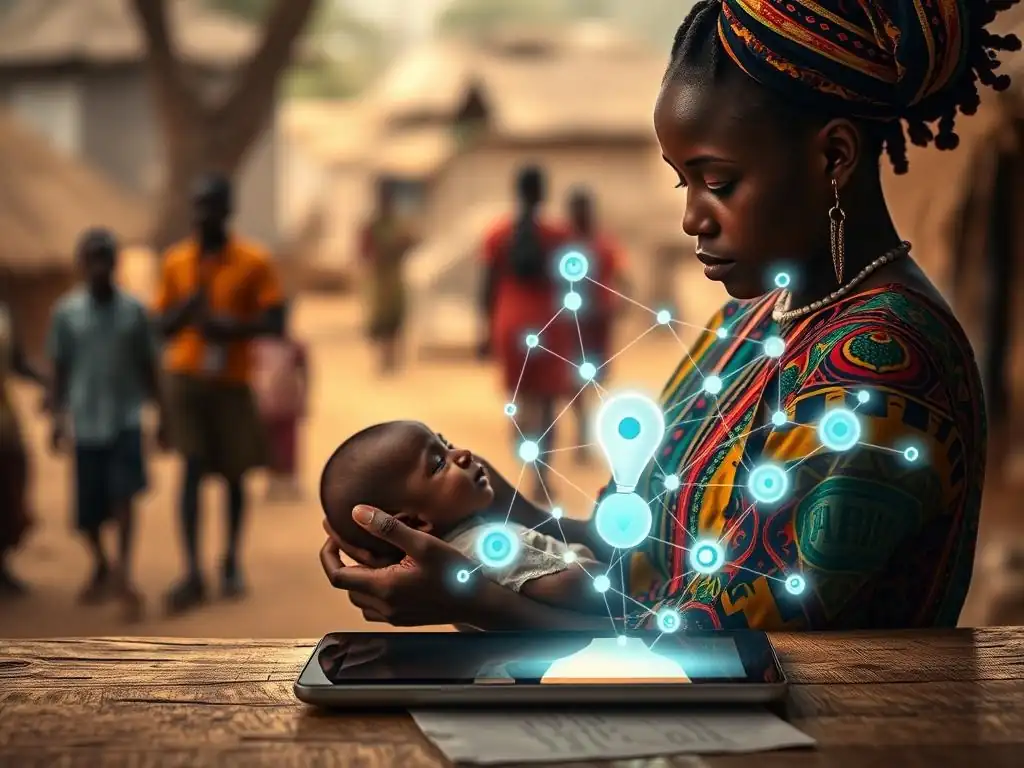
One of the most significant benefits of using blockchain for birth registration is the creation of highly verifiable and secure identity records. The immutable nature of the blockchain means that once a birth certificate is recorded, it cannot be fraudulently altered or deleted. This makes it significantly harder for individuals to commit identity theft or for corrupt officials to issue fake documents. Each record is linked to a unique cryptographic identifier, ensuring its authenticity.
This enhanced verifiability also streamlines processes for institutions that need to confirm identity, such as banks, schools, and government agencies. Rather than relying on potentially unreliable paper documents or centralized databases prone to errors, they can verify the authenticity of a blockchain-based birth certificate with high confidence, improving security and trust across various sectors. This is a key advantage of blockchain birth certificates developing nations can leverage to build stronger civic systems.
By providing a secure and universally verifiable proof of identity from birth, blockchain birth certificates can unlock access to essential services for millions. Children with a recognized identity are more likely to be enrolled in school and receive necessary vaccinations and healthcare. As they grow, this foundational identity enables them to access higher education, vocational training, and formal employment opportunities.
Adults with a secure digital identity linked to their birth record can more easily participate in the formal economy, access financial services, and receive government benefits. This improved access is particularly impactful for marginalized and vulnerable populations who face the greatest barriers to obtaining traditional identity documents. Blockchain birth certificates developing nations implement can act as a digital key, opening doors to opportunities previously out of reach.
Greater Transparency and Accountability in Government Operations
Integrating birth registration with a blockchain provides a transparent and auditable trail of every registration event. Every time a birth is recorded, updated (if necessary, following strict protocols), or verified, this action is recorded on the distributed ledger. This inherent transparency makes it difficult for corrupt practices to go unnoticed.
Government agencies responsible for civil registration become more accountable, as their activities are visible on the shared ledger (to authorized parties). This can help reduce bureaucratic inefficiencies and corruption, ensuring that resources allocated for registration are used effectively. The transparency offered by blockchain birth certificates developing nations deploy can lead to more efficient governance and better service delivery.
Empowering Marginalized Communities through Secure Identity
Marginalized communities, including ethnic minorities, indigenous populations, refugees, and those living in remote areas, often face the greatest challenges in obtaining official identity documents. This lack of identity contributes to their vulnerability and exclusion from mainstream society. Blockchain-based systems can be designed to be more accessible and inclusive, reaching populations that traditional systems fail to serve.
By providing a secure and verifiable blockchain birth certificate, these individuals gain a recognized legal existence. This empowers them to claim their rights, access social services, participate in the political process, and protect themselves against exploitation. Secure digital identity is a powerful tool for social inclusion and empowerment, making blockchain birth certificates developing nations adopt a critical step towards equitable development.
Overcoming Barriers to Blockchain Birth Certificate Adoption
Addressing Technological Infrastructure Challenges: Limited Internet Connectivity and Device Access
A significant barrier to implementing blockchain birth certificates developing nations face is the uneven landscape of technological infrastructure. While mobile penetration is high in many areas, consistent internet connectivity, especially in rural regions, can be unreliable. Furthermore, the availability and affordability of smartphones or other required devices for registrars and potentially for citizens to access their digital identity remain challenges.
Solutions must consider offline capabilities for data collection at the point of birth and utilize technologies that are less data-intensive. Partnerships with telecommunication providers to expand network coverage and initiatives to make affordable devices available are crucial. The system design for blockchain birth certificates developing nations adopt needs to be resilient to intermittent connectivity and accessible through various means, not solely high-end devices.
Building Trust and Educating Citizens about Blockchain Technology
Blockchain is a complex technology, and the concept of a digital, decentralized identity can be unfamiliar and potentially intimidating to populations with limited digital literacy. Building trust in the system is paramount. Citizens need to understand how their data is secured, who can access it, and the benefits of the new system compared to the traditional one. Misinformation or fear of government surveillance can hinder adoption.
Extensive public awareness campaigns, community outreach programs, and training for local officials are necessary to educate citizens and build confidence. Demonstrating the reliability and security of blockchain birth certificates developing nations pilot through successful case studies and providing accessible support channels are key to overcoming skepticism and fostering widespread acceptance.
Implementing a blockchain-based identity system requires careful consideration of existing legal and regulatory frameworks. Laws governing civil registration, data privacy, and digital signatures need to be reviewed and potentially updated to accommodate blockchain technology. Defining ownership and control of the data, ensuring compliance with international data protection standards (even if not directly applicable, they provide good practice), and establishing clear legal recognition for blockchain birth certificates are critical steps.
Governments must work with legal experts and technology providers to create a regulatory environment that supports innovation while safeguarding citizen privacy and security. Clear policies on data access, identity verification, and dispute resolution are essential. Navigating these complex legal waters is a necessary challenge for the successful deployment of blockchain birth certificates developing nations are exploring.
The Importance of Collaboration Between Governments, NGOs, and Technology Providers
Successfully implementing blockchain birth certificates developing nations requires a collaborative effort involving multiple stakeholders. Governments play a crucial role in providing the legal framework, political will, and necessary infrastructure. Non-governmental organizations (NGOs) often have deep roots in communities, understand local contexts, and can facilitate outreach and training. Technology providers bring the technical expertise to design, build, and maintain the blockchain system.
Partnerships between these groups are essential for overcoming technical, social, and political barriers. This multi-stakeholder approach ensures that the system is not only technologically sound but also addresses the specific needs and challenges of the target population, leading to sustainable and impactful solutions for blockchain birth certificates developing nations can implement effectively.
The Future of Blockchain and Digital Identity in Developing Countries
Expanding Blockchain Applications Beyond Birth Certificates: Healthcare Records, Land Titles
The successful implementation of blockchain birth certificates developing nations are piloting can serve as a critical stepping stone for broader adoption of decentralized identity and record-keeping. Once a secure, foundational identity is established on the blockchain, it can be linked to other vital records, such as healthcare history, vaccination records, educational qualifications, and even land ownership titles.
Storing these records on a distributed ledger enhances their security, verifiability, and accessibility for authorized individuals and institutions. For instance, immutable healthcare records can improve patient care and prevent medical fraud, while secure land titles can help resolve property disputes and unlock economic opportunities. The potential to build a comprehensive digital identity ecosystem on blockchain is immense, extending far beyond blockchain birth certificates developing nations initially implement.
The Role of Blockchain in Achieving Sustainable Development Goals (SDGs)
Secure digital identity, facilitated by blockchain, is directly relevant to several of the United Nations' Sustainable Development Goals. SDG 16.9 specifically calls for providing legal identity for all, including birth registration, by 2030. Blockchain-based systems offer a viable path to achieving this target, particularly in challenging environments.
Beyond identity, blockchain applications in land rights (SDG 1), financial inclusion (SDG 8), and transparent governance (SDG 16) can contribute significantly to poverty reduction, economic growth, and institutional effectiveness. By creating a foundation of trust and transparency, blockchain birth certificates developing nations adopt contribute directly to building stronger societies and achieving global development targets.
Decentralized identity systems, built on blockchain, can be a powerful catalyst for economic growth and social inclusion. When individuals have a verifiable digital identity, they can access formal financial services like bank accounts, credit, and insurance, which are essential for participating in the modern economy. This is particularly important for small business owners and entrepreneurs in the informal sector.
Furthermore, secure digital identity enables access to education and formal employment, increasing productivity and earning potential. It empowers individuals to participate fully in civic life, including voting and accessing government services. The economic and social benefits stemming from providing secure blockchain birth certificates developing nations to their citizens are substantial, laying the groundwork for more equitable and prosperous societies.
Advancements in Zero-Knowledge Proofs and Scalable Blockchain Solutions for Identity Management
Ongoing technological advancements in blockchain are addressing some of the key challenges related to privacy and scalability, making blockchain birth certificates developing nations might deploy even more viable. Zero-Knowledge Proofs (ZKPs), for example, allow one party to prove that they know a value or possess certain information (like being over 18, verified by a birth certificate) without revealing the information itself (the exact date of birth). This significantly enhances privacy while maintaining verifiability.
Scalability solutions, such as Layer 2 networks and more efficient consensus mechanisms, are increasing the transaction throughput of blockchains, making them capable of handling the vast number of identity transactions required for an entire nation. These advancements are paving the way for more efficient, private, and widespread adoption of blockchain-based identity systems, including the future of blockchain birth certificates developing nations can implement at a national scale.
Frequently Asked Questions
How does blockchain technology help create immutable birth certificates?
Blockchain creates a decentralized, tamper-proof ledger. Each birth certificate is recorded as a transaction, linked cryptographically to the previous one, making it incredibly difficult to alter or forge.
Why are immutable birth certificates particularly important in developing nations?
Developing nations often lack robust identity management systems. This leads to issues like identity theft, lack of access to services, and vulnerability to exploitation, all of which blockchain-based birth certificates can help mitigate.
What are the key benefits of using blockchain for birth certificates in these regions?
The benefits include enhanced security, improved data integrity, and increased transparency. This results in greater trust in the system and easier access to essential services for citizens.
Are there any challenges to implementing blockchain-based birth certificate systems in developing nations?
Yes, challenges include limited internet access, lack of digital literacy, and potential regulatory hurdles. Overcoming these requires collaboration between governments, NGOs, and technology providers.
What is the long-term potential of blockchain birth certificates for individuals and economies in developing nations?
Long-term, blockchain birth certificates can unlock access to education, healthcare, and financial services. This fosters economic growth and empowers individuals to participate more fully in society.
Final Reflection: Securing Futures with Immutable Records
The promise of reliable identity verification in developing nations, as explored through the lens of blockchain birth certificates, is no longer a distant dream but a tangible possibility. The challenges of traditional record-keeping, rife with vulnerabilities and accessibility issues, are being directly addressed by the inherent security and transparency of blockchain technology, offering a pathway to empowerment for individuals often marginalized by systemic inefficiencies.
The impact of this technology extends far beyond mere record-keeping; it's about fostering inclusion and opportunity for generations to come. A secure and verifiable birth certificate unlocks access to education, healthcare, and legal rights, fundamentally altering the trajectory of individuals and communities. Identity is not a luxury; it is a fundamental human right. Blockchain technology offers a powerful tool to protect and empower individuals, especially in vulnerable populations.
As we look to the future, let us consider the profound implications of this technology and its potential to reshape the landscape of identity management globally. How can we, as individuals and as a global community, actively support the implementation and expansion of blockchain-based identity solutions in developing nations? Let us embrace the opportunity to build a more equitable and just world, one immutable birth certificate at a time.
Empower Identity: Join the Blockchain Revolution!
Thank you for exploring how blockchain technology is transforming identity management and providing secure, unchangeable birth certificates in developing nations. Now that you understand the significant impact of this innovation, let's take action together.
Here's how you can contribute to this transformative movement:
- Become an advocate: Share this article with your network to raise awareness about the importance of digital identity and blockchain solutions.
- Research blockchain projects: Explore existing initiatives that utilize blockchain for identity verification to learn about different approaches and technologies.
- Support NGOs: Find and donate to a non-profit organization working to implement blockchain-based solutions for social good and digital identity in developing countries.
What steps will you take today to help provide secure identities to those who need them most? Let us know in the comments!
Leave a Reply