
Tokenizing Real Estate Debt: New Opportunities in the Fixed Income Market


Welcome to Blockchain Trends, your guide to navigating the evolving world of decentralized technology. Are you ready to unlock new avenues in the fixed income market? This week, we delve into the revolutionary concept of blockchain real estate debt tokens, exploring how this innovative approach is reshaping investment strategies and creating unprecedented opportunities. Discover how tokenization is transforming the real estate landscape and what it means for the future of finance. Read on to uncover the potential and the challenges.
Tokenizing Real Estate Debt: New Opportunities in the Fixed Income Market
- Introduction: The Rise of Blockchain Real Estate Debt Tokens
- What are Blockchain Real Estate Debt Tokens?
-
Benefits of Tokenizing Real Estate Debt for Investors
- Increased Accessibility to Real Estate Debt Investments
- Enhanced Liquidity in the Fixed Income Market
- Portfolio Diversification with Blockchain-Based Real Estate Debt
- Transparency and Efficiency in Real Estate Debt Management
- Access to a Wider Pool of Capital for Real Estate Projects
- Streamlined Issuance and Reduced Administrative Costs
- Improved Transparency and Investor Relations
- The Current Landscape of Blockchain Real Estate Debt Tokenization
- Regulatory Considerations for Blockchain Real Estate Debt Tokens
- Challenges and Risks Associated with Real Estate Debt Tokenization
- The Future of Blockchain Real Estate Debt Tokens
- Conclusion: Embracing the Potential of Blockchain-Based Real Estate Debt
-
Frequently Asked Questions
- What are Blockchain real estate debt tokens, and how do they differ from traditional real estate investments?
- How does tokenizing real estate debt benefit both borrowers and investors?
- What are the potential risks associated with investing in Blockchain real estate debt tokens?
- How is the value of a Blockchain real estate debt token determined, and what factors can influence its price?
- What is the current regulatory landscape surrounding Blockchain real estate debt tokens, and how might it evolve in the future?
- Final Reflection: Embracing the Future of Fixed Income
- Seize Your Share: Revolutionize Your Real Estate Investing Today!
Introduction: The Rise of Blockchain Real Estate Debt Tokens
Understanding the Convergence of Blockchain and Real Estate Finance
The convergence of blockchain technology and real estate finance marks a significant shift, promising to reshape traditional processes and unlock new investment avenues. Historically, real estate investment, particularly in debt instruments like mortgages or mezzanine loans, has been characterized by high entry barriers, illiquidity, and complex administrative procedures. These factors have often limited participation to large institutions and accredited investors, creating an opaque and inefficient market. Blockchain technology, with its inherent characteristics of transparency, security, and decentralization, offers a compelling solution to many of these long-standing challenges.
By leveraging distributed ledger technology, the process of originating, managing, and trading real estate debt can become significantly more streamlined. Smart contracts, self-executing agreements with the terms directly written into code, can automate payment distributions, escrow management, and even default procedures, reducing reliance on intermediaries and minimizing potential disputes.
Furthermore, the immutable nature of the blockchain ensures a clear and verifiable record of ownership and transaction history, enhancing trust and reducing the risk of fraud. This foundational technological layer is paving the way for the emergence of blockchain real estate debt tokens, representing a new frontier in fixed income investments.
The Growing Interest in Tokenized Real Estate Debt
Interest in tokenized real estate debt has surged as investors and issuers increasingly recognize the potential benefits offered by blockchain technology. This growing momentum is driven by a desire for greater efficiency, enhanced accessibility, and improved liquidity within the traditionally cumbersome real estate finance sector. Platforms facilitating real estate tokenization are emerging globally, demonstrating tangible examples of how debt instruments secured by real property can be represented as digital tokens on a blockchain. This allows for fractional ownership and easier transferability, opening the market to a broader base of participants.
Major financial institutions and real estate firms are exploring or actively piloting projects involving the tokenization of real estate assets, including debt. While still in its nascent stages compared to traditional markets, the tokenized real estate market, encompassing both equity and debt, has seen a notable increase in transaction volume and the value of assets tokenized.
Industry reports suggest the total value of tokenized assets, including real estate debt, could reach into the trillions of dollars in the coming decade, indicating strong market confidence in the long-term viability and transformative potential of blockchain real estate debt tokens. This trend signals a clear move towards a more digitally integrated and accessible future for real estate finance.
What are Blockchain Real Estate Debt Tokens?
Defining Real Estate Debt Tokenization: A Breakdown
Real estate debt tokenization is the process of issuing digital tokens on a blockchain that represent a beneficial interest in or claim on real estate-backed debt. This could include tokens representing fractional ownership of a mortgage, a share in the income stream from a commercial property loan, or a stake in a pool of real estate debt instruments. Essentially, it transforms illiquid debt assets into divisible, tradable digital assets. Each token typically represents a specific unit of value or right associated with the underlying debt, such as a claim on future interest payments or principal repayment.
The process involves structuring the debt instrument legally, often through a special purpose vehicle (SPV), and then issuing digital tokens corresponding to the ownership or economic rights within that SPV or directly linked to the debt itself. These tokens are recorded on a blockchain ledger, providing a transparent and immutable record of ownership and transactions. Smart contracts are often integral to this process, automating the distribution of payments (like interest) to token holders based on predefined terms and conditions embedded in the code. This digital representation fundamentally changes how real estate debt can be held, managed, and traded.
How Real Estate Debt Tokens Differ from Traditional Securities
Blockchain real estate debt tokens differ significantly from traditional real estate-backed securities in several key aspects, primarily related to issuance, transferability, and accessibility. Traditional real estate debt securities, such as mortgage-backed bonds, are typically issued and traded through complex, multi-party systems involving banks, brokers, clearinghouses, and depositories. This results in lengthy settlement times, high transaction costs, and significant administrative overhead. Minimum investment thresholds are often high, frequently in the range of $250,000 or more, restricting participation to institutional investors.
In contrast, blockchain real estate debt tokens are issued directly onto a blockchain, often bypassing many traditional intermediaries. This peer-to-peer or platform-based issuance can dramatically reduce costs and issuance time. The tokens can be traded on secondary markets operating on the blockchain, potentially facilitating near-instantaneous settlement (limited only by blockchain confirmation times, typically minutes).
Crucially, tokens can be divided into much smaller units, allowing for fractional ownership and significantly lowering the minimum investment required, sometimes to as little as $100 or $1,000. This fractionalization and ease of transfer represent a paradigm shift towards greater democratization of access to real estate debt investments.
Key Features of Tokenized Real Estate Debt
Tokenized real estate debt exhibits several defining characteristics that distinguish it from traditional debt instruments and contribute to its unique value proposition. Firstly, Fractional Ownership is a core feature, enabling investors to own a small piece of a large debt asset, which was previously impractical due to the indivisible nature of traditional debt contracts and high minimums.
This drastically lowers the barrier to entry for individual investors. Secondly, Increased Liquidity Potential is a significant benefit; while not guaranteed, the ability to trade tokens on secondary markets built on blockchain infrastructure offers the possibility of exiting positions more easily than selling traditional illiquid debt stakes.
Thirdly, Enhanced Transparency is inherent to blockchain technology. The record of token issuance, ownership transfers, and potentially even payment distributions can be publicly verifiable on the ledger (depending on the blockchain used and privacy considerations), providing a level of transparency often lacking in traditional private debt markets. Fourthly, Automated Processes via smart contracts streamline functions like interest payments, principal repayment, and potentially even aspects of default management, reducing manual intervention and administrative costs. These features collectively contribute to making blockchain real estate debt tokens a more accessible, potentially more liquid, and transparent investment vehicle.
Benefits of Tokenizing Real Estate Debt for Investors
Increased Accessibility to Real Estate Debt Investments
Tokenizing real estate debt significantly lowers the barriers to entry for a broad range of investors, democratizing access to an asset class traditionally dominated by large financial institutions and high-net-worth individuals. By representing debt as digital tokens, issuers can divide large loan amounts into much smaller, affordable units.
For instance, a $10 million mortgage could be tokenized into 10,000 tokens, each representing $1,000 of the debt. This fractionalization allows individual investors to participate with relatively modest capital outlays, perhaps starting from a few hundred or thousand dollars, compared to the typical six or seven-figure minimums required for direct investment in traditional real estate debt funds or private placements.
This enhanced accessibility opens up opportunities for retail investors to gain exposure to real estate debt's income-generating potential and diversification benefits. It also allows smaller institutional investors or family offices to deploy capital more granularly across various debt opportunities. Platforms facilitating the purchase of blockchain real estate debt tokens are designed with user-friendly interfaces, simplifying the investment process compared to the complex paperwork and due diligence often associated with traditional private debt deals. This ease of access is a primary driver of interest in tokenized real estate debt among a wider investor base.
Enhanced Liquidity in the Fixed Income Market
One of the persistent challenges in traditional real estate debt markets is the relative lack of liquidity. Unlike publicly traded stocks or bonds, selling a stake in a private real estate loan or fund can be a lengthy and difficult process, often requiring finding a specific buyer and negotiating terms privately. This illiquidity premium can make investors hesitant to commit capital for long periods. Blockchain real estate debt tokens offer a potential solution by facilitating the creation of secondary trading markets.
While the liquidity of tokenized markets is still developing, the infrastructure is built to enable more efficient trading. Tokens can be transferred between parties on the blockchain much faster and with lower transaction costs than transferring traditional debt interests.
Dedicated security token trading platforms are emerging, providing venues where holders of blockchain real estate debt tokens can list their holdings for sale to other interested investors. Although the depth of these markets varies depending on the specific token and platform, the underlying technology provides the framework for significantly improved liquidity compared to the traditional, over-the-counter nature of private real estate debt transactions.
Portfolio Diversification with Blockchain-Based Real Estate Debt
Including blockchain-based real estate debt in an investment portfolio offers compelling diversification benefits. Real estate debt, particularly senior secured debt, is generally considered a relatively stable asset class, providing regular income streams through interest payments and often holding a priority claim on the underlying property in case of default. Its performance is typically less correlated with volatile equity markets, offering a potential hedge during economic downturns. By accessing fractionalized real estate debt through tokens, investors can easily allocate smaller amounts across multiple different real estate projects, property types (residential, commercial, industrial), and geographic locations.
This granular diversification capability, enabled by tokenization, allows investors to build a more robust and potentially less volatile fixed income portfolio than might be possible through traditional means. For instance, an investor could allocate capital to tokenized debt secured by a multi-family building in one city, industrial property in another, and a development loan in a third, all within a single portfolio of tokens. This ability to easily spread risk across a diverse range of underlying real estate debt assets enhances portfolio resilience and provides exposure to different market dynamics within the real estate sector.
Transparency and Efficiency in Real Estate Debt Management
Blockchain technology brings unprecedented levels of transparency and efficiency to the management of real estate debt. Once a debt instrument is tokenized and recorded on a blockchain, the ownership history of the tokens is immutably logged and publicly verifiable (on public blockchains). This eliminates ambiguity regarding who owns what share of the debt at any given time. Smart contracts automate key processes, such as the distribution of interest payments directly to token holders' digital wallets on scheduled dates, based on the terms defined in the contract. This automation reduces the need for manual calculations and distributions by intermediaries.
Furthermore, information related to the underlying real estate asset and the performance of the debt can potentially be shared more efficiently with token holders through the platform or linked data sources. This could include details about the property's valuation, occupancy rates, rental income (for income-generating properties securing the debt), and loan performance metrics.
This level of transparency, combined with the automation of administrative tasks, not only reduces operational costs for issuers but also provides investors with clearer insights into their investments and ensures timely and accurate income distribution, enhancing overall market efficiency and investor confidence in blockchain real estate debt tokens.
Access to a Wider Pool of Capital for Real Estate Projects
Tokenizing real estate debt significantly expands the potential investor base available to real estate developers and property owners seeking financing. Traditionally, securing debt for large real estate projects often involves working with a limited number of large banks, private equity firms, or institutional lenders. This can be a time-consuming and competitive process. By issuing blockchain real estate debt tokens, issuers can tap into a global pool of investors, including smaller institutions, family offices, and even retail investors, who are attracted by the lower entry points and increased accessibility offered by tokenized assets.
Platforms facilitating tokenized debt offerings can market these opportunities to a diverse audience across different jurisdictions (subject to regulatory compliance). This broader reach increases the likelihood of successfully raising the required capital and can potentially lead to more favorable financing terms due to increased competition among potential investors.
For example, a development project requiring $50 million in debt might traditionally rely on one or two large lenders; through tokenization, that $50 million could potentially be raised from thousands of investors worldwide, each contributing a smaller amount, thereby diversifying the funding sources and reducing reliance on single large entities. This access to a global, fragmented capital pool is a major advantage for issuers of blockchain real estate debt tokens.
Streamlined Issuance and Reduced Administrative Costs
The process of issuing traditional real estate debt securities is notoriously complex, time-consuming, and expensive. It involves extensive legal documentation, underwriting fees, roadshows, and reliance on multiple intermediaries like investment banks, brokers, and custodians, each adding costs and layers of complexity. Tokenizing real estate debt offers a streamlined alternative by leveraging blockchain technology and smart contracts. The initial setup involves structuring the legal framework and smart contract, but subsequent issuance and management can be significantly more efficient.
By issuing tokens directly on a blockchain platform, issuers can potentially reduce or eliminate many of the fees associated with traditional intermediaries. Smart contracts automate tasks like managing investor cap tables, distributing tokens, and handling future payment distributions, lowering ongoing administrative burdens.
While there are costs associated with setting up the tokenization infrastructure and ensuring legal compliance, the overall cost of capital raising and debt servicing can be significantly reduced, potentially by 20-40% compared to traditional methods for certain types of debt issuances, depending on scale and complexity. This efficiency gain is a key driver for issuers considering blockchain real estate debt tokens.
Improved Transparency and Investor Relations
Issuing blockchain real estate debt tokens can foster improved transparency and strengthen relationships between issuers and their investors. Unlike traditional private debt where information flow can be limited, tokenization platforms can provide investors with more direct and timely access to relevant information about the underlying real estate asset and the performance of the debt. Updates on property development progress, occupancy rates, rental income, or loan repayment status can be shared efficiently through the platform or linked data feeds.
Furthermore, the transparency of the blockchain ledger provides investors with verifiable proof of their ownership and transaction history, building trust. Automated payment distributions via smart contracts ensure timely and accurate income streams, reducing disputes and administrative overhead related to payments. This enhanced communication and operational efficiency, enabled by the tokenized structure, can lead to stronger investor confidence and potentially make future capital raises easier for issuers who have successfully utilized blockchain real estate debt tokens.
The Current Landscape of Blockchain Real Estate Debt Tokenization
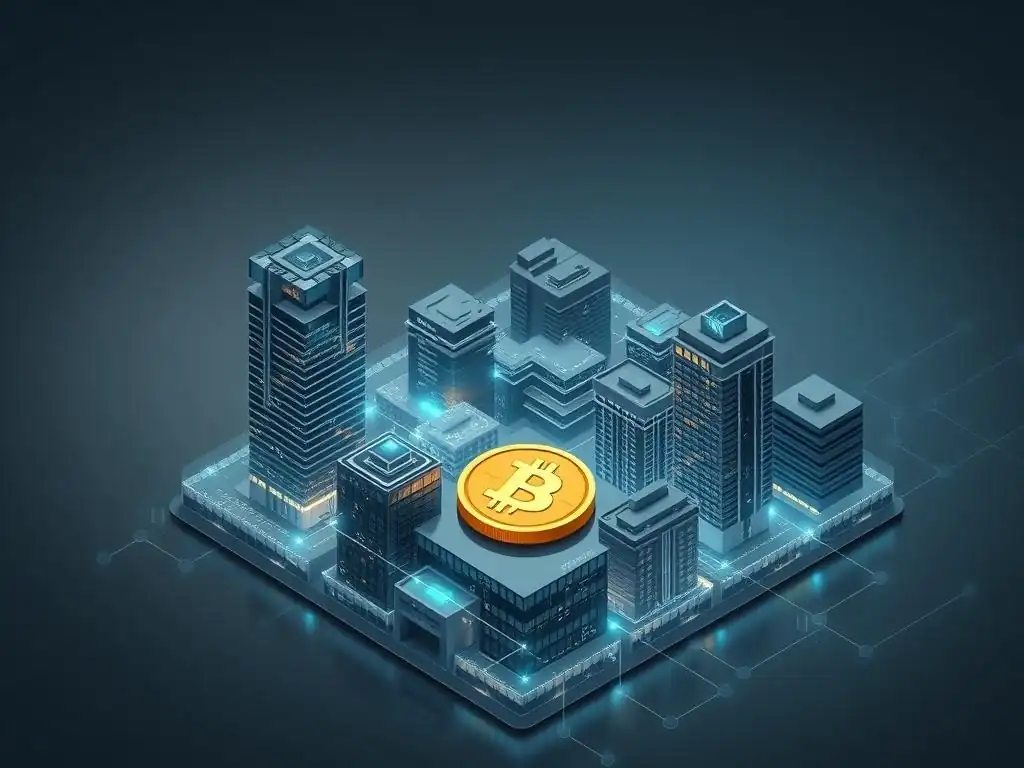
Notable Platforms and Projects in the Tokenized Real Estate Debt Space
The landscape of blockchain real estate debt tokenization is rapidly evolving, with several platforms and projects emerging to facilitate this new asset class. While the market is still relatively small compared to traditional real estate finance, significant activity is occurring, particularly in the security token space. Platforms like Securitize, Polymath, and Harbor (though some have pivoted or changed focus) have provided the underlying technology and frameworks for issuing regulated security tokens, which can include tokenized real estate debt. More specialized platforms are also emerging, focusing specifically on real estate tokenization.
Examples include platforms that pool capital for real estate development debt or acquire existing mortgages to tokenize them. These platforms often handle the legal structuring, regulatory compliance, and the technical aspects of token issuance and management.
While specific transaction volumes for tokenized debt are harder to disaggregate from overall tokenized real estate figures, the pipeline of potential deals and the increasing number of platforms supporting debt tokenization indicate growing market interest and infrastructure development. This suggests that while widespread adoption is still on the horizon, the foundational elements for a thriving market in blockchain real estate debt tokens are being put in place.
Case Study: ADDX Platform and Tokenized Senior Secured Notes
ADDX (formerly iSTOX) is a regulated private markets platform based in Singapore that has been active in tokenizing various financial instruments, including fixed income and debt. A notable example involves the tokenization of senior secured notes.
In one instance, ADDX facilitated the tokenization of notes issued by a real estate-backed entity, making them available to a wider pool of accredited investors than typically possible in private placements. The platform tokenized a portion of the notes into smaller denominations, allowing investors to participate with minimums significantly lower than the traditional market, reportedly around $10,000 USD, compared to standard institutional minimums often exceeding $250,000 or $1 million.
By using blockchain technology, ADDX enabled fractional ownership and facilitated potential secondary trading of these tokenized notes on its platform. This provided investors with increased liquidity options compared to holding the notes in traditional, illiquid formats. The process involved ensuring regulatory compliance under Singaporean securities laws, highlighting the importance of navigating existing financial regulations when dealing with blockchain real estate debt tokens and other security tokens. This case demonstrates a tangible application of tokenization to real estate-backed debt, successfully lowering investment barriers and enhancing tradability within a regulated environment.
Case Study: RealT and Tokenized Rental Properties
RealT is a platform that allows individuals globally to invest fractionally in U.S. rental properties. While RealT primarily tokenizes equity ownership in single-family and multi-family rental properties (issuing tokens representing shares in an SPV that owns the property), its model illustrates the power of tokenization in real estate and provides insights applicable to debt. RealT issues tokens on the Ethereum blockchain (initially, now also on Gnosis Chain) that represent fractional ownership. Token holders receive passive income from rental payments, distributed automatically via smart contracts, demonstrating the automation potential also relevant for interest payments on tokenized debt.
The RealT platform allows investors to buy and sell these tokens on a secondary market (like Uniswap or their own marketplace), showcasing the potential for enhanced liquidity in tokenized real estate assets. Although their focus is equity, the underlying mechanism of using tokens on a blockchain to represent a fractional claim on a real estate asset (or its income stream) and facilitating automated distributions and secondary trading is directly relevant to the concept of blockchain real estate debt tokens.
Their success in attracting thousands of investors from over 100 countries with minimum investments often below $100 highlights the power of fractionalization and accessibility enabled by tokenization, which is a key benefit for debt tokenization as well.
Regulatory Considerations for Blockchain Real Estate Debt Tokens
Navigating the complex legal and compliance framework is paramount for anyone involved in blockchain real estate debt tokenization. Unlike cryptocurrencies, tokens representing interests in real estate debt are highly likely to be classified as securities in most jurisdictions. This classification subjects them to stringent regulations governing securities offerings and trading, including registration requirements, disclosure obligations, and anti-fraud provisions. Issuers must carefully assess the regulatory landscape in each relevant jurisdiction – where the property is located, where the issuer is based, and where investors reside.
Compliance requires engaging with legal experts familiar with both securities law and blockchain technology. This involves structuring the token offering to comply with regulations like Regulation D or Regulation S in the United States, or equivalent frameworks in other countries. Platforms facilitating the trading of these tokens must also comply with regulations applicable to securities exchanges or alternative trading systems. Failure to comply can result in significant penalties, fines, and legal challenges, underscoring the critical importance of a robust legal and compliance strategy from the outset.
SEC Regulations and Real Estate Debt Token Offerings
In the United States, offerings of blockchain real estate debt tokens are subject to regulation by the Securities and Exchange Commission (SEC). The SEC applies the "Howey Test" to determine if an asset constitutes an investment contract and thus a security. Since real estate debt tokens typically involve an investment of money with an expectation of profits derived from the efforts of others (the borrower managing the property and repaying the loan), they are almost certainly considered securities. This means issuers must either register the offering with the SEC or qualify for an exemption from registration.
Common exemptions include Regulation D (for offerings to accredited investors) and Regulation S (for offerings made outside the U.S.). Each exemption has specific requirements regarding limitations on the number and type of investors, disclosure obligations, and restrictions on resale. Furthermore, platforms that facilitate the trading of these tokens may be required to register as broker-dealers or alternative trading systems (ATS). Staying abreast of evolving SEC guidance and enforcement actions related to digital assets is crucial for anyone operating in the U.S. market for blockchain real estate debt tokens.
The Importance of KYC/AML Compliance in Tokenized Real Estate Debt
Know Your Customer (KYC) and Anti-Money Laundering (AML) compliance are essential components of any regulated financial activity, and blockchain real estate debt tokenization is no exception. Given that these tokens represent securities and involve financial transactions, platforms and issuers must implement robust KYC and AML procedures to prevent illicit activities such as money laundering, terrorist financing, and fraud. This involves verifying the identity of all participants in the token offering and any subsequent trading.
KYC procedures typically require collecting and verifying identification documents, such as passports or driver's licenses, and confirming the investor's address and sometimes source of funds. AML processes involve monitoring transactions for suspicious activity and reporting it to relevant authorities. While blockchain provides transparency of transactions on the ledger, the identities behind the wallet addresses must be linked to verified real-world identities, especially in regulated offerings. Implementing stringent KYC/AML protocols is not only a legal requirement but also crucial for building trust and credibility in the nascent market for blockchain real estate debt tokens.
Challenges and Risks Associated with Real Estate Debt Tokenization
Market Volatility and Liquidity Risks in the Tokenized Asset Space
Despite the potential for enhanced liquidity, the market for blockchain real estate debt tokens is still relatively young and can be subject to volatility and liquidity risks. While tokens can be traded on secondary markets, the depth and volume of trading for specific tokens may be limited, especially for those representing smaller or niche debt offerings. Finding a buyer when you want to sell might still be challenging, potentially leading to discounts on the asset's underlying value if immediate liquidity is required. This contrasts with the deep and established secondary markets for traditional, highly-rated corporate or government bonds.
Furthermore, the value of tokenized real estate debt is tied to the performance of the underlying real estate asset and the borrower's ability to repay the debt, just like traditional debt. However, the token's market price on a secondary platform can also be influenced by broader market sentiment towards tokenized assets, blockchain technology trends, and the specific platform's reputation, potentially introducing additional layers of price volatility unrelated to the fundamental performance of the debt. Investors must understand that the liquidity of blockchain real estate debt tokens is not guaranteed and can vary significantly.
Security Risks and Smart Contract Vulnerabilities
Investing in blockchain real estate debt tokens also involves technological risks related to security and smart contract vulnerabilities. While blockchain technology is inherently secure due to its cryptographic nature and distributed ledger, the smart contracts that govern the token's functionality, payment distributions, and other terms are complex pieces of code that can contain bugs or vulnerabilities. Errors in the smart contract code could lead to incorrect payment distributions, frozen assets, or even loss of funds. High-profile hacks and exploits in the broader decentralized finance (DeFi) space, often targeting smart contract vulnerabilities, highlight these risks.
Issuers and platforms must invest heavily in rigorous smart contract auditing by reputable third parties before deployment. Investors should also look for evidence of such audits. Furthermore, holding digital assets like tokens requires secure management of private keys. Loss of private keys means permanent loss of access to the tokens. While platforms often offer custodial solutions, this introduces counterparty risk. Ensuring robust cybersecurity measures for both the platform and individual investors is critical when dealing with blockchain real estate debt tokens.
Regulatory Uncertainty and Evolving Legal Landscape
A significant challenge facing the tokenized real estate debt market is the ongoing regulatory uncertainty and the rapidly evolving legal landscape across different jurisdictions. As a relatively new application of blockchain technology in a highly regulated sector (finance and real estate), regulators globally are still developing their approaches. This can lead to ambiguity regarding how existing laws apply to blockchain real estate debt tokens and what new regulations might be introduced.
Changes in regulations could impact the legality of token offerings, secondary trading platforms, or even the fundamental structure of tokenized debt. For example, new rules regarding the definition of securities, investor accreditation standards, or requirements for decentralized trading platforms could emerge, potentially disrupting existing models. This regulatory flux creates an environment of uncertainty for both issuers and investors and requires constant monitoring and adaptation to ensure ongoing compliance. Navigating this evolving landscape requires proactive engagement with legal counsel and potentially regulatory bodies.
The Future of Blockchain Real Estate Debt Tokens
Predictions for the Growth of the Tokenized Real Estate Debt Market
Predictions for the growth of the tokenized real estate debt market are overwhelmingly positive, albeit with varying timelines for widespread adoption. Analysts and industry experts anticipate substantial growth as the technology matures, regulatory clarity improves, and market participants become more comfortable with digital assets.
Some market reports project that the total value of tokenized real estate assets, including both equity and debt, could reach several trillion dollars globally within the next five to ten years. While pinpointing the exact share of debt within this total is challenging, it is expected to be a significant component, potentially representing hundreds of billions or even trillions of dollars.
This growth will likely be driven by increased institutional adoption as large real estate firms, investment funds, and banks explore tokenization for efficiency gains and access to new capital sources. The continued development of robust and compliant tokenization platforms and secondary markets will also play a crucial role in facilitating this expansion. While retail participation is expected to grow due to increased accessibility, institutional capital is likely to fuel the majority of the market's expansion in the medium term, validating the potential of blockchain real estate debt tokens as a mainstream asset class.
The Impact of DeFi on Real Estate Debt Tokenization
The rise of Decentralized Finance (DeFi) is poised to have a significant impact on the future of real estate debt tokenization, potentially creating new models for financing and investing. DeFi protocols operating on public blockchains offer the possibility of creating peer-to-peer lending and borrowing platforms without traditional financial intermediaries. Tokenized real estate debt could potentially be integrated into these DeFi ecosystems.
For example, tokenized mortgages or real estate-backed loans could be used as collateral in DeFi lending protocols, allowing borrowers to access liquidity against their real estate assets in a decentralized manner. Conversely, investors could earn yield by providing capital to these protocols, which is then deployed into tokenized real estate debt.
While significant challenges remain regarding legal enforceability of real-world assets within decentralized protocols and regulatory compliance, the integration of blockchain real estate debt tokens with DeFi infrastructure holds the potential to create more efficient, transparent, and globally accessible real estate finance markets. This convergence is still in its early stages but represents a powerful potential trajectory for the asset class.
Expert Opinion: Institutional Adoption and the Future of Real Estate Debt Tokenization
Expert opinion broadly converges on the view that institutional adoption will be the primary catalyst for the widespread growth and maturation of the blockchain real estate debt token market. While retail interest is growing, the scale of capital required for large-scale real estate financing means that participation from banks, pension funds, insurance companies, and large asset managers is essential for this market to reach its full potential. Experts point to ongoing pilot programs and research initiatives by major financial players as indicators of this impending institutional shift.
According to insights from industry leaders and reports from major consulting firms, institutions are attracted by the potential for increased efficiency, reduced costs, and enhanced liquidity that tokenization offers for managing large portfolios of real estate debt. The ability to manage debt positions digitally on a blockchain, automate processes, and potentially access secondary liquidity pools provides compelling operational and investment advantages.
While regulatory clarity and the development of robust market infrastructure remain key prerequisites, the consensus among experts is that institutional capital will increasingly flow into blockchain real estate debt tokens over the next few years, transforming it from a niche application into a significant segment of the fixed income market.
Conclusion: Embracing the Potential of Blockchain-Based Real Estate Debt
Summarizing the Advantages of Blockchain Real Estate Debt Tokens
Blockchain real estate debt tokens offer a compelling suite of advantages poised to disrupt traditional real estate finance. For investors, they promise increased accessibility through fractional ownership, potentially enhanced liquidity via secondary markets, improved portfolio diversification opportunities, and greater transparency in asset management. For issuers, tokenization provides access to a wider, potentially global pool of capital, streamlines the issuance process leading to reduced administrative costs, and facilitates better investor relations through enhanced transparency and automated distributions.
These benefits collectively point towards a more efficient, inclusive, and transparent ecosystem for real estate debt. While challenges related to market maturity, liquidity, security, and regulatory uncertainty still exist, the fundamental value proposition of leveraging blockchain technology to represent and manage real estate debt is clear. The ability to transform illiquid, complex debt instruments into digital, divisible, and potentially tradable assets represents a significant step forward for the fixed income market.
The Role of Tokenization in the Future of Real Estate Finance
Tokenization is set to play a transformative role in the future of real estate finance, with blockchain real estate debt tokens being a crucial component of this evolution. By digitizing ownership and rights related to real estate assets and their associated debt, tokenization creates a foundation for more dynamic and interconnected financial markets. This technology facilitates fractionalization, enabling broader participation and potentially unlocking capital previously locked away in large, indivisible assets.
Beyond just debt, the tokenization of equity, funds, and even future income streams from real estate is contributing to a more flexible and efficient capital formation process for the sector. As regulatory frameworks mature and technology platforms become more sophisticated, tokenized real estate assets, including debt, are expected to become a standard component of investment portfolios and financing strategies. This digital shift will likely lead to a more globally accessible, transparent, and liquid real estate investment landscape.
Call to Action: Exploring Opportunities in Tokenized Real Estate Debt
The emergence of blockchain real estate debt tokens represents a significant opportunity for both investors seeking new fixed income streams and real estate professionals looking for innovative financing solutions. While the market is still developing, the potential benefits in terms of accessibility, efficiency, and transparency are substantial. Interested parties should begin exploring this evolving space.
For investors, this means researching platforms offering tokenized real estate debt and understanding the specific risks and opportunities associated with these digital assets. For real estate developers and owners, it involves assessing whether tokenization could be a viable and cost-effective method for raising capital for future projects. Engaging with experts in blockchain, real estate finance, and securities law is crucial for navigating this frontier successfully. Embracing the potential of blockchain real estate debt tokens could unlock new avenues for growth and investment in the dynamic world of real estate finance.
Frequently Asked Questions
What are Blockchain real estate debt tokens, and how do they differ from traditional real estate investments?
These tokens represent fractional ownership of real estate debt, offering investors increased liquidity and lower investment minimums compared to traditional methods. They leverage blockchain for transparency and efficiency.
How does tokenizing real estate debt benefit both borrowers and investors?
Borrowers gain access to a wider pool of capital and potentially lower interest rates. Investors benefit from diversification, enhanced liquidity, and simplified investment processes.
What are the potential risks associated with investing in Blockchain real estate debt tokens?
Risks include regulatory uncertainty, market volatility in the crypto space, and the potential for fraud or scams associated with unregulated token offerings.
How is the value of a Blockchain real estate debt token determined, and what factors can influence its price?
The value is tied to the underlying real estate debt and its associated interest payments. Factors influencing price include interest rate changes, property market conditions, and investor sentiment.
What is the current regulatory landscape surrounding Blockchain real estate debt tokens, and how might it evolve in the future?
The regulatory landscape is still evolving, with varying approaches across different jurisdictions. Future regulations may focus on investor protection, security standards, and anti-money laundering compliance related to digital assets.
Final Reflection: Embracing the Future of Fixed Income
The exploration of blockchain real estate debt tokens reveals a transformative shift in the fixed income market, moving beyond traditional structures to embrace the efficiency and accessibility of decentralized finance. This isn't just about technological innovation; it's about democratizing investment opportunities and unlocking liquidity in previously illiquid assets, offering a compelling alternative for both issuers and investors in today's dynamic financial landscape.
The potential of tokenized real estate debt to reshape the investment landscape is undeniable. This innovation holds particular significance as it empowers smaller investors to participate in opportunities previously reserved for institutional players, fostering a more inclusive and equitable financial ecosystem. The future of finance is decentralized, and tokenization is the key to unlocking its full potential.
This quote encapsulates the profound impact that blockchain technology can have on democratizing access to investment and reshaping traditional financial models.
As we stand at the cusp of this new era, it's crucial to consider the implications of these advancements and actively engage in shaping their future. Let us all strive to understand the power of blockchain real estate debt tokens and explore how they can contribute to a more transparent, efficient, and accessible financial world for everyone.
Thank you for exploring the exciting potential of tokenized real estate debt with Blockchain Trends. You've now gained valuable insights into how blockchain technology is reshaping the fixed income landscape. Are you ready to take the next step and become part of this financial revolution?
Here's how you can get started:
- Explore platforms that offer investment opportunities in tokenized real estate debt. Start with a small investment and diversify your portfolio.
- Learn about the legal and regulatory frameworks governing digital asset securities in your region. Knowledge is power!
- Share this article with fellow investors and blockchain enthusiasts to spark conversations and promote wider adoption. Let's build a vibrant community together.
What innovative strategies will you employ to incorporate tokenized real estate debt into your investment portfolio? Share your thoughts and questions in the comments below!
Leave a Reply