
Blockchain for Retail Supply Chains: Enhancing Inventory Management and Customer Experience

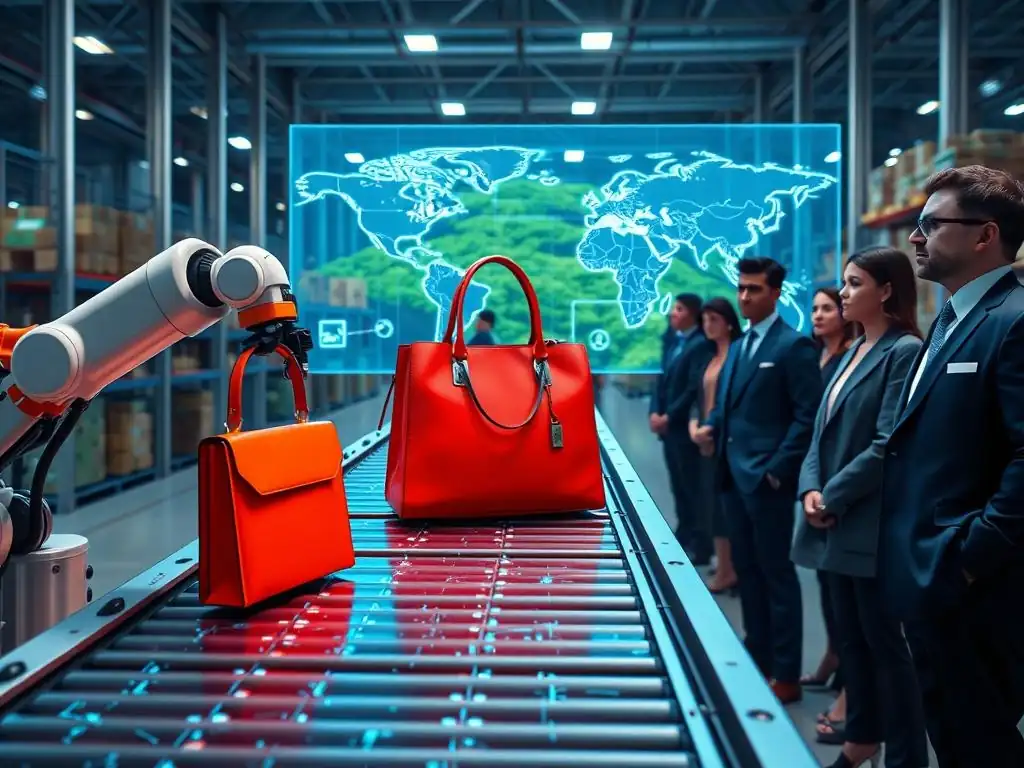
Welcome to Blockchain Trends, your go-to source for understanding the revolutionary impact of blockchain technology!
Imagine a world where every product's journey, from origin to your doorstep, is transparent and verifiable. Delve into our analysis of how blockchain retail supply chains are transforming inventory management, boosting customer trust, and paving the way for a more efficient and secure future. Ready to unlock the secrets of this game-changing application?
- Real-World Examples: Companies Leveraging Blockchain in Retail Supply Chains
-
Frequently Asked Questions
- How can blockchain technology improve inventory management in retail supply chains?
- What benefits does blockchain bring to customer experience in the retail sector?
- What are some specific examples of enterprise applications of blockchain in retail supply chains?
- What are some of the regulatory considerations surrounding the use of blockchain in retail supply chains?
- How might decentralized systems powered by blockchain shape the future of retail supply chains?
- Final Reflection: Embracing Transparency in Commerce
- Unlock Your Supply Chain Potential!
Real-World Examples: Companies Leveraging Blockchain in Retail Supply Chains
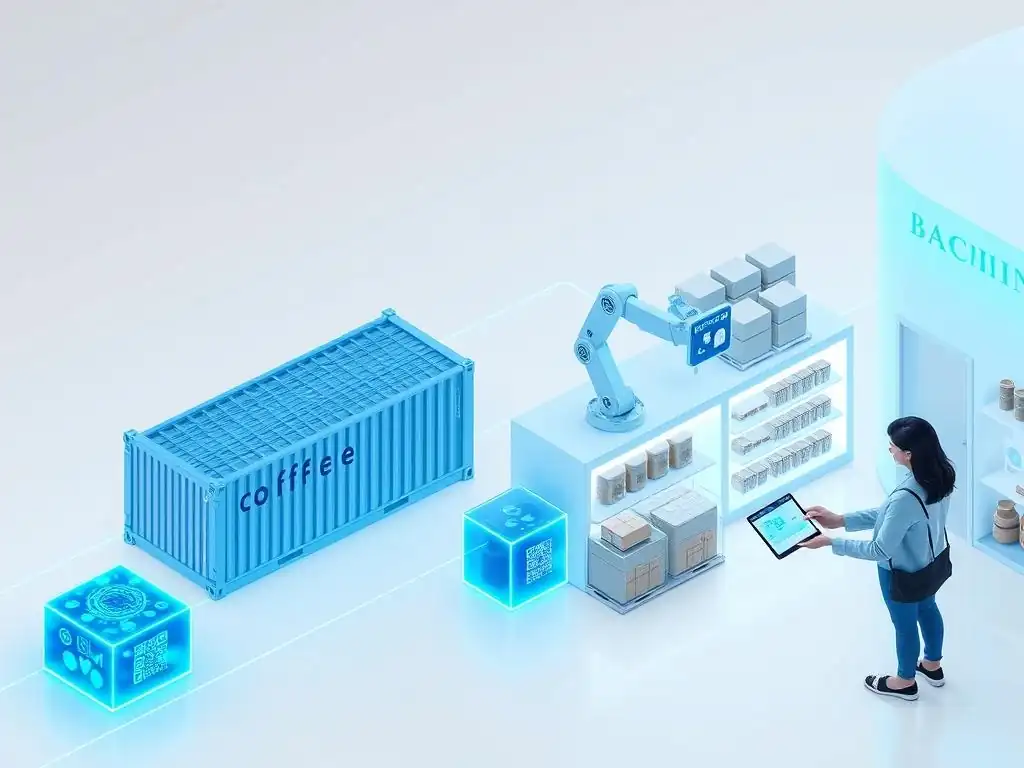
The theoretical benefits of implementing a blockchain retail supply chain are compelling, but seeing these concepts in action provides a clearer picture of their transformative power. Several pioneering companies across various retail sectors have begun integrating blockchain technology to address long-standing challenges, from ensuring product authenticity to improving operational efficiency and enhancing customer trust. These early adopters are setting precedents for how blockchain can reshape the future of retail logistics and inventory management.
Examining specific instances demonstrates the practical application of blockchain in resolving real-world issues within complex supply networks. These examples highlight diverse use cases, from luxury goods and food safety to general retail, showcasing blockchain's versatility. The insights gained from these initiatives are crucial for other retailers considering their own journey towards a more transparent and efficient blockchain retail supply chain.
Carrefour's Blockchain for Food Traceability
Carrefour, one of the world's largest supermarket chains, has been a notable early adopter of blockchain technology, specifically focusing on food traceability. Recognizing consumer demand for greater transparency about the origins and journey of their food, Carrefour implemented a blockchain solution to track products from the farm to the store shelf. This initiative aims to build trust with customers by providing verifiable information about product sourcing, processing, and transportation, directly impacting the retail supply chain's integrity.
Their "Act For Food" program utilizes a private blockchain network to record data points at each stage of the supply chain. For example, consumers can scan a QR code on products like free-range chicken or tomatoes using their smartphone. This action reveals information such as the farmer's name, location, feed type, packaging date, and transport details.
The data is immutable once recorded on the blockchain, providing a reliable history. This level of detail enhances food safety, helps prevent fraud, and directly addresses the lack of transparency often found in traditional food retail supply chains. The goal is to roll this out across over 100 product lines, demonstrating a significant investment in leveraging blockchain for retail supply chain improvements.
De Beers' Tracr Platform for Diamond Provenance
In the high-value and often complex world of diamonds, ensuring authenticity and ethical sourcing is paramount. De Beers, a leading diamond company, developed the Tracr platform, a blockchain-based system designed to track diamonds throughout their value chain, from mine to retailer. This initiative directly addresses concerns around conflict diamonds and counterfeiting, providing an immutable record of a diamond's journey and characteristics within the retail supply chain.
The Tracr platform assigns a unique digital ID to each rough diamond, recording its attributes and transactions on a distributed ledger. As the diamond is cut, polished, and traded, each step is added to its digital record. This creates a secure, tamper-evident history accessible to authorized participants in the supply chain, including retailers.
By providing verifiable provenance, Tracr enhances consumer confidence and trust in the authenticity and ethical sourcing of the diamonds they purchase. This application of blockchain for retail supply chain management in the luxury sector demonstrates its capability to secure high-value goods and provide critical information that influences customer purchasing decisions.
Frequently Asked Questions
How can blockchain technology improve inventory management in retail supply chains?
Blockchain offers enhanced transparency and traceability throughout the supply chain. This allows for real-time tracking of inventory, reducing discrepancies and improving efficiency. The immutable nature of the blockchain provides a single source of truth for all stakeholders.
What benefits does blockchain bring to customer experience in the retail sector?
By providing verified product origin and journey information, blockchain enhances customer trust and transparency. It can also facilitate faster and more reliable deliveries by streamlining logistics. This leads to a more personalized and satisfying shopping experience.
What are some specific examples of enterprise applications of blockchain in retail supply chains?
Examples include using blockchain for tracking product provenance (e.g., ethically sourced coffee), managing warranties and returns, and authenticating luxury goods to combat counterfeiting. These improve operational efficiency and consumer confidence.
What are some of the regulatory considerations surrounding the use of blockchain in retail supply chains?
Data privacy regulations like GDPR are crucial, requiring careful management of personal data stored on the blockchain. Regulatory compliance regarding data security and transparency are also important considerations. Businesses must ensure adherence to relevant laws in different jurisdictions.
How might decentralized systems powered by blockchain shape the future of retail supply chains?
Decentralized systems can enable more direct and transparent relationships between manufacturers, retailers, and consumers. This can lead to more efficient supply chains with reduced intermediaries and associated costs. Ultimately, this fosters a more resilient and customer-centric retail ecosystem.
Final Reflection: Embracing Transparency in Commerce
The insights explored throughout this article highlight the transformative potential of blockchain technology in revolutionizing retail supply chains. No longer a futuristic concept, blockchain's ability to enhance inventory management and elevate customer experiences is rapidly becoming a competitive necessity in today's dynamic marketplace. The promise of increased transparency, efficiency, and trust is not just theoretical; it's actively reshaping how goods are sourced, tracked, and delivered to consumers worldwide.
The integration of blockchain into retail supply chains is not merely a technological upgrade; it represents a fundamental shift towards a more ethical and accountable commercial landscape. This evolution is particularly poignant as consumers increasingly demand transparency and sustainability from the brands they support. Trust is the new currency,
as Rachel Botsman aptly stated, and blockchain provides the infrastructure to build and maintain that trust throughout the entire supply chain ecosystem.
As we conclude this exploration, consider the profound implications of a world where every product's journey is verifiable and secure. How can you, as a consumer, a business owner, or a technology enthusiast, contribute to this future? Let us all strive to embrace the power of blockchain to build more transparent, efficient, and ultimately, more trustworthy retail experiences for everyone.
Unlock Your Supply Chain Potential!
Thank you for exploring how blockchain technology can transform retail supply chains by improving inventory management and enhancing customer experiences. If you're ready to leverage these benefits for your business, here are some next steps:
- Begin researching blockchain platforms that suit your supply chain needs and budget. Focus on options known for scalability and seamless integration—this is a critical first move.
- Consider piloting a small-scale blockchain project in a specific part of your supply chain to gain practical insights.
- Share this article with your team and initiate discussions about how blockchain could address your company's unique supply chain challenges.
What is the biggest pain point in your supply chain that blockchain could help solve right now? Share your thoughts in the comments below!
Leave a Reply