
How Businesses Are Leveraging Blockchain for Digital Identity: Strategies and Best Practices

Welcome to Blockchain Trends, your hub for understanding the real-world impact of blockchain technology. Beyond the hype, discover how this powerful technology is reshaping industries. Are you ready to explore the cutting-edge ways businesses are securing their future? Dive in to our latest article, “How Businesses Are Leveraging Blockchain for Digital Identity: Strategies and Best Practices,” and unlock the secrets to implementing effective blockchain digital identity strategies. What opportunities await your organization in the world of decentralized identity? Let's find out.
- Blockchain Digital Identity Strategies: A Guide for Businesses
- Understanding Blockchain Digital Identity
- Blockchain Digital Identity Strategies for Businesses
- Best Practices for Implementing Blockchain Digital Identity Solutions
- Challenges and Considerations for Blockchain Identity Adoption
- Real-World Examples of Blockchain Digital Identity in Action
- The Future of Blockchain and Digital Identity
- Conclusion: Embracing Blockchain for Secure and User-Centric Digital Identity
-
Frequently Asked Questions
- What are the primary benefits of using blockchain for digital identity management?
- How can blockchain-based digital identities improve customer onboarding processes?
- What are some key blockchain digital identity strategies businesses are employing?
- What regulatory considerations should businesses be aware of when implementing blockchain digital identity strategies?
- How might blockchain digital identity strategies evolve in the future?
- Final Reflection: Embracing the Decentralized Future of Identity
- Ignite Your Identity Revolution!
Blockchain Digital Identity Strategies: A Guide for Businesses
Introduction: The Growing Need for Secure Digital Identity
- The Challenges of Traditional Identity Systems
- Why Blockchain is a Game-Changer for Digital ID
Traditional identity systems, reliant on centralized databases and intermediaries, are increasingly vulnerable in today's digital age. Data breaches are rampant, with IBM's 2023 Cost of a Data Breach Report estimating the average cost at \$4.45 million globally. These breaches expose sensitive personal information, leading to identity theft, financial losses, and reputational damage for both individuals and businesses.
Furthermore, managing multiple online accounts and passwords across various platforms creates a fragmented and cumbersome user experience, often leading to password reuse and weak security practices. The reliance on centralized authorities also raises concerns about data privacy and control, as users have limited agency over their personal information stored in these systems.
Blockchain technology offers a paradigm shift in how we approach digital identity. Its decentralized, transparent, and secure nature addresses many of the shortcomings of traditional systems. By leveraging cryptography and distributed ledgers, blockchain enables the creation of self-sovereign identities where individuals have greater control over their data.
This technology has the potential to revolutionize identity management across various sectors, from finance and healthcare to supply chain and government services, offering enhanced security, improved privacy, and increased efficiency. The inherent immutability of blockchain records also provides a robust audit trail and reduces the risk of fraudulent identity manipulation, making it a compelling solution for the challenges of the digital identity landscape.
Understanding Blockchain Digital Identity
What is Blockchain-Based Identity?
- Decentralized Identity (DID) Explained
- Key Features of Blockchain ID Solutions: Security, Transparency, and Control
Blockchain-based identity, often referred to as Decentralized Identity (DID), represents a user-centric approach to digital identity management. Unlike traditional systems where identity is managed by central authorities, DID empowers individuals to create and control their own digital identities. This is achieved through cryptographic keys and blockchain technology, allowing users to generate unique identifiers that are not tied to any single organization.
These DIDs are anchored on a blockchain, providing a secure and tamper-proof record of identity attributes and credentials. Users can then selectively share their verified credentials with relying parties, granting access to services or information without revealing unnecessary personal data.
Key features of blockchain ID solutions revolve around security, transparency, and user control. Security is enhanced through cryptography, making it extremely difficult for malicious actors to tamper with identity data or impersonate users. The transparent nature of blockchain ensures that identity transactions are auditable and verifiable, fostering trust and accountability.
Crucially, users gain greater control over their personal information. They decide what data to share, with whom, and for how long, significantly improving privacy compared to centralized systems where data is often collected and stored without explicit user consent or knowledge. This shift towards user-centricity is a fundamental advantage of blockchain-based identity solutions.
Benefits of Using Blockchain for Identity Management
- Enhanced Security Against Identity Theft and Fraud
- Improved User Privacy and Data Control
- Reduced Costs and Increased Efficiency in Identity Verification
One of the most significant benefits of blockchain for identity management is the enhanced security it provides against identity theft and fraud. Traditional centralized databases are honeypots for cybercriminals, as a single breach can compromise millions of records. Blockchain's decentralized and cryptographic nature makes it significantly more resilient to attacks.
Furthermore, the use of cryptographic keys and verifiable credentials reduces the reliance on usernames and passwords, which are often weak points in security systems. By verifying identities cryptographically, blockchain minimizes the risk of phishing attacks and account takeovers, leading to a more secure digital environment. For instance, estimates suggest that identity theft cost consumers in the US alone over \$20 billion in 2022, a figure blockchain-based identity solutions aim to significantly reduce.
Improved user privacy and data control are also key advantages. In the current digital landscape, users often have little say in how their personal data is collected, used, and shared. Blockchain-based identity flips this paradigm, giving users granular control over their identity information. Through Self-Sovereign Identity (SSI) principles, individuals can manage their own digital credentials, choosing what information to disclose and to whom. This aligns with growing global privacy concerns and regulations like GDPR and CCPA, which emphasize user consent and data minimization. By empowering individuals with control over their data, blockchain-based identity fosters a more privacy-respecting digital ecosystem.
Finally, blockchain can lead to reduced costs and increased efficiency in identity verification processes. Current identity verification often involves multiple intermediaries and manual processes, leading to delays and increased costs. Blockchain can streamline these processes by enabling peer-to-peer verification of credentials.
For example, in Know Your Customer (KYC) and Anti-Money Laundering (AML) compliance in the financial sector, blockchain can facilitate the sharing of verified identity data across institutions, reducing redundant verification efforts and associated costs. A study by McKinsey estimated that blockchain could reduce KYC compliance costs for banks by up to 50%. This efficiency gain translates to faster onboarding processes, reduced operational overhead, and a better overall user experience.
Blockchain Digital Identity Strategies for Businesses
Strategy 1: Implementing Self-Sovereign Identity (SSI)
- What is Self-Sovereign Identity?
- How SSI Empowers Users with Control Over Their Data
- SSI Implementation Examples
Self-Sovereign Identity (SSI) is a revolutionary concept that puts individuals at the center of their digital identity management. It posits that individuals should own and control their identities, rather than relying on centralized authorities like governments or corporations. SSI is based on the principles of user agency, data minimization, and interoperability. It empowers individuals to create, manage, and control their own digital identities independently, using technologies like blockchain to ensure security and immutability. This paradigm shift moves away from the traditional model where identity is often fragmented and controlled by various organizations.
SSI empowers users with unprecedented control over their data by allowing them to selectively share verified credentials with relying parties. Instead of providing full access to personal information, users can present verifiable credentials that prove specific attributes, such as age, qualifications, or address, without revealing the underlying raw data. This minimizes data sharing and enhances privacy.
For example, when proving age for online access, a user can present a verifiable credential confirming they are over 18, without disclosing their birthdate or other personal details. This granular control not only enhances privacy but also reduces the risk of data breaches and identity theft, as less personal information is stored and transmitted.
SSI implementation examples are emerging across various sectors. In the financial industry, projects like the Sovrin Network are exploring SSI for KYC and AML processes, enabling individuals to control and share their verified identity data with different financial institutions. In the travel sector, SSI is being explored to streamline border crossings and airport security, allowing travelers to present verifiable credentials for identity and travel documents.
The government of British Columbia, Canada, has been a pioneer in SSI, piloting solutions for verifiable credentials for professional licenses and certifications. These examples demonstrate the practical application of SSI principles in enhancing user control and improving efficiency in identity management across diverse industries.
Strategy 2: Utilizing Consortium Blockchains for Identity Verification
- Consortium Blockchains: A Collaborative Approach
- Streamlining KYC/AML Processes with Blockchain
- Consortium Blockchain Identity Verification Examples
Consortium blockchains offer a collaborative approach to blockchain-based identity verification, particularly suitable for industries with multiple stakeholders who need to share and verify identity information. Unlike public blockchains, consortium blockchains are permissioned and governed by a group of organizations, providing a balance between decentralization and control. This model allows for trusted data sharing and validation among consortium members, while maintaining a degree of transparency and security inherent in blockchain technology. Consortium blockchains are particularly effective in scenarios where data privacy and regulatory compliance are paramount, as they offer greater control over data access and governance compared to public blockchains.
One of the most promising applications of consortium blockchains in identity verification is streamlining Know Your Customer (KYC) and Anti-Money Laundering (AML) processes. Financial institutions are legally obligated to perform KYC checks on their customers, which are often redundant and time-consuming. A consortium blockchain-based identity platform can enable banks to share verified customer identity data securely and efficiently.
Once a customer's identity is verified by one member of the consortium, other members can rely on this verification, reducing the need for repeated KYC checks. This not only improves efficiency and reduces costs for financial institutions but also enhances the customer experience by simplifying onboarding processes. Industry estimates suggest that shared KYC utilities based on blockchain could save the financial sector billions of dollars annually.
Several consortium blockchain identity verification examples are emerging in the financial and other regulated sectors. Know Your Customer Utility (KYCU) is a consortium initiative in the financial services industry aiming to create a shared KYC platform using blockchain technology. R3's Corda platform, a permissioned distributed ledger technology, is being utilized in various identity projects, including those focused on digital identity for financial institutions.
In the supply chain, consortium blockchains are being explored for verifying the identities of suppliers and stakeholders, improving transparency and accountability. These examples demonstrate the growing adoption of consortium blockchains for collaborative identity verification in industries requiring secure and efficient data sharing among trusted entities.
Strategy 3: Leveraging Blockchain for Supply Chain Identity Management
- Tracking and Verifying Product Authenticity
- Improving Transparency and Accountability in Supply Chains
- Blockchain Supply Chain Identity Examples
Blockchain technology offers powerful tools for managing identity within supply chains, addressing critical challenges related to product authenticity, transparency, and accountability. By recording product provenance and ownership on a blockchain, businesses can create an immutable record of a product's journey from origin to consumer. This enhances traceability and allows for the verification of product authenticity at each stage of the supply chain, combating counterfeiting and ensuring product integrity. Blockchain's transparency also enables consumers to access information about the origin and journey of products, fostering trust and informed purchasing decisions.
Improving transparency and accountability in supply chains is another key benefit of blockchain identity management. Traditional supply chains often lack visibility, making it difficult to track products and verify ethical sourcing or compliance with regulations. Blockchain provides a shared and transparent ledger that all stakeholders in the supply chain can access, creating a single source of truth for product information.
This enhanced visibility allows businesses to identify bottlenecks, track product movements in real-time, and ensure accountability across the supply chain. For consumers, this transparency translates to greater confidence in the origin and ethical production of the goods they purchase. For example, the fashion industry, plagued by issues of unethical labor practices, can leverage blockchain to provide transparency into their supply chains and build consumer trust.
Blockchain supply chain identity examples are gaining traction across various industries. Walmart has implemented a blockchain-based system using IBM Food Trust to track the provenance of food products, enabling rapid identification and recall of contaminated food, as demonstrated during a romaine lettuce recall in 2018. Everledger utilizes blockchain to track and verify the provenance of diamonds, combating fraud and ensuring ethical sourcing in the diamond industry.
Numerous initiatives are also emerging in the pharmaceutical industry to track drugs through the supply chain, combating counterfeit medications and ensuring patient safety. These real-world examples highlight the practical application of blockchain in enhancing supply chain transparency, authenticity, and accountability.
Strategy 4: Decentralized Identity for Healthcare
- Secure and Interoperable Patient Records
- Enhancing Data Privacy and Security in Healthcare
- Blockchain Healthcare Identity Project Examples
Decentralized identity holds immense potential for transforming healthcare by enabling secure and interoperable patient records. Currently, patient data is often siloed across different healthcare providers, leading to inefficiencies and hindering seamless care coordination. Blockchain-based identity can create a patient-centric model where individuals control access to their medical records and can securely share them with authorized healthcare providers. This interoperability improves care coordination, reduces administrative burdens, and empowers patients to actively participate in managing their health information.
Enhancing data privacy and security in healthcare is paramount, given the sensitive nature of patient data and strict regulations like HIPAA in the US. Blockchain's inherent security features, including cryptography and decentralization, offer robust protection against data breaches and unauthorized access. By giving patients control over their identity and data access permissions, blockchain aligns with privacy-centric healthcare models.
Furthermore, blockchain can facilitate secure and auditable sharing of patient data for research and clinical trials, while maintaining patient privacy and consent. The healthcare industry is increasingly recognizing the potential of blockchain to address data security and privacy concerns. It is estimated that healthcare data breaches cost the industry billions of dollars annually, a cost that blockchain solutions can help mitigate.
Blockchain healthcare identity project examples are emerging globally. MedRec, developed at MIT, is a blockchain-based system designed to manage electronic health records, giving patients control over data access and sharing. Guardtime, an Estonian company, has implemented blockchain-based solutions for securing healthcare data in Estonia's national e-health system. In the pharmaceutical supply chain, blockchain is being used to track drugs and prevent counterfeiting, ensuring medication safety for patients. These projects demonstrate the practical application of blockchain in healthcare to improve data security, interoperability, and patient empowerment, paving the way for a more efficient and patient-centric healthcare system.
Best Practices for Implementing Blockchain Digital Identity Solutions
1. Prioritize Security and Privacy
- Implementing Strong Encryption and Access Controls
- Ensuring Compliance with Data Privacy Regulations (GDPR, CCPA)
Prioritizing security and privacy is paramount when implementing blockchain digital identity solutions. While blockchain inherently offers security advantages, careful implementation is crucial to maximize protection. Strong encryption is essential for securing sensitive identity data both at rest and in transit. This includes utilizing robust cryptographic algorithms and secure key management practices. Implementing granular access controls is also critical, ensuring that only authorized parties can access specific identity information and functionalities. Role-based access control and multi-factor authentication are important considerations for securing blockchain identity systems.
Ensuring compliance with data privacy regulations like GDPR (General Data Protection Regulation) and CCPA (California Consumer Privacy Act) is not just a legal requirement but also a fundamental ethical consideration. Blockchain identity solutions must be designed to respect user privacy and comply with these regulations. This involves implementing privacy-enhancing technologies, such as zero-knowledge proofs and selective disclosure, to minimize data sharing.
Data minimization principles should be applied throughout the system design, collecting only necessary data and retaining it only for as long as required. Transparency and user consent are also crucial aspects of GDPR and CCPA compliance, requiring clear communication with users about data collection and usage practices and obtaining explicit consent for data processing activities.
2. Choose the Right Blockchain Platform
- Public vs. Private vs. Consortium Blockchains
- Evaluating Scalability, Cost, and Performance
Selecting the right blockchain platform is a critical decision for implementing digital identity solutions, as different platforms offer varying characteristics in terms of transparency, control, scalability, cost, and performance. Public blockchains, like Ethereum or Bitcoin, are permissionless and highly transparent, offering maximum decentralization and security. However, they may have limitations in scalability and can incur higher transaction costs.
Private blockchains are permissioned and controlled by a single organization, offering greater control and privacy but sacrificing some degree of decentralization and transparency. Consortium blockchains, as discussed earlier, offer a middle ground, being permissioned and governed by a group of organizations, balancing decentralization, control, and cost.
Evaluating scalability, cost, and performance is crucial when choosing a blockchain platform. Scalability refers to the platform's ability to handle a large volume of transactions and users, which is essential for identity systems that may need to support millions of users. Transaction costs can vary significantly between different blockchain platforms, impacting the overall cost-effectiveness of the solution.
Performance, measured in terms of transaction speed and latency, is also important for ensuring a smooth and responsive user experience. Businesses should carefully assess their specific requirements and choose a blockchain platform that best aligns with their scalability, cost, and performance needs for their digital identity solution. For example, for applications requiring high throughput and low latency, a private or consortium blockchain might be more suitable than a public blockchain.
3. Focus on User Experience
- Designing User-Friendly Interfaces for Identity Management
- Providing Clear and Concise Information About Data Usage
Focusing on user experience (UX) is essential for the successful adoption of blockchain digital identity solutions. Even the most secure and technically advanced system will fail if it is not user-friendly and intuitive. Designing user-friendly interfaces for identity management is crucial. The interfaces should be simple to navigate, easy to understand, and accessible to users with varying levels of technical expertise. Complex cryptographic concepts should be abstracted away, and the user experience should be streamlined and intuitive. Usability testing and user feedback are essential for ensuring that the interfaces are user-friendly and meet the needs of the target audience.
Providing clear and concise information about data usage is equally important for building user trust and ensuring transparency. Users need to understand what data is being collected, how it is being used, and who has access to it. Privacy policies and terms of service should be written in plain language and easily accessible to users.
Visual aids and interactive tutorials can also help users understand complex concepts related to data privacy and control. Transparency builds trust and empowers users to make informed decisions about their digital identities. Clear communication and user-centric design are key to fostering user adoption and building confidence in blockchain-based identity solutions.
4. Ensure Interoperability and Standards Compliance
- Adopting W3C DID Standards
- Promoting Collaboration and Data Sharing Across Platforms
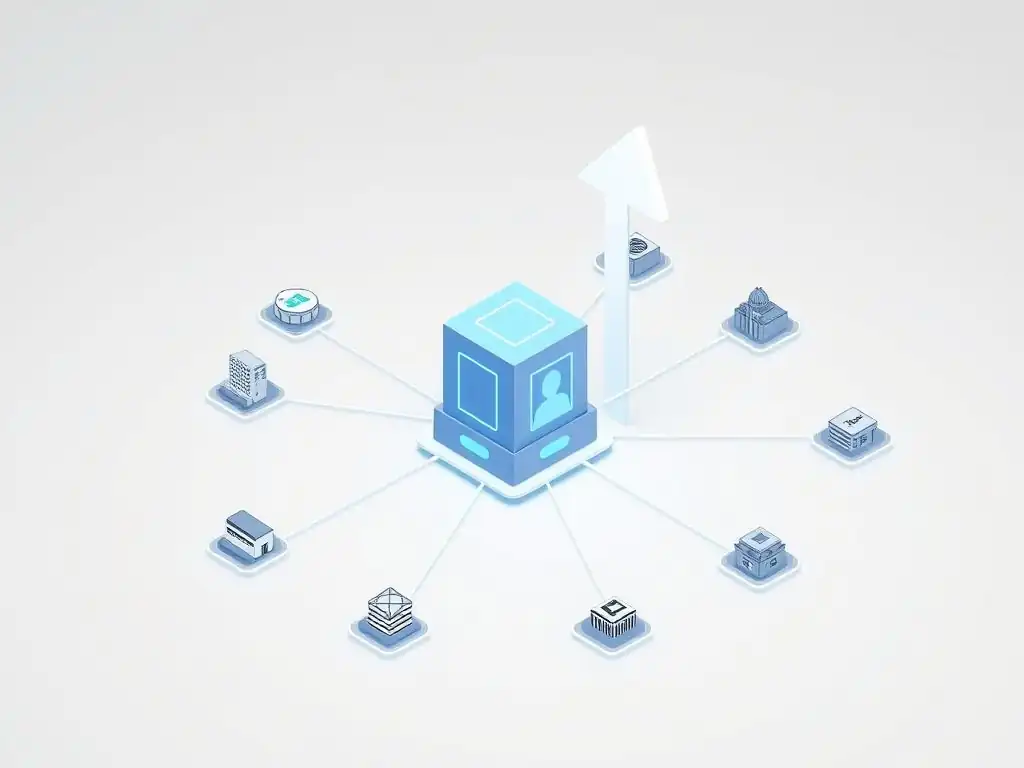
Ensuring interoperability and standards compliance is crucial for the widespread adoption and usability of blockchain digital identity solutions. Interoperability refers to the ability of different identity systems to work together seamlessly, allowing users to use their digital identities across various platforms and services. Standards compliance is essential for achieving interoperability and avoiding vendor lock-in. Adopting open standards, such as the W3C Decentralized Identifiers (DID) standard, is a key best practice for promoting interoperability. The W3C DID standard provides a common framework for creating and managing decentralized identities, facilitating interoperability between different DID implementations.
Promoting collaboration and data sharing across platforms is also essential for building a truly interoperable digital identity ecosystem. This requires industry-wide collaboration and the development of common protocols and data formats. Organizations should actively participate in industry standards bodies and contribute to the development of interoperability frameworks. Data sharing agreements and APIs (Application Programming Interfaces) can facilitate secure and controlled data exchange between different identity platforms. Interoperability not only enhances user convenience but also unlocks the full potential of blockchain digital identity by enabling seamless identity verification and data sharing across various applications and services.
5. Start with a Pilot Project
- Testing and Refining Your Blockchain Identity Solution
- Gathering Feedback and Making Improvements
Starting with a pilot project is a recommended best practice for implementing blockchain digital identity solutions. Blockchain technology is still evolving, and implementing a full-scale solution without proper testing and refinement can be risky. A pilot project allows businesses to test their blockchain identity solution in a controlled environment, identify potential issues, and gather valuable feedback before deploying it on a larger scale. The pilot project should focus on a specific use case and involve a limited number of users and stakeholders.
Testing and refining your blockchain identity solution is a crucial part of the pilot project phase. This involves rigorous testing of the system's functionality, security, scalability, and user experience. Performance testing, security audits, and usability testing are important components of the testing process.
Gathering feedback from users and stakeholders is also essential for identifying areas for improvement. User feedback can provide valuable insights into the usability of the system and identify any pain points or areas where the user experience can be enhanced. Based on the testing results and user feedback, businesses can refine their blockchain identity solution, make necessary improvements, and ensure that it is robust, user-friendly, and meets the needs of its intended users before full-scale deployment.
Challenges and Considerations for Blockchain Identity Adoption
Scalability Issues
- Addressing Transaction Throughput and Latency
- Exploring Layer-2 Scaling Solutions
Scalability remains a significant challenge for blockchain technology, including blockchain identity solutions. Public blockchains, in particular, often face limitations in transaction throughput and latency, which can impact the performance and user experience of identity systems requiring high transaction volumes. Transaction throughput refers to the number of transactions a blockchain network can process per second, while latency is the time it takes for a transaction to be confirmed on the blockchain.
For widespread adoption of blockchain identity, these limitations need to be addressed. For example, Bitcoin's transaction throughput is around 7 transactions per second, while Ethereum's is slightly higher but still limited compared to traditional payment networks like Visa, which can handle thousands of transactions per second.
Addressing transaction throughput and latency requires exploring various scaling solutions. Layer-2 scaling solutions, such as state channels, sidechains, and rollups, are being developed to improve the scalability of blockchain networks without compromising security and decentralization. Layer-2 solutions operate on top of the main blockchain (Layer-1), offloading transaction processing and reducing congestion on the main chain.
For example, state channels allow for off-chain transactions between two parties, only settling the final state on the main chain. Rollups bundle multiple transactions into a single transaction on the main chain, increasing throughput. Exploring and implementing appropriate layer-2 scaling solutions is crucial for making blockchain identity solutions scalable and suitable for mass adoption.
Regulatory Uncertainty
- Navigating Evolving Legal Frameworks for Digital Identity
- Working with Regulators to Promote Innovation
Regulatory uncertainty poses a significant challenge for the adoption of blockchain digital identity solutions. The legal and regulatory landscape for digital identity is still evolving globally, and specific regulations for blockchain-based identity are often lacking or unclear. Navigating these evolving legal frameworks is crucial for businesses implementing blockchain identity solutions. This includes understanding data privacy regulations like GDPR and CCPA, as well as regulations related to digital identity verification and authentication. The lack of clear regulatory guidelines can create uncertainty and hinder investment in blockchain identity technologies.
Working with regulators to promote innovation is essential for fostering a supportive regulatory environment for blockchain digital identity. Businesses and industry associations should engage in dialogue with regulators to educate them about the benefits and risks of blockchain identity and contribute to the development of appropriate regulatory frameworks. Proactive engagement with regulators can help shape regulations that are both innovation-friendly and protect user privacy and security.
Collaborating with regulators can also help clarify legal uncertainties and provide a more predictable regulatory environment for businesses operating in the blockchain identity space. For example, industry consortia and working groups are actively engaging with regulatory bodies to address concerns and promote the responsible development of blockchain technologies.
Interoperability Challenges
- Ensuring Compatibility Between Different Blockchain Platforms
- Developing Standardized Data Formats and Protocols
Interoperability challenges remain a significant hurdle for the widespread adoption of blockchain digital identity. Currently, various blockchain platforms and identity solutions are being developed, often with limited compatibility between them. Ensuring compatibility between different blockchain platforms is crucial for creating a seamless and user-friendly digital identity ecosystem. Users should be able to use their digital identities across different platforms and services without being locked into a specific vendor or technology. Lack of interoperability can fragment the digital identity landscape and hinder user adoption.
Developing standardized data formats and protocols is essential for achieving interoperability between different blockchain identity platforms. Standardized data formats ensure that identity data can be exchanged and understood across different systems. Standardized protocols define how different systems can communicate and interact with each other.
The W3C DID standard is a significant step towards achieving interoperability by providing a common framework for decentralized identifiers. Further efforts are needed to develop and adopt industry-wide standards for data formats, protocols, and APIs to facilitate seamless interoperability between blockchain identity solutions and other digital identity systems. Collaboration and open standards are key to overcoming interoperability challenges and building a truly interconnected and user-centric digital identity ecosystem.
Real-World Examples of Blockchain Digital Identity in Action
Case Study 1: Blockchain Identity Solution
- Problem Statement
- Solution Implemented
- Results and Benefits Achieved
Problem Statement: A global logistics company faced challenges in verifying the identities of truck drivers and ensuring the security of cargo during transportation. Traditional paper-based identity verification processes were time-consuming, prone to fraud, and lacked transparency. This resulted in delays, increased operational costs, and security risks. The company needed a more efficient, secure, and transparent identity verification system for its logistics operations.
Solution Implemented: The company implemented a blockchain-based digital identity solution using a consortium blockchain. Each truck driver was issued a digital identity credential anchored on the blockchain. This credential contained verified information about the driver's identity, licenses, and certifications. Upon arrival at checkpoints, drivers presented their digital identity credentials via a mobile app. Verification was conducted instantly by checkpoint personnel using a secure reader that accessed the blockchain to verify the authenticity of the credential. The blockchain recorded each identity verification event, creating an immutable audit trail.
Results and Benefits Achieved: The blockchain identity solution significantly streamlined identity verification processes, reducing verification time by up to 70%. Fraudulent identity attempts were virtually eliminated due to the cryptographic security of the blockchain credentials. Transparency was enhanced as all identity verification events were recorded on the blockchain, providing a clear audit trail for cargo security and accountability.
Operational costs were reduced due to the efficiency gains and reduced paperwork. The company also improved its reputation by demonstrating its commitment to security and innovation through the use of blockchain technology. This case study exemplifies how blockchain can enhance security, efficiency, and transparency in logistics and supply chain identity management.
Case Study 2: Another Approach to Digital ID
- Problem Statement
- Solution Implemented
- Results and Benefits Achieved
Problem Statement: A national government in a developing country aimed to improve citizen access to government services and reduce identity fraud. Many citizens lacked formal identification documents, hindering their access to essential services like healthcare, social welfare programs, and voting. Traditional centralized identity systems were costly to implement and maintain, and vulnerable to corruption and data breaches. The government sought a more inclusive, secure, and cost-effective digital identity solution.
Solution Implemented: The government implemented a blockchain-based national digital identity system based on Self-Sovereign Identity (SSI) principles. Citizens were empowered to create and control their own digital identities using a mobile app linked to the national blockchain. Identity attributes were verified by trusted government agencies and issued as verifiable credentials to citizens' digital wallets. Citizens could then use their digital identities to access government services online and offline, presenting verifiable credentials to prove their identity and eligibility for services. The blockchain ensured the security and immutability of identity data, and SSI principles gave citizens control over their personal information.
Results and Benefits Achieved: The blockchain-based digital identity system significantly increased citizen inclusion by providing a secure and accessible form of identification to previously unidentifiable populations. Identity fraud was reduced due to the cryptographic security of the blockchain and verifiable credentials. Access to government services was improved, streamlining processes and reducing bureaucratic hurdles.
The cost of identity management was reduced compared to traditional centralized systems, as the blockchain infrastructure was more efficient and less prone to corruption. The government also enhanced citizen trust by empowering them with control over their digital identities and demonstrating a commitment to transparency and innovation. This case study showcases the potential of blockchain and SSI to promote inclusive and efficient national digital identity systems, particularly in developing countries.
The Future of Blockchain and Digital Identity
Emerging Trends in Decentralized Identity
- Verifiable Credentials
- Zero-Knowledge Proofs
Emerging trends in decentralized identity are shaping the future of how we manage and control our digital selves. Verifiable Credentials (VCs) are gaining significant momentum as a core component of decentralized identity architectures. VCs are digitally signed, tamper-proof credentials that individuals can store in their digital wallets and selectively present to relying parties to prove specific claims about themselves.
They are based on open standards and are designed to be interoperable, enabling seamless verification across different systems and platforms. VCs are transforming how identity is managed, moving away from centralized databases to user-centric, verifiable data sharing. Organizations like the W3C are actively promoting the adoption and standardization of Verifiable Credentials.
Zero-Knowledge Proofs (ZKPs) are another groundbreaking technology emerging in the decentralized identity space. ZKPs allow a user to prove the truth of a statement to a verifier without revealing any information beyond the validity of the statement itself. In the context of digital identity, ZKPs enable users to prove specific attributes, such as age or qualifications, without disclosing the underlying raw data.
This enhances privacy and data minimization, as only the necessary information is shared. For example, a user can prove they are over 18 using a ZKP without revealing their actual birthdate. ZKPs are being explored for various identity applications, including age verification, KYC/AML compliance, and secure authentication, offering a powerful tool for privacy-preserving identity management.
The Role of Blockchain in a More Secure and Private Digital World
- Empowering Individuals with Greater Control Over Their Data
- Building Trust and Transparency in Online Interactions
Blockchain technology is poised to play a transformative role in creating a more secure and private digital world. By enabling decentralized identity, blockchain empowers individuals with greater control over their data. In contrast to the current centralized model where personal data is often collected and controlled by large corporations, blockchain-based identity solutions shift control back to individuals. Users can manage their own digital identities, decide what data to share, and with whom, fostering a more privacy-respecting digital ecosystem. This user-centric approach to data control is crucial for addressing growing concerns about data privacy and surveillance in the digital age.
Furthermore, blockchain is instrumental in building trust and transparency in online interactions. The inherent transparency and immutability of blockchain technology create a foundation of trust in digital identity systems. Verifiable credentials and blockchain-based audit trails enhance accountability and reduce the risk of fraud and manipulation. In a digital world increasingly plagued by misinformation and lack of trust, blockchain offers a mechanism for establishing verifiable identities and transparent interactions. By fostering trust and empowering individuals with data control, blockchain is paving the way for a more secure, private, and user-centric digital future.
Conclusion: Embracing Blockchain for Secure and User-Centric Digital Identity
- Key Takeaways for Businesses
- The Potential of Blockchain to Transform Identity Management
Key takeaways for businesses considering blockchain digital identity strategies are clear. Embrace Self-Sovereign Identity principles to empower users and enhance privacy. Explore consortium blockchains for collaborative identity verification, particularly in regulated industries. Leverage blockchain for supply chain transparency and product authenticity. Consider decentralized identity for healthcare to improve data security and patient empowerment. Prioritize security, user experience, and interoperability in implementation. Start with pilot projects to test and refine solutions. Address scalability and regulatory challenges proactively.
The potential of blockchain to transform identity management is immense. It offers a pathway to more secure, private, efficient, and user-centric digital identity systems. By addressing the shortcomings of traditional centralized systems and empowering individuals with control over their data, blockchain is revolutionizing how we approach digital identity in the 21st century. Businesses that strategically adopt blockchain digital identity solutions can gain a competitive advantage, build trust with customers, and contribute to a more secure and equitable digital future.
Frequently Asked Questions
What are the primary benefits of using blockchain for digital identity management?
Blockchain offers enhanced security and transparency in identity management. It creates a decentralized and immutable record, reducing the risk of fraud and data breaches. This fosters greater trust and control for users.
How can blockchain-based digital identities improve customer onboarding processes?
Blockchain can streamline onboarding by providing a verifiable and portable digital identity. This eliminates the need for repeated verification steps across different platforms, saving time and resources. It enhances the customer experience significantly.
What are some key blockchain digital identity strategies businesses are employing?
Businesses are using strategies like self-sovereign identity (SSI), decentralized identifiers (DIDs), and verifiable credentials. These promote user control over their data and allow for selective sharing of information.
What regulatory considerations should businesses be aware of when implementing blockchain digital identity strategies?
Businesses must comply with regulations such as GDPR, CCPA, and other data privacy laws. Ensuring data security and user consent are crucial for responsible blockchain implementation.
How might blockchain digital identity strategies evolve in the future?
Future strategies will likely focus on interoperability between different blockchain systems and improved user experience. We expect to see more widespread adoption and integration into various industries.
Final Reflection: Embracing the Decentralized Future of Identity
The exploration of blockchain's potential for digital identity, as outlined in this article, is not merely a theoretical exercise; it's a crucial conversation happening right now. The imperative to secure and control our digital selves has never been more pressing, as data breaches and identity theft become increasingly commonplace. Businesses that proactively adopt robust blockchain digital identity strategies are not just staying ahead of the curve, they are building a foundation of trust and security for the future.
This shift towards decentralized identity is profoundly impacting the cultural landscape, empowering individuals with greater control over their personal information. It's a movement that resonates deeply with the desire for autonomy and privacy in an increasingly interconnected world. As we navigate this digital frontier, the words of Andreas Antonopoulos ring true: Blockchain is not just about Bitcoin. It is a distributed consensus platform that can be used for a wide range of applications, including identity management.
This quote underscores the transformative potential of blockchain beyond cryptocurrency, highlighting its capacity to reshape how we interact with the digital world.
Now, consider the implications of this shift for your own digital footprint. How can you advocate for and embrace solutions that prioritize your privacy and security? The journey towards a decentralized future of identity requires active participation and informed choices. Let us all strive to understand and champion blockchain digital identity strategies, ensuring a future where individuals, not corporations, control their digital destinies.
Ignite Your Identity Revolution!
Thank you for exploring how blockchain is transforming digital identity. Now that you've gained valuable insights into these game-changing strategies and best practices, it's time to put that knowledge to work. Let's move from theory to action!
- Boldly implement a pilot blockchain identity solution within your organization to experience the benefits firsthand. This is your primary next step to stay ahead of the curve.
- Dive deeper! Explore the different blockchain platforms mentioned in the article to determine which best suits your specific business needs.
- Share this article with your network to spark conversations and collaborate on innovative digital identity solutions!
What innovative digital identity solution are you most excited to explore? Share your thoughts in the comments below!
Leave a Reply