
Smart Contracts for Prediction Markets: Transparent and Decentralized Forecasting


Welcome to Blockchain Trends, your compass in the rapidly evolving world of decentralized technologies.
Dive into the future of forecasting with our exploration of Decentralized Prediction Market Contracts. Discover how smart contracts are revolutionizing prediction markets, offering unprecedented transparency and trust. Curious about how this technology is reshaping industries and investment strategies? Keep reading to unlock the potential of decentralized forecasting.
Smart Contracts for Weather Derivatives: Transparent and Decentralized Risk Management
- Introduction to Decentralized Weather Derivatives and Smart Contracts
- Understanding Weather Derivatives: Core Concepts
- Smart Contract Architecture for Weather Derivatives
- Building a Decentralized Weather Derivative Contract: A Step-by-Step Guide
- Advantages of Decentralized Weather Derivative Contracts
- Challenges and Considerations in Developing Weather Derivative Smart Contracts
- Real-World Applications of Smart Contract-Based Weather Derivatives
- Case Study: Arbol Platform Powered by Smart Contracts
- The Future of Weather Derivatives: Decentralization and Innovation
- Conclusion: Decentralized Weather Derivative Contracts - A New Era of Risk Management
-
Frequently Asked Questions
- How do smart contracts enhance prediction markets?
- What are the benefits of using decentralized prediction market contracts?
- What are some potential use cases for smart contract-based prediction markets?
- What are the main regulatory challenges facing decentralized prediction market contracts?
- What does the future hold for decentralized prediction market contracts?
- Final Reflection: Embracing Decentralized Foresight
- Dive Deeper: Unlock the Future of Forecasting!
Introduction to Decentralized Weather Derivatives and Smart Contracts
The Rise of Decentralized Weather Risk Management: An Overview
Traditional weather risk management often relies on centralized insurance providers and complex, opaque contracts. However, the increasing volatility of climate patterns globally, from unpredictable droughts in agricultural regions to extreme temperature swings impacting energy grids, highlights the critical need for more accessible and efficient risk transfer mechanisms. This growing demand, coupled with the inherent inefficiencies and high costs associated with traditional systems, is driving innovation towards decentralized solutions. Blockchain technology, particularly through smart contracts, offers a promising path to address these challenges, enabling a new era of transparent and decentralized weather risk management.
The global weather derivatives market, while smaller than traditional insurance, has been steadily growing, reaching an estimated value of several billion dollars annually in over-the-counter (OTC) and exchange-traded instruments. However, participation is often limited to large corporations and financial institutions due to high transaction costs, bespoke contract negotiations, and a lack of transparency. Decentralized platforms powered by smart contracts aim to broaden access, allowing smaller entities like individual farmers or local businesses to hedge against adverse weather events more effectively and affordably. This shift could significantly impact economic stability in weather-sensitive sectors.
How Smart Contracts Enable Trustless Weather Derivatives
Smart contracts are self-executing contracts with the terms of the agreement directly written into code. They reside on a blockchain, making them immutable and transparent. In the context of weather derivatives, a smart contract can automate the payout process based on predefined weather parameters and data feeds, eliminating the need for intermediaries or manual claims processing. For example, a contract could be programmed to automatically trigger a payout to a farmer if rainfall in a specific location falls below a certain threshold during a defined period, based on data provided by a trusted weather oracle.
This automation removes counterparty risk, as the execution is guaranteed by the blockchain protocol itself, not reliant on a third party's discretion or solvency. Funds for potential payouts can be held in escrow within the smart contract, providing assurance to the policyholder that funds are available. The logic for calculating payouts is embedded in the publicly verifiable code, ensuring fairness and transparency. This trustless execution model is a fundamental shift from traditional insurance or derivative contracts, where disputes and delays are common.
Benefits of Using Blockchain for Weather Derivatives: Transparency and Security
Leveraging blockchain technology for weather derivatives brings significant advantages, primarily centered around enhanced transparency and robust security. Every transaction and contract detail, from funding to payout conditions and execution, is recorded on the distributed ledger. This distributed and immutable record ensures that all parties have access to the same information simultaneously, drastically reducing information asymmetry and preventing disputes about contract terms or execution history. Unlike private, bilateral OTC agreements, the core logic and state of a smart contract are often public, fostering trust.
Security is another cornerstone benefit. Blockchain's cryptographic foundation makes it highly resistant to tampering and fraud. Once a smart contract is deployed and funded, its execution is governed by the code and blockchain consensus mechanisms, not by human intervention that could be compromised. This inherent security reduces the risk of malicious actors altering contract terms or interfering with payouts. Furthermore, the decentralized nature of many blockchains means there is no single point of failure, enhancing the resilience and availability of the weather derivative platform.
Understanding Weather Derivatives: Core Concepts
What is a Weather Derivative? A Definition
A weather derivative is a financial instrument used by organizations or individuals to hedge against the financial risk associated with adverse or unexpected weather conditions. Unlike traditional insurance, which typically covers catastrophic events causing physical damage (like hurricanes or floods), weather derivatives are often based on deviations from expected weather patterns over a specific period, such as temperature, rainfall, snowfall, or wind speed. They are parametric, meaning payouts are triggered automatically if a specific weather index reaches a predefined level, regardless of whether a physical loss occurred.
For instance, a utility company might purchase a temperature-based weather derivative to hedge against warmer-than-average winters, which reduce demand for heating and thus revenue. If the average temperature during the winter months exceeds a certain strike temperature, the derivative pays out. Similarly, a farmer might buy a rainfall derivative that pays out if total rainfall during the growing season falls below a specific level, mitigating the financial impact of a drought. These instruments allow businesses to manage revenue volatility caused by weather, transferring the risk to parties willing to take on that exposure, often for a premium.
Key Components of a Traditional Weather Derivative Contract
Traditional weather derivative contracts, often traded over-the-counter (OTC) or on exchanges like the CME Group, typically include several key components that define the agreement and potential payout. These include:
- Underlying Weather Index: The specific weather variable being measured (e.g., Cooling Degree Days (CDD), Heating Degree Days (HDD), cumulative rainfall, average temperature).
- Location: The specific geographic point or region where the weather data is collected, usually tied to an official weather station.
- Period: The defined timeframe over which the weather index is measured (e.g., a specific month, season, or year).
- Strike Value: The threshold level of the weather index that triggers a payout.
- Tick Value: The amount paid out for each unit the weather index moves beyond the strike value.
- Notional Value: The total potential value of the contract or the maximum payout.
- Premium: The cost paid by the buyer to the seller for the contract.
These components are negotiated between parties or standardized by exchanges. Payouts are calculated based on the difference between the observed weather index value and the strike value, multiplied by the tick value. For example, a contract might pay $5,000 per HDD above a strike of 600 HDD in Chicago during January, up to a maximum notional value.
Limitations of Centralized Weather Derivative Platforms
Traditional, centralized weather derivative platforms and OTC markets face several limitations that hinder their accessibility and efficiency. One major issue is the lack of transparency in OTC markets, where contracts are privately negotiated, making price discovery difficult for participants and increasing counterparty risk. Settlement processes can also be slow and require manual verification of weather data and contract terms by intermediaries. This reliance on third parties introduces potential points of failure and adds administrative costs.
Furthermore, the high transaction costs, including brokerage fees, legal costs for bespoke contracts, and clearing fees, often make weather derivatives economically viable only for large institutions dealing with significant risk exposure. This excludes smaller businesses and individuals who are often most vulnerable to weather-related losses, such as smallholder farmers in developing regions. The bespoke nature of OTC contracts also reduces liquidity, as each contract can be unique and difficult to trade on a secondary market. These limitations underscore the need for more standardized, transparent, and cost-effective solutions like those enabled by decentralized smart contracts.
Smart Contract Architecture for Weather Derivatives
Designing Scalable and Secure Smart Contracts for Weather Data
Designing smart contracts for decentralized weather derivatives requires careful consideration of scalability and security. The contract needs to be robust enough to handle potential fluctuations in data feeds and user participation without becoming prohibitively expensive to deploy or interact with (especially on networks with variable gas fees like Ethereum mainnet). Scalability considerations might lead developers to choose blockchain platforms known for higher throughput and lower transaction costs, such as Polygon or Solana, or utilize Layer 2 scaling solutions on Ethereum.
Security is paramount. Smart contracts are immutable once deployed, meaning bugs or vulnerabilities cannot be easily fixed. Rigorous testing, formal verification methods, and professional audits are essential before deploying contracts that will hold significant collateral. Common vulnerabilities like reentrancy, integer overflow/underflow, and oracle manipulation must be addressed. The contract architecture should separate concerns, perhaps using upgradeable proxy patterns where necessary for bug fixes (though this introduces some centralization) or designing contracts with modular components. Access control within the contract must be strictly managed to prevent unauthorized modifications or withdrawals.
Oracle Integration: Feeding Real-World Weather Data into Derivatives
Smart contracts, by themselves, cannot directly access real-world data like temperature readings or rainfall amounts. They require oracles – secure data feeds that bring off-chain information onto the blockchain. For weather derivatives, highly reliable and verifiable weather data oracles are critical. The accuracy and integrity of these oracles directly impact the fairness and trustworthiness of the smart contract's execution. If the oracle provides incorrect or manipulated data, the contract will trigger incorrect payouts.
Various oracle solutions exist, ranging from centralized feeds provided by reputable data providers (which reintroduces a point of trust) to decentralized oracle networks like Chainlink or Band Protocol. Decentralized oracle networks aggregate data from multiple sources and use consensus mechanisms among data providers to ensure accuracy and prevent single points of failure or manipulation.
Implementing a robust oracle strategy is perhaps the most crucial technical challenge in building decentralized weather derivative contracts. This involves selecting reliable data sources (e.g., national meteorological services, satellite data), defining the data aggregation and consensus mechanism, and ensuring the oracle update process is secure and transparent.
Tokenization in Weather Derivatives: Collateral and Settlement Tokens
Tokenization plays a significant role in the architecture of decentralized weather derivative platforms. Participants typically deposit collateral into the smart contract to cover potential payouts. This collateral is often held in stablecoins (like USDC or DAI) or other cryptocurrencies, tokenized representations of value on the blockchain. Holding collateral on-chain within the smart contract ensures that funds are readily available for automatic settlement when the contract conditions are met.
Furthermore, some platforms might tokenize the weather derivative contract itself or the risk exposure. This could involve issuing fungible or non-fungible tokens representing specific contract positions or tranches of risk. These tokens could potentially be traded on decentralized exchanges, offering secondary market liquidity for weather risk exposure.
Settlement of the contract, when a payout is triggered by the oracle data, involves the smart contract automatically transferring the required amount of the collateral token (e.g., stablecoins) from the seller's staked collateral to the buyer's wallet. This tokenized settlement process is fast, transparent, and automated, contrasting sharply with the often lengthy manual settlement of traditional derivatives.
Building a Decentralized Weather Derivative Contract: A Step-by-Step Guide
Choosing the Right Blockchain Platform: Ethereum, Solana, or Polygon
The first step in building a decentralized weather derivative contract is selecting the appropriate blockchain platform. The choice depends on factors like transaction costs, speed, developer tools, security, and existing ecosystem.
- Ethereum: The most mature platform with a large developer community and robust security history. However, high gas fees on the mainnet can be a significant barrier for small-value contracts or frequent interactions. Layer 2 solutions like Optimism or Arbitrum can mitigate this.
- Solana: Known for its high throughput and low transaction costs, making it suitable for applications requiring fast and cheap transactions. It has a growing developer ecosystem.
- Polygon: An Ethereum scaling solution offering lower fees and faster transactions while benefiting from Ethereum's security model. It's EVM-compatible, allowing developers to use familiar tools and languages like Solidity.
Other platforms like Binance Smart Chain, Avalanche, or Algorand could also be considered based on project requirements and target audience. The choice significantly impacts the design and cost of the smart contract and the overall user experience. For instance, targeting small farmers with low-value contracts might necessitate a platform with very low transaction costs.
Writing the Smart Contract Code: Solidity Example for Temperature-Based Payouts
Smart contracts for weather derivatives are typically written in languages like Solidity (for EVM-compatible chains) or Rust (for Solana). The code defines the contract's logic, including parameters, state variables, functions for funding, and the payout mechanism triggered by oracle data.
Here's a simplified conceptual Solidity example illustrating a temperature-based payout:
pragma solidity ^0.8.0;

import "./OracleInterface.sol"; // Assuming an oracle interface

contract TemperatureDerivative {
    address payable public buyer;
    address payable public seller;
    uint256 public strikeTemperature; // e.g., in Celsius * 100 for decimals
    uint256 public tickValue;         // Payout per degree above strike
    uint256 public maxPayout;
    uint256 public contractEndTime;
    address public oracleAddress;
    bool public settled;

    event ContractFunded(address funder, uint256 amount);
    event PayoutTriggered(uint256 actualTemperature, uint256 payoutAmount);
    event SettlementComplete(address winner, uint256 amount);

    constructor(
        address payable _buyer,
        address payable _seller,
        uint256 _strikeTemperature,
        uint256 _tickValue,
        uint256 _maxPayout,
        uint256 _contractEndTime,
        address _oracleAddress
    ) {
        buyer = _buyer;
        seller = _seller;
        strikeTemperature = _strikeTemperature;
        tickValue = _tickValue;
        maxPayout = _maxPayout;
        contractEndTime = _contractEndTime;
        oracleAddress = _oracleAddress;
        settled = false;
    }

    // Seller funds the contract with maximum potential payout
    function fundContract() external payable {
        require(msg.sender == seller, "Only seller can fund");
        require(address(this).balance >= maxPayout, "Insufficient funds");
        emit ContractFunded(msg.sender, msg.value);
    }

    // Function to request data from the oracle and settle
    function settleContract() external {
        require(block.timestamp >= contractEndTime, "Contract period not ended");
        require(!settled, "Contract already settled");
        require(msg.sender == buyer || msg.sender == seller, "Only parties can settle");

        OracleInterface oracle = OracleInterface(oracleAddress);
        // This is a simplified call; real oracle integration is more complex
        uint256 actualTemperature = oracle.getTemperature(); // Assuming temperature is scaled like strike

        uint256 payoutAmount = 0;
        if (actualTemperature > strikeTemperature) {
            uint256 degreeDifference = actualTemperature - strikeTemperature;
            payoutAmount = degreeDifference * tickValue;
            // Cap payout at maxPayout
            if (payoutAmount > maxPayout) {
                payoutAmount = maxPayout;
            }
        }

        settled = true;

        if (payoutAmount > 0) {
            emit PayoutTriggered(actualTemperature, payoutAmount);
            (bool success, ) = buyer.call{value: payoutAmount}("");
            require(success, "Payout failed");
            emit SettlementComplete(buyer, payoutAmount);
        } else {
             // Return remaining collateral to seller if no payout
             uint256 remainingBalance = address(this).balance;
             (bool success, ) = seller.call{value: remainingBalance}("");
             require(success, "Return collateral failed");
             emit SettlementComplete(seller, remainingBalance);
        }
    }

    // Function to withdraw remaining collateral after settlement (if buyer didn't win)
     function withdrawRemainingCollateral() external {
         require(settled, "Contract not settled yet");
         require(msg.sender == seller, "Only seller can withdraw remaining");
         // Assuming settlement function handled the transfer
         // This function might be redundant depending on settlement logic,
         // included for clarity on handling remaining funds.
     }

    // Fallback function to prevent accidental sending of funds
    fallback() external payable {
        revert("Direct payments not allowed");
    }

    receive() external payable {
        revert("Direct payments not allowed");
    }
}
This simplified example shows the core logic: funding by the seller, checking the time, calling an oracle for data, calculating payout based on a temperature threshold, and automatically sending Ether (or a token, in a real implementation) to the buyer if conditions are met.
Testing and Auditing Smart Contracts for Security Vulnerabilities
Given the immutability of deployed smart contracts and the financial value they hold, rigorous testing and auditing are non-negotiable steps. Development teams must employ comprehensive testing strategies covering all possible scenarios, including edge cases for weather data values, time boundaries, funding amounts, and potential oracle failures. Unit tests, integration tests, and end-to-end tests should be performed using frameworks like Hardhat or Truffle.
Beyond internal testing, professional security audits by reputable blockchain security firms are crucial. These auditors specialize in identifying common and complex vulnerabilities in smart contract code. They use static analysis tools, manual code review, and formal verification techniques to ensure the contract behaves exactly as intended and is resistant to attacks. A public audit report provides transparency and builds trust with potential users of the decentralized weather derivative platform. Iterative auditing might be required as the contract logic evolves.
Advantages of Decentralized Weather Derivative Contracts
Enhanced Transparency and Immutability
One of the most significant advantages of using smart contracts for weather derivatives is the enhanced transparency they offer compared to traditional markets. The contract code itself, the terms embedded within it, the collateral held, and the historical record of oracle data feeds and payouts are all recorded on a public blockchain ledger. Anyone can inspect the contract code (if published and verified) and audit the transaction history. This eliminates the 'black box' nature of many OTC agreements and provides verifiable proof of execution and settlement.
Furthermore, the immutability of the blockchain ensures that once a contract is deployed, its terms cannot be unilaterally altered by any party. This provides a high degree of certainty and reduces counterparty risk. Participants can be confident that the rules agreed upon at the start of the contract will be the rules that govern its execution and settlement, based solely on the predefined logic and the verified weather data. This level of transparency and trust is difficult to achieve in traditional financial systems without heavy reliance on regulatory oversight and legal frameworks.
Reduced Intermediary Risk and Lower Fees
Decentralized weather derivative contracts significantly reduce reliance on intermediaries. In traditional markets, brokers, clearinghouses, and banks often sit between parties, facilitating trades, holding collateral, and processing settlements. Each intermediary introduces potential points of failure, increases counterparty risk, and adds costs through fees and margins. By automating the contract execution and settlement logic directly onto the blockchain via smart contracts, many of these roles are either eliminated or significantly minimized.
This disintermediation directly leads to lower transaction costs. Without brokerage fees, clearing fees, and the overheads of manual processing, the cost of entering into a weather derivative contract can be substantially reduced. This makes weather risk management more accessible and affordable, particularly for smaller entities whose potential hedging needs might not justify the high entry costs of traditional markets. For example, a small farm might pay a fraction of the cost to hedge against drought using a decentralized platform compared to a traditional insurance policy or OTC derivative.
Improved Accessibility and Global Participation for Farmers
Decentralized platforms powered by smart contracts can dramatically improve accessibility to weather risk management tools, especially for underserved populations like smallholder farmers in emerging markets. Traditional insurance and derivatives often require established banking relationships, extensive paperwork, and may not even be available in remote or developing regions. A blockchain-based platform, however, only requires access to the internet and a cryptocurrency wallet.
This opens up participation to a global audience. A farmer in Kenya worried about insufficient rainfall could potentially access a decentralized rainfall derivative contract funded by an investor anywhere in the world, without needing local intermediaries or complex legal agreements. The parametric nature of these smart contracts, triggered automatically by verifiable weather data, simplifies the claims process – there's no need for loss adjusters or lengthy assessments. This improved accessibility empowers vulnerable communities to better manage climate-related risks that directly impact their livelihoods.
Challenges and Considerations in Developing Weather Derivative Smart Contracts
Data Accuracy and Oracle Reliability
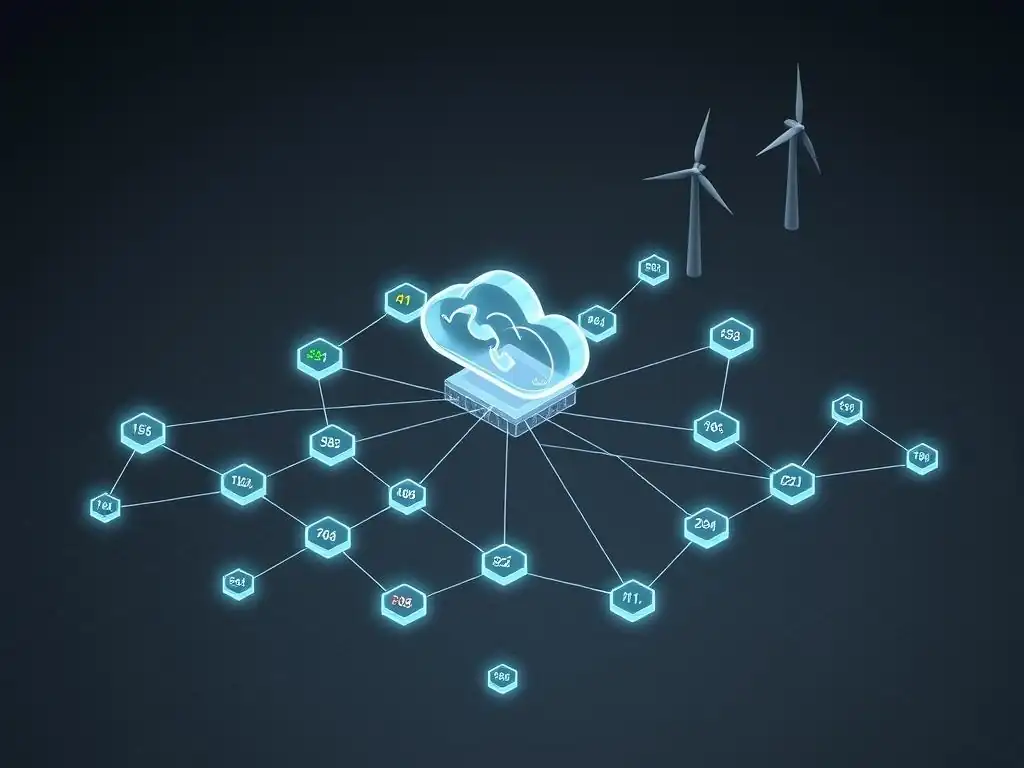
As highlighted earlier, the accuracy and reliability of the weather data fed into the smart contract via oracles are critical. A decentralized weather derivative contract is only as reliable as its data source. If the oracle provides faulty, delayed, or manipulated data, the contract will execute incorrectly, leading to unfair payouts or non-payouts. Ensuring the integrity of the data feed is perhaps the most significant challenge.
Developing a robust oracle solution involves carefully selecting trusted data providers, potentially aggregating data from multiple sources to mitigate the risk of a single provider's error or malicious intent, and implementing cryptographic proofs to verify data authenticity. Decentralized oracle networks attempt to solve this using reputation systems, staking mechanisms, and consensus among nodes, but they add complexity. The cost of obtaining high-quality, hyper-local weather data and feeding it reliably onto the blockchain can also be substantial.
Dealing with Regulatory Uncertainty in Insurance
Weather derivatives, while often classified as derivatives, share characteristics with insurance products, particularly parametric insurance. The regulatory landscape for decentralized finance (DeFi) and blockchain-based instruments is still evolving globally. Smart contract-based weather derivatives could potentially fall under insurance or derivatives regulations, which vary significantly by jurisdiction. Operating a platform that facilitates these contracts without navigating the complex regulatory environment could lead to legal challenges.
Regulators may require platforms to adhere to strict rules regarding consumer protection, capital requirements, licensing, and anti-money laundering (AML)/know-your-customer (KYC) procedures. While the decentralized nature of the technology might make traditional regulation models difficult to apply, platform operators facilitating access may still be subject to oversight. Clarifying the legal status of these instruments and working within existing or developing regulatory frameworks is a significant hurdle for achieving widespread adoption.
Preventing Manipulation and Ensuring Fair Payouts
Beyond oracle manipulation, other forms of manipulation are potential concerns. While smart contracts prevent contract terms from being altered after deployment, external factors could still be targeted. For instance, if the weather data source is a single physical station, there's a theoretical risk of physical interference with the station, though this is often impractical and illegal. More realistically, the oracle mechanism itself could be a target.
Ensuring fair payouts requires not only reliable data but also transparent and well-defined contract logic. The calculation of the payout based on the weather index and contract parameters must be unambiguous and correctly implemented in the code. Audits help verify this, but users must also understand how the payout is calculated. Designing incentives within the system (e.g., for oracle providers) and potentially using dispute resolution mechanisms (though this adds complexity and reintroduces some centralization) are considerations to enhance fairness and prevent various forms of manipulation.
Real-World Applications of Smart Contract-Based Weather Derivatives
Protecting Farmers Against Crop Losses Due to Drought
One of the most impactful real-world applications of smart contract-based weather derivatives is providing financial protection to farmers against adverse weather conditions, particularly drought or excessive rain. Agriculture is inherently weather-dependent, and unpredictable patterns can devastate crops and livelihoods. Traditional crop insurance can be expensive, slow to pay out, and often excludes smallholder farmers.
Decentralized, parametric smart contracts offer a compelling alternative. A farmer can purchase a contract that pays out a fixed amount if rainfall measured by a local weather station or satellite data falls below a critical level during the growing season. The payout is triggered automatically based on the data, providing rapid access to funds that can help the farmer recover costs or plant again.
Projects are exploring this in various regions, including parts of Africa and Southeast Asia, where climate vulnerability is high and traditional insurance penetration is low. Estimates suggest weather-related losses cost global agriculture billions annually; smart contracts could help mitigate a portion of this risk directly.
Hedging Energy Companies Against Temperature Fluctuations
Energy companies, particularly those involved in heating and cooling, are highly exposed to temperature fluctuations. Warmer-than-average winters reduce demand for heating, impacting natural gas and electricity sales. Colder-than-average summers increase demand for cooling. These fluctuations can significantly impact revenue and profitability. Traditional weather derivatives, based on Heating Degree Days (HDD) and Cooling Degree Days (CDD), are already used by large energy firms.
Smart contracts can streamline these hedging strategies. An energy company could use a decentralized platform to buy or sell temperature-based contracts, with collateral held on-chain and payouts triggered automatically based on verified temperature data feeds for specific locations. This could potentially reduce transaction costs and increase the speed of settlement compared to complex OTC deals. While large energy firms currently dominate this space in traditional markets, decentralized platforms could potentially offer more flexible or tailored contracts.
Managing Risk for Tourism and Hospitality Businesses
Businesses in the tourism and hospitality sectors are also heavily reliant on favorable weather. A ski resort needs sufficient snowfall, a beach resort needs sunny weather, and outdoor event organizers need conditions that don't disrupt their events. Unfavorable weather can lead to cancellations, reduced visitor numbers, and significant revenue losses.
Smart contract-based weather derivatives can provide targeted protection. A ski resort could buy a contract that pays out if snowfall is below a certain level during peak season. A hotel in a tropical area could hedge against excessive rainfall during tourist season. These parametric contracts offer a simple way to hedge against specific weather risks that directly impact revenue, providing financial stability in weather-sensitive operations. The automated payout ensures quick access to funds when needed, helping businesses absorb the financial shock of bad weather.
Case Study: Arbol Platform Powered by Smart Contracts
Overview of Arbol and its Functionality
Arbol is a prominent example of a platform leveraging blockchain and smart contracts for parametric weather risk management, focusing heavily on agriculture and climate-sensitive industries. Arbol provides a marketplace where businesses, primarily farmers and corporations, can purchase parametric insurance products that pay out automatically based on predefined weather conditions (like rainfall, temperature, or wind speed) measured by independent, verified data sources. Its goal is to provide a more transparent, efficient, and accessible way to manage climate risk compared to traditional insurance or derivatives.
The platform acts as an intermediary layer, facilitating the creation and funding of these parametric contracts between risk buyers (e.g., farmers) and risk capacity providers (e.g., insurers, reinsurers, or capital markets investors). By using smart contracts, Arbol automates the entire lifecycle of the contract, from premium payment and collateral holding to data monitoring and payout settlement. This eliminates manual processes, reduces administrative overhead, and ensures timely payouts when trigger conditions are met based on objective weather data.
Smart Contract Implementation Details for Parametric Insurance
Arbol's implementation relies heavily on smart contracts, primarily on the Ethereum blockchain (and potentially scaling solutions or other chains). The core logic of each parametric contract is encoded in a smart contract. When a user purchases a policy (a risk transfer contract), the premium is paid, and the risk capacity provider stakes collateral into the smart contract, often denominated in stablecoins like USDC.
The smart contract includes parameters defining the specific weather index, location, time period, trigger level, and payout structure. It is integrated with reliable weather data oracles (Arbol uses multiple data sources and validation techniques) that feed the necessary weather information onto the blockchain. At the end of the contract period, or when a specific check date arrives, the smart contract queries the oracle for the relevant weather data.
Based on the pre-programmed logic and the verified data, the contract automatically calculates the payout amount (if any) and transfers the corresponding funds from the staked collateral directly to the policyholder's wallet. This automated, on-chain settlement process is a key feature enabled by the smart contract architecture.
Results and Performance Metrics of Arbol's Weather Risk Management
While specific, up-to-the-minute performance metrics can be proprietary and fluctuate, Arbol has publicly stated processing significant transaction volumes and facilitating millions of dollars in payouts for clients globally, particularly in agriculture. For example, reports from 2022-2023 highlighted successful payouts to farmers impacted by drought in regions like the US Midwest and South America.
Arbol emphasizes key performance indicators (KPIs) like the speed of claims payout (often within days of the weather event ending and data being finalized, compared to weeks or months for traditional insurance), the transparency of the process (users can see the data and contract logic), and the expansion of access to climate risk protection in previously underserved markets. The platform has demonstrated the viability of using smart contracts and decentralized approaches to manage weather risk at scale, attracting both risk buyers and substantial risk capital from traditional insurance and financial markets looking for alternative asset classes.
The Future of Weather Derivatives: Decentralization and Innovation
The Role of DAOs in Governing Weather Derivative Platforms
The evolution of decentralized weather derivative platforms could increasingly involve Decentralized Autonomous Organizations (DAOs). A DAO is an organization run by rules encoded as a transparent computer program, controlled by organization members, and not influenced by a central government. In the context of weather derivatives, a DAO could govern key aspects of the platform, such as:
- Protocol Upgrades: Proposals and voting on changes to the core smart contract code or platform features.
- Oracle Management: Deciding which data sources are approved, how oracles are incentivized, and handling disputes related to data accuracy.
- Risk Parameterization: Approving new types of weather indices, locations, or contract structures offered on the platform.
- Treasury Management: Managing platform revenue (e.g., from fees) and allocating funds for development, marketing, or community initiatives.
A DAO structure could further enhance decentralization and community ownership, ensuring the platform operates in the best interest of its users and stakeholders rather than a single corporate entity. This could build greater trust and resilience, although DAO governance itself presents challenges in terms of participation and decision-making efficiency.
Integration with DeFi and Other Blockchain Applications for Collateralization
Future decentralized weather derivative platforms are likely to integrate more deeply with the broader Decentralized Finance (DeFi) ecosystem. This integration could unlock new possibilities for collateralization and risk capital provision. Instead of requiring risk sellers (or capacity providers) to simply deposit stablecoins, platforms could potentially accept a wider range of tokenized assets as collateral, including interest-bearing assets or liquidity pool tokens from other DeFi protocols.
This could make providing risk capacity more capital-efficient by allowing collateral to earn yield elsewhere while still being available to cover potential payouts. Furthermore, weather risk exposure itself could be tokenized and integrated into DeFi lending, borrowing, or trading protocols, creating new markets for weather risk. For example, the right to receive a payout from a drought contract could potentially be used as collateral for a loan in a decentralized lending protocol.
Potential for Mass Adoption and Mainstream Use Cases in Agriculture and Insurance
The long-term vision for decentralized weather derivatives is mass adoption, extending beyond early blockchain adopters to mainstream users, particularly in the agriculture and traditional insurance industries. For this to happen, platforms need to become more user-friendly, abstracting away the underlying blockchain complexity. Fiat on-ramps and off-ramps are necessary to allow users to interact using traditional currencies if they prefer.
Collaboration with existing agricultural cooperatives, insurance brokers, and data providers will be key to reaching a wider audience. As regulatory clarity improves and successful case studies like Arbol demonstrate viability, traditional insurance and reinsurance companies may increasingly utilize or partner with decentralized platforms to lay off weather risk or offer new parametric products. The potential for smart contract-based weather derivatives to provide timely, transparent, and affordable risk protection is immense, offering a new paradigm for managing climate volatility in critical sectors globally.
Conclusion: Decentralized Weather Derivative Contracts - A New Era of Risk Management
Decentralized weather derivative contracts, powered by smart contracts on blockchain technology, represent a significant evolution in weather risk management. By leveraging the transparency, security, and automation capabilities of blockchains, these platforms offer a compelling alternative to traditional, often opaque, and inaccessible instruments. The ability of smart contracts to automatically execute payouts based on verifiable weather data, without intermediaries, reduces costs, minimizes counterparty risk, and accelerates the settlement process.
While challenges remain, particularly concerning oracle reliability, regulatory clarity, and achieving user-friendliness, the inherent advantages of decentralization make this a promising area for innovation. Real-world applications are already demonstrating the potential to protect vulnerable populations like farmers from climate volatility and offer more efficient hedging tools for businesses in weather-sensitive sectors.
As the technology matures and integrates further with the broader decentralized ecosystem, smart contract-based weather derivatives are poised to become a mainstream tool for managing climate risk in a more transparent, efficient, and globally accessible manner. This marks a new era where technology empowers individuals and businesses to better navigate the financial uncertainties posed by unpredictable weather patterns.
Frequently Asked Questions
How do smart contracts enhance prediction markets?
Smart contracts bring transparency and decentralization to prediction markets. They automate the execution of trades and payouts based on verifiable data feeds, eliminating the need for intermediaries.
What are the benefits of using decentralized prediction market contracts?
Decentralized contracts offer improved security and trustlessness. Users can participate with confidence, knowing the rules are immutable and the outcome is fairly determined.
What are some potential use cases for smart contract-based prediction markets?
Beyond traditional financial forecasting, these markets can be used for supply chain optimization, insurance risk assessment, and political outcome predictions, offering valuable insights.
What are the main regulatory challenges facing decentralized prediction market contracts?
Regulatory uncertainty surrounding cryptocurrencies and decentralized finance (DeFi) poses a significant hurdle. Defining the legal status of these contracts and ensuring compliance with existing laws is crucial.
What does the future hold for decentralized prediction market contracts?
The future looks promising, with increasing adoption driven by the demand for transparent and reliable forecasting tools. Continued technological advancements and regulatory clarity will be key for mainstream acceptance.
Final Reflection: Embracing Decentralized Foresight
The exploration of smart contracts for prediction markets reveals a powerful synergy, where transparency and decentralization converge to reshape how we anticipate the future. This fusion of technology and foresight offers a compelling alternative to traditional forecasting methods, promising greater accuracy and accessibility in a world increasingly reliant on informed decision-making. The potential impact on fields ranging from finance to politics is undeniable, making the development and adoption of decentralized prediction market contracts a crucial step towards a more informed and equitable society.
The ongoing influence of decentralized prediction markets extends beyond mere forecasting; it fosters a culture of collective intelligence and incentivized truth-seeking. Witnessing the evolution of these platforms firsthand underscores the profound shift towards democratized knowledge and the empowerment of individuals to contribute to a shared understanding of future events. The best way to predict the future is to create it.
- Peter Drucker. This quote resonates deeply with the spirit of decentralized prediction markets, where participants actively shape the narrative and influence the outcomes they are predicting.
As we stand at the cusp of this technological revolution, I invite you to consider the implications of decentralized prediction markets in your own life. How can you leverage the power of collective intelligence to make more informed decisions? How can you contribute to a more transparent and accurate understanding of the future? The answers lie within your own curiosity and willingness to embrace the potential of decentralized foresight. Let us collectively build a future where knowledge is democratized, and predictions are driven by the wisdom of the crowd.
Dive Deeper: Unlock the Future of Forecasting!
Thank you for exploring the world of smart contracts and prediction markets with us. We hope you've gained valuable insights into how these technologies are transforming forecasting and increasing transparency. Now, it's time to apply that knowledge and help shape the future!
Here are some steps you can take right now:
- Participate in a live prediction market powered by smart contracts. Find a reputable platform and experience the excitement of decentralized forecasting firsthand. See how your insights compare to others!
- Explore different smart contract platforms such as Ethereum, Solana, or Cardano, and research the specific features they offer for building and deploying prediction markets. Understanding these details is essential for creating or utilizing effective prediction tools.
- Share this article with your network! Help spread awareness about the potential of smart contracts in prediction markets and spark discussions within the blockchain community. Together, we can build a more informed future.
Which prediction market are you most eager to explore, and what makes it stand out as a forecasting tool? Share your thoughts in the comments below!
Leave a Reply