
Predictive Maintenance in Manufacturing: Blockchain & AI for Proactive Equipment Management

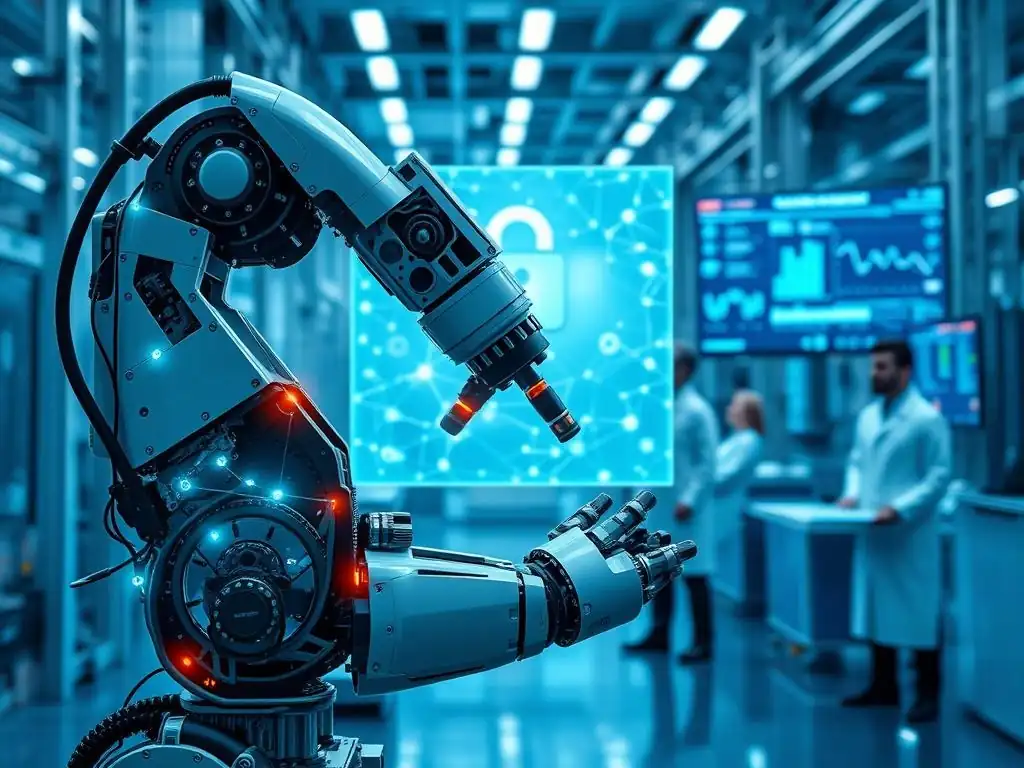
Welcome to Blockchain Trends, your guide to understanding the revolutionary impact of blockchain technology beyond the digital currencies you already know.
Ever wondered how blockchain predictive maintenance can revolutionize manufacturing? Imagine a world where equipment downtime is minimized, efficiency is maximized, and maintenance becomes proactive, not reactive. Dive into our latest article to discover how the synergy of blockchain and AI is transforming manufacturing, offering unprecedented transparency and efficiency in equipment management. Uncover the secrets to a future where machines practically heal themselves!
Predictive Maintenance in Manufacturing: Blockchain & AI for Proactive Equipment Management
- Introduction: Revolutionizing Manufacturing with Blockchain and AI-Powered Predictive Maintenance
- Understanding Predictive Maintenance and Its Benefits
- The Role of Blockchain in Predictive Maintenance
- Integrating Artificial Intelligence (AI) for Advanced Equipment Monitoring
- Blockchain & AI: A Synergistic Approach to Predictive Maintenance
-
Use Cases: Blockchain Predictive Maintenance in Manufacturing Equipment
- Case Study 1: Automotive Manufacturer Reduces Downtime with Blockchain-Enabled Predictive Maintenance
- Case Study 2: Aerospace Company Improves Turbine Performance with AI-Driven Anomaly Detection on a Blockchain Network
- Case Study 3: Pharmaceutical Company Optimizes Equipment Maintenance Schedules with Smart Contracts and AI
- Challenges and Opportunities in Implementing Blockchain and AI for Predictive Maintenance
- The Future of Manufacturing: Blockchain and AI Driving Proactive Equipment Management
- Conclusion: Embracing Blockchain and AI for Proactive Maintenance in the Manufacturing Industry
-
Frequently Asked Questions
- What is the core benefit of using blockchain for predictive maintenance in manufacturing?
- How does the integration of AI with blockchain enhance predictive maintenance for manufacturing equipment?
- What are some potential challenges in implementing a blockchain-based predictive maintenance system in a manufacturing environment?
- Beyond cost savings, what other advantages can blockchain bring to predictive maintenance of manufacturing equipment?
- How does blockchain help with regulatory compliance in predictive maintenance within the manufacturing sector?
- Final Reflection: Embracing Proactive Futures
- Unlock the Future of Your Factory Floor
Introduction: Revolutionizing Manufacturing with Blockchain and AI-Powered Predictive Maintenance
The Growing Need for Predictive Maintenance in Modern Manufacturing
Modern manufacturing is characterized by increasingly complex machinery and interconnected systems. Downtime in such environments can be incredibly costly, with some studies estimating the average cost of downtime in manufacturing to be as high as \$260,000 per hour. This figure encompasses not only lost production but also wasted materials, labor costs for idle employees, and potential damage to equipment due to neglected maintenance.
Traditional maintenance approaches, such as reactive (fixing equipment after failure) and preventative (scheduled maintenance regardless of actual need), often fall short in addressing these challenges effectively. Reactive maintenance leads to unexpected and costly disruptions, while preventative maintenance can result in unnecessary interventions and wasted resources if equipment is maintained too frequently.
The shift towards proactive strategies like predictive maintenance (PdM) is becoming crucial for manufacturers seeking to optimize operations and minimize downtime. Predictive maintenance leverages data and advanced analytics to monitor equipment health in real-time and predict potential failures before they occur.
This approach allows for maintenance to be performed only when needed, based on actual equipment condition, leading to significant improvements in efficiency, cost savings, and overall operational effectiveness. In today's competitive landscape, where margins are tight and efficiency is paramount, the adoption of predictive maintenance is no longer a luxury but a necessity for manufacturers aiming to remain competitive and profitable.
Exploring the Synergy of Blockchain and AI for Equipment Management
The convergence of blockchain and artificial intelligence (AI) presents a revolutionary opportunity to enhance predictive maintenance in manufacturing. While AI provides the analytical power to process vast datasets from equipment sensors and predict failures, blockchain offers a secure, transparent, and immutable platform for managing the critical data underpinning these predictions. Traditionally, data silos and concerns about data integrity have hindered the effectiveness of predictive maintenance programs. Data might be scattered across different systems, making it difficult to consolidate and analyze comprehensively. Furthermore, the lack of transparency and trust in data provenance can undermine confidence in AI-driven predictions.
Blockchain addresses these challenges by providing a single, shared, and tamper-proof ledger for recording equipment data, maintenance logs, and sensor readings. This ensures data integrity and traceability, making it easier to verify the accuracy and reliability of information used by AI algorithms. AI, in turn, benefits from access to a more robust and trustworthy data foundation, leading to more accurate predictions and optimized maintenance schedules.
The synergy between blockchain and AI creates a powerful ecosystem for proactive equipment management, fostering greater efficiency, transparency, and trust in manufacturing operations. This combination is poised to transform how manufacturers approach maintenance, moving from reactive and preventative models to truly predictive and proactive strategies.
Understanding Predictive Maintenance and Its Benefits
What is Predictive Maintenance (PdM)? A Definition
Predictive Maintenance (PdM) is a proactive maintenance strategy that utilizes data analysis tools and techniques to monitor the condition of equipment and predict when maintenance should be performed. Unlike reactive maintenance, which addresses failures after they occur, or preventative maintenance, which follows a predetermined schedule, PdM focuses on anticipating potential equipment failures before they lead to downtime.
It relies on collecting data from various sources, such as sensors, historical maintenance records, and operational parameters, to assess equipment health in real-time. This data is then analyzed using sophisticated algorithms, often powered by Artificial Intelligence and Machine Learning, to identify patterns and anomalies that indicate impending failures.
The core principle of PdM is to move away from time-based maintenance to condition-based maintenance. Instead of replacing parts or performing maintenance at fixed intervals, PdM triggers maintenance actions based on the actual condition of the equipment. For example, vibration sensors might detect increased vibration in a bearing, indicating potential wear and tear.
AI algorithms analyze this vibration data along with other relevant parameters like temperature and oil pressure to predict the remaining useful life of the bearing and schedule maintenance proactively. This data-driven approach ensures that maintenance is performed only when necessary, optimizing resource utilization and minimizing unnecessary interventions. PdM represents a significant evolution in maintenance practices, enabling manufacturers to shift from reactive and costly approaches to a more efficient, proactive, and data-informed model.
Benefits of Implementing Predictive Maintenance in Manufacturing Plants
Implementing Predictive Maintenance (PdM) in manufacturing plants offers a multitude of benefits that contribute to improved operational efficiency, reduced costs, and enhanced safety. These advantages span across various aspects of manufacturing operations, making PdM a highly valuable strategy for modern industrial settings.
Reduced Downtime and Increased Production Efficiency
One of the most significant benefits of PdM is the dramatic reduction in unplanned downtime. By predicting potential equipment failures before they occur, manufacturers can schedule maintenance during planned downtime windows or off-peak hours, minimizing disruptions to production. For instance, a study by McKinsey found that predictive maintenance can reduce equipment downtime by up to 50%. This reduction in downtime directly translates to increased production efficiency.
With equipment operating more reliably and for longer periods, production lines can run more consistently, leading to higher output and improved throughput. Consider a continuous production line in a food processing plant; unplanned downtime of even a few hours can result in significant spoilage and missed delivery deadlines. PdM helps prevent such scenarios, ensuring consistent production and meeting customer demands effectively.
Optimized Maintenance Schedules and Resource Allocation
Predictive maintenance optimizes maintenance schedules by triggering interventions only when necessary, based on actual equipment condition. This contrasts with preventative maintenance, where maintenance is performed at fixed intervals, often leading to unnecessary servicing of equipment that is still in good working order. According to the U.S. Department of Energy, preventative maintenance can be up to five times more expensive than predictive maintenance due to unnecessary parts replacements and labor costs.
PdM ensures that maintenance resources, including personnel, spare parts, and tools, are allocated efficiently. Maintenance teams can focus their efforts on equipment that truly requires attention, rather than following a rigid schedule that might not align with actual needs. This targeted approach reduces wasted resources, lowers maintenance costs, and improves the overall efficiency of the maintenance department.
Extended Equipment Lifespan and Reduced Replacement Costs
By addressing minor issues before they escalate into major failures, predictive maintenance helps extend the lifespan of manufacturing equipment. Early detection and correction of problems like wear and tear, misalignment, or lubrication issues prevent further degradation and damage to equipment components. For example, detecting and addressing a bearing misalignment early on can prevent premature bearing failure and damage to the shaft and housing. Extending equipment lifespan translates directly to reduced replacement costs.
Manufacturing equipment, particularly specialized machinery, often represents a significant capital investment. By prolonging the useful life of these assets, PdM delays the need for costly replacements, providing substantial cost savings over the long term. Furthermore, extending equipment life also reduces the environmental impact associated with manufacturing new equipment and disposing of old machinery.
Improved Safety and Reduced Risk of Accidents
Predictive maintenance plays a crucial role in improving safety and reducing the risk of accidents in manufacturing environments. Equipment failures can often lead to hazardous situations, such as machine malfunctions, unexpected breakdowns, and even catastrophic events. For example, a sudden failure of a critical component in heavy machinery could result in serious injury to workers operating nearby. By proactively identifying and addressing potential equipment issues, PdM helps prevent these failures from occurring.
Regular monitoring of equipment condition through sensors and data analysis can detect early warning signs of problems that could compromise safety. Addressing these issues proactively ensures that equipment operates safely and reliably, minimizing the risk of accidents and creating a safer working environment for employees. This not only protects workers but also reduces potential liabilities and costs associated with workplace accidents.
The Role of Blockchain in Predictive Maintenance
Blockchain for Secure and Transparent Data Management in Manufacturing
Blockchain technology provides a robust and secure infrastructure for managing the vast amounts of data generated in predictive maintenance systems within manufacturing. In traditional systems, data is often siloed across different departments and systems, making it difficult to achieve a holistic view of equipment health. Furthermore, concerns about data security and integrity can hinder trust and collaboration among stakeholders.
Blockchain, with its decentralized and immutable nature, offers a solution to these challenges by creating a shared, transparent, and tamper-proof ledger for recording equipment data. Every piece of data, from sensor readings to maintenance logs, can be recorded as a transaction on the blockchain, creating an auditable and verifiable history of equipment condition and maintenance activities.
The decentralized nature of blockchain eliminates single points of failure and reduces the risk of data manipulation. Data is distributed across a network of nodes, making it extremely difficult for malicious actors to alter or tamper with the information. Transparency is inherent in blockchain, as all participants in the network can have access to the shared ledger, although access permissions can be controlled to ensure data privacy.
This transparency builds trust among stakeholders, including maintenance teams, production managers, and even external partners like equipment manufacturers and service providers. By providing a secure and transparent platform for data management, blockchain enhances the reliability and trustworthiness of predictive maintenance systems, paving the way for more effective and data-driven decision-making in manufacturing.
Enhancing Data Integrity and Traceability with Blockchain Technology
Data integrity and traceability are paramount in predictive maintenance, as the accuracy and reliability of predictions depend heavily on the quality and trustworthiness of the underlying data. Blockchain technology inherently enhances data integrity and traceability due to its core features: immutability and cryptographic hashing. Once data is recorded on a blockchain, it becomes virtually immutable, meaning it cannot be altered or deleted retroactively.
Each block of data is linked to the previous block using cryptographic hashes, creating a chain of records that is tamper-proof. Any attempt to modify data in a block would require changing the hashes of all subsequent blocks, which is computationally infeasible in a well-established blockchain network.
This immutability ensures that the historical data used for training AI models and making predictions remains accurate and untampered with. Traceability is also significantly improved, as every data entry is timestamped and linked to its origin. This allows for a complete audit trail of all data related to equipment maintenance, making it easy to track the provenance of information and verify its authenticity.
For example, sensor readings can be cryptographically signed and recorded on the blockchain, ensuring that they are genuine and have not been tampered with during transmission or storage. This enhanced data integrity and traceability, provided by blockchain, strengthens the foundation of predictive maintenance systems, leading to more reliable predictions and improved decision-making in equipment management.
Blockchain-Enabled Smart Contracts for Automated Maintenance Triggers
Blockchain technology extends beyond data management to enable the automation of maintenance processes through smart contracts. Smart contracts are self-executing contracts with the terms of the agreement directly written into code. In the context of predictive maintenance, smart contracts can be programmed to automatically trigger maintenance actions based on predefined conditions derived from sensor data and AI predictions.
For example, a smart contract could be configured to monitor the vibration levels of a critical pump using data from IoT sensors. If the AI analysis of sensor data indicates that vibration exceeds a predefined threshold, signaling an impending failure, the smart contract can automatically initiate a maintenance workflow.
This automated workflow could include actions such as generating a maintenance work order, notifying the maintenance team, ordering necessary spare parts from suppliers, and even scheduling a technician based on availability and skill set. All these actions can be executed automatically by the smart contract without manual intervention, streamlining the maintenance process and reducing response times. Furthermore, smart contracts ensure transparency and accountability in maintenance operations.
All triggered actions and their outcomes are recorded on the blockchain, providing an immutable audit trail of maintenance activities. This automation and transparency, enabled by blockchain-based smart contracts, can significantly enhance the efficiency and responsiveness of predictive maintenance systems, leading to faster repair times and minimized downtime.
Integrating Artificial Intelligence (AI) for Advanced Equipment Monitoring
AI-Driven Data Analysis for Anomaly Detection and Failure Prediction
Artificial Intelligence (AI) is the analytical engine driving advanced equipment monitoring and failure prediction in predictive maintenance. AI algorithms, particularly machine learning (ML) techniques, are capable of processing vast datasets from equipment sensors and historical records to identify subtle patterns and anomalies that are indicative of impending failures. Traditional statistical methods often struggle to handle the complexity and volume of data generated by modern manufacturing equipment. AI, on the other hand, excels at analyzing complex, multi-dimensional datasets and extracting meaningful insights for predictive purposes.
For anomaly detection, AI algorithms are trained on historical data representing normal equipment operation. Once trained, these algorithms can identify deviations from the normal operating patterns in real-time sensor data. These deviations, or anomalies, can be early warning signs of potential equipment malfunctions or failures.
For failure prediction, AI models utilize historical failure data, maintenance records, and sensor readings to learn the relationships between equipment condition and failure events. By analyzing these relationships, AI can predict the probability of future failures and estimate the remaining useful life of equipment components. Techniques like regression models, classification algorithms, and neural networks are commonly used in AI-driven predictive maintenance to achieve accurate anomaly detection and failure prediction, enabling proactive maintenance interventions.
Machine Learning Algorithms for Predictive Maintenance Optimization
Machine learning (ML) algorithms are at the heart of AI-powered predictive maintenance, providing the capability to learn from data and optimize maintenance strategies. Various ML algorithms are employed depending on the specific goals and data characteristics of the predictive maintenance application. For example, time series forecasting algorithms, such as ARIMA (Autoregressive Integrated Moving Average) and LSTM (Long Short-Term Memory) networks, are used to predict future equipment condition based on historical sensor data. These algorithms can forecast trends in parameters like temperature, vibration, and pressure, helping to anticipate when these parameters might exceed acceptable limits, indicating a potential failure.
Classification algorithms, such as Support Vector Machines (SVM) and decision trees, can be used to categorize equipment condition into different states, such as "normal," "warning," or "critical." These algorithms learn to classify equipment status based on sensor data and historical maintenance records, providing a clear indication of equipment health. Clustering algorithms, like k-means clustering, can be used to group equipment with similar condition patterns, allowing for targeted maintenance strategies for specific groups of machines.
Regression algorithms, such as linear regression and neural networks, can be used to predict the remaining useful life (RUL) of equipment components, providing valuable information for planning maintenance schedules and optimizing parts replacements. The selection and application of appropriate ML algorithms are crucial for achieving accurate predictions and optimizing maintenance decisions in predictive maintenance systems.
Combining AI and IoT Sensors for Real-Time Equipment Health Monitoring
The synergy of AI and IoT (Internet of Things) sensors is fundamental to achieving real-time equipment health monitoring in predictive maintenance. IoT sensors, deployed on manufacturing equipment, continuously collect data on various parameters such as temperature, vibration, pressure, humidity, and electrical current. These sensors act as the eyes and ears of the predictive maintenance system, providing a constant stream of data reflecting the real-time condition of equipment. The data collected by IoT sensors is then transmitted wirelessly to a central processing system where AI algorithms analyze it to detect anomalies and predict failures.
The real-time nature of IoT sensor data is critical for proactive maintenance. By continuously monitoring equipment condition, AI algorithms can detect subtle changes and anomalies as they occur, allowing for timely interventions before minor issues escalate into major failures.
For example, a sudden increase in the temperature of a motor bearing, detected by an IoT temperature sensor, can be immediately analyzed by AI algorithms to assess the severity of the anomaly and trigger an alert for maintenance intervention. This real-time monitoring and analysis capability, enabled by the combination of AI and IoT sensors, allows manufacturers to move from reactive or time-based maintenance to a truly proactive and condition-based maintenance approach, maximizing equipment uptime and minimizing costly downtime.
Blockchain & AI: A Synergistic Approach to Predictive Maintenance

How Blockchain Enhances AI-Powered Predictive Maintenance Systems
Blockchain technology significantly enhances AI-powered predictive maintenance systems by addressing key challenges related to data security, integrity, and transparency. While AI provides the analytical power to process data and predict failures, blockchain provides a secure and trustworthy infrastructure for managing the data that fuels these AI algorithms. One of the primary ways blockchain enhances AI is by ensuring data integrity.
AI models are only as good as the data they are trained on. If the data is corrupted, manipulated, or unreliable, the predictions generated by AI will be inaccurate and potentially misleading. Blockchain's immutable and tamper-proof nature guarantees the integrity of the data used by AI, leading to more reliable and trustworthy predictions.
Furthermore, blockchain enhances data transparency in AI systems. In traditional AI systems, the data used for training and prediction may be opaque, making it difficult to verify its provenance and trustworthiness. Blockchain provides a transparent and auditable record of all data transactions, allowing stakeholders to track the origin and history of the data used by AI algorithms.
This transparency builds trust in AI predictions and facilitates collaboration among different parties involved in the predictive maintenance process. Moreover, blockchain can improve data security by providing secure data storage and access control mechanisms. By encrypting data and controlling access permissions, blockchain protects sensitive equipment data from unauthorized access and cyber threats, enhancing the overall security of AI-powered predictive maintenance systems.
Addressing Data Security and Privacy Concerns with Blockchain in AI for Manufacturing
Data security and privacy are critical concerns in manufacturing, especially with the increasing reliance on data-driven technologies like AI and predictive maintenance. Sensitive equipment data, maintenance records, and operational parameters need to be protected from unauthorized access and cyberattacks. Blockchain technology offers robust security features that can effectively address these concerns in AI-powered predictive maintenance systems.
Blockchain's decentralized and cryptographic nature makes it inherently more secure than traditional centralized data storage systems. Data is distributed across a network of nodes, reducing the risk of a single point of failure and making it extremely difficult for hackers to compromise the entire system.
Cryptographic techniques, such as hashing and encryption, are used to secure data and transactions on the blockchain. Data is encrypted before being stored on the blockchain, protecting it from unauthorized access even if a node is compromised. Access control mechanisms can be implemented using blockchain to ensure that only authorized parties can access specific data or functionalities within the predictive maintenance system.
Furthermore, blockchain's transparency and auditability can enhance data privacy by providing a clear record of who accessed what data and when. This audit trail can help ensure compliance with data privacy regulations and detect any unauthorized data access attempts. By leveraging the security and privacy features of blockchain, manufacturers can confidently deploy AI-powered predictive maintenance systems while mitigating the risks associated with data breaches and privacy violations.
Real-Time Data Sharing and Collaboration with Blockchain-Based Platforms
Blockchain facilitates real-time data sharing and collaboration among different stakeholders in the predictive maintenance ecosystem, including manufacturers, equipment suppliers, maintenance service providers, and data analysts. In traditional systems, data sharing is often hampered by data silos, interoperability issues, and concerns about data ownership and control. Blockchain provides a shared and interoperable platform for exchanging data securely and efficiently, breaking down data silos and fostering collaboration. Manufacturers can securely share equipment sensor data and maintenance records with equipment suppliers, enabling them to provide better support and optimize equipment design based on real-world performance data.
Maintenance service providers can access real-time equipment data through blockchain platforms, allowing them to proactively diagnose issues, schedule maintenance visits, and optimize service delivery. Data analysts can leverage the shared data on blockchain to develop more accurate and robust AI models for predictive maintenance, benefiting the entire ecosystem. Smart contracts on blockchain can automate data sharing agreements and ensure that data is shared in a secure and compliant manner.
For example, smart contracts can define data access permissions, usage rights, and revenue sharing models for data shared on the platform. This enhanced data sharing and collaboration, facilitated by blockchain, creates a more efficient and interconnected predictive maintenance ecosystem, leading to improved equipment performance, reduced downtime, and optimized maintenance operations across the manufacturing value chain.
Use Cases: Blockchain Predictive Maintenance in Manufacturing Equipment
Case Study 1: Automotive Manufacturer Reduces Downtime with Blockchain-Enabled Predictive Maintenance
A leading automotive manufacturer, facing increasing downtime costs in its engine assembly line, implemented a blockchain-enabled predictive maintenance system. The assembly line utilized hundreds of robots and specialized machinery, and unplanned downtime was averaging 8 hours per week, costing the company approximately \$1.5 million annually in lost production and repair expenses. The company integrated IoT sensors into critical equipment to monitor parameters like vibration, temperature, and motor current. This sensor data was securely recorded on a private blockchain network, ensuring data integrity and traceability. AI algorithms were deployed to analyze the blockchain data and predict potential equipment failures.
The blockchain-based system provided a transparent and immutable record of equipment condition and maintenance activities, building trust among different departments involved in maintenance and production. Smart contracts were used to automate maintenance workflows. When AI algorithms predicted an impending failure, smart contracts automatically generated work orders, notified maintenance technicians, and ordered spare parts from pre-approved suppliers.
Within the first year of implementation, the automotive manufacturer experienced a 35% reduction in unplanned downtime, saving approximately \$525,000 annually. Equipment lifespan also increased by an estimated 15%, and maintenance scheduling became significantly more efficient, leading to optimized resource allocation and reduced maintenance costs. The blockchain-enabled predictive maintenance system proved to be a successful investment, enhancing operational efficiency and reducing costs for the automotive manufacturer.
Case Study 2: Aerospace Company Improves Turbine Performance with AI-Driven Anomaly Detection on a Blockchain Network
An aerospace company specializing in aircraft engine manufacturing sought to improve the performance and reliability of its gas turbines while reducing maintenance costs. Turbine maintenance is critical and expensive in the aerospace industry, with even minor performance degradations potentially impacting fuel efficiency and safety. The company implemented an AI-driven anomaly detection system integrated with a blockchain network to monitor turbine engine components during testing and operation.
High-fidelity sensors were embedded in turbine blades, bearings, and combustion chambers to collect data on temperature, pressure, vibration, and strain. This sensor data was securely streamed and recorded onto a permissioned blockchain network shared with engine component suppliers and maintenance providers.
AI algorithms, including deep learning models, were trained to detect subtle anomalies in turbine operating parameters that could indicate early signs of wear, fatigue, or performance degradation. The blockchain network ensured the integrity and provenance of the sensor data, providing a trustworthy foundation for AI-driven anomaly detection. When anomalies were detected, alerts were automatically generated, triggering detailed inspections and proactive maintenance interventions.
The blockchain platform facilitated secure data sharing with component suppliers, allowing them to analyze real-world performance data and improve component design and manufacturing processes. Within two years of implementation, the aerospace company reported a 20% improvement in turbine performance, a 15% reduction in maintenance costs, and a significant enhancement in engine reliability and safety. The combination of AI-driven anomaly detection and blockchain-based data management proved to be highly effective in optimizing turbine performance and maintenance in the aerospace industry.
Case Study 3: Pharmaceutical Company Optimizes Equipment Maintenance Schedules with Smart Contracts and AI
A pharmaceutical company, committed to maintaining stringent quality control and minimizing production disruptions, implemented a predictive maintenance system using smart contracts and AI to optimize equipment maintenance schedules in its sterile manufacturing facility. Pharmaceutical manufacturing demands extremely high levels of equipment reliability and hygiene, and unplanned downtime can lead to batch losses and regulatory compliance issues.
The company deployed IoT sensors on critical equipment, such as autoclaves, filling machines, and HVAC systems, to monitor parameters relevant to equipment health and environmental control. Sensor data, along with equipment manuals and maintenance logs, was securely stored and managed on a private blockchain network.
AI algorithms were trained to predict equipment failures and optimize maintenance schedules based on real-time sensor data and historical records. Smart contracts were programmed to automate maintenance scheduling and execution. When AI predicted that maintenance was required for a specific piece of equipment, smart contracts automatically scheduled maintenance tasks, considering equipment criticality, production schedules, and technician availability.
The smart contracts also managed the procurement of spare parts and tracked maintenance activities, ensuring a transparent and auditable maintenance process. The implementation of the blockchain and AI-based predictive maintenance system resulted in a 40% reduction in unplanned downtime, a 25% optimization of maintenance schedules, and improved compliance with regulatory requirements. The pharmaceutical company also experienced a significant reduction in maintenance costs and an increase in overall equipment effectiveness (OEE) in its sterile manufacturing facility.
Challenges and Opportunities in Implementing Blockchain and AI for Predictive Maintenance
Overcoming Implementation Challenges: Data Integration, Scalability, and Interoperability
Implementing blockchain and AI for predictive maintenance in manufacturing presents several challenges that need to be addressed for successful deployment. Data integration is a significant hurdle, as manufacturing environments often have diverse legacy systems and data sources that are not easily integrated. Data from sensors, PLCs (Programmable Logic Controllers), CMMS (Computerized Maintenance Management Systems), and ERP (Enterprise Resource Planning) systems needs to be consolidated and harmonized to provide a comprehensive view of equipment health for AI analysis. Developing robust data pipelines and APIs (Application Programming Interfaces) for seamless data integration is crucial.
Scalability is another key challenge, particularly for large-scale manufacturing operations with thousands of pieces of equipment generating vast amounts of data. Blockchain networks and AI algorithms need to be scalable to handle the increasing data volume and transaction load as the predictive maintenance system expands. Choosing appropriate blockchain platforms and AI infrastructure that can scale effectively is essential.
Interoperability is also a concern, as different blockchain platforms and AI systems may not be compatible with each other. Ensuring interoperability between different components of the predictive maintenance system, as well as with existing manufacturing IT systems, is important for seamless data exchange and system integration. Adopting open standards and developing interoperability protocols can help overcome this challenge.
Addressing Security and Privacy Concerns in Blockchain-Based Predictive Maintenance Systems
While blockchain offers enhanced security features, addressing security and privacy concerns remains crucial in blockchain-based predictive maintenance systems. Although blockchain is inherently tamper-proof, vulnerabilities can still exist in smart contracts, APIs, and application layers. Thorough security audits and penetration testing are necessary to identify and mitigate potential security risks in the entire system. Data privacy is also a significant consideration, especially when dealing with sensitive equipment data and operational information. Implementing appropriate data privacy measures, such as data anonymization, pseudonymization, and access control mechanisms, is essential to comply with data privacy regulations and protect confidential information.
Choosing the right type of blockchain network – public, private, or consortium – is crucial for balancing security, privacy, and transparency requirements. Private and consortium blockchains offer greater control over data access and privacy, while public blockchains provide higher levels of transparency and decentralization. Furthermore, educating users and stakeholders about blockchain security best practices and data privacy protocols is important for ensuring the overall security and privacy of the predictive maintenance system. Continuous monitoring of the blockchain network for security threats and anomalies is also necessary to proactively detect and respond to potential security incidents.
Exploring Future Opportunities: Expansion and Scalability of Blockchain and AI Predictive Maintenance Solutions
Despite the challenges, the future of blockchain and AI for predictive maintenance in manufacturing is bright, with significant opportunities for expansion and scalability. As IoT sensor technology becomes more affordable and pervasive, the deployment of predictive maintenance systems will become more widespread across various manufacturing sectors.
The increasing availability of cloud-based blockchain platforms and AI services will further lower the barriers to entry and make these technologies more accessible to small and medium-sized enterprises (SMEs). The development of industry-specific blockchain solutions and AI models tailored to specific manufacturing equipment and processes will enhance the effectiveness and adoption of predictive maintenance.
The integration of blockchain and AI with other emerging technologies, such as 5G, edge computing, and digital twins, will further enhance the capabilities of predictive maintenance systems. 5G will enable faster and more reliable data transmission from remote sensors, edge computing will allow for real-time data processing closer to the source, and digital twins will provide virtual representations of equipment for simulation and predictive analysis.
The convergence of these technologies will create new opportunities for optimizing predictive maintenance and transforming manufacturing operations. Furthermore, the development of blockchain-based marketplaces for sharing predictive maintenance data and AI models can foster innovation and collaboration within the manufacturing ecosystem, accelerating the adoption and evolution of these technologies.
The Future of Manufacturing: Blockchain and AI Driving Proactive Equipment Management
The Long-Term Impact of Blockchain and AI on Manufacturing Operations
The long-term impact of blockchain and AI on manufacturing operations is poised to be transformative, fundamentally reshaping how manufacturers approach equipment management and operational efficiency. Predictive maintenance, powered by these technologies, will evolve from a reactive approach to a truly proactive and autonomous system. AI algorithms will become increasingly sophisticated in their ability to predict equipment failures with greater accuracy and lead time, enabling manufacturers to anticipate and prevent disruptions before they occur. Blockchain will provide a secure and transparent data infrastructure that underpins these advanced AI capabilities, ensuring data integrity, traceability, and trust in predictive maintenance systems.
Manufacturing operations will become more data-driven and automated, with AI and blockchain playing central roles in decision-making and process optimization. Maintenance schedules will be dynamically adjusted based on real-time equipment condition and AI predictions, moving away from fixed intervals to condition-based maintenance. Supply chains for spare parts and maintenance services will become more efficient and responsive, leveraging blockchain for transparent and secure transactions.
Equipment design and manufacturing will be optimized based on real-world performance data collected and analyzed through blockchain and AI, leading to more reliable and durable machinery. The overall manufacturing ecosystem will become more interconnected and collaborative, with blockchain facilitating secure data sharing and information exchange among different stakeholders.
Emerging Trends in Blockchain Predictive Maintenance for Manufacturing Equipment
Several emerging trends are shaping the future of blockchain predictive maintenance for manufacturing equipment. One key trend is the increasing adoption of hybrid blockchain solutions that combine the benefits of public and private blockchains. These hybrid approaches offer a balance between transparency, security, and control, allowing manufacturers to leverage the strengths of both types of blockchain networks. Another trend is the growing use of edge computing in predictive maintenance systems. Processing sensor data closer to the equipment at the edge reduces latency, bandwidth requirements, and reliance on centralized cloud infrastructure, enabling faster and more responsive predictive maintenance.
The integration of AI and blockchain with digital twins is also gaining momentum. Digital twins, virtual representations of physical equipment, provide a platform for simulating equipment behavior and testing predictive maintenance strategies before deployment in the real world. Blockchain can secure and manage digital twin data, while AI can enhance digital twin capabilities for predictive analysis and optimization.
Furthermore, the development of blockchain-based industrial data marketplaces is emerging as a significant trend. These marketplaces will facilitate the secure and transparent exchange of industrial data, including predictive maintenance data, among manufacturers, suppliers, and data analysts, fostering innovation and collaboration in the manufacturing ecosystem. Standardization efforts are also underway to promote interoperability and compatibility of blockchain and AI solutions in manufacturing, accelerating adoption and reducing fragmentation in the market.
Preparing for the Future of Manufacturing with Blockchain and AI Technologies
To prepare for the future of manufacturing driven by blockchain and AI technologies, manufacturers need to take proactive steps to embrace these innovations and build the necessary capabilities. Investing in digital infrastructure, including IoT sensors, cloud computing, and blockchain platforms, is crucial for laying the foundation for predictive maintenance and other Industry 4.0 applications.
Developing data analytics skills and expertise in AI and machine learning is essential for extracting value from the vast amounts of data generated by manufacturing operations. Building partnerships with technology providers, research institutions, and industry consortia can help manufacturers access cutting-edge technologies and best practices in blockchain and AI.
Embracing a data-driven culture and fostering collaboration across different departments within the organization is critical for successful implementation of predictive maintenance and other digital transformation initiatives. Investing in workforce training and upskilling programs is necessary to equip employees with the skills needed to operate and maintain blockchain and AI-powered manufacturing systems.
Staying informed about emerging trends and technological advancements in blockchain and AI is crucial for adapting to the evolving landscape of manufacturing and remaining competitive in the future. By proactively embracing these technologies and building the necessary capabilities, manufacturers can position themselves to thrive in the future of manufacturing driven by blockchain and AI.
Conclusion: Embracing Blockchain and AI for Proactive Maintenance in the Manufacturing Industry
The Transformative Potential of Blockchain Predictive Maintenance
Blockchain predictive maintenance holds transformative potential for the manufacturing industry. By synergistically combining the strengths of blockchain and AI, manufacturers can move beyond reactive and preventative maintenance approaches to embrace truly proactive equipment management. Blockchain provides a secure, transparent, and immutable data infrastructure that underpins AI-driven predictive analytics, ensuring data integrity, traceability, and trust. AI algorithms leverage this robust data foundation to accurately predict equipment failures, optimize maintenance schedules, and enhance operational efficiency. The result is reduced downtime, lower maintenance costs, extended equipment lifespan, and improved safety in manufacturing operations.
The adoption of blockchain predictive maintenance is not merely an incremental improvement; it represents a paradigm shift in how manufacturers approach equipment management and operational excellence. It empowers manufacturers to transition from reactive firefighting to proactive planning, from guesswork to data-driven decision-making, and from siloed operations to collaborative ecosystems.
This transformative potential extends beyond individual manufacturing plants to encompass entire supply chains and industrial networks, fostering greater efficiency, resilience, and sustainability across the manufacturing landscape. As blockchain and AI technologies continue to mature and become more accessible, their adoption in predictive maintenance will accelerate, driving a new era of proactive and intelligent manufacturing.
Key Takeaways and Recommendations for Implementing Blockchain & AI PdM Solutions
Implementing blockchain and AI-powered predictive maintenance solutions requires careful planning and execution. Here are key takeaways and recommendations for manufacturers considering adopting these technologies:
- Start with a clear business case: Define specific pain points and objectives that predictive maintenance aims to address, and quantify the potential benefits and ROI (Return on Investment).
- Focus on data quality and integration: Ensure that data from sensors and other sources is accurate, reliable, and properly integrated into a unified data platform. Data quality is paramount for effective AI-driven predictions.
- Choose the right blockchain and AI platforms: Select blockchain platforms and AI algorithms that are appropriate for the specific needs and scale of the manufacturing operation, considering scalability, security, and interoperability requirements.
- Prioritize security and privacy: Implement robust security measures to protect sensitive equipment data and ensure compliance with data privacy regulations. Choose appropriate blockchain network types and access control mechanisms.
- Build a skilled team: Develop in-house expertise in data analytics, AI, blockchain, and IoT technologies, or partner with experienced technology providers to bridge skill gaps.
- Start small and iterate: Begin with a pilot project on a limited scope to validate the feasibility and benefits of blockchain predictive maintenance before large-scale deployment. Iterate and refine the system based on pilot project learnings.
- Foster collaboration and data sharing: Encourage collaboration among different departments within the organization and explore opportunities for data sharing with external partners, such as equipment suppliers and maintenance service providers, through blockchain platforms.
- Continuously monitor and optimize: Regularly monitor the performance of the predictive maintenance system, track key metrics, and continuously optimize AI models and maintenance strategies based on real-world data and feedback.
By following these key takeaways and recommendations, manufacturers can effectively leverage the transformative power of blockchain and AI to implement successful predictive maintenance solutions, achieving significant improvements in operational efficiency, cost savings, and overall competitiveness in the evolving landscape of modern manufacturing.
Frequently Asked Questions
What is the core benefit of using blockchain for predictive maintenance in manufacturing?
The core benefit lies in enhanced data security and transparency. Blockchain ensures immutable records of equipment data, preventing tampering and fostering trust among stakeholders involved in the maintenance process.
How does the integration of AI with blockchain enhance predictive maintenance for manufacturing equipment?
AI algorithms analyze the blockchain-secured data to identify patterns and predict potential equipment failures. This combination allows for proactive maintenance scheduling, minimizing downtime and optimizing resource allocation.
What are some potential challenges in implementing a blockchain-based predictive maintenance system in a manufacturing environment?
Challenges include the integration with existing systems, the need for specialized expertise in both blockchain and AI, and potential scalability issues when dealing with a large number of machines and data points.
Beyond cost savings, what other advantages can blockchain bring to predictive maintenance of manufacturing equipment?
Beyond cost, blockchain offers improved traceability of parts and maintenance records, better supply chain management for replacement parts, and increased operational efficiency through optimized maintenance schedules.
How does blockchain help with regulatory compliance in predictive maintenance within the manufacturing sector?
Blockchain provides an auditable trail of all maintenance activities, ensuring compliance with industry regulations and standards. The immutable record simplifies audits and demonstrates adherence to safety protocols.
Final Reflection: Embracing Proactive Futures
The journey through predictive maintenance, powered by blockchain and AI, reveals more than just technological advancements; it illuminates a fundamental shift in how we approach manufacturing. The convergence of these technologies promises a future where downtime is minimized, efficiency is maximized, and sustainability is woven into the very fabric of industrial operations. This isn't just about fixing machines; it's about reimagining the entire manufacturing ecosystem.
The impact of blockchain and AI on predictive maintenance extends far beyond the factory floor. It represents a move towards greater transparency, trust, and resilience in supply chains, fostering a more collaborative and interconnected industrial landscape. This transformation resonates deeply, reminding us that innovation isn't solely about technological prowess, but also about its potential to create a more equitable and sustainable world. The best way to predict the future is to create it.
- Peter Drucker. This quote encapsulates the proactive spirit driving the adoption of these technologies, empowering manufacturers to shape their own destinies.
Now, as you reflect on the potential of blockchain and AI in predictive maintenance, consider how you can contribute to this proactive future. How can you champion the adoption of these technologies within your own sphere of influence? How can you leverage data and insights to build more resilient and sustainable manufacturing processes? The future of manufacturing is not predetermined; it is being actively shaped by the choices we make today. Embrace the power of proactive thinking and become an architect of a more efficient, sustainable, and interconnected industrial world.
Unlock the Future of Your Factory Floor
Thank you for exploring how blockchain and AI are transforming predictive maintenance. You've gained valuable insights into creating more efficient and resilient manufacturing operations. Now, it's time to turn that knowledge into action and begin optimizing your systems.
Take the next step by:
- Immediately assessing a critical piece of equipment to determine its potential benefits from AI-driven predictive maintenance. This hands-on approach will help you understand the practical applications.
- Researching blockchain-based platforms tailored for industrial IoT to evaluate how they can improve data security and transparency within your operations.
- Sharing this article with colleagues to ignite discussions on how these innovative technologies can benefit your organization.
Which piece of equipment will you focus on first for AI-powered predictive maintenance, and how will you evaluate its success? Share your thoughts in the comments below!
Leave a Reply