
RealWorld Examples of Smart Contracts Transforming Real Estate Today

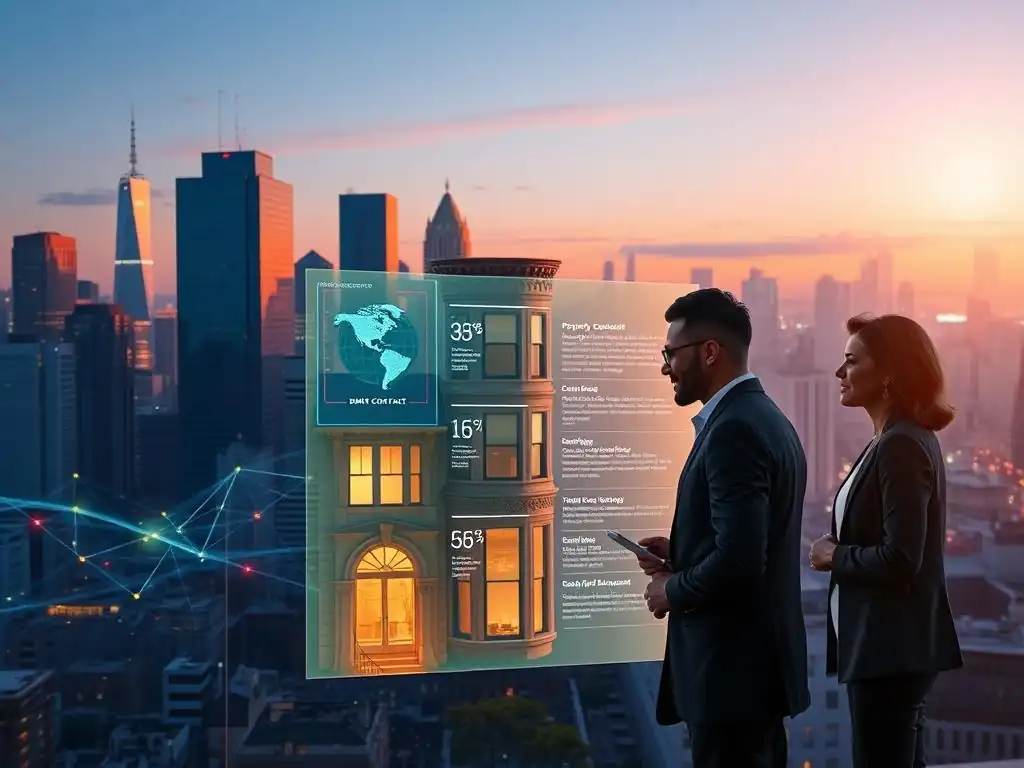
Welcome to Blockchain Trends, where we delve into the transformative potential of blockchain technology beyond the realm of cryptocurrencies. In our exploration today, we shine a spotlight on smart contracts and their revolutionary impact on real estate deals. Discover how these innovative agreements are reshaping transactions, enhancing transparency, and streamlining processes in the property market. As you journey through our insights, you'll uncover real-world examples that illustrate the future of decentralized systems and the exciting possibilities that lie ahead. Are you ready to see how smart contracts are changing the game in real estate? Let’s dive in!
Real-World Examples of Smart Contracts Transforming Real Estate Today
- Introduction: Revolutionizing Real Estate with Smart Contracts
- Streamlining Property Transactions with Smart Contracts: Practical Use Cases
- Benefits of Smart Contracts in Real Estate Deals: Efficiency, Transparency, and Cost Reduction
- Overcoming Challenges and Future Trends in Smart Contract-Based Real Estate
- Conclusion: The Transformative Potential of Smart Contracts for Real Estate
-
Frequently Asked Questions
- What are smart contracts and how are they relevant to real estate deals?
- How can smart contracts improve the efficiency of real estate transactions?
- What are some real-world examples of how smart contracts are being used in real estate today?
- How do smart contracts address concerns about transparency and security in real estate deals?
- What are the potential regulatory challenges and considerations surrounding the use of smart contracts in real estate?
- Final Reflection: Embracing the Future of Real Estate
- Ignite Your Real Estate Revolution!
Introduction: Revolutionizing Real Estate with Smart Contracts
The Promise of Smart Contracts in Property Transactions
The global real estate market, valued in the trillions of dollars, has long been characterized by complex processes, numerous intermediaries, and significant transaction costs. Smart contracts, powered by blockchain technology, offer a compelling vision for revolutionizing this landscape.
By automating key steps in property transactions, from escrow and financing to title transfer and property management, smart contracts hold the potential to drastically increase efficiency, reduce fraud, and lower costs associated with buying, selling, and managing real estate assets. This inherent ability to execute agreements automatically when predefined conditions are met bypasses traditional bottlenecks, promising a faster, more secure, and transparent experience for all parties involved in smart contracts real estate deals.
Moreover, the application of smart contracts extends beyond simply automating existing processes. They unlock entirely new models of real estate ownership and investment, such as fractional ownership through tokenization. This democratization of access allows a broader range of investors to participate in high-value real estate assets, previously only accessible to wealthy individuals or large institutions. As blockchain technology matures and regulatory frameworks evolve, the adoption of smart contracts in real estate is expected to accelerate, making the vision of seamless, trustless property transactions a tangible reality.
Understanding the Basics: What are Smart Contracts and How Do They Work?
At their core, smart contracts are self-executing contracts with the terms of the agreement directly written into lines of code. This code resides on a blockchain network, such as Ethereum or others, providing an immutable and transparent record of the contract's execution.
When the predetermined conditions specified in the code are met – for example, a buyer's funds being verified in an escrow account – the smart contract automatically executes the next step, such as releasing the funds to the seller and initiating the title transfer process. This eliminates the need for a third party to enforce the agreement, reducing reliance on intermediaries like lawyers or escrow agents for certain functions.
The functionality of smart contracts relies on oracles, which are services that provide the smart contract with external data it needs to execute, such as confirmation of payment, property inspection results, or even changes in market conditions. The decentralized nature of the blockchain ensures that once deployed, the smart contract cannot be altered, making the execution process transparent and resistant to tampering. This fundamental mechanism provides a high degree of trust and predictability, making smart contracts a powerful tool for automating complex, multi-party processes like those found in smart contracts real estate deals.
Blockchain Trends: The Foundation for Smart Contract Innovation in Real Estate
The rise of smart contracts in real estate is intrinsically linked to broader trends in blockchain technology adoption and development. As blockchain networks become more robust, scalable, and energy-efficient, their capacity to handle the volume and complexity of real estate transactions increases significantly. Initiatives focused on improving blockchain interoperability and developing industry-specific blockchain solutions are paving the way for seamless data exchange and process automation across the real estate ecosystem.
Furthermore, the growing understanding and acceptance of decentralized technologies by governments, financial institutions, and the public are crucial blockchain trends supporting the integration of smart contracts into traditional real estate workflows. Regulatory bodies are beginning to explore and define the legal status of blockchain-based assets and smart contracts, providing a clearer path for their implementation in legally sensitive areas like property ownership and transfer. These combined trends create a fertile ground for the widespread adoption of smart contracts in real estate transactions, moving from theoretical potential to practical application.
Streamlining Property Transactions with Smart Contracts: Practical Use Cases
Smart Contracts for Automated Escrow Services in Real Estate
Traditional real estate escrow involves a neutral third party holding funds and documents until all conditions of the sale are met. This process can be lengthy, often taking 30 to 60 days, and involves fees that can range from 1% to 2% of the transaction value. Smart contracts offer a revolutionary alternative by programming the escrow logic directly into code on a blockchain.
Funds can be held in a digital wallet controlled by the smart contract, programmed to release the funds to the seller only when verifiable conditions, such as the successful recording of the new title, are confirmed via oracles. This automation drastically reduces processing time and the potential for human error or fraud.
The use of smart contracts for escrow also enhances transparency. Every action the smart contract takes is recorded on the public blockchain, creating an immutable audit trail accessible to all parties. This eliminates disputes about whether conditions were met or funds were transferred correctly. While full adoption is still developing, initial estimates suggest smart contract-based escrow could reduce transaction times by up to 50% and significantly lower associated costs by minimizing intermediary fees, making smart contracts real estate deals more efficient.
Reducing Fraud and Increasing Transparency in Escrow Management
Fraudulent activities in traditional real estate escrow can range from misappropriation of funds to forging documents. The centralized nature of traditional escrow relies heavily on the trustworthiness of the intermediary. Smart contracts fundamentally change this by removing human discretion from the execution process. The rules are coded and immutable, and the execution is automatic and verifiable on the blockchain. This inherent transparency makes it significantly harder for any single party, including the smart contract deployer or participants, to manipulate the process without leaving a public, permanent record.
For example, a smart contract could be programmed to release funds only after receiving verified data from a trusted oracle confirming that the property title has been successfully transferred and recorded in a blockchain-based registry. Any attempt to tamper with this process or falsify the data would be immediately apparent on the decentralized ledger. This level of transparency and automation provides a robust defense against common types of escrow fraud, building greater trust among buyers, sellers, and lenders in smart contracts real estate deals.
Real-World Example: ShelterZoom and their Smart Contract Solution
ShelterZoom is a company that has developed blockchain-based solutions for the real estate industry, incorporating smart contracts to streamline offer and acceptance processes and explore escrow functionalities. Their platform allows buyers to make digital offers on properties, which can be accepted or countered within the system. While not solely focused on full smart contract escrow for every transaction type currently, they utilize blockchain's transparency and immutability to record offers, acceptances, and related communications, creating a clear, auditable trail for negotiations.
ShelterZoom has reported significant interest and adoption, processing over 60,000 offers through their platform by early 2020, demonstrating the industry's appetite for more efficient digital processes. Their vision includes leveraging smart contracts to automate key aspects of the transaction lifecycle, including potential future applications for automated escrow, aiming to reduce the negotiation phase from days to hours and significantly minimize paperwork. This illustrates how companies are building foundational layers with blockchain and smart contracts to eventually automate more complex parts of smart contracts real estate deals.
Smart Contracts for Tokenizing Real Estate Assets
Tokenization involves representing ownership shares of a physical real estate asset as digital tokens on a blockchain. This process transforms illiquid assets into liquid, tradable digital securities. Traditionally, investing in commercial real estate or large properties requires substantial capital, often hundreds of thousands or millions of dollars, limiting participation to accredited investors and institutions. Tokenization breaks down property ownership into smaller, more affordable units, potentially allowing individuals to invest with as little as $50 or $100.
Smart contracts are essential to this process. They define the rules for ownership, dividend distribution (from rental income), voting rights, and the transfer of these tokens. The smart contract ensures that token holders receive their proportional share of income automatically and that tokens can only be transferred according to predefined rules, such as compliance with securities regulations. This democratizes access to real estate investment, opening the market to a global pool of smaller investors and increasing liquidity for property owners looking to sell fractional shares.
Democratizing Real Estate Investment through Tokenization
Tokenization fundamentally lowers the barrier to entry for real estate investment. Instead of needing capital for a full property purchase or a large stake in a real estate fund, investors can buy tokens representing small fractions of a property. This allows for portfolio diversification across different properties, locations, and types of real estate (residential, commercial, industrial) with relatively modest capital. For example, an investor could allocate $500 across ten different tokenized properties rather than committing a large sum to a single asset.
This model is particularly appealing to younger generations and international investors who may face hurdles with traditional cross-border investments. Smart contracts ensure that the distribution of rental income or profits from a sale is automated and proportionate to the number of tokens held, providing a transparent and efficient way for investors to receive returns. The ability to easily trade these tokens on secondary markets, facilitated by smart contracts, also addresses the illiquidity often associated with physical real estate, making tokenized smart contracts real estate deals more attractive.
Case Study: RealT and Fractional Ownership
RealT is a prominent example of a platform offering tokenized, fractional real estate ownership using smart contracts on the Ethereum blockchain. They acquire single-family homes, primarily in the United States, and then create digital tokens representing equity shares in the limited liability company (LLC) that owns the property. Each token represents a fraction of ownership, and investors can purchase these tokens for prices typically ranging from $50 to $150 per token, depending on the property value.
RealT utilizes smart contracts to manage the distribution of rental income collected from the properties. Rental payments, minus expenses, are automatically distributed to token holders' digital wallets proportionally, often on a weekly basis. The smart contract handles the calculations and execution of these payments, ensuring fairness and automation. By early 2023, RealT had tokenized dozens of properties across several states, with a total value potentially reaching tens of millions of dollars, demonstrating a concrete application of smart contracts in real estate for fractional investment and passive income distribution.
Automating Rental Agreements and Property Management with Smart Contracts
Managing rental properties involves numerous repetitive tasks, from collecting rent and enforcing lease terms to managing maintenance requests. Smart contracts can automate many aspects of the rental lifecycle, creating more efficient and less dispute-prone processes. A rental agreement can be coded into a smart contract, specifying the rent amount, due dates, late fees, and even conditions for lease termination.
For instance, a smart contract could be programmed to automatically transfer the monthly rent amount from the tenant's digital wallet to the landlord's wallet on a specific date, provided the tenant's wallet has sufficient funds. If the payment is late, the smart contract could automatically calculate and apply a predefined late fee. This automation reduces the administrative burden on landlords and property managers and provides tenants with a clear, transparent payment schedule enforced by code.
Streamlining Lease Agreements and Rent Payments
Traditional lease agreements are static documents that require manual enforcement. Integrating smart contracts allows for dynamic, executable leases where the terms are actively managed by code. Beyond simple rent collection, smart contracts can handle more complex scenarios. For example, a smart contract could release a security deposit back to the tenant automatically upon the landlord verifying the property's condition after move-out, based on pre-agreed criteria fed into the contract via an oracle or direct input.
Furthermore, smart contracts can automate communication triggers. If rent is late, the smart contract could automatically send a notification to both parties. Integrating with property management systems, smart contracts could potentially even initiate maintenance requests based on predefined conditions related to property status or tenant reports, streamlining the entire operational workflow for smart contracts real estate deals involving rentals.
Example: Smart Contracts for Automated Rent Collection and Late Fee Enforcement
Consider a scenario where a tenant agrees to pay $1,500 in rent on the 1st of each month, with a $50 late fee if payment is not received by the 5th. This agreement can be coded into a smart contract. The tenant would authorize the smart contract to pull $1,500 from their linked digital wallet on the 1st. If the transaction is successful by the 5th, nothing further happens regarding fees. If the funds are not transferred by the 5th, the smart contract automatically attempts to pull $1,550 (rent + late fee).
This automation eliminates the need for manual tracking of payment dates, sending reminders, calculating late fees, and enforcing them. It provides tenants with clarity on the process and landlords with reliable, automated enforcement of lease terms. While widespread adoption is still nascent, pilot programs and proofs-of-concept have demonstrated the technical feasibility and potential for significant time savings, estimated to reduce administrative overhead for rent collection by up to 30-40%.
Smart Contracts for Title Insurance and Property Registration
Property title transfers are often complex, time-consuming, and require extensive due diligence to ensure a clear chain of ownership. Title insurance exists to protect buyers and lenders against potential claims or defects in the title history. Smart contracts, combined with blockchain-based property registries, offer a way to potentially streamline this process and enhance security. By recording property ownership and transfer history on an immutable ledger, the need for exhaustive historical searches and the risk of discovering unknown claims could be significantly reduced.
A smart contract could govern the title transfer process itself. Upon the successful execution of a sale smart contract (e.g., payment received), another smart contract could be triggered to update the property's ownership record on a blockchain registry. This automated update, verified by the network, creates a permanent, transparent, and easily verifiable record of the new owner. While not replacing title insurance entirely in the short term, such a system could drastically simplify the title search process and potentially reduce future title insurance premiums by minimizing risk.
Enhancing Efficiency and Security in Title Transfers
The traditional title transfer process often involves manual searches of disparate, sometimes paper-based, records across various government offices. This can take weeks or months and is prone to errors or missing information. A blockchain-based registry provides a single, secure, and continuously updated source of truth for property ownership data. Each transfer, initiated and recorded via a smart contract, adds a new, verifiable block to the chain, creating an indisputable history.
This enhances security by making it virtually impossible to fraudulently alter past ownership records without being detected by the network. It also dramatically increases efficiency; a title search could potentially be reduced from weeks to minutes or seconds by querying the blockchain ledger. While legal frameworks need to evolve to recognize blockchain records as official title, the technical potential for secure, instant verification of ownership through smart contracts is immense for future smart contracts real estate deals.
Blockchain-Based Title Registry Projects: A Look at Cook County Recorder of Deeds Pilot Program
One notable early initiative was the pilot program launched by the Cook County Recorder of Deeds office in Illinois in 2016. This project explored using blockchain technology to record property transfers and other land records. While not fully integrating smart contracts for automated transfers in the initial phase, the pilot demonstrated the feasibility of recording property data immutably on a distributed ledger. The goal was to improve the accuracy, transparency, and efficiency of the land records system.
The pilot, conducted in partnership with companies like Velox.RE and Accenture, successfully recorded simulated property transactions on a private blockchain. Although the program did not lead to a full-scale public blockchain implementation for all county records due to various factors including regulatory considerations and technical scaling challenges at the time, it provided valuable insights into the potential benefits, such as reducing the time required for title searches and minimizing data discrepancies. It served as an important proof-of-concept, highlighting the potential for blockchain and smart contracts to modernize outdated land registry systems and impact smart contracts real estate deals.
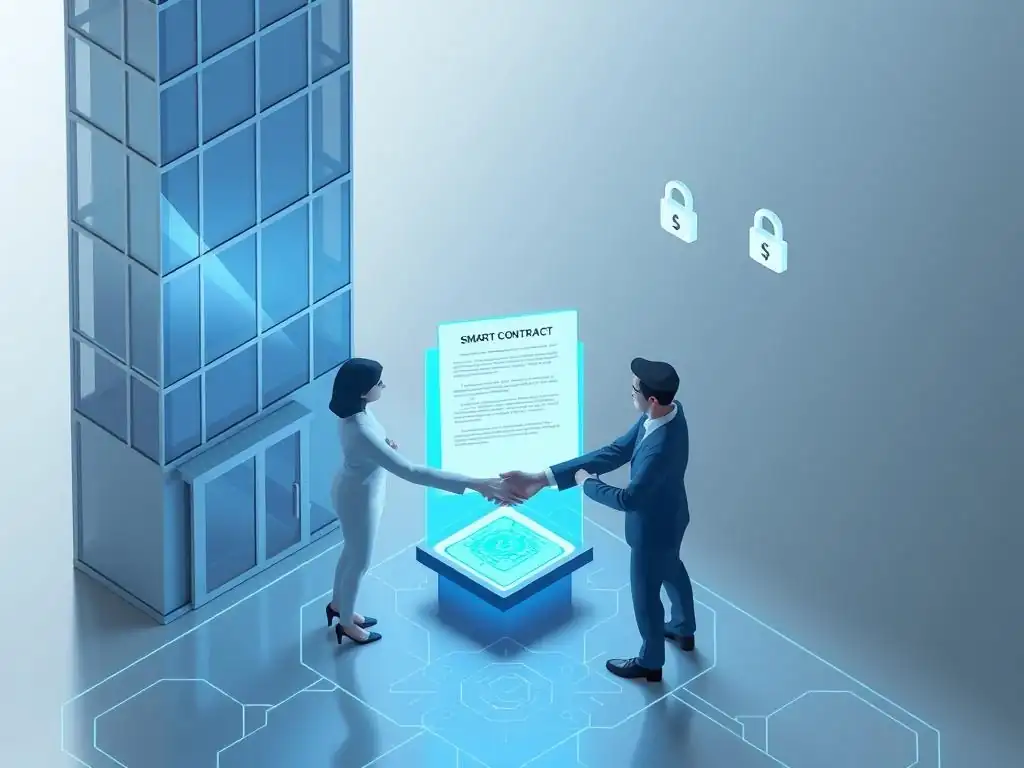
Benefits of Smart Contracts in Real Estate Deals: Efficiency, Transparency, and Cost Reduction
Enhancing Transparency and Security in Real Estate Transactions
One of the most significant advantages of using smart contracts in real estate is the dramatic increase in transparency. Because smart contracts operate on a blockchain, every step of the contract's execution and every transaction recorded is visible to all parties involved (and often the public, depending on the blockchain type). This creates a clear, immutable audit trail that cannot be altered or hidden. Buyers, sellers, agents, and potentially even regulators can track the progress of a transaction in real-time, fostering trust and reducing information asymmetry.
This transparency directly contributes to enhanced security. The immutability of blockchain records means that once a transaction or a condition met by a smart contract is recorded, it cannot be retroactively changed. This makes fraudulent activities, such as altering the terms of an agreement or claiming a payment was not received, extremely difficult, if not impossible, without the attempt being immediately visible on the ledger. The inherent security features of blockchain, combined with the automated, verifiable execution of smart contracts, provide a robust defense against fraud and errors in smart contracts real estate deals.
Immutable Records and Reduced Risk of Fraud
The concept of immutable records is central to the security benefits offered by smart contracts on a blockchain. Once data, such as a transaction or the fulfillment of a contract condition, is added to the blockchain ledger, it is cryptographically linked to the previous block and distributed across the network. Altering a past record would require changing that block and all subsequent blocks on a majority of the network's computers simultaneously, which is computationally infeasible for public blockchains.
This immutability drastically reduces the risk of fraud related to record manipulation. In traditional real estate, forged documents or altered records can cause significant problems. With smart contracts and blockchain, the integrity of the transaction history is guaranteed by the network's consensus mechanism. This provides a level of security and trustworthiness that manual or centralized digital systems struggle to match, making smart contracts real estate deals inherently more secure against record-based fraud.
Reducing Transaction Costs and Processing Times in Property Deals
Real estate transactions are notoriously expensive, involving fees for agents (typically 5-6% of the sale price), lawyers (often thousands of dollars), escrow services (1-2%), title insurance, and various administrative costs. Smart contracts have the potential to significantly reduce these costs by automating tasks traditionally performed by intermediaries and streamlining complex processes. By directly executing agreed-upon steps, smart contracts can minimize the need for some third-party services or reduce the labor involved, leading to lower fees.
Beyond cost savings, smart contracts can dramatically cut down processing times. The manual verification of documents, coordination between multiple parties, and bureaucratic steps in traditional transactions can take anywhere from several weeks to several months. By automating checks, payments, and record updates, smart contracts can potentially reduce the time required for a transaction to days or even hours in some cases. This increased efficiency makes smart contracts real estate deals faster and more cost-effective.
Eliminating Intermediaries and Streamlining Processes
Smart contracts facilitate peer-to-peer transactions to a greater extent than traditional methods. While not necessarily eliminating all intermediaries (agents might still be needed for marketing and negotiation), they can reduce reliance on those solely providing trust or executing simple conditional logic. For instance, automated smart contract escrow can replace traditional escrow agents for holding and releasing funds. Similarly, automated rent collection removes the need for manual processing by property managers.
The streamlining comes from automating the flow of information and value based on predefined rules. Instead of separate parties manually verifying conditions and instructing fund transfers or document filings, the smart contract handles these steps automatically upon receiving verified data. This reduces coordination overhead, minimizes delays caused by manual processing, and allows for a much smoother, more integrated workflow for smart contracts real estate deals.
Improving Efficiency and Automation in Real Estate Management
The benefits of smart contracts extend beyond the initial purchase and sale to ongoing property management. Tasks like rent collection, lease enforcement, managing shared expenses in multi-unit properties, and even scheduling routine maintenance can be automated using smart contracts. This automation frees up landlords and property managers from repetitive administrative work, allowing them to focus on higher-value activities like property maintenance and tenant relations.
For example, a smart contract can manage the collection of monthly HOA fees for a condominium building, automatically debiting accounts and applying late fees if necessary. It could also manage a shared pool of funds for building maintenance, automatically paying approved contractors upon completion verification. This level of automation reduces administrative errors, ensures timely execution of tasks, and provides tenants and owners with transparent, predictable processes managed by code.
Automating Tasks and Reducing Manual Errors
Manual data entry, tracking deadlines, and executing payments are all prone to human error. A single mistake in a bank account number, a missed payment reminder, or an incorrect fee calculation can lead to disputes and delays. Smart contracts execute exactly as coded, eliminating the potential for such manual errors in the automated parts of the process. Once the smart contract is audited and deployed, its execution is reliable and consistent.
This automation is particularly valuable in managing multiple properties or complex lease agreements. Instead of juggling spreadsheets and manual reminders for dozens or hundreds of tenants, a smart contract system can handle all rent collection and late fee enforcement automatically. This not only saves significant time but also ensures that lease terms are applied uniformly and accurately, leading to more efficient and less contentious property management operations for smart contracts real estate deals.
Overcoming Challenges and Future Trends in Smart Contract-Based Real Estate
Addressing Legal and Regulatory Hurdles for Smart Contracts in Real Estate
One of the most significant challenges facing the widespread adoption of smart contracts in real estate is the lack of clear and consistent legal and regulatory frameworks. While smart contracts function based on code, their legal standing as binding contracts varies by jurisdiction. Questions arise about enforceability, contract interpretation in case of code errors, and how smart contracts interact with existing property laws, which are often deeply rooted in centuries of tradition and physical documentation.
Governments and legal bodies are beginning to explore these issues, with some jurisdictions taking steps to recognize electronic signatures and records, which is a prerequisite for blockchain-based systems. However, a comprehensive legal framework that explicitly addresses smart contracts for complex transactions like property transfer, including issues of ownership, title, and dispute resolution in a decentralized context, is still largely under development. Navigating this evolving legal landscape is crucial for enabling mainstream smart contracts real estate deals.
Navigating the Legal Landscape for Blockchain-Based Property Transactions
The legal recognition of blockchain records as proof of ownership is a critical step. While some pilot programs like the one in Cook County demonstrated technical feasibility, they didn't immediately grant blockchain entries the same legal status as traditional paper or centralized digital records held by government entities. For smart contracts to fully automate title transfer, there needs to be a legal bridge between the smart contract's execution on the blockchain and the official legal recognition of the change in ownership.
Furthermore, consumer protection laws, anti-money laundering (AML), and know-your-customer (KYC) regulations must be integrated into smart contract-based real estate processes. While smart contracts can automate many steps, they must operate within existing legal requirements. This requires designing smart contract systems that can verify participant identities and report transactions as required by law, adding layers of complexity to the technical implementation and legal compliance for smart contracts real estate deals.
Ensuring Security and Scalability of Smart Contract Platforms for Real Estate
While blockchain technology is inherently secure due to its decentralized and cryptographic nature, smart contracts themselves are lines of code and can contain vulnerabilities or bugs. A single error in a smart contract governing a multi-million dollar property transaction could lead to significant financial losses with limited recourse due to the immutability of the blockchain. Rigorous auditing and testing of smart contracts are paramount before deployment, especially for high-value real estate use cases.
Scalability is another technical challenge. Public blockchains like Ethereum have faced limitations in transaction speed and high transaction costs (gas fees) during periods of high network congestion. Real estate transactions, especially at scale, require platforms that can handle a high volume of transactions quickly and affordably. While newer blockchain platforms and layer-2 scaling solutions are addressing these issues, ensuring a platform is sufficiently robust and cost-effective for widespread real estate adoption is crucial for smart contracts real estate deals.
Mitigating Risks and Optimizing Performance
To mitigate the risks associated with smart contract vulnerabilities, extensive code audits by independent security experts are essential. Formal verification methods, which use mathematical proofs to ensure the code behaves as intended, are also becoming more important for critical applications like real estate. Additionally, incorporating mechanisms for potential upgrades or limited error correction, while maintaining the spirit of immutability, is an active area of research and development.
Optimizing performance and scalability involves choosing the right blockchain platform (considering throughput, latency, and cost) or implementing scaling solutions. Private or consortium blockchains, while less decentralized than public ones, can offer higher performance and lower costs for specific enterprise real estate applications. As blockchain technology evolves, the technical infrastructure required to support high-volume, secure smart contracts real estate deals is continuously improving.
The Future of Smart Contracts in Real Estate: Predictions and Potential Innovations
The future of smart contracts in real estate is poised for significant growth, driven by technological advancements and increasing regulatory clarity. We can anticipate a gradual integration of smart contracts into various stages of the real estate lifecycle, starting with less regulated areas like property management and fractional ownership, and eventually extending to core transaction processes like title transfer and financing as legal frameworks evolve.
Emerging trends include the development of specialized real estate blockchain platforms designed specifically for the industry's needs, offering features like enhanced privacy, compliance tools, and integration with traditional systems. The increasing use of decentralized identity solutions could further streamline KYC/AML compliance within smart contracts. We may also see the rise of decentralized autonomous organizations (DAOs) owning and managing properties, with smart contracts governing their operations and member rights, pushing the boundaries of smart contracts real estate deals.
Emerging Trends and Technologies Shaping the Future of Property Transactions
One key trend is the convergence of blockchain with other technologies like Artificial Intelligence (AI) and the Internet of Things (IoT). AI could be used to analyze market data to trigger smart contract actions related to property valuation or investment strategies in tokenized assets. IoT sensors in properties could potentially feed data into smart contracts to automate maintenance requests or verify property conditions for insurance or rental agreements.
Another trend is the development of interoperability standards between different blockchain networks and traditional financial systems. This will be essential for smart contracts real estate deals to interact seamlessly with existing banking infrastructure for payments and with government registries for official record-keeping. As these technologies mature and integrate, the potential for fully automated, transparent, and efficient real estate transactions powered by smart contracts becomes increasingly realistic.
Conclusion: The Transformative Potential of Smart Contracts for Real Estate
Smart Contracts: A Catalyst for Innovation in the Real Estate Industry
Smart contracts are proving to be a powerful catalyst for innovation across the real estate industry. By enabling the automation of complex, multi-party agreements, they are fundamentally rethinking how property is bought, sold, managed, and invested in.
From automating escrow and democratizing investment through tokenization to streamlining rental agreements and potentially revolutionizing title transfers, smart contracts offer tangible solutions to long-standing inefficiencies and challenges in the market. Their ability to execute predefined terms reliably and transparently reduces reliance on manual processes and intermediaries, paving the way for significant improvements in speed, cost, and security for smart contracts real estate deals.
While challenges related to legal recognition, technical scalability, and security audits remain, the real-world examples and pilot programs discussed demonstrate that the technology is moving rapidly from theoretical concept to practical application. The collaborative efforts between technology developers, real estate professionals, and regulators are crucial in overcoming these hurdles and unlocking the full potential of this transformative technology.
Embracing Blockchain Technology for a More Efficient and Transparent Real Estate Future
The adoption of smart contracts in real estate is intrinsically linked to embracing the underlying blockchain technology. Blockchain provides the essential foundation of an immutable, decentralized, and transparent ledger necessary for smart contracts to function effectively and securely in this context. By moving away from siloed, opaque, and often paper-based systems towards shared, verifiable digital records on a blockchain, the real estate industry can build a future characterized by unprecedented efficiency and transparency.
This shift benefits all participants: buyers and sellers experience faster, less stressful transactions; investors gain access to new opportunities through fractional ownership; and property managers can automate tedious tasks. As the digital transformation of real estate continues, blockchain technology, powered by smart contracts, stands out as a key enabler for creating a more trustworthy, accessible, and streamlined market for smart contracts real estate deals worldwide.
The Role of Blockchain Trends in Shaping the Future of Smart Contracts for Real Estate Deals
The ongoing evolution of blockchain technology and related trends will significantly shape the future trajectory of smart contracts in real estate. Innovations in blockchain scalability, reduced transaction costs, and improved interoperability will make smart contract solutions more viable and attractive for widespread adoption. The increasing development of user-friendly interfaces and specialized real estate platforms built on blockchain will also lower the technical barrier to entry for industry professionals and consumers.
Furthermore, as regulatory bodies globally gain a deeper understanding of blockchain and smart contracts, the development of clear legal guidelines will instill greater confidence and accelerate adoption, particularly in areas like property title. These blockchain trends, combined with the proven capabilities demonstrated in real-world examples, indicate a future where smart contracts are not just an experimental technology but a standard tool for executing efficient, transparent, and secure smart contracts real estate deals.
Frequently Asked Questions
What are smart contracts and how are they relevant to real estate deals?
Smart contracts are self-executing contracts written in code and stored on a blockchain. They automate the execution of agreements once pre-defined conditions are met, making real estate transactions more efficient and transparent.
How can smart contracts improve the efficiency of real estate transactions?
Smart contracts can automate tasks like escrow payments, title transfers, and property registration, reducing the need for intermediaries and minimizing delays typically associated with real estate processes.
What are some real-world examples of how smart contracts are being used in real estate today?
Examples include tokenizing real estate assets for fractional ownership, automating rental agreements, and streamlining property management processes by automating rent collection and maintenance requests.
How do smart contracts address concerns about transparency and security in real estate deals?
Since smart contracts are recorded on a blockchain, all transactions are publicly auditable and tamper-proof. This increased transparency and security can help reduce fraud and disputes in the real estate sector.
What are the potential regulatory challenges and considerations surrounding the use of smart contracts in real estate?
Regulatory frameworks are still evolving to address the unique aspects of smart contracts. Key considerations include legal recognition of smart contract agreements, data privacy, and compliance with existing real estate laws.
Final Reflection: Embracing the Future of Real Estate
The examples explored throughout this article demonstrate that smart contracts are no longer a futuristic fantasy, but a tangible reality reshaping the real estate landscape. From streamlining property transactions to automating rental agreements, the potential for increased efficiency, transparency, and security is undeniable. The shift is happening now, and its impact will only continue to grow.
This transformation extends beyond mere technological advancement; it fundamentally alters how we interact with property and ownership. Witnessing this evolution firsthand underscores the importance of understanding and embracing these innovative tools. The future is already here – it's just not evenly distributed.
- William Gibson. This quote resonates deeply as we consider the potential for smart contracts to democratize access to real estate and empower individuals in ways previously unimaginable.
As we stand on the cusp of this new era, I urge you to consider the implications of smart contracts in your own life and community. How can these technologies be leveraged to create a more equitable and efficient real estate market? Reflect on the possibilities, explore the opportunities, and become an active participant in shaping the future of property ownership. The power to build a better, more transparent real estate world lies within our collective understanding and adoption of these transformative tools.
Ignite Your Real Estate Revolution!
Thank you for exploring the transformative role of smart contracts in real estate. We hope you've gained valuable insights into how this innovative technology is streamlining property transactions. Now, it's time to turn that knowledge into action!
Here are several ways to deepen your understanding:
- Dive Deeper: Research real estate companies that are already utilizing smart contracts. Find a case study that interests you and analyze its advantages and challenges. This will help you grasp practical applications of the technology.
- Explore alternative blockchain platforms suitable for real estate, comparing their scalability and transaction fees to understand which might be best suited for various needs.
- Share this article with your network! Help promote awareness of how blockchain can revolutionize real estate and spark discussions about its potential benefits.
Which aspect of smart contracts in real estate are you most eager to explore further, and how do you think it will shape the future of property ownership?
Leave a Reply