
NFT Art Galleries in Virtual Worlds: Showcasing Digital Masterpieces

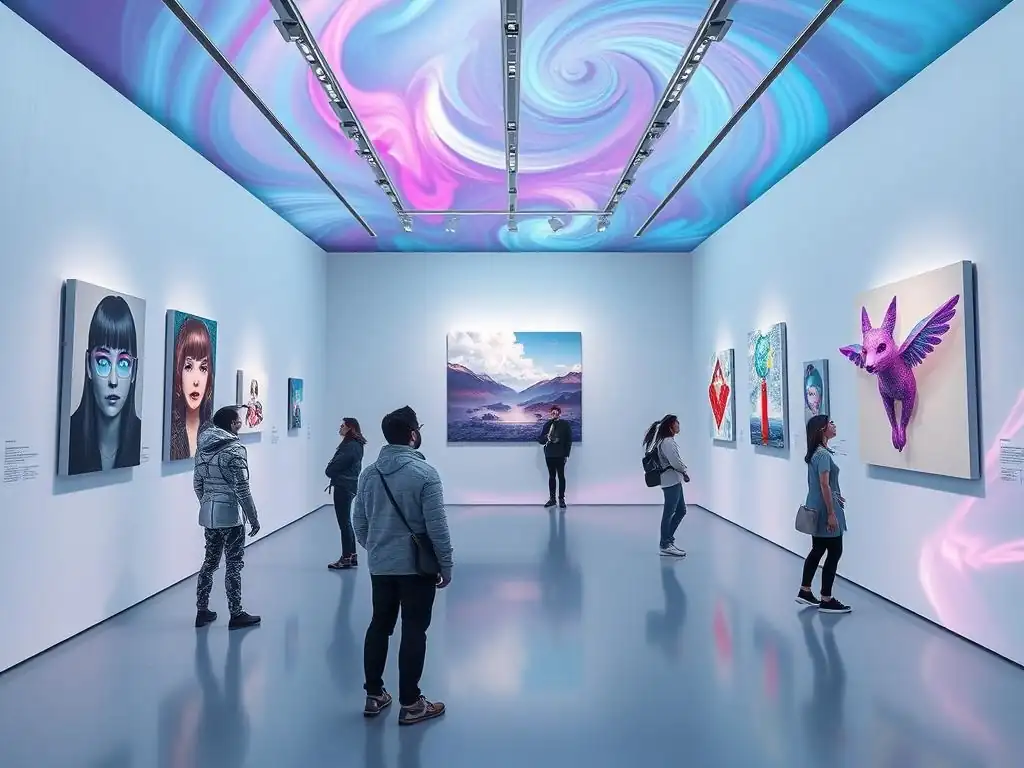
Welcome to Blockchain Trends, your compass in the ever-evolving world of decentralized technologies. Intrigued by how blockchain is reshaping more than just finance? Dive in as we explore its transformative potential, from decentralized finance to enterprise solutions and the regulatory landscape. This week, we're stepping into the metaverse to examine the fascinating rise of NFT art galleries, showcasing digital masterpieces in entirely new and immersive ways. How are these virtual spaces revolutionizing art ownership and experience? Read on to discover the innovative intersection of blockchain and art!
- Understanding NFT Art in the Metaverse
- Why Visit an NFT Art Gallery in the Metaverse?
- Exploring Different Types of NFT Art Galleries in the Metaverse
- Key Features of Successful NFT Art Galleries in the Metaverse
- Engaging with NFT Art in the Metaverse
- The Future of NFT Art Galleries in the Metaverse
- Challenges and Opportunities for NFT Art Galleries in the Metaverse
- Frequently Asked Questions
- Final Reflection: The Metaverse Canvas
- Unleash Your Inner Art Collector!
Understanding NFT Art in the Metaverse
Defining NFT Art: Formats and Styles
NFT art, or Non-Fungible Token art, represents a revolutionary shift in the art world, leveraging blockchain technology to tokenize digital creations. Unlike traditional art forms that rely on physical mediums, NFT art exists purely in the digital realm, encompassing a vast spectrum of formats. These range from static images and animated GIFs to complex 3D models, interactive experiences, and even virtual land parcels within metaverse environments.
The styles are equally diverse, mirroring the breadth of contemporary art itself, from digital abstract expressionism and cyberpunk-inspired visuals to crypto art that directly comments on blockchain technology and decentralized finance. The inherent characteristic of NFTs is their uniqueness and verifiable ownership, secured on a blockchain, which distinguishes them from readily reproducible digital copies. This scarcity, even in the digital world, is a core element driving the value and collectibility of NFT art.
The rise of NFT art has also fostered new artistic movements and styles specifically tailored for the digital canvas. Generative art, for instance, leverages algorithms and code to create unique and often evolving artworks, perfectly suited to the dynamic nature of NFTs. Pixel art, reminiscent of early video games, has seen a resurgence, finding a new home within the NFT space.
Furthermore, the metaverse itself inspires unique artistic expressions, with artists creating avatars, virtual sculptures, and interactive installations designed specifically for these immersive digital worlds. This constant evolution of formats and styles ensures that NFT art remains a vibrant and dynamic field, constantly pushing the boundaries of artistic expression in the digital age.
The Role of Virtual Galleries in Preserving Digital Art
Virtual galleries in the metaverse play a crucial role in the preservation and presentation of digital art, addressing unique challenges inherent to the medium. Unlike physical art, digital art is not susceptible to physical decay but faces risks related to technological obsolescence, data loss, and platform dependence. Virtual galleries, built on blockchain principles and often employing decentralized storage solutions, offer a more resilient and future-proof approach to preserving these digital masterpieces.
By hosting NFT art, these galleries ensure that the artwork's provenance and ownership are immutably recorded on the blockchain, safeguarding its authenticity and history for posterity. This is particularly important for digital art, where replication and unauthorized copying are significant concerns.
Beyond mere preservation, virtual galleries also redefine the concept of art curation and exhibition. They offer artists and curators unprecedented flexibility in how they present digital art. Imagine a gallery where artworks can morph and evolve over time, respond to visitor interaction, or even incorporate real-time data feeds.
Virtual spaces eliminate the physical constraints of traditional galleries, allowing for immersive, interactive, and dynamic exhibitions that would be impossible in the physical world. This innovative approach not only enhances the viewer experience but also pushes artists to explore new creative possibilities within the digital realm, ensuring the continued vitality and evolution of digital art forms.
NFT art galleries in the metaverse transcend the traditional function of merely displaying art; they are rapidly evolving into dynamic social hubs and educational platforms. These virtual spaces facilitate interaction between artists, collectors, and enthusiasts from across the globe, fostering a sense of community that transcends geographical boundaries. Within these galleries, users can attend virtual openings, participate in live artist talks and Q&A sessions, and engage in discussions about the art on display, all from the comfort of their own homes. This accessibility democratizes the art world, making it more inclusive and engaging for a wider audience.
Furthermore, virtual NFT art galleries are becoming invaluable educational resources. Many platforms incorporate features that provide detailed information about the artists, artworks, and the underlying blockchain technology. Interactive exhibits can explain the concepts of NFTs, smart contracts, and digital ownership in an engaging and accessible manner. This educational aspect is crucial for onboarding new users to the NFT space and fostering a deeper understanding and appreciation for digital art. As the metaverse continues to develop, these virtual galleries are poised to become central nodes for art appreciation, education, and community building within the burgeoning digital art ecosystem.
Why Visit an NFT Art Gallery in the Metaverse?
Expanding Access: Engaging with Global Digital Artists
Visiting an NFT art gallery in the metaverse opens up unprecedented access to a truly global landscape of digital artists. Unlike physical galleries, which are geographically constrained, metaverse galleries are accessible to anyone with an internet connection, regardless of their location. This means you can explore exhibitions featuring artists from diverse cultural backgrounds and artistic traditions, all within a single virtual space. This global reach democratizes art appreciation, breaking down geographical barriers and fostering cross-cultural exchange within the art world.
Moreover, the metaverse provides a platform for emerging and underrepresented artists to showcase their work to a wider audience. For artists who may face barriers to entry in the traditional art world, NFT platforms and virtual galleries offer an alternative route to recognition and success. This inclusivity fosters a more diverse and vibrant art ecosystem, enriching the artistic landscape with fresh perspectives and innovative creations. By visiting NFT art galleries in the metaverse, you are not only experiencing cutting-edge digital art but also actively participating in a more inclusive and globally connected art world.
Immersive Experiences: Interacting with Art in Virtual Environments
NFT art galleries in the metaverse offer truly immersive experiences that redefine how we interact with art. Stepping into a virtual gallery space transcends the passive observation typical of physical art viewings. You can navigate 3D environments, walk around sculptures that defy the laws of physics, and even interact directly with certain artworks. Some galleries incorporate virtual reality (VR) and augmented reality (AR) elements, further enhancing the sense of presence and immersion. This interactive engagement fosters a deeper connection with the artwork, allowing viewers to explore it from multiple perspectives and discover hidden details.
Furthermore, virtual galleries can incorporate dynamic and interactive elements that are impossible in the physical world. Artworks can respond to your presence, change based on environmental factors within the metaverse, or even incorporate game-like mechanics to enhance engagement. Imagine exploring a virtual sculpture that unfolds and reshapes itself as you move around it, or participating in a collaborative art piece with other visitors in real-time. These immersive and interactive possibilities transform the art viewing experience from a passive observation to an active and engaging exploration, making it more captivating and memorable.
Supporting Digital Artists: Empowering Creators in the Metaverse
Visiting NFT art galleries in the metaverse is a direct way to support digital artists and empower creators within the burgeoning metaverse economy. The NFT model allows artists to directly monetize their digital creations, bypassing traditional intermediaries and retaining a greater share of the value they create. When you purchase an NFT artwork from a virtual gallery, you are directly supporting the artist's work and contributing to the sustainability of their creative practice. This direct support is crucial for fostering a thriving digital art ecosystem.
Furthermore, the act of collecting NFT art helps to legitimize and validate digital art as a valuable art form. By participating in the NFT art market, you are signaling your appreciation for digital creativity and contributing to the growing recognition of digital artists within the broader art world.
This validation is essential for attracting more talent and investment into the digital art space, ensuring its continued growth and innovation. Supporting digital artists through NFT art galleries is not just about acquiring art; it's about investing in the future of digital creativity and empowering a new generation of artists in the metaverse.
NFT art galleries in the metaverse are not just spaces for viewing art; they are also vibrant hubs for community building and social connection. These virtual environments bring together individuals who share a passion for digital art, technology, and the metaverse, fostering a sense of belonging and shared enthusiasm. Within these galleries, you can connect with like-minded individuals, participate in discussions about art and culture, and forge new friendships based on shared interests. The social aspect of these virtual spaces is a key differentiator from traditional art galleries, which often lack opportunities for direct interaction and community engagement.
Moreover, many NFT art galleries in the metaverse are community-driven initiatives, built and curated by members of the NFT and crypto art communities themselves. This decentralized and collaborative approach fosters a strong sense of ownership and participation among users.
These communities often organize virtual events, workshops, and collaborative art projects within the gallery spaces, further strengthening social bonds and fostering a vibrant and supportive ecosystem. Visiting an NFT art gallery in the metaverse is not just a solitary art viewing experience; it's an opportunity to become part of a dynamic and growing community passionate about the future of digital art and culture.
Exploring Different Types of NFT Art Galleries in the Metaverse
Open Metaverse Galleries: Offering Publicly Accessible Art Spaces
Open metaverse galleries represent the most accessible and democratic form of NFT art exhibition in virtual worlds. These galleries are typically located within publicly accessible metaverse platforms, requiring no specific memberships or exclusive access tokens to enter. They function much like public art museums in the physical world, offering free or low-cost access to a wide range of digital artworks. This openness is crucial for democratizing access to NFT art and making it available to a broader audience, regardless of their financial means or prior experience with NFTs.
These open galleries often showcase a diverse range of artists, from established names in the NFT space to emerging creators just starting their journey. They serve as important discovery platforms, allowing visitors to explore different styles, genres, and artistic approaches within the digital art realm.
Many open metaverse galleries also incorporate social features, allowing visitors to interact with each other, leave comments on artworks, and participate in community events. This combination of accessibility and community engagement makes open metaverse galleries vital entry points for newcomers to the NFT art world and essential spaces for fostering broader appreciation for digital creativity.
Curated Platforms: Showcasing Selected NFT Art Collections
Curated NFT art platforms in the metaverse offer a more selective and refined approach to digital art exhibition. Unlike open metaverse galleries, these platforms typically feature collections curated by established art experts, galleries, or institutions. This curation process ensures a higher level of artistic quality and coherence within the exhibitions, often focusing on specific themes, artistic movements, or renowned artists. These platforms function similarly to private art galleries or museums in the physical world, offering a more curated and prestigious art viewing experience.
Access to curated platforms may sometimes involve membership requirements or exclusive access passes, reflecting the higher value and exclusivity associated with the curated collections. These platforms often cater to serious NFT art collectors and enthusiasts seeking high-quality digital artworks and a more refined art viewing experience. They play a crucial role in establishing standards of quality and taste within the NFT art market, highlighting exceptional talent and fostering appreciation for the most impactful and innovative digital artworks.
Community-Driven Spaces: Integrating Art into Virtual Communities and DAOs
Community-driven NFT art spaces represent a unique and increasingly influential type of virtual gallery, deeply integrated within specific metaverse communities and Decentralized Autonomous Organizations (DAOs). These spaces are often built and managed by the community members themselves, reflecting the values and artistic preferences of that particular community. They serve as cultural hubs within these virtual communities, showcasing art that resonates with the community's identity, interests, and ethos.
These galleries can take various forms, from dedicated virtual buildings within metaverse platforms to decentralized autonomous galleries governed by DAOs. The selection of artworks is often decided through community voting or curation processes, ensuring that the exhibited art reflects the collective taste and artistic vision of the community.
Community-driven NFT art spaces are vital for fostering a sense of ownership and belonging within metaverse communities, promoting artistic expression that is deeply connected to the community's identity and values. They represent a powerful example of how NFTs and decentralized technologies can empower communities to shape their own cultural landscapes within the metaverse.
Limited-Time Events: Presenting Themed NFT Art Exhibitions
Limited-time NFT art events in the metaverse offer dynamic and ephemeral art experiences, mimicking the excitement and exclusivity of pop-up exhibitions in the physical art world. These events are typically organized around specific themes, artist collaborations, or product launches, creating a sense of urgency and encouraging timely engagement. They can range from virtual art fairs and festivals to themed exhibitions curated for specific timeframes, offering visitors unique and fleeting opportunities to experience cutting-edge digital art.
The temporary nature of these events often generates buzz and excitement, attracting a large influx of visitors within a limited period. They provide artists and curators with a platform to experiment with innovative exhibition formats and showcase time-sensitive or event-specific artworks. Limited-time NFT art events play a crucial role in injecting dynamism and novelty into the metaverse art scene, constantly refreshing the artistic landscape and attracting new audiences with their unique and temporary offerings.
Key Features of Successful NFT Art Galleries in the Metaverse
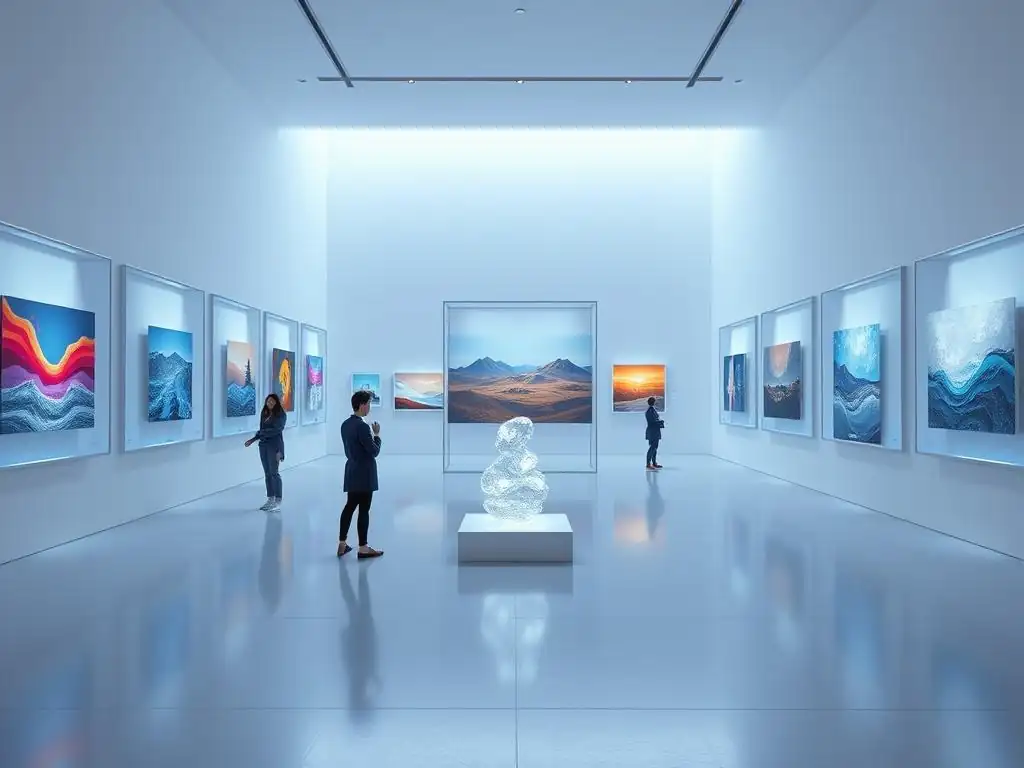
Diverse Artworks: Showcasing Varied NFT Art Forms and Genres
Successful NFT art galleries in the metaverse distinguish themselves by showcasing a diverse range of NFT art forms and genres. This diversity is crucial for attracting a wider audience and reflecting the multifaceted nature of the digital art landscape. A gallery that limits itself to a narrow artistic style risks becoming niche and failing to capture the broader appeal of NFT art. Effective galleries embrace the spectrum of digital creativity, featuring everything from 2D and 3D art, generative art, and pixel art to interactive installations, metaverse wearables, and even virtual performances tokenized as NFTs.
Furthermore, successful galleries curate collections that represent a variety of artistic genres, mirroring the diversity found in contemporary art. This includes abstract art, figurative art, conceptual art, surrealism, cyberpunk, and crypto art, among many others. By offering such a broad spectrum of artistic styles and formats, these galleries cater to diverse tastes and provide a comprehensive overview of the vibrant and evolving world of NFT art, ensuring there is something to captivate every visitor.
Interactive Environments: Presenting Art in Engaging Virtual Settings
The most successful NFT art galleries in the metaverse go beyond simply displaying digital artworks; they create interactive and engaging virtual environments that enhance the art viewing experience. These galleries leverage the unique capabilities of the metaverse to design spaces that are not just visually appealing but also actively involve the visitor. This can involve incorporating interactive elements within the artworks themselves, allowing visitors to manipulate or influence the art in some way. It also extends to the gallery architecture and design, creating spaces that encourage exploration, discovery, and social interaction.
Imagine a gallery where visitors can use virtual tools to remix artworks, participate in collaborative creation processes, or even unlock hidden layers and narratives within the art through interactive puzzles. Successful galleries understand that the metaverse is not just a 3D website; it's a platform for creating immersive and participatory experiences. By designing interactive environments, these galleries transform the art viewing experience from a passive observation to an active and engaging exploration, making it more memorable and impactful for visitors.
Information Resources: Providing Details and Context About NFTs and Art
Successful NFT art galleries in the metaverse recognize the importance of providing comprehensive information resources to educate visitors about NFTs and the art on display. Given the relative novelty of NFT technology and digital art for many people, education is crucial for fostering understanding and appreciation. Effective galleries incorporate features that provide detailed information about the artists, the artworks, the underlying blockchain technology, and the concepts behind NFT art. This can include artist biographies, artwork descriptions, technical specifications, and explanations of relevant art historical and technological contexts.
These information resources can take various forms, from text panels and audio guides to interactive tutorials and virtual docents. Some galleries even integrate links to external resources, such as artist websites, blockchain explorers, and educational articles. By providing readily accessible and informative resources, successful galleries empower visitors to engage with the art on a deeper level, understand its significance, and navigate the often complex world of NFTs with greater confidence and knowledge.
Global Reach: Connecting with a Global Audience and Promoting Digital Art Appreciation
A key feature of successful NFT art galleries in the metaverse is their inherent global reach, allowing them to connect with audiences from all corners of the world and promote digital art appreciation on a global scale. Unlike physical galleries, which are limited by geographical location, metaverse galleries are accessible to anyone with an internet connection. This global accessibility is a transformative advantage, enabling galleries to transcend geographical boundaries and cultivate a truly international audience.
Successful galleries leverage this global reach to curate exhibitions that feature artists from diverse cultural backgrounds and artistic traditions, fostering cross-cultural exchange and promoting a more inclusive art world. They also utilize multilingual interfaces and community features to cater to a global audience and facilitate communication across language barriers. By embracing their global reach, these galleries play a crucial role in democratizing access to art, fostering international dialogue, and establishing digital art as a globally recognized and appreciated art form.
Engaging with NFT Art in the Metaverse
Understanding Smart Contracts and Provenance of NFT Art
Engaging with NFT art in the metaverse requires understanding the fundamental role of smart contracts and provenance in establishing the authenticity and ownership of digital artworks. Smart contracts are self-executing agreements written in code and stored on the blockchain. In the context of NFT art, these smart contracts define the terms of ownership, royalties, and other rights associated with the artwork. Understanding how smart contracts function is essential for verifying the legitimacy of an NFT and ensuring that you are purchasing an authentic digital artwork.
Provenance, in art historical terms, refers to the documented history of ownership of an artwork. For NFT art, provenance is immutably recorded on the blockchain, providing a transparent and verifiable record of every transaction and ownership transfer associated with a particular NFT.
This blockchain-based provenance system is a key differentiator of NFT art, offering a level of transparency and security that is often lacking in the traditional art world. When engaging with NFT art, it is crucial to examine the provenance record to confirm the artwork's authenticity and trace its ownership history back to the original creator, ensuring you are acquiring a legitimate digital masterpiece.
Valuing Digital Artworks and Understanding Market Dynamics
Engaging with NFT art also necessitates developing an understanding of how digital artworks are valued and the dynamics of the NFT art market. Unlike traditional art valuation, which often relies on subjective factors like historical significance and artist reputation, NFT art valuation is influenced by a complex interplay of factors, including scarcity, artistic merit, creator reputation, community engagement, and market trends. Understanding these factors is crucial for making informed decisions about collecting and investing in NFT art.
The NFT art market is characterized by its volatility and rapid evolution. Prices can fluctuate significantly based on market sentiment, hype cycles, and emerging trends within the crypto and metaverse spaces.
Keeping abreast of market dynamics, monitoring auction results, and engaging with the NFT art community are essential for navigating this dynamic market and developing a nuanced understanding of the factors that drive the value of digital artworks. Valuing NFT art is not just about financial investment; it's also about appreciating the artistic and cultural significance of these digital creations and recognizing their potential to reshape the future of art and collecting.
Participating in Virtual Events and Community Discussions
Engaging fully with NFT art in the metaverse involves actively participating in virtual events and community discussions. NFT art galleries in the metaverse are not passive viewing spaces; they are dynamic social hubs that host a variety of events, including virtual openings, artist talks, workshops, and community gatherings. Participating in these events provides opportunities to connect directly with artists, curators, and fellow collectors, deepening your understanding of the art and the NFT space.
Community discussions, often taking place within the virtual galleries themselves or on associated online forums and social media platforms, are invaluable for staying informed about emerging trends, gaining insights from experienced collectors, and sharing your own perspectives on NFT art. Actively participating in these conversations fosters a sense of community, enhances your understanding of the NFT art world, and allows you to contribute to the ongoing dialogue shaping the future of digital creativity and collecting.
[Building Your Collection and Participating in the NFT Art Market]
[Developing a critical perspective on NFT art naturally leads to the opportunity to build your own collection and participate in the NFT art market. This involves several key steps, starting with identifying artists and styles that resonate with your personal taste and collecting goals. Researching artists, exploring different NFT marketplaces, and understanding the various types of NFT art available are crucial first steps. Setting a budget and developing a collecting strategy are also important for navigating the market effectively.
Participating in the NFT art market can involve purchasing NFTs directly from artists, acquiring them through primary sales on NFT platforms, or engaging in secondary market trading on marketplaces like OpenSea or Rarible. Understanding the different types of NFT marketplaces, transaction fees, and security considerations is essential for safe and responsible participation.
Building an NFT art collection is not just about financial investment; it's about supporting artists, contributing to the growth of the digital art ecosystem, and curating a personal collection of digital masterpieces that reflect your individual taste and appreciation for the evolving landscape of art in the metaverse.]
The Future of NFT Art Galleries in the Metaverse
Enhanced Interoperability and Cross-Platform Experiences
The future of NFT art galleries in the metaverse points towards enhanced interoperability and seamless cross-platform experiences. Currently, the metaverse landscape is fragmented, with different platforms operating in silos and limited interoperability between them. In the future, we can expect to see greater connectivity and standardization, allowing users to seamlessly navigate between different metaverse platforms and access their NFT art collections across various virtual worlds. This interoperability will be crucial for creating a more unified and accessible metaverse experience for art enthusiasts and collectors.
Imagine a future where your digital avatar can carry your NFT art collection with you as you traverse different metaverse platforms, displaying your digital masterpieces in various virtual galleries and social spaces. Enhanced interoperability will not only improve user experience but also unlock new possibilities for artists and galleries, allowing them to reach wider audiences and create more immersive and interconnected art experiences across the metaverse. This seamless cross-platform integration will be a key driver in the mainstream adoption and growth of NFT art galleries in the metaverse.
Democratizing Art Access and Empowering Emerging Artists
The future of NFT art galleries in the metaverse holds immense potential for further democratizing art access and empowering emerging artists. The decentralized and open nature of the metaverse, coupled with the accessibility of NFT technology, provides a platform for artists from diverse backgrounds and geographical locations to showcase their work to a global audience, bypassing traditional gatekeepers of the art world. This democratization of access will be further amplified by the continued development of user-friendly metaverse platforms and NFT marketplaces, making it easier for both artists and collectors to participate in the digital art ecosystem.
As the metaverse evolves, we can expect to see even more innovative platforms and initiatives emerge that are specifically designed to support emerging artists and provide them with greater visibility and opportunities for monetization. This includes decentralized autonomous galleries governed by artists themselves, community-curated exhibitions, and platforms that leverage AI and machine learning to discover and promote underrepresented talent.
The future of NFT art galleries in the metaverse is poised to be a driving force in creating a more equitable and inclusive art world, empowering a new generation of digital artists and democratizing access to art for a global audience.
Exploring New Monetization Models and Sustainable Practices
The future of NFT art galleries in the metaverse will involve the exploration of new and sustainable monetization models and practices. While the initial focus of NFT art has been on sales and primary market transactions, the metaverse offers a wider range of potential revenue streams for galleries and artists. This includes virtual gallery memberships, ticketed events, in-world advertising and sponsorships, and the development of metaverse-native art experiences that generate revenue through microtransactions or subscription models.
Furthermore, the future will likely see a greater emphasis on sustainable practices within the NFT art ecosystem. This includes exploring energy-efficient blockchain technologies, promoting carbon-neutral NFT minting processes, and developing circular economy models for digital art, where NFTs can be recycled or repurposed to minimize environmental impact. The long-term success of NFT art galleries in the metaverse will depend on their ability to adapt to evolving market dynamics, embrace innovative monetization models, and prioritize sustainable practices that ensure the responsible and ethical growth of the digital art world.
[Evolving Roles of Virtual Galleries in the Digital Art Ecosystem]
[The evolving roles of virtual galleries in the digital art ecosystem will extend beyond mere exhibition spaces. In the future, virtual galleries are poised to become multifaceted hubs for art discovery, education, community building, and even virtual commerce within the metaverse. They will increasingly function as curators of digital culture, guiding visitors through the vast and ever-expanding landscape of NFT art and providing context and interpretation. Virtual galleries will also play a crucial role in fostering art education, offering interactive workshops, virtual lectures, and immersive learning experiences that demystify NFT technology and promote digital art literacy.
Moreover, virtual galleries are likely to become central nodes for community engagement, hosting virtual social events, artist meetups, and collaborative art projects that bring together artists, collectors, and enthusiasts from around the world. As the metaverse matures into a more robust and interconnected digital world, virtual galleries may even evolve into virtual marketplaces, facilitating the direct purchase and sale of NFT art within immersive and engaging virtual environments.
The future roles of virtual galleries in the digital art ecosystem are dynamic and multifaceted, extending far beyond traditional exhibition functions and shaping the very fabric of digital art and culture in the metaverse.]
Challenges and Opportunities for NFT Art Galleries in the Metaverse
Balancing Decentralization with Curation and Quality
One of the key challenges for NFT art galleries in the metaverse is balancing the principles of decentralization with the need for curation and quality control. The ethos of the metaverse and blockchain technology often emphasizes decentralization, open access, and community governance. However, in the context of art galleries, curation and quality control are essential for maintaining artistic standards, attracting discerning collectors, and ensuring a high-quality art viewing experience. Finding the right balance between these seemingly opposing forces is a crucial challenge for the future of NFT art galleries.
One approach is to explore decentralized curation models, where community members or art experts can participate in the selection process through voting mechanisms or reputation-based systems. This allows for a more democratic and community-driven approach to curation while still maintaining a degree of quality control. Another approach is to develop hybrid models that combine elements of centralized and decentralized curation, leveraging the expertise of professional curators while also incorporating community feedback and input. Successfully navigating this balance between decentralization and curation will be crucial for ensuring the long-term viability and artistic integrity of NFT art galleries in the metaverse.
Integrating Emerging Technologies like VR/AR and AI
NFT art galleries in the metaverse face both challenges and opportunities in integrating emerging technologies such as virtual reality (VR), augmented reality (AR), and artificial intelligence (AI). VR and AR offer the potential to create even more immersive and engaging art viewing experiences, blurring the lines between the physical and digital worlds. However, widespread adoption of VR/AR technologies still faces barriers related to accessibility, cost, and user experience. Successfully integrating these technologies will require galleries to invest in infrastructure, develop compelling VR/AR content, and ensure accessibility for a diverse range of users.
AI also presents both challenges and opportunities for NFT art galleries. AI-powered tools can be used to enhance curation processes, personalize visitor experiences, and even generate new forms of AI-assisted art. However, ethical considerations surrounding AI-generated art, data privacy, and algorithmic bias must be carefully addressed.
Successfully integrating AI will require galleries to adopt responsible AI practices, prioritize ethical considerations, and leverage AI in ways that enhance, rather than replace, human curation and artistic expression. The integration of VR/AR and AI holds immense potential to revolutionize the NFT art gallery experience, but it also requires careful planning, responsible implementation, and a commitment to ethical considerations.
Addressing Copyright and Authenticity in the Digital Realm
Addressing copyright and authenticity remains a significant challenge for NFT art galleries in the metaverse. While NFTs themselves provide a mechanism for verifying ownership, enforcing copyright and preventing unauthorized reproduction of digital artworks in the metaverse environment is complex. Digital art can be easily copied and distributed, and the decentralized nature of the metaverse makes it challenging to police copyright infringement effectively. Developing robust mechanisms for copyright protection and addressing issues of digital plagiarism are crucial for ensuring the long-term viability and sustainability of the NFT art market.
Furthermore, ensuring the authenticity of NFT art beyond the initial minting process is an ongoing challenge. While blockchain provenance provides a record of ownership, it does not inherently guarantee the authenticity of the artwork itself. Developing robust authentication methods, incorporating digital watermarking technologies, and fostering industry standards for verifying the originality of digital artworks are essential for building trust and confidence in the NFT art market. Addressing copyright and authenticity concerns requires a multi-faceted approach involving technological solutions, legal frameworks, and community-driven initiatives to protect digital artists and collectors in the metaverse.
[NFT art galleries in the metaverse must navigate the constantly evolving legal and ethical frameworks surrounding NFTs. The legal status of NFTs, particularly in relation to copyright, intellectual property, and securities regulations, is still being defined in many jurisdictions. Galleries must stay informed about these evolving legal frameworks and ensure compliance with relevant regulations to operate legally and ethically. This includes addressing issues of tax implications, money laundering risks, and consumer protection in the NFT market.
Ethical considerations surrounding NFTs also extend beyond legal compliance. Issues of environmental impact, accessibility, inclusivity, and the potential for market manipulation require careful consideration. NFT art galleries have a responsibility to promote ethical practices within the NFT ecosystem, including supporting sustainable blockchain technologies, promoting diversity and inclusion within the art world, and fostering responsible collecting practices. Navigating the evolving legal and ethical frameworks of NFTs is an ongoing challenge, requiring galleries to be proactive, adaptable, and committed to responsible and ethical practices that ensure the long-term sustainability and integrity of the NFT art market in the metaverse.]
Frequently Asked Questions
What are NFT art galleries in the metaverse?
NFT art galleries in the metaverse are virtual spaces where users can display, view, and potentially purchase Non-Fungible Tokens representing digital art. These galleries leverage blockchain technology to ensure authenticity and ownership.
How does blockchain technology enable NFT art galleries?
Blockchain provides the verifiable ownership and provenance of the digital art displayed. Each NFT represents a unique artwork, and its ownership is recorded on the blockchain, preventing fraud and ensuring authenticity.
What are the benefits of exhibiting art in an NFT art gallery metaverse?
Benefits include increased accessibility to a global audience, lower operational costs compared to physical galleries, and the ability to create immersive and interactive experiences for viewers.
How are NFT art galleries in the metaverse regulated?
Regulation is still evolving, but key concerns include intellectual property rights, anti-money laundering (AML) compliance, and consumer protection. The legal framework is complex and varies across jurisdictions.
What is the future outlook for NFT art galleries in the metaverse?
The future involves greater integration with other metaverse experiences, advancements in VR/AR technology to enhance immersion, and the potential for new business models like fractional ownership and decentralized autonomous organizations (DAOs) managing galleries.
Final Reflection: The Metaverse Canvas
The rise of NFT art galleries in the metaverse represents more than just a technological novelty; it's a fundamental shift in how we perceive ownership, art, and community. The digital canvas, once confined to screens, now expands into immersive virtual worlds, democratizing access to art and empowering creators in unprecedented ways. This evolution is not just about displaying digital assets; it's about building new cultural landscapes.
This burgeoning ecosystem has profoundly influenced the cultural landscape, blurring the lines between the physical and digital realms. The ability to curate and experience art in a shared virtual space, regardless of geographical limitations, is a powerful force for connection and innovation. Art washes away from the soul the dust of everyday life.
- Pablo Picasso. This quote resonates deeply within the metaverse, where art transcends physical constraints and offers a refuge from the mundane.
As we stand at the cusp of this digital revolution, let us embrace the potential of NFT art galleries in the metaverse to foster creativity, community, and a deeper appreciation for art in all its forms. Consider how you can participate in this evolving landscape, whether as an artist, collector, curator, or simply an explorer. The metaverse canvas awaits your contribution, your vision, and your unique perspective.
Unleash Your Inner Art Collector!
Thank you for exploring the exciting world of NFT art galleries within virtual environments. We hope you've found inspiring ways to experience and appreciate digital masterpieces. Now, it's time to take action and become part of this innovative movement.
Ready to begin? Here's how:
- Visit a virtual NFT art gallery today! Explore platforms like Decentraland or Cryptovoxels to discover new artists and their work.
- Share this article with fellow art lovers or friends interested in cryptocurrency. Help them see the future of art!
- Start a conversation on social media using hashtags like #NFTArt or #VirtualGalleries and share which artists or galleries you admire.
Which virtual art gallery will you visit first, and what hidden treasure are you hoping to find? Share your plans in the comments below!
Leave a Reply