
Smart Contracts for Smart Agriculture: Optimizing Farming Practices and Supply Chains

Welcome to Blockchain Trends, your guide to understanding the real-world impact of blockchain technology!
Ever wondered how blockchain can revolutionize something as fundamental as agriculture? Dive into our latest exploration of Blockchain smart contracts agriculture supply, where we uncover how these innovative tools are transforming farming practices and optimizing supply chains. Discover how smart contracts are fostering greater transparency, efficiency, and trust, and learn how this technology is shaping the future of food production. Intrigued? Keep reading to unlock the potential of decentralized systems in agriculture!
Smart Contracts for Sustainable Agriculture: Enhancing Transparency and Resilience
- Introduction to Smart Contracts in Agriculture
- Challenges in Conventional Agriculture and Food Systems
- How Smart Contracts Revolutionize Sustainable Agriculture
- Smart Contract Use Cases in Sustainable Agriculture
- Implementing Smart Contracts in Sustainable Agricultural Supply Chains: A Step-by-Step Guide
- Benefits of Using Smart Contracts in Sustainable Agriculture
- Challenges and Considerations for Smart Contract Adoption in Sustainable Agriculture
- Real-World Examples and Case Studies of Smart Contract Implementation in Sustainable Agriculture
- The Future of Blockchain and Smart Contracts in Sustainable Agriculture
- Conclusion: Smart Contracts – Cultivating a More Sustainable and Resilient Agricultural Future
-
Frequently Asked Questions
- What are smart contracts and how can they be applied to agriculture?
- How can blockchain smart contracts improve agriculture supply chains?
- What are the key benefits of using smart contracts in agriculture besides transparency?
- What are some potential challenges or limitations in implementing blockchain smart contracts in agriculture?
- How might regulation impact the adoption of blockchain smart contracts in the agriculture supply chain?
- Final Reflection: Cultivating Trust and Transparency
- Cultivate Change: Sow the Seeds of Innovation Today!
Introduction to Smart Contracts in Agriculture
The Potential of Blockchain for Agricultural Transformation
The global agricultural sector faces multifaceted challenges, ranging from climate change impacts and resource scarcity to complex, opaque supply chains and ensuring fair compensation for producers. Blockchain technology, initially known for powering cryptocurrencies, holds significant promise for revolutionizing these traditional systems. Its decentralized, immutable ledger offers a new paradigm for recording transactions and data, enabling greater transparency and trust among participants who may not otherwise trust each other directly. This inherent transparency can address long-standing issues like food fraud, inefficient distribution, and the difficulty in verifying sustainability claims, paving the way for more resilient and equitable agricultural systems.
Furthermore, blockchain can facilitate novel economic models within agriculture. For instance, tokenization of assets like land, water rights, or even individual crops could enable new forms of financing and investment. By creating a shared, verifiable record, blockchain can streamline processes that currently rely on cumbersome paperwork and intermediaries, potentially reducing administrative costs and increasing efficiency across the value chain, from farm to fork. This foundational shift is critical for developing sustainable practices that benefit both the environment and the people involved in food production.
Defining Smart Contracts: A Brief Overview
Smart contracts are self-executing contracts with the terms of the agreement directly written into lines of code. This code resides on a blockchain network, making it immutable and distributed. Unlike traditional contracts that rely on legal systems for enforcement, smart contracts automatically execute predefined actions when specific conditions are met. For example, a simple smart contract could be programmed to release payment to a farmer automatically once a shipment of produce is verified as delivered at a specific location via a connected sensor or data oracle.
These digital agreements operate on a principle of "if-then" logic. Once deployed on the blockchain, they cannot be altered, ensuring that the agreed-upon rules are followed precisely. This eliminates the need for intermediaries to manually verify conditions and execute payments, significantly reducing transaction costs and delays. The transparency of the blockchain means that the code governing the smart contract can be audited by all parties, building trust in the automated execution process.
Why Smart Contracts are Relevant to Sustainable Agriculture
Sustainable agriculture requires systems that are not only environmentally sound and economically viable but also socially equitable. Smart contracts are highly relevant because they can automate processes that directly support these pillars of sustainability. For environmental sustainability, smart contracts can link payments to verified eco-friendly practices, such as soil carbon sequestration or reduced water usage, using data from IoT sensors. This provides direct, automated incentives for farmers adopting sustainable methods.
For economic and social sustainability, smart contracts can enforce fair pricing agreements and automate direct payments to farmers upon delivery or quality verification, bypassing layers of intermediaries that often reduce the farmer's share of the final price. By providing an immutable record of transactions and conditions, smart contracts enhance transparency throughout the supply chain, making it easier for consumers to verify the origin and sustainability credentials of their food. This increased transparency fosters trust and can support premium pricing for sustainably produced goods, creating a virtuous cycle that incentivizes better practices across the agriculture sector.
Challenges in Conventional Agriculture and Food Systems
Environmental Impacts of Current Farming Practices
Conventional agriculture often relies on intensive practices that have significant negative environmental consequences. The widespread use of synthetic fertilizers and pesticides contributes to soil degradation, water pollution through runoff, and biodiversity loss. Monoculture farming, while efficient for large-scale production, depletes soil nutrients and increases vulnerability to pests and diseases, often necessitating even greater chemical use. Deforestation for agricultural expansion remains a major driver of habitat destruction and carbon emissions globally; for instance, agriculture is estimated to be a primary cause for around 80% of global deforestation.
Furthermore, conventional irrigation methods can be highly inefficient, leading to water scarcity in many regions. Greenhouse gas emissions from livestock, fertilizer production, and farm machinery also contribute substantially to climate change – agriculture accounts for roughly 10% of total U.S. greenhouse gas emissions, according to the EPA. Addressing these impacts requires not just new technologies but also systemic changes that incentivize and verify the adoption of sustainable, regenerative practices across millions of farms worldwide.
Supply Chain Vulnerabilities and Lack of Resilience
Modern agricultural supply chains are often long, complex, and highly interconnected, making them vulnerable to disruptions. Events like natural disasters, pandemics (as seen with COVID-19 affecting labor and logistics), political instability, or even a single point of failure in transportation or processing can cause widespread shortages and price volatility. The lack of real-time visibility across the chain means that identifying the source of a problem or rerouting supplies is often slow and inefficient. A single contamination event can lead to massive recalls, costing companies millions and eroding consumer trust.
This opacity also hinders resilience planning. Without clear, verifiable data on where produce comes from, how it was handled, and its journey, it is difficult to build robust systems that can adapt quickly to shocks. Farmers, often at the beginning of this opaque chain, bear significant risk, facing price uncertainty and the potential for losses if their produce cannot reach the market due to supply chain issues beyond their control. Enhancing the resilience of these vital systems requires a fundamental shift towards greater transparency and data sharing.
Information Asymmetry and Power Imbalances
Significant information asymmetry exists within conventional agricultural supply chains. Large processors, distributors, and retailers often have access to more market information, price trends, and consumer demand data than individual farmers. This imbalance puts farmers at a disadvantage during price negotiations, often forcing them to accept lower prices for their produce. Farmers may also lack transparent data on the true costs and margins applied at each stage of the supply chain after their product leaves the farm gate.
This power imbalance extends to contract farming, where farmers grow specific crops under contract for a buyer. While providing a guaranteed market, these contracts can sometimes be exploitative, with terms unfavorable to the farmer and limited recourse if disputes arise. The lack of transparent, verifiable records makes it difficult for farmers to challenge unfair practices or ensure they receive fair compensation based on the quality and quantity of their yield. Addressing this requires mechanisms that level the playing field and provide all parties with access to verifiable, shared information.
Ensuring Fair Trade and Ethical Sourcing
Verifying fair labor practices and ethical sourcing within complex global agricultural supply chains is notoriously difficult. Consumers increasingly demand products that are produced without exploitation, using fair labor standards, and ensuring producers receive a fair price. However, tracing a product like coffee, cocoa, or cotton back to its origin farm and verifying the conditions under which it was produced involves multiple intermediaries, each adding a layer of complexity and reducing transparency. Certifications exist (like Fair Trade or Rainforest Alliance), but maintaining and verifying compliance across vast supply networks is resource-intensive and prone to fraud.
Reports of unfair wages, poor working conditions, and even forced labor persist in certain agricultural sectors despite industry efforts. The lack of immutable, verifiable records makes it challenging to track payments made to producers or monitor working conditions effectively throughout the supply chain. Building consumer trust in ethical sourcing requires a system that provides irrefutable proof of compliance at every step, ensuring that claims of fair trade and ethical practices are backed by transparent, auditable data.
How Smart Contracts Revolutionize Sustainable Agriculture
Enhancing Traceability and Verifying Sustainability Claims
Smart contracts, combined with blockchain technology, offer a powerful solution for enhancing traceability in agricultural supply chains. By creating a digital twin of the physical product's journey, from seed to store, each step can be recorded on an immutable ledger. Data points like planting location, date, use of specific inputs (organic fertilizers, water), harvest date, transportation details, and processing information can be logged and linked to a specific batch of produce. Smart contracts can then be programmed to verify that certain conditions were met at each stage.
For example, a smart contract could automatically verify that a product labeled 'organic' was grown on a certified farm using only approved inputs, based on data logged onto the blockchain. This verifiable digital trail makes it significantly harder to commit fraud or misrepresent sustainability claims. Companies can use this enhanced traceability to quickly identify the source of contamination in case of a food safety issue, potentially reducing the scale and cost of recalls.
Consumers, in turn, can scan a QR code on a product to access this transparent history, building trust in the brand's sustainability and quality assurances. This application of blockchain smart contracts agriculture supply chains is transformative.
Automating Payments and Incentivizing Eco-Friendly Practices
One of the most direct applications of smart contracts in sustainable agriculture is automating payments. Farmers often face long payment cycles, impacting their cash flow and ability to invest in their farms. Smart contracts can be designed to trigger automatic payments to farmers based on predefined conditions, such as the successful delivery of a certain quantity of produce to a distribution center, verified by GPS data or a confirmation scan. This significantly reduces payment delays and administrative overhead.
Beyond simple payment automation, smart contracts can create sophisticated incentive structures for adopting eco-friendly farming practices. For instance, a smart contract could be linked to data from soil sensors measuring carbon sequestration or water usage. If the data shows that a farmer has met specific sustainability targets (e.g., reducing water usage by 15% compared to the previous season), the smart contract could automatically release a bonus payment or a 'green' subsidy. This direct, verifiable link between sustainable actions and financial reward provides powerful motivation for farmers to transition to more environmentally sound methods.
Improving Supply Chain Resilience and Transparency
The inherent transparency of blockchain, facilitated by smart contracts, directly addresses the opacity and vulnerability of traditional agricultural supply chains. By providing a shared, immutable record of all transactions and movements, smart contracts create a single source of truth accessible to all authorized participants. This real-time visibility allows stakeholders to track inventory levels, monitor logistics, and quickly identify bottlenecks or disruptions.
In the event of a disruption, such as a transport route closure, the transparent data on the blockchain allows alternative routes or suppliers to be identified more rapidly. Smart contracts can even be programmed to automatically trigger contingency plans, such as rerouting shipments or notifying alternative buyers, based on predefined conditions. This enhanced visibility and automated response capability significantly improves the resilience of the supply chain, allowing it to absorb shocks and recover more quickly than traditional systems. This application of blockchain smart contracts agriculture supply chain management is crucial for future food security.
Facilitating Fair Trade and Direct Farmer-Consumer Connections
Smart contracts can play a crucial role in ensuring fair trade practices and potentially facilitating more direct connections between farmers and consumers. By recording the agreed-upon price and automating payments directly from the buyer (whether a large distributor or even a consumer group) to the farmer, smart contracts can ensure that farmers receive their agreed share without deductions by unnecessary intermediaries. The immutable record provides proof of payment and agreed terms, offering farmers greater security and recourse.
Furthermore, blockchain platforms utilizing smart contracts can enable direct-to-consumer models. Farmers could list their produce on a decentralized marketplace, with smart contracts handling the transaction upon delivery confirmation. This bypasses traditional retail channels, potentially allowing farmers to capture a larger share of the retail price. For consumers, this means greater transparency about where their food comes from and potentially fresher produce, while directly supporting the farmer. This shift towards disintermediation, powered by blockchain smart contracts agriculture supply interactions, fosters greater equity in the food system.
Smart Contract Use Cases in Sustainable Agriculture
Carbon Credit Trading and Offset Programs
Smart contracts are uniquely positioned to facilitate transparent and verifiable carbon credit trading within agriculture. Projects focused on increasing carbon sequestration in soils through regenerative farming practices or reforestation can generate carbon credits. Smart contracts can automate the process of verifying that the agreed-upon carbon sequestration targets have been met, based on data from soil tests or remote sensing, and then automatically issue the corresponding carbon credits as digital tokens on a blockchain.
These tokenized carbon credits can then be traded on decentralized marketplaces. The smart contract ensures that only verified credits are issued and that transactions are recorded immutably. This increases trust and liquidity in the agricultural carbon market, allowing farmers to earn additional income for their climate-friendly practices. For example, a pilot program in the US aimed to use blockchain to track soil carbon, enabling farmers to sell verified carbon offsets via smart contracts, creating a new revenue stream estimated to add $10-$30 per acre annually for certain practices.
Supply Chain Verification of Organic and Fair Trade Products
Verifying the authenticity of organic and fair trade products is a key challenge smart contracts can address. By using blockchain to track products from their origin, smart contracts can enforce compliance with certification standards at each step. When a farmer harvests organic produce, that event is recorded on the blockchain, linked to their organic certification ID. As the produce moves through processing, packaging, and distribution, each handler's certification status and compliance with handling procedures can be verified by a smart contract before they can add their link to the chain.
A smart contract could be set up to only allow a product to be labeled 'Fair Trade Certified' if the blockchain record shows that the farmer received a price above the fair trade minimum, verified by an automated payment trigger. Companies like Nestlé and others have piloted blockchain solutions to trace products like coffee and cocoa, providing consumers with verifiable data on provenance and ethical sourcing, often accessible via a QR code linked to the blockchain record. This application of blockchain smart contracts agriculture supply chain validation builds essential consumer trust.
Precision Irrigation and Resource Management
Smart contracts can optimize resource use, particularly water, in precision agriculture. By integrating with IoT sensors deployed in fields that measure soil moisture, weather conditions, and crop health, smart contracts can automate irrigation systems. For instance, a smart contract could be programmed to activate irrigation only when the soil moisture level drops below a specific threshold, taking into account crop type and growth stage, and only during optimal times (e.g., avoiding midday evaporation).
Furthermore, smart contracts can manage water rights or usage quotas. In regions with water scarcity, smart contracts could allocate water entitlements as digital tokens. The smart contract ensures that farmers only use their allocated amount and can even facilitate the trading of unused water rights between farmers on a regulated market. This automation and verifiable tracking ensure efficient and equitable resource distribution. Pilot projects have shown potential water savings of 15-20% using precision irrigation linked to data triggers.
Direct-to-Consumer Sales of Locally Sourced Produce
Smart contracts can significantly streamline direct-to-consumer (D2C) sales for farmers selling locally sourced produce. Instead of relying on third-party platforms that charge high fees, farmers can list their available produce on a decentralized marketplace or their own simple web interface linked to a blockchain. A smart contract handles the transaction: when a consumer places an order and makes a payment (potentially in cryptocurrency or stablecoins), the smart contract holds the funds in escrow.
Upon confirmation of delivery – perhaps via a simple confirmation button pressed by the consumer or farmer, or eventually linked to delivery tracking data – the smart contract automatically releases the payment to the farmer. This eliminates payment delays and reduces transaction costs. It also creates a transparent record of sales, simplifying inventory management. This use case empowers small and medium-sized farms to build direct relationships with their customers, fostering community and providing fresher, locally sourced food options.
Implementing Smart Contracts in Sustainable Agricultural Supply Chains: A Step-by-Step Guide
Defining Sustainability Metrics and Contractual Obligations
The first critical step in implementing blockchain smart contracts agriculture supply chains is clearly defining what constitutes "sustainable" within the specific context of the agricultural product and region. This involves identifying key metrics that are measurable and verifiable. Examples include water usage per ton of produce, pesticide/herbicide application rates, soil organic carbon levels, energy consumption, fair labor wage adherence, or specific biodiversity indicators. These metrics must align with recognized sustainability standards or certifications where possible.
Once metrics are defined, the contractual obligations tied to these metrics must be formalized. For example, a contract might stipulate a bonus payment if water usage is below X liters per kilogram of yield, or if soil carbon increases by Y% over a season. These specific conditions, along with standard terms like quantity, quality, price, and delivery schedule, form the basis of the smart contract's logic. It is crucial that these metrics and obligations are agreed upon by all relevant parties – farmers, distributors, processors, and buyers – ensuring clarity and shared understanding before code development begins.
Selecting a Suitable Blockchain Platform and Development Tools
Choosing the right blockchain platform is a crucial decision, depending on the specific needs of the agricultural supply chain. Factors to consider include transaction speed, cost (gas fees), scalability, security, and the ease of developing and deploying smart contracts. Popular choices for enterprise and supply chain applications include platforms like Ethereum (especially Ethereum 2.0 with its lower energy consumption), Hyperledger Fabric (a permissioned blockchain suitable for consortiums), or Polygon (a layer-2 scaling solution for Ethereum).
The selection of development tools will depend on the chosen platform. Solidity is the most common language for developing smart contracts on Ethereum-based platforms, while Hyperledger Fabric uses languages like Go, Java, or Node.js. Development environments like Remix (for Ethereum) or integrated development environments (IDEs) specific to other platforms are necessary. Access to oracles – services that provide external data (like weather or market prices) to smart contracts – is also a key technical requirement, as smart contracts on their own cannot access off-chain information.
Integrating with IoT Sensors and Data Analytics Platforms
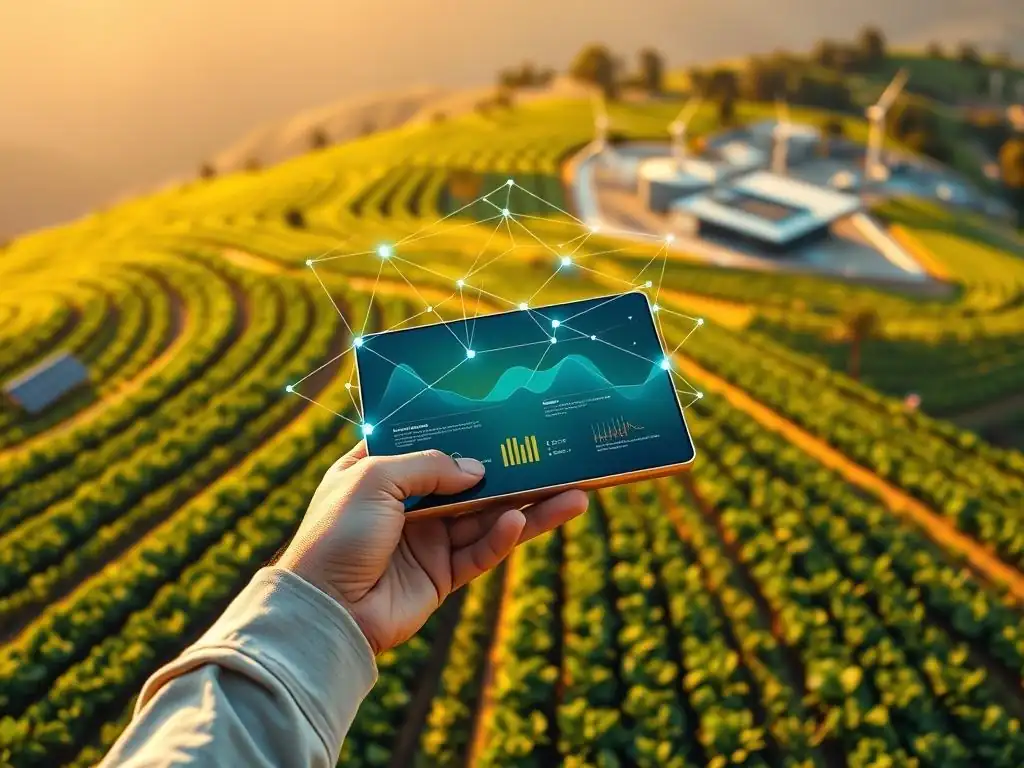
For smart contracts to react to real-world conditions and verify sustainability metrics, they need reliable data inputs. This necessitates integrating the blockchain platform and smart contracts with Internet of Things (IoT) sensors and data analytics platforms. IoT devices, such as soil moisture sensors, GPS trackers on shipments, temperature/humidity sensors in storage, or even computer vision systems for quality checks, can generate the verifiable data needed to trigger smart contract execution.
Data from these sensors often needs to be processed and validated by data analytics platforms before being fed to the blockchain via secure oracles. This ensures data accuracy and reduces the amount of data stored directly on the blockchain, optimizing efficiency and cost. Establishing secure data pipelines from the physical world (sensors, manual inputs verified by multiple parties) to the digital ledger is paramount. For instance, a pilot tracking olive oil used sensors to verify storage temperature and location, with this data triggering smart contract milestones upon successful verification.
Ensuring Data Security and Compliance with Privacy Regulations
While blockchain is inherently secure due to its cryptographic nature, the data fed into the system, especially personal or commercially sensitive information, must be handled with care. Implementing robust data security measures is essential. This includes securing IoT devices against tampering, encrypting data in transit and at rest, and using secure protocols for data transmission to the blockchain. Access controls on the blockchain platform should ensure that only authorized parties can view specific types of data, especially in permissioned networks.
Compliance with data privacy regulations, such as GDPR in Europe or CCPA in California, is also critical. While some data (like product origin) can be public, information linked to individual farmers or specific business operations might require privacy. Techniques like zero-knowledge proofs or storing sensitive data off-chain with only hashes on the blockchain can help ensure compliance while maintaining verifiability. Legal counsel should be involved early to navigate the complex landscape of data privacy and ensure that the smart contract logic and data handling practices meet all regulatory requirements.
Benefits of Using Smart Contracts in Sustainable Agriculture
Increased Transparency and Consumer Trust
One of the most significant benefits of implementing blockchain smart contracts agriculture supply chains is the dramatic increase in transparency they provide. Consumers are increasingly demanding to know more about where their food comes from and how it was produced. By providing an immutable, accessible record of the entire journey, from farm to table, smart contracts empower consumers to verify sustainability claims, origin, and production practices.
This level of verifiable transparency builds crucial trust between consumers and food producers/brands. When consumers can scan a QR code and see an auditable history confirming organic practices, fair labor payments, or reduced environmental impact, they are more likely to trust and support those products and companies. This trust can translate into brand loyalty and a willingness to pay a premium for sustainably and ethically produced goods, directly benefiting those who adopt these practices.
Reduced Environmental Impact and Enhanced Resource Efficiency
Smart contracts can directly contribute to reducing the environmental footprint of agriculture by incentivizing and verifying efficient resource use and sustainable practices. By linking payments and rewards to verifiable data on metrics like water consumption, energy use, or pesticide application rates, smart contracts create a clear financial incentive for farmers to adopt more efficient and less impactful methods.
Automated systems triggered by smart contracts, such as precision irrigation based on real-time sensor data, lead to direct reductions in resource waste. Furthermore, the transparency of the supply chain can highlight inefficiencies or areas of high environmental impact, allowing for targeted improvements. For example, identifying transportation routes with excessive carbon emissions could prompt optimization efforts. By making sustainability economically rewarding and verifiable, smart contracts drive the adoption of practices that protect soil, water, and biodiversity.
Improved Farmer Livelihoods and Fair Trade Practices
Smart contracts have the potential to significantly improve the economic situation for farmers, particularly smallholders. By automating payments upon delivery or quality verification, smart contracts reduce payment delays, providing farmers with more consistent and predictable cash flow. This improved financial stability allows them to invest in their farms and livelihoods.
Crucially, smart contracts can enforce fair pricing and ensure that farmers receive their agreed share of the value chain. By making the terms of trade transparent and automating payments directly to the farmer based on verifiable data, smart contracts reduce the ability of intermediaries to unfairly deduct costs or delay payments. This shift towards fairer compensation aligns with the principles of fair trade and helps to address the power imbalances that have historically disadvantaged producers at the beginning of the agriculture supply chain.
Enhanced Supply Chain Resilience to Disruptions
As discussed earlier, the transparency and automation offered by smart contracts enhance the resilience of agricultural supply chains. The real-time, verifiable data provided by the blockchain allows stakeholders to have a clear picture of inventory, logistics, and potential issues. This visibility is critical for responding quickly and effectively to disruptions, whether they are caused by weather events, transport strikes, or global health crises.
Smart contracts can be programmed to automatically trigger alternative actions or notify relevant parties when predefined disruptive conditions are met. This automated response capability minimizes delays and helps maintain the flow of goods. By creating a more robust and adaptable system, blockchain smart contracts agriculture supply chains are better equipped to withstand shocks and ensure food security, benefiting everyone from farmers to consumers.
Challenges and Considerations for Smart Contract Adoption in Sustainable Agriculture
Data Standardization and Interoperability
A significant challenge in implementing blockchain smart contracts agriculture supply chains is the lack of widespread data standardization across the sector. Data comes from diverse sources – different types of sensors, various farm management software systems, logistics providers, and certification bodies – all often using different formats and protocols. For smart contracts to function effectively, they need reliable, standardized data inputs.
Ensuring interoperability between different systems and platforms is also complex. Data needs to flow seamlessly from farm sensors to data aggregators, to oracles, and finally onto the blockchain to trigger smart contract execution. Developing common data standards and protocols for agricultural data is essential but requires collaboration across the industry. Without it, integrating disparate data sources becomes a major technical hurdle, limiting the scalability and effectiveness of smart contract solutions.
Regulatory Uncertainty and Legal Compliance
The legal status and enforceability of smart contracts are still evolving in many jurisdictions. While the code is law within the blockchain environment, the interaction of smart contracts with traditional legal frameworks presents challenges. Questions arise regarding liability in case of code errors (bugs), dispute resolution when smart contracts fail to execute as expected due to unforeseen circumstances, and how smart contracts fit within existing contract law.
Furthermore, agricultural practices and supply chains are subject to numerous regulations related to food safety, labor standards, environmental protection, and data privacy. Ensuring that smart contract logic and the underlying blockchain implementation comply with all relevant national and international laws is complex and requires careful legal consideration. Regulatory uncertainty can slow adoption as businesses and farmers hesitate to invest in systems whose legal standing is unclear.
Ensuring Farmer Access and Digital Literacy
Adopting blockchain and smart contract technology requires access to technology (smartphones, internet connectivity, potentially sensors) and a certain level of digital literacy. Many smallholder farmers in developing regions, who could potentially benefit significantly from increased transparency and fairer payments, may lack the necessary infrastructure or training. Bridging this digital divide is crucial for equitable adoption.
Efforts are needed to provide affordable access to technology, develop user-friendly interfaces for blockchain applications, and offer training programs tailored to farmers' needs. Without addressing these issues, the benefits of smart contracts in sustainable agriculture might disproportionately accrue to larger, more technologically advanced operations, exacerbating existing inequalities rather than resolving them.
Addressing Data Privacy and Security Concerns
While blockchain's immutability is a strength for transparency, it also means that data, once on the chain, is permanently recorded. This raises significant privacy concerns, especially regarding sensitive farm data (yields, income, specific practices) or personal information. While public blockchains are transparent, permissioned blockchains offer more control over data visibility, but determining who has access to what information remains critical.
Ensuring the security of the entire system, not just the blockchain itself, is paramount. This includes protecting the integrity of data sources (preventing sensor tampering), securing off-chain data storage, and safeguarding private keys that control access to digital assets or smart contracts. A single vulnerability anywhere in the interconnected system can compromise the integrity of the data that the smart contracts rely upon, undermining trust in the entire solution. Robust security audits and ongoing monitoring are essential.
Real-World Examples and Case Studies of Smart Contract Implementation in Sustainable Agriculture
Sustainable Cocoa Bean Traceability in Ghana
Several initiatives have explored using blockchain and smart contracts to improve the traceability and sustainability of cocoa supply chains, particularly in regions like Ghana and Ivory Coast. Projects have aimed to track cocoa beans from individual farms through cooperatives, processing plants, and exporters. By recording each transaction and movement on a blockchain, companies can gain unprecedented visibility into the origin of their cocoa.
Smart contracts are used to verify farmer registration, record quantities delivered, and automate payments based on predefined terms, often including premiums for certified sustainable or fair trade cocoa. One pilot project involving a major chocolate company aimed to reduce payment times to farmers from weeks to days and provide verifiable proof of origin. While challenges remain in scaling such solutions to cover millions of smallholder farmers, these pilots demonstrate the potential for smart contracts to enhance transparency and ensure premiums for sustainability reach the producers. This is a key example of blockchain smart contracts agriculture supply chain application.
Automated Payments for Regenerative Agriculture Practices
Some pioneering projects are leveraging smart contracts to incentivize and automate payments for farmers adopting regenerative agriculture practices, such as cover cropping, reduced tillage, and improved grazing management. These practices enhance soil health, sequester carbon, and improve water quality. Verifying the adoption and impact of these practices traditionally involves costly audits.
Blockchain solutions are being developed that integrate with remote sensing data (satellite imagery analyzing cover crop presence) and potentially soil sample data. Smart contracts are programmed to monitor these data streams. If the data indicates that a farmer has successfully implemented specific regenerative practices over a defined period and met certain environmental outcomes (like increased soil organic carbon levels), the smart contract automatically triggers a payment. This creates a direct, data-driven financial reward for environmental stewardship, moving beyond traditional subsidies to performance-based incentives verified by blockchain smart contracts agriculture supply chain data.
Carbon Credit Verification for Reforestation Projects
Reforestation and afforestation projects in agricultural landscapes are crucial for climate change mitigation and biodiversity. Smart contracts can be used to create a more transparent and trustworthy market for carbon credits generated by these projects. When a farmer or landowner plants trees on their land, the project details (location, species, number of trees) are registered on a blockchain.
Smart contracts can then be linked to data sources that verify the survival and growth of these trees over time, such as satellite imagery or periodic ground surveys. As the trees grow and sequester carbon, the smart contract automatically issues verifiable carbon credits on the blockchain. These credits can then be sold to companies or individuals looking to offset their emissions. The smart contract ensures that credits are only issued for verified carbon sequestration, preventing double-counting and increasing buyer confidence. This application of blockchain smart contracts agriculture supply chain initiatives extends to ecosystem services markets.
The Future of Blockchain and Smart Contracts in Sustainable Agriculture
Emerging Trends and Innovations in Agri-Tech
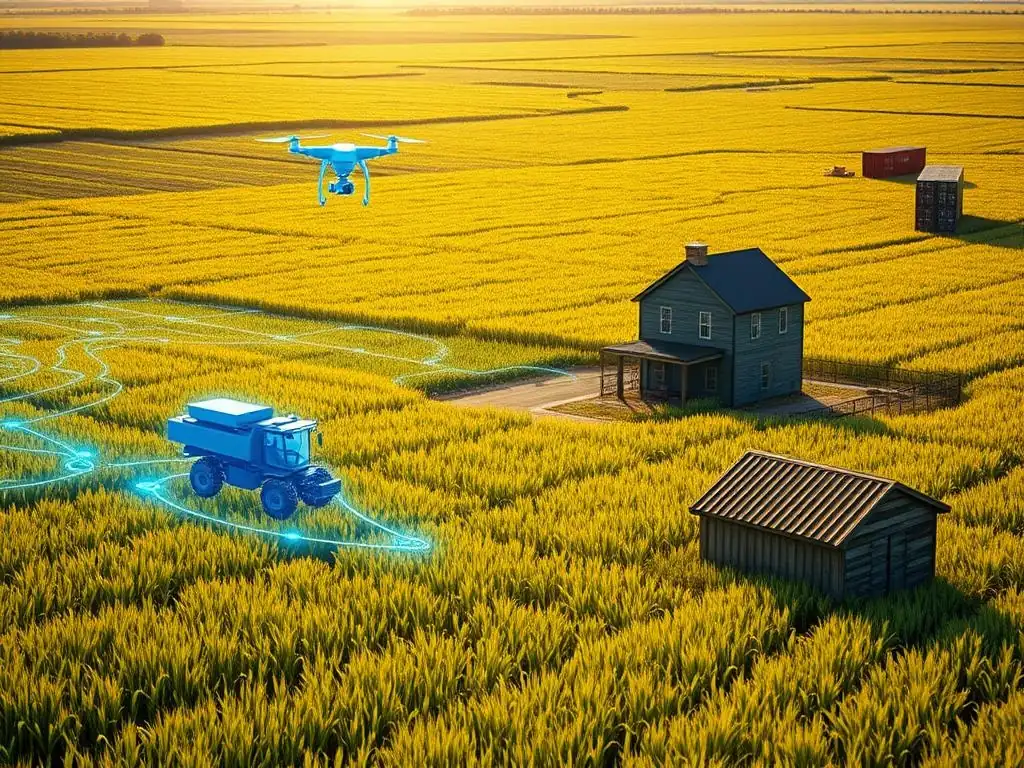
The convergence of blockchain and smart contracts with other emerging agri-tech innovations is set to further transform sustainable agriculture. Developments in precision agriculture, including advanced IoT sensors, drones, and autonomous farm equipment, are generating vast amounts of real-time data. Blockchain can provide a secure, tamper-proof repository for this data, and smart contracts can automate actions based on its analysis – for instance, triggering precise nutrient application or pest control based on sensor data and predefined thresholds.
Vertical farming and controlled environment agriculture (CEA) are also areas where smart contracts can play a role. Tracking inputs (water, nutrients, energy), monitoring environmental conditions (temperature, humidity, CO2 levels), and verifying output quality can all be recorded on a blockchain, with smart contracts automating payments or adjustments based on performance metrics. The modular nature of these systems makes them particularly well-suited for granular data collection and smart contract management.
The Role of AI and Machine Learning in Optimizing Resource Use
Artificial intelligence (AI) and machine learning (ML) are becoming increasingly sophisticated at analyzing complex agricultural data to optimize decision-making, from predicting yields and pest outbreaks to determining optimal planting times and resource allocation. Integrating AI/ML insights with blockchain and smart contracts can create highly efficient, automated sustainable farming systems.
For example, an AI model could analyze historical weather patterns, soil data, and crop performance to recommend an optimal irrigation schedule. This recommendation could then be fed into a smart contract, which executes the irrigation commands via connected systems, while simultaneously recording the action and water usage on the blockchain. AI can also analyze blockchain data to identify patterns of efficiency or inefficiency in supply chains, informing smart contract updates or new contractual agreements designed to further optimize resource use and reduce environmental impact.
Scaling Smart Contract Solutions for Global Impact
While pilot projects have shown immense promise, scaling blockchain and smart contract solutions to have a global impact on sustainable agriculture requires addressing significant challenges, particularly interoperability and accessibility. Developing industry-wide standards for data collection, formatting, and sharing is crucial to allow different blockchain platforms and agricultural systems to communicate.
Efforts are needed to create user-friendly, low-cost interfaces and applications that are accessible to farmers of all scales, including those with limited technological resources. Public-private partnerships and investment in digital infrastructure in rural areas are essential. Scaling also requires developing governance models for decentralized agricultural networks that ensure fairness, security, and the ability to adapt to changing conditions while maintaining the integrity of the smart contracts and the underlying blockchain smart contracts agriculture supply chain data.
Smart Contracts and the Transition to Regenerative Agriculture
Smart contracts are poised to be a key enabler in the broader transition from conventional to regenerative agriculture. Regenerative practices, focused on soil health, biodiversity, and ecosystem services, often require complex data collection and verification to demonstrate their environmental benefits and economic viability. Smart contracts can automate the tracking and verification of these practices and outcomes.
By creating transparent, performance-based incentive mechanisms tied to metrics like soil carbon sequestration, water infiltration rates, and reduced synthetic input use, smart contracts can make regenerative farming more financially attractive and less risky for farmers. They can also help connect regenerative producers directly with consumers or companies willing to pay a premium for verifiable environmental and social benefits, using blockchain smart contracts agriculture supply chain transparency to build trust in the regenerative label.
Conclusion: Smart Contracts – Cultivating a More Sustainable and Resilient Agricultural Future
The challenges facing global agriculture are significant, but the potential of blockchain and smart contracts to drive transformative change is equally compelling. From enhancing traceability and verifying sustainability claims to automating payments and incentivizing eco-friendly practices, smart contracts offer concrete solutions to long-standing problems in the sector. By creating transparent, efficient, and equitable systems, blockchain smart contracts agriculture supply chains can empower farmers, build consumer trust, and significantly reduce the environmental footprint of food production.
While obstacles related to data standardization, regulation, and digital access remain, ongoing innovation and pilot projects demonstrate a clear path forward. As the technology matures and adoption grows, smart contracts will play an increasingly vital role in cultivating a more sustainable, resilient, and fair agricultural future, ensuring that the food we eat is produced in a way that benefits both people and the planet.
Frequently Asked Questions
What are smart contracts and how can they be applied to agriculture?
Smart contracts are self-executing agreements written in code and stored on a blockchain. In agriculture, they can automate processes like payment release upon verification of crop quality or delivery. This ensures transparency and efficiency in transactions.
How can blockchain smart contracts improve agriculture supply chains?
By recording every step of the supply chain on a blockchain, smart contracts enable traceability and transparency. This helps track products from farm to consumer, ensuring authenticity and reducing fraud. It also facilitates faster and more secure payments to farmers.
What are the key benefits of using smart contracts in agriculture besides transparency?
Beyond transparency, smart contracts offer automation of processes, reducing manual labor and errors. They also provide increased security against tampering and fraud, leading to greater trust among stakeholders.
What are some potential challenges or limitations in implementing blockchain smart contracts in agriculture?
Challenges include the initial setup cost of blockchain infrastructure and the need for digital literacy among farmers. Also, regulatory uncertainties surrounding blockchain technology can pose hurdles.
How might regulation impact the adoption of blockchain smart contracts in the agriculture supply chain?
Clear and supportive regulations can encourage innovation and adoption by providing legal certainty. Conversely, overly restrictive regulations could hinder the growth of blockchain-based solutions in agriculture and create barriers to entry.
Final Reflection: Cultivating Trust and Transparency
The exploration of blockchain-powered smart contracts in agriculture reveals more than just technological innovation; it unveils a pathway towards a more equitable and efficient food system. The potential to streamline supply chains, ensure fair pricing for farmers, and enhance transparency for consumers underscores the profound impact these technologies can have on the future of agriculture, moving beyond theoretical possibilities to tangible solutions.
The integration of blockchain into agriculture isn't merely about automation; it's about fostering trust and accountability in an industry often plagued by opacity. Witnessing the potential for smart contracts to empower smallholder farmers and connect them directly to global markets is deeply inspiring. The ultimate goal of farming is not the growing of crops, but the cultivation and perfection of human beings.
- Masanobu Fukuoka. This quote reminds us that technology should serve humanity, and in this case, it can help build a more sustainable and just agricultural landscape.
As we look ahead, consider how you can contribute to this evolving landscape. Whether you're a consumer, an investor, or a technologist, reflect on the role you can play in supporting the adoption of blockchain smart contracts in agriculture. Let's work together to cultivate a future where technology empowers farmers, strengthens supply chains, and ensures a more secure and transparent food system for all.
Cultivate Change: Sow the Seeds of Innovation Today!
Thank you for exploring how smart contracts can revolutionize agriculture. Now that you've seen the potential of blockchain technology to transform farming practices, it's time to take the next step and contribute to this exciting future.
Here's how you can get involved:
- Dive Deeper: Research existing blockchain-based agricultural platforms to identify areas where you can collaborate or improve. Understand the current landscape and find where your skills can have the greatest impact.
- Share Your Insights: Initiate discussions on social media or relevant forums about the benefits and challenges of implementing smart contracts in local agricultural communities. Let’s grow the conversation!
- Consider developing a small proof-of-concept smart contract for a simple agricultural process, such as tracking the journey of produce from farm to table. Experiment and experience the technology firsthand.
What innovative smart contract application do you believe will have the greatest impact on agriculture in the coming years? Share your thoughts below!
Leave a Reply