
Investing in Green Energy: How Blockchain is Making Renewable Energy More Accessible

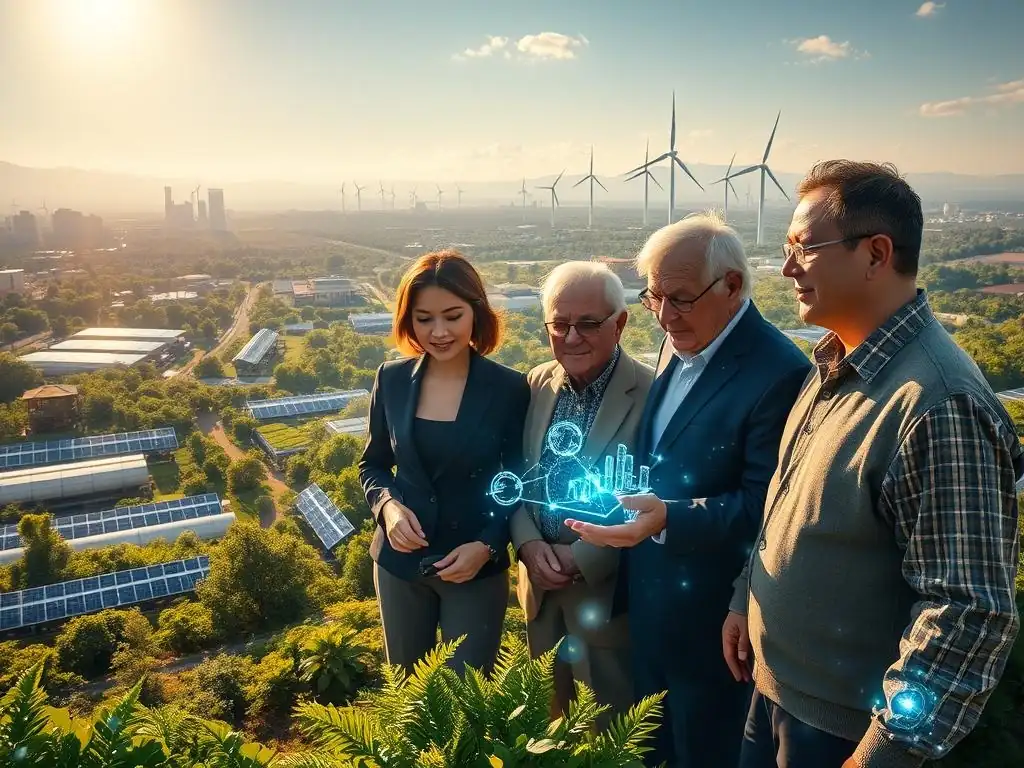
Welcome to Blockchain Trends, your guide to understanding the revolutionary world of blockchain technology.
Ever wondered how blockchain can power a greener future? Dive into our latest article, "Investing in Green Energy: How Blockchain is Making Renewable Energy More Accessible," and discover how blockchain green energy accessibility investment is transforming the landscape of renewable energy. Explore how this innovative technology is democratizing access to sustainable energy projects and unlocking new investment opportunities. Curious to learn more about the intersection of blockchain and environmental sustainability? Let's begin!
Investing in Green Energy: How Blockchain is Making Renewable Energy More Accessible
- The Rise of Green Energy Investments and the Accessibility Challenge
- Blockchain Technology: A Catalyst for Accessible Green Energy Investment
- Blockchain Solutions for Increased Green Energy Accessibility
- Real-World Examples: Blockchain Projects Expanding Green Energy Access
- Benefits of Blockchain in Green Energy Investment: Beyond Accessibility
- Overcoming Challenges and Future Trends in Blockchain-Enabled Green Energy Investment
- Conclusion: Blockchain – Paving the Way for a More Accessible and Sustainable Green Energy Future
-
Frequently Asked Questions
- How does blockchain technology improve the accessibility of green energy investments?
- What role does blockchain play in tracking the origin and certification of green energy?
- Can blockchain help reduce the costs associated with green energy projects?
- What are some of the potential regulatory challenges facing blockchain-based green energy investment platforms?
- How can blockchain improve the efficiency of green energy distribution and consumption?
- Final Reflection: Empowering a Sustainable Future
- Power Up Your Future: Join the Green Energy Revolution!
The Rise of Green Energy Investments and the Accessibility Challenge
Understanding the Growing Demand for Renewable Energy Investments
The global push towards decarbonization is driving unprecedented growth in the renewable energy sector. Governments, corporations, and individual investors are increasingly recognizing the environmental imperative and economic opportunities presented by solar, wind, hydro, and other green technologies. Data from the International Energy Agency (IEA) consistently shows rising investment figures; for instance, global clean energy investment was projected to reach \$1.8 trillion in 2023, with renewables accounting for a significant portion of this. This surge reflects a growing understanding that transitioning to clean energy is not just an environmental necessity but a critical component of future economic stability and growth.
This escalating demand is fueled by factors such as decreasing technology costs, supportive policy frameworks, and increasing corporate sustainability goals. Major corporations are setting ambitious net-zero targets, often requiring significant investments in renewable energy sources or power purchase agreements. Simultaneously, retail investors are seeking ways to align their portfolios with their values, leading to increased interest in green bonds, renewable energy funds, and direct investments in projects. However, despite this burgeoning interest, significant barriers still prevent widespread participation in green energy investments.
The Hurdles to Widespread Green Energy Investment
Investing in large-scale renewable energy projects has traditionally been complex, capital-intensive, and often inaccessible to the average investor. Projects like utility-scale solar farms or wind parks require tens or hundreds of millions of dollars, limiting participation primarily to large institutions, corporations, or high-net-worth individuals. This high entry barrier excludes a vast segment of the population interested in supporting and benefiting from the green transition. Furthermore, the investment process itself can be opaque, involving multiple intermediaries, lengthy legal agreements, and a lack of granular information about project performance or energy generation.
Another significant hurdle is the lack of liquidity and standardization in green energy assets. Unlike publicly traded stocks or bonds, direct investments in renewable energy projects are often illiquid, making it difficult for investors to exit their positions if needed. The absence of standardized investment frameworks and transparent data sharing mechanisms also complicates due diligence and risk assessment, particularly for smaller projects or those in emerging markets. These challenges collectively limit the potential pool of investors, slowing down the pace of crucial investment needed to meet global climate targets.
Blockchain Technology: A Catalyst for Accessible Green Energy Investment
How Blockchain Enhances Transparency in Renewable Energy Projects
Blockchain technology fundamentally enhances transparency by creating an immutable, distributed ledger that records all transactions and data related to a green energy project. From initial funding contributions to energy generation data and revenue distribution, every step can be logged on the blockchain. This provides a verifiable and auditable history accessible to all authorized participants, significantly reducing information asymmetry. For example, an investor contributing capital to a solar project could potentially track the deployment of funds, the installation of panels, and the actual energy output recorded by smart meters, all through the blockchain.
This level of transparency builds trust among stakeholders – investors, project developers, energy consumers, and regulators. It helps combat issues like greenwashing, where projects might overstate their environmental impact, by providing verifiable data on energy production and associated carbon savings. A blockchain-based system could record Renewable Energy Certificates (RECs) or similar attributes directly at the point of generation, ensuring their authenticity and preventing double-counting, a known issue in traditional REC markets. This inherent transparency makes blockchain a powerful tool for verifying the environmental claims and financial performance of green energy investments.
Blockchain's Role in Decentralizing Green Energy Markets
Blockchain's distributed nature inherently promotes decentralization, moving away from centralized authorities and intermediaries in energy markets and investment structures. By enabling peer-to-peer interactions, blockchain allows individuals and small entities to directly participate in energy generation, trading, and investment. This contrasts sharply with traditional models dominated by large utilities and financial institutions. For instance, blockchain platforms can facilitate direct energy trading between a homeowner with solar panels and a neighbor needing electricity, bypassing the conventional grid operator for specific transactions.
Decentralization extends to the investment sphere by enabling fractional ownership of large assets. Instead of needing millions to buy a stake in a wind farm, blockchain allows the asset to be represented by digital tokens on a distributed ledger. These tokens can represent small units of ownership or future energy output, making it possible for individuals to invest with much smaller amounts, perhaps just hundreds or thousands of dollars. This tokenization process, discussed further below, is a direct application of blockchain's decentralizing power, drastically improving blockchain green energy accessibility investment for a broader population.
Blockchain Solutions for Increased Green Energy Accessibility
Tokenization of Renewable Energy Assets: Democratizing Investment Opportunities
Tokenization is arguably one of the most impactful blockchain applications for improving blockchain green energy accessibility investment. It involves representing real-world assets, such as solar farms, wind turbines, or even future energy yields, as digital tokens on a blockchain. Each token can represent a fraction of the asset's value or a specific amount of energy produced over time.
This process breaks down large, illiquid assets into smaller, divisible, and tradable units. For example, a \$10 million solar farm could be tokenized into 10 million tokens, each valued at \$1, allowing anyone to invest by purchasing tokens commensurate with their budget.
This fractional ownership model democratizes access to green energy investments. Individuals who previously couldn't afford a direct stake in large renewable projects can now participate with minimal capital. These tokens can be bought and sold on secondary markets, providing much-needed liquidity that is often absent in traditional project finance. This increased liquidity and lower entry barrier significantly expand the potential investor base, channeling more capital towards vital green energy infrastructure development.
Peer-to-Peer (P2P) Energy Trading Platforms Powered by Blockchain
Blockchain technology is facilitating the emergence of peer-to-peer energy trading platforms, which allow individuals and businesses to buy and sell locally generated renewable energy directly with each other. These platforms use blockchain to record energy transactions transparently and securely. For example, a household with excess solar power can sell it directly to a neighbor via the platform, often at a price mutually agreed upon, potentially bypassing or supplementing the traditional utility grid structure.
These P2P platforms empower prosumers (producers and consumers of energy) and enable local energy markets. By using blockchain, the platforms ensure that transactions are automatically verified and settled, reducing administrative overhead and transaction costs. This model not only makes renewable energy more accessible to consumers but also provides a direct revenue stream for small-scale renewable energy producers, incentivizing further investment in distributed generation assets like rooftop solar. Projects globally are piloting such platforms, demonstrating the potential for more localized and equitable energy systems.
Smart Contracts: Automating and Securing Green Energy Agreements
Smart contracts, self-executing contracts with the terms of the agreement directly written into code, are crucial for automating and securing processes within blockchain-based green energy systems. In the context of investment and trading, smart contracts can automate the distribution of revenue from a tokenized asset to token holders based on predefined rules, such as energy generation milestones or quarterly profits. They can also automate energy trading settlements on P2P platforms, ensuring that payment is released only when verifiable energy delivery is confirmed.
Beyond financial transactions, smart contracts can automate agreements related to carbon credit issuance, REC transfers, or even maintenance schedules triggered by specific performance metrics of a renewable asset. This automation reduces the need for intermediaries, minimizes administrative costs, and significantly speeds up processes that would traditionally require manual verification and legal oversight. By embedding trust and logic directly into the transaction layer, smart contracts enhance the efficiency, reliability, and security of green energy investment frameworks enabled by blockchain.
Real-World Examples: Blockchain Projects Expanding Green Energy Access
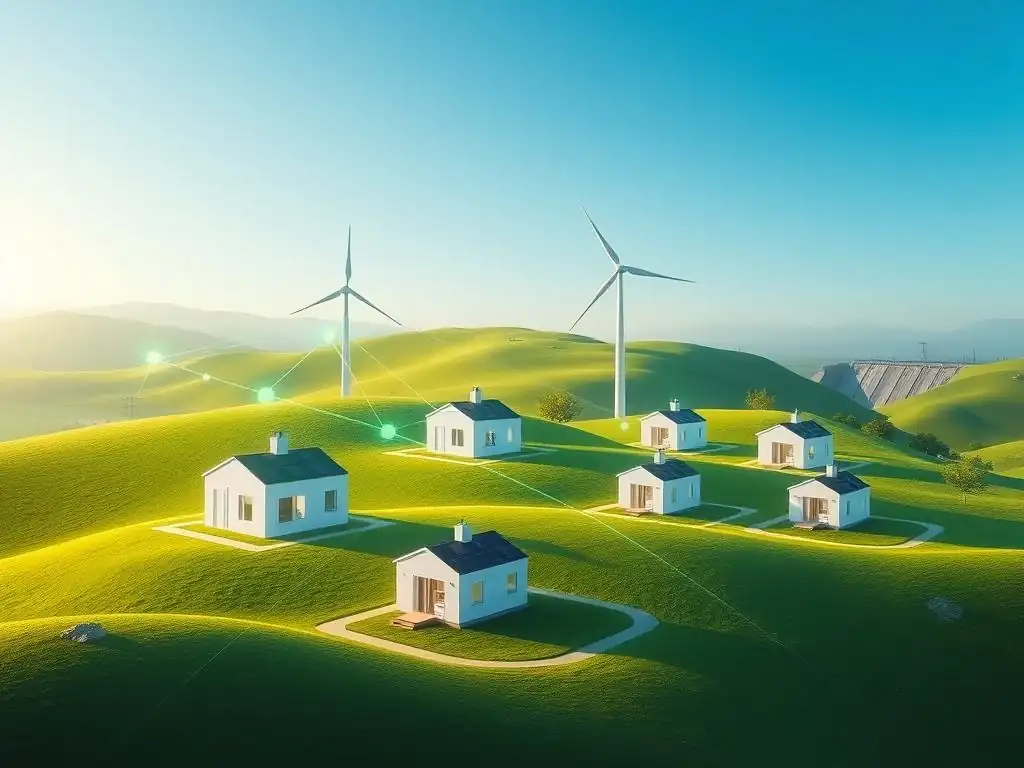
Case Study: Power Ledger and its Impact on Renewable Energy Investment
Power Ledger is one of the pioneers in using blockchain technology for renewable energy trading and asset tokenization. Originating in Australia, the company developed a platform enabling peer-to-peer energy trading, allowing households with solar panels to sell excess energy directly to others. Their platform utilizes blockchain to track energy generation and consumption, automating settlements via smart contracts. This model has been piloted in various locations globally, including Australia, Thailand, and the United States, demonstrating the viability of decentralized energy markets.
Beyond P2P trading, Power Ledger has also explored asset tokenization, allowing fractional ownership of renewable energy infrastructure. While specific investment figures fluctuate, their projects have shown the potential to unlock new capital flows for renewable developments by making participation easier and more accessible. By creating a transparent and automated marketplace for energy and renewable energy credits, Power Ledger exemplifies how blockchain can disintermediate traditional energy markets and improve blockchain green energy accessibility investment.
Success Stories: How Blockchain is Empowering Local Communities in Green Energy
Numerous smaller-scale initiatives and pilots around the world showcase how blockchain is empowering local communities. For instance, projects in rural areas lacking reliable grid infrastructure are exploring blockchain-based microgrids. These systems allow local energy cooperatives or individual households with solar panels to manage and trade energy among themselves using blockchain, often incorporating a local token. This not only provides access to electricity but also creates local economic opportunities.
In some instances, communities are using blockchain to collectively invest in local renewable assets through tokenization. A community solar farm, for example, can issue tokens to local residents, allowing them to invest small amounts and receive a share of the energy generated or the revenue.
This fosters community ownership, increases engagement with renewable energy, and ensures that the economic benefits stay within the locality. While these projects may not involve multi-million dollar deals initially, their success lies in making green energy ownership and investment tangible and accessible at the grassroots level, fostering blockchain green energy accessibility investment where it's often most needed.
Benefits of Blockchain in Green Energy Investment: Beyond Accessibility
Enhanced Traceability and Accountability in Renewable Energy Supply Chains
Blockchain provides an unprecedented level of traceability for green energy assets and their components throughout the supply chain. From tracking the origin of raw materials used in solar panels or wind turbines to monitoring their manufacturing process, transportation, installation, and eventual decommissioning, blockchain can record every step. This creates a transparent and immutable record that enhances accountability among all parties involved. Investors can gain confidence knowing the provenance of the assets they are funding, ensuring components are ethically sourced and meet sustainability standards.
Furthermore, this traceability is vital for verifying the environmental claims associated with green energy. By tracking the chain of custody for renewable energy credits (RECs) or carbon offsets directly linked to energy generation recorded on the blockchain, it becomes much harder to commit fraud or double-count environmental attributes. This verifiable audit trail increases trust in the integrity of green energy markets and investments, providing investors with assurance that their funds are contributing to genuine environmental impact.
Reducing Transaction Costs and Streamlining Green Energy Investments
Traditional financial and energy markets often involve multiple intermediaries, each adding costs and complexity to transactions. In green energy investment, this can include brokers, banks, lawyers, and registrars involved in project financing, asset transfers, and revenue distribution. Blockchain technology, through automation via smart contracts and the elimination of intermediaries in peer-to-peer models, can significantly reduce these transaction costs.
By streamlining processes like asset ownership transfer (via token transfers) and automating revenue distribution or energy trading settlements, blockchain reduces the time and expense associated with manual verification, reconciliation, and traditional banking fees. For example, distributing quarterly returns to thousands of fractional owners of a tokenized solar farm via smart contracts is far more efficient and cost-effective than traditional payout methods. This reduction in overhead costs makes green energy investments more economically attractive and contributes to improving blockchain green energy accessibility investment.
Fostering Innovation and New Business Models in the Green Energy Sector
Blockchain technology acts as a powerful enabler for innovation within the green energy sector, facilitating the development of entirely new business models. Beyond P2P trading and asset tokenization, blockchain can support innovative financing mechanisms like decentralized autonomous organizations (DAOs) funding community energy projects, or tokenized bonds linked directly to the performance of renewable assets. It can also integrate with IoT devices (like smart meters) to create dynamic, data-driven energy markets and services.
The ability to securely and transparently track energy data and ownership on a granular level opens up possibilities for new services, such as automated demand-response systems linked to energy prices on a blockchain market, or verifiable carbon footprint tracking for businesses based on their renewable energy consumption recorded on a ledger. This fertile ground for innovation attracts entrepreneurs and investment, accelerating the evolution of the green energy landscape and further enhancing blockchain green energy accessibility investment opportunities.
Overcoming Challenges and Future Trends in Blockchain-Enabled Green Energy Investment
Addressing Regulatory Hurdles for Blockchain in Renewable Energy
Despite its potential, the integration of blockchain into green energy investment faces significant regulatory challenges. Existing energy markets are heavily regulated, and blockchain-based systems, particularly those involving tokenization and P2P trading, often don't fit neatly into current legal frameworks. Regulators need to address questions around consumer protection, market manipulation risks, the legal status of energy tokens, and how to integrate decentralized energy systems with the existing grid infrastructure.
Navigating this complex regulatory landscape requires collaboration between blockchain developers, energy companies, and policymakers. Clear guidelines and frameworks are essential to provide legal certainty for investors and operators of blockchain-based green energy platforms. While some countries and regions are starting to explore regulatory sandboxes or specific rules for blockchain in energy, a globally harmonized approach is still distant. Overcoming these hurdles is crucial for scaling blockchain green energy accessibility investment.
Scalability and Security Considerations for Blockchain Green Energy Platforms
Scalability is a key technical challenge for blockchain networks, especially when dealing with the high volume of transactions that real-time energy trading or tracking millions of energy tokens might generate. Public blockchains like Ethereum have faced issues with transaction speed and cost (gas fees), although newer versions and Layer 2 solutions aim to address this. Private or consortium blockchains might offer better scalability for specific applications but could sacrifice some degree of decentralization.
Security is paramount. Blockchain networks are generally secure due to their cryptographic nature, but smart contracts can contain vulnerabilities if not rigorously audited. Platforms handling energy transactions and financial investments must be robust against cyberattacks. Ensuring the security of the oracles (data feeds that bring real-world data like energy generation into smart contracts) is also critical, as compromised data can disrupt operations and undermine trust. Ongoing development in blockchain technology is focused on improving scalability and security to meet the demands of large-scale energy applications.
The Future of Decentralized Green Energy: Blockchain's Long-Term Impact
The long-term impact of blockchain on decentralized green energy is poised to be transformative. As technology matures and regulatory clarity increases, blockchain could become an integral layer for managing distributed energy resources, facilitating dynamic local energy markets, and enabling widespread fractional ownership of renewable assets. We could see a future where individuals and communities are active participants in the energy system, not just passive consumers.
Future trends include the deeper integration of blockchain with IoT for real-time energy data verification, the use of AI to optimize energy trading on blockchain platforms, and the development of standardized protocols for tokenizing various types of green assets and environmental attributes. The potential for blockchain to unlock significant capital by making green energy investments accessible to a global pool of small investors is immense. This evolution points towards a more resilient, efficient, and equitable green energy future powered by decentralized technologies.
Conclusion: Blockchain – Paving the Way for a More Accessible and Sustainable Green Energy Future
Key Takeaways: Blockchain's Contribution to Green Energy Investment Accessibility
Blockchain technology offers compelling solutions to the long-standing challenges of accessibility and transparency in green energy investment. By enabling the tokenization of large assets, it lowers the financial entry barrier, allowing individuals to invest in renewable projects with relatively small amounts. Peer-to-peer trading platforms empower local communities and small-scale producers, creating direct investment opportunities and revenue streams. Smart contracts automate complex agreements, reducing administrative hurdles and costs associated with green energy finance.
Ultimately, blockchain enhances trust through immutable and transparent record-keeping, providing investors with verifiable data on project performance and environmental impact. These capabilities collectively contribute significantly to improving blockchain green energy accessibility investment, moving beyond the realm of large institutions to include everyday individuals and communities in the transition to clean energy.
The Potential for Blockchain to Revolutionize Renewable Energy Finance
The potential for blockchain to revolutionize how renewable energy projects are financed is substantial. By creating liquid, fractional, and transparent investment vehicles, blockchain can tap into new sources of capital that were previously inaccessible. This democratization of finance can accelerate the deployment of renewable energy infrastructure globally, helping meet urgent climate goals.
Beyond simply facilitating investment, blockchain fosters a more dynamic and participatory energy ecosystem. It enables new models of energy trading, consumption, and management, blurring the lines between consumers and producers. As the technology evolves and regulatory environments adapt, blockchain is set to play an increasingly vital role in building a decentralized, sustainable, and accessible green energy future, fundamentally changing the landscape of blockchain green energy accessibility investment.
Frequently Asked Questions
How does blockchain technology improve the accessibility of green energy investments?
Blockchain facilitates fractional ownership of renewable energy projects, allowing smaller investors to participate. It also enhances transparency and trust in the investment process, encouraging wider adoption.
What role does blockchain play in tracking the origin and certification of green energy?
Blockchain provides an immutable and transparent ledger to track the entire lifecycle of green energy. This ensures accurate certification and prevents greenwashing, building investor confidence.
Can blockchain help reduce the costs associated with green energy projects?
Yes, blockchain can streamline processes like peer-to-peer energy trading and reduce the need for intermediaries. This leads to lower transaction costs and greater efficiency.
What are some of the potential regulatory challenges facing blockchain-based green energy investment platforms?
Regulatory uncertainty surrounding tokenization and decentralized finance (DeFi) poses a challenge. Clear guidelines are needed to ensure compliance and protect investors in this emerging space.
How can blockchain improve the efficiency of green energy distribution and consumption?
Blockchain enables smart grids and microgrids with decentralized control. This allows for more efficient energy distribution, reduced waste, and better management of renewable energy sources.
Final Reflection: Empowering a Sustainable Future
The exploration of blockchain's role in democratizing green energy investment reveals a powerful truth: technology can be a catalyst for environmental responsibility. The potential to unlock accessibility and transparency in renewable energy projects, as discussed throughout this article, is not just a theoretical possibility; it's a tangible solution to pressing global challenges, offering a pathway towards a more sustainable and equitable future for all.
This intersection of blockchain and green energy is more than just a technological trend; it's a cultural shift. It signifies a growing awareness and demand for ethical and impactful investments, driven by individuals seeking to align their financial decisions with their values. We do not inherit the Earth from our ancestors; we borrow it from our children.
This profound quote underscores the urgency and responsibility we have to invest in solutions that safeguard our planet for future generations, and blockchain offers a compelling tool to facilitate this crucial transition.
Now, consider the power you hold as an informed individual. Reflect on how you can leverage your understanding of blockchain and green energy to make conscious investment choices. Explore opportunities to support projects that align with your values, and advocate for policies that promote transparency and accessibility in the renewable energy sector. The future of our planet depends on collective action, and your investment, both financial and intellectual, can be a powerful force for positive change.
Power Up Your Future: Join the Green Energy Revolution!
Thank you for exploring how blockchain is transforming green energy investment. We hope this article illuminated the exciting possibilities for a more sustainable and decentralized future. Now, let's turn knowledge into action!
Here are a few ways you can get involved:
- Take the first step: Research blockchain-based green energy investment platforms. Find one that aligns with your values and explore its offerings. This is your primary action—take the plunge and learn more!
- Explore local green energy initiatives and consider how blockchain could improve their efficiency or accessibility.
- Share this article with friends or colleagues who are passionate about sustainability or blockchain technology. Spark a conversation and spread the word!
What's one small action you can take today to contribute to a greener, blockchain-powered future? Share your ideas in the comments below!
Leave a Reply