
Beyond Pixels: Exploring the Immersive Future of Blockchain Gaming in the Metaverse

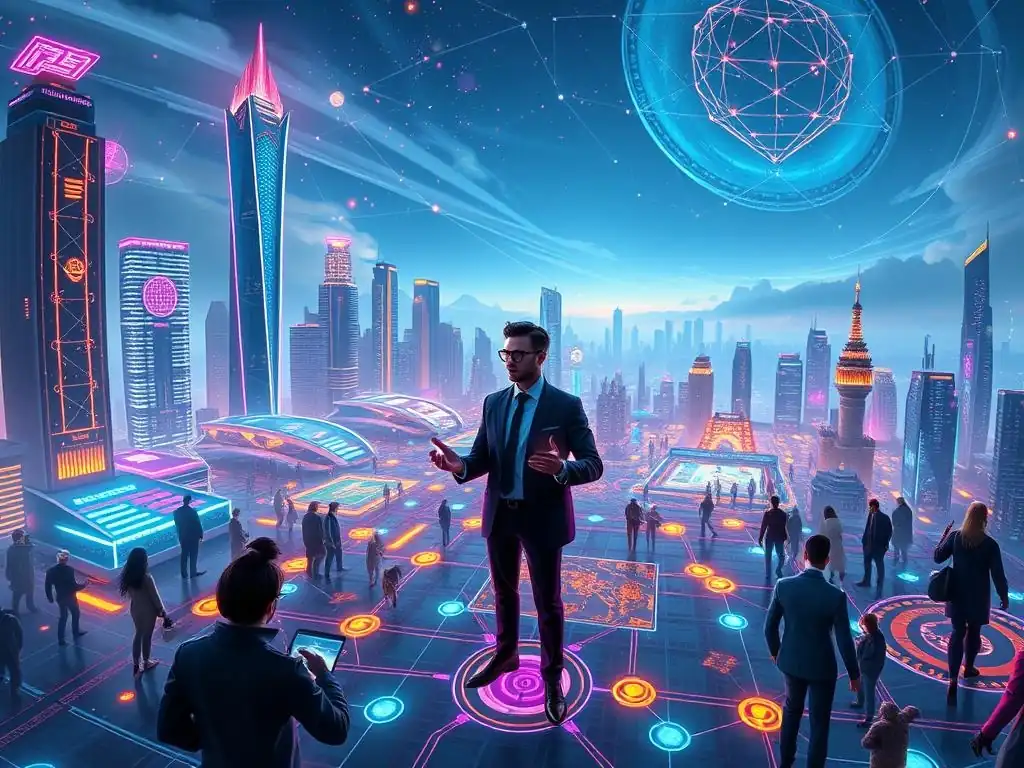
Welcome to Blockchain Trends, your compass in the ever-evolving world of decentralized innovation! Are you ready to dive into the exciting intersection of gaming and blockchain? This week, we’re going beyond the pixels to explore a compelling blockchain gaming metaverse strategy that's poised to redefine virtual worlds. Discover how blockchain is unlocking unprecedented opportunities for ownership, creativity, and immersive experiences. What does the future hold for gaming in the metaverse? Let's find out!
Beyond Pixels: Exploring the Immersive Future of Blockchain Gaming in the Metaverse
- The Convergence of Blockchain Gaming and the Metaverse: A New Frontier
- Key Elements of a Successful Blockchain Gaming Metaverse Strategy
- Immersive Technologies Driving the Future of Blockchain Gaming in the Metaverse
- Navigating the Challenges and Opportunities in the Blockchain Gaming Metaverse
- Case Studies: Successful Blockchain Gaming Metaverse Projects
- The Future of Blockchain Gaming Metaverse Strategy: Trends and Predictions
- Investing in the Blockchain Gaming Metaverse: Opportunities and Risks
- Conclusion: Embracing the Immersive Potential of Blockchain Gaming in the Metaverse
-
Frequently Asked Questions
- What is the significance of blockchain gaming in the metaverse?
- How does blockchain technology improve traditional gaming experiences?
- What are some key benefits of decentralized finance (DeFi) in blockchain gaming?
- How is regulation impacting blockchain gaming and the metaverse?
- What is the future outlook for blockchain gaming strategies in the metaverse?
- Final Reflection: Embracing the Decentralized Game
- Ignite Your Metaverse Journey!
The Convergence of Blockchain Gaming and the Metaverse: A New Frontier
Understanding the Metaverse and its Potential for Gaming
The metaverse, often envisioned as a persistent, shared, 3D virtual world, presents an unprecedented frontier for the gaming industry. It’s more than just online gaming; it's a paradigm shift towards interconnected digital realms where users can interact, socialize, work, play, and even own digital assets in a decentralized manner. Think of it as the internet becoming tangible and immersive, moving beyond flat screens into virtual spaces we can inhabit.
The potential for gaming within this metaverse is immense, promising to redefine player engagement and ownership. Imagine playing a persistent role-playing game where your character and collected items persist across different virtual worlds, creating a truly interconnected gaming experience. This level of immersion and continuity is what makes the metaverse a compelling evolution for gaming.
The metaverse offers game developers the canvas to build expansive, persistent worlds that evolve based on player actions and community contributions. Unlike traditional games with finite lifespans, metaverse games can theoretically exist indefinitely, continuously expanding and adapting. This persistence, coupled with social interaction and economic opportunities within these virtual worlds, creates a powerful draw for players seeking more than just entertainment.
For instance, consider the concept of virtual concerts within a metaverse game, where players can not only attend but also own virtual merchandise or even performance venues, blurring the lines between gaming and real-world economies. This intersection of social interaction, persistent worlds, and economic opportunities forms the bedrock of the metaverse's gaming potential, and is a key consideration in any blockchain gaming metaverse strategy.
How Blockchain Technology Enhances Metaverse Gaming Experiences
Blockchain technology serves as the crucial infrastructure that underpins the metaverse's gaming revolution. Its decentralized and transparent nature addresses core limitations of traditional gaming models, particularly concerning digital asset ownership and control. In conventional games, players invest time and resources to acquire in-game items, but these assets are typically confined to the game's ecosystem and controlled by the game developers.
Blockchain changes this paradigm by enabling true digital ownership through Non-Fungible Tokens (NFTs). NFTs represent unique digital assets, from virtual land and characters to in-game items, and are recorded on a blockchain, giving players verifiable ownership and the freedom to trade or utilize these assets outside of the game itself.
Furthermore, blockchain facilitates the creation of decentralized in-game economies. Cryptocurrencies and blockchain-based tokens can be integrated as in-game currencies, allowing for seamless peer-to-peer transactions, player-driven marketplaces, and even decentralized autonomous organizations (DAOs) to govern game ecosystems. This decentralization empowers players, giving them a stake in the game's economy and governance.
For example, imagine a metaverse game where players collectively vote on game updates or economic policies through a DAO, ensuring a more democratic and player-centric gaming experience. This level of player empowerment and economic integration, enabled by blockchain, is a cornerstone of a robust blockchain gaming metaverse strategy, attracting players who seek ownership and control over their gaming experiences.
The Rise of Play-to-Earn (P2E) and Play-and-Own Models in Metaverse Blockchain Games
The integration of blockchain technology has given rise to innovative gaming models like Play-to-Earn (P2E) and Play-and-Own, fundamentally altering the relationship between players and games. P2E models reward players with cryptocurrency or NFTs for their in-game activities, effectively turning gaming into a potential income stream. This is particularly impactful in regions where traditional income opportunities are limited, attracting a new demographic of players who see gaming not just as entertainment but also as a source of livelihood.
Axie Infinity, for example, popularized the P2E model, allowing players in developing countries to earn income by breeding, battling, and trading Axies, the game's NFT characters. At its peak, some players reportedly earned more than the average monthly wage in their region through Axie Infinity, showcasing the transformative potential of P2E.
Play-and-Own models build upon the concept of digital ownership, granting players complete control over their in-game assets. This extends beyond earning cryptocurrency; it means players truly own their characters, items, and even virtual land as NFTs. They can sell, trade, or utilize these assets across different metaverse platforms that support interoperability, creating a more open and player-centric gaming ecosystem.
Games like Decentraland and The Sandbox exemplify Play-and-Own, where players can purchase virtual land NFTs and build their own experiences, monetize their creations, and participate in a user-generated content economy. These models represent a significant shift from traditional gaming, where player investments often remain locked within a single game, and are crucial considerations when formulating a comprehensive blockchain gaming metaverse strategy focused on player empowerment and long-term engagement.
Key Elements of a Successful Blockchain Gaming Metaverse Strategy
Defining Your Target Audience and Gaming Niche
A crucial first step in crafting a successful blockchain gaming metaverse strategy is pinpointing your target audience and identifying a compelling gaming niche. The metaverse gaming space is rapidly evolving, attracting diverse player demographics with varying preferences.
Understanding who you are building for – whether it's hardcore gamers seeking competitive experiences, casual players looking for social interaction, or crypto-native users interested in decentralized economies – is paramount. For example, a metaverse game targeting hardcore gamers might focus on complex gameplay mechanics, competitive esports integration, and high-stakes NFT rewards, while a game aimed at casual players might prioritize social features, easy-to-learn gameplay, and aesthetically pleasing virtual environments.
Furthermore, identifying a specific gaming niche within the metaverse landscape is essential for differentiation and attracting a dedicated player base. Instead of attempting to be everything to everyone, focusing on a particular genre, theme, or gameplay style can significantly increase your chances of success. Consider niches like metaverse RPGs, virtual world building games, blockchain-based sports simulations, or even educational metaverse experiences.
Analyzing existing successful games, identifying underserved player segments, and understanding emerging trends within the metaverse gaming space are crucial for selecting a niche that resonates with your target audience and allows for sustainable growth. For example, if you observe a growing interest in virtual concerts and social gatherings within metaverses, developing a music-focused metaverse game might be a strategically sound niche to pursue.
Developing Engaging and Sustainable Gameplay Loops
The long-term success of any blockchain gaming metaverse strategy hinges on crafting gameplay loops that are not only engaging but also sustainable. Engaging gameplay is the foundation, attracting players and keeping them invested in the game. This involves designing core mechanics that are fun, rewarding, and offer a sense of progression.
Whether it's exploration, combat, crafting, social interaction, or a combination thereof, the gameplay must be intrinsically motivating. Furthermore, the game should offer a clear sense of progression, allowing players to feel a sense of accomplishment as they invest time and effort. This could involve leveling up characters, acquiring rare NFTs, building virtual assets, or achieving social status within the game's community.
Sustainability, in the context of blockchain gaming, refers to the game's ability to maintain a healthy in-game economy and player base over time. This is particularly crucial for P2E and Play-and-Own models, where the value of in-game assets and tokens is directly tied to player activity and demand. Unsustainable tokenomics, such as excessive token inflation or poorly designed reward systems, can lead to economic collapse and player churn.
Therefore, a well-designed blockchain gaming metaverse strategy must incorporate mechanisms to balance token supply and demand, incentivize long-term player engagement, and prevent economic exploitation. This might involve implementing token burning mechanisms, staking rewards, or dynamic reward adjustments based on player activity and market conditions, ensuring the game's economy remains vibrant and sustainable in the long run.
Integrating NFTs and Digital Assets for Player Ownership and Interoperability
The strategic integration of NFTs and digital assets is central to a compelling blockchain gaming metaverse strategy. NFTs are not merely cosmetic items; they represent true digital ownership and unlock new possibilities for player agency and interoperability within the metaverse. Thoughtful design of NFTs should go beyond visual appeal and consider their utility and functionality within the game ecosystem. NFTs can represent characters, in-game items, virtual land, access keys to exclusive areas, governance tokens, and much more. Their utility should be carefully considered to enhance gameplay, provide tangible benefits to owners, and contribute to the overall player experience.
Furthermore, interoperability of NFTs and digital assets across different metaverse platforms is a key aspect to consider for long-term value and player empowerment. While currently limited, the vision of a truly open metaverse involves players being able to use their NFTs across various games and virtual worlds. This would significantly increase the value proposition of NFTs and foster a more interconnected metaverse ecosystem.
Developing NFTs with open standards and considering potential interoperability from the outset is a forward-thinking approach. For example, designing character NFTs with standardized metadata that could be recognized and utilized in different metaverse games would enhance their long-term value and appeal to players invested in building a persistent digital identity across multiple virtual worlds. This focus on utility and potential interoperability is a hallmark of a sophisticated blockchain gaming metaverse strategy.
Building a Thriving and Decentralized Community
A thriving and decentralized community is the lifeblood of any successful blockchain gaming metaverse project. Unlike traditional games controlled by centralized studios, metaverse games thrive on player participation, contribution, and governance. Building a strong community requires more than just attracting players; it involves fostering a sense of ownership, collaboration, and shared purpose. Transparency and open communication are crucial for building trust and engagement within the community. Regularly communicating development updates, soliciting player feedback, and actively participating in community discussions are essential practices.
Decentralization of governance, often through DAOs, further empowers the community and fosters a sense of ownership. Allowing players to participate in decision-making processes, such as voting on game updates, economic policies, or even future development directions, creates a more democratic and player-centric ecosystem. This not only increases player engagement but also leverages the collective intelligence of the community to guide the game's evolution.
Furthermore, incentivizing community contributions, such as user-generated content, community moderation, or participation in governance, can further strengthen the ecosystem. A robust blockchain gaming metaverse strategy prioritizes community building and decentralization as core pillars, recognizing that the long-term success of the project is intrinsically linked to the strength and engagement of its player base.
Immersive Technologies Driving the Future of Blockchain Gaming in the Metaverse
Virtual Reality (VR) and Augmented Reality (AR) Integration for Enhanced Immersion
Virtual Reality (VR) and Augmented Reality (AR) technologies are poised to revolutionize the immersion level within blockchain gaming metaverses. VR offers fully immersive experiences, transporting players into virtual worlds through headsets and motion tracking, blurring the lines between the physical and digital realms. Imagine experiencing a metaverse game in VR, where you physically walk through virtual landscapes, interact with other players face-to-face (virtually), and manipulate in-game objects with hand tracking.
This level of immersion can significantly enhance the emotional connection players feel with the game world and their avatars, creating more engaging and memorable experiences. While VR adoption is still growing, advancements in headset technology and affordability are making it increasingly accessible for mainstream gaming.
Augmented Reality (AR) offers a different flavor of immersion, blending digital elements with the real world through devices like smartphones and AR glasses. AR can overlay game elements onto the player's physical environment, creating location-based metaverse experiences or enhancing real-world interactions with game content. Imagine playing a blockchain-based treasure hunt game where clues are hidden in real-world locations, revealed through AR overlays on your smartphone, or interacting with virtual characters that appear to be standing in your living room.
AR offers a more accessible entry point to metaverse experiences compared to VR, as it leverages widely adopted mobile devices. Integrating both VR and AR strategically within a blockchain gaming metaverse strategy can cater to different player preferences and enhance the overall immersion and accessibility of the gaming experience.
The Role of Artificial Intelligence (AI) in Dynamic Content Generation and Personalized Experiences
Artificial Intelligence (AI) is set to play a transformative role in shaping the future of blockchain gaming metaverses, particularly in dynamic content generation and personalized player experiences. AI algorithms can be used to procedurally generate vast and diverse game worlds, reducing the reliance on manual content creation and enabling more expansive and ever-evolving metaverses. Imagine a metaverse game where landscapes, dungeons, quests, and even non-player characters (NPCs) are dynamically generated by AI, ensuring endless replayability and unique experiences for each player. This can significantly reduce development costs and accelerate the creation of large-scale metaverse environments.
Furthermore, AI can personalize gaming experiences based on individual player preferences, playstyles, and in-game behavior. AI-powered NPCs can adapt their interactions and dialogues based on player actions, creating more believable and engaging virtual inhabitants. AI can also personalize questlines, difficulty levels, and even the game world itself to cater to individual player preferences, fostering a more customized and rewarding gaming experience.
For example, an AI could analyze a player's preferred combat style and dynamically adjust enemy AI and encounter design to provide a challenging yet enjoyable experience tailored to that player. Leveraging AI for dynamic content generation and personalization is a key element of a forward-thinking blockchain gaming metaverse strategy, enhancing both the scale and engagement of the virtual world.
Leveraging Spatial Audio and Advanced Rendering Techniques
Spatial audio and advanced rendering techniques are crucial for creating truly immersive and visually captivating blockchain gaming metaverses. Spatial audio enhances immersion by creating a 3D soundscape that accurately reflects the virtual environment. Sounds originate from specific locations in the virtual world, allowing players to pinpoint the direction and distance of sound sources, contributing significantly to the sense of presence and realism.
Imagine hearing footsteps approaching from behind you in a VR metaverse game, or accurately locating the source of a distant explosion based on spatial audio cues. This level of auditory immersion significantly enhances the believability and engagement of the virtual world.
Advanced rendering techniques, such as ray tracing, path tracing, and photogrammetry, are pushing the boundaries of visual fidelity in metaverse environments. Ray tracing simulates the physical behavior of light, creating realistic reflections, shadows, and lighting effects, resulting in more visually stunning and believable virtual worlds. Path tracing further refines ray tracing by simulating light paths more accurately, producing even more photorealistic visuals.
Photogrammetry allows for the creation of highly detailed 3D models from real-world photographs, enabling the incorporation of real-world environments and objects into the metaverse. Combining spatial audio with advanced rendering techniques is essential for creating truly immersive and visually compelling blockchain gaming metaverses, and should be a key consideration in any blockchain gaming metaverse strategy focused on delivering a premium player experience.
Addressing Scalability and Transaction Costs on Blockchain Networks
Scalability and transaction costs on blockchain networks present significant challenges for the widespread adoption of blockchain gaming in the metaverse. Many popular blockchain networks, particularly Ethereum, have faced limitations in transaction throughput and high gas fees (transaction costs), especially during periods of high network congestion.
For metaverse games with potentially thousands or millions of concurrent users and frequent in-game transactions, these limitations can lead to slow transaction processing times, high costs for players, and a degraded user experience. Imagine waiting minutes or even hours for an in-game NFT transaction to be confirmed, or paying exorbitant gas fees for simple actions like buying an item or trading a token – this would severely hinder the fluidity and enjoyment of metaverse gaming.
Layer-2 scaling solutions, such as optimistic rollups and zk-rollups, offer promising avenues to address scalability and reduce transaction costs. These solutions process transactions off-chain and then batch them onto the main blockchain, significantly increasing transaction throughput and reducing gas fees. Networks like Polygon, Arbitrum, and Optimism, built as layer-2 solutions for Ethereum, are gaining traction in blockchain gaming for their lower fees and faster transaction speeds.
Furthermore, alternative layer-1 blockchains, such as Solana, Avalanche, and Flow, designed with scalability in mind, are also being explored for metaverse gaming projects. Choosing the right blockchain network or scaling solution is a critical decision in a blockchain gaming metaverse strategy, balancing decentralization, security, and performance to ensure a smooth and cost-effective player experience.
Ensuring Security and Preventing Exploits in Smart Contracts and Game Logic
Security and prevention of exploits are paramount concerns in the blockchain gaming metaverse, given the integration of financial value through cryptocurrencies and NFTs. Smart contracts, which govern in-game economies and asset ownership, are susceptible to vulnerabilities if not rigorously audited and tested.
Exploits in smart contracts can lead to significant financial losses for players and damage the reputation of the game and the wider blockchain gaming ecosystem. The infamous DAO hack in 2016, which exploited a vulnerability in a smart contract and resulted in the theft of millions of dollars worth of Ether, serves as a stark reminder of the importance of smart contract security.
Robust security practices, including thorough smart contract audits by reputable security firms, penetration testing, and bug bounty programs, are essential for mitigating security risks. Game logic itself, even outside of smart contracts, also needs to be carefully designed and tested to prevent exploits and cheating.
Vulnerabilities in game code can be exploited to manipulate in-game economies, duplicate NFTs, or gain unfair advantages, undermining the integrity of the game and the trust of the player community. A comprehensive blockchain gaming metaverse strategy must prioritize security at every level, from smart contract development to game logic implementation, and adopt a proactive approach to identifying and mitigating potential vulnerabilities.
Regulatory Considerations for Blockchain Gaming, NFTs, and Virtual Economies
Regulatory considerations surrounding blockchain gaming, NFTs, and virtual economies are becoming increasingly important as the metaverse gaming space matures. The legal and regulatory landscape for cryptocurrencies and NFTs is still evolving globally, and different jurisdictions have varying approaches to their regulation. Issues such as the classification of NFTs (as securities or collectibles), taxation of virtual assets, and regulations related to gambling and money laundering in P2E games are all under scrutiny by regulatory bodies worldwide. Uncertainty and evolving regulations can create challenges for blockchain gaming projects, potentially impacting their legal compliance, operational feasibility, and market access.
Staying informed about evolving regulations and engaging with legal experts is crucial for navigating the regulatory landscape. Compliance with relevant regulations, such as KYC/AML (Know Your Customer/Anti-Money Laundering) requirements, data privacy regulations (like GDPR), and consumer protection laws, is essential for building sustainable and reputable blockchain gaming metaverse projects. Furthermore, proactive engagement with regulators and participation in industry discussions can help shape a regulatory framework that fosters innovation while protecting consumers. A responsible blockchain gaming metaverse strategy must incorporate regulatory compliance as a fundamental principle, ensuring long-term sustainability and building trust with both players and regulatory authorities.
Case Studies: Successful Blockchain Gaming Metaverse Projects
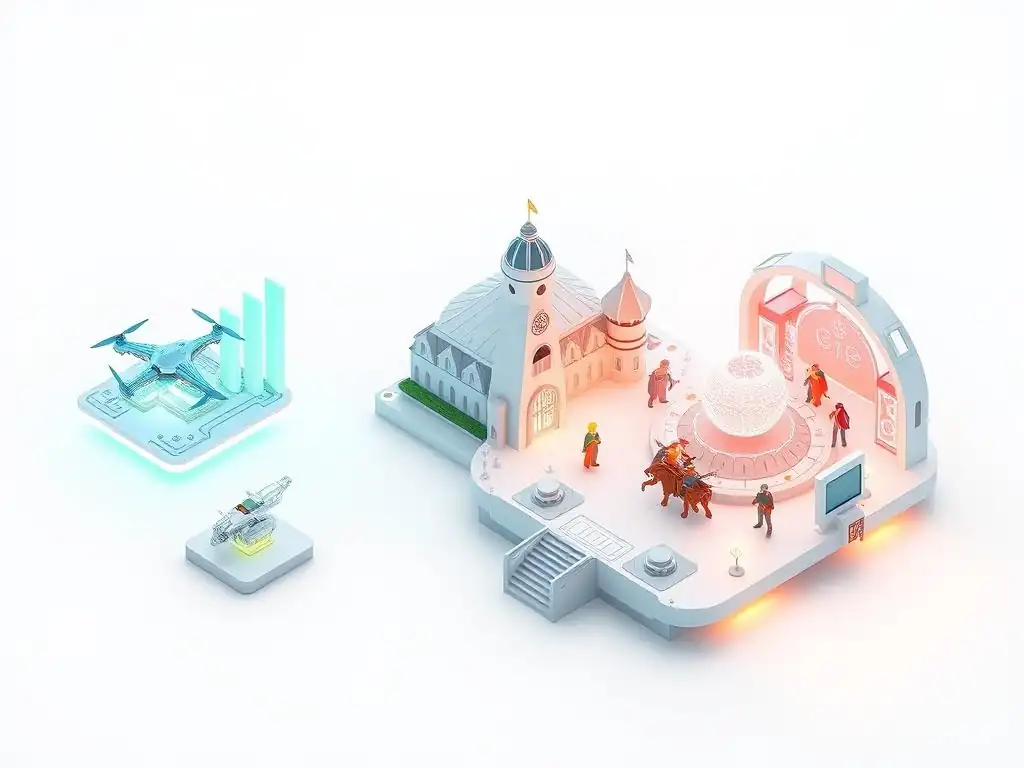
Analyzing the Success of Axie Infinity's Early P2E Model
Axie Infinity stands as a pioneering example of a successful blockchain gaming metaverse project, particularly renowned for its early adoption and popularization of the Play-to-Earn (P2E) model. Its success can be attributed to several key factors. Firstly, Axie Infinity offered a relatively simple and accessible entry point to blockchain gaming, with gameplay mechanics that were easy to understand and engaging for a broad audience, particularly in regions with limited traditional gaming options. The cute and collectible Axie NFTs, reminiscent of Pokémon, also contributed to its widespread appeal.
Secondly, Axie Infinity's P2E model, where players could earn cryptocurrency (Smooth Love Potion - SLP) by playing the game, resonated strongly, especially in developing countries like the Philippines and Venezuela. During its peak, many players in these regions reportedly earned a significant portion of their income through Axie Infinity, highlighting the real-world economic impact of P2E.
However, Axie Infinity's initial tokenomics also faced challenges, including inflationary pressures on SLP and a reliance on new player influx to sustain the P2E economy. Analyzing Axie Infinity's early success and subsequent economic adjustments provides valuable lessons for designing sustainable P2E models in a blockchain gaming metaverse strategy, emphasizing the importance of balanced tokenomics and long-term player retention.
Examining the Strategies of Decentraland's User-Generated Content Ecosystem
Decentraland represents a different approach to the blockchain gaming metaverse, focusing on user-generated content and decentralized ownership of virtual land. Its success lies in empowering users to create, own, and monetize experiences within its virtual world. Decentraland provides tools and infrastructure for users to build on their virtual land parcels (LAND NFTs), creating games, art galleries, virtual stores, social hubs, and a wide range of interactive experiences. This user-generated content ecosystem fosters creativity, innovation, and a sense of community ownership within the metaverse.
Decentraland's decentralized governance structure, through its DAO, further empowers its community. LAND owners can vote on key decisions regarding the platform's development, policies, and economic parameters, ensuring a player-centric and community-driven metaverse. However, challenges remain in curating and moderating user-generated content, ensuring quality and preventing misuse. Examining Decentraland's strategies in building a user-generated content ecosystem and decentralized governance model offers valuable insights for crafting a blockchain gaming metaverse strategy focused on player empowerment, creativity, and community ownership. It highlights the potential and challenges of building open and decentralized metaverse platforms.
Lessons Learned from Leading Blockchain Gaming Metaverse Initiatives
Analyzing leading blockchain gaming metaverse initiatives like Axie Infinity and Decentraland provides valuable lessons for future projects. One key lesson is the importance of balancing engagement and economics. While P2E models can attract players, sustainable tokenomics and gameplay loops are crucial for long-term success. Reliance on unsustainable token inflation or Ponzi-like economics can lead to economic collapses and player churn. Designing gameplay that is intrinsically fun and rewarding, beyond just financial incentives, is essential for player retention.
Another crucial lesson is the importance of community building and decentralization. Empowering players through ownership, governance, and user-generated content fosters a stronger sense of community and long-term engagement. Transparency, open communication, and active community participation are vital for building trust and guiding the metaverse's evolution. Furthermore, security and scalability are paramount concerns. Robust security practices are essential for protecting player assets and preventing exploits, while scalable infrastructure is necessary to support a growing player base and a thriving in-game economy. These lessons, learned from pioneering initiatives, are crucial considerations for developing a successful and sustainable blockchain gaming metaverse strategy.
The Future of Blockchain Gaming Metaverse Strategy: Trends and Predictions
The Evolution of Sustainable Tokenomics and Player Retention Strategies
The future of blockchain gaming metaverse strategy will heavily depend on the evolution of sustainable tokenomics and robust player retention strategies. Early P2E models, while initially successful, often faced challenges with token inflation and economic sustainability. Future games are likely to adopt more sophisticated tokenomic models that balance earning opportunities with mechanisms to control token supply, incentivize long-term holding, and prevent economic exploitation. This may include incorporating deflationary mechanisms, utility-based token burning, staking rewards, and dynamic reward adjustments based on player activity and market conditions.
Player retention will become increasingly critical as the metaverse gaming space becomes more competitive. Games will need to offer engaging and diverse gameplay experiences that go beyond just earning potential. Social features, immersive storytelling, competitive esports integration, and continuous content updates will be essential for keeping players invested and preventing churn. Furthermore, personalized experiences, driven by AI and data analytics, will play a larger role in tailoring gameplay to individual player preferences and maximizing engagement. The focus will shift from simply attracting players with P2E to building long-term, sustainable communities through engaging gameplay, robust economies, and player-centric design.
The Impact of Interoperability and Cross-Platform Gaming Experiences
Interoperability and cross-platform gaming experiences are poised to significantly impact the future of the blockchain gaming metaverse. Currently, most metaverse games operate as isolated silos, with limited or no interoperability between different platforms. However, the vision of a truly open metaverse involves seamless movement of avatars, digital assets, and even game progress across different virtual worlds and gaming platforms. Imagine using your character and collected NFTs from one metaverse game in another, or participating in cross-platform gaming events that span multiple virtual worlds.
Interoperability would unlock significant value for players, increasing the utility and portability of their digital assets and creating a more interconnected and dynamic metaverse ecosystem. It would also foster greater competition and innovation among metaverse platforms, as players would have more freedom to choose and switch between different virtual worlds. Standardization efforts, open protocols, and collaborative initiatives within the blockchain gaming industry are crucial for realizing the potential of interoperability. A forward-thinking blockchain gaming metaverse strategy will prioritize interoperability and cross-platform compatibility, recognizing its potential to create a more open, player-centric, and valuable metaverse gaming experience.
Emerging Technologies Shaping the Next Generation of Metaverse Games
Emerging technologies are continuously shaping the next generation of metaverse games, pushing the boundaries of immersion, interactivity, and scalability. Advancements in VR and AR technologies are making immersive metaverse experiences more accessible and compelling. Haptic feedback technology, which allows players to feel virtual sensations, is enhancing the sense of presence and realism in VR games. Brain-computer interfaces (BCIs), while still in early stages, hold the potential for even more intuitive and immersive metaverse interactions in the future.
AI and machine learning will play an increasingly crucial role in dynamic content generation, personalized experiences, and intelligent NPCs, creating more expansive and engaging metaverse worlds. Cloud gaming and edge computing technologies are addressing scalability challenges, enabling more complex and graphically demanding metaverse experiences to be streamed to a wider audience.
Furthermore, advancements in blockchain technology itself, such as layer-2 scaling solutions and inter-blockchain communication protocols, are paving the way for more scalable, efficient, and interoperable blockchain gaming metaverses. Staying abreast of these emerging technologies and strategically integrating them into a blockchain gaming metaverse strategy is crucial for staying ahead of the curve and delivering cutting-edge gaming experiences.
Investing in the Blockchain Gaming Metaverse: Opportunities and Risks
Identifying Promising Blockchain Gaming Projects with Strong Fundamentals
Investing in the blockchain gaming metaverse presents both significant opportunities and inherent risks. Identifying promising projects with strong fundamentals is crucial for navigating this nascent and volatile market. Key factors to consider when evaluating blockchain gaming projects include the team's experience and track record, the quality and innovation of the gameplay, the sustainability of the tokenomics, the strength of the community, and the project's roadmap and long-term vision. Projects with experienced development teams, engaging and innovative gameplay, well-designed tokenomics, and a strong community are generally considered to have a higher potential for success.
Analyzing the project's whitepaper, tokenomics documentation, and community sentiment is essential due diligence. Looking beyond hype and focusing on fundamental metrics, such as active player base, transaction volume, and developer activity, can provide a more realistic assessment of a project's potential. Furthermore, understanding the project's competitive landscape and its unique value proposition within the broader metaverse gaming ecosystem is important for evaluating its long-term sustainability. A discerning investor in the blockchain gaming metaverse strategy space will prioritize projects with strong fundamentals and a clear path to long-term growth over projects driven solely by hype or unsustainable economic models.
Understanding the Volatility of NFT Markets and Long-Term Value Proposition
Understanding the volatility of NFT markets and the long-term value proposition of blockchain gaming assets is crucial for making informed investment decisions. NFT markets can be highly volatile, with prices fluctuating significantly based on market sentiment, hype cycles, and broader cryptocurrency market trends. NFTs associated with blockchain games are no exception and can experience rapid price appreciation and depreciation. Investing in NFTs solely based on short-term price speculation can be highly risky.
Focusing on the long-term value proposition of NFTs within the context of blockchain gaming is a more prudent investment approach. NFTs that represent in-game assets with real utility, scarcity, and strong community demand are more likely to retain value over time. Furthermore, NFTs from games with sustainable economies, active player bases, and continuous development are generally considered to have a stronger long-term value proposition. Understanding the underlying game, its community, and the utility of the NFTs within the game ecosystem is crucial for assessing the long-term value potential of NFT investments in the blockchain gaming metaverse strategy space.
Due Diligence and Risk Management Strategies for Crypto and NFT Investments
Due diligence and robust risk management strategies are essential for navigating the inherent risks associated with crypto and NFT investments in the blockchain gaming metaverse. Thorough research into projects, teams, tokenomics, and market trends is crucial before making any investment decisions. Diversification across multiple projects can help mitigate risk, as can allocating only a portion of your investment portfolio to high-risk assets like crypto and NFTs. Understanding your own risk tolerance and investment goals is also important for making informed decisions.
Utilizing risk management tools, such as stop-loss orders and portfolio tracking tools, can help manage potential losses and monitor investment performance. Staying informed about market developments, regulatory changes, and security risks within the blockchain gaming metaverse is crucial for proactive risk management.
Furthermore, being aware of common scams and security threats in the crypto and NFT space and adopting best practices for security, such as using secure wallets and being cautious of phishing attempts, is essential for protecting your investments. A responsible investor in the blockchain gaming metaverse strategy space will prioritize due diligence, risk management, and long-term value creation over short-term speculation and hype-driven investments.
Conclusion: Embracing the Immersive Potential of Blockchain Gaming in the Metaverse
The convergence of blockchain technology and the metaverse is ushering in a new era of immersive and player-centric gaming experiences. Blockchain gaming in the metaverse transcends traditional gaming models, offering true digital ownership, decentralized economies, and unprecedented levels of player agency. While challenges remain in areas like scalability, security, and regulation, the opportunities for innovation and growth are immense.
By strategically leveraging immersive technologies, fostering thriving communities, and designing sustainable economies, developers can unlock the full potential of blockchain gaming in the metaverse. For players, this new frontier promises more engaging, rewarding, and ultimately, more immersive gaming experiences. Embracing the immersive potential of blockchain gaming in the metaverse requires a forward-thinking blockchain gaming metaverse strategy that prioritizes player empowerment, community building, and long-term sustainability, paving the way for a future where gaming seamlessly blends with virtual worlds and real-world economies.
Frequently Asked Questions
What is the significance of blockchain gaming in the metaverse?
Blockchain gaming integrates decentralized technologies to enhance player ownership and create unique gaming experiences within the metaverse, fostering a new economy based on digital assets.
How does blockchain technology improve traditional gaming experiences?
By utilizing smart contracts and decentralization, blockchain technology offers players true ownership of in-game assets, reduces fraud, and enhances transparency in transactions.
What are some key benefits of decentralized finance (DeFi) in blockchain gaming?
DeFi provides gamers with opportunities for earning, trading, and investing in in-game assets, allowing for a more dynamic and lucrative gaming economy within the metaverse.
How is regulation impacting blockchain gaming and the metaverse?
Regulatory frameworks are evolving to address challenges in blockchain gaming, such as consumer protection and taxation, ensuring a secure and compliant environment for players and developers.
What is the future outlook for blockchain gaming strategies in the metaverse?
The future of blockchain gaming in the metaverse is promising, with ongoing innovations expected to enhance interactivity, social engagement, and monetization strategies, leading to a more immersive gaming landscape.
Final Reflection: Embracing the Decentralized Game
The journey through the evolving landscape of blockchain gaming within the metaverse reveals a profound shift in how we perceive ownership and interaction in virtual worlds. The convergence of blockchain technology and immersive gaming experiences is not merely a trend, but a foundational change reshaping the future of digital entertainment and economies. This transformation demands a strategic approach, one that prioritizes community, decentralization, and genuine player empowerment.
The impact of blockchain gaming on the cultural and social landscape is already palpable, fostering new forms of digital ownership and collaborative creation. Witnessing the rise of player-owned economies and the democratization of game development has been truly inspiring, highlighting the potential for a more equitable and engaging gaming ecosystem. The metaverse is coming, and it will affect every product, company, and person it touches. The question is, will you be a builder or a bystander?
- Matthew Ball. This quote encapsulates the urgency and opportunity present in this nascent field, urging us to actively participate in shaping its future.
As we stand on the cusp of this immersive future, I invite you to reflect on the power of decentralized ownership and the potential for blockchain gaming to revolutionize not only entertainment, but also our understanding of value and community. Consider how you can contribute to building a more open, equitable, and engaging metaverse, one where players are not just consumers, but active participants in shaping the worlds they inhabit. The future of gaming is decentralized, immersive, and waiting to be built – are you ready to play your part?
Ignite Your Metaverse Journey!
Thank you for exploring the exciting world of blockchain gaming and the metaverse. You now have a solid understanding of how these technologies are coming together to create innovative new experiences. It’s time to get involved and be part of this transformative movement!
- Try Out a Blockchain Game: Choose one that interests you! Explore popular platforms like Decentraland or The Sandbox. Create your avatar, acquire digital assets, and join the community. Hands-on experience is the best way to grasp the potential of this technology.
- Share Your Insights: Tell friends or colleagues about the exciting possibilities in blockchain gaming, or share this article to spread awareness. Let’s inspire more people to join this revolution.
- Discover Emerging Projects: Research upcoming blockchain gaming initiatives on platforms like CoinGecko or DappRadar. You might find the next big project and connect with its passionate community.
What kind of metaverse game are you most eager to see developed, and what unique features would you like it to have? Share your ideas in the comments below!
Leave a Reply