
Enhancing Metaverse Security Through Blockchain Interoperability: Best Practices


Welcome to Blockchain Trends, your compass in the rapidly evolving world of decentralized technology!
Intrigued by how blockchain is reshaping industries beyond digital currencies? Dive in as we explore the transformative potential of this technology, from DeFi innovations to enterprise blockchain solutions and the regulatory landscapes shaping its future.
In this article, we'll unpack crucial blockchain interoperability metaverse security best practices, uncovering actionable strategies to safeguard your metaverse endeavors. Curious to learn how to navigate the complexities and ensure a secure decentralized future? Let's begin!
- Introduction: The Convergence of Metaverse, Blockchain, and Security Imperatives
-
Frequently Asked Questions
- What is blockchain interoperability and why is it crucial for metaverse security?
- How can blockchain technology enhance security within the metaverse?
- What are some best practices for implementing blockchain-based security solutions in the metaverse?
- What role does DeFi (Decentralized Finance) play in securing and powering the metaverse?
- What are some potential regulatory challenges related to blockchain interoperability and metaverse security?
- Final Reflection: Securing the Metaverse's Future
- Ignite Your Metaverse Security Strategy!
Introduction: The Convergence of Metaverse, Blockchain, and Security Imperatives
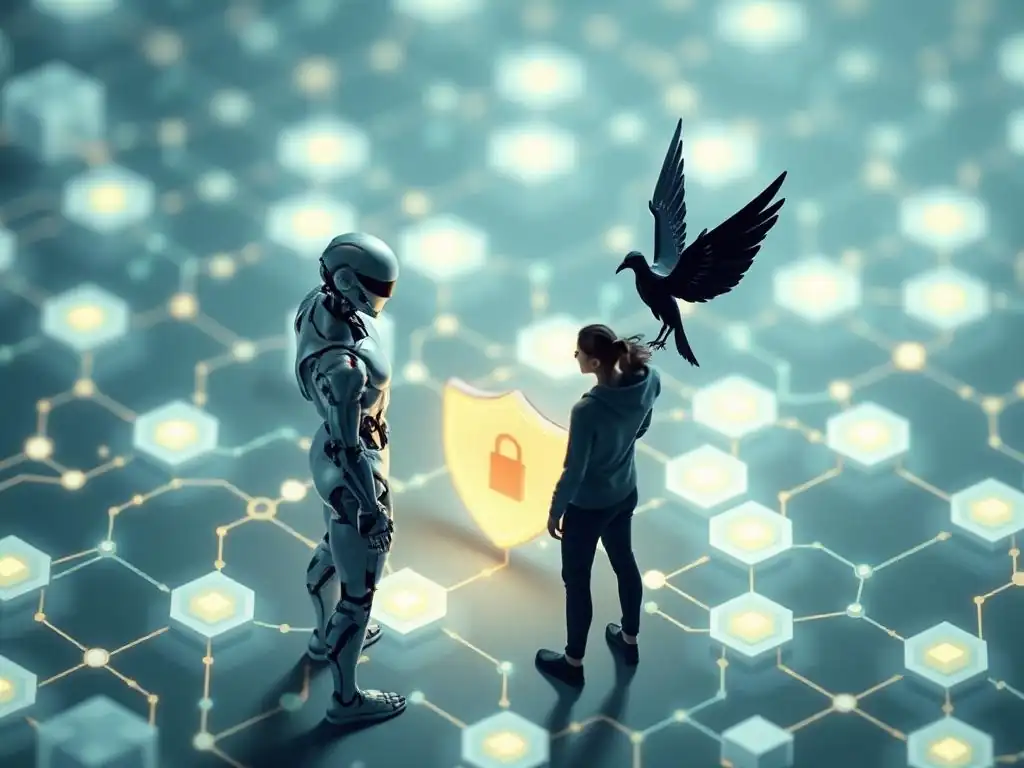
Defining Blockchain Interoperability in the Metaverse Context
Blockchain interoperability, in the context of the metaverse, refers to the ability of different blockchain networks to communicate, share data, and transact with each other seamlessly. Imagine a metaverse composed of various virtual worlds, each potentially built on a different blockchain. Interoperability is the bridge that allows users to move their digital assets, identities, and experiences across these disparate realms without friction.
This is crucial because the metaverse, by its very definition, aspires to be a unified and interconnected digital space. Without interoperability, the metaverse risks becoming fragmented into isolated silos, hindering user experience and limiting the true potential of a decentralized and open virtual world. For instance, a user earning a virtual currency in one metaverse platform should ideally be able to spend it in another, or trade it for assets in a different virtual world – this seamless exchange is enabled by blockchain interoperability.
The concept extends beyond simple asset transfer. It also encompasses the ability for smart contracts and decentralized applications (dApps) running on different blockchains to interact. This opens up possibilities for complex cross-metaverse functionalities, such as decentralized governance spanning multiple virtual worlds or interoperable digital marketplaces that aggregate assets from various platforms.
Consider a scenario where a user creates a digital artwork in a metaverse built on Ethereum and wants to showcase it in another metaverse built on Solana. Blockchain interoperability allows for the verification of ownership and seamless transfer of this digital asset, maintaining its provenance and value across different platforms. This interconnectedness is fundamental to realizing the vision of a truly open and user-centric metaverse.
The Growing Need for Robust Metaverse Security Measures
As the metaverse evolves from a nascent concept to a tangible digital reality, the need for robust security measures is becoming increasingly critical. The metaverse, envisioned as a persistent and immersive virtual environment, will house vast amounts of user data, digital assets, and economic activity. This concentration of value and personal information makes it a prime target for malicious actors.
From identity theft and data breaches to virtual asset theft and fraud, the security risks in the metaverse are substantial and potentially more impactful than those in traditional online environments due to the immersive and deeply integrated nature of metaverse experiences. A single security vulnerability could have cascading effects, impacting not just digital assets but also users' sense of presence, identity, and trust in the metaverse ecosystem.
Furthermore, the decentralized nature of many metaverse initiatives, often leveraging blockchain technology, introduces a unique set of security challenges. While blockchain itself offers inherent security advantages, the complexity of managing decentralized systems, smart contracts, and user-controlled digital assets requires a multi-faceted security approach. The lack of centralized control in decentralized metaverses necessitates robust security protocols at every layer, from individual user wallets to the underlying blockchain infrastructure and the interoperability layers connecting different metaverse platforms.
For example, the increasing popularity of NFTs (Non-Fungible Tokens) within metaverses highlights the need for secure storage and transfer mechanisms to protect ownership and prevent theft. The financial and reputational consequences of security breaches in the metaverse can be severe, underscoring the urgency of prioritizing robust security measures from the outset.
Why Blockchain Interoperability is Key to Metaverse Security
Blockchain interoperability is not merely a feature for seamless user experience; it is a fundamental pillar for enhancing metaverse security. In a fragmented metaverse landscape, where each platform operates in isolation, security vulnerabilities can be amplified and exploited across platforms. Interoperability, when implemented securely, provides a framework for shared security protocols, cross-platform verification, and coordinated threat response.
By enabling different blockchain networks to communicate and share security intelligence, interoperability can create a more resilient and secure metaverse ecosystem overall. Imagine a scenario where a malicious actor is identified attempting to exploit a vulnerability in one metaverse platform. With interoperable security systems, this information can be rapidly shared with other platforms, allowing them to proactively patch vulnerabilities and prevent similar attacks.
Moreover, blockchain interoperability facilitates the implementation of decentralized security solutions that are inherently more robust and resistant to single points of failure. For instance, decentralized identity solutions, enabled by interoperable blockchains, allow users to control their digital identities across multiple metaverse platforms without relying on centralized authorities that can be compromised. Similarly, interoperable smart contracts can be designed to enforce security policies consistently across different virtual worlds, ensuring a uniform level of protection for users and their assets.
By fostering a more interconnected and collaborative security environment, blockchain interoperability is essential for building a trustworthy and secure metaverse that can realize its full potential as a safe and inclusive digital frontier. This proactive approach to security through interoperability is crucial to prevent the metaverse from becoming a fragmented and vulnerable digital space.
Frequently Asked Questions
What is blockchain interoperability and why is it crucial for metaverse security?
Blockchain interoperability refers to the ability of different blockchain networks to communicate and share data with each other. It is crucial for metaverse security because it allows for the secure and verifiable transfer of assets and identities across different metaverse platforms.
How can blockchain technology enhance security within the metaverse?
Blockchain provides immutable record-keeping and decentralized control, making it difficult to tamper with metaverse assets and identities. This enhances security by reducing the risk of fraud, theft, and unauthorized access.
What are some best practices for implementing blockchain-based security solutions in the metaverse?
Best practices include using strong encryption, implementing multi-factor authentication, and adhering to smart contract security audits to prevent vulnerabilities. These practices help to safeguard user data and metaverse assets.
What role does DeFi (Decentralized Finance) play in securing and powering the metaverse?
DeFi can provide decentralized financial services within the metaverse, such as lending, borrowing, and trading of virtual assets. By leveraging blockchain, DeFi ensures the security and transparency of these transactions.
Regulatory challenges include defining jurisdiction, addressing data privacy concerns, and establishing clear guidelines for the use of blockchain technology in the metaverse. These issues need to be addressed to foster a secure and compliant metaverse ecosystem.
Final Reflection: Securing the Metaverse's Future
The exploration of blockchain interoperability for metaverse security isn't just a theoretical exercise; it's a critical imperative for the nascent digital worlds taking shape around us. As we've seen, the fragmented nature of current metaverse platforms presents significant vulnerabilities, and only through robust, interoperable blockchain solutions can we hope to build secure, trustworthy, and truly decentralized virtual experiences. The stakes are high, and the time to act is now.
This journey into the intersection of blockchain and the metaverse has underscored the profound impact these technologies will have on our future. The potential for seamless asset transfer, verifiable identity, and decentralized governance within the metaverse is immense, but it hinges on our ability to address the security challenges head-on. The future of the metaverse depends on building trust, and trust depends on security.
This sentiment resonates deeply, reminding us that without a secure foundation, the promise of the metaverse will remain unfulfilled.
Now, as you step away from this exploration, consider the role you can play in shaping a secure and interoperable metaverse. Reflect on the best practices discussed and how they might be applied in your own projects or organizations. Embrace the challenge of building a future where digital assets are protected, identities are verified, and virtual worlds are truly decentralized. The future of the metaverse is not predetermined; it is being built, brick by digital brick, and your contribution matters.
Ignite Your Metaverse Security Strategy!
Thank you for exploring the importance of blockchain interoperability in securing virtual worlds. We hope this article has provided valuable insights into best practices for protecting digital environments. Now, it's time to put that knowledge into action!
- Start implementing the interoperability solutions discussed to safeguard your virtual assets. Taking that first step is crucial.
- Explore alternative consensus mechanisms to refine your security architecture.
- Share this article with your network to promote a broader discussion on Metaverse security and blockchain interoperability.
What specific interoperability challenges are you encountering in securing your virtual experiences, and how can we collaborate to find effective solutions?
Leave a Reply