
Democratizing Healthcare Data: Blockchain's Potential for Inclusive Access and Innovation


Welcome to Blockchain Trends, your definitive guide to understanding the revolutionary impact of blockchain beyond digital currencies. Are you ready to explore how this technology is reshaping industries and redefining possibilities?
This week, we delve into a critical application: Blockchain healthcare data access. Imagine a future where patients have secure, verifiable control over their medical records, fostering collaboration and accelerating innovation. Discover how blockchain is poised to democratize healthcare data, unlocking unprecedented levels of access and transforming patient care. Read on to learn more and uncover the potential within.
Democratizing Healthcare Data: Blockchain's Potential for Inclusive Access and Innovation
- Introduction: Blockchain's Role in Transforming Healthcare Data Access
- Understanding Blockchain for Healthcare Data Access
-
Use Cases: Blockchain Empowering Healthcare Data Sharing
- Secure and Patient-Centric Electronic Health Records (EHRs) with Blockchain
- Streamlining Clinical Trials and Research Data Management using Blockchain
- Improving Supply Chain Transparency for Pharmaceuticals with Blockchain
- Enhancing Data Interoperability Between Healthcare Providers using Blockchain
- Overcoming Barriers to Blockchain Adoption in Healthcare
- The Future of Blockchain in Healthcare: Inclusive Access and Innovation
- Blockchain Healthcare Data Access: A Comparative Analysis
- Real-World Examples of Blockchain in Healthcare Data Management
- Conclusion: Blockchain as a Catalyst for Democratizing Healthcare Data
-
Frequently Asked Questions
- How can blockchain technology improve healthcare data access?
- What are the main benefits of using blockchain for healthcare data access?
- How does blockchain help democratize healthcare data access?
- What are some potential challenges in implementing blockchain for healthcare data access?
- Besides security, what other opportunities does blockchain present in healthcare beyond healthcare data access?
- Final Reflection: Empowering Health Through Shared Data
- Embrace the Future: Unlock Healthcare's Potential with Blockchain!
Introduction: Blockchain's Role in Transforming Healthcare Data Access
The healthcare industry is grappling with complex challenges related to data management, privacy, and interoperability. Patient records are often fragmented across different systems, making it difficult for both patients and providers to access comprehensive information when and where it is needed most. This fragmentation hinders efficient care delivery, impedes medical research, and limits patient empowerment. The potential for blockchain healthcare data access to revolutionize this landscape is significant, promising a paradigm shift towards more secure, transparent, and patient-centric data ecosystems.
Blockchain technology, traditionally associated with cryptocurrencies, offers unique characteristics that are highly relevant to the healthcare sector. Its distributed, immutable ledger system provides a novel approach to managing sensitive information like health records. By creating a secure and verifiable chain of data transactions, blockchain can address some of the most persistent issues in healthcare data management, paving the way for truly inclusive access and fostering an environment ripe for innovation. Exploring the nuances of how blockchain can facilitate secure and controlled access to healthcare data is crucial for understanding its transformative potential.
The Current Challenges of Healthcare Data Management
Healthcare data is notoriously siloed. Electronic Health Records (EHRs) systems vary widely between hospitals, clinics, and even departments within the same institution. This lack of standardization and interoperability means that a patient's full medical history is rarely available in one place, leading to redundant tests, delayed diagnoses, and suboptimal treatment plans. A 2020 study by the American Hospital Association found that only about 40% of hospitals could exchange data with outside providers, highlighting the persistent barriers to seamless data flow. This fragmentation directly impacts the quality and efficiency of care, increasing administrative burdens and costs.
Beyond interoperability, security and privacy are paramount concerns. Healthcare data is highly sensitive and a prime target for cyberattacks. Data breaches in healthcare are frequent and costly, exposing millions of patient records annually.
The Ponemon Institute's 2021 report on the cost of a data breach indicated that healthcare had the highest average cost per breach, reaching \$9.23 million globally, a figure that underscores the critical need for enhanced security measures. Furthermore, patients often have limited control over who accesses their data and how it is used, creating a power imbalance that undermines trust and restricts the potential for patient-driven data utilization for research or personal health management. Improving blockchain healthcare data access is seen as a potential solution to these profound issues.
Why Blockchain is a Promising Solution for Healthcare Data
Blockchain technology offers inherent features that directly address the challenges of security, privacy, and interoperability in healthcare data management. Its decentralized and immutable nature means that once data is recorded on the blockchain, it cannot be altered or deleted without consensus from the network, providing a high level of data integrity and tamper-proof security. This is particularly valuable for maintaining the accuracy of patient records and ensuring audit trails. Unlike centralized databases that are vulnerable to single points of failure and breaches, a distributed ledger distributes data across multiple nodes, significantly enhancing resilience against cyber threats.
Moreover, blockchain can facilitate fine-grained access control, allowing patients to grant and revoke permissions for who can view their data. This shifts the control of health information from institutions back to the individual, aligning with the principles of patient-centric care. While the data itself (especially large files like medical images) might not be stored directly on the blockchain due to storage and scalability limitations, the blockchain can serve as a secure index or pointer to data stored off-chain, coupled with immutable records of access permissions and transactions.
This model enhances privacy while enabling controlled sharing. By enabling secure and transparent record-keeping and access management, blockchain healthcare data access solutions promise to build a more trustworthy and efficient healthcare ecosystem.
Understanding Blockchain for Healthcare Data Access
Blockchain technology, at its core, is a distributed, immutable ledger that records transactions across many computers. In the context of healthcare, these "transactions" can represent anything from a patient's visit summary to the prescription of a medication or even the recording of vital signs from a wearable device.
Instead of a single database controlled by one entity, the data is shared and synchronized across a network of participants, each holding a copy of the ledger. This distributed nature makes the system highly resistant to manipulation and ensures a high degree of transparency regarding data provenance and access history, which is critical for sensitive health information.
The "blocks" in blockchain are groups of transactions, cryptographically linked together in a chain. Each new block contains a cryptographic hash of the previous block, creating a secure and chronological record. This chaining mechanism, combined with cryptographic signatures for each transaction, ensures that any attempt to alter past data would require recomputing all subsequent blocks, a computationally infeasible task on a sufficiently large network. This inherent security and transparency make blockchain a compelling technology for managing healthcare data access, ensuring that patient information is handled with the utmost integrity and accountability.
What is Blockchain Technology? A Primer for Healthcare Professionals
For healthcare professionals, understanding blockchain begins with grasping its fundamental concepts beyond its association with cryptocurrencies. Think of it as a shared, digital notebook where entries (data records or transactions) are added chronologically. Once an entry is made and verified by the network participants, it's extremely difficult to erase or change it.
This immutability is key in healthcare, where the accuracy and history of a patient's record are paramount for diagnosis and treatment. Unlike traditional databases where an administrator can modify records, altering a blockchain record would require consensus from a majority of the network participants, a process designed to be highly secure and transparent.
The distributed nature means no single entity owns the entire database; copies are held by many. This eliminates a single point of failure, making the system more resilient to cyberattacks and system outages compared to centralized servers. Furthermore, cryptographic techniques, such as hashing and digital signatures, are used to secure the data within each block and verify the identity of participants.
This ensures that data is protected and that only authorized parties, with the appropriate cryptographic keys, can participate in transactions or access data according to pre-defined rules. This architecture provides a robust foundation for secure blockchain healthcare data access, empowering patients with more control over their information.
How Blockchain Ensures Data Security and Integrity in Healthcare
Blockchain enhances data security and integrity in healthcare through several mechanisms. Firstly, the use of cryptographic hashing ensures data integrity. Each block contains a hash of the previous block, creating a chain. If any data within a block is tampered with, the hash of that block changes, breaking the link to the next block and immediately signaling that the data has been compromised. This makes it virtually impossible to alter historical data undetected. This level of tamper evidence is far superior to many traditional database systems, where changes can sometimes be made without a permanent, auditable trail.
Secondly, digital signatures ensure authenticity and accountability. Every transaction or data entry on the blockchain is typically signed by the participant initiating it using their private key. This signature can be verified using the participant's public key, confirming the source of the data and ensuring non-repudiation.
Combined with the distributed nature of the ledger, this creates a highly secure system where data provenance is clear and every action is logged and verifiable across the network. Implementing blockchain healthcare data access solutions leverage these security features to protect sensitive patient information from unauthorized access and modification, addressing some of the most critical vulnerabilities in current healthcare data systems.
Key Benefits of Blockchain for Healthcare Data Accessibility
The primary benefit of blockchain for healthcare data accessibility is the potential to create a single, longitudinal patient record that is accessible across different providers, while still maintaining patient control. Instead of fragmented records residing in disparate systems, a blockchain-based system could act as an index or permission layer allowing authorized parties to access relevant data from various sources.
This seamless interoperability can significantly improve care coordination, especially for patients with chronic conditions or those who receive care from multiple specialists. A 2020 report by Deloitte highlighted that improving data interoperability could save the U.S. healthcare system billions annually by reducing administrative costs and improving efficiency.
Another significant benefit is enhanced patient empowerment. With blockchain, patients can potentially gain granular control over who accesses their health data and for what purpose. They could grant temporary access to a new doctor, share specific data points with researchers for a study, or even monetize their anonymized data in a secure marketplace, all while having a transparent audit trail of every access request and approval logged immutably on the blockchain.
This level of control and transparency is currently lacking in most healthcare systems. Furthermore, improved blockchain healthcare data access can accelerate medical research by providing researchers with secure, permissioned access to larger, more diverse datasets, potentially speeding up the discovery of new treatments and therapies.
Use Cases: Blockchain Empowering Healthcare Data Sharing
The application of blockchain in healthcare data sharing extends beyond just basic record-keeping. Its unique properties make it suitable for several critical use cases that can significantly improve efficiency, security, and trust within the healthcare ecosystem. From managing patient records to tracking pharmaceuticals and facilitating clinical trials, blockchain offers innovative solutions to long-standing problems. These real-world applications demonstrate the tangible benefits of leveraging blockchain technology to enhance healthcare data access and management across various domains within the industry.
The potential use cases span the entire healthcare value chain, from patient registration and consent management to claims processing and supply chain logistics. Each application leverages the core strengths of blockchain – security, transparency, immutability, and decentralization – to create more efficient and trustworthy processes. Exploring these specific examples helps illustrate how blockchain healthcare data access can move from a theoretical concept to practical implementation, driving real improvements in patient care and operational efficiency.
Secure and Patient-Centric Electronic Health Records (EHRs) with Blockchain
One of the most compelling use cases for blockchain in healthcare is the creation of secure, patient-centric Electronic Health Records (EHRs). Instead of storing the entire patient record directly on the blockchain, which is often impractical due to data size and privacy concerns, the blockchain can be used to store encrypted hashes of the data and manage access permissions.
The actual data can reside in various locations (e.g., existing EHR systems, cloud storage), but the blockchain serves as a universal, tamper-proof index and access control layer. When a provider needs access, the patient grants permission via a smart contract on the blockchain, and the transaction is immutably recorded.
This model puts the patient at the center, giving them visibility and control over their data. They can see who has accessed their records, when, and why. Companies like Medicalchain have explored this model, aiming to allow patients to share their health records with healthcare professionals, insurers, or researchers securely using blockchain technology.
This approach addresses the fragmentation issue by providing a unified layer for accessing disparate data sources, while simultaneously enhancing security and privacy through encryption and granular, auditable permission management. The potential for improved blockchain healthcare data access in this context is enormous, promising better coordinated care and increased patient trust.
Streamlining Clinical Trials and Research Data Management using Blockchain
Managing data in clinical trials is complex, involving multiple parties (pharmaceutical companies, research institutions, patients) and requiring strict protocols for data integrity, security, and patient consent. Blockchain can significantly streamline this process by providing a secure, transparent, and immutable platform for recording trial data, patient consent, and study milestones. Every data point, from patient enrollment to adverse event reporting, can be timestamped and recorded on the blockchain, creating an undeniable audit trail that enhances trust and reduces the risk of data manipulation. This is crucial for regulatory compliance and ensuring the validity of trial results.
Furthermore, blockchain can facilitate secure data sharing among authorized researchers while preserving patient anonymity through techniques like pseudonymization and zero-knowledge proofs. Patient consent for data usage can also be managed via smart contracts on the blockchain, giving patients greater control and transparency over how their health information is used in research.
According to a 2021 report by Research and Markets, the global clinical trial data management system market is projected to grow significantly, and blockchain is seen as a technology that can drive this growth by improving data quality and efficiency. Using blockchain healthcare data access in clinical trials can accelerate the development of new treatments by providing researchers with reliable, secure, and auditable data.
Improving Supply Chain Transparency for Pharmaceuticals with Blockchain
Ensuring the authenticity and safety of pharmaceuticals is a global challenge, with counterfeit drugs posing a significant threat to public health. Blockchain can provide end-to-end transparency and traceability throughout the pharmaceutical supply chain, from manufacturing to patient delivery. By recording each transaction – production batch information, serialization data, shipping details, and ownership transfers – on an immutable ledger, blockchain creates a verifiable history for every drug package. This allows stakeholders, including regulators and patients, to track a drug's journey and verify its legitimacy.
Companies like Chronicled and Mediledger have been developing blockchain solutions for pharmaceutical supply chain tracking, aiming to meet regulatory requirements like the U.S. Drug Supply Chain Security Act (DSCSA), which mandates enhanced product tracing. A blockchain-based system can quickly identify the source of counterfeit drugs or track recalls more efficiently, significantly reducing the risk of harmful products reaching consumers. This application of blockchain healthcare data access focuses on product information and ownership history, ensuring that the medications patients receive are safe and authentic, thereby building trust in the supply chain.
Enhancing Data Interoperability Between Healthcare Providers using Blockchain
Interoperability remains a major hurdle in healthcare. Different EHR systems use varied data formats and communication protocols, making it difficult for providers to share patient information seamlessly. Blockchain can act as an interoperability layer or a secure data exchange network, enabling different systems to communicate and share data in a standardized, secure manner. While blockchain itself doesn't solve the problem of data format standardization, it can provide a common infrastructure for secure data exchange and access management across disparate systems.
By using blockchain to manage patient identities and data access permissions, healthcare providers can securely request and receive relevant patient information from other providers who are part of the same blockchain network, with the patient's consent recorded on the ledger. This eliminates the need for complex point-to-point integrations between every single system.
For example, a hospital could query a patient's history from their primary care physician's system via the blockchain network, once the patient grants access. This approach facilitates secure blockchain healthcare data access across organizational boundaries, leading to better coordination of care and a more holistic view of the patient's health journey.
Overcoming Barriers to Blockchain Adoption in Healthcare
Despite the promising potential of blockchain for healthcare data access, several significant barriers hinder its widespread adoption. These challenges range from navigating complex regulatory environments to addressing technical limitations and ensuring that healthcare professionals and patients understand and trust the technology. Overcoming these obstacles requires careful planning, collaboration among stakeholders, and targeted education initiatives.
Addressing these barriers is crucial for realizing the full benefits of blockchain in healthcare. It's not just about the technology itself, but also about integrating it effectively into existing workflows and ensuring it meets the stringent requirements of the healthcare industry. Successfully implementing blockchain healthcare data access solutions depends on proactively tackling these challenges head-on.
Addressing Regulatory Compliance and Data Privacy Concerns (HIPAA, GDPR)
Healthcare data is subject to some of the strictest regulations globally, such as the Health Insurance Portability and Accountability Act (HIPAA) in the United States and the General Data Protection Regulation (GDPR) in Europe. These regulations mandate stringent requirements for data privacy, security, and patient rights, including the right to access, modify, and even erase their data (the "right to be forgotten" under GDPR). While blockchain's immutability is a strength for data integrity, it can pose challenges for the "right to be forgotten," as data recorded on a public blockchain is inherently difficult or impossible to erase.
Solutions involve storing sensitive data off-chain and using the blockchain only for storing encrypted hashes, metadata, and access permissions. This allows the actual sensitive data to be deleted or modified in the off-chain storage while maintaining an immutable, auditable record of transactions and permissions on the blockchain. Furthermore, implementing robust access controls and ensuring compliance with consent management requirements are critical.
Legal and regulatory experts are actively working on interpreting how existing healthcare regulations apply to blockchain technology and developing frameworks that allow for compliant blockchain healthcare data access solutions. Navigating this complex legal landscape is one of the primary challenges for adoption.
Scalability and Interoperability Challenges in Blockchain Healthcare Solutions
While blockchain promises improved interoperability between disparate systems, current blockchain technologies face their own scalability and interoperability challenges. Public blockchains, like Bitcoin or Ethereum, can process a limited number of transactions per second, which might not be sufficient for the high volume of data generated in healthcare. Transaction costs (gas fees) can also be a barrier. Private or permissioned blockchains offer better scalability and control but may sacrifice some degree of decentralization. Choosing the right blockchain architecture (public, private, or consortium) is critical and depends on the specific use case.
Integrating blockchain solutions with existing legacy healthcare IT systems (EHRs, billing systems, etc.) is another significant technical hurdle. These systems were not designed to interact with distributed ledgers. Developing APIs and middleware to enable seamless data exchange between blockchain networks and traditional systems requires significant effort and investment. Furthermore, ensuring that different blockchain networks in healthcare can communicate with each other (inter-blockchain interoperability) is essential for creating a truly connected healthcare data ecosystem. Addressing these technical challenges is vital for widespread blockchain healthcare data access.
Educating Healthcare Professionals on Blockchain Technology
A lack of understanding and awareness about blockchain technology among healthcare professionals is a significant barrier to adoption. Many clinicians and administrators may view blockchain as overly complex, unproven, or solely related to cryptocurrencies. They need to understand how blockchain can specifically benefit their daily workflows, improve patient care, and enhance data security, rather than seeing it as just another disruptive technology. Without proper education, there will be resistance to adopting new blockchain-based systems.
Educational initiatives are needed to explain the fundamental concepts of blockchain, its potential applications in healthcare, and how it differs from traditional systems. Training should focus on the practical benefits, such as improved data security, streamlined administrative processes, and enhanced patient engagement. Building trust in the technology requires demonstrating its reliability and security in real-world healthcare settings. Successfully implementing blockchain healthcare data access depends heavily on buy-in from the healthcare workforce, which necessitates comprehensive and ongoing education.
The Future of Blockchain in Healthcare: Inclusive Access and Innovation
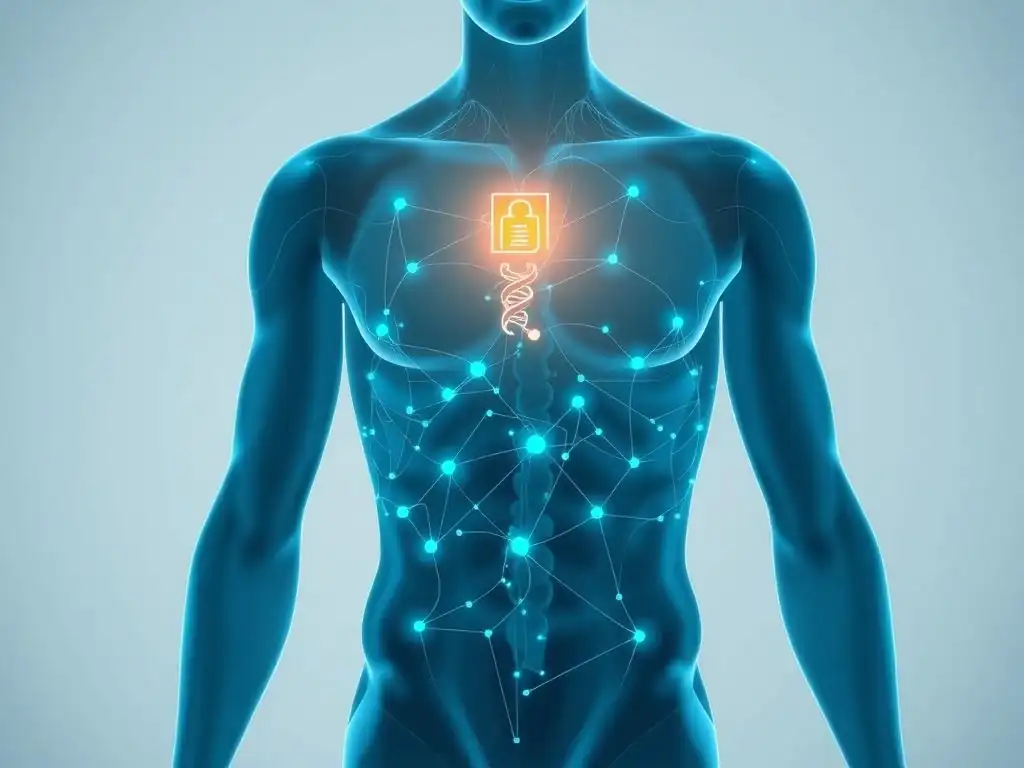
The future of blockchain in healthcare holds immense promise, extending far beyond current applications. As the technology matures and integrates more seamlessly with other emerging technologies like Artificial Intelligence (AI) and the Internet of Medical Things (IoMT), its potential to drive inclusive access and innovation will become even more pronounced. The focus is shifting towards patient empowerment, personalized medicine, and leveraging data for advanced analytics and research.
Envisioning a future where patients have complete control over their health data, can easily share it with trusted parties globally, and contribute pseudonymized data to fuel medical breakthroughs is becoming increasingly feasible with blockchain. The continued development of scalable and interoperable blockchain platforms specifically designed for healthcare, coupled with clearer regulatory guidance, will pave the way for truly transformative applications. Realizing the full potential of blockchain healthcare data access is key to building a more equitable, efficient, and innovative healthcare system for everyone.
Potential Applications of Blockchain in Personalized Medicine
Personalized medicine relies heavily on vast amounts of diverse patient data, including genetic information, lifestyle factors, environmental exposures, and treatment responses. Securely collecting, managing, and sharing this highly sensitive data is crucial for developing tailored therapies. Blockchain can play a vital role by providing a secure and transparent platform for managing access to this complex dataset. Patients could grant specific researchers or clinicians permission to access parts of their genomic data or health history for personalized treatment planning or research into rare diseases.
Furthermore, blockchain can facilitate the secure aggregation of data from various sources, including wearables and genomic sequencing centers, while maintaining patient privacy through pseudonymization and granular access controls. This would enable researchers to build larger, more comprehensive datasets for identifying genetic markers for disease susceptibility, predicting drug responses, and developing highly targeted therapies. The immutable audit trail provided by blockchain ensures that data usage is transparent and compliant with patient consent, fostering trust in the personalized medicine ecosystem. Enhanced blockchain healthcare data access is foundational for unlocking the full potential of personalized medicine.
Decentralized Healthcare Data Marketplaces: Empowering Patients
One exciting future application is the emergence of decentralized healthcare data marketplaces powered by blockchain. In such a marketplace, patients could choose to securely and anonymously share their pseudonymized health data with researchers, pharmaceutical companies, or other interested parties in exchange for compensation or other incentives. The blockchain would manage data access permissions, track data usage, and handle payments via smart contracts, ensuring transparency and control for the patient.
This model flips the traditional power dynamic, where institutions control patient data. It empowers individuals to benefit from the data they generate while providing valuable real-world data for medical research and drug development. Companies like Hu-manity.co are exploring this concept, advocating for individuals' rights to their health data and building platforms that enable data ownership and monetization. Such marketplaces, built on secure blockchain healthcare data access principles, could accelerate medical research by providing access to richer, more diverse datasets than currently available, while also creating new economic opportunities for patients.
The Role of Blockchain in AI-Driven Healthcare Solutions
Artificial intelligence (AI) has the potential to revolutionize healthcare through advanced diagnostics, drug discovery, and personalized treatment recommendations. However, AI models require vast amounts of high-quality, diverse data for training and validation. Accessing this data securely and ethically is a significant challenge. Blockchain can facilitate secure, permissioned access to decentralized healthcare datasets for AI training, while ensuring data integrity and provenance.
Blockchain can be used to track the origin and usage of data used to train AI models, ensuring transparency and accountability. It can also manage consent for data usage in AI applications, giving patients control over whether their data contributes to specific AI projects.
Furthermore, blockchain could potentially be used to verify the integrity and trustworthiness of AI algorithms themselves, by immutably recording audit trails of model development and validation processes. Integrating blockchain healthcare data access with AI can unlock new possibilities for predictive analytics, disease prevention, and ultimately, improve patient outcomes by providing AI with the secure, reliable data it needs to thrive.
Blockchain Healthcare Data Access: A Comparative Analysis
To fully appreciate the value proposition of blockchain in healthcare data management, it's helpful to compare it with traditional systems and analyze its advantages and disadvantages. While blockchain offers unique benefits, it also comes with its own set of complexities and limitations that need careful consideration during implementation.
Understanding the trade-offs is crucial for making informed decisions about where and how to deploy blockchain technology effectively in healthcare. A thorough comparative analysis helps clarify the specific problems that blockchain is best suited to solve and identifies areas where traditional systems might still be more appropriate or require integration with blockchain solutions. Evaluating the potential return on investment (ROI) is also essential for justifying the adoption of new blockchain healthcare data access initiatives.
Comparing Blockchain Solutions with Traditional Data Management Systems
Traditional healthcare data management systems, primarily centralized databases, offer advantages in terms of speed, scalability (in terms of transaction volume), and established infrastructure. They are well-understood and widely deployed. However, they suffer from significant drawbacks regarding security (single points of failure), interoperability (siloed data), transparency (limited audit trails), and patient control (data owned by institutions). Data breaches are a constant threat, and sharing data between systems is often cumbersome and expensive.
Blockchain solutions, conversely, excel in security (immutability, distribution), transparency (auditable ledger), and potential for patient control. Data integrity is inherently higher due to cryptographic linking. While current blockchain implementations may face challenges with raw transaction speed and storage capacity compared to optimized centralized databases, ongoing technological advancements are addressing these limitations.
The fundamental difference lies in the trust model: traditional systems require trust in a central authority, whereas blockchain distributes trust across the network. This distributed trust model is particularly appealing for sensitive healthcare data where multiple parties need to interact securely without necessarily trusting each other implicitly. For secure blockchain healthcare data access, this distributed trust is a key differentiator.
Advantages and Disadvantages of Implementing Blockchain in Healthcare
The advantages of implementing blockchain in healthcare data management are compelling: enhanced security and data integrity, improved transparency and auditability, greater patient control over their data, streamlined data sharing and interoperability (potentially), and increased efficiency in processes like supply chain tracking and claims processing. Blockchain can reduce fraud, improve data quality, and foster a more collaborative healthcare ecosystem. For example, a study by Accenture estimated that blockchain could save the U.S. healthcare industry up to \$100 billion annually by reducing costs associated with data breaches, IT operations, and inefficient processes.
However, there are notable disadvantages. Implementing blockchain solutions can be complex and expensive, requiring specialized expertise. Scalability remains a concern for high-volume transactions, although private and consortium blockchains offer better performance than public ones. Integrating blockchain with existing legacy systems is challenging.
Furthermore, the regulatory landscape is still evolving, creating uncertainty. Data privacy concerns, particularly regarding the "right to be forgotten" and storing sensitive data on-chain, require careful architectural design (e.g., off-chain storage with on-chain indexing). Educating stakeholders and achieving network consensus among diverse healthcare organizations can also be significant hurdles. Despite these challenges, the potential benefits of improved blockchain healthcare data access often outweigh the difficulties for specific use cases.
Assessing the Return on Investment (ROI) of Blockchain Healthcare Solutions
Assessing the ROI of blockchain healthcare solutions requires evaluating both tangible cost savings and intangible benefits. Tangible savings can come from reduced costs associated with data breaches, administrative overhead (e.g., manual data reconciliation), fraud detection (e.g., in claims processing or supply chain), and improved efficiency in processes like clinical trials. For instance, reducing the average cost of a data breach from \$9.23 million could represent a significant ROI. Streamlining clinical trial data management could accelerate drug development timelines, leading to faster market entry and revenue generation.
Intangible benefits, while harder to quantify, are equally important. These include increased patient trust and satisfaction due to greater control over their data, improved quality of care through better data access and interoperability, enhanced regulatory compliance through immutable audit trails, and competitive advantage through innovation.
While initial implementation costs can be high, the long-term savings and improvements in efficiency, security, and patient outcomes can yield a positive ROI. Pilot programs and phased rollouts are often recommended to demonstrate value and refine the solution before widespread deployment, allowing organizations to better assess the specific ROI for their blockchain healthcare data access initiatives.
Real-World Examples of Blockchain in Healthcare Data Management
While still in relatively early stages compared to other industries, blockchain is being explored and implemented in various healthcare settings. These real-world examples provide concrete illustrations of how the technology is being applied to address specific challenges in healthcare data management and access. Examining these case studies helps move the discussion from theoretical potential to practical application and demonstrates the feasibility of leveraging blockchain for healthcare data access.
These examples highlight different approaches to using blockchain, from national-level infrastructure projects to patient-centric platforms. They showcase the diverse ways in which the core properties of blockchain – security, immutability, and transparency – are being utilized to improve data handling within the complex healthcare ecosystem.
Case Study 1: Estonia's Guardtime KSI Blockchain for Healthcare Records
Estonia, a digitally advanced nation, has integrated Guardtime's Keyless Signature Infrastructure (KSI) blockchain technology into its national e-Health system. While not a traditional transaction-based blockchain like Bitcoin, KSI provides a powerful, large-scale data integrity solution. It creates a cryptographically verifiable link to every data record in the healthcare system, ensuring that any unauthorized access or alteration is immediately detected. This system doesn't store the health records themselves on the blockchain but rather cryptographically signs the hashes of the data, creating an immutable integrity check.
Implemented in 2016, this system enhances the security and auditability of the health records of Estonia's 1.3 million citizens. It ensures that the logs of access to patient data by doctors or administrators are verifiable and tamper-proof, significantly increasing trust in the system. This provides a robust layer of security and accountability for sensitive health information managed by the state. The Estonian example demonstrates how blockchain technology, specifically focused on data integrity and auditability, can be successfully implemented at a national scale to secure blockchain healthcare data access and build public trust in digital health services.
Case Study 2: MediBloc's Patient-Centric Healthcare Data Platform
MediBloc is a blockchain-based platform aiming to give patients control over their healthcare data. The platform allows individuals to gather their scattered health records from various providers and store them securely on a decentralized network, with the patient holding the private keys. Patients can then choose to share specific parts of their data with healthcare providers, researchers, or even receive personalized health insights, all while maintaining control and visibility over who accesses their information.
MediBloc leverages a permissioned blockchain architecture to ensure scalability and performance suitable for healthcare data. They are working with various hospitals and clinics in South Korea to integrate their systems with the MediBloc platform, enabling seamless and secure data exchange based on patient consent. The platform provides an audit trail on the blockchain for every data access event, ensuring transparency. MediBloc's approach exemplifies the patient-centric vision of blockchain healthcare data access, empowering individuals and potentially creating a more efficient ecosystem for data sharing and research.
Conclusion: Blockchain as a Catalyst for Democratizing Healthcare Data
Blockchain technology offers a compelling vision for the future of healthcare data management, one that prioritizes security, transparency, and patient empowerment. By providing a secure, immutable, and distributed ledger, blockchain can address many of the fundamental challenges plaguing current healthcare data systems, including fragmentation, security vulnerabilities, and lack of patient control. Its potential to revolutionize how health information is accessed, shared, and utilized is significant, paving the way for a more equitable and innovative healthcare landscape.
Democratizing healthcare data through blockchain means shifting the power dynamic, giving patients more agency over their own health information. It means enabling seamless and secure data flow between authorized parties to improve care coordination and accelerate medical research. While challenges related to regulation, scalability, and adoption remain, the ongoing development of blockchain solutions specifically tailored for healthcare, coupled with increasing industry interest, suggests a future where secure and inclusive blockchain healthcare data access is not just possible, but probable.
The Path Forward: Implementing Blockchain for Accessible and Equitable Healthcare
Implementing blockchain for accessible and equitable healthcare requires a multi-faceted approach. It involves continued technological development to improve scalability and interoperability between blockchain networks and legacy systems. It necessitates collaboration between technology providers, healthcare organizations, regulators, and patients to develop standards and best practices. Pilot programs and phased implementations are crucial for demonstrating the value proposition of blockchain in real-world settings and refining solutions based on practical experience.
Addressing regulatory uncertainties is paramount. Clear guidelines are needed on how existing data privacy regulations apply to blockchain and how blockchain solutions can ensure compliance, particularly regarding data immutability and the right to be forgotten. Education and training for healthcare professionals and the public are also essential to build trust and foster adoption. By focusing on specific, high-impact use cases and working collaboratively to overcome barriers, the healthcare industry can progressively move towards a future where secure and equitable blockchain healthcare data access is a reality, benefiting patients, providers, and researchers alike.
Final Thoughts on Blockchain's Potential to Revolutionize Healthcare Data Access
Blockchain's potential to revolutionize healthcare data access lies in its ability to create a foundation of trust and transparency in how sensitive health information is managed and shared. It offers a powerful alternative to centralized, siloed systems that have proven inadequate in the face of modern security threats and the increasing need for data interoperability. By empowering patients, enhancing data integrity, and streamlining processes, blockchain can contribute significantly to building a more efficient, secure, and patient-centric healthcare ecosystem.
While the journey towards widespread adoption is still underway, the use cases and real-world examples discussed demonstrate that blockchain is more than just a theoretical concept; it is a viable technology with the potential to profoundly impact healthcare. As the technology matures and the industry gains more experience, the benefits of secure and inclusive blockchain healthcare data access will become increasingly evident, ultimately leading to improved health outcomes and a more equitable healthcare system for all.
Frequently Asked Questions
How can blockchain technology improve healthcare data access?
Blockchain offers a secure and transparent way to manage and share medical records. It can create a decentralized and immutable ledger, enabling patients to control who accesses their data.
What are the main benefits of using blockchain for healthcare data access?
Enhanced data security and privacy are major advantages. It also promotes interoperability between different healthcare systems, and empowers patients with greater control over their information.
How does blockchain help democratize healthcare data access?
By providing a patient-centric approach, blockchain allows individuals to grant or revoke access to their health records easily. This reduces reliance on centralized databases and promotes data ownership.
What are some potential challenges in implementing blockchain for healthcare data access?
Scalability and interoperability with existing systems are significant hurdles. Regulatory uncertainties and the need for industry-wide standards also pose challenges.
Besides security, what other opportunities does blockchain present in healthcare beyond healthcare data access?
Blockchain can streamline supply chain management for pharmaceuticals, verify credentials of healthcare professionals, and facilitate secure clinical trials.
The promise of democratized healthcare data access is no longer a futuristic ideal, but a rapidly approaching reality, fueled by the innovative potential of blockchain technology. This article has explored the transformative power of blockchain in healthcare, highlighting its capacity to break down data silos, enhance security, and ultimately, empower individuals with greater control over their health information. The journey towards truly inclusive access is complex, but the potential benefits for patients, researchers, and the healthcare system as a whole are undeniable.
The ongoing shift towards patient-centric care is profoundly impacted by the ability to securely and transparently share healthcare data. This transformation is not merely technological; it represents a fundamental shift in power, placing individuals at the heart of their own healthcare journey. As we navigate this evolving landscape, it's crucial to remember the ethical considerations and ensure that privacy and security remain paramount. The future of healthcare is participatory, predictive, and personalized, and blockchain has the potential to be a key enabler of this vision.
As we stand on the cusp of a new era in healthcare, I invite you to consider your role in shaping this future. Reflect on the potential of blockchain to unlock a wealth of knowledge, improve patient outcomes, and drive innovation. Embrace the opportunity to advocate for responsible data sharing, support initiatives that promote inclusive access, and contribute to a healthcare system that is truly equitable and empowering for all. The power to transform healthcare lies within our collective ability to harness the potential of blockchain for the greater good.
Okay, I'm ready. Here's a CTA for an article titled "Democratizing Healthcare Data: Blockchain's Potential for Inclusive Access and Innovation," for the website "Blockchain Trends" (blockchaintrends.org):
Embrace the Future: Unlock Healthcare's Potential with Blockchain!
Thank you for exploring how blockchain can revolutionize healthcare data access! We hope you've gained valuable insights into the possibilities of a more inclusive and innovative healthcare ecosystem. Now, let's put that knowledge into action.
Here's how you can contribute to this exciting movement:
- Dive Deeper: Research blockchain-based healthcare projects already underway and identify areas where you can contribute your skills or expertise.
- Spread the Word: Share this article with your network to spark discussions and raise awareness about blockchain's transformative power in healthcare.
- Consider Learning Solidity: If you are technically inclined, consider taking an introductory course to Solidity, the main programming language used to build smart contracts on Ethereum.
Ready to be a part of the blockchain revolution in healthcare? What specific project or area of improvement excites you the most, and how can you see yourself getting involved?
Leave a Reply