
The Psychology of NFT Gaming: Why Digital Scarcity Drives Player Engagement

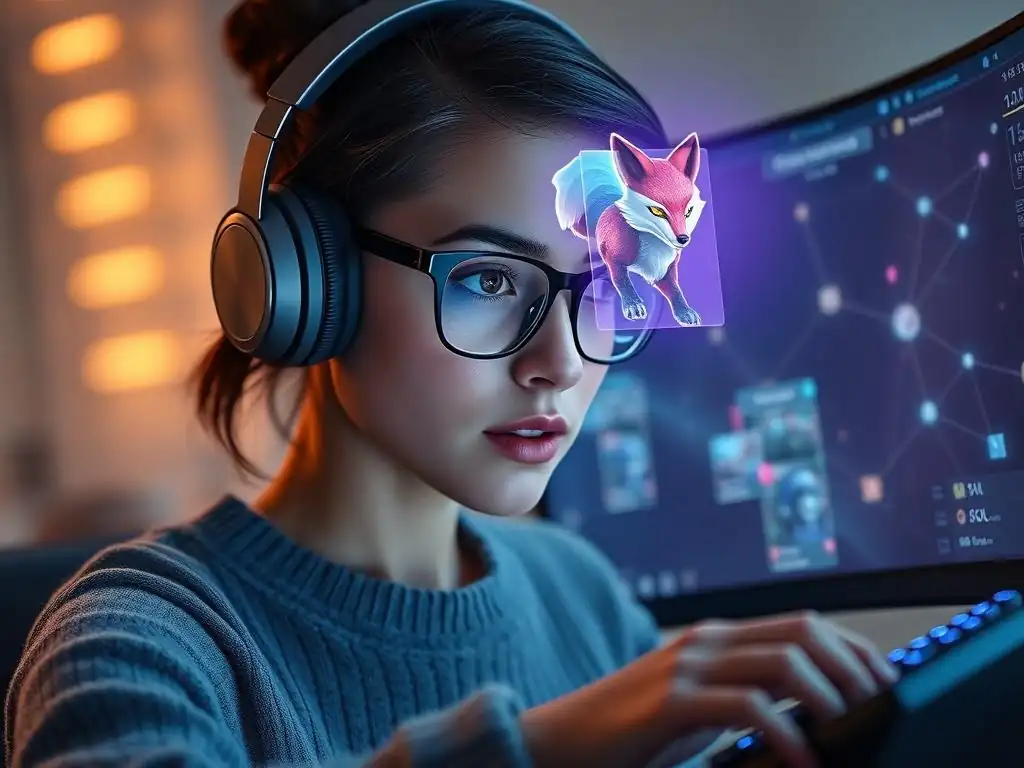
Welcome to Blockchain Trends, your compass in the ever-evolving world of decentralized innovation. Dive into the transformative power of blockchain, far beyond the headlines, as we explore its impact on industries and the future it's forging. Curious about how digital ownership is reshaping the gaming landscape? This article unravels the fascinating NFT gaming psychology engagement, revealing why digital scarcity and true ownership are fueling unprecedented player involvement. Discover the hidden motivations behind the boom in NFT gaming and how these insights could shape the future of entertainment.
The Psychology of NFT Gaming: Driving Engagement Through Digital Ownership
- Introduction: NFT Gaming and Player Motivation
- Psychological Factors Influencing NFT Gaming Engagement
- Neuroscience of NFT Gaming: Reward Systems and Validation
- Comparing Engagement: NFT vs. Traditional Gaming
- Addressing Potential Psychological Concerns
- The Future: Trends and Predictions
- Conclusion: Psychology's Role in NFT Gaming Success
-
Frequently Asked Questions
- What is the fundamental psychological principle driving engagement in NFT gaming?
- How does the concept of "ownership" influence player behavior in NFT games?
- How does the potential for financial gain affect player engagement in NFT gaming?
- Are there any negative psychological effects associated with NFT gaming?
- How can game developers leverage the psychology of NFT gaming to create more engaging experiences?
- Final Reflection: The Enduring Allure of Digital Ownership
- Dive Deeper: Unlock Your NFT Gaming Potential!
Introduction: NFT Gaming and Player Motivation
The Growth of NFT Gaming and its Effect on Player Engagement
The intersection of blockchain technology and gaming has given rise to NFT gaming, a sector experiencing exponential growth. In 2021, NFT games generated over \$2.3 billion in revenue, signaling a significant shift in the gaming landscape. This growth is not merely financial; it's intrinsically linked to a fundamental change in player engagement.
Traditional gaming models often rely on extrinsic rewards like points, badges, or in-game currency with limited real-world value. NFT gaming, however, introduces a paradigm shift by offering players true digital ownership, transforming the very nature of player motivation and engagement. This new model taps into deeper psychological drivers, fostering a more profound connection between players and games.
The rise of play-to-earn (P2E) models, although debated for long-term sustainability, undeniably highlights the enhanced engagement observed in NFT gaming. Consider games like Axie Infinity, which, at its peak in late 2021, boasted over 2.7 million daily active players globally. While the P2E aspect certainly contributed, the underlying appeal lies in the psychological draw of owning and controlling in-game assets as NFTs. This sense of ownership, absent in traditional gaming, directly impacts player investment – not just of time, but also emotionally and financially – leading to heightened and potentially more sustainable engagement.
Defining NFT Gaming: Ownership and Blockchain Technology
NFT gaming fundamentally differs from traditional gaming through the integration of Non-Fungible Tokens (NFTs) and blockchain technology. In essence, NFT games utilize blockchain to represent in-game assets – characters, items, land, and more – as unique, verifiable digital tokens. These NFTs are not mere in-game entities confined to the game's ecosystem; they exist on the blockchain, granting players true ownership and control. This means players can own, trade, sell, or even transfer their in-game assets outside the game's environment, in open marketplaces.
Unlike traditional in-game items that are centrally controlled by game developers, NFTs offer decentralization and scarcity. Each NFT's ownership and transaction history are immutably recorded on the blockchain, ensuring transparency and verifiable scarcity. For example, if a game issues a limited edition sword as an NFT, there's cryptographic proof of its limited supply, enhancing its perceived and potentially real value. This ownership is not just a technical detail; it's a psychological cornerstone of NFT gaming, shifting the player's role from a user to a digital asset owner within the game world.
Fundamental Principles of Player Motivation in Games
Understanding the psychology of NFT gaming requires revisiting fundamental principles of player motivation in games. Traditionally, game motivation is categorized into intrinsic and extrinsic factors. Intrinsic motivation stems from the inherent enjoyment of the game itself – the challenge, the narrative, the sense of mastery.
Extrinsic motivation, on the other hand, comes from external rewards – points, achievements, social recognition. Classic examples of intrinsic motivation include the satisfaction of solving a complex puzzle in a game like Portal 2 or the immersive narrative experience in The Witcher 3. Extrinsic motivation is seen in leaderboard rankings in competitive games or cosmetic rewards earned in games like Fortnite.
NFT gaming introduces a new dimension to player motivation, arguably blending intrinsic and extrinsic elements in novel ways. While the core gameplay must still be intrinsically engaging, the addition of NFT ownership layers on a powerful extrinsic motivator tied to real-world value and digital ownership. This is not just about earning points or virtual badges; it's about accumulating assets that have tangible value, can be traded, and represent a player's investment in the game. This blend of traditional game motivations with the novel element of digital asset ownership is key to understanding the unique psychology of NFT gaming engagement.
Psychological Factors Influencing NFT Gaming Engagement
Digital Ownership and Scarcity: Core Principles
Value Creation Through Scarcity in NFT Games
Digital ownership and scarcity are foundational psychological principles driving engagement in NFT gaming. Scarcity, in particular, is a potent psychological trigger. When items are limited, they become more desirable and valuable in the eyes of consumers. This principle, well-established in economics and marketing, translates directly to NFT games. By design, many NFT games feature in-game assets with limited supply, cryptographically enforced by the blockchain. For instance, a game might release only 10,000 unique character NFTs, or a limited number of plots of virtual land.
This scarcity creates inherent value. Consider CryptoPunks, one of the earliest NFT projects. Initially given away for free, their limited supply of 10,000 and their historical significance in the NFT space have driven their value to astronomical levels, with some selling for millions of dollars. In NFT games, this scarcity can be applied to weapons, characters, land, and cosmetic items. The knowledge that an in-game asset is rare and finite significantly enhances its perceived value, motivating players to acquire and retain these scarce digital possessions, thus boosting engagement.
The Influence of FOMO (Fear of Missing Out)
Closely linked to scarcity is the powerful psychological phenomenon of FOMO, or Fear of Missing Out. In the context of NFT gaming, FOMO is amplified by the limited nature of digital assets and the potential for their value to appreciate. When players see others acquiring rare and valuable NFTs, especially if those NFTs are perceived as necessary for gameplay advantage or future profit, FOMO kicks in. This creates a powerful urge to participate and acquire similar assets to avoid being left behind.
NFT game developers strategically leverage FOMO through limited-time NFT drops, exclusive pre-sales, and announcements of upcoming rare items. For example, a game might announce a sale of a limited edition hero character NFT, available only for a short period. This creates a rush to purchase, driven by the fear that these NFTs will become unavailable and potentially increase in value later. FOMO, therefore, acts as a significant driver of player engagement and participation in NFT gaming economies, encouraging players to actively engage with the game and its marketplace.
Empowerment and Control Through NFT Ownership
Psychological Impact of Asset Ownership
The psychological impact of asset ownership is profound and deeply rooted in human nature. Owning something, whether physical or digital, provides a sense of control, security, and personal agency. In traditional gaming, players may invest countless hours and even real money in in-game items, yet they never truly own these assets. The game company retains ultimate control, and in-game items can be altered, removed, or become worthless if the game shuts down. NFT gaming flips this power dynamic. By granting players ownership of in-game assets as NFTs, it empowers them in a way traditional gaming cannot.
This ownership fosters a stronger psychological connection to the game. Players are no longer just consumers of a game experience; they become digital property owners within that world. This sense of ownership can lead to increased feelings of investment, both emotionally and financially. Players are more likely to be invested in a game where their efforts and achievements translate into tangible, tradable assets they control. This psychological empowerment is a key differentiator and a significant driver of engagement in NFT gaming.
Player Investment and Engagement as Stakeholders
When players own in-game assets as NFTs, they transition from being mere users to becoming stakeholders in the game's ecosystem. This stakeholder mentality profoundly impacts player engagement. Traditional players are consumers; their investment is primarily time and potentially money spent on in-game purchases with limited resale value. NFT game players, however, are investors. Their in-game assets have real-world value, and their success in the game can directly translate to financial gains.
This sense of being a stakeholder fosters a deeper level of engagement and commitment. Players are more likely to be invested in the long-term success of the game because their own digital assets' value is tied to the game's overall health and popularity. They become active participants in the game's economy and community, motivated to contribute to its growth and sustainability. This stakeholder mentality, driven by NFT ownership, creates a fundamentally different and often more robust form of player engagement compared to traditional gaming models.
Collectibility and Rarity: Appealing to Collectors
The Appeal of Unique NFTs
Collectibility is a deeply ingrained human trait, and NFT gaming taps directly into this psychological appeal. Humans have a natural inclination to collect, categorize, and display items, be it stamps, coins, or trading cards. NFTs, with their inherent uniqueness and verifiable scarcity, are perfectly suited for digital collectibility. Each NFT is unique, identifiable on the blockchain, and can possess distinct attributes and rarities. This inherent uniqueness is a powerful draw for collectors.
The appeal of unique NFTs lies in their individuality and the sense of possessing something distinct and rare. In NFT games, this translates to unique characters, items, or even virtual land plots that stand out from the common assets. The rarity of these NFTs, often explicitly stated and verifiable, further enhances their desirability. This collector's appeal is a significant driver of engagement, motivating players to seek out, acquire, and showcase these unique digital collectibles within and beyond the game environment.
Building Community Through Collectibles
Collectibles, especially in the digital realm of NFT gaming, serve as powerful tools for building community. Shared interests in collecting specific NFTs or sets of NFTs create common ground and foster social interaction among players. NFT games often incorporate social features that allow players to showcase their collections, trade NFTs with each other, and participate in community events centered around collecting.
For example, a game might host events where players can earn or win rare NFTs, fostering competition and collaboration within the community. Online forums and communities dedicated to specific NFT games often thrive on discussions about collecting strategies, rare finds, and the value of different NFTs. The act of collecting, sharing, and trading NFTs creates a sense of shared identity and belonging, strengthening community bonds and increasing player retention and engagement within the NFT gaming ecosystem.
Neuroscience of NFT Gaming: Reward Systems and Validation
Exploring Reward Loops in NFT Gaming
NFT Rewards and Neurochemical Responses
NFT gaming, like traditional gaming, leverages reward loops to drive engagement, but with a neurochemical twist. Traditional games use points, in-game currency, and virtual items as rewards, which trigger dopamine release in the brain's reward system, reinforcing gameplay behavior. NFT gaming amplifies this effect by adding the dimension of real-world value to these rewards. When a player earns an NFT reward in a game, the neurochemical response is likely more pronounced because the reward isn't just a virtual trinket; it's a potentially valuable digital asset.
The anticipation of receiving an NFT reward, the thrill of opening an NFT loot box, or the satisfaction of selling an NFT for profit all trigger dopamine release. Furthermore, the variable rarity and potential appreciation in value of NFTs introduce an element of gambling-like excitement, further stimulating the reward system. While research is still emerging in this specific area, it's plausible that the tangible and potentially financial nature of NFT rewards intensifies the neurochemical reward response compared to purely virtual rewards, leading to potentially stronger engagement and habit formation in NFT gaming.
Impact of Randomness on Engagement
Randomness is a well-established engagement mechanic in gaming, and it plays a significant role in NFT games, particularly in NFT drops and loot box mechanics. The unpredictable nature of random rewards, like receiving a rare NFT from a loot box, is highly engaging. This is because randomness triggers the release of dopamine in anticipation of a potential reward, even before the reward is revealed. This anticipatory dopamine response is a key factor in the addictive nature of loot boxes and similar randomized reward systems.
In NFT gaming, randomness is often employed in NFT pack openings, where players purchase packs of NFTs with varying rarities and probabilities of obtaining valuable items. The element of chance, combined with the potential for financial gain from rare NFTs, creates a powerful engagement loop. Players are motivated to continue engaging with these systems, hoping to "hit the jackpot" and obtain a highly valuable NFT. While effective for engagement, the use of randomness in NFT rewards also raises ethical considerations regarding potential gambling-like mechanics and the need for responsible game design.
Status and Recognition Through NFT Display
Social validation is a fundamental human need, and NFT gaming provides new avenues for players to achieve status and recognition within online communities. In traditional gaming, status might be displayed through leaderboard rankings, in-game achievements, or cosmetic items visible within the game world. NFT gaming expands these avenues by allowing players to display their NFT collections not just within the game but also across various online platforms, including social media and dedicated NFT marketplaces.
Owning and displaying rare or valuable NFTs becomes a status symbol within the NFT gaming community and beyond. NFT profile pictures on social media platforms, showcasing valuable or unique NFTs, are increasingly common, signaling status and wealth in the digital realm. This public display of NFT ownership provides social validation and recognition, motivating players to acquire and curate impressive NFT collections, further enhancing their engagement with NFT games and the broader NFT ecosystem.
Social Comparison and Competition
Social comparison and competition are powerful drivers of human behavior, and NFT gaming inherently incorporates these elements. Players naturally compare their NFT collections and in-game achievements to others, driving competition and the desire to acquire more valuable and impressive assets. NFT marketplaces and social platforms facilitate this social comparison by publicly displaying NFT collections and transaction histories.
The public nature of NFT ownership allows for direct social comparison of collection value and rarity. Players compete to acquire the rarest and most valuable NFTs, driven by the desire to outcompete their peers and achieve higher social standing within the community. This competitive element, fueled by social comparison, further intensifies player engagement in NFT gaming, motivating players to actively participate in the game's economy and community to build impressive and valuable NFT collections.
Comparing Engagement: NFT vs. Traditional Gaming
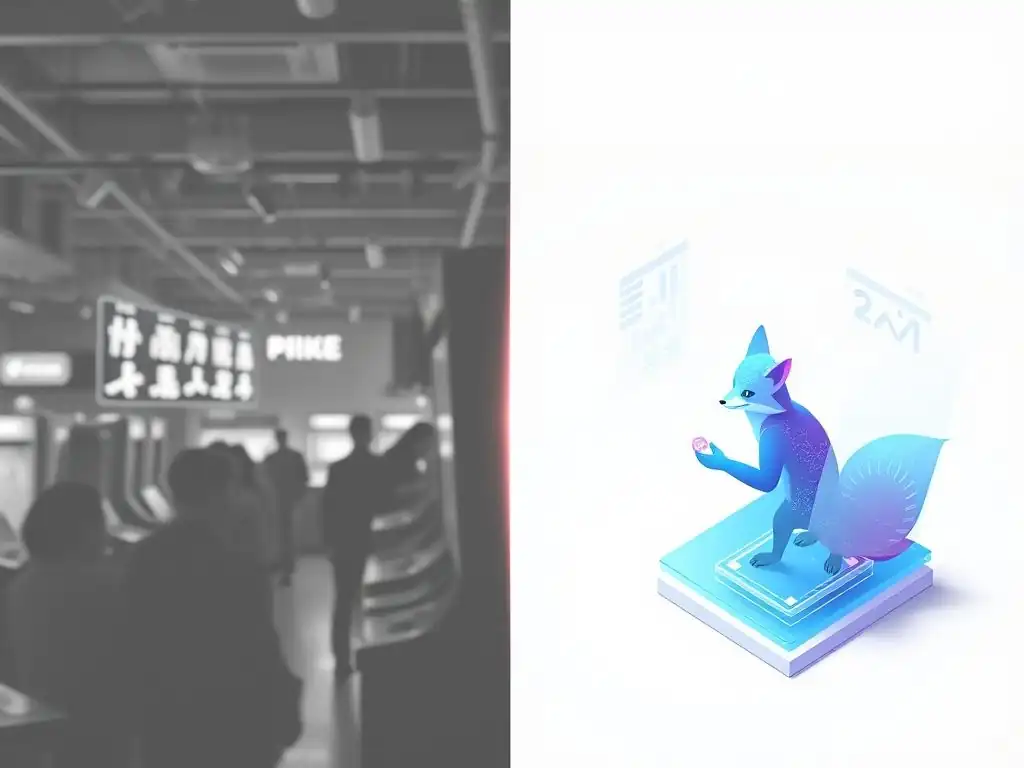
Limitations of Traditional Models
Traditional gaming models, while successful, face inherent limitations in fostering long-term player engagement, particularly concerning ownership and player agency. In traditional games, players are essentially renters of their in-game assets. Despite investing time and money, they have no real ownership or control over these digital items. Game developers retain ultimate authority, and in-game economies are often centralized and susceptible to developer interventions or game closures. This lack of ownership can lead to a sense of disposability and diminished long-term engagement.
Furthermore, traditional gaming models often lack true player agency in the game's economy. Players primarily consume content and participate in a developer-controlled economy. While some games offer in-game trading or marketplaces, these are typically confined within the game's boundaries and lack real-world value or interoperability. This limited agency can restrict player motivation and engagement, especially for players seeking more control and ownership over their gaming experience.
How NFTs Address Traditional Gaming Issues
NFTs directly address the limitations of traditional gaming models by introducing digital ownership and decentralization. By representing in-game assets as NFTs on a blockchain, players gain true ownership and control. They can trade, sell, or transfer their NFTs outside the game's ecosystem, fostering a sense of digital property rights and enhanced player agency. This ownership fundamentally shifts the player-game relationship, transforming players from renters to digital asset owners.
NFTs also introduce decentralization, reducing reliance on centralized game developers. While developers still create and manage the game, the ownership and transaction of in-game assets are governed by the blockchain, offering greater transparency and security. This decentralization can enhance player trust and long-term engagement, as players are less reliant on the game company's decisions and more in control of their digital assets. NFTs, therefore, offer a solution to the ownership and agency limitations of traditional gaming, potentially leading to more sustainable and engaging gaming experiences.
Case Studies: Player Retention in Specific NFT and Traditional Games
Directly comparing player retention rates between NFT and traditional games with precise, publicly available data is challenging due to the relative novelty of NFT gaming and varying data transparency. However, we can analyze trends and approximate comparisons based on available information and case studies. Traditional massively multiplayer online role-playing games (MMORPGs) often see significant player drop-off within the first few months. For example, a study analyzing player retention in traditional free-to-play games found that on average, only around 20% of players are retained after day 30.
In contrast, some early NFT games have shown potentially higher initial retention, although long-term data is still developing. Axie Infinity, despite fluctuations, maintained a significant player base for an extended period, driven by its P2E model and NFT ownership aspects. While its peak daily active users have decreased from 2.7 million, it still retains a substantial community.
Splinterlands, another early NFT trading card game, has also demonstrated consistent player activity and engagement, partly attributed to its NFT-based economy. While these are not direct statistical comparisons under controlled conditions, these examples suggest that the psychological drivers of NFT ownership and potential earnings can contribute to potentially different, and in some cases, initially higher engagement and retention patterns compared to purely traditional gaming models. Further rigorous, long-term studies are needed to definitively quantify these differences.
Addressing Potential Psychological Concerns
Addiction and Overspending Risks
The psychological drivers that make NFT gaming engaging also carry potential risks, particularly concerning addiction and overspending. The combination of reward loops, scarcity, FOMO, and the potential for financial gain can be highly addictive for some individuals. The ease of access to NFT marketplaces and the 24/7 nature of online gaming exacerbate these risks. Players may become excessively preoccupied with NFT games, neglecting other aspects of their lives, and engage in compulsive spending in pursuit of rare or valuable NFTs.
The variable reward schedules and potential for financial returns in NFT gaming can trigger similar addictive patterns observed in gambling. The psychological pressure to "keep up" with the market, driven by FOMO, can lead to impulsive and excessive spending on NFTs, potentially resulting in financial strain and debt. Game developers and players alike need to be aware of these potential risks and promote responsible gaming practices within the NFT gaming space.
Mitigating Exploitation Risks
NFT gaming, while offering potential benefits, also presents new avenues for exploitation. The financial incentives inherent in P2E models and NFT trading can attract malicious actors seeking to exploit players. "Pump and dump" schemes, where NFT prices are artificially inflated and then crashed, can harm unsuspecting investors. Furthermore, the novelty of the NFT space and the complexity of blockchain technology can make players vulnerable to scams and phishing attacks targeting their digital wallets and assets.
Mitigating these exploitation risks requires a multi-faceted approach. Game developers should prioritize transparency, build robust security measures, and avoid manipulative game mechanics that exploit psychological vulnerabilities. Players need to educate themselves about NFT security, practice caution when interacting with NFT marketplaces, and be wary of overly aggressive or unrealistic investment promises. Community vigilance and reporting of suspicious activities are also crucial in combating exploitation within the NFT gaming ecosystem.
Promoting Responsible Gaming
Promoting responsible gaming is paramount in the burgeoning NFT gaming space to mitigate potential psychological and financial harms. Game developers should implement features that encourage responsible play, such as spending limits, time management tools, and clear warnings about the risks of addiction and overspending. Transparency regarding NFT drop rates, probabilities in loot boxes, and the inherent volatility of NFT markets is also crucial.
Player education is equally important. Resources and guides should be readily available to inform players about the risks and benefits of NFT gaming, responsible financial management, and strategies for avoiding scams and exploitation. Community moderation and support systems can also play a vital role in fostering a responsible gaming environment, where players can share experiences, seek help, and support each other in maintaining healthy gaming habits. Promoting responsible gaming practices is essential for the long-term sustainability and ethical development of the NFT gaming industry.
The Future: Trends and Predictions
Evolving Player Engagement in Blockchain Gaming
Player engagement in blockchain gaming is poised for significant evolution. As the technology matures and game design becomes more sophisticated, we can expect to see more nuanced and engaging experiences beyond the initial focus on P2E models. Future blockchain games are likely to integrate NFTs more seamlessly into core gameplay loops, moving beyond simple asset ownership towards deeper utility and dynamic in-game interactions.
We may see the rise of "play-and-own" models, where the emphasis shifts from solely earning to enjoying engaging gameplay while still benefiting from digital ownership and potential asset appreciation. Expect to see innovations in NFT interoperability, allowing assets to be used across multiple games and metaverses, further enhancing their utility and value. The evolution of player engagement in blockchain gaming will likely be driven by a focus on creating genuinely fun and rewarding experiences, leveraging the unique psychological drivers of NFT ownership and community to foster long-term player commitment.
Potential for Personalized Experiences
NFT gaming holds immense potential for personalized gaming experiences, leveraging blockchain technology and player-owned data. NFTs can represent not just in-game assets but also player identity, reputation, and achievements across different games and platforms. This could lead to personalized game worlds that adapt to individual player preferences and histories, creating more immersive and tailored experiences.
Imagine games that dynamically adjust difficulty based on a player's NFT-verified skill level, or personalized narratives that unfold based on a player's NFT collection and in-game choices. NFT-based avatars and identities could allow players to carry their unique digital personas across various games and metaverses, creating a more persistent and personalized gaming experience. The future of NFT gaming may see a move towards hyper-personalization, driven by player-owned data and the versatile nature of NFTs.
Ethical Considerations in Development
As NFT gaming continues to evolve, ethical considerations in development must be at the forefront. Developers need to prioritize fair and transparent game economies, avoiding manipulative mechanics that exploit player psychology or create unsustainable P2E models. Addressing concerns around environmental impact, particularly regarding energy consumption of certain blockchains, is also crucial. Exploring more energy-efficient blockchain solutions and sustainable NFT practices will be essential for the long-term ethical viability of NFT gaming.
Furthermore, ethical development requires a focus on player well-being and responsible gaming. Implementing measures to mitigate addiction risks, protect players from scams and exploitation, and promote inclusivity and accessibility are paramount. The future of NFT gaming hinges on developers adopting ethical principles and prioritizing player welfare alongside innovation and profitability.
Conclusion: Psychology's Role in NFT Gaming Success
Key Insights: NFT Gaming Psychology
NFT gaming's success is deeply intertwined with psychology. The core drivers of engagement stem from fundamental human desires for ownership, scarcity, collectibility, social validation, and reward. NFTs tap into these psychological principles by offering true digital ownership, creating scarce and unique assets, fostering communities around collecting, providing avenues for social status, and amplifying reward loops through tangible value. Understanding these psychological drivers is crucial for both game developers seeking to create engaging NFT games and players navigating this evolving landscape.
The psychology of NFT gaming is complex and multifaceted, encompassing both positive engagement drivers and potential risks. While NFTs offer exciting new possibilities for player empowerment and immersive gaming experiences, it's essential to acknowledge and address the potential for addiction, overspending, and exploitation. A balanced approach, prioritizing responsible game design, player education, and ethical development, is key to harnessing the positive psychological aspects of NFT gaming while mitigating its potential harms.
Future Blockchain and NFT Gaming Trends
The future of blockchain and NFT gaming is bright and brimming with potential. We can anticipate further evolution of player engagement models, moving towards more personalized and immersive experiences. NFT interoperability, play-and-own models, and decentralized gaming ecosystems are likely to become increasingly prevalent. Ethical considerations will become even more critical, shaping the development and adoption of blockchain gaming technologies. Ultimately, the long-term success of NFT gaming will depend on its ability to leverage the power of psychology to create genuinely engaging, rewarding, and ethically sound gaming experiences for players worldwide.
Frequently Asked Questions
What is the fundamental psychological principle driving engagement in NFT gaming?
The core principle is digital scarcity combined with ownership. Players are more engaged when they perceive assets as unique and truly belonging to them.
How does the concept of "ownership" influence player behavior in NFT games?
Ownership fosters a sense of investment and personalization. Players are more likely to actively participate and strategize within the game, knowing their assets have real-world value.
How does the potential for financial gain affect player engagement in NFT gaming?
The possibility of financial reward through trading or selling NFTs adds a layer of extrinsic motivation. This can significantly boost player retention and active participation.
Are there any negative psychological effects associated with NFT gaming?
Yes, potential downsides include FOMO (Fear Of Missing Out), addiction, and the risk of financial loss. Players need to be aware of these risks and practice responsible gaming habits.
How can game developers leverage the psychology of NFT gaming to create more engaging experiences?
Developers can focus on creating meaningful utility for NFTs within the game, building strong community engagement, and ensuring fair and transparent tokenomics to foster trust and long-term investment.
Final Reflection: The Enduring Allure of Digital Ownership
The exploration of NFT gaming psychology engagement reveals a fundamental truth about human nature: we crave ownership and recognition, regardless of the medium. The digital realm, once considered ephemeral, now offers tangible, verifiable scarcity through NFTs, fueling a new era of player engagement that transcends traditional gaming models. This shift isn't just about collecting; it's about belonging, contributing, and shaping virtual worlds in ways previously unimaginable.
The rise of NFT gaming has profoundly impacted the cultural landscape, blurring the lines between entertainment, investment, and community. This intersection is particularly fascinating because it taps into our innate desire for self-expression and social connection within a digital context. The best products don't do things for people, they do things with people.
- Joe Gebbia, Co-founder of Airbnb. This quote perfectly encapsulates the power of NFT gaming, where players are not just consumers but active participants in a shared ecosystem, co-creating value and experiences.
As we stand at the cusp of this digital revolution, let us reflect on the implications of digital ownership and the power of community. Consider how you can embrace the principles of NFT gaming – scarcity, ownership, and collaboration – in your own life, whether it's supporting creators, building meaningful connections, or simply appreciating the value of digital assets. The future of engagement is here, and it's waiting for you to shape it.
Dive Deeper: Unlock Your NFT Gaming Potential!
Thank you for exploring the fascinating world of NFT gaming and how digital scarcity fuels player engagement. Now that you understand the psychological factors at play, it's time to take action!
Here are a few steps you can start with today:
- Begin exploring NFT games! Find a game with a compelling in-game economy and an active community. Platforms dedicated to NFT marketplaces are great places to start your search. This is your primary step—get involved!
- Share this article with fellow gamers and crypto enthusiasts to spark discussions about the future of gaming and digital ownership. Let’s build a knowledgeable community!
- Consider attending a virtual or in-person blockchain gaming event to connect with developers and players and experience the latest innovations firsthand.
What unique NFT gaming experience are you most excited to explore, and why? Share your thoughts in the comments below!
Leave a Reply