
Supply Chain Finance for Small Businesses: Blockchain's Inclusive Approach


Welcome to Blockchain Trends, your gateway to understanding the revolutionary impact of blockchain technology!
Are you ready to unlock the power of blockchain beyond the headlines? This isn't just about crypto; it's about reshaping industries. Dive into our exploration of how blockchain is empowering blockchain supply chain finance small businesses, creating more equitable and efficient systems. Discover the possibilities and the future that awaits. What opportunities are emerging for small businesses in a decentralized world? Read on to find out!
Supply Chain Finance for Small Businesses: Blockchain's Inclusive Approach
- Introduction: Empowering Small Businesses with Blockchain Supply Chain Finance
- Understanding Supply Chain Finance (SCF) and Its Importance for Small Businesses
- Blockchain's Role in Democratizing Supply Chain Finance
- Blockchain-Based SCF Platforms: Real-World Applications
- Benefits of Blockchain SCF for Small Businesses: A Detailed Look
- Overcoming Challenges and Implementing Blockchain SCF for Small Businesses
- The Future of Blockchain Supply Chain Finance for Small Businesses
- Conclusion: Blockchain Supply Chain Finance - A Path to Financial Inclusion for Small Businesses
-
Frequently Asked Questions
- What is supply chain finance and how can blockchain help small businesses access it?
- How does blockchain technology improve transparency in supply chain finance for small businesses?
- What are the potential benefits of using blockchain in supply chain finance for small businesses compared to traditional methods?
- What are some of the regulatory challenges and considerations surrounding the use of blockchain in supply chain finance?
- How can small businesses get started with implementing blockchain-based supply chain finance solutions?
- Final Reflection: Empowering Small Businesses Through Transparency
- Ignite Your Supply Chain Potential!
Introduction: Empowering Small Businesses with Blockchain Supply Chain Finance
Small businesses are the backbone of many economies, yet they often face significant hurdles in accessing timely and affordable financing. Supply chain finance (SCF) offers a potential lifeline, allowing businesses to unlock the value of their invoices and improve cash flow. However, traditional SCF models often favor larger corporations, leaving small and medium-sized enterprises (SMEs) on the periphery. This is where blockchain technology emerges as a transformative force, promising to democratize access to supply chain finance for small businesses. By leveraging blockchain's inherent properties, a more inclusive and efficient SCF ecosystem can be built.
Blockchain supply chain finance for small businesses represents a significant shift from legacy systems. It introduces a decentralized, transparent, and secure way for SMEs to participate more effectively in global supply chains and gain better control over their working capital. This article explores the challenges SMEs face in traditional SCF, how blockchain addresses these issues, real-world applications, benefits, and the future potential of blockchain-enabled SCF for fostering financial inclusion among small enterprises.
The Challenges Faced by Small Businesses in Traditional Supply Chain Finance
Small businesses frequently encounter substantial obstacles when attempting to utilize traditional supply chain finance solutions. One primary challenge is the reliance on manual, paper-based processes which are slow, error-prone, and costly. These inefficiencies create delays in invoice verification and payment, directly impacting an SME's cash flow stability. Furthermore, the lack of transparency in traditional systems makes it difficult for small suppliers to track the status of their invoices or understand financing terms fully, leading to uncertainty and potential disputes.
Another major barrier is the stringent eligibility criteria often imposed by traditional financial institutions offering SCF. These institutions typically prefer working with large, established anchor buyers and their Tier 1 suppliers, who have robust credit histories and high transaction volumes. Small businesses, particularly those further down the supply chain (Tier 2, 3, or beyond), often lack the required credit profile or transaction history to qualify for favorable SCF terms, or sometimes, any terms at all. This financial exclusion limits their growth potential and ability to invest in operations or innovation.
How Blockchain Technology is Revolutionizing SCF for SMEs
Blockchain technology brings a paradigm shift to supply chain finance for small businesses by creating a single, shared, and immutable ledger of transactions. This distributed ledger eliminates the need for intermediaries in certain processes, reducing costs and increasing speed. By tokenizing invoices or purchase orders on a blockchain, these assets become easily verifiable and transferable, making them more attractive for financing.
The inherent transparency of blockchain allows all authorized parties in a supply chain – from the anchor buyer to the smallest supplier – to view the status of a transaction or invoice in near real-time. This dramatically reduces disputes and builds trust. Furthermore, the secure and immutable nature of blockchain records significantly lowers the risk of fraud, making it safer for funders to provide financing against verifiable supply chain assets originating from small businesses. This enhanced security and transparency directly contribute to making blockchain supply chain finance for small businesses a more viable and accessible option.
Understanding Supply Chain Finance (SCF) and Its Importance for Small Businesses
Supply Chain Finance (SCF) refers to a set of financial solutions that optimize the management of working capital for businesses involved in a supply chain. It typically involves a finance provider (like a bank or fintech company) paying a supplier's invoice early at a discount, based on the creditworthiness of the anchor buyer rather than the supplier. This allows suppliers to access cash quickly, while the buyer often gets extended payment terms.
For small businesses, effective SCF is crucial for several reasons. It provides much-needed liquidity, enabling them to cover operational expenses, invest in inventory, or take on larger orders without straining their cash reserves. Improved cash flow stability reduces reliance on expensive short-term loans and can lead to better relationships with their own suppliers. Ultimately, access to SCF can be a significant factor in a small business's ability to grow, innovate, and remain competitive in a global market.
What is Supply Chain Finance? A Definition
Supply Chain Finance encompasses techniques that allow parties in a supply chain to optimize their working capital by leveraging the strength of the overall supply chain relationship. At its core, SCF involves financing transactions that occur between buyers and sellers within a supply chain. The most common form is reverse factoring, where the buyer approves the supplier's invoice, and a finance provider then pays the supplier early at a discount, collecting the full amount from the buyer later.
Other forms include dynamic discounting, where the buyer offers a discount for early payment using their own capital, and supplier finance, which is more akin to traditional factoring where the supplier sells their receivables. The key differentiator of SCF, particularly reverse factoring, is that the financing is based on the credit risk of the larger, more creditworthy buyer, making it potentially more accessible and cheaper for the supplier, especially small businesses.
The Benefits of SCF for Small Business Growth and Sustainability
For small businesses, the benefits of accessing supply chain finance are substantial and directly impact their ability to grow and sustain operations. Access to early payment, even at a slight discount, dramatically improves cash flow. This allows them to pay their own suppliers on time (potentially securing better terms), meet payroll obligations, and invest in essential resources like raw materials or equipment.
Consider a small manufacturing firm that typically waits 60-90 days for payment from a large corporate buyer. Accessing SCF could allow them to receive payment within days of invoice approval, significantly shortening their cash conversion cycle. This improved liquidity reduces their reliance on high-interest overdrafts or loans, lowering their overall financing costs and freeing up capital that can be reinvested into the business, supporting innovation and expansion.
Traditional SCF Models: Limitations and Barriers to Entry for SMEs
Traditional supply chain finance models, while effective for large corporations, present several limitations and significant barriers to entry for small and medium-sized enterprises. These models often require complex onboarding processes and integration with legacy systems, which can be prohibitively expensive and time-consuming for smaller firms with limited IT resources. The infrastructure needed to manage traditional SCF programs is often centralized and tailored to high-volume transactions with large anchor buyers.
Furthermore, the cost structure of traditional SCF can be less favorable for smaller, lower-value invoices typical of transactions involving SMEs. Finance providers may have minimum transaction sizes or require high volumes to make the service economically viable, effectively excluding many small businesses. The opaque nature of these systems also means that small suppliers may not have visibility into the approval process or the true cost of financing, adding another layer of difficulty.
Blockchain's Role in Democratizing Supply Chain Finance
Blockchain technology is uniquely positioned to address many of the limitations of traditional SCF and democratize access, particularly for small businesses. By providing a decentralized, transparent, and tamper-proof ledger, blockchain streamlines processes, reduces reliance on intermediaries, and builds trust among participants who may not have established relationships. This inherent structure makes blockchain supply chain finance for small businesses a powerful tool for inclusion.
The ability to create a shared, real-time record of supply chain transactions means that verified events – such as goods received or invoices approved – can instantly trigger financing opportunities. This automation, often facilitated by smart contracts, removes manual bottlenecks and accelerates the financing process. This speed and efficiency are crucial for small businesses that operate with tight margins and need quick access to funds.
Blockchain Technology: A Secure and Transparent Solution for SCF
Blockchain technology offers a fundamentally secure and transparent infrastructure for supply chain finance. Every transaction recorded on the blockchain is cryptographically secured and linked to the previous one, forming an immutable chain. Once a transaction is recorded, it cannot be altered or deleted without the consensus of the network participants, making it highly resistant to fraud and manipulation.
Transparency is another key feature. While privacy can be maintained through permissioned blockchains or data encryption, the existence and status of verified transactions (like an approved invoice) can be visible to relevant parties in the network. This shared visibility eliminates information asymmetry, allowing finance providers to have greater confidence in the underlying assets being financed and enabling small businesses to track their invoices and payments in real-time. This security and transparency build the foundation for trust, a critical component often lacking in traditional cross-border or multi-tier supply chains.
Key Features of Blockchain for Supply Chain Finance: Immutability, Transparency, and Security
The core features of blockchain technology – immutability, transparency, and security – are particularly relevant and beneficial for supply chain finance, especially for small businesses. Immutability ensures that once a transaction (like an invoice approval) is recorded on the ledger, it cannot be changed, providing a reliable audit trail for all parties and reducing the risk of fraudulent invoices being financed. This permanence increases confidence for funders.
Transparency, within defined permissions, allows participants (buyer, supplier, finance provider) to see the agreed-upon terms and the status of a transaction. This shared, single source of truth reduces disputes and streamlines communication. Security, provided by cryptographic hashing and the distributed nature of the ledger, protects against tampering and unauthorized access. Together, these features create a robust and trustworthy environment, lowering the perceived risk for financing transactions involving small businesses that might otherwise be considered higher risk in traditional systems.
Reducing Risk and Enhancing Trust in Supply Chain Transactions with Blockchain
Blockchain significantly reduces risk and enhances trust in supply chain transactions, which is particularly advantageous for facilitating blockchain supply chain finance for small businesses. By providing a verifiable and immutable record of events – such as the issuance of a purchase order, the shipment of goods, or the approval of an invoice – blockchain minimizes the potential for errors or fraud. Finance providers can rely on the validated data on the ledger when deciding to finance an invoice, reducing their exposure.
Furthermore, the transparency built into blockchain platforms allows all parties, including small suppliers, to have visibility into the transaction lifecycle. This visibility fosters trust by ensuring that agreed-upon terms are being followed and that approvals are processed promptly. For small businesses dealing with large buyers or complex, multi-national supply chains, this enhanced trust and reduced risk profile can be the difference between accessing affordable finance and being excluded from the market.
Blockchain-Based SCF Platforms: Real-World Applications
Blockchain-based supply chain finance platforms are moving beyond theoretical discussions into practical applications across various industries. These platforms leverage the distributed ledger to create more efficient, transparent, and accessible financing ecosystems. While widespread adoption is still growing, pilot programs and live implementations demonstrate the tangible benefits, particularly for integrating smaller players into the financial flows of large supply chains.
These applications showcase how blockchain can facilitate the tokenization of supply chain assets, automate processes through smart contracts, and provide finance providers with richer, more reliable data to assess risk. This increased efficiency and data availability are key to lowering the cost of financing and making it viable for transactions involving small businesses, ultimately expanding the reach of supply chain finance for small businesses.
Agriculture: Enhancing Transparency and Traceability in Farm-to-Consumer Supply Chains
In the agriculture sector, blockchain is being used to enhance transparency and traceability from the farm to the consumer. This has direct implications for supply chain finance for small businesses, such as individual farmers or small cooperatives. Platforms can record data points like planting, harvesting, processing, and shipment on the blockchain. This creates a verifiable history for the produce.
For example, a platform might track coffee beans from a small farm in Colombia to a roaster in Europe. Each step is recorded. When the beans are shipped, the farmer's invoice can be uploaded and linked to the immutable transaction history. This verifiable record of origin and movement provides finance providers with confidence in the authenticity of the underlying asset (the coffee shipment) being financed. One pilot program involving agricultural commodities reported reducing the time to finance from several weeks to just a few days by using a blockchain platform to verify shipments and invoices.
Retail: Improving Payment Terms and Access to Capital for Suppliers
The retail sector, with its complex network of manufacturers, distributors, and stores, is another area benefiting from blockchain SCF. Small suppliers to large retailers often face long payment cycles, sometimes exceeding 90 or 120 days. Blockchain platforms can streamline the invoice approval process and facilitate faster financing.
A blockchain solution can connect a large retailer's procurement system with its network of suppliers and finance providers. When a small apparel manufacturer delivers goods and submits an invoice, the retailer can verify receipt and approve the invoice on the blockchain. This approval triggers the availability of financing options.
Finance providers on the network can then offer early payment to the small supplier based on the retailer's creditworthiness, with the transaction details recorded transparently on the ledger. This allows the small manufacturer to access funds within days, significantly improving their working capital compared to waiting months for the retailer's standard payment term.
Manufacturing: Streamlining Invoice Processing and Reducing Disputes
Manufacturing supply chains, often global and multi-tiered, generate vast numbers of invoices and purchase orders, leading to complex reconciliation processes and frequent disputes, particularly affecting smaller component suppliers. Blockchain-based platforms can significantly streamline these processes.
By tokenizing purchase orders and invoices on a blockchain, and linking them to verifiable events like goods receipt or quality checks, the entire process becomes more efficient. For instance, a small auto parts supplier to a major car manufacturer can upload their invoice to a blockchain platform. Once the manufacturer confirms receipt of the parts and approves the invoice on the chain, this immutable record is instantly available to finance providers.
This automation reduces manual checks and the likelihood of discrepancies, cutting down on invoice processing time from weeks to potentially hours. This efficiency gain directly benefits the small supplier by accelerating their access to financing and reducing the administrative burden associated with resolving payment disputes.
Benefits of Blockchain SCF for Small Businesses: A Detailed Look
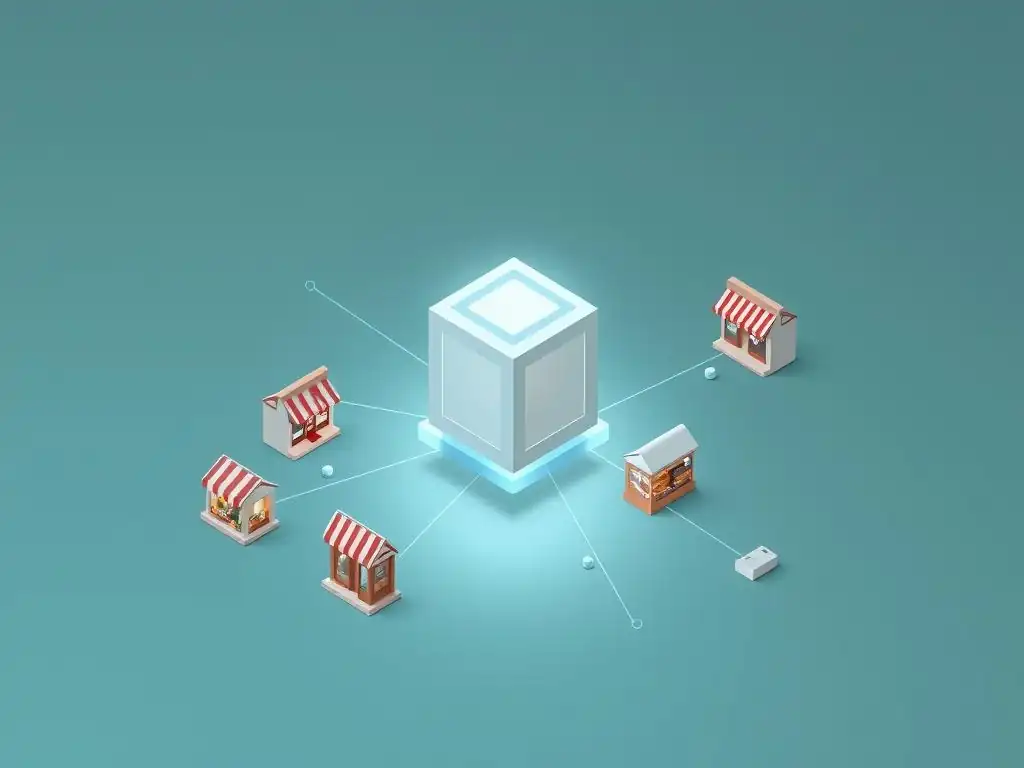
Blockchain supply chain finance offers a suite of compelling benefits specifically tailored to address the historical disadvantages faced by small businesses in accessing working capital. These advantages stem directly from the core properties of blockchain technology – its transparency, security, efficiency, and decentralized nature. By removing traditional barriers and creating a more level playing field, blockchain SCF can significantly improve the financial health and operational capabilities of SMEs.
From gaining access to financing that was previously unavailable to reducing the costs associated with managing cash flow, the impact of blockchain supply chain finance for small businesses is potentially transformative. These benefits extend beyond mere financial transactions, fostering greater trust and collaboration within the entire supply chain ecosystem.
Improved Access to Financing for SMEs
One of the most significant benefits of blockchain supply chain finance for small businesses is dramatically improved access to financing. Traditional SCF often relies heavily on the supplier's credit rating, which can be poor or non-existent for small firms. Blockchain platforms, however, can leverage the creditworthiness of the anchor buyer by providing verifiable proof of an approved invoice or purchase order linked to that buyer.
By tokenizing these assets on a secure, transparent ledger, they become more attractive and less risky for a wider range of finance providers, including banks, fintech companies, and alternative funders. This increased pool of potential funders leads to more competitive financing rates. For example, a small logistics company previously unable to get SCF might now access it based on their contract and approved invoices from a creditworthy large retailer, unlocking liquidity at potentially lower rates than traditional business loans or factoring based solely on their own credit.
Reduced Costs and Increased Efficiency in Supply Chain Operations
Implementing blockchain supply chain finance for small businesses can lead to substantial reductions in operational costs and significant increases in efficiency. The automation enabled by smart contracts eliminates many manual tasks associated with invoice processing, verification, and payment reconciliation. This reduces administrative overhead and the potential for human error.
Consider the cost of processing a single invoice. In traditional systems, this can involve printing, mailing, data entry, verification calls, and reconciliation, costing anywhere from $15 to $40 per invoice according to various industry estimates. A blockchain platform can automate verification and trigger payment or financing requests instantly upon pre-defined conditions being met (e.g., goods received confirmation), drastically reducing these costs. The streamlined process also frees up valuable time for small business owners and employees to focus on core business activities rather than chasing payments.
Enhanced Transparency and Traceability in Transactions
Blockchain's inherent transparency and traceability provide unprecedented visibility into supply chain transactions for all authorized participants. For small businesses, this means they can track the status of their invoices and payments in real-time on an immutable ledger. This eliminates the uncertainty and frustration often associated with waiting for payments or resolving discrepancies in traditional systems.
A small component supplier, for instance, can see exactly when their shipment was received by the buyer, when the invoice was approved, and when the financing payment was initiated. This level of traceability builds trust and allows the small business to manage its cash flow more accurately. Furthermore, the immutable record serves as a reliable audit trail, reducing disputes and providing clear evidence in case of disagreements.
Streamlined Payment Processes and Faster Settlement Times
A key promise of blockchain supply chain finance for small businesses is the streamlining of payment processes and achieving significantly faster settlement times. By linking verified supply chain events (like delivery confirmation) directly to financial transactions via smart contracts, the time from invoice approval to payment or financing can be dramatically reduced.
Instead of waiting 30, 60, or even 90+ days for a buyer's standard payment cycle, or enduring lengthy manual verification processes for traditional factoring, a small business using a blockchain SCF platform could potentially receive financing within hours or a day of the buyer approving an invoice on the chain. This acceleration of cash flow is critical for small businesses operating on tight margins and allows them to reinvest funds back into the business much faster.
Mitigation of Counterparty Risk in Small Business Supply Chains
Counterparty risk – the risk that a party to a transaction will default on their obligations – is a significant concern in supply chains, particularly for small businesses dealing with larger, more powerful buyers or multiple unknown entities. Blockchain technology helps mitigate this risk through transparency, immutability, and the use of smart contracts.
By recording all relevant transaction details and approvals on an immutable ledger, blockchain provides a high degree of certainty about the validity of the underlying asset (the approved invoice or purchase order). Finance providers financing these assets have greater confidence because the record cannot be tampered with. Furthermore, smart contracts can automate payment triggers based on verified events, reducing the risk of delayed or missed payments due to human error or intentional delay. This reduced risk profile makes it safer and more attractive for finance providers to engage in blockchain supply chain finance for small businesses.
Overcoming Challenges and Implementing Blockchain SCF for Small Businesses
While the potential benefits of blockchain supply chain finance for small businesses are significant, successful implementation requires addressing several key challenges. These challenges range from technical hurdles like scalability and integration to broader concerns around regulation, data privacy, and the need for widespread adoption across supply chain participants.
Overcoming these obstacles requires careful planning, collaboration among network participants, and the development of robust, user-friendly platforms. Addressing these issues systematically is crucial for realizing the full potential of blockchain supply chain finance for small businesses and ensuring it becomes a truly inclusive financial tool.
Addressing Scalability Concerns in Blockchain SCF Solutions
Scalability is a major concern for any blockchain network aiming to handle the potentially massive volume of transactions generated by global supply chains, especially when including numerous small businesses. Public blockchains like Bitcoin or Ethereum (pre-Eth 2.0) have historically faced limitations in transaction throughput and speed, which can be prohibitive for high-frequency SCF operations.
However, newer blockchain technologies and layer-2 scaling solutions are being developed to address this. Permissioned blockchains, designed for enterprise use, often offer higher transaction speeds and lower costs than public chains. Solutions like Hyperledger Fabric or Corda are built with scalability in mind. Additionally, techniques like sharding, state channels, and off-chain processing are being explored and implemented to increase the capacity of blockchain networks to handle the volume required for widespread blockchain supply chain finance for small businesses.
Ensuring Regulatory Compliance in Blockchain Supply Chain Finance
Navigating the complex and evolving regulatory landscape is critical for implementing blockchain supply chain finance solutions. Financial regulations, Know Your Customer (KYC), Anti-Money Laundering (AML) rules, and data privacy laws (like GDPR) must be strictly adhered to. The decentralized and borderless nature of blockchain can sometimes complicate compliance efforts.
Platforms offering blockchain supply chain finance for small businesses must incorporate robust identity verification processes for all participants (buyers, suppliers, funders) to meet KYC/AML requirements. They must also ensure data handling practices comply with regional data protection laws, potentially using techniques like data encryption, off-chain storage for sensitive personal data, and permissioned access controls on the blockchain itself. Collaboration with regulators and industry bodies is essential to develop clear guidelines and standards for blockchain-based SCF.
Data Privacy and Security Considerations for SMEs in Blockchain SCF
While blockchain offers inherent security through cryptography and immutability, data privacy remains a key consideration, particularly for small businesses sharing sensitive transaction data. Not all supply chain data needs to be visible to everyone, and businesses need assurance that commercially sensitive information is protected.
Platforms must implement strong data security measures beyond the core blockchain. This includes encryption of data both in transit and at rest, secure storage for any off-chain data, and strict access controls to the blockchain ledger itself, especially in permissioned networks. Small businesses need to understand what data is being shared on the blockchain, who has access to it, and how their privacy is being protected. Designing platforms with granular permissioning ensures that parties only see the information necessary for their role in the supply chain finance process.
Interoperability and Integration with Existing Systems
A significant challenge in implementing blockchain supply chain finance for small businesses is ensuring interoperability with existing legacy systems used by buyers, suppliers, and financial institutions. Many large corporations and SMEs rely on enterprise resource planning (ERP) systems, accounting software, and traditional banking interfaces that were not designed to interact with blockchain networks.
Successful blockchain SCF platforms must offer robust APIs (Application Programming Interfaces) and connectors to facilitate seamless integration with these disparate systems. This allows data to flow smoothly between traditional databases and the blockchain ledger without requiring small businesses to completely overhaul their existing IT infrastructure. Achieving broad interoperability is crucial for driving adoption and making blockchain supply chain finance for small businesses practical and accessible on a large scale.
The Future of Blockchain Supply Chain Finance for Small Businesses
The trajectory of blockchain supply chain finance for small businesses points towards a future where access to working capital is more equitable, efficient, and integrated into the flow of goods and services. Emerging trends, the increasing sophistication of smart contracts, and the potential convergence with Decentralized Finance (DeFi) are set to further enhance the capabilities and reach of blockchain-enabled SCF solutions.
As the technology matures and adoption grows, blockchain supply chain finance for small businesses is poised to become a standard part of the global financial infrastructure, empowering SMEs to participate more fully in the global economy. The focus will likely shift towards creating interconnected, permissioned networks that offer a range of financing options tailored to the specific needs of small enterprises within different supply chains.
Emerging Trends in Blockchain-Enabled SCF
Several emerging trends are shaping the future of blockchain supply chain finance for small businesses. One key trend is the increasing focus on creating industry-specific blockchain consortia and platforms tailored to the unique characteristics and needs of different sectors (e.g., trade finance, agriculture, retail). This allows for the development of specialized solutions and fosters collaboration among key industry players.
Another trend is the exploration of integrating Internet of Things (IoT) data with blockchain. Sensors tracking shipments, temperature, or location can automatically update the blockchain, providing real-time, verifiable data points that can trigger smart contracts for payment or financing. This adds another layer of automation and trust. Furthermore, the development of digital identities for businesses and assets on the blockchain will streamline onboarding and verification processes, making it easier for small businesses to join these networks.
The Role of Smart Contracts in Automating SCF Processes
Smart contracts are foundational to the automation and efficiency gains promised by blockchain supply chain finance for small businesses. These self-executing contracts, with the terms of the agreement directly written into code, automatically execute when predefined conditions are met and verified on the blockchain.
In SCF, smart contracts can automate numerous steps:
- Automatically triggering invoice submission once a shipment is confirmed on the blockchain.
- Executing an early payment from a finance provider to a small supplier once a buyer's invoice approval is recorded.
- Managing the repayment schedule from the buyer to the finance provider.
- Handling dynamic discounting calculations based on the actual payment date.
This automation reduces manual intervention, speeds up processes, minimizes errors, and ensures that agreements are executed exactly as programmed, providing greater certainty and efficiency for all parties involved in blockchain supply chain finance for small businesses.
The Potential for Decentralized Finance (DeFi) to Further Enhance SCF for SMEs
The convergence of blockchain supply chain finance and Decentralized Finance (DeFi) holds significant potential for further enhancing access to capital for small businesses. DeFi platforms aim to recreate traditional financial services like lending, borrowing, and trading on open, decentralized blockchain networks, often using cryptocurrencies or stablecoins.
While still nascent and carrying higher risk, DeFi could potentially offer alternative funding sources for supply chain assets tokenized on a blockchain. Imagine a small business supplier tokenizing an approved invoice and using it as collateral to borrow stablecoins from a DeFi lending protocol, rather than relying solely on traditional finance providers. This could expand the pool of available capital and potentially offer more flexible terms. Integrating DeFi liquidity pools with enterprise-grade blockchain SCF platforms could unlock new avenues for affordable working capital for small businesses, truly leveraging the decentralized power of blockchain supply chain finance for small businesses.
Conclusion: Blockchain Supply Chain Finance - A Path to Financial Inclusion for Small Businesses
Blockchain technology is poised to redefine supply chain finance, transforming it from a tool primarily accessible to large corporations into an inclusive mechanism that significantly benefits small businesses. By addressing the core challenges of traditional SCF – lack of transparency, manual processes, high costs, and limited access for SMEs – blockchain offers a path towards greater financial inclusion.
The inherent properties of blockchain, such as immutability, transparency, and security, combined with the automation capabilities of smart contracts, create a more efficient, trustworthy, and accessible environment for financing supply chain transactions. This is particularly impactful for small businesses, enabling them to unlock working capital tied up in invoices, improve cash flow, and reduce operational costs.
The Transformative Impact of Blockchain on SME Finance
The transformative impact of blockchain supply chain finance on SME finance cannot be overstated. It moves beyond simply providing another financing option; it fundamentally alters how small businesses can interact within supply chains and access capital. By tokenizing assets and creating verifiable transaction histories on a distributed ledger, blockchain empowers small businesses with credible data they can leverage to secure financing.
This shift democratizes access, allowing SMEs to participate in SCF programs previously exclusive to larger players. It reduces their reliance on expensive forms of credit and provides a more predictable cash flow, enabling them to invest in growth, hire employees, and contribute more significantly to the economy. Blockchain supply chain finance for small businesses is not just a technological upgrade; it's a pathway to greater economic empowerment.
Key Takeaways: Why Small Businesses Should Consider Blockchain SCF
Small businesses should actively explore the potential of blockchain supply chain finance for several compelling reasons. Key takeaways include:
- Improved Access: Blockchain platforms can connect small businesses with a wider range of finance providers, often leveraging the buyer's creditworthiness.
- Faster Payments: Automation via smart contracts and streamlined verification can significantly reduce the time it takes to get paid or access financing.
- Lower Costs: Reduced manual processes and potentially more competitive financing rates can lower operational and borrowing costs.
- Enhanced Transparency: Real-time tracking of invoices and payments on an immutable ledger builds trust and reduces disputes.
- Reduced Risk: Verifiable transaction data and secure records mitigate fraud and counterparty risk.
Considering blockchain supply chain finance for small businesses is becoming increasingly important for those looking to optimize working capital and remain competitive in modern supply chains.
Blockchain Trends Predictions: The Future of SCF is Decentralized
Blockchain Trends predicts that the future of supply chain finance will increasingly incorporate decentralized and distributed ledger technologies. While fully decentralized, permissionless SCF might be some way off for complex enterprise use cases, the trend is clearly towards permissioned blockchain networks that bring participants onto a shared, trusted platform.
We anticipate continued growth in blockchain supply chain finance for small businesses as more industry consortia launch platforms and integrate with existing financial infrastructure. The convergence with DeFi may unlock new liquidity pools, and the integration of IoT and AI will further automate and optimize SCF processes. The shift towards a more transparent, efficient, and inclusive ecosystem suggests that blockchain supply chain finance for small businesses will play a crucial role in fostering global economic growth and financial inclusion in the coming years.
Frequently Asked Questions
What is supply chain finance and how can blockchain help small businesses access it?
Supply chain finance (SCF) offers small businesses access to working capital by optimizing payment terms across the supply chain. Blockchain enhances this by providing a transparent and secure platform for tracking and managing invoices and payments.
How does blockchain technology improve transparency in supply chain finance for small businesses?
Blockchain provides an immutable and shared ledger, enabling all participants in the supply chain to access real-time information about transactions. This increased transparency reduces disputes and fosters trust among buyers, suppliers, and financiers, benefiting small businesses.
What are the potential benefits of using blockchain in supply chain finance for small businesses compared to traditional methods?
Blockchain offers several advantages, including faster processing times, reduced administrative costs, and improved access to financing for small businesses. Traditional methods are often slower, more expensive, and less accessible, particularly for smaller suppliers.
What are some of the regulatory challenges and considerations surrounding the use of blockchain in supply chain finance?
Regulations surrounding blockchain are still evolving, and there are concerns about data privacy, security, and legal enforceability of smart contracts. Small businesses need to be aware of and comply with relevant regulatory frameworks.
How can small businesses get started with implementing blockchain-based supply chain finance solutions?
Small businesses can begin by researching blockchain platforms specifically designed for SCF and partnering with technology providers. They should also focus on educating themselves about blockchain technology and its applications in finance.
Final Reflection: Empowering Small Businesses Through Transparency
The exploration of blockchain's role in supply chain finance reveals a powerful truth: access to capital shouldn't be a barrier to growth for small businesses. The potential to democratize finance, making it more transparent and efficient, is no longer a futuristic ideal but a tangible opportunity within reach. The inefficiencies and complexities that have historically disadvantaged smaller players are being challenged by the immutable and secure nature of blockchain technology.
This shift is not merely technological; it's a cultural and social evolution. The ability for small businesses to compete on a more level playing field, fueled by fairer access to financing, is a cornerstone of a more equitable and resilient economy. It's about empowering entrepreneurs and fostering innovation at the grassroots level. The future of finance is decentralized, and blockchain is the key to unlocking that potential for small businesses worldwide.
This quote encapsulates the transformative power we've discussed, highlighting the potential for a more inclusive and dynamic global marketplace.
As we conclude this exploration, consider the implications of blockchain's impact on supply chain finance. How can you, as an entrepreneur, investor, or policy maker, contribute to this movement? Let us embrace the potential of this technology to build a future where small businesses thrive, fueled by transparency, efficiency, and equitable access to the financial resources they need to flourish. The future of small business is inextricably linked to the innovative solutions we champion today.
Ignite Your Supply Chain Potential!
Thank you for exploring how blockchain is transforming supply chain finance for small businesses. You've gained valuable insights into how this technology can level the playing field and empower smaller players in the global market. Ready to put this knowledge into action?
Here's how you can start:
- Reach out to a blockchain consultant to assess your current supply chain and identify potential integration points. Don't wait for the future to arrive; start building it today.
- Explore case studies of small businesses successfully leveraging blockchain for supply chain finance to gain practical inspiration.
- Join the discussion on our forum and share your thoughts and questions about how blockchain can create more inclusive financial systems.
What specific challenge in your supply chain are you most eager to address with blockchain technology? Share your thoughts in the comments below!
Leave a Reply