
Revolutionizing Healthcare Access in Remote Areas with Blockchain Technology

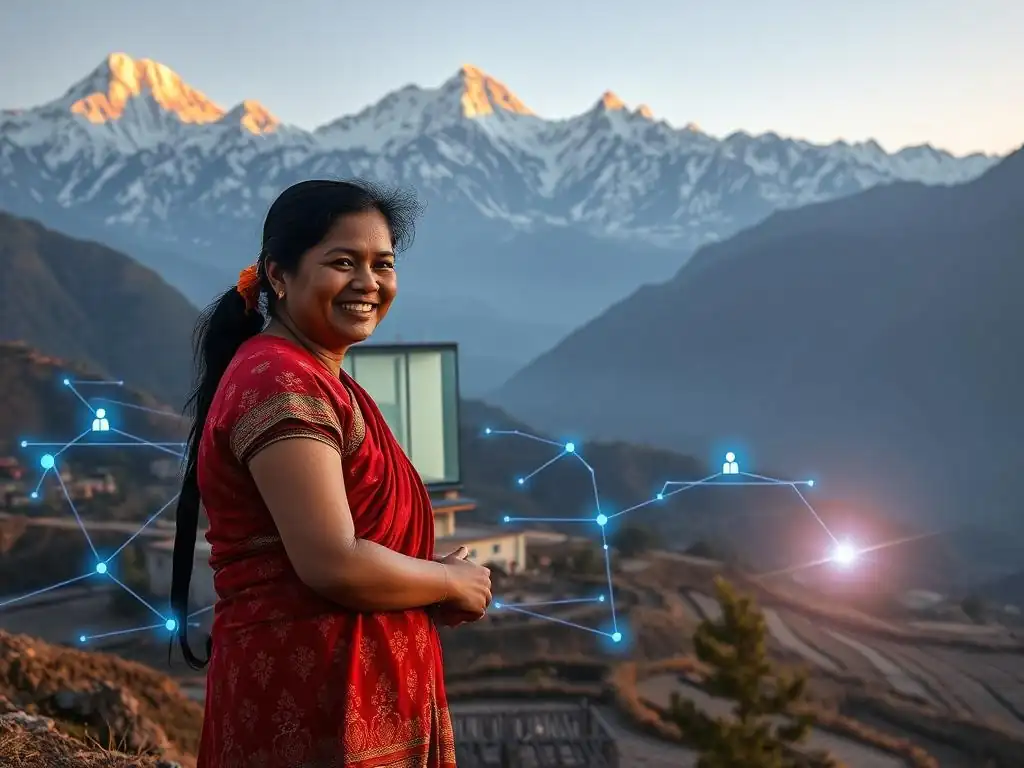
Welcome to Blockchain Trends, your compass in the rapidly evolving world of decentralized technology!
Imagine a future where geographical barriers no longer limit access to crucial healthcare services. Our latest deep dive explores just that, uncovering how blockchain healthcare remote access is poised to revolutionize patient care in even the most underserved communities. Are you ready to discover how this groundbreaking technology is forging a more equitable and efficient healthcare landscape? Dive in to learn more and explore the transformative potential!
- Introduction to Blockchain Healthcare Remote Access in Remote Areas
- How Blockchain Technology Enhances Remote Healthcare Access
- Key Blockchain Healthcare Solutions Addressing Remote Access Issues
- Benefits of Implementing Blockchain for Healthcare Access in Remote Areas
- Challenges and Limitations of Blockchain in Remote Healthcare Access
- Case Studies: Successful Applications of Blockchain in Remote Healthcare Access
- Future Outlook: Advancing Blockchain Healthcare Remote Access
- Conclusion: Revolutionizing Healthcare Access in Remote Areas Through Blockchain Technology.
-
Frequently Asked Questions
- How can blockchain technology improve healthcare access in remote areas?
- What are the key benefits of using blockchain for healthcare data management?
- How does blockchain address the challenges of data security and privacy in remote healthcare settings?
- What regulatory considerations should be taken into account when implementing blockchain solutions in healthcare?
- What is the future outlook for blockchain technology in healthcare, particularly for remote access?
- Final Reflection: Bridging the Distance with Trust
- Ignite Change: Reimagine Healthcare Access!
Introduction to Blockchain Healthcare Remote Access in Remote Areas
Access to quality healthcare remains a significant challenge for populations residing in remote and underserved areas globally. Geographic isolation, lack of infrastructure, scarcity of medical professionals, and inefficient data management systems often combine to create formidable barriers to receiving timely and effective medical care. Traditional healthcare models struggle to bridge these gaps, leading to disparities in health outcomes between urban and rural populations. This persistent issue highlights the urgent need for innovative solutions that can extend the reach of healthcare services and improve equity in access, particularly in regions where conventional methods fall short.
Emerging technologies offer promising avenues to overcome these long-standing obstacles. Among these, blockchain technology stands out for its potential to fundamentally transform how healthcare data is managed, shared, and accessed. By leveraging the principles of decentralization, transparency, and security inherent in blockchain, it becomes possible to build more robust, patient-centric systems that can function effectively even in challenging environments. This exploration delves into how blockchain healthcare remote access can revolutionize healthcare delivery, empowering individuals in remote areas with greater control over their health information and facilitating more efficient and secure interactions with healthcare providers, regardless of distance.
Understanding the Challenges of Healthcare Access in Remote Regions
Providing consistent and quality healthcare in remote regions faces a multitude of complex challenges. Physical distance is a primary factor, making it difficult for patients to travel to medical facilities and for healthcare professionals to reach these areas.
This geographical isolation is often compounded by inadequate transportation infrastructure, such as poor roads or limited public transport options, further hindering access to necessary medical appointments, treatments, and emergency services. For instance, in parts of rural Africa, patients might travel dozens or even hundreds of kilometers to reach the nearest clinic, a journey that can be prohibitively expensive and time-consuming, especially for those with chronic conditions or mobility issues.
Beyond geographical barriers, remote areas often suffer from a severe shortage of healthcare providers, including doctors, nurses, and specialists. Existing facilities may be understaffed or lack essential medical equipment and supplies. Data management systems, if they exist, are often paper-based or rely on fragmented, non-interoperable digital records, making it difficult to maintain comprehensive patient histories or share critical information among different providers.
This lack of integrated data hampers continuity of care and can lead to medical errors or delays in diagnosis and treatment. Furthermore, issues like unreliable power grids and limited internet connectivity can impede the adoption of modern digital health solutions, exacerbating the digital divide in healthcare access.
The Role of Blockchain Technology in Transforming Healthcare Delivery
Blockchain technology, known for its distributed ledger architecture, offers a paradigm shift in how data, including sensitive healthcare information, can be managed and shared. Its core features—immutability, transparency (within defined permissions), and cryptographic security—make it particularly well-suited for handling patient records in a secure and reliable manner. Unlike traditional centralized databases, where data is stored in a single location and controlled by one entity, a blockchain distributes copies of the ledger across a network of participants. This decentralized nature enhances resilience and reduces the risk of single points of failure or data breaches, which are critical concerns in healthcare.
In the context of improving healthcare access in remote areas, blockchain can serve as a foundational layer for building more robust and accessible health information systems. By creating a secure, tamper-evident record of patient interactions, medical history, and treatments, blockchain technology can empower individuals with ownership and control over their health data.
Patients can grant specific providers access to their records, facilitating seamless information sharing and improving care coordination, even when interacting with different healthcare entities across vast distances. This capability is crucial for enabling effective blockchain healthcare remote access solutions, allowing remote patients to connect with specialists or receive consistent care from visiting practitioners without the burden of carrying physical documents or relying on unreliable communication methods.
How Blockchain Technology Enhances Remote Healthcare Access
The application of blockchain technology introduces several key mechanisms that can significantly improve healthcare access for individuals in remote locations. One of the most impactful areas is the secure and decentralized management of patient health records. By placing a secure, encrypted hash of patient data on a distributed ledger, and storing the actual data off-chain with strong access controls, blockchain ensures that patient information remains private and tamper-proof. This architecture allows authorized parties, such as healthcare providers, to access necessary records quickly and efficiently, regardless of where the patient is located or which facility they previously visited.
Furthermore, blockchain enhances transparency and trust in healthcare transactions. Every interaction with a patient's record, such as a doctor accessing information or a lab adding results, can be immutably recorded on the blockchain. This creates an audit trail that increases accountability among healthcare providers and ensures data integrity. For remote patients who may interact with various healthcare workers or telemedicine services over time, this level of transparency builds confidence in the care they receive and the handling of their sensitive information. This foundational layer of trust is essential for the successful implementation of blockchain healthcare remote access initiatives.
Decentralized Patient Data Management for Remote Populations
Decentralized patient data management is a cornerstone of leveraging blockchain technology for improving healthcare access in remote areas. Traditional healthcare systems often rely on fragmented, centralized databases maintained by individual clinics, hospitals, or regional health authorities. This leads to silos of information, making it difficult for healthcare providers in different locations to access a patient's complete medical history. For individuals in remote areas who might seek care from a local clinic, a visiting doctor, or a telemedicine service, this fragmentation is a major barrier to receiving coordinated and informed care.
Blockchain offers a solution by enabling a patient-centric model where individuals have control over their health data. While the sensitive data itself might be stored encrypted off-chain, a secure, immutable reference or index is stored on the blockchain. The patient can then grant permission for specific healthcare providers to access their data.
This decentralized approach ensures that a patient's medical history, including diagnoses, treatments, medications, and allergies, is accessible to authorized personnel whenever and wherever it is needed, provided there is network connectivity. For example, a patient in a remote village who experiences a sudden health issue can grant immediate access to their records to a doctor providing care via telemedicine, enabling a faster and more accurate diagnosis than would be possible with limited or no prior information.
Secure and Transparent Medical Records Sharing via Blockchain
Secure and transparent sharing of medical records is paramount for effective healthcare, especially in remote settings where patients may interact with multiple providers over time. Blockchain technology provides an unprecedented level of security and transparency for this process. By using cryptographic hashing and a distributed ledger, any attempt to tamper with a medical record entry would be immediately detectable by the network.
Once data is recorded on the blockchain, it is extremely difficult to alter or delete, ensuring the integrity of the patient's health history. This is particularly important in remote areas where infrastructure might be less secure or oversight more challenging.
Moreover, blockchain facilitates transparent record sharing through granular access controls managed by the patient. Patients can use cryptographic keys to grant or revoke access permissions to different healthcare providers, specialists, or even researchers. Every instance of data access is recorded on the blockchain, creating a transparent audit trail visible to the patient.
This level of control and transparency builds trust and empowers patients, which is crucial for encouraging individuals in remote areas to participate in digital health initiatives. For instance, a patient needing a specialist consultation from afar can securely share their relevant medical history with a remote specialist via a blockchain platform, knowing that their data is protected and that they control who sees it, a significant improvement over insecure email or fax methods often used in underserved areas.
Improving Telemedicine Services with Blockchain Integration
Telemedicine is a vital tool for extending healthcare access to remote populations, allowing patients to consult with doctors remotely via video or phone. However, the effectiveness of telemedicine can be limited by challenges related to patient identification, secure data exchange, and payment processing. Integrating blockchain technology into telemedicine platforms can significantly enhance their capabilities and reliability, particularly in remote areas where trust and infrastructure might be concerns. Blockchain can provide a secure and immutable layer for managing patient identities, ensuring that the person receiving the consultation is indeed the registered patient.
Furthermore, blockchain can secure the transmission and storage of data exchanged during a telemedicine consultation, such as patient symptoms, doctor's notes, or prescriptions. This ensures privacy and compliance with regulations like HIPAA, even when communication channels might be less secure.
Smart contracts on the blockchain can also automate billing and payment processes between patients, providers, and insurers, adding efficiency and transparency to transactions, which is beneficial in remote areas where traditional financial infrastructure might be limited. A blockchain-enhanced telemedicine platform could, for example, allow a patient in a remote village to have a secure video consultation with a specialist in a distant city, with their identity verified, data securely shared, and payment potentially processed automatically via a smart contract, making the entire process more reliable and accessible.
Key Blockchain Healthcare Solutions Addressing Remote Access Issues
Leveraging blockchain technology to address healthcare access issues in remote areas involves deploying specific types of solutions that capitalize on the technology's strengths. These solutions often focus on automating processes, securing supply chains, and managing patient identity and consent in a decentralized and transparent manner. The goal is to build systems that are resilient to the infrastructure limitations often found in remote regions and that empower patients and local healthcare providers. Implementing blockchain healthcare remote access requires tailored applications that consider the specific context of underserved communities.
These solutions are not merely theoretical; pilot programs and initiatives are beginning to demonstrate their practical applicability. For instance, blockchain-based systems for managing medical supplies are being trialed to prevent counterfeiting and ensure the timely delivery of essential medicines to remote clinics. Similarly, platforms utilizing smart contracts are being developed to streamline administrative tasks, allowing healthcare workers in resource-constrained settings to focus more on patient care rather than paperwork. The successful deployment of such solutions is critical for overcoming the systemic barriers to healthcare access in remote and rural environments.
Smart Contracts for Automated Healthcare Processes in Remote Settings
Smart contracts are self-executing contracts with the terms of the agreement directly written into lines of code. They run on the blockchain, automatically executing predefined actions when specific conditions are met. In remote healthcare settings, where administrative resources are often scarce and manual processes are prone to errors and delays, smart contracts can automate various workflows, significantly improving efficiency and reliability. This automation is particularly valuable for blockchain healthcare remote access initiatives, reducing the administrative burden on limited staff.
For example, smart contracts can automate the process of verifying insurance eligibility or processing claims, reducing the need for manual checks and paperwork that can be cumbersome in remote areas lacking robust administrative support. They can also automate payments to healthcare providers based on completed consultations or services, such as telemedicine sessions recorded on the blockchain.
Another application is automating consent management: a smart contract could ensure that patient data is only shared with specific providers after the patient has digitally granted permission via a secure interface. Such automation can free up healthcare workers in remote clinics to focus on patient care rather than administrative tasks, improving the overall capacity and efficiency of healthcare delivery in underserved regions.
Blockchain-enabled Supply Chain Management for Medical Resources
Managing the supply chain for medical resources, including medications, vaccines, and essential equipment, is a critical challenge in remote areas. Counterfeiting, theft, and inefficient distribution networks can lead to shortages of vital supplies, directly impacting patient care. A blockchain-enabled supply chain management system can provide end-to-end visibility and traceability for medical products from manufacturer to the point of care, even in the most isolated locations. This transparency helps combat counterfeiting and ensures that legitimate, high-quality supplies reach remote clinics.
By recording each step of a product's journey on an immutable ledger—production, packaging, shipping, customs, storage, and delivery—blockchain creates a verifiable history that can be accessed by all authorized participants. This allows healthcare providers in remote areas to verify the authenticity and origin of medical supplies, reducing the risk of using substandard or fake products.
For example, a remote clinic receiving a shipment of vaccines can scan a QR code linked to the blockchain record to confirm its temperature history during transit and its legitimacy. This enhanced accountability and transparency in the medical supply chain directly contributes to improving the quality and reliability of blockchain healthcare remote access services, ensuring that necessary resources are available when and where they are needed.
Identity Verification and Patient Consent Management on Blockchain
Establishing and verifying patient identity is fundamental to providing accurate and safe healthcare. In remote areas, where official identification documents might be less common or readily available, and where patients may interact with different temporary healthcare providers, reliable identity management is particularly challenging. Blockchain technology offers a robust solution for creating secure, verifiable digital identities for patients. By anchoring a patient's unique identifier and relevant demographic information on a blockchain, individuals can have a persistent and secure digital identity that is accessible across different healthcare touchpoints.
Coupled with identity management, blockchain excels at handling patient consent. Using cryptographic keys, patients can grant or revoke access to their health records with granular control. This consent is recorded immutably on the blockchain, providing a clear and transparent audit trail of who accessed patient data and when.
This empowers patients in remote areas, giving them control over their sensitive information and building trust in the healthcare system. For instance, a blockchain-based system could allow a patient in a remote village to securely verify their identity for a telemedicine consultation and then use their private key to grant the remote doctor temporary access to specific parts of their medical history, ensuring privacy and compliance while enabling effective care. This capability is essential for building trust in blockchain healthcare remote access systems.
Benefits of Implementing Blockchain for Healthcare Access in Remote Areas
Implementing blockchain technology in remote healthcare settings offers a multitude of benefits that directly address the long-standing challenges of access and quality. The inherent security and privacy features of blockchain are particularly valuable when dealing with sensitive patient data in environments that may lack robust traditional security infrastructure. By ensuring that patient information is protected from unauthorized access and tampering, blockchain builds a foundation of trust essential for widespread adoption of digital health solutions in underserved communities. This enhanced data security is a primary advantage for blockchain healthcare remote access.
Beyond security, blockchain fosters greater transparency and accountability among healthcare providers and stakeholders. The immutable ledger provides a clear record of all transactions and data access, reducing the potential for errors or fraudulent activities. This transparency is crucial in remote areas where oversight might be limited. Furthermore, the efficiency gains from automating processes and streamlining data sharing can lead to significant cost reductions and improvements in the overall delivery of healthcare services, making limited resources go further in remote and resource-constrained environments.
Increased Data Security and Privacy for Remote Patients
Data security and patient privacy are paramount concerns in healthcare, and these challenges are often amplified in remote areas where traditional IT security infrastructure may be lacking or vulnerable. Blockchain technology provides a decentralized and cryptographically secure framework that significantly enhances the protection of patient data. Instead of storing sensitive medical records in a single, centralized database that is a prime target for cyberattacks, blockchain systems typically store encrypted data off-chain, with only secure hashes or references placed on the distributed ledger.
This architecture ensures that even if a part of the network is compromised, the sensitive patient data remains encrypted and inaccessible without the patient's private key and granted permissions. The immutability of the blockchain ledger also means that once a transaction or data entry is recorded, it cannot be altered or deleted, providing a robust defense against data tampering.
For remote patients, this means their sensitive health information, such as diagnoses, treatments, and personal details, is protected with a high level of security and privacy, reducing the risk of data breaches or misuse. This increased security is a major benefit for promoting trust and adoption of blockchain healthcare remote access solutions.
Enhanced Trust and Transparency Among Healthcare Providers
Establishing trust and ensuring transparency are vital for effective collaboration among different healthcare providers, especially when coordinating care for patients in remote areas who may interact with various practitioners or clinics. Blockchain technology inherently promotes trust and transparency through its decentralized and immutable ledger. Every transaction or data access event is recorded on the blockchain and is visible to all authorized participants, creating a shared, single source of truth. This eliminates information silos and reduces the potential for miscommunication or discrepancies in patient records.
For healthcare providers working in remote settings, this transparency means they can rely on the accuracy and completeness of the patient data they access via the blockchain system, knowing that it has not been tampered with and that all previous interactions are recorded. The audit trail provided by the blockchain holds all participants accountable for their actions on the network.
This enhanced trust and transparency facilitate better coordination of care, allow for more informed decision-making, and ultimately lead to improved health outcomes for patients in remote areas. It builds confidence in the system for both patients receiving care and providers delivering it, strengthening the foundation for blockchain healthcare remote access programs.
Cost Reduction and Efficiency Improvement in Remote Healthcare Services
Delivering healthcare services to remote areas is often associated with high operational costs due to logistics, infrastructure limitations, and inefficient administrative processes. Blockchain technology has the potential to significantly reduce costs and improve efficiency in these settings through automation, streamlined data management, and reduced reliance on intermediaries. Automating administrative tasks, such as patient registration, billing, and claims processing, through smart contracts can drastically cut down on manual labor and associated costs.
Furthermore, secure and efficient data sharing via blockchain reduces the need for costly and time-consuming methods like transporting physical records or relying on unreliable communication channels. Improved supply chain management via blockchain can reduce losses due to counterfeiting, spoilage, or theft, ensuring that limited budgets for medical supplies are used effectively.
While initial investment in blockchain infrastructure might be required, the long-term benefits in terms of operational efficiency, reduced waste, and improved resource allocation can lead to substantial cost savings, making healthcare delivery in remote areas more sustainable and affordable. These efficiencies are key to making blockchain healthcare remote access a viable long-term solution.
Challenges and Limitations of Blockchain in Remote Healthcare Access
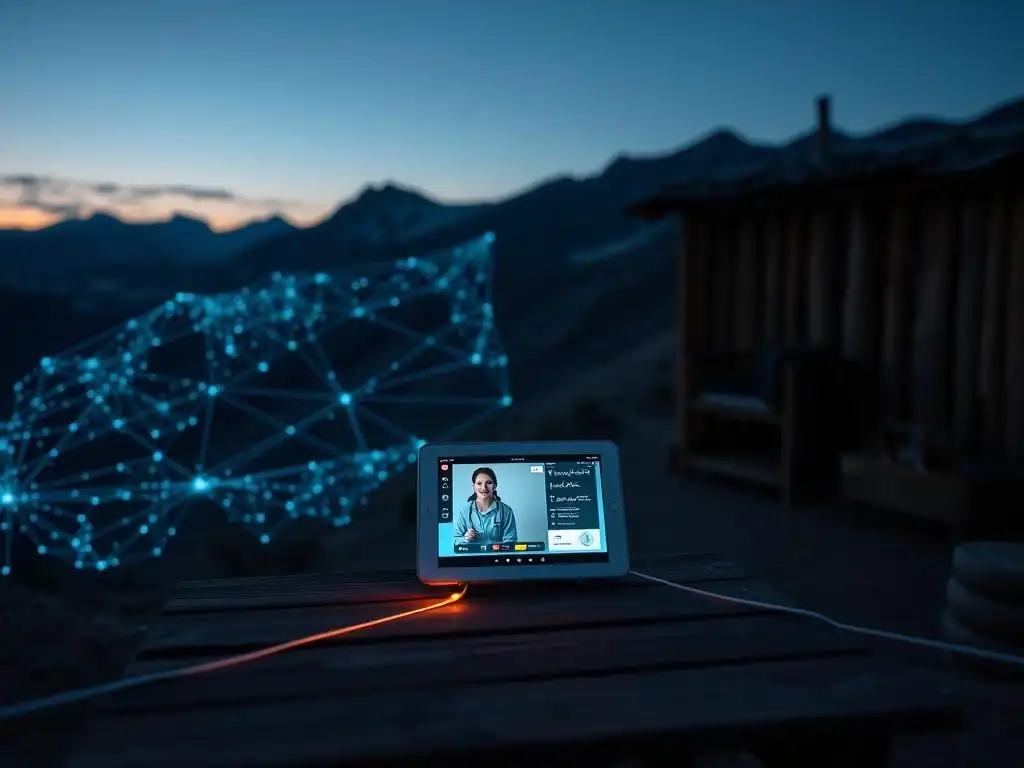
While the potential of blockchain technology to revolutionize healthcare access in remote areas is significant, its implementation is not without challenges. Several technical, regulatory, and practical hurdles must be addressed to ensure successful and widespread adoption. Understanding these limitations is crucial for developing realistic strategies and pilot programs for blockchain healthcare remote access. Overcoming these obstacles requires careful planning, collaboration among stakeholders, and potentially innovative approaches tailored to the specific conditions of remote environments.
Addressing these challenges is an ongoing process. Research and development are focused on improving the scalability and interoperability of blockchain networks, while policymakers and healthcare organizations are working on establishing appropriate regulatory frameworks. Practical considerations, such as training healthcare workers and patients on using new technologies, are also essential for successful implementation in remote settings.
Infrastructure and Connectivity Barriers in Remote Regions
One of the most significant barriers to implementing blockchain healthcare remote access solutions in remote areas is the lack of adequate infrastructure and reliable internet connectivity. Blockchain networks, particularly those handling frequent transactions or large amounts of data references, require consistent and reasonably fast internet access for nodes to synchronize and validate transactions. Many remote regions suffer from limited or non-existent broadband internet, unreliable power supply, and a scarcity of computing devices.
Without a stable and accessible network, participating in a blockchain network, accessing distributed ledger data, or utilizing blockchain-powered applications like telemedicine becomes difficult or impossible. While some blockchain architectures are being developed to be more resilient to intermittent connectivity or function with lower bandwidth (e.g., using light nodes or off-chain transaction processing with periodic on-chain anchoring), the fundamental need for some level of digital infrastructure remains. Addressing this requires significant investment in telecommunications infrastructure and power generation in remote areas, often beyond the scope of healthcare initiatives alone.
Regulatory and Compliance Considerations for Blockchain Healthcare Applications
Implementing blockchain healthcare applications, especially those involving patient data, must navigate complex regulatory landscapes. Healthcare data is highly sensitive and subject to strict privacy regulations such as HIPAA in the United States, GDPR in Europe, and similar laws in other countries. While blockchain's security features offer strong data protection, ensuring compliance with existing privacy laws presents challenges. For instance, the "right to be forgotten" under GDPR can conflict with the immutable nature of blockchain, where data, once recorded, is extremely difficult to delete.
Furthermore, the decentralized nature of blockchain can complicate jurisdiction and accountability. In a distributed network spanning multiple regions or countries, determining which regulations apply and who is responsible for compliance in case of issues can be complex. Establishing clear legal frameworks and standards for blockchain in healthcare is essential but is still in early stages globally. For blockchain healthcare remote access solutions operating across different jurisdictions or in areas with evolving regulatory environments, navigating these compliance hurdles requires careful legal consideration and potentially new regulatory guidance specific to distributed health systems.
Scalability and Interoperability Issues in Blockchain Systems
Scalability and interoperability are critical technical challenges for widespread blockchain adoption in healthcare. Many early blockchain platforms, such as Bitcoin or Ethereum (prior to significant upgrades), have limited transaction processing capacity compared to traditional centralized databases. While newer blockchain platforms and Layer 2 solutions are addressing scalability, handling the vast amount of data and transactions generated by a national or even regional healthcare system, including frequent updates to electronic health records, requires highly scalable infrastructure.
Interoperability is another major hurdle. For blockchain healthcare remote access to be truly effective, it needs to integrate with existing legacy healthcare systems, medical devices, and other digital health platforms. Currently, different blockchain networks and applications often operate in silos, making seamless data exchange challenging.
Standards for data formatting, communication protocols, and cross-chain interoperability are still developing. Achieving a state where a blockchain-based patient record system can easily and securely share data with a hospital's existing electronic health record system, a remote diagnostic tool, and a public health reporting database is essential but requires significant development and standardization efforts across the industry.
Case Studies: Successful Applications of Blockchain in Remote Healthcare Access
While still in relatively early stages compared to traditional healthcare systems, real-world applications and pilot programs are demonstrating the tangible benefits of blockchain technology in improving healthcare access in remote areas. These case studies provide valuable insights into the practical implementation and impact of blockchain healthcare remote access solutions, highlighting areas where the technology is already making a difference. They showcase how decentralized systems can overcome some of the limitations of centralized approaches in underserved regions.
These examples range from utilizing blockchain for managing patient data in rural clinics to securing the distribution of essential medical supplies. They illustrate the potential for blockchain to build trust, enhance efficiency, and empower patients and providers in challenging environments. While not always at a massive scale yet, these successful applications serve as blueprints for future, more widespread deployments of blockchain technology in revolutionizing remote healthcare access.
Blockchain-Powered Telehealth Platforms in Rural Communities
Several initiatives are exploring the use of blockchain to enhance telehealth services in rural communities. One example involves platforms designed to provide secure and verifiable telemedicine consultations. These platforms use blockchain for identity management of both patients and healthcare providers, ensuring that consultations occur between verified parties. Patient consent for data sharing during the consultation is managed via smart contracts, providing a transparent and auditable record of access.
For instance, a pilot program in a rural region might utilize a blockchain platform where patients can securely register their basic health profile and grant permissions for specific remote doctors to access it for a consultation. The platform records the timestamp and participants of the telemedicine session on the blockchain, and potentially stores encrypted notes or prescriptions off-chain with a hash on the ledger.
This enhances security and trust compared to traditional, less secure telemedicine setups, making it a more reliable option for delivering specialized care or routine consultations to individuals who cannot easily travel to a clinic, thereby improving blockchain healthcare remote access.
Decentralized Health Information Systems Improving Patient Outcomes
Decentralized health information systems (DHIS) built on blockchain are being piloted to create more resilient and patient-centric health record management in areas with fragmented infrastructure. These systems aim to move away from siloed data in individual clinics or hospitals towards a model where patients have more control and their data is securely accessible by authorized providers across different locations.
A project in a remote district might implement a DHIS where patient visits, diagnoses, treatments, and lab results from local health centers are recorded and referenced on a blockchain. Patients are given private keys that allow them to control access to their records.
When a patient travels to a different health center within the district or interacts with a visiting medical team, they can grant them temporary access to their comprehensive health history. This ensures continuity of care and prevents medical errors that can arise from incomplete information, potentially leading to improved patient outcomes and demonstrating the practical benefits of blockchain healthcare remote access.
Collaborative Blockchain Networks Supporting Remote Medical Supply Chains
Ensuring the integrity and timely delivery of medical supplies is critical in remote areas. Collaborative blockchain networks are being deployed to enhance transparency and trust in the medical supply chain. These networks involve manufacturers, distributors, logistics providers, and healthcare facilities in remote locations sharing a common, immutable ledger.
For example, a pilot program might track the journey of vaccines or essential medications from a central warehouse to remote clinics using a blockchain platform. Each transfer of custody, changes in temperature (if tracked by IoT devices linked to the blockchain), and receipt at a clinic is recorded on the ledger.
This allows healthcare workers in remote clinics to verify the provenance and handling conditions of the supplies they receive, reducing the risk of administering counterfeit or compromised products. The transparency also helps identify bottlenecks in the supply chain, enabling more efficient planning and distribution of resources to underserved areas, which is a key aspect of improving blockchain healthcare remote access.
Future Outlook: Advancing Blockchain Healthcare Remote Access
The future of blockchain technology in revolutionizing healthcare access in remote areas is promising, with ongoing advancements addressing current limitations and exploring synergies with other emerging technologies. As blockchain platforms become more scalable, interoperable, and user-friendly, their potential applications in remote healthcare will expand significantly. The focus is shifting towards developing robust, sustainable, and user-centric solutions that can be effectively deployed and maintained in resource-constrained environments.
Integration with technologies like Artificial Intelligence (AI) and the Internet of Things (IoT) is expected to further enhance the capabilities of blockchain healthcare remote access systems. Continued collaboration among technology developers, healthcare providers, governments, and non-profit organizations will be essential to overcome implementation challenges and drive widespread adoption, ultimately bringing quality healthcare closer to those who need it most, regardless of their location.
Emerging Trends and Innovations in Blockchain for Remote Health Services
Several emerging trends and innovations are poised to advance the use of blockchain in remote health services. One key trend is the development of more efficient and scalable blockchain protocols (e.g., Layer 2 scaling solutions, sharding) that can handle a higher volume of transactions with lower costs, making them more viable for widespread healthcare use. Another innovation is the increasing focus on interoperability standards, allowing different blockchain networks and traditional health systems to communicate and share data securely.
Decentralized Identifiers (DIDs) and Verifiable Credentials (VCs) built on blockchain are also gaining traction as a way to provide individuals with self-sovereign digital identities and control over their health information, which is highly relevant for empowering patients in remote areas. Furthermore, the development of lighter blockchain nodes and offline capabilities is being explored to make blockchain solutions more resilient to intermittent connectivity, a common issue in remote regions. These technological advancements are crucial for building the next generation of effective blockchain healthcare remote access solutions.
Potential Impact of AI and IoT Integration with Blockchain in Remote Healthcare
The integration of Artificial Intelligence (AI) and the Internet of Things (IoT) with blockchain technology holds immense potential for transforming remote healthcare. IoT devices, such as remote patient monitoring sensors (e.g., for blood pressure, glucose levels), can collect real-time health data from patients in remote locations. Blockchain can provide a secure, immutable ledger to record this data, ensuring its integrity and providing a trusted source of truth for health monitoring.
AI algorithms can then analyze this secure, blockchain-recorded IoT data to detect anomalies, predict potential health issues, and provide personalized health insights or alerts to both patients and remote healthcare providers. For example, an IoT device monitoring a patient with diabetes in a remote village could securely record glucose readings on a blockchain, and an AI system could analyze this data to alert a remote doctor if levels become dangerously high or low.
Blockchain can also manage the identities and permissions for these IoT devices and AI systems, ensuring that data access is controlled and auditable. This synergy between AI, IoT, and blockchain can enable proactive, data-driven healthcare delivery, significantly improving health outcomes for remote populations and enhancing blockchain healthcare remote access capabilities.
Strategies for Widespread Adoption of Blockchain in Remote Healthcare Access
Achieving widespread adoption of blockchain in remote healthcare requires a multi-faceted strategy addressing technological, social, economic, and regulatory factors. Firstly, developing user-friendly interfaces and applications that are accessible to individuals with varying levels of digital literacy is essential, particularly in remote communities. Solutions must be designed with the end-users—patients and local healthcare workers—in mind.
Secondly, addressing the infrastructure deficit is critical. This involves advocating for investment in connectivity and power in remote areas or developing blockchain solutions optimized for low-bandwidth and intermittent connections. Pilot programs and educational initiatives are needed to demonstrate the value proposition of blockchain to healthcare providers and policymakers and to build trust within communities.
Collaboration between technology companies, healthcare organizations, governments, and non-governmental organizations is vital for pooling resources, sharing knowledge, and creating supportive regulatory environments. Finally, focusing on specific, high-impact use cases, such as secure medical record sharing or supply chain management, can help build momentum and showcase the practical benefits of blockchain healthcare remote access.
Conclusion: Revolutionizing Healthcare Access in Remote Areas Through Blockchain Technology.
Access to quality healthcare remains a significant challenge for billions of people living in remote and underserved regions worldwide. Traditional healthcare models often struggle to overcome geographical, infrastructural, and administrative barriers. However, the advent of technologies like blockchain offers a transformative opportunity to address these long-standing issues. By leveraging its core principles of decentralization, security, transparency, and immutability, blockchain technology can build more robust, efficient, and patient-centric healthcare systems that are better suited for the unique challenges of remote environments.
Blockchain healthcare remote access solutions have the potential to revolutionize how healthcare is delivered in isolated areas. They can empower patients with control over their medical data through secure, decentralized health records, facilitate seamless and transparent sharing of information among authorized providers, and enhance telemedicine services by ensuring identity verification and secure data exchange.
Furthermore, blockchain-enabled smart contracts can automate administrative processes, while blockchain-powered supply chain management can ensure the integrity and timely delivery of essential medical resources. While challenges related to infrastructure, regulation, scalability, and interoperability exist, ongoing technological advancements and strategic collaborations are paving the way for overcoming these hurdles.
Real-world case studies are already demonstrating the tangible benefits of blockchain in improving healthcare access and outcomes in rural and remote communities. As the technology matures and adoption strategies evolve, blockchain is poised to play a crucial role in making quality healthcare accessible to everyone, everywhere, fundamentally revolutionizing healthcare access in remote areas.
Frequently Asked Questions
How can blockchain technology improve healthcare access in remote areas?
Blockchain enables secure and transparent storage of patient data, facilitating remote access for healthcare providers. This improves care delivery and reduces reliance on physical infrastructure.
What are the key benefits of using blockchain for healthcare data management?
Blockchain offers enhanced security and privacy through encryption and immutability. It also ensures data integrity and interoperability, making information readily available to authorized users.
How does blockchain address the challenges of data security and privacy in remote healthcare settings?
By using decentralized and encrypted ledgers, blockchain minimizes the risk of data breaches and unauthorized access. Smart contracts can also automate access control based on predefined rules.
What regulatory considerations should be taken into account when implementing blockchain solutions in healthcare?
Compliance with data privacy regulations such as HIPAA and GDPR is crucial. Establishing clear governance frameworks and interoperability standards is also necessary.
What is the future outlook for blockchain technology in healthcare, particularly for remote access?
The future involves widespread adoption of blockchain for secure data sharing and remote patient monitoring. This could lead to more efficient, personalized, and accessible healthcare for underserved populations.
Final Reflection: Bridging the Distance with Trust
The promise of blockchain healthcare remote access is no longer a futuristic fantasy, but a tangible solution actively reshaping healthcare delivery in underserved communities. The challenges of geographical isolation, limited infrastructure, and a shortage of medical professionals are being directly addressed by the secure, transparent, and efficient nature of blockchain technology, offering a lifeline to those previously beyond reach.
This revolution extends beyond mere technological advancement; it's about empowering individuals and communities. The ability to securely manage and share personal health records, regardless of location, fosters a sense of ownership and control over one's own well-being. This shift is profoundly impactful, moving us closer to a world where equitable access to quality healthcare is a fundamental right, not a privilege. The future of healthcare is connected, personalized, and proactive. Blockchain is the key to unlocking that potential, especially for those who need it most.
As we stand on the cusp of this transformative era, I urge you to consider the implications of this technology in your own community and beyond. How can you support initiatives that leverage blockchain to bridge the healthcare gap? How can you advocate for policies that promote equitable access to care for all, regardless of their location? The future of healthcare is in our hands, and by embracing innovation and fostering collaboration, we can build a healthier, more connected world for everyone.
Ignite Change: Reimagine Healthcare Access!
Thank you for exploring how blockchain can revolutionize healthcare access in remote areas. You've gained valuable insights into a powerful tool for improving lives. Now, let's translate that knowledge into action.
Here are a few ways you can be part of the solution:
- Be a Pioneer: Advocate for blockchain solutions in your local community and share your ideas with healthcare providers and policymakers. Every voice counts!:
- Dive Deeper: Research innovative blockchain projects already making a difference in global healthcare accessibility. You might discover your next area of impact.
- Spread the Word: Share this article with your network and spark a conversation about the potential of blockchain technology in healthcare.
What specific blockchain application excites you most for improving healthcare accessibility, and what initial steps can you envision to propel its implementation in remote locations?
Leave a Reply