
Rewriting Copyright: BlockchainBased Provenance for Content Ownership Protection

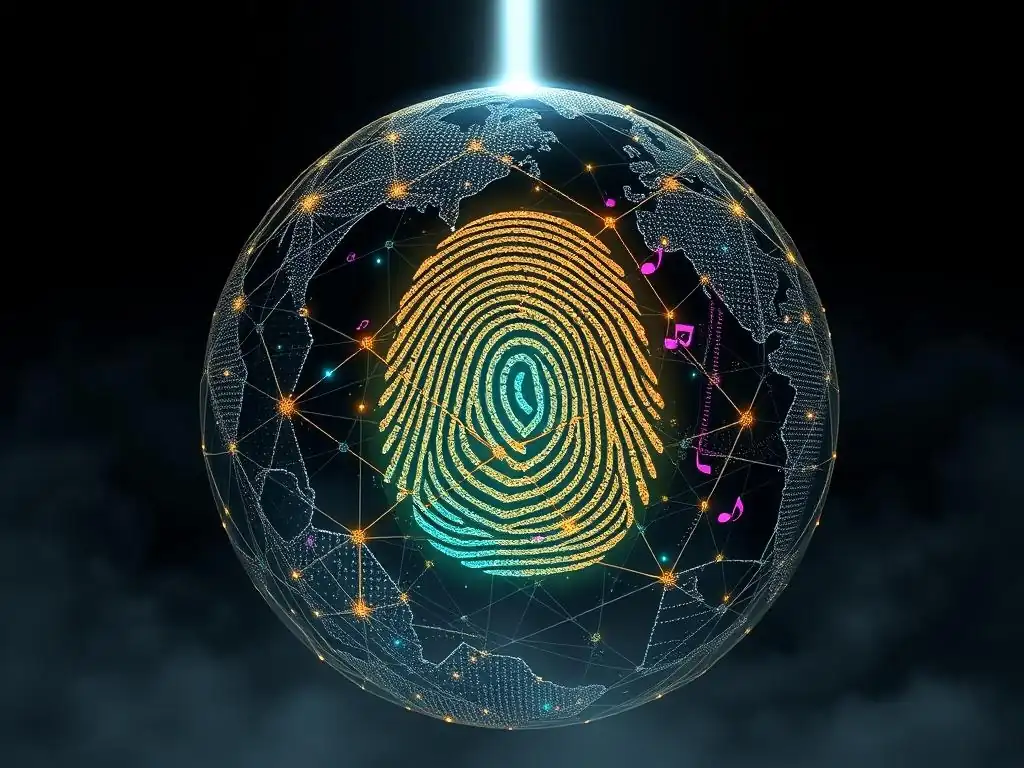
Welcome to Blockchain Trends, your guide to understanding the revolutionary impact of blockchain technology!
Tired of copyright battles and unclear content ownership? Dive into our latest article, "Rewriting Copyright: Blockchain-Based Provenance for Content Ownership Protection," and discover how blockchain is poised to redefine digital content ownership. Explore how this innovative approach can provide immutable proof of creation and authorship, offering a secure and transparent solution to protect your work and unlock new opportunities in the digital realm. Intrigued? The future of copyright is here, and it's powered by blockchain. Read on to learn more!
Rewriting Copyright: Blockchain-Based Provenance for Content Ownership Protection
- Introduction: The Challenge of Copyright in the Digital Age
- Understanding Blockchain-Based Provenance for Copyright
- Blockchain Solutions for Content Copyright Ownership
- Implementing Blockchain for Copyright: A Practical Guide
- Use Cases: Blockchain Copyright Content Ownership Protection in Action
- The Future of Copyright: Blockchain and Decentralized Content Creation
- Overcoming Challenges and Limitations of Blockchain Copyright Systems
- Conclusion: Blockchain's Role in Revolutionizing Content Ownership Protection
-
Frequently Asked Questions
- What exactly is blockchain-based provenance and how does it relate to copyright?
- How does blockchain help protect copyright of digital content?
- What are the benefits of using blockchain for content ownership compared to traditional copyright methods?
- Are there any downsides or limitations to using blockchain for copyright protection?
- How does DeFi (Decentralized Finance) relate to blockchain and copyright content protection?
- Final Reflection: Securing Creativity's Future
- Unveil Your Content's True Ownership!
Introduction: The Challenge of Copyright in the Digital Age
The Growing Need for Robust Content Ownership Protection
In an era where digital content proliferates at an unprecedented rate, the importance of robust content ownership protection cannot be overstated. The internet, while a powerful tool for content dissemination and creation, has also become a breeding ground for copyright infringement. Creators across various domains – from music and literature to art and software – are increasingly vulnerable to unauthorized duplication, distribution, and modification of their work.
This vulnerability is not merely a hypothetical concern; it directly impacts the livelihoods of creators, stifles innovation, and undermines the creative economy. For instance, the global music industry reportedly loses billions annually due to digital piracy, a significant portion of which stems from challenges in effectively managing and enforcing copyright in the digital space. As content creation becomes more democratized and accessible, the need for reliable and efficient mechanisms to protect intellectual property rights intensifies, pushing the boundaries of traditional copyright systems.
The rise of user-generated content and social media platforms has further complicated the landscape of content ownership. Millions of pieces of content are uploaded and shared every minute, making it virtually impossible to track and manage copyright using conventional methods. Traditional copyright registration processes are often slow, costly, and geographically limited, creating significant barriers for independent creators and small businesses.
Moreover, the global nature of the internet transcends national jurisdictions, making cross-border copyright enforcement a complex and often futile endeavor. This digital reality necessitates a paradigm shift in how we approach copyright management – one that is more scalable, transparent, and adaptable to the decentralized nature of the internet. The demand for innovative solutions that can effectively address these challenges is not just a matter of convenience but a fundamental requirement for fostering a sustainable and equitable digital ecosystem where creators are fairly compensated and their rights are respected.
Copyright Infringement in the Digital Landscape: A Persistent Problem
Copyright infringement in the digital landscape is not a nascent issue; it has been a persistent and escalating problem since the dawn of the internet age. From illegal downloads of music and movies to unauthorized reproduction of articles and images, the digital realm has made it easier than ever to violate copyright laws on a massive scale.
A 2019 report by the European Union Intellectual Property Office (EUIPO) and the OECD estimated that international trade in counterfeit and pirated products amounted to as much as \$509 billion annually, with a significant portion attributed to digital piracy. This staggering figure underscores the economic impact of copyright infringement and highlights the inadequacy of existing enforcement mechanisms in curbing digital piracy.
The ease of copying and distributing digital content, coupled with the anonymity afforded by the internet, fuels the widespread infringement of copyright. Peer-to-peer file-sharing networks, illegal streaming websites, and social media platforms have become major channels for the unauthorized distribution of copyrighted material. Furthermore, the sophistication of infringement techniques is constantly evolving, ranging from simple content duplication to sophisticated methods of circumventing digital rights management (DRM) systems.
The problem is compounded by the sheer volume of online content and the difficulty in identifying and pursuing infringers across different jurisdictions. Traditional legal approaches to copyright enforcement often prove to be slow, expensive, and ineffective in the face of the speed and scale of digital infringement, leaving creators perpetually playing catch-up in the digital copyright cat-and-mouse game.
How Blockchain Technology Offers a Novel Solution for Copyright Management
Blockchain technology, initially recognized for its role in cryptocurrencies, presents a novel and potentially transformative solution for copyright management. Its core characteristics – decentralization, transparency, immutability, and security – align perfectly with the challenges of proving content ownership and combating infringement in the digital age. Unlike traditional centralized copyright registries, a blockchain-based system can offer a distributed and tamper-proof record of content ownership, making it significantly harder to falsify or dispute copyright claims. The inherent transparency of blockchain allows for public verification of ownership, enhancing trust and accountability in the copyright process.
By leveraging cryptographic techniques and distributed consensus mechanisms, blockchain can create a permanent and auditable history of a digital asset's creation, ownership, and transfer. This provenance tracking capability is crucial for establishing clear and irrefutable proof of copyright, which can be instrumental in resolving disputes and enforcing rights.
Furthermore, blockchain's ability to facilitate the creation of unique digital identities and manage digital assets through tokenization opens up new possibilities for innovative copyright licensing and royalty distribution models. The potential of blockchain to automate copyright processes through smart contracts, reduce transaction costs, and empower creators with greater control over their intellectual property positions it as a compelling alternative to traditional copyright systems struggling to keep pace with the digital revolution.
Understanding Blockchain-Based Provenance for Copyright
What is Blockchain Provenance and How Does it Work?
Blockchain provenance, in the context of copyright, refers to the use of blockchain technology to establish and track the origin and ownership history of digital content. Essentially, it's a digital record of a content's journey from creation to its current state, securely stored and publicly verifiable on a blockchain. This process works by creating a unique digital fingerprint, often a cryptographic hash, of a piece of content.
This fingerprint, along with metadata such as the creator's identity, creation timestamp, and copyright information, is then recorded as a transaction on the blockchain. Each subsequent transaction related to the content, such as a transfer of ownership or a licensing agreement, is also recorded on the blockchain, forming an immutable chain of provenance.
The decentralized and distributed nature of blockchain is fundamental to its effectiveness in provenance tracking. Instead of relying on a single centralized authority, the blockchain is maintained by a network of participants, making it resistant to single points of failure and tampering. Any attempt to alter the recorded provenance data would require consensus from the majority of the network, which is computationally infeasible in practice.
This immutability ensures the integrity and reliability of the provenance record. Furthermore, the transparency of blockchain allows anyone with access to the network to verify the provenance of a piece of content, promoting trust and accountability. For instance, if a photographer registers their photograph on a blockchain, anyone can verify their claim of ownership by examining the blockchain record, which serves as a publicly accessible and verifiable proof of provenance.
Key Benefits of Using Blockchain for Content Provenance
Utilizing blockchain for content provenance offers a multitude of benefits that address the shortcomings of traditional copyright systems. One of the primary advantages is enhanced security and immutability. Once copyright information is recorded on a blockchain, it becomes virtually impossible to alter or delete, providing a permanent and tamper-proof record of ownership. This contrasts sharply with centralized databases, which are vulnerable to hacking, data breaches, and manipulation. This inherent security significantly strengthens the credibility and reliability of copyright claims.
Another key benefit is increased transparency and verifiability. Blockchain-based provenance systems offer open and auditable records of content ownership. Anyone can independently verify the copyright status of a piece of content by examining the blockchain, fostering greater trust and reducing disputes. This transparency can also streamline copyright clearance processes, making it easier for users to identify rights holders and obtain necessary permissions.
Furthermore, blockchain enables streamlined and efficient copyright registration. Traditional copyright registration can be bureaucratic, time-consuming, and expensive. Blockchain offers a potentially faster, more cost-effective, and globally accessible registration process. By automating registration and provenance tracking, blockchain can reduce administrative overhead and lower barriers to entry for creators, especially independent artists and small content producers.
Finally, blockchain facilitates improved copyright enforcement and royalty management. The clear and verifiable provenance record provided by blockchain can be invaluable in copyright enforcement actions, making it easier to prove infringement and pursue legal remedies. Moreover, smart contracts built on blockchain can automate royalty distribution, ensuring that creators are automatically and transparently compensated for the use of their work, minimizing disputes and maximizing efficiency.
Addressing Copyright Challenges with Decentralized Ledgers
Decentralized ledgers, the foundation of blockchain technology, offer a powerful approach to address the inherent challenges of copyright in the digital age, particularly those stemming from centralization and lack of transparency in traditional systems. Traditional copyright registries are often centralized databases managed by government agencies or private organizations. These centralized systems are susceptible to single points of failure, censorship, and manipulation.
They can also be slow, bureaucratic, and geographically limited, hindering global copyright management. Decentralized ledgers, on the other hand, distribute copyright information across a network of participants, eliminating the reliance on a single authority and enhancing resilience and security.
The decentralized nature of blockchain also fosters greater transparency and accessibility in copyright management. Traditional copyright systems often operate in silos, making it difficult to access and verify copyright information. Decentralized ledgers, by design, are transparent and publicly auditable, allowing anyone to verify copyright ownership and provenance. This transparency can build trust and reduce ambiguity in copyright claims.
Moreover, decentralized ledgers can facilitate global copyright management. Because blockchains are inherently borderless, they can provide a unified and interoperable platform for managing copyright across different jurisdictions, overcoming the fragmentation and complexity of national copyright laws. This global reach is particularly crucial in the internet age, where content crosses borders seamlessly. By leveraging the power of decentralized ledgers, blockchain technology can pave the way for a more efficient, transparent, and equitable copyright ecosystem that empowers creators and protects their rights in the digital world.
Blockchain Solutions for Content Copyright Ownership
Exploring Different Blockchain Platforms for Copyright Management
Several blockchain platforms are emerging as viable options for implementing copyright management solutions, each with its own strengths and characteristics. Ethereum, a leading blockchain platform, is widely used for decentralized applications (dApps) due to its robust smart contract functionality and large developer community. Platforms built on Ethereum can support complex copyright management systems, including tokenization of content and automated royalty distribution through smart contracts. For example, projects like Binded (formerly Blockai) have utilized Ethereum to provide blockchain-based copyright registration for photographers. However, Ethereum's transaction fees and scalability limitations can be a concern for high-volume copyright applications.
Polygon, a layer-2 scaling solution for Ethereum, offers faster transaction speeds and lower fees, making it more suitable for applications requiring high throughput. Platforms leveraging Polygon can potentially address the scalability challenges of Ethereum while retaining its smart contract capabilities. Flow, another blockchain platform, is specifically designed for non-fungible tokens (NFTs) and digital collectibles, making it particularly relevant for copyright management in the digital art and media space.
Flow boasts high scalability and low transaction fees, optimized for consumer-scale applications. Platforms like Dapper Labs and NBA Top Shot have demonstrated the potential of Flow for managing digital assets and intellectual property. Hyperledger Fabric, a permissioned blockchain framework, is often favored for enterprise solutions requiring greater control and privacy.
For organizations seeking to implement private or consortium-based copyright management systems, Hyperledger Fabric offers a customizable and scalable platform. The choice of blockchain platform depends on the specific requirements of the copyright management application, considering factors such as scalability, transaction costs, smart contract functionality, and privacy needs.
Tokenization of Content: NFTs and Copyright Licensing
Tokenization of content, particularly through Non-Fungible Tokens (NFTs), is revolutionizing copyright licensing and content ownership models. NFTs are unique digital assets that represent ownership of a specific item, whether it's a piece of digital art, music, a video, or even a physical object. In the context of copyright, NFTs can be used to represent ownership of copyrighted content, providing a verifiable and tradable proof of ownership on the blockchain.
When a creator mints an NFT for their work, they are essentially creating a digital certificate of authenticity and ownership that is recorded on the blockchain. This NFT can then be traded, sold, or licensed, with each transaction recorded on the blockchain, creating a transparent and immutable ownership history.
NFTs facilitate new models for copyright licensing. Creators can embed licensing terms directly into the NFT smart contract, specifying how the content can be used and under what conditions. For instance, an NFT for a photograph could grant the owner a limited license to use the image for personal purposes but require a separate license for commercial use. This programmable nature of NFTs allows for granular and flexible copyright licensing.
Furthermore, NFTs can enable direct creator-to-consumer licensing, bypassing traditional intermediaries and empowering creators to directly monetize their work. Platforms like OpenSea and Rarible have become marketplaces for trading NFTs, including those representing copyrighted content. While NFTs do not automatically grant copyright itself (copyright law is separate), they provide a powerful tool for managing and demonstrating copyright ownership and facilitating new forms of digital content licensing and monetization, especially for digital creators seeking to protect their blockchain copyright content ownership.
Smart Contracts: Automating Copyright Enforcement and Royalty Distribution
Smart contracts, self-executing contracts with the terms of the agreement directly written into code, offer powerful automation capabilities for copyright enforcement and royalty distribution within blockchain-based systems. In the realm of copyright enforcement, smart contracts can be programmed to monitor the usage of copyrighted content registered on the blockchain. For example, a smart contract could automatically detect instances of unauthorized use of a copyrighted image online by scanning for its digital fingerprint.
Upon detecting infringement, the smart contract could trigger pre-defined actions, such as sending automated takedown notices or initiating dispute resolution processes. While fully automated copyright enforcement is still evolving, smart contracts can significantly streamline the process of identifying and addressing copyright infringements.
Smart contracts are particularly effective in automating royalty distribution. When content is licensed or sold through a blockchain-based platform, smart contracts can ensure that royalties are automatically and transparently distributed to the rights holders. For example, in a music streaming platform using blockchain, smart contracts could automatically track the number of times a song is played and distribute royalties proportionally to the artist and other rights holders based on pre-defined agreements.
This automated royalty distribution eliminates the need for intermediaries, reduces administrative overhead, and ensures that creators are promptly and fairly compensated for the use of their work. Platforms like Ujo Music have explored the use of smart contracts for transparent and automated music royalty distribution. By automating these critical copyright functions, smart contracts enhance efficiency, reduce costs, and promote transparency and fairness in the copyright ecosystem, strengthening blockchain copyright content ownership protection mechanisms.
Implementing Blockchain for Copyright: A Practical Guide
Step-by-Step Process for Registering Copyright on a Blockchain
Registering copyright on a blockchain, while still an evolving process, generally involves a series of steps that leverage blockchain technology to establish verifiable content ownership. The first step is content preparation. Creators need to prepare their digital content for registration. This typically involves ensuring the content is in a suitable digital format and gathering relevant metadata, such as the title, creator's name, creation date, and a description of the work. It's crucial to ensure the content itself is finalized and ready for copyright registration before proceeding.
The next step is creating a digital fingerprint. A cryptographic hash function is used to generate a unique digital fingerprint of the content. This hash acts as a unique identifier for the content on the blockchain. Various tools and platforms are available online that can generate cryptographic hashes for files. After creating the digital fingerprint, the next step is choosing a blockchain platform.
Creators need to select a blockchain platform suitable for copyright registration, considering factors like transaction fees, platform features, and community support. Platforms like Ethereum, Polygon, or dedicated copyright blockchain solutions can be considered. Once a platform is chosen, the next step is registering the content on the blockchain. This involves using a blockchain-based copyright registration platform or directly interacting with the chosen blockchain network. Creators typically need to pay a transaction fee (gas fee on Ethereum-based platforms) to record their copyright information on the blockchain.
The registration process usually involves submitting the content's digital fingerprint, metadata, and creator information to the blockchain network. Finally, verifying the registration. After the transaction is confirmed on the blockchain, the copyright registration is complete. Creators can then verify their registration by searching for their content's hash or their creator information on the blockchain explorer associated with the chosen platform. This step-by-step process provides a foundational approach to establishing blockchain copyright content ownership protection.
Creating and Managing Digital Assets on a Decentralized Platform
Creating and managing digital assets on a decentralized platform involves several key considerations and practices to ensure secure and effective content ownership and control. The initial step is choosing a suitable decentralized platform. Creators need to select a decentralized platform that supports digital asset creation and management, aligning with their specific needs and content type. Platforms offering NFT minting capabilities are particularly relevant for copyright management. Examples include platforms built on Ethereum, Flow, or Polygon.
After selecting a platform, the next step is minting digital assets as NFTs. Creators can mint their digital content as NFTs on the chosen platform. Minting involves creating a unique token representing the content and recording it on the blockchain. This process typically requires paying a minting fee, which varies depending on the platform and network congestion.
Once NFTs are minted, the focus shifts to managing digital asset ownership and rights. Decentralized platforms often provide tools for managing ownership, transferring NFTs, and setting licensing terms. Creators can control who owns their digital assets and define the terms of use or distribution through smart contracts associated with the NFTs. Effective management also involves securely storing private keys.
Private keys are crucial for controlling access to and managing digital assets on decentralized platforms. Creators must securely store their private keys, as loss of private keys can result in loss of access to their digital assets. Hardware wallets and secure password management practices are recommended. Furthermore, monitoring and tracking digital asset usage is important.
While blockchain provides transparency, creators may need to utilize platform-specific tools or third-party services to track the usage and distribution of their digital assets. Some platforms offer analytics dashboards or APIs for monitoring NFT transactions and activity. By following these practices, creators can effectively create, manage, and protect their digital assets on decentralized platforms, leveraging blockchain for enhanced copyright content ownership protection.
Integrating Blockchain Solutions with Existing Copyright Systems
Integrating blockchain solutions with existing copyright systems presents a significant opportunity to modernize and enhance copyright management, but it also requires careful consideration of interoperability and legal frameworks. One approach is to create bridges between blockchain-based registries and traditional copyright offices. This involves developing interfaces that allow data to be exchanged between blockchain platforms and existing copyright databases.
Such integration could enable traditional copyright offices to leverage the immutability and transparency of blockchain for record-keeping and verification, while blockchain systems could benefit from the legal recognition and enforcement mechanisms of traditional copyright law. However, standardization and interoperability protocols would be crucial for seamless data exchange.
Another aspect of integration is developing hybrid copyright registration models. This could involve a system where creators can register their copyright on a blockchain for immediate and verifiable proof of ownership, while also having the option to register with traditional copyright offices for formal legal recognition and broader enforcement rights. This hybrid approach could combine the speed and efficiency of blockchain with the established legal framework of traditional copyright.
Furthermore, exploring the use of blockchain for digital rights management (DRM) is relevant. Blockchain-based DRM systems could offer more transparent and creator-centric alternatives to traditional DRM technologies, potentially empowering creators with greater control over how their content is accessed and used.
However, balancing copyright protection with user accessibility and fair use principles remains a key challenge. Successfully integrating blockchain solutions with existing copyright systems requires collaboration between blockchain developers, legal experts, copyright organizations, and policymakers to address legal, technical, and practical considerations and pave the way for a more efficient and equitable copyright ecosystem.
Use Cases: Blockchain Copyright Content Ownership Protection in Action
Case Study 1: Protecting Photography with Blockchain Provenance
The photography industry, heavily reliant on digital distribution, faces significant challenges in copyright protection. Photographers frequently encounter unauthorized use of their images online, making blockchain provenance an attractive solution. Platforms like Binded (formerly Blockai) have emerged to address this issue.
Binded allows photographers to register their photographs on the blockchain, creating a permanent and verifiable record of ownership. For example, a professional photographer, Sarah Miller, uses Binded to register her landscape photography. When she uploads a new photograph, Binded generates a digital fingerprint of the image and records it on the Ethereum blockchain along with metadata such as the image title, date, and Sarah's copyright information.
This blockchain registration provides Sarah with irrefutable proof of ownership. If she discovers her photograph being used without permission, she can easily demonstrate her copyright by pointing to the blockchain record. Binded also offers copyright monitoring services that scan the internet for unauthorized uses of registered images. While Binded, like many early blockchain copyright solutions, eventually ceased its specific blockchain service offering, its example highlighted the potential.
Other platforms and approaches are now emerging, learning from these early examples. The case of photography exemplifies how blockchain provenance can provide photographers with a more robust and efficient way to protect their copyright in the digital age, offering a tangible improvement over traditional methods that are often cumbersome and difficult to enforce online. The estimated global stock photography market is worth over \$3 billion annually, and robust copyright protection is crucial for its continued growth and the livelihoods of photographers.
Case Study 2: Securing Film Copyright and Royalty Payments
The film industry grapples with complex copyright management challenges, including piracy, unauthorized distribution, and opaque royalty payment systems. Blockchain technology offers potential solutions to streamline copyright management and improve transparency in royalty distribution for filmmakers and content creators. Consider a hypothetical independent filmmaker, John Davis, who creates a short film and wants to ensure its copyright is protected and that he receives fair royalties when it's streamed online.
John could register his film's copyright on a blockchain-based platform designed for film and video content. This registration would involve creating a digital fingerprint of the film and recording its metadata on the blockchain, establishing irrefutable proof of ownership.
Furthermore, John could use smart contracts to automate royalty payments. When his film is streamed on a participating platform, smart contracts could automatically track viewership and distribute royalties to John and other rights holders according to pre-agreed terms. This automated system would eliminate intermediaries, reduce administrative costs, and ensure transparent and timely royalty payments. While widespread adoption of blockchain for film copyright and royalty management is still in its early stages, several initiatives are exploring its potential. For instance, projects are exploring blockchain-based platforms for film financing, production, and distribution, aiming to create a more transparent and equitable ecosystem for filmmakers. The global film industry is a multi-billion dollar market, and blockchain-based solutions could significantly improve copyright protection and financial fairness for creators within this sector. The average budget for an independent film can range from \$1 million to \$10 million, highlighting the importance of securing copyright and revenue streams.
Case Study 3: Verifying the Authenticity of Academic Research
Academic research relies heavily on intellectual property rights, and verifying the authenticity and originality of research papers is crucial for maintaining academic integrity and preventing plagiarism. Blockchain technology can provide a robust and transparent system for verifying the provenance and authenticity of academic research, addressing concerns about plagiarism and data manipulation. Imagine a research institution, University X, wanting to implement a blockchain-based system to secure the authenticity of its research publications.
When a researcher at University X publishes a research paper, the university could register the paper on a blockchain platform designed for academic research provenance. This would involve creating a digital fingerprint of the research paper and recording it on the blockchain along with metadata such as the authors, publication date, and journal information.
This blockchain registration would create a permanent and verifiable record of the research paper's authenticity and timestamp. Anyone can then verify the paper's provenance by checking the blockchain record, ensuring that the research is original and has not been tampered with. This system could significantly enhance the credibility of academic research and combat plagiarism.
Several initiatives are exploring blockchain applications in academia, including platforms for verifying academic credentials, managing research data, and tracking research impact. For instance, projects are investigating the use of blockchain to create decentralized repositories of academic publications, ensuring their long-term preservation and verifiable provenance.
The global academic publishing market is estimated to be worth over \$25 billion annually, and ensuring the integrity and authenticity of academic research is paramount for the advancement of knowledge and maintaining public trust in scientific findings. The average cost of conducting academic research can range from thousands to millions of dollars, emphasizing the need to protect the intellectual property generated through research endeavors.
The Future of Copyright: Blockchain and Decentralized Content Creation
The Impact of Blockchain on Copyright Law and Regulation
Blockchain technology's emergence is poised to significantly impact copyright law and regulation, potentially necessitating adaptations to existing legal frameworks to accommodate blockchain-based copyright systems. One key area of impact is the definition of proof of ownership. Traditional copyright law relies on registration with centralized copyright offices and legal documents to establish ownership.
Blockchain offers a decentralized and verifiable proof of ownership through timestamped and immutable records. Legal frameworks may need to evolve to recognize blockchain-based provenance as valid and legally binding evidence of copyright ownership. This could involve amending copyright laws to explicitly acknowledge blockchain registrations as proof of authorship and ownership.
Another area of impact is enforcement of copyright in a decentralized environment. Traditional copyright enforcement often relies on intermediaries like internet service providers and content platforms to remove infringing content. In a decentralized web powered by blockchain, content may be distributed across peer-to-peer networks, making traditional enforcement mechanisms less effective.
New legal strategies and technological tools may be needed to address copyright infringement in decentralized environments. This could include developing smart contract-based enforcement mechanisms or exploring new legal frameworks for holding decentralized entities accountable for copyright violations. Furthermore, international harmonization of blockchain copyright regulations is crucial.
Copyright law is inherently territorial, and different countries have varying copyright laws. For blockchain-based copyright systems to be effective globally, international agreements and harmonization efforts may be needed to ensure cross-border recognition and enforcement of blockchain-registered copyrights. The global nature of the internet and blockchain technology necessitates a more internationally coordinated approach to copyright regulation in the digital age.
Decentralized Autonomous Organizations (DAOs) for Content Governance
Decentralized Autonomous Organizations (DAOs) are emerging as a novel model for content governance, potentially revolutionizing how content is created, managed, and distributed in a decentralized ecosystem. DAOs are organizations governed by code and community, operating without central authority.
In the context of content governance, DAOs can be used to manage content platforms, creative communities, and even individual content projects in a decentralized and transparent manner. For example, a DAO could be formed to govern a decentralized content platform, where content creators and users collectively decide on platform rules, content moderation policies, and revenue sharing models through voting mechanisms encoded in smart contracts.
DAOs can empower content creators by giving them greater control over their work and the platforms they use. Instead of relying on centralized platforms with opaque algorithms and terms of service, creators in a DAO-governed ecosystem can participate in decision-making processes and shape the future of the platform. Furthermore, DAOs can foster more equitable and transparent content governance models.
Traditional content platforms often concentrate power in the hands of platform owners, leading to concerns about censorship, unfair revenue distribution, and lack of creator representation. DAOs, with their decentralized and community-driven governance, can address these issues by distributing power and decision-making authority among stakeholders.
However, DAOs also present challenges, such as governance complexity, security vulnerabilities in smart contracts, and legal uncertainties regarding their legal status and liability. Despite these challenges, DAOs hold significant potential to reshape content governance and create more creator-centric and community-driven content ecosystems in the blockchain era, impacting blockchain copyright content ownership protection models.
Emerging Trends in Blockchain-Based Copyright Management
Several emerging trends are shaping the future of blockchain-based copyright management, indicating a continued evolution and refinement of these systems. One prominent trend is the development of specialized blockchain platforms dedicated to copyright management. While general-purpose blockchains like Ethereum can be used for copyright applications, specialized platforms are being designed to address the specific needs of copyright management, offering features like optimized transaction costs, enhanced scalability for high-volume copyright registrations, and tailored functionalities for content licensing and royalty distribution. These specialized platforms aim to provide more efficient and cost-effective solutions for blockchain copyright content ownership protection.
Another trend is the integration of blockchain copyright solutions with existing content creation and distribution workflows. Early blockchain copyright initiatives often operated in isolation from traditional content workflows. However, the future lies in seamless integration.
This involves developing tools and APIs that allow creators to easily register their copyright on a blockchain directly from their content creation software or publishing platforms. Similarly, blockchain-based copyright information should be easily accessible and verifiable within content distribution platforms, streamlining copyright clearance and licensing processes. Furthermore, advancements in interoperability and cross-chain communication are crucial.
As different blockchain platforms emerge for copyright management, the ability to seamlessly transfer copyright information and digital assets across different blockchains will be essential for creating a unified and interconnected copyright ecosystem. Cross-chain bridges and interoperability protocols are being developed to address this challenge, enabling greater flexibility and accessibility for blockchain-based copyright management solutions. These emerging trends point towards a more mature, integrated, and user-friendly future for blockchain copyright systems.
Overcoming Challenges and Limitations of Blockchain Copyright Systems
Scalability Issues and Transaction Costs on Blockchain Networks
While blockchain offers numerous advantages for copyright management, scalability issues and transaction costs on certain blockchain networks pose significant challenges to widespread adoption. Many prominent blockchains, particularly those using proof-of-work consensus mechanisms like early Ethereum, face limitations in transaction throughput. This means they can only process a limited number of transactions per second, leading to network congestion and slow transaction confirmation times, especially during periods of high demand. For copyright registration systems that may need to handle a large volume of transactions daily or even hourly, scalability limitations can become a bottleneck.
Furthermore, transaction costs, often referred to as "gas fees" on Ethereum, can be volatile and sometimes prohibitively expensive, especially for frequent or micro-transactions. For creators registering numerous pieces of content or managing micro-licenses, high transaction fees can make blockchain-based copyright solutions economically unviable. For example, during periods of network congestion on Ethereum, the cost to register a single copyright claim could potentially reach several dollars, making it impractical for independent creators or high-volume applications. However, solutions are being developed to address these challenges.
Layer-2 scaling solutions like Polygon, sidechains, and rollups aim to increase transaction throughput and reduce fees on blockchains like Ethereum. Furthermore, newer blockchain platforms are being designed with scalability and low transaction costs as core features, such as Flow and Solana. Overcoming scalability and cost barriers is crucial for making blockchain-based copyright systems accessible and practical for a broad range of content creators and copyright holders.
Legal and Regulatory Uncertainties Surrounding Blockchain Copyright
Legal and regulatory uncertainties surrounding blockchain copyright present a significant hurdle to the widespread adoption and legal recognition of these systems. One major uncertainty is the legal status of blockchain-based copyright registrations. While blockchain provides verifiable proof of ownership, it is not yet universally recognized as a substitute for or equivalent to traditional copyright registration in legal jurisdictions worldwide. Copyright laws vary across countries, and many legal frameworks may not explicitly address blockchain-based registrations or their legal validity. This lack of legal clarity can create uncertainty for creators seeking to enforce their blockchain-registered copyrights in legal disputes.
Another area of uncertainty is the enforceability of smart contract-based copyright licenses. While smart contracts can automate copyright licensing and royalty distribution, their legal enforceability is still being tested in courts. The legal interpretation of smart contracts and their binding nature under existing contract law is an evolving area. Furthermore, cross-border recognition of blockchain copyright systems is a challenge.
Copyright law is territorial, and different countries have different copyright laws and enforcement mechanisms. For blockchain-based copyright systems to be effective globally, international legal frameworks and agreements are needed to ensure cross-border recognition and enforcement of blockchain-registered copyrights. Addressing these legal and regulatory uncertainties requires collaboration between blockchain developers, legal experts, copyright organizations, and policymakers to develop clear legal frameworks and standards for blockchain copyright, fostering greater legal certainty and promoting wider adoption.
Addressing Security Vulnerabilities in Blockchain-Based Copyright Platforms
Addressing security vulnerabilities in blockchain-based copyright platforms is paramount to ensuring the integrity, reliability, and trustworthiness of these systems. While blockchain technology itself is inherently secure due to its cryptographic foundations and decentralized nature, blockchain-based platforms and applications are not immune to security risks. One potential vulnerability is smart contract security.
Smart contracts, which automate copyright functions like licensing and royalty distribution, are written in code and can be susceptible to bugs or vulnerabilities if not properly audited and tested. Exploiting vulnerabilities in smart contracts can lead to financial losses or manipulation of copyright ownership records. Rigorous security audits and formal verification methods are crucial for ensuring the security of smart contracts used in copyright platforms.
Another security concern is private key management. Private keys are essential for controlling access to and managing digital assets and copyright registrations on blockchain platforms. If private keys are compromised or lost, creators may lose control of their copyrighted content. Secure private key management practices, such as using hardware wallets and secure password management, are essential for protecting against private key theft or loss.
Furthermore, platform-specific vulnerabilities can exist in the software and infrastructure of blockchain-based copyright platforms. These vulnerabilities could be exploited by malicious actors to compromise the platform's security or tamper with copyright data. Regular security audits, penetration testing, and robust security protocols are necessary to mitigate platform-specific vulnerabilities. Addressing these security concerns through proactive security measures and ongoing vigilance is critical for building trust and ensuring the long-term viability of blockchain-based copyright systems.
Conclusion: Blockchain's Role in Revolutionizing Content Ownership Protection
The Potential of Blockchain to Transform Copyright Management
Blockchain technology holds immense potential to transform copyright management, offering solutions to many of the challenges plaguing traditional systems in the digital age. Its decentralized, transparent, and immutable nature provides a foundation for creating more robust, efficient, and equitable copyright ecosystems. Blockchain-based provenance systems can provide verifiable and tamper-proof records of content ownership, strengthening copyright claims and simplifying dispute resolution.
Tokenization of content through NFTs enables new models for copyright licensing and monetization, empowering creators with greater control over their intellectual property. Smart contracts automate copyright enforcement and royalty distribution, reducing administrative costs and ensuring transparent and timely compensation for creators.
By addressing key weaknesses of traditional copyright systems, blockchain has the potential to democratize copyright management, making it more accessible and affordable for independent creators and small businesses. It can also enhance transparency and accountability in the copyright ecosystem, fostering greater trust among creators, users, and rights holders.
While challenges remain, the ongoing development and refinement of blockchain technologies and their applications in copyright management suggest a promising future where blockchain plays a central role in reshaping how content ownership is protected and managed in the digital world. The global creative economy is estimated to contribute trillions of dollars annually to the global GDP, and blockchain's potential to strengthen copyright protection within this economy is significant.
Moving Towards a More Transparent and Equitable Copyright Ecosystem
The adoption of blockchain technology in copyright management represents a significant step towards a more transparent and equitable copyright ecosystem. Traditional copyright systems are often criticized for their opacity, complexity, and bias towards large corporations and established rights holders. Blockchain, with its inherent transparency and decentralization, offers the potential to create a more level playing field for all creators, regardless of their size or resources.
Blockchain-based copyright registries can provide publicly auditable records of ownership, reducing ambiguity and disputes. Smart contracts can ensure transparent and automated royalty distribution, eliminating intermediaries and ensuring fair compensation for creators. NFTs empower creators with direct control over their content and licensing terms, enabling new monetization models and reducing reliance on centralized platforms.
By fostering greater transparency and equity, blockchain can contribute to a more sustainable and thriving creative economy. Creators are more likely to invest their time and effort in creating valuable content when they have confidence that their rights will be protected and they will be fairly compensated.
A more transparent and equitable copyright ecosystem can also promote innovation and creativity by reducing barriers to entry and fostering collaboration and knowledge sharing. While the transition to a blockchain-based copyright ecosystem will require overcoming technical, legal, and regulatory challenges, the potential benefits in terms of transparency, equity, and creator empowerment are substantial.
Blockchain: A Key Enabler for Content Creators and Rights Holders
Blockchain technology emerges as a key enabler for content creators and rights holders, offering a powerful toolkit for rewriting copyright in the digital age. Blockchain's capabilities in provenance tracking, tokenization, and smart contract automation provide tangible solutions to the persistent challenges of content ownership protection and copyright infringement. By leveraging blockchain, creators can establish irrefutable proof of ownership, manage their digital assets more effectively, and automate copyright licensing and royalty distribution processes. For rights holders, blockchain offers enhanced transparency, reduced administrative costs, and improved enforcement mechanisms.
While challenges related to scalability, legal recognition, and security remain, ongoing innovation and development are addressing these limitations. As blockchain technology matures and adoption increases, its role in revolutionizing copyright management is likely to become even more pronounced.
Blockchain is not just a technological solution; it represents a paradigm shift in how we approach copyright, moving towards a more decentralized, transparent, and creator-centric model. For content creators and rights holders navigating the complexities of the digital landscape, blockchain offers a powerful and promising pathway to secure their intellectual property, protect their livelihoods, and contribute to a more vibrant and equitable creative ecosystem.
Frequently Asked Questions
What exactly is blockchain-based provenance and how does it relate to copyright?
Blockchain-based provenance uses a distributed ledger to create a verifiable and immutable record of a content's origin and ownership. This helps establish copyright by providing clear proof of creation and ownership.
How does blockchain help protect copyright of digital content?
Blockchain creates a tamper-proof record of when and by whom the content was created. This allows owners to easily demonstrate their rights and fight infringement by providing irrefutable evidence.
What are the benefits of using blockchain for content ownership compared to traditional copyright methods?
Blockchain offers greater transparency and security than traditional methods. It provides a decentralized and immutable record, reducing the risk of fraud and simplifying the process of proving ownership.
Are there any downsides or limitations to using blockchain for copyright protection?
While promising, challenges exist including scalability issues and the need for clear legal frameworks. Also, simply recording content on a blockchain doesn't automatically guarantee complete legal copyright protection.
How does DeFi (Decentralized Finance) relate to blockchain and copyright content protection?
DeFi platforms can enable new models for content monetization, such as direct payments to creators and royalty distributions. Blockchain's transparent and secure record-keeping is crucial for these decentralized financial systems.
Final Reflection: Securing Creativity's Future
The exploration of blockchain technology as a tool for revolutionizing copyright and content ownership protection is not merely a theoretical exercise; it's a vital response to the increasingly complex digital landscape. The challenges of attribution, licensing, and combating infringement in a world of easily replicated and distributed content demand innovative solutions. Blockchain's inherent transparency and immutability offer a compelling framework for establishing verifiable provenance and empowering creators to control their intellectual property.
This journey into blockchain-based copyright solutions has profoundly underscored the urgent need for a paradigm shift in how we value and protect creative works. The current system often leaves creators vulnerable, particularly independent artists and smaller content producers. As we move further into the digital age, the ability to definitively prove ownership and manage rights becomes paramount. The future of copyright lies not in restricting access, but in enabling creators to thrive in a world of abundance.
- Lawrence Lessig. This quote encapsulates the potential of blockchain to foster a more equitable and sustainable ecosystem for creative expression.
Now, consider the implications of this technology for your own creative endeavors and the content you consume. How can you leverage these emerging tools to safeguard your work or support the artists you admire? The future of copyright is being written now, and your active participation – whether through adopting blockchain solutions, advocating for policy changes, or simply educating yourself and others – will shape the landscape for generations to come. Embrace the power of this technology and become a steward of a more just and vibrant creative future.
Unveil Your Content's True Ownership!
Thank you for exploring the potential of blockchain for copyright protection. Now that you understand how blockchain-based provenance can revolutionize content ownership, it's time to take control and safeguard your creative work. Let's turn knowledge into action!
- Digitally Fingerprint Your Creative Work: Start by creating a secure, immutable record of your content's creation on a suitable blockchain platform. This acts as your permanent and verifiable proof of ownership.
- Explore decentralized marketplaces for artists and content creators to learn how other creators are utilizing blockchain to protect their intellectual property.
- Share this article with fellow creators and join the conversation on how blockchain can build a fairer and more transparent content ecosystem.
What unique digital asset are you most excited to protect using blockchain technology?
Leave a Reply