
NFTs and Environmental Activism: Raising Awareness Through Digital Collectibles


Welcome to Blockchain Trends, your guide to navigating the evolving world of decentralized technology. Are NFTs just digital hype, or can they truly drive meaningful change? Dive into our exploration of the NFTs environmental activism awareness campaign and discover how blockchain is being leveraged to raise awareness and inspire action for a greener future. Curious to see how digital collectibles are making a real-world impact? Let's explore!
- NFTs and Environmental Activism: Raising Awareness Through Digital Collectibles
-
Leveraging NFTs for Environmental Causes: Use Cases and Examples
- Funding Conservation Efforts Through NFT Sales
- NFT-Based Initiatives for Reforestation and Carbon Offset Projects
- Creating Environmental Awareness Through NFT Art and Storytelling
- Case Study: KlimaDAO's Carbon Offset NFTs - A Success Story
- Case Study: World Wildlife Fund's NFT Collection - Lessons Learned
- Addressing the Environmental Concerns Surrounding NFTs
- How NFTs Can Enhance Environmental Transparency and Accountability
- The Future of NFTs in Environmental Activism
- Conclusion: Empowering Environmental Action Through Digital Collectibles
-
Frequently Asked Questions
- How can NFTs be used to support environmental activism?
- What are some examples of successful NFTs environmental activism awareness campaigns?
- What are the potential benefits of using NFTs for environmental causes?
- What are some of the criticisms of using NFTs for environmental activism?
- How can NFTs be made more environmentally friendly for NFTs environmental activism awareness campaigns?
- Final Reflection: Bridging the Digital Divide for Environmental Change
- Ignite Change: Become a Digital Eco-Warrior!
NFTs and Environmental Activism: Raising Awareness Through Digital Collectibles
Introduction: The Intersection of Blockchain, NFTs, and Environmental Consciousness
Non-Fungible Tokens (NFTs) have surged into public consciousness, primarily associated with digital art, collectibles, and the burgeoning metaverse. Built on blockchain technology, NFTs offer a verifiable way to own unique digital assets, a concept that has rapidly expanded beyond purely artistic or speculative uses. Simultaneously, environmental activism faces the ongoing challenge of engaging wider audiences, securing funding, and demonstrating tangible impact in an increasingly digital world. There's a growing need for innovative tools that can capture attention and mobilize resources for critical ecological causes.
This intersection presents a fascinating opportunity. Could the same technology that powers digital collectibles also serve as a powerful engine for environmental good? By leveraging the unique properties of NFTs – their ability to represent ownership, their potential for virality, and the inherent transparency of blockchain – environmental advocates are exploring new avenues to raise awareness, fund projects, and build communities around conservation goals. This exploration is giving rise to the concept of an NFTs environmental activism awareness campaign, aiming to blend digital engagement with real-world ecological impact.
Understanding NFTs: A Primer for Environmental Advocates
At its core, an NFT is a digital token existing on a blockchain, proving ownership of a unique item, whether it's a piece of digital art, a video clip, a virtual land parcel, or even a representation of a physical asset or environmental contribution. Unlike cryptocurrencies such as Bitcoin or Ether, which are fungible (meaning each unit is interchangeable), each NFT possesses distinct properties and is not interchangeable on a one-to-one basis. This uniqueness is recorded on a distributed ledger, providing a transparent and immutable history of ownership and transactions.
For environmental advocates, understanding NFTs means recognizing their potential as more than just speculative assets. They can be powerful tools for storytelling, community building, and value transfer. Imagine an NFT that represents ownership of a specific plot of reforested land, a share in a solar farm, or even a digital artwork inspired by an endangered species, where the sale proceeds directly fund conservation efforts. The underlying technology ensures provenance and can be programmed with rules, such as directing future resale royalties back to the environmental cause, making NFTs a versatile mechanism for sustainable fundraising and engagement.
The Power of Digital Collectibles in Environmental Awareness Campaigns
Digital collectibles, in the form of NFTs, possess inherent characteristics that make them potent instruments for raising environmental awareness. Their novelty and the buzz surrounding the NFT market naturally draw attention, providing a unique hook to introduce complex environmental topics to new audiences. When an environmental organization or artist launches an NFT collection related to a specific cause, it creates a focal point for discussion and media coverage, amplifying the message far beyond traditional campaign methods.
Furthermore, owning an NFT can foster a sense of personal connection and participation in a cause. Collectors aren't just donating; they are acquiring a unique digital asset that signifies their support and serves as a conversation starter. This transforms passive interest into active engagement. An NFTs environmental activism awareness campaign can leverage this by embedding educational content within the NFT itself or linking it to exclusive community spaces where supporters can learn more, participate in discussions, and even vote on how funds are used, building a dedicated and informed base of activists.
Leveraging NFTs for Environmental Causes: Use Cases and Examples
Funding Conservation Efforts Through NFT Sales
One of the most direct applications of NFTs in environmental activism is through direct fundraising via sales. Organizations and projects can create and sell collections of environmentally-themed NFTs, with a significant portion, or even 100%, of the primary sale proceeds and subsequent resale royalties dedicated to specific conservation initiatives. This model has proven successful in channeling new forms of capital towards ecological projects.
For instance, several smaller non-profits and independent artists focused on marine conservation have launched NFT collections featuring digital representations of ocean life. A project might release a collection of 1,000 unique digital fish or coral pieces, with funds directed towards cleaning up plastic waste or protecting marine habitats. While specific aggregate figures are hard to track across the fragmented NFT market, individual campaigns have reported raising tens or hundreds of thousands of dollars within days or weeks, demonstrating the potential for rapid resource mobilization that complements traditional fundraising channels.
NFT-Based Initiatives for Reforestation and Carbon Offset Projects
NFTs can also serve as digital certificates or representations linked to tangible environmental actions like planting trees or offsetting carbon emissions. Projects are emerging that allow individuals to purchase an NFT that corresponds to a specific environmental impact unit, such as the planting of a certain number of trees or the offsetting of a specific amount of carbon dioxide. This provides a verifiable and often visually appealing way for individuals and businesses to demonstrate their commitment to sustainability.
An example includes platforms where purchasing an NFT triggers the planting of a real tree, with the NFT acting as a digital deed or certificate tied to that specific environmental action, sometimes even including metadata like the tree's location or species. Similarly, some initiatives wrap tokenized carbon credits into NFTs, making them more accessible and tradeable for those looking to offset their footprint. While still nascent, these NFTs environmental activism awareness campaign approaches create a clear link between digital engagement and measurable ecological outcomes, enhancing transparency and encouraging participation in vital environmental projects.
Creating Environmental Awareness Through NFT Art and Storytelling
NFTs are fundamentally tied to digital creativity, making them a powerful medium for artistic expression focused on environmental themes. Artists can craft compelling visual narratives about climate change impacts, biodiversity loss, or the beauty of nature, minting these works as NFTs. The artwork itself becomes a vehicle for the message, reaching collectors and the broader digital art community.
The story behind the NFT is often as important as the art itself. Artists and projects can use the NFT description, associated metadata, and promotional materials to educate potential buyers about the environmental issue being highlighted. For example, an artist might create a series depicting endangered species, with detailed information about each animal's plight included with the NFT. This transforms a digital collectible into an educational tool, embedding environmental awareness directly within the transaction and ownership experience, contributing significantly to an NFTs environmental activism awareness campaign focused on education and emotional connection.
Case Study: KlimaDAO's Carbon Offset NFTs - A Success Story
KlimaDAO represents a significant effort to leverage decentralized finance (DeFi) and tokenization, including NFT concepts (though their primary mechanism is tokenizing carbon credits), to address climate change. Their core mission involves driving demand for tokenized carbon credits (specifically, Verified Carbon Units or VCUs) to increase their price, thereby making carbon-intensive activities more expensive and incentivizing emissions reduction. They achieve this by accumulating and "locking" large quantities of these tokenized credits in their treasury.
While not strictly an NFT project in the traditional art sense, KlimaDAO's model involves unique digital assets representing carbon offsets. By the end of 2021, KlimaDAO had retired millions of tonnes of carbon offsets, effectively removing them from the market and contributing to a dramatic increase in the price of certain tokenized carbon credits.
This initiative demonstrated the potential for blockchain-based mechanisms to mobilize significant capital and create market-based incentives for environmental action on a scale that traditional approaches might struggle to match quickly, proving a notable, albeit complex, success in the realm of using digital assets for environmental impact.
Case Study: World Wildlife Fund's NFT Collection - Lessons Learned
In early 2022, the World Wildlife Fund (WWF) UK launched an NFT collection called "Tokens for Nature" on the Polygon blockchain, featuring twelve digital collectibles inspired by endangered species. The project aimed to raise funds and awareness for conservation efforts. WWF chose Polygon specifically because it is a Proof-of-Stake (PoS) network, which has a significantly lower energy consumption compared to Proof-of-Work (PoW) blockchains like Ethereum was at the time.
Despite the use of a more energy-efficient blockchain, the initiative faced considerable backlash on social media and from some supporters concerned about the perceived environmental impact of NFTs generally. Critics argued that even PoS has some energy cost and that the association with the volatile and sometimes speculative NFT market was inappropriate for a conservation organization.
WWF subsequently paused the project. This case study highlighted crucial lessons: the need for clear communication about the chosen technology's environmental footprint, the importance of addressing public perception head-on, and the challenge of navigating the complexities of the crypto space while maintaining trust as an environmental organization in an NFTs environmental activism awareness campaign.
Addressing the Environmental Concerns Surrounding NFTs
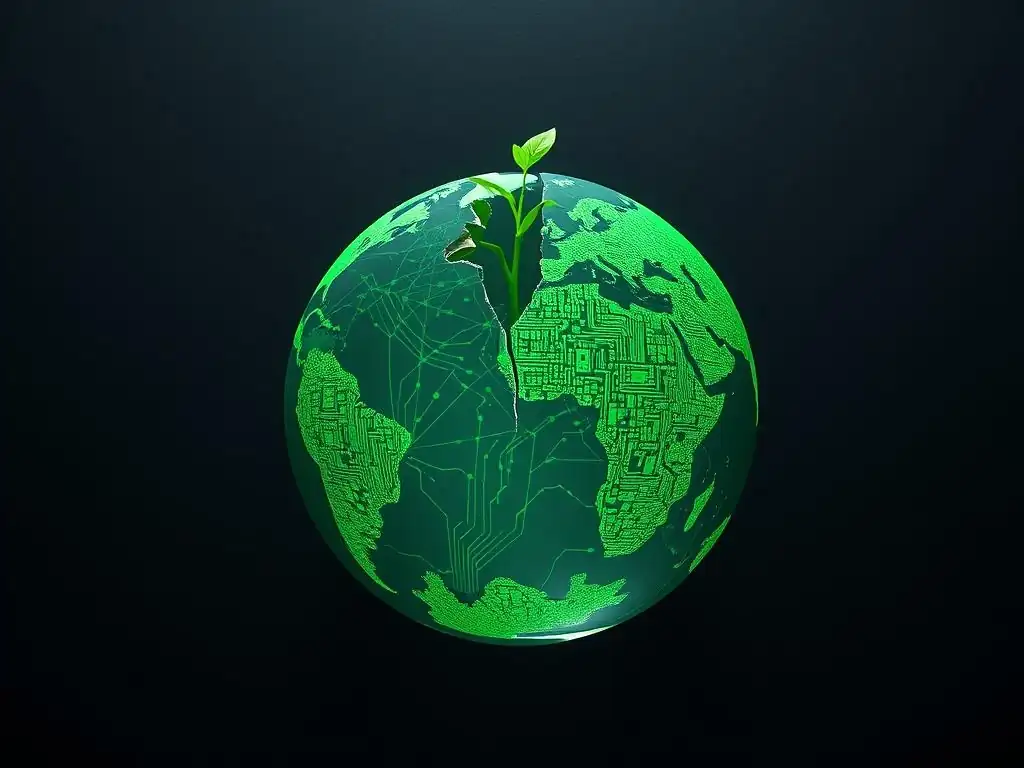
The Energy Consumption Debate: Myth vs. Reality
A major point of contention surrounding NFTs has been their environmental footprint, primarily due to the high energy consumption of certain blockchain networks, most notably Bitcoin and historically Ethereum, which used a Proof-of-Work (PoW) consensus mechanism. PoW requires significant computational power to validate transactions and secure the network, leading to substantial energy use. Critics rightly pointed out that creating and trading NFTs on these networks contributed to this energy demand.
However, the narrative often simplifies a complex issue. While PoW is energy-intensive, not all blockchains operate this way. Furthermore, the energy consumption linked specifically to minting an NFT on a PoW chain was often a fraction of the total network energy use, which would largely exist regardless of NFT activity. The environmental impact is a critical consideration, but it's essential to differentiate between the energy models of various blockchains and understand that the landscape is rapidly evolving towards more sustainable solutions, moving the conversation beyond simplistic "NFTs are bad for the environment" statements.
Exploring Eco-Friendly NFT Solutions: Proof-of-Stake and Layer-2 Scaling
The blockchain industry has been actively developing and adopting more energy-efficient alternatives. The most significant is the transition from Proof-of-Work (PoW) to Proof-of-Stake (PoS). In PoS, network validators are chosen based on the amount of cryptocurrency they "stake" rather than computational power. This mechanism dramatically reduces energy consumption. Ethereum's successful transition to PoS in September 2022, for example, is estimated to have reduced its energy consumption by approximately 99.9%, making NFTs minted and traded on Ethereum significantly more environmentally friendly than before.
Beyond PoS, Layer-2 scaling solutions (like Polygon, Optimism, and Arbitrum) offer another avenue for eco-friendly NFTs. These solutions process transactions off the main blockchain (Layer 1) in batches, significantly reducing the computational and energy load on the primary network. Minting and trading NFTs on these Layer-2 networks requires only a fraction of the energy compared to traditional PoW transactions. Many NFTs environmental activism awareness campaign projects are wisely choosing to launch on these low-energy PoS or Layer-2 chains to mitigate environmental concerns.
Sustainable NFT Platforms and Marketplaces: A Growing Trend
In response to environmental concerns and increasing demand for greener options, the NFT ecosystem is seeing a rise in platforms and marketplaces prioritizing sustainability. Many major marketplaces now support or have transitioned to blockchains using PoS or other low-energy consensus mechanisms. For instance, OpenSea, a leading NFT marketplace, now primarily operates on Ethereum's PoS chain and supports Polygon, enabling users to engage with NFTs with a dramatically reduced environmental footprint compared to its earlier operations on PoW Ethereum.
Dedicated platforms focused explicitly on eco-friendly NFTs are also emerging, often built on blockchains known for their low energy consumption, such as Tezos, Flow, or Solana (while Solana has faced stability issues, its proof-of-history/proof-of-stake hybrid consensus is energy efficient per transaction). This trend reflects a growing awareness within the NFT community and the broader blockchain space regarding environmental responsibility. Choosing a sustainable platform is a crucial consideration for anyone launching an NFTs environmental activism awareness campaign.
How NFTs Can Enhance Environmental Transparency and Accountability
Tracking Carbon Footprint and Environmental Impact with NFTs
Blockchain's inherent transparency and immutability offer exciting possibilities for tracking and verifying environmental data. While linking complex environmental impacts directly to individual NFTs is still an evolving area, the technology provides a robust ledger for recording relevant information. For example, an NFT could be associated with data points related to a product's carbon footprint throughout its lifecycle, recorded on a blockchain, creating a tamper-proof history.
Projects are exploring how NFTs can represent validated carbon credits or other environmental assets, allowing their issuance, ownership, and retirement to be tracked publicly on a blockchain. This contrasts with traditional, sometimes opaque, environmental markets. By providing a transparent ledger, NFTs and blockchain technology can help build trust and verify claims related to carbon offsetting and other environmental impact metrics, strengthening the credibility of an NFTs environmental activism awareness campaign.
Using NFTs to Certify Sustainable Practices and Products
NFTs can function as verifiable digital certificates for sustainable practices or products. Imagine a company producing sustainable goods issuing an NFT with each product sold, where the NFT contains metadata verifying the sustainable sourcing of materials, ethical labor practices, or the product's end-of-life recyclability. This NFT acts as a digital guarantee, accessible and verifiable on the blockchain by the consumer.
For environmental projects, NFTs could certify milestones achieved (e.g., "5,000 trees planted in this area") or the verification of conservation outcomes by independent auditors. This moves beyond simple claims to provide blockchain-backed proof. Such an application enhances consumer trust and provides a transparent way for projects to showcase their impact, adding a layer of accountability often missing in traditional supply chains and environmental initiatives, thereby boosting the effectiveness of an NFTs environmental activism awareness campaign.
Building Trust and Transparency in Environmental Projects through Blockchain
A persistent challenge for environmental organizations and projects is demonstrating to donors and stakeholders exactly how funds are used and the impact they achieve. Blockchain technology, particularly when integrated with NFTs used for fundraising, can offer unprecedented transparency. When donations or investments are made by purchasing NFTs on a public blockchain, the flow of funds from the initial sale can be tracked on the distributed ledger.
Furthermore, smart contracts linked to NFTs can be programmed to release funds incrementally upon the achievement of predetermined project milestones, verified by oracles (data feeds connecting real-world information to the blockchain). This level of programmatic transparency and accountability can build significant trust with donors and participants in an NFTs environmental activism awareness campaign, assuring them that their contributions are directly supporting stated environmental goals and that progress is being made.
The Future of NFTs in Environmental Activism
Potential Applications for NFTs in Conservation and Sustainability
The potential applications of NFTs in environmental conservation and sustainability extend beyond current use cases. We might see fractionalized NFTs representing ownership stakes in large-scale conservation land, allowing broader participation in land preservation. NFTs could be integrated into gamified environmental challenges, rewarding users with unique digital collectibles for participating in clean-up efforts or reducing their carbon footprint.
Another exciting area is using NFTs to tokenize ecological services or biodiversity credits, creating new economic incentives for protecting natural capital. Imagine an NFT representing the ecological value of a specific coral reef section or a patch of rainforest, allowing individuals or corporations to invest directly in its preservation. These future applications could significantly scale NFTs environmental activism awareness campaign efforts by democratizing access, creating new funding streams, and leveraging digital engagement for tangible real-world impact.
Overcoming Challenges and Scaling NFT-Based Environmental Initiatives
Despite the promise, scaling NFT-based environmental initiatives faces several challenges. Public perception, still grappling with the environmental debate around crypto and sometimes viewing NFTs solely as speculative assets, needs careful management. Technical complexity can be a barrier for non-profits and activists without blockchain expertise. Ensuring that digital actions translate into verifiable, meaningful real-world environmental impact requires robust auditing and verification mechanisms.
Overcoming these hurdles requires education, focusing on energy-efficient blockchain technologies, building user-friendly platforms, and developing clear frameworks for measuring and reporting environmental outcomes linked to NFTs. Collaboration between environmental experts, blockchain developers, and regulatory bodies will be key to building trust and creating scalable solutions. A successful NFTs environmental activism awareness campaign in the future will need to proactively address these challenges with transparency and verifiable results.
Expert Analysis on the Long-Term Impact of NFTs on Environmental Awareness
Experts in both blockchain and environmental sectors hold varied perspectives on the long-term impact of NFTs on environmental awareness. Some see them as a powerful, albeit nascent, tool for democratizing funding and engagement, potentially unlocking significant resources and reaching demographics previously untouched by traditional activism. The ability to directly link contributions to specific, verifiable projects through blockchain transparency is seen as a major advantage.
Others remain cautiously optimistic, emphasizing that the technology must mature, and the focus must remain firmly on real-world impact rather than digital speculation. They stress the importance of using genuinely sustainable blockchain infrastructure and ensuring that the environmental benefits outweigh any residual technological footprint. The consensus leans towards NFTs becoming a valuable, specialized tool within a broader suite of environmental activism strategies, particularly effective for specific fundraising goals, building dedicated communities, and running targeted NFTs environmental activism awareness campaign initiatives, provided the environmental concerns of the underlying technology are continually minimized.
Conclusion: Empowering Environmental Action Through Digital Collectibles
NFTs offer a novel and potentially powerful avenue for environmental activism, providing new ways to raise funds, engage communities, and enhance transparency. By enabling the creation of unique digital collectibles tied to environmental causes, NFTs can capture attention, motivate contributions, and serve as digital symbols of support for conservation and sustainability efforts. From funding reforestation through direct sales to creating verifiable certificates for sustainable practices, the applications are diverse and growing.
While the initial environmental concerns surrounding blockchain technology were valid, the rapid shift towards energy-efficient Proof-of-Stake networks and Layer-2 scaling solutions is significantly mitigating this impact, making eco-friendly NFTs increasingly feasible. As the technology and its applications mature, and as environmental organizations become more adept at leveraging these digital tools effectively and transparently, NFTs have the potential to become a significant force in the ongoing effort to protect our planet, empowering a new generation of NFTs environmental activism awareness campaign initiatives and translating digital engagement into tangible ecological action.
Frequently Asked Questions
How can NFTs be used to support environmental activism?
NFTs can be used to raise funds for environmental organizations by selling digital collectibles, with a portion of the proceeds donated to specific causes. They also help to raise awareness about environmental issues through artistic expression.
What are some examples of successful NFTs environmental activism awareness campaigns?
Examples include projects that create NFTs representing endangered species with proceeds going to conservation efforts, or campaigns that use NFTs to tokenize carbon credits, supporting sustainability initiatives. Some campaigns have even created NFTs linked to real-world tree planting initiatives.
What are the potential benefits of using NFTs for environmental causes?
NFTs offer a transparent and verifiable way to track donations, ensuring that funds are allocated to the intended environmental projects. They can also foster a sense of community and ownership among supporters, driving engagement.
What are some of the criticisms of using NFTs for environmental activism?
One major criticism is the environmental impact of certain blockchain technologies used to create and trade NFTs, particularly those using proof-of-work mechanisms. There are also concerns about greenwashing and the authenticity of some projects.
How can NFTs be made more environmentally friendly for NFTs environmental activism awareness campaigns?
Using energy-efficient blockchains such as proof-of-stake networks is crucial. Encouraging the use of carbon offsets and promoting responsible minting practices can also minimize the environmental footprint.
Final Reflection: Bridging the Digital Divide for Environmental Change
The exploration of NFTs as tools for environmental activism reveals a powerful, albeit nascent, intersection of technology and advocacy. The potential of NFTs to fundraise, raise awareness, and foster community around environmental causes is undeniable, offering a novel approach to tackling pressing global challenges. This potential, however, hinges on addressing the environmental concerns associated with blockchain technology itself and ensuring accessibility for all, regardless of technological literacy or financial means.
The rise of NFTs in environmental activism has already begun to subtly reshape the landscape of charitable giving and awareness campaigns. Witnessing this shift underscores the importance of embracing innovative solutions while remaining mindful of their potential drawbacks. We do not inherit the earth from our ancestors; we borrow it from our children.
This ancient proverb resonates deeply as we consider the legacy we are creating through our actions, both online and offline, and the responsibility we bear to safeguard the planet for future generations.
As you reflect on the possibilities presented by NFTs in the fight for environmental sustainability, consider how you can contribute to this evolving landscape. Whether it's supporting eco-conscious NFT projects, advocating for sustainable blockchain practices, or simply spreading awareness about the potential of digital collectibles to drive positive change, your actions can make a difference. Embrace the power of technology to amplify your voice and become a catalyst for a greener, more sustainable future.
Okay, I'm ready to craft a Call to Action (CTA) based on the "NFTs and Environmental Activism" article from Blockchain Trends (blockchaintrends.org). Here it is:
Ignite Change: Become a Digital Eco-Warrior!
Thank you for exploring the potential of NFTs in driving environmental awareness with us. We hope you've gained valuable insights into how digital collectibles are being used to support vital environmental causes. Now, let's put that knowledge into action!
- Explore NFT marketplaces for eco-conscious collections supporting projects like reforestation or ocean cleanup. This is your primary step to directly contribute!
- Join the conversation! Share this article with your network to spread awareness about the innovative intersection of NFTs and environmentalism. Let's amplify the message together.
- Consider creating your own environmental awareness NFT! Even a simple digital artwork can spark a dialogue and potentially raise funds.
What's one small step you'll take today to contribute to environmental activism through the power of NFTs? Share your ideas below!
Leave a Reply