
Implementing Private Blockchains: Practical Steps and Considerations for Businesses


Welcome to Blockchain Trends, your compass in the rapidly evolving world of decentralized technologies!
Are you ready to unlock the potential of blockchain beyond the hype? This week, we delve into the core of practical application with a focused look at private blockchain business implementation steps. Discover the crucial considerations and actionable strategies that can empower your enterprise to leverage the security and efficiency of blockchain. Curious about where to begin? Dive in and let's explore the future of decentralized solutions together!
Implementing Blockchain Solutions for Supply Chain Management: Enhancing Transparency and Efficiency
- Understanding Blockchain for Supply Chain Applications
-
Blockchain Implementation Steps for Supply Chain Management: A Practical Guide
- Step 1: Defining Supply Chain Requirements and Objectives for Your Blockchain Solution
- Step 2: Choosing the Right Blockchain Platform or Protocol
- Step 3: Designing the Blockchain Architecture and Consensus Mechanism
- Step 4: Developing and Deploying the Blockchain Application
- Step 5: Testing and Launching the Blockchain Network
-
Key Considerations for Successful Blockchain Deployment in Supply Chain
- Security Considerations: Protecting Supply Chain Data and Preventing Fraud
- Scalability Challenges and Solutions for Large-Scale Supply Chain Networks
- Regulatory Compliance and Legal Considerations for Blockchain Implementations
- The Importance of Collaboration and Data Sharing in Supply Chain Blockchain Networks
- Measuring the ROI of Blockchain Implementations in Supply Chain
- The Future of Blockchain in Supply Chain Management
-
Frequently Asked Questions
- What are the key differences between a public and a private blockchain, and why might a business choose a private blockchain?
- What are the main steps involved in implementing a private blockchain for a business?
- How can businesses ensure the security of their private blockchain network?
- What are some potential use cases for private blockchains beyond financial applications within a business?
- What are some common challenges businesses face when implementing private blockchains, and how can they be overcome?
- Final Reflection: Embracing Decentralized Trust
- Unleash Your Blockchain Potential: Take the Next Step!
Understanding Blockchain for Supply Chain Applications
What is a Blockchain and How Does it Differ from Traditional Databases?
At its core, a blockchain is a decentralized, distributed digital ledger that records transactions across many computers. Unlike traditional databases, which are typically centralized and controlled by a single entity, blockchain creates a shared, immutable record of transactions.
Once data is added to a block and that block is added to the chain, it is extremely difficult and computationally expensive to alter or delete it without the consensus of the network participants. This inherent immutability and transparency contrast sharply with traditional database systems where a single administrator can modify records, potentially without detection, leading to issues of trust and data integrity.
Traditional databases are often structured in tables with rows and columns, allowing for easy data retrieval, modification, and deletion via standard queries. They are efficient for managing dynamic data that requires frequent updates. However, this flexibility comes at the cost of transparency and security in multi-party environments where trust is low. A blockchain, conversely, stores data in blocks linked cryptographically in chronological order, forming a chain.
Each block contains a hash of the previous block, creating a tamper-evident link. While less flexible for data modification, this structure is ideal for creating a verifiable history of transactions or events, which is paramount in complex supply chains involving numerous independent parties. The decentralized nature means there's no single point of failure or control, enhancing resilience and trust across the network.
Benefits of Implementing a Blockchain for Supply Chain Visibility and Traceability
Implementing blockchain technology in supply chain management offers significant advantages, primarily centered around enhancing visibility and traceability. A shared, immutable ledger allows all authorized participants – from raw material suppliers to end retailers – to access the same version of truth regarding a product's journey. This eliminates data silos and provides end-to-end visibility, allowing companies to track goods in near real-time as they move through the supply chain. For instance, a food distributor using blockchain might see precisely when and where produce was harvested, processed, and shipped, along with relevant quality certifications, all recorded immutably on the ledger.
The enhanced traceability directly combats issues like counterfeiting and provides crucial information during recalls. If a contaminated batch of goods is identified, its origin and distribution path can be quickly traced back through the blockchain records, allowing for targeted recalls instead of widespread, costly ones. Furthermore, improved visibility can lead to greater efficiency by reducing manual data entry, minimizing disputes over shipments or quality, and accelerating payment processes. Reports indicate that companies leveraging blockchain for supply chain can see up to a 30% reduction in administrative costs related to tracking and compliance.
Key Use Cases for Blockchain in Supply Chain: Tracking Goods, Verifying Authenticity, and Automating Payments
Blockchain technology has proven applicable across various critical functions within the supply chain. One primary use case is the granular tracking of goods. By assigning a unique digital identity to products or shipments and recording their movement and status updates (location, temperature, ownership transfer) on the blockchain, companies can create a verifiable audit trail. This is particularly valuable for high-value items, pharmaceuticals requiring strict temperature control, or products where ethical sourcing is important. For example, tracking conflict minerals or verifying sustainable forestry practices becomes feasible by recording certifications and origin data on the chain.
Verifying the authenticity of products is another major application. Counterfeiting costs the global economy hundreds of billions of dollars annually. Blockchain, combined with unique identifiers like QR codes or NFC tags linked to the ledger, allows consumers and businesses to verify a product's genuine origin and history, confirming it hasn't been tampered with or replaced with a fake.
Finally, blockchain enables the automation of payments through smart contracts. Once predefined conditions are met – such as goods arriving at a destination, passing a quality inspection, or customs clearance being verified on the ledger – a smart contract can automatically trigger a payment, reducing delays, eliminating manual invoicing, and minimizing payment disputes between parties. This automated payment process can significantly improve cash flow for suppliers and distributors.
Blockchain Implementation Steps for Supply Chain Management: A Practical Guide
Step 1: Defining Supply Chain Requirements and Objectives for Your Blockchain Solution
Successful blockchain implementation begins not with technology, but with a clear understanding of the business problem you aim to solve within the supply chain. This initial phase is crucial for aligning the technology with specific operational needs and ensuring the project delivers tangible value. It involves deep dives into existing supply chain processes to identify inefficiencies, bottlenecks, and areas lacking transparency or trust. For many companies, this means confronting issues like opaque supplier networks, difficulties in tracing product origins, manual and error-prone data handling, or slow and complex payment cycles that strain relationships with partners.
Identifying specific pain points requires engaging with various stakeholders across the supply chain, from procurement and logistics teams internally to key suppliers and distributors externally. Understanding their challenges provides the foundation for designing a blockchain solution that addresses real-world problems. For instance, a food producer might identify the pain point of slow recall times and lack of trust in origin data from smallholder farms. A pharmaceutical company might focus on combating counterfeit drugs entering their distribution channels. Documenting these specific issues creates a clear problem statement that the blockchain project must solve.
Identifying Specific Pain Points: Counterfeiting, Inefficient Tracking, and Lack of Transparency
Common pain points in traditional supply chains that blockchain can effectively address include the pervasive issue of counterfeiting, particularly in industries like luxury goods, pharmaceuticals, and electronics. The lack of a secure, shared record makes it easy for fraudulent products to enter the market, harming brands and endangering consumers. Inefficient tracking is another major challenge; goods can get lost, delayed, or their status becomes unknown as they move between disparate systems used by different partners. This opacity makes it difficult to predict arrival times accurately or identify where delays are occurring.
Furthermore, a general lack of transparency plagues many supply chains. It's often hard to verify ethical sourcing, labor practices, or environmental compliance throughout the entire chain. Data is often siloed within individual companies, making it impossible to get a complete, trusted view of a product's journey or the performance of supply chain partners. For example, a fashion brand committed to sustainability might struggle to verify claims about organic cotton origin or fair wages paid by distant suppliers without a shared, immutable ledger. Addressing these specific, quantifiable pain points is the primary driver for considering a blockchain solution.
Setting Clear Goals and Key Performance Indicators (KPIs): Reduced Costs, Improved Traceability, and Faster Delivery Times
Once pain points are identified, the next step is to translate them into clear, measurable goals and Key Performance Indicators (KPIs) for the blockchain project. These goals should be specific, achievable, relevant, and time-bound (SMART). For example, instead of a vague goal like "improve efficiency," a specific goal might be "reduce the average time to trace a product's origin from 5 days to under 1 hour within 18 months of implementation." These goals provide the direction for the project and criteria for success.
KPIs are essential for tracking progress towards these goals and measuring the eventual ROI. Relevant KPIs for a supply chain blockchain might include the percentage reduction in counterfeiting incidents, the average time taken to resolve supply chain disputes, the percentage increase in on-time deliveries, the reduction in administrative costs related to tracking and verification, or the improvement in audit efficiency.
Other important KPIs could relate to sustainability goals, such as the percentage of products with verified ethical sourcing data or the reduction in waste through better inventory visibility. Setting these metrics upfront ensures that the project's impact can be quantified and demonstrated.
Step 2: Choosing the Right Blockchain Platform or Protocol
Selecting the appropriate blockchain platform is a critical decision that impacts the entire implementation process and the long-term viability of the solution. The choice depends heavily on the specific requirements identified in Step 1, including the need for privacy, the number and nature of participants, transaction volume, and required transaction speed. While public blockchains like Ethereum are widely known, enterprise supply chain solutions often utilize permissioned platforms designed for business-to-business interactions, offering greater control over participants and data privacy.
Several platforms are commonly considered for enterprise supply chain applications. Hyperledger Fabric, an open-source project hosted by The Linux Foundation, is a leading choice for permissioned networks, offering modular architecture, pluggable consensus, and channel-based privacy.
R3's Corda is another platform specifically designed for regulated financial institutions but is also suitable for complex business workflows like supply chain, emphasizing privacy and direct peer-to-peer transactions. While Ethereum's public network can be used, enterprise solutions often opt for private or consortium versions (like Quorum, originally by JP Morgan) or leverage layer 2 solutions for scalability, although public networks present challenges for sensitive commercial data privacy.
Evaluating Different Blockchain Platforms: Hyperledger Fabric, Ethereum, and Corda
Each platform has distinct characteristics making it suitable for different supply chain scenarios. Hyperledger Fabric is highly customizable, allowing businesses to define participant identities and permissions rigorously, which is crucial for multi-party supply chains where trust levels vary. Its use of 'channels' enables partitioning of data, so only relevant parties see specific transactions, addressing privacy concerns. It's widely adopted in consortia like TradeLens (Maersk/IBM) for shipping and logistics.
Ethereum, particularly its enterprise variants or layer 2 solutions, offers a large developer community and robust smart contract capabilities (Solidity). It's suitable for use cases requiring complex automated agreements or where integration with decentralized finance (DeFi) elements might be beneficial, although managing privacy and transaction costs (gas fees) on the public network can be challenging for large-scale supply chain data.
Corda focuses on direct agreements between parties rather than broadcasting transactions to the entire network, making it very strong for financial flows and legal agreements within a supply chain context, such as automating invoice financing or letters of credit based on shipment data.
Assessing Scalability, Security, and Integration Capabilities of Each Platform
Scalability is a major concern for supply chain networks, which can involve thousands of participants and millions of transactions annually. Platforms designed for enterprise, like Fabric and Corda, generally offer better scalability for permissioned networks compared to the public Ethereum mainnet, often achieving thousands of transactions per second under optimized conditions. Security is paramount; the platform must protect sensitive commercial data. Permissioned networks allow stricter access control and identity verification. Security also involves the robustness of the consensus mechanism and the immutability of the ledger.
Integration capabilities are non-negotiable. A blockchain solution must seamlessly connect with existing enterprise systems, such as ERP (Enterprise Resource Planning), WMS (Warehouse Management Systems), TMS (Transportation Management Systems), and IoT devices. Evaluating a platform's APIs, SDKs, and connectors is essential. Platforms with strong enterprise focus often provide better tools and support for integrating with legacy systems, reducing the complexity and cost of connecting the blockchain layer to existing operational workflows. The ability to easily push data from existing databases onto the chain and pull verified data back is critical for adoption.
Considering Interoperability with Existing Supply Chain Systems and ERP Solutions
A significant challenge in implementing blockchain for supply chain is ensuring interoperability with the diverse and often siloed systems already in use by various supply chain partners. Most companies rely heavily on ERP systems like SAP or Oracle, alongside specialized logistics and warehousing software. The blockchain layer needs to act as a trusted data layer that can consume data from these systems and provide verified data back without requiring a complete overhaul of existing IT infrastructure.
This requires platforms that offer flexible integration options, such as REST APIs, message queues, or middleware solutions. The design must account for data mapping and transformation between the structured data in traditional databases and the transaction-based data model of the blockchain.
For example, a system might pull a purchase order from an ERP, hash key details, and record the hash on the blockchain as a transaction, while storing the full PO details off-chain with access controlled via the blockchain identity. Successful integration minimizes disruption and leverages existing investments in IT infrastructure, making the blockchain solution an enhancement rather than a replacement for core operational systems.
Step 3: Designing the Blockchain Architecture and Consensus Mechanism
With the platform chosen, the next step is designing the specific architecture of the supply chain blockchain network. This involves making key decisions about how the network will be structured, how transactions will be validated, and how participants will interact with the system. These architectural choices are critical for ensuring the network meets the defined requirements for privacy, performance, and governance. The design phase translates the business objectives into technical specifications for the distributed ledger.
A fundamental decision is determining the type of network structure. For most supply chain use cases involving multiple businesses that need to share data but also maintain privacy and control, a permissioned network is the default choice over a public one. Within a permissioned network, consortium models are common, where a group of known entities (e.g., major manufacturers, logistics providers) jointly operate the network, setting rules and governing participation. This structure allows for identity management and access control, ensuring that only authorized parties can join and view specific transactions.
Determining the Network Structure: Permissioned vs. Public Blockchain
For supply chain management, the choice between a permissioned and a public blockchain heavily favors the permissioned model. Public blockchains, like the main Ethereum network or Bitcoin, are open to anyone, with transactions visible to all participants (though identities can be pseudonymous). This level of transparency is generally not suitable for sensitive commercial data such as shipment details, pricing, or customer information shared between businesses in a supply chain. Furthermore, transaction costs (gas fees) and variable transaction speeds on public networks can be prohibitive for high-volume, low-value transactions common in supply chains.
Permissioned blockchains, in contrast, restrict participation to known and authorized entities. Participants must obtain permission to join the network, and their identities are verified. This allows for greater privacy, as transaction data can be restricted to relevant parties (e.g., using channels in Hyperledger Fabric).
It also enables higher transaction throughput and lower, more predictable costs, as the consensus mechanism involves a limited number of trusted nodes. While they sacrifice some degree of decentralization compared to public chains, the control, privacy, and performance benefits align better with enterprise supply chain requirements. A consortium blockchain, a type of permissioned network governed by a group of organizations, is a common model for supply chain networks involving multiple companies collaborating.
Selecting an Appropriate Consensus Algorithm: Proof of Authority, Raft, or Practical Byzantine Fault Tolerance (PBFT)
The consensus mechanism is how the network participants agree on the validity of transactions and the order in which blocks are added to the chain. In permissioned supply chain networks, consensus algorithms differ significantly from the energy-intensive Proof-of-Work (PoW) used in Bitcoin or Proof-of-Stake (PoS) in Ethereum. Algorithms suitable for permissioned environments prioritize speed, efficiency, and finality (transactions being irreversible quickly) among known participants.
Common choices include Proof of Authority (PoA), where blocks are validated by approved 'authorities' or nodes; Raft, a consensus algorithm designed for managing a replicated log in a cluster of machines, suitable for crash fault tolerance within a group of nodes; and Practical Byzantine Fault Tolerance (PBFT), which can tolerate a certain number of malicious nodes and guarantees finality quickly, making it suitable for high-value transactions where certainty is required. Hyperledger Fabric offers multiple consensus options, including Raft and PBFT variants. Corda uses a unique 'Notary' concept for transaction finality rather than global broadcast consensus.
The selection depends on the required transaction speed, the level of trust between participants, and the need to tolerate malicious behavior (Byzantine fault tolerance). For many supply chain scenarios, where participants are known businesses, algorithms like Raft or PoA offer a good balance of performance and security.
Defining Roles and Permissions for Supply Chain Participants: Suppliers, Manufacturers, Distributors, and Retailers
A critical aspect of designing a permissioned supply chain blockchain is defining the roles and permissions for each type of participant in the network. Different entities – raw material suppliers, component manufacturers, logistics providers, distributors, retailers, and potentially regulators or auditors – will have varying levels of access and interaction needs. Not everyone needs to see every transaction. For instance, a raw material supplier might only need to see transactions related to their shipments and payments, while a logistics provider needs access to tracking information for goods they are transporting.
Implementing a robust identity and access management (IAM) system on the blockchain is essential. This involves assigning digital identities to organizations and potentially specific users within those organizations. Permissions should be granular, defining what data each role can view, what types of transactions they can initiate (e.g., recording a shipment, updating a status, approving a payment), and which smart contracts they can interact with.
This ensures data privacy and security, preventing unauthorized access to sensitive commercial information while providing necessary transparency to relevant parties. A well-defined permission model is key to fostering trust and collaboration within the supply chain network.
Step 4: Developing and Deploying the Blockchain Application
With the network architecture and platform selected, the focus shifts to the actual development and deployment of the blockchain application layer that users will interact with. This involves writing the business logic in the form of smart contracts and building the interfaces and integration points necessary to connect the blockchain network to the real world and existing systems. This phase requires collaboration between blockchain developers, supply chain experts, and IT teams.
Developing smart contracts is a core part of this step. Smart contracts are self-executing contracts with the terms of the agreement directly written into code. They automate workflows based on predefined conditions being met and verified on the blockchain.
For example, a smart contract could automatically update inventory levels when a shipment is received or trigger a payment to a supplier once quality inspection data is recorded and verified on the ledger. These contracts remove the need for manual intervention and reduce the potential for errors or disputes in standard supply chain processes like purchase order fulfillment, goods receipt, and invoicing.
Developing Smart Contracts to Automate Processes: Purchase Orders, Payments, and Quality Control
Smart contracts are powerful tools for streamlining and automating various supply chain processes. For instance, a smart contract can represent a digital purchase order. Once signed cryptographically by both buyer and seller on the blockchain, it becomes an immutable record of the agreement. Subsequent events, such as the manufacturer recording the completion of goods or a logistics provider recording shipment dispatch, can update the state of the PO on the ledger.
Another common use case is automating payments. A smart contract can be programmed to release funds from an escrow account or trigger a payment instruction to a bank once specific conditions are met, such as proof of delivery being recorded by the carrier and confirmed by the recipient on the blockchain, perhaps combined with a successful quality check report uploaded via an integrated system.
For quality control, smart contracts can enforce compliance. If sensor data (e.g., temperature for cold chain goods) or inspection results (e.g., recorded by a third-party auditor) fall outside predefined parameters recorded on the ledger, the smart contract could automatically flag the shipment, trigger alerts, or even initiate return processes, reducing manual checks and potential disputes over product quality.
Integrating the Blockchain with IoT Devices for Real-Time Tracking and Monitoring
Integrating the blockchain with Internet of Things (IoT) devices is a powerful combination for enhancing supply chain visibility and data reliability. IoT sensors can collect real-time data on the physical location, condition (temperature, humidity, shock), and status of goods as they move through the supply chain. By securely feeding this data onto the blockchain, companies can create an immutable, trustworthy record of a product's journey and environmental conditions.
For example, temperature sensors in refrigerated containers can continuously log data points. These data points can be batched and hashed, or key events (like temperature excursions outside a safe range) can trigger transactions recorded on the blockchain. This provides verifiable proof that goods were transported under the required conditions, which is crucial for pharmaceuticals, food, and other sensitive products.
Similarly, GPS trackers can record location data, and smart locks can record opening/closing events, all contributing to a real-time, tamper-evident log on the distributed ledger. This integration reduces reliance on manual data entry, minimizes human error, and provides a higher level of trust in the tracking information available to all authorized network participants.
Implementing Security Measures to Protect Sensitive Supply Chain Data
While blockchain offers inherent security through cryptography and immutability, implementing a secure supply chain blockchain solution requires additional measures, especially concerning sensitive commercial data. In a permissioned network, access control based on defined roles and permissions is the first layer of security. However, the data itself needs protection.
For sensitive or proprietary information that shouldn't be visible to all network participants, strategies like storing data off-chain and using the blockchain to store only hashes or pointers to that data are common. Access to the off-chain data can then be managed via access control mechanisms linked to the blockchain identity and permissions.
Encryption is also crucial. Data stored on-chain (if any sensitive data is included, which is generally discouraged) and off-chain should be encrypted both in transit and at rest. Secure key management practices are vital, as compromise of private keys could lead to unauthorized transactions or data access.
Furthermore, smart contracts must be rigorously audited for vulnerabilities before deployment, as flaws can be exploited. Implementing secure APIs for integration with existing systems and ensuring secure onboarding processes for new participants are also critical steps. Regular security audits and penetration testing of the entire blockchain network and integrated systems are necessary to maintain a robust security posture against evolving threats.
Step 5: Testing and Launching the Blockchain Network
Before a supply chain blockchain network can be fully operational, it must undergo rigorous testing to ensure functionality, performance, and security. This phase is crucial for identifying and rectifying any issues in the smart contracts, the network infrastructure, or the integration points before rolling it out to all intended participants. Testing should simulate real-world supply chain scenarios and transaction volumes.
Testing needs to cover various aspects, including the correct execution of smart contracts under different conditions, the scalability of the network to handle peak loads, the security of data and access controls, and the reliability of integrations with existing systems and IoT devices. User acceptance testing (UAT) with representatives from different supply chain partners is also vital to ensure the system is intuitive and meets their operational needs. This might involve pilot programs with a limited number of partners and transactions to gather feedback and refine the system.
Conducting Thorough Testing to Ensure Functionality and Security
Functionality testing involves verifying that all specified features work as intended. This includes ensuring that transactions are recorded correctly, smart contracts execute according to their logic (e.g., payments trigger when conditions are met), and data is accessible to authorized parties with appropriate permissions. Stress testing and performance testing are necessary to determine the network's capacity and identify potential bottlenecks under high transaction volumes typical of busy supply chains. Can the network handle thousands of transactions per second if required?
Security testing is paramount. This includes testing access controls to ensure only authorized participants can view data and perform actions, vulnerability scanning of smart contracts and the platform itself, and penetration testing to simulate attacks. Testing how the system handles erroneous or malicious input is also important. For integrations, testing involves verifying that data flows correctly and securely between the blockchain and ERP, WMS, or IoT systems, and that data mapping is accurate. This comprehensive testing approach helps build confidence in the system's reliability and security before a full-scale launch.
Establishing a Governance Model for Ongoing Management and Maintenance
A supply chain blockchain network often involves multiple independent organizations. Therefore, establishing a clear governance model is essential for the long-term operation and maintenance of the network. Governance defines how decisions are made regarding network upgrades, changes to smart contracts, adding or removing participants, handling disputes, and funding ongoing operations. A well-defined governance framework ensures the network remains fair, transparent, and adaptable to changing business needs.
The governance model should outline the roles and responsibilities of network participants, the process for proposing and voting on changes (e.g., a steering committee, token-based voting for consortium members), and mechanisms for resolving conflicts or addressing issues. Legal agreements between consortium members are typically required to formalize these governance structures and define legal liabilities and data ownership/access rights. Clear processes for onboarding new members and offboarding those who leave the network are also part of governance. Effective governance is key to maintaining trust and collaboration among diverse supply chain partners using the shared ledger.
Training Supply Chain Partners on How to Use the Blockchain System
The success of a supply chain blockchain network heavily relies on the adoption and effective use by all participating partners – suppliers, manufacturers, distributors, logistics providers, and retailers. Comprehensive training is therefore a critical step before and during the launch phase. Training should cover how to access the network, interact with the application interface, submit and verify data, use smart contract functionalities, and understand the benefits and implications of the blockchain for their specific roles.
Training materials should be tailored to different user groups and their technical proficiency levels. This could include online tutorials, workshops, user manuals, and dedicated support channels. Highlighting the tangible benefits for each partner (e.g., faster payments for suppliers, reduced disputes for distributors, better traceability for retailers) is important for driving adoption. Ongoing support and refresher training may be necessary as the network evolves or new participants join. A well-trained network of users is crucial for ensuring the blockchain solution delivers its intended value across the entire supply chain ecosystem.
Key Considerations for Successful Blockchain Deployment in Supply Chain
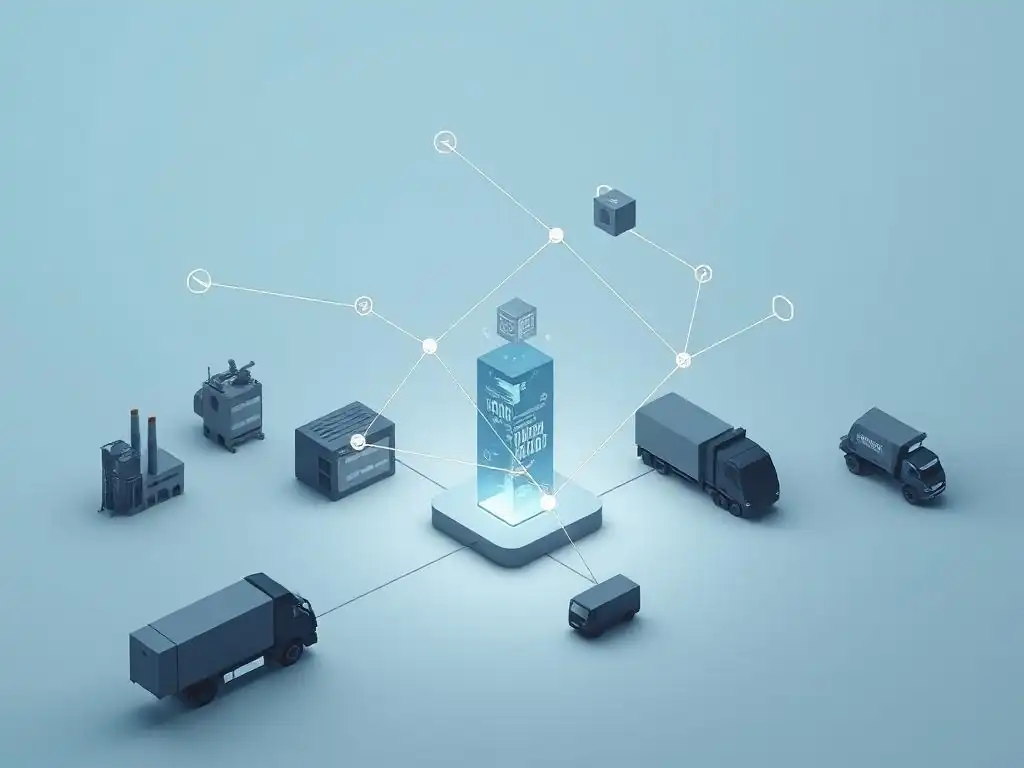
Successful blockchain deployment in supply chain management extends beyond the technical steps of building and launching the network. Several key considerations, ranging from security and scalability to regulatory compliance and the crucial element of partner collaboration, significantly impact the project's outcome and long-term success. Addressing these factors proactively during the planning and implementation phases is vital for mitigating risks and maximizing the benefits of the distributed ledger technology.
One primary consideration is ensuring robust security throughout the entire ecosystem, not just the blockchain layer itself. While the blockchain provides data integrity, the points where data enters the chain (or is referenced by it) are potential vulnerabilities. This includes securing integrations with existing systems, protecting IoT devices from tampering, and ensuring the secure management of digital identities and cryptographic keys for all participants. A single point of failure or compromise in an integrated system or a participant's security practices could undermine the trustworthiness of data recorded on the blockchain.
Security Considerations: Protecting Supply Chain Data and Preventing Fraud
Protecting sensitive supply chain data is paramount. Unlike public blockchains where data might be visible to all, permissioned supply chain networks require stringent data privacy measures. This involves carefully designing the data model to determine what information is stored on-chain (e.g., hashes, transaction identifiers) versus off-chain (e.g., full commercial documents), and implementing strong access controls for off-chain data repositories based on blockchain identities and permissions. Using techniques like zero-knowledge proofs could potentially allow verification of certain data attributes without revealing the underlying data itself, further enhancing privacy.
Preventing fraud is a key driver for using blockchain in supply chain. The immutability of the ledger makes it difficult to alter historical records, but fraud can occur at the data input stage. Measures must be in place to verify the source and accuracy of data before it is recorded on the blockchain.
This might involve digital signatures from trusted parties, integration with verified external data sources (like certified labs for quality data), or using tamper-evident devices (like secure sensors or seals). Establishing clear processes for dispute resolution and auditing mechanisms that leverage the blockchain's transparent record are also important for maintaining the integrity of the network against potential fraudulent activities.
Scalability Challenges and Solutions for Large-Scale Supply Chain Networks
Scalability is a significant challenge for any distributed system, and supply chains can generate a massive volume of transactions and data points. A global supply chain might involve millions of products, thousands of shipments daily, and numerous events per shipment (location updates, temperature logs, quality checks, ownership transfers). The blockchain network must be able to handle this load efficiently without becoming slow or prohibitively expensive.
Permissioned blockchains generally offer better scalability than public ones due to fewer validator nodes and more efficient consensus mechanisms. However, careful architectural design is still required. Solutions include optimizing the frequency and granularity of data recorded on-chain (e.g., batching sensor data rather than recording every single reading), leveraging off-chain storage for large files or less critical data, and using layer 2 scaling solutions if available for the chosen platform.
Sharding the network or using multiple interconnected blockchains for different segments of the supply chain could also be strategies for managing scale. Continuous monitoring of network performance and planning for future growth in transaction volume are essential.
Regulatory Compliance and Legal Considerations for Blockchain Implementations
Implementing blockchain in supply chain must navigate a complex landscape of regulations and legal considerations. Data privacy regulations, such as GDPR in Europe or similar laws elsewhere, dictate how personal data is collected, stored, and processed. While supply chain data primarily involves businesses and goods, personal data might be involved (e.g., names of drivers or warehouse staff, customer delivery addresses). Ensuring compliance requires careful design, potentially using techniques like pseudonymization or storing personal data off-chain with strict access controls.
Legal considerations also extend to the enforceability of smart contracts. While smart contracts automate actions based on code, their legal standing as binding agreements can vary by jurisdiction. It's often necessary to have traditional legal contracts underpinning the smart contracts, defining the terms and conditions in legally binding language and outlining how disputes will be resolved if the smart contract execution leads to issues. Cross-border transactions add complexity, requiring consideration of international laws and regulations regarding data transfer, electronic signatures, and contract enforceability. Consulting with legal experts specializing in blockchain and relevant industry regulations is crucial.
The Importance of Collaboration and Data Sharing in Supply Chain Blockchain Networks
Blockchain in supply chain is inherently a collaborative technology; its value is realized when multiple independent parties agree to join a network and share data on a common ledger. The success of any supply chain blockchain initiative hinges on the willingness of partners – who might traditionally be competitors or operate in silos – to collaborate and contribute data to the shared network. Without sufficient participation and data sharing, the network will lack the comprehensive visibility and network effects necessary to deliver significant benefits.
Building trust and fostering collaboration among potential participants is often more challenging than the technical implementation itself. This requires clear communication about the benefits of joining the network, addressing concerns about data privacy and competitive sensitivity, and establishing a fair and transparent governance model where all participants have a voice. Pilot projects with key partners can help demonstrate the value and build confidence. Incentivizing participation (e.g., through reduced costs, faster payments, or access to new insights) can also encourage adoption. A successful supply chain blockchain is as much about building a collaborative ecosystem as it is about deploying technology.
Measuring the ROI of Blockchain Implementations in Supply Chain
Quantifying the return on investment (ROI) of a blockchain implementation in supply chain is essential for justifying the initial investment and demonstrating the value created. Measuring ROI involves tracking the key performance indicators (KPIs) defined in the early stages of the project and comparing baseline metrics before blockchain implementation to post-implementation results. The benefits of blockchain in supply chain often manifest as cost savings, efficiency gains, risk reduction, and the creation of new business opportunities.
Tracking KPIs provides concrete data points to assess the impact. For example, measuring the time it takes to trace a product from origin to destination before and after blockchain implementation provides a direct measure of improved traceability. Similarly, comparing the incidence of shipping disputes or payment delays can quantify efficiency gains.
Cost savings can be measured by analyzing reductions in administrative overhead related to data reconciliation, auditing, or handling paperwork. While some benefits like increased trust or reduced brand damage from counterfeiting can be harder to quantify precisely, approximations based on historical data or market research can provide valuable insights.
Tracking Key Performance Indicators (KPIs): Traceability, Efficiency, and Cost Savings
As discussed in the planning phase, relevant KPIs should be tracked rigorously. For traceability, this might involve the average time to conduct a product recall or the percentage of products for which complete origin data is available on the ledger. Efficiency gains can be measured through metrics like reduced lead times, faster customs clearance due to readily available documentation on the blockchain, or a decrease in inventory holding costs resulting from better visibility and forecasting.
Cost savings can be tracked by comparing expenses related to manual data entry, reconciliation efforts, third-party verification services, and dispute resolution before and after implementing the blockchain. For example, a pilot project involving 100 shipments might show a 25% reduction in the time spent on verifying shipping documents, directly translating into labor cost savings. Over a larger scale, these savings can become significant. Documenting these quantifiable improvements is crucial for demonstrating a positive ROI and justifying further investment in blockchain technology.
Evaluating the Reduction in Counterfeiting and Supply Chain Disruptions
Beyond efficiency and cost, blockchain's impact on risk reduction, specifically in combating counterfeiting and mitigating supply chain disruptions, is a major component of ROI. Measuring the reduction in counterfeiting can involve tracking the number of reported counterfeit incidents for products leveraging the blockchain traceability solution, or estimating the value of goods protected from fraud. While precise figures can be challenging, industry averages for losses due to counterfeiting in specific sectors can serve as a benchmark to estimate the value of prevention.
Reducing supply chain disruptions is another key benefit. By providing real-time visibility into the movement and status of goods, blockchain helps identify potential delays or issues earlier. Measuring this can involve tracking the frequency and duration of disruptions related to data inaccuracies, verification delays, or lack of visibility into partner operations. A supply chain with better traceability and transparency is more resilient and agile, reducing the financial impact of unforeseen events. Quantifying the cost of past disruptions (e.g., lost sales, emergency logistics expenses) can help estimate the value of the risk reduction provided by the blockchain solution.
Identifying New Business Opportunities Enabled by Blockchain Technology
Blockchain implementation in supply chain can also unlock entirely new business opportunities beyond simply improving existing processes. The enhanced transparency and trusted data available on the ledger can enable innovative services and business models. For instance, verifiable proof of product authenticity and origin can command a premium price from consumers willing to pay more for ethical sourcing or genuine luxury goods. Blockchain-verified data can also facilitate new financing options, such as supply chain finance solutions where invoices recorded on the blockchain can be factored more easily and at lower rates due to the reduced risk for financiers.
Furthermore, the network itself can become a platform for offering data-driven services to participants or third parties (with appropriate permissions), such as analytics on supply chain performance or market trends based on aggregated, anonymized data from the ledger. Identifying and quantifying the potential revenue from these new opportunities is a forward-looking aspect of ROI measurement. While harder to predict with certainty than cost savings, exploring these potential avenues is important for realizing the full transformative potential of blockchain in supply chain management.
The Future of Blockchain in Supply Chain Management
The adoption of blockchain in supply chain management is still in its relatively early stages, but the trajectory points towards increasing integration and sophistication. As pilot projects mature and more consortia are formed, the technology is expected to become a standard component of modern supply chain infrastructure. The future will likely see broader adoption, more interconnected networks, and the integration of blockchain with other emerging technologies to create highly efficient, transparent, and resilient supply chains.
Emerging trends in blockchain technology itself will also influence its application in supply chain. Developments in scalability solutions (e.g., sharding, layer 2 networks), interoperability protocols (allowing different blockchain networks to communicate), and enhanced privacy features (e.g., zero-knowledge proofs) will address current limitations and expand the range of feasible use cases. The evolution of smart contract capabilities, potentially incorporating artificial intelligence or machine learning components, could lead to even more sophisticated automation of complex supply chain decisions.
Emerging Trends in Blockchain Technology for Supply Chain
Several technological trends are poised to enhance blockchain's role in supply chain. Interoperability is a key focus; as multiple companies and industries launch their own blockchain networks, the ability for these separate chains to exchange data securely and seamlessly will become crucial for end-to-end visibility across fragmented global supply chains. Protocols like Polkadot or Cosmos aim to address this challenge.
Scalability improvements are ongoing, with new consensus mechanisms and architectural patterns being developed to handle higher transaction volumes and data loads without compromising decentralization or security. Privacy-enhancing technologies, such as confidential transactions or zero-knowledge proofs, are becoming more mature, offering ways to verify data compliance or transaction validity on the blockchain without revealing sensitive details to all network participants, a critical feature for commercially sensitive information. The integration of blockchain with other technologies like AI for predictive analytics on supply chain data or digital twins for simulating supply chain flows is also an exciting area of development.
The Role of Blockchain in Promoting Sustainable and Ethical Supply Chains
Blockchain is increasingly recognized for its potential to drive sustainability and ethical practices in supply chains. By providing an immutable record of origin, certifications, and transactions, blockchain can offer verifiable proof of compliance with environmental standards, fair labor practices, and responsible sourcing. Consumers and regulators are demanding greater transparency regarding the provenance and impact of products, and blockchain provides a credible mechanism to deliver this.
For example, blockchain can track the journey of raw materials from source to finished product, verifying certifications for organic farming, fair trade, or conflict-free minerals at each step. Smart contracts can be used to ensure that payments are made to smallholder farmers based on verified delivery, promoting fair wages.
Companies can use the transparent ledger to demonstrate their commitment to reducing carbon footprint by tracking emissions data associated with transportation and production, verified by third-party auditors. This verifiable transparency helps combat greenwashing and provides consumers with the information they need to make informed purchasing decisions, thereby incentivizing sustainable and ethical behavior throughout the supply chain.
Predictions for the Adoption of Blockchain in Various Supply Chain Sectors
Adoption of blockchain in supply chain is expected to accelerate across various sectors, driven by the need for greater transparency, efficiency, and trust. Industries dealing with high-value goods, complex regulatory environments, or significant counterfeiting issues are likely to see faster adoption. This includes pharmaceuticals (tracking drugs, combating counterfeiting), food and agriculture (origin tracing, food safety), luxury goods (authenticity verification), and automotive (tracking parts, managing recalls).
Logistics and shipping sectors are already seeing significant blockchain initiatives aimed at streamlining documentation, tracking containers, and automating customs processes. As the technology matures, becomes more standardized, and interoperability improves, its application will likely expand to sectors like retail, manufacturing, and even public sector supply chains (e.g., managing aid distribution or government procurement). While challenges remain, including achieving widespread network adoption and integrating with legacy systems, the demonstrated benefits in early implementations suggest that blockchain is set to become a foundational technology for building the next generation of intelligent, transparent, and resilient supply chains.
Frequently Asked Questions
What are the key differences between a public and a private blockchain, and why might a business choose a private blockchain?
A public blockchain is permissionless and decentralized, while a private blockchain is permissioned and controlled. Businesses often opt for private blockchains for greater control over data access and faster transaction speeds.
What are the main steps involved in implementing a private blockchain for a business?
The core steps include defining business requirements, selecting the appropriate blockchain platform, designing the network architecture, and establishing governance policies.
How can businesses ensure the security of their private blockchain network?
Security measures involve robust access controls, encryption of data, and regular security audits. Implementing consensus mechanisms that are resistant to attacks is also crucial.
What are some potential use cases for private blockchains beyond financial applications within a business?
Beyond finance, private blockchains can be used for supply chain management, secure data sharing, and identity management. These applications improve efficiency and transparency.
What are some common challenges businesses face when implementing private blockchains, and how can they be overcome?
Challenges include scalability issues, integration with existing systems, and a lack of skilled personnel. These can be addressed through careful planning, strategic partnerships, and ongoing training.
Final Reflection: Embracing Decentralized Trust
The journey of understanding and implementing private blockchains for businesses is more than just a technical exercise; it's about reimagining trust and efficiency in a digital world. The practical steps and considerations outlined in this article are not merely theoretical constructs, but rather a roadmap for businesses seeking to leverage the transformative power of decentralized ledger technology to gain a competitive edge and build stronger, more transparent operations.
The ongoing influence of blockchain technology, particularly in its private iteration, is undeniable. It's reshaping how we think about data security, supply chain management, and inter-organizational collaboration. The potential for increased efficiency and reduced risk is immense, but requires careful planning and execution. The future of business is decentralized, and private blockchains are the key to unlocking that potential within the confines of established organizations.
As you consider the potential of private blockchains for your business, remember that the true value lies not just in the technology itself, but in the strategic application and the cultural shift it necessitates. Take the time to reflect on your organization's specific needs and challenges, and explore how a private blockchain solution can help you build a more secure, transparent, and efficient future. The power to redefine your business landscape is in your hands.
Unleash Your Blockchain Potential: Take the Next Step!
Thank you for exploring the world of private blockchains with us! We hope this article has clarified the practical steps and considerations needed to make informed decisions for your business. Now, it's time to put that knowledge into action:
- Start outlining your ideal private blockchain use case. Identify a specific problem within your organization that a private blockchain could address effectively, and note the key features and data requirements.
- Research various blockchain platforms designed for private implementations. Examine their consensus mechanisms, permissioning models, and integration capabilities to determine which best suits your needs.
- Share this article with your team and colleagues. Encourage a discussion about the potential benefits of adopting a private blockchain within your organization.
What is one critical process in your company that could be greatly improved by implementing a private blockchain? Share your thoughts in the comments below!
Leave a Reply