
Scalability Challenges and Solutions in Distributed Ledger Technologies


Welcome to Blockchain Trends, your go-to source for understanding the revolutionary impact of blockchain technology beyond the hype.
Ever wondered how blockchain can truly achieve its potential beyond cryptocurrencies? Dive into our latest deep dive as we confront the critical issue of blockchain scalability solutions challenges. Uncover the technological bottlenecks hindering mass adoption and explore innovative strategies paving the way for a future where decentralized systems can truly scale. Intrigued? Read on to discover the solutions transforming blockchain's limitations into limitless possibilities.
-
Blockchain Scalability Solutions in Decentralized Finance (DeFi)
- Introduction: Understanding Scalability Bottlenecks in DeFi
- The Current State of DeFi Scalability: Limitations and Challenges
- In-Depth Analysis of DeFi Scalability Challenges
- Layer-1 Scalability Solutions for DeFi
- Off-Chain Scalability Solutions
- Comparing Different DeFi Scalability Solutions: A Trade-off Analysis
- The Future of DeFi Scalability: Emerging Trends
- Overcoming DeFi Scalability Challenges: Best Practices and Strategies
- Conclusion: Scaling DeFi for Mass Adoption
-
Frequently Asked Questions
- What are the main scalability challenges facing blockchain technology?
- What are some Layer-2 scaling solutions being developed for blockchain?
- How can sharding help to improve the scalability of a blockchain network?
- What role does consensus mechanism optimization play in addressing scalability issues?
- What are the potential trade-offs when implementing blockchain scalability solutions?
- Final Reflection: Navigating the Blockchain Scalability Frontier
- Unleash the Future: Scale Your Blockchain Knowledge!
Blockchain Scalability Solutions in Decentralized Finance (DeFi)
Introduction: Understanding Scalability Bottlenecks in DeFi
Decentralized Finance (DeFi) has emerged as a transformative force within the blockchain ecosystem, promising to democratize financial services by leveraging distributed ledger technology. However, the rapid growth and increasing adoption of DeFi applications have exposed a critical challenge: scalability. Scalability in the context of blockchain refers to the ability of a network to handle a growing number of transactions and users without compromising speed, cost, or security.
In essence, a scalable blockchain can maintain its performance even as demand increases, much like a well-designed highway can handle rush hour traffic. Without effective blockchain scalability solutions, DeFi's potential for mass adoption and mainstream integration remains constrained by network congestion, high transaction fees, and slow processing times.
These scalability bottlenecks stem from the fundamental architecture of most current blockchain networks. Many popular blockchains, including early iterations of Ethereum, were designed with a focus on security and decentralization, often at the expense of transaction throughput. The need for each transaction to be validated by a distributed network of nodes creates inherent limitations on the number of transactions that can be processed within a given timeframe.
As DeFi applications become more complex and user activity intensifies, these limitations become acutely apparent, hindering the user experience and potentially undermining the long-term viability of decentralized financial systems. Addressing these challenges is paramount to unlocking the full potential of DeFi and ensuring its evolution into a robust and accessible alternative financial infrastructure.
The Current State of DeFi Scalability: Limitations and Challenges
The current state of DeFi scalability is characterized by significant limitations and ongoing challenges that directly impact user experience and the broader adoption of decentralized financial services. While the DeFi sector has witnessed exponential growth in terms of total value locked (TVL) and user participation, this expansion has placed immense pressure on the underlying blockchain infrastructure, particularly Ethereum, which hosts the majority of DeFi protocols. The consequences of these scalability constraints are multifaceted, manifesting in transaction throughput issues, latency problems, and constraints related to storage and bandwidth.
Transaction Throughput Issues on Ethereum
Ethereum's original architecture, based on a Proof-of-Work (PoW) consensus mechanism, has a limited transaction throughput, typically processing around 15-20 transactions per second (TPS). In comparison, traditional payment processors like Visa can handle thousands of transactions per second. During periods of high DeFi activity, such as during yield farming frenzies or token launches, the demand for transaction processing on Ethereum far exceeds its capacity.
This imbalance leads to network congestion, where transactions get stuck in a "mempool" awaiting processing, resulting in significant delays and a poor user experience. Real-world examples of this congestion are frequently observed during periods of high volatility in cryptocurrency markets, where users attempting to quickly execute trades on decentralized exchanges (DEXs) often face delays and failed transactions due to throughput limitations.
Latency and Confirmation Time Delays for DeFi Applications
Latency, the delay between initiating a transaction and its confirmation on the blockchain, is another critical scalability challenge in DeFi. In congested networks, confirmation times can extend significantly, sometimes taking minutes or even hours for a transaction to be finalized. This latency is particularly problematic for DeFi applications that require rapid transaction execution, such as arbitrage trading or liquidations in lending protocols.
For example, in decentralized lending platforms like Aave or Compound, delays in transaction confirmation during periods of market volatility can lead to missed opportunities for users to manage their positions effectively or even face liquidation due to slow responses to margin calls. The unpredictable nature of confirmation times also introduces uncertainty and friction into the user experience, making DeFi less appealing compared to traditional financial systems that offer near-instantaneous transaction finality.
Storage and Bandwidth Constraints due to DeFi Activity
The growing volume of DeFi transactions and the increasing complexity of smart contracts also contribute to storage and bandwidth constraints on blockchain networks. Each transaction and smart contract interaction adds data to the blockchain, leading to a rapidly expanding ledger size. This increasing data volume places a strain on network nodes that need to store and process this information.
Nodes require significant storage capacity and bandwidth to keep up with the growing blockchain, potentially leading to centralization concerns as running a full node becomes more resource-intensive and less accessible to individual users. Furthermore, the bandwidth required to propagate and synchronize this data across the network can become a bottleneck, especially during peak activity periods, further exacerbating latency and throughput issues. The long-term sustainability of DeFi infrastructure hinges on addressing these storage and bandwidth challenges to ensure the network remains efficient and accessible as DeFi continues to grow.
In-Depth Analysis of DeFi Scalability Challenges
To effectively address the scalability bottlenecks in DeFi, a deeper understanding of the underlying challenges is crucial. These challenges are not merely technical limitations but are rooted in the fundamental design principles of blockchain technology and the specific demands of decentralized financial applications. Analyzing the scalability trilemma, the impact of network congestion and high gas fees, and the constraints imposed by consensus mechanisms provides a comprehensive perspective on the complexities of DeFi scalability.
The Scalability Trilemma: Security, Decentralization, and Scalability in DeFi
The scalability trilemma, a concept often discussed in the blockchain space, posits that it is inherently difficult to achieve all three desirable properties of a blockchain system simultaneously: security, decentralization, and scalability. Typically, optimizing for two of these properties often comes at the expense of the third. In the context of DeFi, this trilemma is particularly relevant.
Prioritizing security and decentralization, as many foundational DeFi protocols do, often leads to limitations in scalability. For instance, blockchains with robust security features and a high degree of decentralization, like early Ethereum, tend to have lower transaction throughput. Conversely, blockchains that prioritize scalability by compromising on decentralization or security might be less suitable for DeFi applications that require high levels of trust and resilience.
Finding the right balance within this trilemma is a central challenge in designing blockchain scalability solutions for DeFi. Developers and researchers are constantly exploring innovative approaches to navigate this trade-off and develop solutions that can enhance scalability without sacrificing security or decentralization, which are fundamental tenets of the DeFi ecosystem.
Network Congestion and High Gas Fees on Ethereum
Network congestion on Ethereum, as previously discussed, directly translates into high gas fees, which are the transaction fees paid by users to incentivize miners (or validators in Proof-of-Stake systems) to process their transactions. When network demand is high and transaction throughput is limited, users must compete for block space by offering higher gas fees. This auction-like mechanism drives up the cost of transacting on the network, making DeFi applications increasingly expensive to use, especially for smaller transactions or for users in regions with lower average incomes.
During peak congestion periods, gas fees for simple transactions like token swaps or transfers on DEXs can surge to exorbitant levels, sometimes exceeding the value of the transaction itself. This phenomenon effectively prices out many potential users and hinders the accessibility and inclusivity of DeFi.
High gas fees also create a barrier to entry for new DeFi protocols and applications, as developers need to consider the cost implications for their users. Therefore, addressing network congestion is not just about improving transaction speed but also about making DeFi more affordable and accessible to a wider audience.
Addressing Consensus Mechanism Bottlenecks in DeFi Protocols
Consensus mechanisms, the algorithms that blockchains use to achieve agreement on the state of the ledger, play a critical role in determining scalability. Proof-of-Work (PoW), the consensus mechanism initially used by Bitcoin and Ethereum, while robust in terms of security, is inherently resource-intensive and slow. PoW requires significant computational power to solve cryptographic puzzles, limiting transaction throughput and contributing to energy consumption concerns.
Proof-of-Stake (PoS), a more energy-efficient alternative, is being adopted by Ethereum 2.0 and other blockchains as a potential solution to improve scalability. PoS mechanisms rely on validators staking cryptocurrency to participate in block production and transaction validation, reducing the computational overhead compared to PoW. However, even with PoS, achieving high scalability while maintaining security and decentralization remains a complex engineering challenge.
Furthermore, different DeFi protocols may employ variations or modifications of consensus mechanisms, and optimizing these mechanisms for the specific needs of DeFi applications is an ongoing area of research and development. Exploring and implementing more efficient and scalable consensus mechanisms is essential for overcoming the inherent bottlenecks associated with traditional blockchain architectures and enabling DeFi to scale effectively.
Layer-1 Scalability Solutions for DeFi
Layer-1 scalability solutions aim to improve the base protocol of a blockchain to handle more transactions directly on the main chain. These solutions often involve fundamental changes to the blockchain's architecture or consensus mechanism. For DeFi, which relies on the security and decentralization of the underlying Layer-1 blockchain, these solutions are crucial for long-term scalability. Key Layer-1 solutions include sharding, alternative Layer-1 blockchains with higher throughput, and improvements to consensus mechanisms.
Ethereum 2.0: Sharding for Increased DeFi Throughput
Ethereum 2.0, a major upgrade to the Ethereum network, incorporates sharding as a primary Layer-1 scalability solution. Sharding is a database partitioning technique that divides the blockchain into multiple smaller databases, called "shards." Each shard operates semi-independently and processes a subset of the network's transactions.
By parallelizing transaction processing across multiple shards, Ethereum 2.0 aims to significantly increase the overall transaction throughput of the network without compromising security or decentralization. This approach is analogous to adding more lanes to a highway to handle increased traffic flow. Sharding is expected to be a game-changer for DeFi on Ethereum, as it directly addresses the transaction throughput bottleneck that has plagued the network.
How Ethereum 2.0 Sharding Works to Enhance DeFi Scalability
In Ethereum 2.0 sharding, the network is divided into 64 shards, each acting as a mini-blockchain. Validators are assigned to specific shards and are responsible for processing transactions and producing blocks only for their assigned shard. This division of labor allows for parallel processing of transactions, as multiple shards can process transactions simultaneously.
A "beacon chain" acts as the central coordinator of the shards, ensuring consensus across the entire network and facilitating communication between shards. Cross-shard communication is a crucial aspect of sharding, allowing DeFi applications to operate across multiple shards while maintaining data consistency and atomicity. While cross-shard transactions introduce some complexity, the overall increase in parallel processing capacity offered by sharding is expected to dramatically improve Ethereum's scalability and enable it to support a much larger volume of DeFi activity.
Advantages and Disadvantages of Ethereum 2.0 Sharding
The primary advantage of Ethereum 2.0 sharding is its potential to significantly increase transaction throughput, addressing the core scalability bottleneck in DeFi. By parallelizing transaction processing, sharding can theoretically increase Ethereum's TPS by orders of magnitude, potentially reaching thousands or even tens of thousands of transactions per second. This enhanced throughput can dramatically reduce network congestion and gas fees, making DeFi applications more accessible and user-friendly. Another advantage is that sharding maintains Ethereum's robust security and decentralization, as the core consensus mechanism remains Proof-of-Stake, and the network continues to be secured by a large and distributed set of validators.
However, sharding also presents some disadvantages and complexities. Implementing sharding is a technically challenging undertaking, and the full rollout of Ethereum 2.0 has faced delays and ongoing development efforts. Cross-shard communication introduces latency and complexity, and ensuring data consistency across shards requires sophisticated engineering. Furthermore, the security of individual shards needs to be carefully considered, as smaller shards might be potentially more vulnerable to attacks compared to the main chain. Despite these challenges, sharding remains a promising Layer-1 scalability solution for Ethereum and DeFi, and its successful implementation is widely anticipated within the blockchain community.
Alternative Layer-1 Blockchains with Higher Throughput: Solana and Avalanche
Beyond Ethereum 2.0, several alternative Layer-1 blockchains have emerged that are designed with a focus on high throughput and scalability from the outset. Solana and Avalanche are prominent examples of such blockchains that offer significantly higher transaction throughput compared to traditional blockchains like Ethereum 1.0. These blockchains employ different architectural designs and consensus mechanisms to achieve their scalability goals. Solana utilizes a Proof-of-History (PoH) mechanism in conjunction with Proof-of-Stake to achieve high transaction speeds, while Avalanche employs a novel consensus protocol that allows for rapid transaction finality and high throughput.
Solana boasts a theoretical throughput of tens of thousands of transactions per second and has attracted a growing DeFi ecosystem due to its speed and low transaction fees. Avalanche also offers high throughput and fast finality, positioning itself as a platform for building scalable DeFi applications. These alternative Layer-1 blockchains provide DeFi developers with options beyond Ethereum for deploying their protocols and reaching users who prioritize speed and low costs.
However, it is important to note that these newer blockchains often have different security and decentralization trade-offs compared to more established blockchains like Ethereum. The long-term security, reliability, and ecosystem maturity of these alternative Layer-1 platforms are still evolving.
Consensus Mechanism Improvements: Proof-of-Stake (PoS) in Ethereum 2.0
As mentioned earlier, Proof-of-Stake (PoS) is a significant consensus mechanism improvement being implemented in Ethereum 2.0. PoS offers several advantages over Proof-of-Work (PoW) in terms of scalability and energy efficiency. In PoS, validators are selected to propose and validate new blocks based on the amount of cryptocurrency they stake, rather than based on computational power as in PoW. This eliminates the need for energy-intensive mining and allows for faster block production times. PoS can contribute to improved scalability by reducing the overhead associated with block creation and validation, leading to higher transaction throughput and lower latency.
Ethereum 2.0's transition to PoS is a crucial step in its scalability roadmap. By moving away from PoW, Ethereum aims to significantly reduce its energy consumption and improve its transaction processing capabilities. Furthermore, PoS is considered to be more environmentally friendly and sustainable compared to PoW, addressing growing concerns about the environmental impact of blockchain technology.
The adoption of PoS is not limited to Ethereum; many newer blockchains and Layer-2 solutions also utilize PoS or variations thereof to achieve scalability and efficiency. Improvements in consensus mechanisms, such as PoS and its variants, are essential for overcoming the inherent scalability limitations of traditional blockchain architectures and enabling DeFi to scale sustainably.
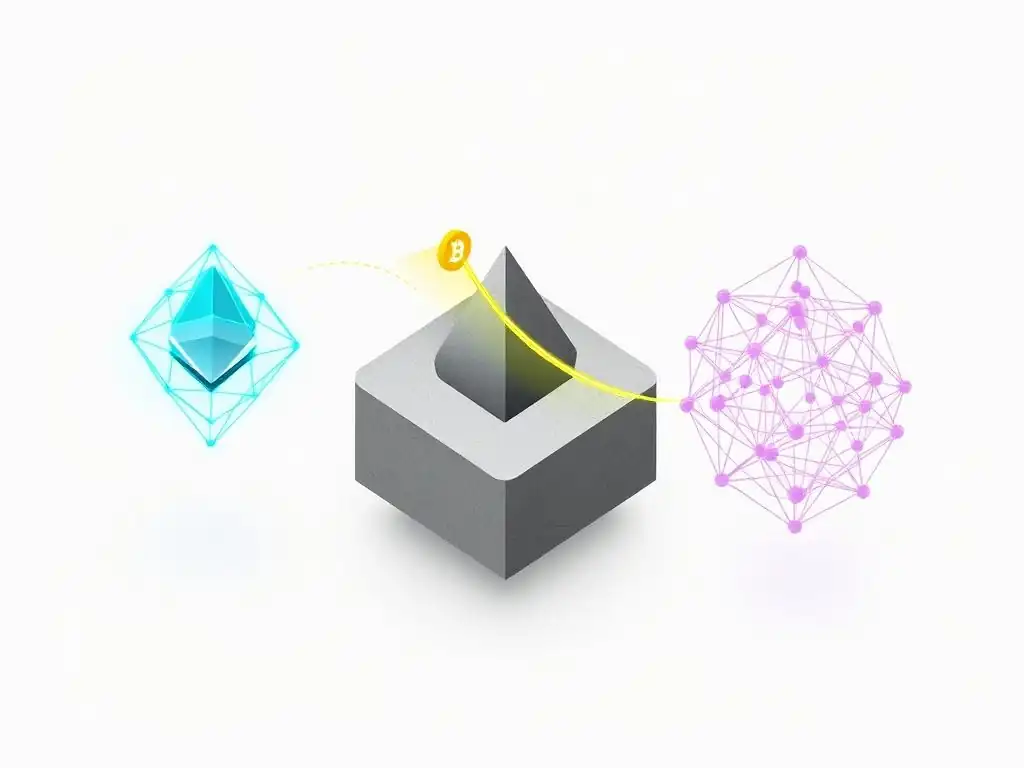
Layer-2 scalability solutions operate on top of a Layer-1 blockchain, such as Ethereum, to increase transaction throughput and reduce costs without fundamentally altering the underlying Layer-1 protocol. These solutions leverage various techniques to process transactions off-chain while still benefiting from the security and decentralization of the main chain. Layer-2 solutions are often quicker to implement and deploy compared to Layer-1 upgrades and are becoming increasingly important for scaling DeFi in the short to medium term. Key Layer-2 solutions for DeFi include state channels, sidechains, and rollups.
State Channels: Raiden Network for Off-Chain DeFi Transactions
State channels are a Layer-2 scaling solution that enables direct, off-chain communication and transaction processing between a limited set of participants. Participants in a state channel lock up a certain amount of cryptocurrency on the Layer-1 blockchain and then can conduct multiple transactions off-chain within the channel. Only the opening and closing states of the channel are recorded on the main chain, significantly reducing the number of transactions that need to be processed on Layer-1. The Raiden Network is a prominent example of a state channel implementation for Ethereum, designed to enable faster and cheaper payments and microtransactions.
How Raiden Network Improves DeFi Transaction Speed
Raiden Network improves DeFi transaction speed by facilitating off-chain peer-to-peer transfers. Once a Raiden channel is established between two parties, they can exchange numerous transactions instantly and at virtually zero cost within the channel. These off-chain transactions are not subject to the congestion and gas fees of the main Ethereum network.
Only when the channel is closed are the final balances settled on the Layer-1 blockchain. This approach significantly reduces the load on the main chain and allows for much faster and more cost-effective transactions for users participating in Raiden channels. For DeFi applications that involve frequent and small-value transactions between specific users, state channels like Raiden Network can provide a substantial scalability boost.
Examples of Raiden Network Implementations in DeFi
While Raiden Network is still under development and adoption is growing, there are potential use cases in DeFi where state channels could be beneficial. For example, in decentralized payment systems or micro-lending platforms, Raiden channels could enable faster and cheaper transactions between users. Imagine a DeFi application that facilitates frequent payments between users for content subscription or micro-tasks.
Using Raiden channels, these payments can be processed instantly and at minimal cost, improving the user experience and making the application more viable. However, state channels are best suited for scenarios where transactions primarily occur between specific, known parties and may not be as versatile for all types of DeFi applications that involve broader network interactions.
Sidechains: Polygon (Matic) for DeFi Scaling
Sidechains are another Layer-2 scaling solution that are essentially separate blockchains that run parallel to the main Layer-1 blockchain and are connected to it through a bridge. Sidechains have their own consensus mechanisms and block parameters and can be optimized for higher transaction throughput. Polygon (formerly Matic Network) is a prominent example of a sidechain solution for Ethereum, designed to provide a scalable and cost-effective platform for DeFi applications. Polygon acts as a commitment chain to Ethereum, meaning it periodically submits checkpoints of its state to the Ethereum main chain for security and finality.
Benefits and Drawbacks of Using Polygon for DeFi
The primary benefit of using Polygon for DeFi is its significantly higher transaction throughput and lower transaction fees compared to Ethereum mainnet. Polygon can process thousands of transactions per second and gas fees are typically a fraction of a cent, making DeFi applications on Polygon much more affordable and user-friendly.
This allows DeFi protocols to offer services to a wider range of users and enables use cases that are economically infeasible on Ethereum mainnet due to high costs. Polygon also offers compatibility with the Ethereum Virtual Machine (EVM), making it relatively easy for DeFi developers to port their applications from Ethereum to Polygon.
However, sidechains like Polygon also have drawbacks. While they are connected to Ethereum, they operate as separate blockchains and rely on their own consensus mechanisms. This introduces a degree of trust in the security of the sidechain itself, which may be different from the security of the main Layer-1 blockchain.
There are also bridge risks associated with transferring assets between the main chain and the sidechain. Furthermore, while Polygon is more decentralized than some other scaling solutions, it may not be as decentralized as the Ethereum mainnet itself. Users need to consider these trade-offs when choosing to use DeFi applications on sidechains like Polygon.
Case Studies of Successful Polygon DeFi Deployments
Polygon has seen significant adoption in the DeFi space, with numerous DeFi protocols deploying versions of their applications on the Polygon network. Aave, a popular decentralized lending protocol, has deployed Aave Arc on Polygon, offering lower transaction fees and faster transaction times for users. Curve, a decentralized exchange specializing in stablecoin swaps, also has a significant presence on Polygon, providing users with cost-effective stablecoin trading opportunities.
These examples demonstrate the successful deployment of established DeFi protocols on Polygon and highlight the benefits of using sidechains for scaling DeFi applications. The lower fees and faster transaction speeds on Polygon have attracted a significant user base and have contributed to the growth of the DeFi ecosystem beyond the Ethereum mainnet.
Rollups: Optimistic Rollups (Arbitrum) and ZK-Rollups (zkSync) for DeFi
Rollups are a Layer-2 scaling solution that process transactions off-chain but post transaction data to the Layer-1 blockchain. This allows rollups to inherit the security of the Layer-1 blockchain while achieving higher throughput and lower fees. There are two main types of rollups: Optimistic Rollups and Zero-Knowledge (ZK) Rollups. Optimistic Rollups, like Arbitrum, assume transactions are valid by default and only perform fraud proofs on-chain if a transaction is challenged. ZK-Rollups, like zkSync, use zero-knowledge proofs to cryptographically prove the validity of off-chain transactions before posting them to the Layer-1 blockchain.
Types of Rollups: Optimistic and Zero-Knowledge (ZK) in DeFi
Optimistic Rollups are simpler to implement and are compatible with the EVM, making it easier to port existing DeFi applications to Optimistic Rollup solutions like Arbitrum. Arbitrum has gained significant traction in the DeFi space and hosts a growing ecosystem of DeFi protocols. However, Optimistic Rollups have a challenge period, typically around 7 days, during which transactions can be challenged. This delay can affect the withdrawal time of assets from the rollup back to the Layer-1 chain.
ZK-Rollups, on the other hand, offer faster finality as they use cryptographic proofs to ensure transaction validity. ZK-Rollups like zkSync provide strong security guarantees and faster withdrawal times compared to Optimistic Rollups. However, ZK-Rollups are more complex to implement, and EVM compatibility has been more challenging to achieve, although progress is being made in this area. Both Optimistic Rollups and ZK-Rollups are promising Layer-2 scaling solutions for DeFi, each with its own trade-offs in terms of complexity, finality, and EVM compatibility.
Rollups and Data Availability Challenges in DeFi
A crucial aspect of rollup security is data availability. Rollups must ensure that transaction data is available on the Layer-1 blockchain, even if transactions are processed off-chain. This data availability is necessary for users to reconstruct the rollup state and challenge fraudulent transactions in the case of Optimistic Rollups or to verify the validity of ZK-proofs in ZK-Rollups.
Ensuring data availability while minimizing on-chain costs is a key challenge in rollup design. Different rollups employ various techniques for data availability, such as posting transaction data directly on-chain or using data availability sampling techniques. The efficiency and security of data availability solutions are critical factors in the overall performance and security of rollup-based DeFi scaling solutions.
Off-Chain Scalability Solutions
Off-chain scalability solutions move transaction processing entirely or partially outside of the blockchain network. While these solutions can offer significant scalability improvements, they often come with trade-offs in terms of decentralization and security, particularly in the context of DeFi where trust and transparency are paramount. Centralized exchanges and hybrid solutions represent different approaches to off-chain scalability.
Centralized Exchanges: Limitations and Risks for DeFi
Centralized exchanges (CEXs) are a form of off-chain solution that offer high transaction throughput and low fees. CEXs operate as centralized intermediaries, handling order matching and transaction settlement off-chain within their own infrastructure. While CEXs provide a user-friendly and scalable trading experience, they are inherently centralized and contradict the core principles of DeFi.
Users trading on CEXs must trust the exchange to custody their funds and execute trades honestly. CEXs are also single points of failure and are susceptible to hacks, regulatory risks, and censorship. The collapse of major CEXs, such as FTX, highlights the risks associated with relying on centralized intermediaries in the cryptocurrency space.
For DeFi, which aims to create a trustless and decentralized financial system, relying solely on CEXs for scalability is not a viable long-term solution. CEXs may play a role in onboarding users to DeFi, but ultimately, the goal of DeFi is to move away from centralized intermediaries and build a truly decentralized financial infrastructure.
Hybrid Solutions: Combining On-Chain and Off-Chain Approaches for DeFi
Hybrid solutions attempt to combine the benefits of both on-chain and off-chain approaches to achieve scalability while preserving some level of decentralization and security. These solutions may involve using off-chain computation or data storage for certain aspects of DeFi applications while still anchoring critical operations and asset custody on the Layer-1 blockchain. For example, a DeFi lending protocol could use off-chain order books for order matching but settle loan agreements and manage collateral on-chain.
Another example is using off-chain oracles for price feeds but verifying the oracle data on-chain to prevent manipulation. Hybrid solutions aim to optimize for scalability in areas where off-chain processing is acceptable while maintaining the core security and trust guarantees of the blockchain for critical functions. Designing effective hybrid solutions requires careful consideration of the trade-offs between scalability, decentralization, and security and tailoring the approach to the specific needs of the DeFi application.
Comparing Different DeFi Scalability Solutions: A Trade-off Analysis
Choosing the right blockchain scalability solutions for DeFi involves carefully considering the trade-offs between different approaches. Layer-1 and Layer-2 solutions, in particular, offer distinct advantages and disadvantages in terms of scalability, security, and decentralization. A thorough evaluation of these trade-offs is essential for making informed decisions about which solutions are most appropriate for specific DeFi use cases and for the long-term evolution of the DeFi ecosystem.
Layer-1 vs. Layer-2 Scalability Solutions for DeFi: Which is Best?
Layer-1 scalability solutions, like Ethereum 2.0 sharding, aim to fundamentally improve the base blockchain protocol, offering potentially the most robust and long-term solution for scalability. Layer-1 solutions generally enhance the overall capacity of the entire network and benefit all applications built on that chain. However, Layer-1 upgrades are often complex, time-consuming, and require significant coordination across the network.
Layer-2 solutions, such as rollups and sidechains, offer faster and more incremental scalability improvements by building on top of existing Layer-1 blockchains. Layer-2 solutions can be deployed more quickly and are often tailored to specific application needs. They can provide significant scalability gains in the short to medium term and are becoming increasingly important for the current growth of DeFi. However, Layer-2 solutions may introduce additional complexity, trust assumptions, and potential security considerations compared to Layer-1 solutions.
There is no single "best" scalability solution for DeFi; the optimal approach depends on the specific requirements of the application, the desired level of security and decentralization, and the time horizon. In many cases, a combination of Layer-1 and Layer-2 solutions may be the most effective strategy for achieving comprehensive scalability in DeFi. Layer-1 upgrades provide the foundational scalability improvements, while Layer-2 solutions offer flexible and application-specific scaling options.
Evaluating the Security Implications of Scalability Solutions for DeFi
Security is paramount in DeFi, and the security implications of different scalability solutions must be carefully evaluated. Layer-1 solutions, if implemented correctly, can enhance scalability without compromising the inherent security of the base blockchain. However, complex Layer-1 upgrades, like sharding, introduce new security challenges that need to be thoroughly addressed.
Layer-2 solutions often inherit the security of the underlying Layer-1 blockchain, but they also introduce their own security considerations. Sidechains have their own consensus mechanisms and security models, which may differ from the main chain. Rollups rely on cryptographic proofs or fraud proofs to ensure transaction validity, and the security of these mechanisms is crucial. Users and developers need to understand the security assumptions and potential risks associated with each scalability solution and choose solutions that align with their security requirements. Audits, rigorous testing, and community scrutiny are essential for ensuring the security of DeFi scalability solutions.
Decentralization Considerations for Each Scalability Approach in DeFi
Decentralization is another core principle of DeFi, and the impact of scalability solutions on decentralization must be considered. Some scalability solutions, if not designed carefully, could inadvertently lead to centralization. For example, if running a node on a sharded blockchain becomes too resource-intensive, it could reduce the number of validators and potentially decrease decentralization. Similarly, if Layer-2 solutions rely on centralized operators or sequencers, they may introduce centralization points into the DeFi ecosystem.
Maintaining decentralization while scaling DeFi requires careful design and implementation of scalability solutions. Solutions that promote a large and diverse set of validators or operators, minimize trust assumptions, and ensure open access to participation are generally preferred from a decentralization perspective. The long-term goal of DeFi is to build a robust and decentralized financial system, and scalability solutions should be aligned with this goal. Balancing scalability with decentralization is a continuous challenge in the evolution of DeFi, and ongoing research and development are crucial for finding solutions that can achieve both.
The Future of DeFi Scalability: Emerging Trends
The future of DeFi scalability is likely to be shaped by several emerging trends and technological advancements. Cross-chain interoperability, the increasing sophistication of zero-knowledge proofs, and the growing interest in institutional DeFi adoption are key factors driving innovation in DeFi scalability solutions.
Cross-Chain Interoperability and Scalability for DeFi
Cross-chain interoperability, the ability for different blockchains to communicate and interact with each other, is becoming increasingly important for DeFi scalability. As more Layer-1 and Layer-2 blockchains emerge, the DeFi ecosystem is becoming increasingly fragmented. Cross-chain bridges and interoperability protocols can enable users to seamlessly transfer assets and interact with DeFi applications across different chains.
This can help distribute DeFi activity across multiple blockchains, alleviating congestion on any single chain and improving overall scalability. Furthermore, cross-chain composability can unlock new opportunities for DeFi innovation by allowing protocols to leverage the unique features and capabilities of different blockchains. The development of robust and secure cross-chain infrastructure is crucial for the future scalability and growth of DeFi.
The Role of Zero-Knowledge Proofs in Scalable DeFi Applications
Zero-knowledge proofs (ZKPs) are a cryptographic technique that allows one party to prove to another party that a statement is true without revealing any information beyond the validity of the statement itself. ZKPs are increasingly being recognized for their potential to enhance scalability and privacy in DeFi applications. ZK-Rollups, as discussed earlier, utilize ZKPs to achieve scalable and secure Layer-2 transactions.
Beyond rollups, ZKPs can be applied to other areas of DeFi, such as privacy-preserving transactions, confidential smart contracts, and verifiable computation. As ZKP technology matures and becomes more efficient, it is expected to play a significant role in enabling scalable and privacy-focused DeFi applications in the future.
Scalability Solutions for Institutional DeFi Adoption
Institutional adoption of DeFi is a growing trend, and scalability solutions that cater to the specific needs of institutional investors are becoming increasingly important. Institutions often require high transaction throughput, low latency, robust security, and regulatory compliance. Scalability solutions that can meet these demands are crucial for attracting institutional capital and driving the mainstream adoption of DeFi.
This may involve developing enterprise-grade Layer-2 solutions, permissioned DeFi platforms, or hybrid solutions that combine the benefits of public blockchains with the requirements of institutional finance. Scalability solutions tailored for institutional DeFi adoption are likely to be a key focus area in the future evolution of the DeFi ecosystem.
Overcoming DeFi Scalability Challenges: Best Practices and Strategies
Overcoming DeFi scalability challenges requires a multi-faceted approach that involves choosing the right scalability solutions, optimizing smart contract performance, and implementing effective monitoring and management strategies. Developers and users of DeFi applications need to adopt best practices and strategies to mitigate scalability bottlenecks and ensure a smooth and efficient user experience.
Choosing the Right Scalability Solution for Your DeFi Use Case
Selecting the appropriate scalability solution for a DeFi use case depends on several factors, including the application's transaction volume, sensitivity to latency, security requirements, and decentralization preferences. For applications that require high throughput and low fees, Layer-2 solutions like rollups or sidechains may be suitable. For applications that prioritize security and long-term scalability, Layer-1 solutions like Ethereum 2.0 sharding may be more appropriate.
For applications that involve frequent transactions between specific parties, state channels could be considered. Developers should carefully evaluate the trade-offs of different scalability solutions and choose the solution that best aligns with the specific needs of their DeFi application. It is also important to consider the maturity and adoption level of different scalability solutions and to choose solutions that are well-supported and have a proven track record.
Optimizing DeFi Smart Contracts for Performance
Smart contract code can significantly impact the performance and scalability of DeFi applications. Inefficient smart contract code can consume excessive gas and contribute to network congestion. Optimizing smart contracts for performance is crucial for reducing gas costs and improving scalability. This involves writing efficient code, minimizing on-chain computation and storage, and leveraging gas optimization techniques.
Developers should profile their smart contracts to identify performance bottlenecks and refactor code to improve efficiency. Using optimized smart contract libraries and following best practices for smart contract development can also contribute to better performance and scalability. Auditing smart contracts for gas efficiency is also recommended to identify potential areas for optimization.
Monitoring and Addressing Scalability Issues in Real-Time DeFi Applications
Once a DeFi application is deployed, it is essential to monitor its performance and address scalability issues in real-time. Monitoring key metrics, such as transaction latency, gas fees, and network congestion, can help identify potential scalability bottlenecks. Implementing alerting systems to notify developers of performance degradation can enable proactive intervention and mitigation of scalability issues.
Dynamic scaling strategies, such as adjusting gas price recommendations or implementing rate limiting, can be used to manage network congestion and ensure a smooth user experience during peak activity periods. Continuous monitoring and optimization are essential for maintaining the performance and scalability of DeFi applications over time.
Conclusion: Scaling DeFi for Mass Adoption
Scalability is a critical challenge that must be overcome to unlock the full potential of Decentralized Finance and enable its mass adoption. While significant progress has been made in developing blockchain scalability solutions, ongoing innovation and development are essential to address the evolving demands of the DeFi ecosystem.
Layer-1 solutions like Ethereum 2.0 sharding, Layer-2 solutions such as rollups and sidechains, and emerging trends like cross-chain interoperability and zero-knowledge proofs offer promising pathways towards scalable DeFi. By carefully considering the trade-offs of different scalability solutions, optimizing smart contract performance, and adopting best practices for monitoring and management, the DeFi community can collectively overcome scalability challenges and pave the way for a future where decentralized financial services are accessible and efficient for everyone.
Achieving true scalability will not only enhance the user experience of existing DeFi applications but also unlock new and innovative use cases, driving the continued growth and mainstream adoption of decentralized finance.
Frequently Asked Questions
What are the main scalability challenges facing blockchain technology?
The primary challenges revolve around transaction throughput, network congestion, and high transaction fees as the network grows. This limits the practical application of blockchain in many real-world scenarios.
What are some Layer-2 scaling solutions being developed for blockchain?
Layer-2 solutions, such as Lightning Network and Rollups, process transactions off-chain to reduce the load on the main blockchain. They enhance scalability by batching transactions and settling them periodically on the main chain.
How can sharding help to improve the scalability of a blockchain network?
Sharding divides the blockchain network into smaller, manageable pieces (shards), allowing them to process transactions in parallel. This significantly increases transaction processing speed and overall network capacity.
What role does consensus mechanism optimization play in addressing scalability issues?
Optimizing consensus mechanisms, such as moving from Proof-of-Work to Proof-of-Stake, can improve scalability. PoS generally requires less computational power and can handle more transactions efficiently.
What are the potential trade-offs when implementing blockchain scalability solutions?
Implementing scalability solutions often involves trade-offs, such as increased complexity or potential security vulnerabilities. Careful consideration must be given to these factors to ensure a robust and secure system.
The exploration of Blockchain scalability solutions challenges reveals a critical juncture for the technology's future. What began as a revolutionary concept faces real-world limitations, demanding innovative solutions to unlock its full potential. The journey through the complexities of sharding, layer-2 solutions, and consensus mechanisms underscores the urgency of addressing these challenges to ensure blockchain's widespread adoption and lasting impact.
The ongoing quest for blockchain scalability profoundly influences the digital landscape, shaping how we envision decentralized systems and trustless interactions. My own engagement with this topic has reinforced the belief that overcoming these hurdles is not merely a technical exercise, but a crucial step towards a more equitable and transparent future. The key to unlocking blockchain's true potential lies in our ability to scale it effectively, ensuring it can handle the demands of a globalized world without compromising its core principles of security and decentralization.
This sentiment encapsulates the collective responsibility we bear in shaping the trajectory of this transformative technology.
Now, as you reflect on the intricacies of blockchain scalability, consider how these solutions might impact your own interactions with digital systems. How can you advocate for the adoption of scalable blockchain technologies in your community or industry? The future of blockchain is not predetermined; it is shaped by the choices we make today. Embrace the challenge, explore the possibilities, and contribute to building a more scalable, secure, and decentralized world.
Unleash the Future: Scale Your Blockchain Knowledge!
Thank you for exploring the complexities and solutions surrounding blockchain scalability with us. We hope this article has provided valuable insights into overcoming the challenges and unlocking the true potential of distributed ledger technologies. Ready to take the next step?
Here's how you can dive deeper:
- Dive Deeper: Start researching a specific Layer-2 scaling solution such as zk-rollups or optimistic rollups. Understand the core trade-offs involved in their real-world implementations.
- Expand Your Network: Join an online forum or community dedicated to blockchain development and contribute to discussions on scalability. Share one key insight you gained from this article and seek others' perspectives.
- Experiment and Innovate: Check if there are any test networks available for various scaling solutions. Try deploying a smart contract on a Layer-2 testnet and get hands-on experience with the technology.
What innovative scaling solution do you believe holds the most promise for mass adoption, and what unique challenges might it face in practice? Share your thoughts below!
Leave a Reply