
Decoding DApp FrontEnd: Your Gateway to Web3 Innovation


Welcome to Blockchain Trends, your compass in the rapidly evolving world of decentralized technologies. Are you ready to unlock the potential of Web3? This week, we're diving deep into Decentralized App FrontEnd Development, exploring the tools and techniques that are shaping the future of user interaction in the decentralized space. But what does it really take to build a user-friendly and secure DApp interface? Join us as we unravel the complexities and opportunities that lie ahead, setting you on the path to Web3 innovation.
Decoding DApp Front-End: Your Gateway to Web3 Innovation
- Understanding Decentralized App Front-End Development
- Essential Technologies for DApp Front-End Development
- Building a User-Friendly DApp Front-End: Best Practices
- Integrating Wallets into Your DApp Front-End
- DApp Front-End Development Frameworks and Libraries
- DApp Front-End Deployment and Hosting
- The Future of Decentralized App Front-End Development
- Challenges and Considerations in DApp Front-End Engineering
-
Frequently Asked Questions
- How does Decentralized App (DApp) frontend development differ from traditional web development?
- What are the most important skills for a DApp frontend developer?
- What are the main challenges in DApp frontend development?
- How does the concept of decentralization impact frontend design and functionality?
- What are some emerging trends in DApp frontend development?
- Final Reflection: Embracing the Decentralized Future
- Unleash Your Web3 Potential!
Understanding Decentralized App Front-End Development
What is a DApp Front-End and Why is it Crucial?
The DApp front-end is the user interface that bridges the complex world of blockchain with everyday user interactions. As decentralized applications continue to reshape industries by leveraging technology like smart contracts and distributed ledgers, the front-end plays a pivotal role in ensuring that users can effortlessly interact with these back-end processes. This interface transforms intricate blockchain commands into intuitive clicks and swipes, making technology accessible and engaging.
Beyond mere presentation, the DApp front-end is integral to building trust and usability in Web3 environments. It involves handling user data, aligning with decentralized identity principles, and offering clear insights into blockchain-based transactions. In an era where user experience can determine the success of a decentralized platform, investing in a robust front-end strategy is more important than ever.
The Role of the Front-End in the DApp Ecosystem
The front-end in a DApp ecosystem acts as the interactive layer that communicates with blockchain networks and smart contracts. It is responsible for relaying user commands to the underlying decentralized protocols, ensuring that interactions such as token transfers or decentralized voting are executed correctly. This layer not only makes complex processes accessible but also enhances transparency and trust through user-friendly dashboards and real-time feedback.
Moreover, the front-end enables seamless integration with various blockchain networks by utilizing libraries and APIs designed for blockchain interactions. It supports multi-wallet connectivity, secure authentication, and dynamic data presentations that are tailored for decentralized applications. As blockchain technology moves beyond niche use cases, a well-designed DApp front-end is crucial in bringing blockchain innovations to mainstream users.
Key Differences Between Traditional Web Front-Ends and DApp Front-Ends
Traditional web front-ends typically communicate with centralized servers, relying on established RESTful APIs and SQL-based databases. In contrast, DApp front-ends must navigate decentralized protocols which often rely on peer-to-peer networks and blockchain transactions. This introduces unique challenges such as handling asynchronous transaction verifications, state changes, and ensuring user security in a trustless environment.
Furthermore, DApp front-ends are built to interact with blockchain nodes directly or through intermediary libraries such as Web3.js and Ethers.js. This requires a deeper understanding of blockchain mechanics, potential latency issues due to network confirmations, and the need to maintain a transparent audit trail of user actions. These differences demand specialized design and development approaches that set DApp front-ends apart from their traditional counterparts.
Essential Technologies for DApp Front-End Development
Mastering JavaScript for Decentralized Applications
JavaScript remains the backbone of most decentralized application development, powering both traditional and DApp front-ends with robust capabilities. Its versatility and extensive ecosystem of libraries are critical in managing the dynamic nature of blockchain interactions and real-time data updates. Developers rely heavily on JavaScript to facilitate smooth communication between the user interface and underlying blockchain networks.
In decentralized environments, JavaScript frameworks are extended to include specialized libraries that enable wallet integrations, smart contract interactions, and even handling transaction confirmations. The language’s asynchronous programming model, supported by promises and async/await, is particularly well-suited for blockchain-related tasks, making it possible to maintain a responsive UI despite variable transaction times and network delays.
Utilizing React for Building Dynamic DApp UIs
React’s component-based architecture is highly valued in the DApp development community because it allows developers to build modular and maintainable interfaces. With React, developers can create isolated UI components that handle complex data flows and state management seamlessly, ensuring that DApp front-ends remain both dynamic and scalable. This is particularly important when dealing with the real-time data feeds typical of blockchain interactions.
Moreover, React’s vast ecosystem, including state management libraries like Redux and Context API, simplifies the process of managing decentralized data. For example, updating token balances or transaction statuses in a decentralized exchange can be handled efficiently with React's reactivity. This robust framework not only accelerates development speeds but also provides a strong foundation for creating visually appealing and responsive user interfaces within the Web3 context.
Leveraging Vue.js for Scalable DApp Front-Ends
Vue.js offers a flexible and progressive framework that can be incrementally adopted, which is highly beneficial for developing DApp front-ends. Its gentle learning curve coupled with powerful tools like Vuex for state management makes it an attractive option for developers transitioning to decentralized environments. Vue.js allows for the creation of high-performance applications that are capable of handling real-time blockchain data effectively.
The framework’s reactive data binding and component system minimize code complexity and improve development efficiency. In the context of DApps, these features are instrumental in ensuring that user interactions with smart contracts are seamless and that data updates are reflected in real time without sacrificing performance. Vue.js’ growing community and frequent updates also provide continuous improvements in toolsets and best practices tailored for decentralized systems.
Exploring Svelte for Reactive DApp Development
Svelte introduces a novel approach to building UIs by shifting much of the work to compile time, resulting in faster runtime performance and smaller bundle sizes. For DApp front-ends, this efficiency is critical as it ensures lightning-fast interactions with blockchain networks, reducing the typical latency associated with decentralized operations. Svelte’s design philosophy leads to more straightforward code, which is easier to audit and secure—an essential requirement for blockchain applications.
In DApp development, where security and performance are paramount, Svelte’s reactivity model helps manage state changes in an intuitive and efficient manner. Its ability to compile away the framework overhead results in a leaner codebase, making the front-end less susceptible to vulnerabilities. These characteristics make Svelte an excellent candidate for developers looking to innovate quickly while maintaining a high standard of security and user experience.
Web3.js and Ethers.js: Connecting to the Blockchain
Web3.js and Ethers.js are the cornerstone libraries that enable communication between DApp front-ends and blockchain networks. They provide comprehensive APIs for sending transactions, querying blockchain data, and interacting with smart contracts, effectively bridging the gap between user interfaces and complex blockchain protocols. Both libraries have found widespread adoption due to their robust capabilities and ease of integration.
These tools allow developers to build applications where blockchain interactions are abstracted into simple function calls. This streamlined integration significantly reduces the complexity associated with direct node communication and transaction handling. By utilizing Web3.js or Ethers.js, developers can focus on creating engaging and responsive UIs, confident that the blockchain interactions are managed efficiently and securely.
Interacting with Smart Contracts using Web3.js
Web3.js offers a direct way to interact with Ethereum smart contracts by providing a range of functionalities from contract deployment to function invocation. It simplifies tasks such as reading contract state, processing transactions, and handling event subscriptions by offering a well-structured API that fits naturally into asynchronous JavaScript code. Developers often use Web3.js to enable robust interactions within DApps, ensuring that on-chain data is correctly translated to user-friendly formats.
The library’s deep integration with Ethereum’s JSON-RPC provides a reliable connection method across varying node providers and network configurations. Its widespread use in the blockchain community has led to an abundance of community-driven extensions, tutorials, and case studies, making it easier for developers to overcome common challenges in smart contract integration.
Simplified Blockchain Interactions with Ethers.js
Ethers.js is celebrated for its modern design and a focus on security, usability, and modularity. It has grown popular for its streamlined API that simplifies complex blockchain interactions, reducing the boilerplate code necessary for common tasks such as signing transactions or querying contract data. Ethers.js is built with an emphasis on simplicity without compromising on functionality, making it an appealing choice for both beginners and experienced developers.
One of the key advantages of Ethers.js is its robust error handling and clear documentation, which reduces development time and helps maintain a high level of security. By abstracting lower-level details of blockchain communication, Ethers.js allows developers to focus on developing innovative features without getting bogged down by the intricacies of blockchain protocol variations. Its modular nature also supports seamless integration with other libraries, further enriching the development experience.
Building a User-Friendly DApp Front-End: Best Practices
Designing Intuitive Interfaces for Web3 Applications
Designing intuitive interfaces for DApps involves understanding both the technical constraints of decentralized systems and the modern expectations of user experience. Developers must build interfaces that clearly present critical information such as transaction statuses, wallet balances, and error messages to ensure that users can navigate Web3 with confidence. User-centric design practices—such as clear visual hierarchies, responsive design, and interactive feedback—are essential for meeting the needs of a diverse audience.
In practice, this means iteratively testing and validating UI components with real users to identify pain points and optimize usability. For instance, decentralized exchanges and NFT marketplaces often implement guided tutorials and tooltips to ease the user into complex blockchain interactions. Such design strategies not only improve engagement but also help demystify the underlying technology, encouraging broader adoption of decentralized applications.
Optimizing DApp Front-End Performance for a Seamless User Experience
Performance optimization in DApp front-end development is crucial due to the added complexity of blockchain interactions. Developers must ensure that the UI remains responsive even when waiting for confirmations from blockchain networks, which might introduce unpredictable latency. Techniques such as lazy loading, efficient state management, and caching repeated queries are instrumental in maintaining a seamless user experience.
Real-world implementations have demonstrated that optimizing for performance can significantly reduce user frustration. For example, decentralized finance (DeFi) platforms often implement optimistic UI updates, where the interface preemptively reflects transaction outcomes while awaiting blockchain confirmation. This approach helps mitigate the impact of network delays, ensuring that users perceive the system as fast and reliable—all while maintaining the integrity of the underlying data.
Ensuring Security in Decentralized App Front-End Development
Security in DApp front-end development is multi-faceted, combining traditional web security best practices with unique blockchain-related challenges. Developers must ensure that sensitive data—ranging from private keys to transaction details—is never exposed during runtime. This involves implementing measures such as input sanitization, secure state management, and strict adherence to security protocols, ensuring that vulnerabilities like XSS and CSRF are mitigated.
The decentralized nature of blockchain further complicates security considerations, as user interactions often trigger irreversible on-chain actions. Employing robust encryption, regular code audits, and integrating libraries that focus on security best practices are common strategies used in the industry. Such measures have proven effective in safeguarding platforms like decentralized exchanges and NFT marketplaces, where user trust is paramount.
Common DApp Front-End Security Vulnerabilities
Common vulnerabilities in DApp front-ends include exposure to phishing attacks through compromised interfaces, unauthorized access due to inadequate authentication methods, and risks associated with poorly implemented wallet integrations. Issues can also arise from improper state management where sensitive information might inadvertently be cached or exposed in the browser console. Awareness of these pitfalls is the first step in developing a secure DApp ecosystem.
Developers need to stay informed about emerging threats by actively participating in security communities and following the latest research on decentralized systems vulnerabilities. Regular penetration testing and using static analysis tools are essential practices in identifying and mitigating vulnerabilities. In high-stake environments like DeFi, where millions of dollars of assets may be at risk, adhering to a rigorous security posture is indispensable.
Implementing Security Best Practices to Protect Users
Implementing security best practices involves a multi-layered approach, from designing secure smart contract interactions to ensuring that the front-end itself resists common attack vectors. Developers are encouraged to use libraries with proven security records, continuously update dependencies, and apply content security policies rigorously. This comprehensive approach not only protects the end users but also reinforces the credibility of the DApp.
Regular security audits and adherence to established standards, such as those recommended by blockchain research institutions, play a crucial role in preventing breaches. For example, integrating tools like MetaMask for transaction signing, which has built-in security measures, can reduce the risk of user errors or malicious attempts. As the Web3 ecosystem evolves, staying ahead of potential threats through proactive security measures remains a top priority for developers.
Handling User Authentication in DApps
User authentication in decentralized applications departs from traditional username/password paradigms by relying on cryptographic key pairs and wallet integrations. This method ensures that users maintain control over their digital identity without entrusting sensitive credentials to centralized servers. Such an approach aligns with the core principles of blockchain, emphasizing privacy, security, and user sovereignty.
Implementing wallet-based authentication not only simplifies the onboarding process but also streamlines interactions with the blockchain for transactions and data queries. By leveraging solutions like MetaMask or WalletConnect, developers can provide a seamless and secure authentication experience. This method has been widely adopted in platforms ranging from decentralized exchanges to NFT marketplaces, underlining the effectiveness of decentralized authentication mechanisms.
Integrating Wallets into Your DApp Front-End
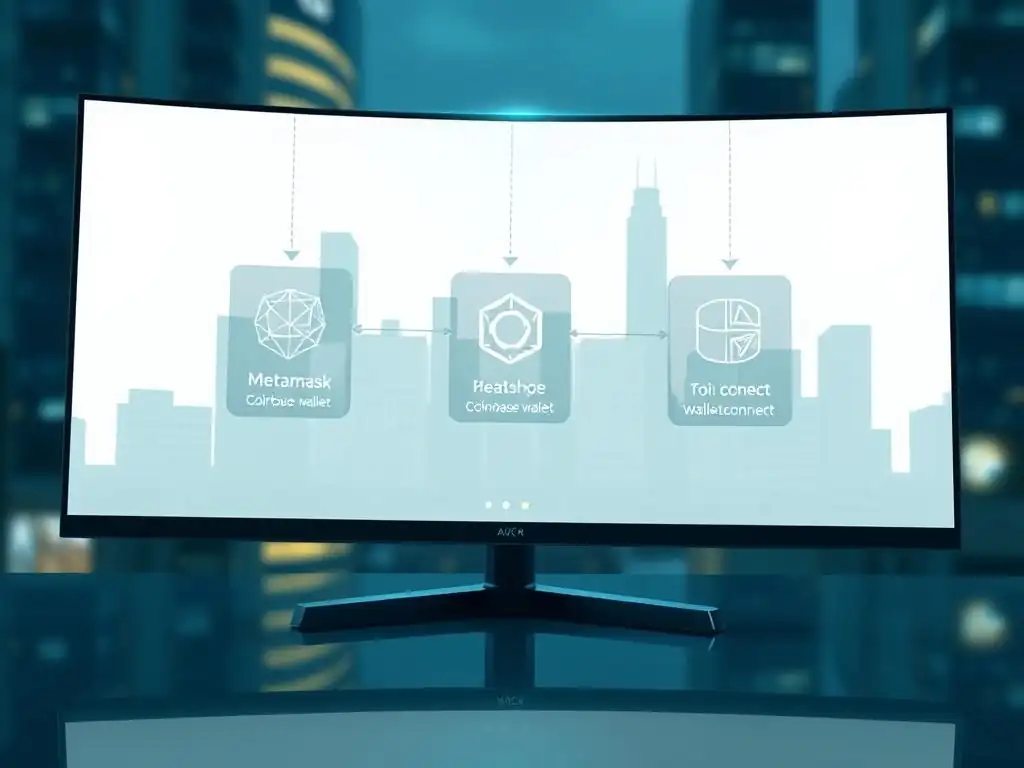
MetaMask Integration: A Step-by-Step Guide
MetaMask is one of the most popular wallets in the Ethereum ecosystem, making its integration into DApp front-ends a critical step in streamlining user interactions. A typical step-by-step guide starts by installing the MetaMask browser extension and then using libraries like Web3.js or Ethers.js to establish a connection between the wallet and the DApp. Once connected, users can securely authenticate and manage their assets without exposing their private keys.
Providing clear, concise steps for integrating MetaMask boosts developer confidence and user trust. Many successful projects, from decentralized finance platforms to blockchain gaming applications, utilize MetaMask integration to facilitate smooth on-chain transactions. Detailed documentation and community-driven support further enhance the integration process by offering real-time troubleshooting and innovative solutions to common challenges encountered during implementation.
WalletConnect: Connecting to Multiple Wallets
WalletConnect offers a versatile solution for DApps aiming to support a variety of wallets beyond MetaMask. It works by establishing a secure, decentralized connection between a mobile wallet and the front-end interface via a QR code or deep linking. This method significantly broadens the user base by accommodating various wallet providers and device types, ensuring that DApps remain accessible across platforms.
The use of WalletConnect allows developers to incorporate multiple wallet options seamlessly into a single DApp architecture. This flexibility ensures that users are not locked into a single wallet ecosystem, enhancing overall accessibility and user convenience. Successful integration of WalletConnect has been showcased by several cross-chain projects, demonstrating its effectiveness in bridging various blockchain networks and wallet protocols.
Choosing the Right Wallet Integration Method for Your DApp
Selecting the appropriate wallet integration method requires careful consideration of factors such as user demographics, blockchain network compatibility, and security requirements. While MetaMask offers wide adoption and ease of use for Ethereum-based applications, WalletConnect provides further reach by integrating with multiple wallet providers. This decision should be guided by an analysis of your target user base and the specific functionality your DApp aims to deliver.
Developers are encouraged to conduct thorough testing and iteratively gather user feedback to ensure that the chosen method meets security, performance, and usability standards. In many cases, a hybrid approach that supports both MetaMask and WalletConnect may prove most effective. Such flexibility not only future-proofs your DApp but also enhances user experience by providing seamless access irrespective of their wallet preference.
DApp Front-End Development Frameworks and Libraries
Overview of Popular DApp Front-End Frameworks
A range of frameworks specifically tailored for DApp front-end development has emerged, each offering unique capabilities designed to address the intricacies of blockchain interactions. Among these, React, Vue.js, and Svelte stand out as the most widely adopted due to their strong community support and proven track records in managing dynamic user interfaces. These frameworks provide tools for state management, component reusability, and seamless integration with blockchain APIs.
Every framework discussed has proven its effectiveness in real-world applications across various sectors such as decentralized finance and digital collectibles. Developers often benchmark these frameworks' performance, ease of use, and scalability before making a choice, ensuring that the selected tool aligns with the project’s objectives. This rigorous evaluation is particularly crucial in blockchain environments where user trust and application performance are paramount.
Comparing Frameworks: React vs. Vue vs. Svelte for DApps
When comparing React, Vue, and Svelte for decentralized application development, React’s versatility and extensive ecosystem make it ideal for projects requiring complex state management and component hierarchies. Vue.js offers a gentle learning curve and a progressive framework model, making it well-suited for projects that prioritize quick development cycles and ease of integration. On the other hand, Svelte’s compiler-based approach offers superior runtime performance and smaller bundle sizes, which can be critical for DApps that demand high performance amid blockchain latency.
Each framework brings unique strengths to the table; for instance, React’s proven track record in handling high-transaction DeFi platforms contrasts with Vue’s intuitive data binding and Svelte’s minimalistic and efficient output. The choice often depends on the project’s scale, developer expertise, and specific performance requirements, and real-world case studies have shown that each framework can be the optimal choice under the right circumstances.
Exploring UI Libraries for DApp Development (e.g., Material UI, Ant Design)
UI libraries such as Material UI and Ant Design provide pre-built components that accelerate the development process and ensure consistency across complex DApp front-ends. These libraries offer well-documented design patterns and accessibility features, helping developers create polished and professional interfaces. Implementing a UI library not only speeds up development but also ensures that the user experience adheres to industry standards.
By leveraging these libraries, developers can focus more on the unique functionalities of decentralized apps rather than spending excessive time on design details. Numerous projects in the blockchain space have successfully employed these UI libraries to create visually cohesive and responsive interfaces that complement the intricate technical layers of DApps. This integration of design and functionality is key to achieving a balance between innovation and usability in the rapidly evolving Web3 landscape.
DApp Front-End Deployment and Hosting
Decentralized Hosting Options for Your DApp Front-End
Decentralized hosting plays a significant role in maintaining the ethos of blockchain by avoiding central points of failure. Platforms such as IPFS (InterPlanetary File System) offer ways to host DApp front-ends in a distributed manner, ensuring that the application remains resilient against censorship and downtime. By leveraging these decentralized solutions, developers not only align with decentralization principles but also provide enhanced security and scalability.
Actual deployments have demonstrated that decentralized hosting can significantly reduce reliance on traditional servers. Projects like decentralized exchanges and NFT platforms have benefited from using IPFS to distribute their static assets, ensuring that the application is delivered reliably even under heavy traffic. These hosting options exemplify the synergy between blockchain technologies and decentralized hosting methodologies, which works hand in hand to support robust DApp operation.
Traditional Hosting Solutions for DApps
While decentralized hosting is gaining momentum, traditional hosting solutions still play an important role in the early stages of DApp development. Centralized cloud services offer rapid deployment, mature infrastructure, and robust support for continuous integration and delivery pipelines. This can be particularly advantageous during the testing phase or when immediate scaling is required to meet user demand.
Many DApps initially utilize well-established cloud platforms to achieve streamlined development workflows before transitioning to decentralized hosting solutions. This hybrid approach allows developers to leverage the strengths of both hosting paradigms, ensuring that users experience minimal downtime and smooth performance during peak usage, while gradually moving towards a fully decentralized infrastructure.
Deploying Your DApp Front-End to IPFS
IPFS offers a compelling solution for deploying DApp front-ends by distributing application files across a global network. The process involves bundling the application, uploading it to IPFS, and then obtaining a unique content identifier (CID) which can be used to access the application in a decentralized manner. This method not only enhances security but also promotes redundancy, as files are stored across numerous nodes worldwide.
Real-world examples, such as decentralized social networks and blockchain-based games, have successfully utilized IPFS to ensure high availability and resistance to censorship. Deploying to IPFS requires careful version control and proper content addressing, and when implemented correctly, it provides a robust and scalable hosting solution that resonates with the principles of decentralization.
The Future of Decentralized App Front-End Development
Emerging Trends in DApp Front-End Technology
Emerging trends in DApp front-end development indicate a growing convergence between blockchain technology and modern UI/UX practices. Developers are now experimenting with immersive user experiences, adaptive interfaces, and real-time data visualizations that make blockchain interactions more engaging. These trends are driven by the need to simplify complex decentralized processes and to provide users with interfaces that feel as familiar as traditional web applications.
Industry reports suggest that as blockchain adoption grows, user expectations will continue to evolve, spurring innovations in both design and interaction models for DApps. The integration of advanced analytics, machine learning for personalized experiences, and improved wallet and identity management tools are shaping the next generation of decentralized applications. These trends will ultimately set new standards for performance, security, and usability in the Web3 space.
The Impact of Layer-2 Solutions on DApp Front-Ends
Layer-2 scaling solutions are rapidly transforming the blockchain landscape by improving transaction speeds and reducing fees, directly impacting the performance and usability of DApp front-ends. By offloading a portion of transaction processing and state verification from the main chain, Layer-2 solutions allow for a more responsive and interactive experience within DApps. This alleviation of network bottlenecks is critical for scaling decentralized applications that require real-time interactions.
Real-world deployments of Layer-2 networks, such as Optimism and Arbitrum, have demonstrated notable improvements in DApp performance and user satisfaction. These enhancements pave the way for more complex and data-intensive applications to thrive in the decentralized space. As these solutions become mainstream, developers will be empowered to deliver UIs that not only maintain security and decentralization but also meet the high-speed expectations of modern users.
The Evolution of User Experience in Web3
As Web3 continues to evolve, so does the sophistication of user interfaces designed for decentralized applications. The focus is increasingly on crafting experiences that blend the transparency and security of blockchain with the smooth, intuitive interactions of modern web applications. This evolution is evident in the rise of applications that integrate real-time transaction updates, seamless wallet connectivity, and adaptive interfaces tailored to individual user behavior.
The transformation in user experience is also being driven by advancements in front-end frameworks and design systems that are optimized for blockchain’s unique requirements. As more robust design patterns emerge, DApp front-ends will likely become as user-friendly and responsive as traditional applications, paving the way for broader adoption of decentralized technologies and fostering a more inclusive digital economy.
Challenges and Considerations in DApp Front-End Engineering
Overcoming the Learning Curve of Web3 Development
Transitioning from traditional web development to Web3 introduces a steep learning curve due to the complexity of underlying blockchain concepts. Developers must grapple with decentralized architecture, cryptographic principles, and synchronous state management across a distributed network. This challenge is amplified by the need for secure wallet integrations and the constant evolution of blockchain protocols. Continuous education through workshops, online courses, and community contributions is essential to keep pace with the rapidly evolving landscape.
Overcoming this learning curve involves both formal training and hands-on experience with real projects. Many successful DApp projects have emerged from development teams that embraced experimentation and actively engaged with the broader blockchain community. These teams often share insights through meetups, hackathons, and open-source contributions, proving that the challenges in Web3 can be managed through collaborative learning and dedicated effort.
Addressing Scalability Issues in DApp Front-Ends
Scalability remains one of the most significant hurdles in DApp front-end development, particularly when managing high volumes of transactions and real-time data updates. Front-ends must be engineered to gracefully handle sudden spikes in user activity, which might result from market events or popular NFT drops. This requires efficient state management, performance optimization, and robust testing under simulated network conditions. Scaling issues directly impact usability and can lead to frustrated users if not addressed proactively.
Real-world case studies from decentralized exchanges and blockchain gaming platforms have shown that adopting modular design principles and leveraging advanced caching techniques can mitigate many scalability challenges. Tools such as Redux, paired with performance monitoring services, help developers identify and resolve bottlenecks quickly. By preparing for scalability from the early stages of development, teams can ensure that their DApps provide a consistent and high-quality experience even under the strain of rapid growth.
The blockchain space is characterized by rapid innovation, with new protocols and technologies emerging frequently. For DApp front-end engineers, staying current with these changes is a continuous challenge. Every update to smart contract standards, wallet APIs, or Layer-2 protocols can have cascading effects on the front-end architecture, requiring developers to be agile and adaptive. This dynamic landscape makes it imperative to maintain regular updates, rigorous testing, and a strong focus on modular design to easily incorporate changes.
Successful DApp projects continuously engage with blockchain communities and participate in beta testing of new technologies. By actively monitoring technical advancements and adopting best practices from pioneering projects, developers can ensure that their front-ends remain compatible and secure. This proactive approach not only mitigates risks but also positions DApps to leverage the latest innovations, ultimately driving forward the evolution of decentralized user experiences.
- [ ] Ensure all security updates are regularly applied.
- [ ] Engage with blockchain communities for the latest trends.
- [ ] Continuously monitor performance metrics.
Frequently Asked Questions
How does Decentralized App (DApp) frontend development differ from traditional web development?
DApp frontend development requires interacting with a blockchain backend using tools like Web3.js or Ethers.js. This differs from traditional web development which often relies on centralized databases and APIs. Smart contract integration is also a key difference.
What are the most important skills for a DApp frontend developer?
Understanding Web3 concepts, proficiency in JavaScript (or related frameworks like React, Vue, or Angular), and experience with blockchain interaction libraries are crucial. Familiarity with smart contract languages like Solidity is also beneficial.
What are the main challenges in DApp frontend development?
Challenges include dealing with transaction fees (gas), managing user authentication through wallets like MetaMask, and ensuring a smooth user experience despite the inherent complexities of blockchain interaction.
How does the concept of decentralization impact frontend design and functionality?
Decentralization requires careful consideration of data storage and user identity management. Frontends must be designed to interact with distributed data sources and handle potentially anonymous or pseudonymous users. Trustless interactions are the goal.
What are some emerging trends in DApp frontend development?
Emerging trends include the rise of serverless DApps, increased focus on user-friendly interfaces, and the integration of Layer-2 scaling solutions to improve performance and reduce transaction costs.
Final Reflection: Embracing the Decentralized Future
The journey through Decentralized App FrontEnd Development, as explored in this article, underscores a fundamental shift in how we interact with the digital world. The power of decentralized applications lies not just in their backend architecture, but crucially in the user experience crafted through their frontends. Understanding and mastering these frontends is no longer a niche skill, but a vital gateway to unlocking the full potential of Web3 innovation and empowering users with true digital ownership.
The evolution of DApp frontends has profoundly influenced the cultural and social landscape, moving us closer to a more equitable and transparent internet. This journey has personally reinforced the belief that technology should serve to empower individuals, not centralize control. The future is already here – it's just not evenly distributed.
- William Gibson. This quote resonates deeply as we strive to make decentralized technologies accessible and user-friendly for everyone, bridging the gap between complex code and intuitive interfaces.
Now, as you stand at the threshold of this decentralized future, consider the role you can play in shaping it. Reflect on the knowledge you've gained, the challenges you've identified, and the opportunities that lie ahead. Embrace the power of Decentralized App FrontEnd Development to build a more inclusive, transparent, and user-centric digital world. The future of Web3 is not just being built; it's being designed, and your contribution matters.
Unleash Your Web3 Potential!
Thank you for exploring the world of decentralized application frontends with us! We hope this article has shed light on the steps to build your own Web3 applications. Now, it’s time to put that knowledge into practice and help shape the future of decentralized technology.
Here’s how you can get started:
- Create your first simple frontend for a decentralized application using a popular framework like React or Vue.js. Try connecting to a test blockchain network to test your project.
- Browse open-source DApp frontends on platforms like GitHub to learn from existing projects and contribute to the community.
- Share this article with fellow developers interested in Web3, and discuss your insights and challenges in building decentralized application interfaces.
What innovative decentralized application frontend will you build to influence the future of the web?
Leave a Reply