
Reducing Transaction Costs in Real Estate: The Efficiency of Tokenized Assets


Welcome to Blockchain Trends, your compass navigating the ever-evolving landscape of decentralized technology. Beyond the hype of cryptocurrencies, blockchain is quietly revolutionizing industries. Are you ready to discover how?
This week, we delve into the fascinating intersection of blockchain and property, exploring how tokenized real estate is poised to drastically reduce transaction costs and streamline the buying and selling process. Intrigued by the potential savings and increased efficiency? Let's unlock the future of real estate together.
Reducing Transaction Costs in Real Estate: The Efficiency of Tokenized Assets
- Introduction: Revolutionizing Real Estate with Tokenization
- Understanding Tokenized Real Estate Assets
- How Tokenization Reduces Real Estate Transaction Costs
- Comparing Traditional vs. Tokenized Real Estate Transaction Costs
- The Impact of Tokenization on Liquidity and Accessibility
- Challenges and Considerations for Tokenized Real Estate
- The Future of Real Estate: A Tokenized Ecosystem
- Conclusion: Tokenized Assets - A More Efficient Real Estate Future
-
Frequently Asked Questions
- What are the primary transaction costs associated with traditional real estate transactions?
- How does tokenization help reduce transaction costs in real estate?
- What role does blockchain technology play in facilitating tokenized real estate transactions?
- What are some of the regulatory considerations for tokenized real estate transactions?
- What is the future outlook for tokenized real estate and its impact on transaction costs?
- Final Reflection: Unlocking Real Estate's Potential
- Unlock Real Estate Efficiency: Start Tokenizing!
Introduction: Revolutionizing Real Estate with Tokenization
Real estate has long been considered a cornerstone of wealth creation and investment, yet the process of buying and selling property is notoriously complex, time-consuming, and expensive. Traditional real estate transactions involve a multitude of intermediaries, extensive paperwork, and opaque processes, all contributing to significant costs for both buyers and sellers. These high transaction costs can act as a barrier to entry for potential investors and reduce the overall efficiency of the market.
The advent of blockchain technology and the concept of asset tokenization present a compelling opportunity to fundamentally transform the real estate landscape. By representing ownership rights of physical properties as digital tokens on a blockchain, it becomes possible to streamline processes, enhance transparency, and, crucially, dramatically reduce the associated transaction costs. This new paradigm, often referred to as tokenized real estate, promises a more accessible, liquid, and efficient market.
The High Costs of Traditional Real Estate Transactions
Traditional real estate transactions are burdened by a complex ecosystem of service providers, each adding fees and extending timelines. On average, total transaction costs for the seller can range from 5% to 10% of the property's sale price. This includes agent commissions (typically 5-6%), closing costs (such as title insurance, escrow fees, legal fees, and recording fees, which can add another 1-3%), and potential transfer taxes. For a property valued at $500,000, these costs could easily amount to $25,000 to $50,000 or even higher.
Buyers also incur significant costs, including loan origination fees, appraisal fees, inspection costs, title search and insurance, legal fees, and potentially buyer-side agent commissions (though often paid by the seller, this can vary). These costs can add several percentage points to the purchase price. Furthermore, the lengthy closing process, often taking 30 to 60 days or more, introduces uncertainty and opportunity costs. The cumulative effect of these fees and delays makes traditional real estate transactions cumbersome and expensive for all parties involved.
Blockchain Trends: Exploring Real Estate Tokenization
Blockchain Trends is dedicated to exploring how decentralized technologies are reshaping various industries, and real estate tokenization stands out as a particularly impactful area. Our focus here is on understanding the mechanics of tokenizing property assets and, specifically, how this process directly addresses the challenge of high transaction costs that have long plagued the traditional market. By analyzing the underlying mechanisms of blockchain-based transactions, we can see a clear path towards a more efficient and cost-effective future for buying, selling, and investing in real estate.
The exploration of tokenized real estate transaction costs is central to understanding the value proposition of this technology. We delve into how smart contracts automate processes, how distributed ledgers enhance transparency, and how the elimination or reduction of intermediaries translates into tangible cost savings. This analysis provides insights into the potential for blockchain to democratize real estate investment and increase market liquidity by making transactions faster, cheaper, and more accessible.
Understanding Tokenized Real Estate Assets
What is Real Estate Tokenization? A Simple Explanation
Real estate tokenization is the process of issuing digital tokens on a blockchain that represent ownership or fractional ownership in a physical property. Instead of dealing with physical deeds and complex legal documents for every transaction, a token holder owns a piece of the property's value, proportional to the number of tokens they hold. These tokens are essentially digital securities, governed by smart contracts that define ownership rights, distribution of rental income, and procedures for property sale or management.
Imagine a commercial building worth $10 million. Through tokenization, this property could be divided into, say, 10,000,000 tokens, each representing $1 of its value. An investor could then buy 1,000 tokens, effectively owning a $1,000 stake in the building. This digital representation allows for ownership to be transferred swiftly and securely on the blockchain network, bypassing many of the traditional hurdles associated with real estate transfers. The underlying legal framework typically involves a Special Purpose Vehicle (SPV) that legally owns the property, with the tokens representing shares or equity in that SPV.
Benefits of Tokenizing Real Estate: Beyond Cost Reduction
While reducing transaction costs is a primary driver, real estate tokenization offers several other significant advantages. One major benefit is increased liquidity. Traditional real estate is illiquid; selling a property can take months. Tokenization allows investors to sell their fractional ownership (tokens) much more easily on secondary markets, similar to trading stocks, potentially within minutes or hours rather than months. This enhanced liquidity makes real estate a more attractive asset class for a wider range of investors.
Another key benefit is fractional ownership. Tokenization enables investors to buy small portions of high-value properties that would otherwise be out of reach. This significantly lowers the barrier to entry for real estate investment, allowing individuals to invest with much smaller amounts than traditionally required for a down payment on a whole property. This democratization of access allows for greater portfolio diversification across different property types and locations with relatively modest capital outlays.
How Tokenization Reduces Real Estate Transaction Costs
Eliminating Intermediaries: Cutting Out Middlemen in Property Deals
A significant portion of traditional real estate transaction costs stems from fees paid to various intermediaries. These include real estate agents, brokers, lawyers, escrow agents, and title companies. Each plays a role in verifying information, facilitating communication, handling funds, and ensuring legal compliance. While valuable, their services come at a considerable price, collectively adding up to a substantial percentage of the property value.
Tokenization, powered by blockchain and smart contracts, can significantly reduce reliance on these intermediaries. Smart contracts can automate many functions traditionally performed by escrow agents or lawyers, such as fund dispersal upon fulfillment of predefined conditions. Ownership transfer is handled directly on the blockchain ledger, bypassing the need for manual record-keeping and title searches by third parties. This direct, peer-to-peer capability inherent in blockchain technology allows for a substantial reduction, and in some cases elimination, of fees associated with these middlemen, directly lowering tokenized real estate transaction costs.
Streamlining Processes: Faster and More Efficient Transactions
The traditional real estate transaction process is notoriously slow, involving numerous manual steps, physical document handling, and coordination among multiple parties. This inefficiency translates into increased costs, including administrative overhead, time spent, and potential delays that can jeopardize deals. The average time to close a residential real estate transaction in the US, for example, hovers around 45-60 days, with commercial deals often taking longer.
Tokenization streamlines this process dramatically. Once a property is tokenized and the legal structure is in place, subsequent transfers of token ownership occur rapidly on the blockchain. Smart contracts automate tasks like verifying investor accreditation (if required), distributing rental income, or processing sale proceeds. Due diligence can also be made more efficient if relevant property information is stored or referenced immutably on the blockchain. This automation and digital execution drastically cut down the time and complexity involved, leading to lower administrative and operational costs, thereby contributing to reduced tokenized real estate transaction costs.
Increased Transparency: Reducing Due Diligence Costs
Opacity and information asymmetry are inherent challenges in traditional real estate. Buyers and sellers often rely heavily on third parties to uncover crucial information about a property's history, ownership chain, liens, and encumbrances. This due diligence process is essential but can be costly, involving title searches, property inspections, and legal reviews, which can total thousands of dollars, depending on the property's value and complexity.
Blockchain's immutable and distributed ledger offers a solution by providing a single, transparent source of truth regarding ownership records and property-related data (or links to verified data). While sensitive details might remain private, the chain of title and key property information can be recorded on the blockchain, making it easily verifiable by authorized parties. This enhanced transparency simplifies and potentially reduces the scope and cost of due diligence required for a tokenized asset transaction, directly impacting the overall tokenized real estate transaction costs.
Fractional Ownership: Lowering Investment Barriers
Traditional real estate investment typically requires significant upfront capital, often hundreds of thousands or millions of dollars, whether purchasing a property outright or putting down a large down payment. This high barrier to entry limits investment opportunities to wealthy individuals and institutions, excluding a vast pool of potential investors. This limitation affects market dynamics and liquidity.
Fractional ownership enabled by tokenization democratizes access to real estate investment. Investors can buy tokens representing small stakes in properties for potentially as little as $100 or $1,000.
This not only makes real estate investment accessible to a broader audience but also allows investors to diversify their portfolios across multiple properties with a relatively small total investment. While this doesn't directly reduce the percentage costs of a transaction on the property's total value, it drastically lowers the absolute cost for an individual investor to participate in the market, effectively reducing the barrier to entry which is a form of cost for access.
Comparing Traditional vs. Tokenized Real Estate Transaction Costs
Traditional Real Estate Costs Breakdown: A Detailed Analysis
Let's examine the typical breakdown of costs in a traditional real estate transaction, using a hypothetical residential property sale valued at $400,000 as an example. The seller would likely face costs including a real estate agent commission, typically 5-6% ($20,000 - $24,000). Closing costs for the seller might include title insurance ($1,000 - $2,000), escrow fees ($800 - $1,500), legal fees ($500 - $2,000), and potential transfer taxes (which vary significantly by location, possibly $0 to $8,000 or more).
For the buyer of the same $400,000 property, costs could include loan origination fees (0.5% - 2% of loan amount, e.g., $1,600 - $6,400 on a $320,000 loan), appraisal fee ($400 - $600), inspection fees ($300 - $500), title search and insurance ($1,000 - $2,000), and various other fees (recording fees, notary fees, etc., potentially adding $500 - $1,000). Cumulatively, total transaction costs for both parties can easily range from 6% to 12% or more of the property value, representing a significant drag on investment returns.
Tokenized Real Estate Costs Breakdown: A Detailed Analysis
Comparing these figures to tokenized real estate transaction costs reveals a stark difference. While the initial process of tokenizing a property (onboarding) involves legal and technical setup costs, subsequent transactions of the tokens themselves are considerably cheaper. Onboarding costs can vary widely, potentially ranging from tens of thousands to hundreds of thousands of dollars depending on the property's complexity and jurisdiction, but these are amortized over the life of the tokenized asset and its many potential future token transfers.
For secondary market transactions of tokens, the costs are dramatically lower. Instead of agent commissions and extensive closing fees, a token sale might involve a small platform fee (if trading on a regulated platform) and potentially minor blockchain network fees (gas fees on Ethereum, for instance, which can fluctuate but are often nominal for a simple token transfer, perhaps a few dollars or less).
While platforms might charge a percentage fee, it is typically much lower than traditional real estate commissions, perhaps 0.1% to 1% per trade. This results in significantly reduced tokenized real estate transaction costs for investors buying or selling fractional ownership.
Case Study: Cost Savings with Real Estate Tokenization
Consider a scenario where a large commercial property, valued at $50 million, is tokenized. The initial setup might cost $200,000-$500,000 in legal, technical, and regulatory fees. However, once tokenized, investors can trade fractional ownership. If a large institutional investor wanted to acquire a 5% stake ($2.5 million value) in the traditional market, they would face substantial due diligence, legal, and potential brokerage fees, likely totaling 1-3% of the stake value ($25,000 - $75,000).
Through tokenization, the same investor could acquire $2.5 million worth of tokens on a secondary market. The cost would primarily be platform fees (e.g., 0.5% commission, totaling $12,500) and negligible blockchain network fees. This represents a potential cost saving of at least 50% compared to traditional acquisition costs for a similar partial stake. This example illustrates how, especially for larger or fractional investments, the reduction in tokenized real estate transaction costs can be substantial, driving greater market efficiency.
The Impact of Tokenization on Liquidity and Accessibility
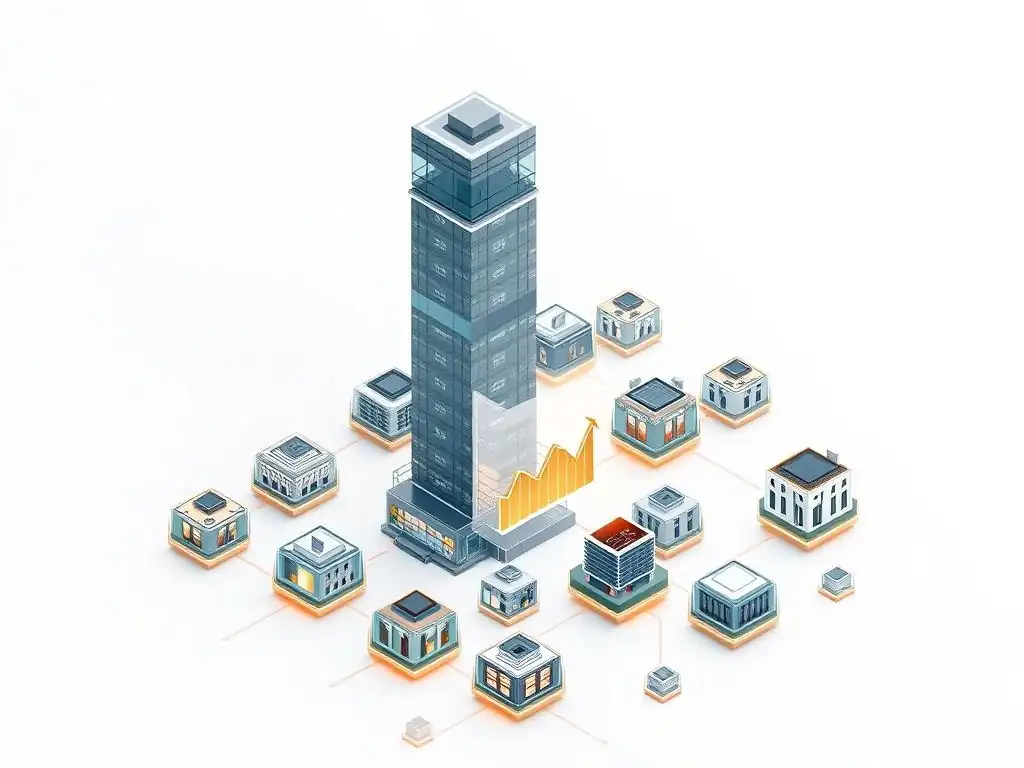
Enhanced Liquidity in Real Estate Markets
Liquidity refers to the ease with which an asset can be converted into cash without significantly impacting its price. Traditional real estate is notoriously illiquid; selling a property takes time, effort, and significant transaction costs. This illiquidity is a major drawback for investors who may need quick access to capital or wish to rebalance their portfolios efficiently.
Tokenization transforms this by creating digital assets that can be traded on secondary markets, similar to stocks or bonds. Instead of finding a buyer for an entire property, an investor can sell their tokens representing a fraction of the property. While the liquidity of tokenized assets still depends on the vibrancy of the trading platform and market demand, the potential for faster, cheaper, and more frequent trading is significantly higher than with physical property. This enhanced liquidity makes real estate a more dynamic and appealing investment class.
Democratizing Real Estate Investment: Opening Doors to New Investors
Historically, direct real estate investment has been largely limited to accredited investors or those with substantial capital. The high entry price point and the complexity of transactions have effectively excluded a large segment of the population from participating in potentially lucrative real estate opportunities. This limitation has concentrated wealth and investment opportunities within a smaller group.
Fractional ownership through tokenization breaks down this barrier. By dividing high-value properties into affordable token units, individuals can invest with much smaller amounts, potentially $1,000 or less, depending on the platform and asset. This allows a wider range of investors to access real estate, diversify their holdings across different properties and geographies, and participate in potential income streams (like rental yield distributed via smart contracts). This democratization not only benefits individual investors but also potentially increases the overall pool of capital available for real estate development and investment.
Challenges and Considerations for Tokenized Real Estate
One of the most significant hurdles for the widespread adoption of tokenized real estate is the complex and evolving regulatory landscape. Real estate is subject to extensive local, national, and international laws regarding property ownership, transfers, and securities. Tokenized assets, representing ownership rights, often fall under securities regulations, which vary significantly across jurisdictions.
Ensuring compliance requires careful legal structuring, often involving the creation of Special Purpose Vehicles (SPVs) and adherence to Know Your Customer (KYC) and Anti-Money Laundering (AML) regulations for token holders and platforms. The lack of clear and consistent regulations globally creates uncertainty and can slow down the development and deployment of tokenization projects. Navigating these legal complexities adds costs and requires specialized expertise, impacting the overall cost structure of setting up and operating a tokenized real estate platform.
Security Concerns: Ensuring Safe and Secure Transactions
While blockchain technology is inherently secure due to its cryptographic nature and distributed ledger, the broader ecosystem of tokenized real estate presents various security considerations. Smart contracts, which govern the rules of the tokenized asset, must be rigorously audited to prevent vulnerabilities that could be exploited by malicious actors. Errors in smart contract code could lead to loss of funds or incorrect distribution of rights.
Furthermore, the platforms and wallets used to manage and trade tokens are potential points of failure if not properly secured. Cybersecurity risks, including hacking and phishing attempts targeting users' private keys or platform infrastructure, remain a concern. Ensuring the security and integrity of tokenized real estate transactions requires robust technical safeguards, ongoing monitoring, and user education on best practices for digital asset management.
Adoption Barriers: Overcoming Resistance to Change
Despite the clear advantages in reducing tokenized real estate transaction costs and enhancing liquidity, widespread adoption faces significant barriers. The real estate industry is traditionally slow to adopt new technologies, relying on established practices and relationships. There is often a lack of understanding or skepticism regarding blockchain and tokenization among traditional market participants, including agents, brokers, lawyers, and investors.
Overcoming this resistance requires education and demonstration of tangible benefits through successful pilot projects and platforms. Building trust in the technology and the platforms offering tokenized assets is crucial. Furthermore, the network effect is important; the value of tokenized real estate increases as more properties are tokenized and more investors participate in the market, creating a liquid trading environment. Achieving this critical mass takes time and concerted effort from industry pioneers and stakeholders.
The Future of Real Estate: A Tokenized Ecosystem
Predictions for the Growth of Tokenized Real Estate
Experts predict significant growth in the tokenized real estate market in the coming years, driven by the compelling advantages it offers, particularly the reduction in tokenized real estate transaction costs and increased liquidity. While still nascent, the market size is projected to expand substantially. Some reports estimate the market could reach tens of billions of dollars in value within the next five to ten years.
This growth will likely be fueled by increasing regulatory clarity in key jurisdictions, the development of more user-friendly platforms, and growing investor awareness and acceptance of digital assets. Initially, larger commercial properties or luxury real estate might lead the charge due to higher potential cost savings on large transactions, but residential properties and even real estate debt could follow. The ability to easily trade fractional ownership will attract a new generation of investors and capital into the market.
The Role of Blockchain in Shaping the Future of Property Investment
Blockchain is poised to be a foundational technology in shaping the future of property investment. Beyond just tokenization of equity, blockchain can enhance other aspects of the real estate lifecycle. This includes using immutable ledgers for recording property titles and land registries, automating rental payments and property management fees via smart contracts, and facilitating transparent fundraising for real estate development projects.
The technology's inherent characteristics of transparency, immutability, and efficiency are perfectly suited to address many of the inefficiencies and trust issues present in the traditional real estate market. As regulatory frameworks mature and technology platforms become more sophisticated, blockchain-powered solutions, with tokenization at their core, will likely become standard infrastructure for future real estate transactions and investments, further reducing costs and increasing market accessibility.
Conclusion: Tokenized Assets - A More Efficient Real Estate Future
Key Takeaways: The Power of Tokenization to Reduce Costs
The analysis of tokenized real estate transaction costs clearly demonstrates the transformative potential of this technology. By leveraging blockchain and smart contracts, tokenization significantly reduces reliance on expensive intermediaries, automates and streamlines cumbersome processes, enhances transparency in due diligence, and enables fractional ownership.
These factors collectively contribute to a substantial reduction in the time, complexity, and financial outlay associated with buying, selling, and investing in real estate compared to traditional methods. While initial tokenization costs exist, the long-term savings on secondary market transactions and the benefits of increased liquidity and accessibility make a compelling case for the adoption of tokenized real estate. The efficiency gained through lower transaction costs is a key driver for the expected growth in this sector.
Blockchain Trends: Staying Ahead in the Tokenized Real Estate Market
As the tokenized real estate market evolves, staying informed about the latest developments is crucial for investors, developers, and industry professionals. Blockchain Trends continues to monitor the regulatory landscape, technological advancements, and real-world applications of tokenization in real estate.
The shift towards tokenized assets represents a fundamental change in how property is owned, managed, and traded. Understanding the mechanics of tokenized real estate transaction costs and the broader implications for market liquidity and accessibility is essential for anyone looking to participate in or be affected by this emerging ecosystem. The future of real estate is increasingly digital, and tokenization is at the forefront of this revolution.
Frequently Asked Questions
What are the primary transaction costs associated with traditional real estate transactions?
Traditional real estate transactions involve significant expenses, including brokerage fees, legal costs, and title insurance. These fees can substantially impact the overall profitability of the transaction.
How does tokenization help reduce transaction costs in real estate?
Tokenization streamlines the process by fractionalizing ownership, reducing the need for intermediaries, and automating many steps. This leads to lower fees and faster transaction times.
What role does blockchain technology play in facilitating tokenized real estate transactions?
Blockchain provides a secure, transparent, and immutable ledger for recording ownership and transactions. This eliminates the need for traditional record-keeping methods and reduces the risk of fraud.
What are some of the regulatory considerations for tokenized real estate transactions?
Regulatory frameworks are still evolving, but key considerations include securities laws, AML/KYC compliance, and data privacy regulations. Navigating these complexities is crucial for successful implementation.
What is the future outlook for tokenized real estate and its impact on transaction costs?
The future looks promising, with increasing adoption expected to further drive down transaction costs. This will make real estate investments more accessible and efficient for a wider range of investors.
Final Reflection: Unlocking Real Estate's Potential
The exploration of tokenized real estate transaction costs reveals a profound truth: innovation is the key to unlocking efficiency and accessibility in traditionally cumbersome markets. The potential for reduced costs, streamlined processes, and increased liquidity, as highlighted throughout this article, isn't just a theoretical possibility; it's a tangible future rapidly approaching, poised to reshape how we interact with real estate assets.
The impact of tokenized real estate extends far beyond mere cost savings. It represents a democratization of investment, allowing smaller investors to participate in markets previously reserved for the wealthy and well-connected. This shift has the potential to foster greater financial inclusion and create new opportunities for wealth creation. The future of finance is decentralized, and real estate is no exception. Tokenization is the key to unlocking its true potential.
This quote encapsulates the transformative power of this technology, suggesting a future where real estate ownership is more equitable and accessible to all.
As we stand on the cusp of this new era, it's crucial to consider how we can actively contribute to its responsible development. Embrace the potential of tokenized real estate, educate yourself on its intricacies, and advocate for policies that foster innovation while safeguarding investor interests. The future of real estate is being written now, and your understanding and engagement will shape its trajectory. Let's work together to build a more efficient, transparent, and accessible real estate market for everyone.
Unlock Real Estate Efficiency: Start Tokenizing!
Thank you for exploring the transformative potential of tokenized real estate with us. We hope this article has illuminated how blockchain technology can significantly reduce transaction costs and streamline property ownership. Now, it's time to turn insights into action!
Here are a few ways to deepen your understanding and contribute to the evolution of real estate:
- Explore opportunities to invest in or develop tokenized real estate projects. This is your chance to be at the forefront of a revolutionary shift in property ownership.
- Delve into the legal and regulatory landscape surrounding real estate tokenization in your region. Understanding these frameworks is essential for responsible adoption.
- Share this article with colleagues and friends interested in real estate, finance, or blockchain technology. Let's spread the word about the benefits of tokenization!
What are your initial thoughts on tokenizing a specific type of property—perhaps a vacation rental or a commercial building—and what challenges do you foresee? Share your ideas in the comments below!
Leave a Reply