
Investing in Metaverse NFTs: Exploring Virtual Land and Digital Real Estate Opportunities


Welcome to Blockchain Trends, your go-to source for navigating the evolving world of decentralized technology. Beyond the hype of cryptocurrencies, blockchain's true potential lies in transforming industries and redefining how we interact. Are you ready to explore the cutting edge of this revolution? Delve into our latest article and unlock Metaverse NFT investment strategies, where we uncover exciting opportunities in virtual land and digital real estate. Discover how to strategically navigate this burgeoning market and potentially capitalize on the future of the metaverse. Let's explore together!
-
Investing in Metaverse NFTs: Exploring Virtual Land and Digital Real Estate Opportunities
- Introduction to Metaverse NFT Investment Strategies
- Understanding Metaverse NFTs
- Key Metaverse Platforms for NFT Investments
- Strategies for Investing in Metaverse NFTs
- Risks and Challenges in Metaverse NFT Investments
- Monetizing Your Metaverse NFT Investments
- Conclusion: Future of Metaverse NFT Investments
- Call to Action
-
Frequently Asked Questions
- How risky is investing in Metaverse NFTs compared to traditional real estate?
- What are the key factors to consider before investing in Metaverse virtual land?
- What are some common strategies for generating income from Metaverse NFTs?
- How does the regulatory landscape affect Metaverse NFT investments?
- What are the potential long-term benefits of investing in Metaverse NFTs?
- Final Reflection: Navigating the Untamed Frontier
- Unlock Your Metaverse Future: Claim Your Digital Frontier!
Investing in Metaverse NFTs: Exploring Virtual Land and Digital Real Estate Opportunities
Introduction to Metaverse NFT Investment Strategies
The advent of the metaverse represents a significant shift in how we interact with digital spaces, moving from flat web pages to immersive, persistent virtual worlds. Within these burgeoning environments, digital assets, particularly those represented as Non-Fungible Tokens (NFTs), are emerging as a new frontier for investment. Among the most prominent of these assets is virtual land, often referred to as digital real estate, which forms the foundational layer of many metaverse platforms. Exploring metaverse NFT investment strategies is becoming increasingly relevant for those looking to capitalize on this digital transformation.
Investing in virtual land and other metaverse-native assets presents unique opportunities and challenges compared to traditional asset classes or even other forms of crypto investment. Unlike fungible cryptocurrencies, each metaverse NFT is distinct and holds unique properties, scarcity, and potential utility within its specific virtual world. Understanding the dynamics of supply and demand within these closed economies, coupled with the potential for future development and use cases, is crucial for developing effective metaverse NFT investment strategies. This guide delves into the specifics of this evolving market, providing insights into identifying potential assets, managing risks, and exploring monetization avenues.
Understanding Metaverse NFTs
What are Metaverse NFTs?
Metaverse NFTs are unique digital assets that exist within virtual worlds or metaverses, representing ownership of various in-world items or properties. These can range from avatars and wearables to interactive objects and, most notably, virtual land parcels. Built on blockchain technology, NFTs provide verifiable proof of ownership and authenticity, making digital assets truly ownable, scarce, and transferable outside the confines of a single platform's database. This technological underpinning is what differentiates metaverse assets from previous forms of in-game items.
The utility and value of metaverse NFTs are often tied directly to their function and desirability within the specific virtual environment they inhabit. A piece of virtual land in a popular metaverse might be valuable due to its location (e.g., near a central hub or a celebrity's property), its size, its potential for development (building experiences, hosting events), or simply its scarcity relative to the total supply in that world.
Other metaverse NFTs, like unique avatar skins or digital art displayed in a virtual gallery, derive value from aesthetics, rarity, or association with creators or brands. Effective metaverse NFT investment strategies require a deep understanding of the specific platform's economy and culture.
The Importance of Virtual Land in the Metaverse
Virtual land serves as the fundamental spatial element in many metaverse platforms, analogous to real estate in the physical world. It provides a persistent location where users can build structures, host experiences, display digital assets, run businesses, and interact with others. The ownership of virtual land parcels, typically tokenized as NFTs, grants the holder the rights to develop and monetize that specific piece of digital space within the metaverse. This makes virtual land a cornerstone asset within the metaverse ecosystem.
The strategic importance of virtual land extends beyond mere ownership; it is a platform for creation and community building. Developers, artists, businesses, and individuals can purchase virtual land to establish a presence, whether it's a virtual store, an art gallery, an event venue, or a personal home.
The potential for generating revenue through activities like hosting events, running advertisements, renting out space, or selling digital goods built on the land drives its investment appeal. As metaverses grow and attract more users, well-located or highly developed virtual land parcels can appreciate significantly in value, making them a key component of many metaverse NFT investment strategies.
Key Metaverse Platforms for NFT Investments
Exploring Leading Metaverse Platforms
Several major metaverse platforms have emerged as significant marketplaces for virtual land and other NFTs. Decentraland, launched in 2020, is a decentralized virtual world where users can buy, sell, and build on virtual land parcels called LAND, tokenized as NFTs. It has hosted major events and attracted significant brands, demonstrating the potential for commercial activity. The Sandbox, another prominent platform, offers a voxel-based world where users can own LAND tokens and create game experiences, art, and assets using free design tools. Its partnerships with numerous celebrities and companies have boosted its profile and market activity.
Other platforms like Somnium Space, Voxels (formerly CryptoVoxels), and Upland also offer unique virtual land investment opportunities with varying structures and features. Somnium Space focuses on VR integration and high-fidelity graphics, allowing users to build complex environments. Voxels is known for its accessibility and ease of building, popular with digital artists and creators. Upland, which maps its virtual land onto real-world addresses, offers a different model focused on property trading and collecting. Each platform has its own economy, community, and growth trajectory, influencing the potential returns and risks associated with their specific metaverse NFT investment strategies.
Comparison of Investment Opportunities Across Platforms
Investing in virtual land across different metaverse platforms requires understanding their distinct characteristics and market dynamics. Decentraland and The Sandbox are arguably the most established in terms of user base and transaction volume for virtual land NFTs. For instance, peak sales for virtual land in Decentraland have reached figures well over $1 million for premium parcels, while The Sandbox has seen similar high-value transactions, particularly for estates or land near partners. These platforms offer high liquidity but also come with higher price points for desirable locations.
In contrast, platforms like Somnium Space or Voxels might offer lower entry costs for virtual land, potentially allowing investors to acquire larger parcels or properties in emerging areas. However, these platforms may have smaller user bases and less developed economies, meaning liquidity could be lower and the timeline for significant appreciation potentially longer.
Upland offers a unique model where property values are influenced by real-world location and scarcity within the game's mechanics, appealing to collectors and traders interested in a simulation-style investment. Analyzing these differences is crucial for tailoring your metaverse NFT investment strategies to specific platforms and risk tolerances.
Strategies for Investing in Metaverse NFTs
Identifying High-Potential Virtual Properties
Identifying high-potential virtual properties within a metaverse involves analyzing factors similar to traditional real estate, but with digital twists. Location is often paramount; properties near popular hubs, community centers, or land owned by influential figures or brands tend to command higher prices and attract more foot traffic (avatars). For example, land adjacent to Snoop Dogg's virtual mansion in The Sandbox saw significant price increases following his announcement. Scarcity also plays a role; platforms with a fixed, limited supply of land parcels can see values rise as demand increases.
Beyond location and scarcity, the potential utility and development of the virtual property are critical. Is the land suitable for building a large structure? Can it host events or experiences that will attract users? Does the platform's tools make development easy and appealing? Researching the platform's roadmap for features, events, and partnerships can provide clues about areas likely to see increased activity and value. Examining existing successful builds and understanding what attracts users to certain areas can inform your decisions when implementing metaverse NFT investment strategies focused on identifying valuable land.
Diversifying Your NFT Portfolio
Diversification is a key principle in any investment strategy, and investing in metaverse NFTs is no exception. Instead of putting all capital into a single virtual land parcel on one platform, consider spreading investments across different metaverses to mitigate platform-specific risks. For example, holding virtual land in both Decentraland and The Sandbox, or allocating a portion of funds to a smaller, promising platform, can help balance potential returns and exposure.
Furthermore, diversifying within the metaverse ecosystem means considering assets beyond just virtual land. Your portfolio could include various types of metaverse NFTs such as unique avatars, rare wearables, in-world vehicles, or digital art intended for display. Some investors might focus on assets tied to specific games or experiences within a metaverse, while others might collect assets from different creators or brands. A well-diversified metaverse NFT investment strategy considers different asset classes, platforms, and use cases to build a resilient and potentially more rewarding portfolio.
Risks and Challenges in Metaverse NFT Investments
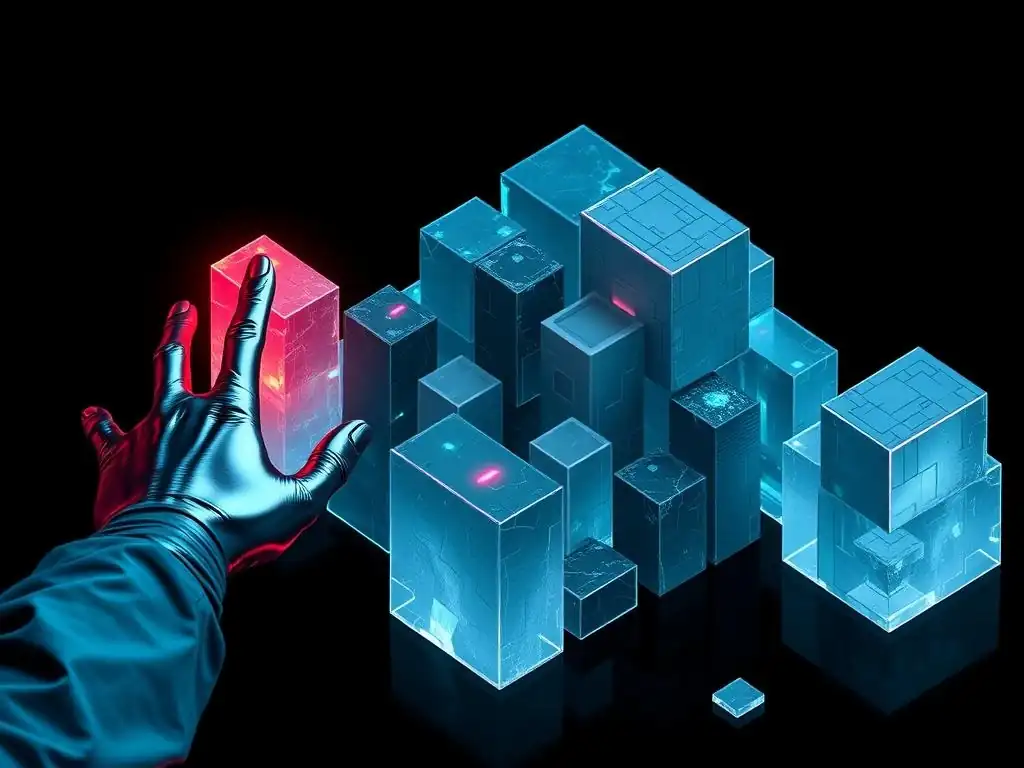
Understanding Market Volatility and Speculation
The market for metaverse NFTs, particularly virtual land, is highly speculative and subject to extreme volatility. Prices can fluctuate dramatically based on hype, news, platform updates, and broader market trends in cryptocurrencies and NFTs. The rapid price surges seen in late 2021 and early 2022 were followed by significant corrections, illustrating the boom-and-bust cycles inherent in this nascent market. Investors must be prepared for the possibility of substantial and rapid loss of value.
Much of the current value in metaverse assets is driven by speculation about future growth and adoption rather than current utility or revenue generation. This makes the market particularly susceptible to shifts in sentiment and overall market conditions. The lack of established valuation models and the novelty of the asset class mean that determining fair value is challenging, and prices can become detached from fundamentals. Developing robust metaverse NFT investment strategies requires acknowledging this inherent volatility and approaching the market with caution and a long-term perspective.
Legal and Regulatory Considerations
The legal and regulatory landscape surrounding metaverse NFTs is largely undefined and evolving, posing significant risks. Ownership rights, while recorded on the blockchain, may not have clear legal standing in all jurisdictions. Issues around intellectual property, taxation of NFT sales and earnings, and consumer protection in virtual environments are still being debated and developed by regulators worldwide. For instance, classifying NFTs as securities could have major implications for platforms and investors.
Furthermore, the terms of service and governance structures of different metaverse platforms can impact your investment. Platforms may have rules about what can be built or done on virtual land, or they could undergo changes that affect the value or utility of your assets. While some platforms aim for decentralization, many still have centralized elements or development teams that could make decisions impacting asset holders. Staying informed about potential legal changes and understanding the specific rules of the platforms you invest in are crucial aspects of navigating metaverse NFT investment strategies.
Monetizing Your Metaverse NFT Investments
Rental and Leasing Opportunities in the Metaverse
One way to generate passive income from virtual land investments is through rental and leasing. Just like physical real estate, virtual land can be leased to individuals or businesses who want to use the space for events, building experiences, advertising, or running virtual stores without the upfront cost of purchasing the land themselves. Some platforms facilitate these arrangements directly, while others rely on third-party services or direct agreements between users.
For example, a business might lease a prime location in Decentraland to set up a virtual storefront for a limited time during a major event. An individual might rent a small parcel in The Sandbox to host a private gathering.
The rental income generated can provide a yield on the initial investment, similar to rent from a physical property. The potential rental value of virtual land depends heavily on its location, size, and the overall activity and demand within that specific area of the metaverse, making it a key consideration in developing metaverse NFT investment strategies focused on income generation.
Selling and Trading Metaverse NFTs
The most direct way to monetize metaverse NFT investments is through selling them on secondary markets. Platforms like OpenSea, Rarible, and platform-specific marketplaces allow users to list their virtual land and other metaverse assets for sale, typically priced in cryptocurrencies like ETH or the platform's native token (e.g., MANA for Decentraland, SAND for The Sandbox). The potential profit comes from the appreciation in value of the NFT since its initial purchase or minting.
Trading strategies can range from long-term holding of perceived high-potential assets to more active flipping of NFTs based on short-term price fluctuations or market trends. Successfully selling and trading requires staying informed about market demand, understanding the value drivers for specific assets, and navigating the transaction fees associated with blockchain networks (like gas fees on Ethereum). For those implementing metaverse NFT investment strategies, mastering the process of listing, pricing, and executing sales on NFT marketplaces is essential.
Conclusion: Future of Metaverse NFT Investments
The market for investing in metaverse NFTs, particularly virtual land and digital real estate, is still in its early stages but holds significant long-term potential. As metaverses evolve from niche platforms into more mainstream digital and social spaces, the utility and demand for assets within them are likely to grow. Future developments in technology, user experience, and interoperability between virtual worlds could further enhance the value proposition of metaverse NFTs.
However, this potential is accompanied by considerable uncertainty and risk. The market's maturity, regulatory clarity, and the ultimate widespread adoption of the metaverse remain open questions. Successful metaverse NFT investment strategies will require careful research, a tolerance for high volatility, and a focus on the underlying utility and community of the platforms and assets being considered, rather than purely speculative hype.
Call to Action
Ready to explore the world of metaverse NFT investment strategies? Start by researching the leading platforms like Decentraland and The Sandbox to understand their ecosystems and market dynamics.
Consider the factors discussed – location, scarcity, utility, and community – when evaluating potential virtual land or other digital real estate opportunities. Build your knowledge base and approach this exciting, but volatile, market with informed caution.
Frequently Asked Questions
How risky is investing in Metaverse NFTs compared to traditional real estate?
Investing in Metaverse NFTs is generally considered higher risk than traditional real estate due to the volatile nature of the crypto market and the nascent stage of the Metaverse. The lack of regulation and the dependence on specific platforms also contribute to the risk.
What are the key factors to consider before investing in Metaverse virtual land?
Before investing, consider the platform's user base and activity, the potential for development and monetization, and the scarcity of land in that particular virtual world. Also, research the team behind the platform and their long-term vision.
What are some common strategies for generating income from Metaverse NFTs?
Common strategies include renting out virtual land or buildings, developing and selling virtual experiences or assets, and flipping NFTs for profit. Some also generate income through advertising and sponsorships within their virtual spaces.
How does the regulatory landscape affect Metaverse NFT investments?
The lack of clear regulations surrounding Metaverse NFTs creates uncertainty and potential risks. Future regulatory changes could significantly impact the value and legality of these assets, making it crucial to stay informed about developments.
What are the potential long-term benefits of investing in Metaverse NFTs?
Potential long-term benefits include capital appreciation as the Metaverse grows, passive income generation through various monetization strategies, and early adoption advantages in a potentially transformative digital landscape. Successful investments can yield significant returns as the Metaverse matures.
The exploration of Metaverse NFT investment strategies, as we've seen, is not merely a technological trend but a fundamental shift in how we perceive ownership and value in the digital age. The potential for virtual land and digital real estate to reshape economies and social interactions is undeniable, and understanding the nuances of this emerging market is crucial for anyone seeking to participate in the future of the internet.
This burgeoning landscape has profoundly impacted the cultural and social fabric, blurring the lines between the physical and digital realms. The allure of owning a piece of the Metaverse, a space where creativity and commerce converge, is a powerful force driving innovation and investment. The Metaverse is coming, and it will affect every product, company, and person that we touch.
- Matthew Ball, Metaverse expert. This quote encapsulates the transformative potential that Metaverse NFTs hold, promising a future where digital assets are as valuable and tangible as their physical counterparts.
Now, as you stand at the precipice of this digital frontier, consider the possibilities that lie ahead. How can you leverage the insights gained from this exploration of Metaverse NFT investment strategies to shape your own digital future? Embrace the opportunity to learn, adapt, and contribute to the evolution of this exciting new world. The Metaverse awaits, and your journey begins now.
Unlock Your Metaverse Future: Claim Your Digital Frontier!
Thank you for diving into the exciting world of Metaverse NFTs and virtual land! We hope this article has illuminated the potential of digital real estate and inspired you to explore the possibilities. Now, it's time to take action and stake your claim in the Metaverse!
Here are a few ways you can get started:
- Research and Purchase Your First Metaverse Plot: Dive deep into platforms like Decentraland or The Sandbox, and begin your journey as a virtual landowner.
- Explore virtual galleries and NFT marketplaces to familiarize yourself with the artistic and functional possibilities within the Metaverse. Maybe even discover a hidden gem!
- Share this article with your friends and network! Let's build a thriving community of Metaverse explorers and investors together.
What exciting corner of the Metaverse are you most eager to explore first, and what potential do you see there? Share your thoughts in the comments below!
Leave a Reply