
Interoperability of Digital Currencies: Building Bridges Between Different Blockchain Networks


Welcome to Blockchain Trends, your guide to navigating the evolving landscape of blockchain technology. Beyond the buzz of cryptocurrencies, discover the groundbreaking applications shaping industries and redefining trust. Are you ready to unlock the future of decentralized systems? This month, we delve into the crucial topic of blockchain interoperability solutions benefits, exploring how seamless communication between different networks is poised to revolutionize the digital world. Intrigued? Read on to find out how these solutions are forging a more connected and efficient blockchain ecosystem.
Interoperability of Blockchains: Connecting Isolated Ecosystems
- Introduction: The Need for Cross-Chain Communication
- What is Blockchain Interoperability? Enabling Cross-Chain Functionality
- Benefits of Blockchain Interoperability: Unlocking New Possibilities
- Current Approaches to Achieving Blockchain Interoperability
- Examples of Blockchain Interoperability Projects
- Challenges and Obstacles to Widespread Blockchain Interoperability
- The Future of Blockchain Interoperability: Towards a Connected Web3
- Strategies for Overcoming Challenges and Maximizing Interoperability Benefits
- Conclusion: Realizing the Vision of a Seamless Blockchain Network
-
Frequently Asked Questions
- How does blockchain interoperability enhance the value of digital currencies?
- What are the primary benefits of implementing blockchain interoperability solutions?
- How do current regulations affect the development and adoption of blockchain interoperability solutions?
- What are some of the challenges in achieving seamless blockchain interoperability?
- Besides cryptocurrencies, what other sectors can benefit from blockchain interoperability?
- Final Reflection: Embracing the Borderless Future of Finance
- Ignite Cross-Chain Innovation!
Introduction: The Need for Cross-Chain Communication
Understanding the Limitations of Isolated Blockchains
In their nascent stages, blockchain networks often operate as independent silos, each with its own set of rules, tokens, and communities. This isolation, while fostering specialization and innovation within individual ecosystems, inherently limits the broader potential of blockchain technology. Imagine the internet if email systems from different providers like Gmail and Yahoo couldn't communicate – the utility would be drastically reduced.
Similarly, within the blockchain space, the inability of networks to interact seamlessly creates friction, reduces efficiency, and hinders the realization of a truly interconnected and decentralized web. For instance, assets locked on the Bitcoin blockchain cannot be directly utilized in Ethereum's DeFi ecosystem, and vice versa, creating fragmented liquidity and limiting user choice. This lack of communication prevents the free flow of information and value, hindering the evolution of more complex and interconnected applications.
The challenges of isolated blockchains extend beyond mere asset transfer limitations. They also impact the scalability and efficiency of the entire blockchain landscape. When applications and users are confined to single networks, these networks can become congested and expensive to use, as seen during periods of high activity on networks like Ethereum. Furthermore, the specialization that initially drove the creation of diverse blockchains becomes a barrier to broader adoption.
Developers are forced to choose a single ecosystem, potentially limiting their reach and access to different functionalities offered by other platforms. This fragmented landscape also increases complexity for users who must navigate multiple wallets, tokens, and platforms to access different services. Overcoming these limitations is crucial for unlocking the full potential of blockchain technology and fostering a more unified and user-friendly decentralized future.
The Goal: A Unified and Interconnected Blockchain Ecosystem
The ultimate goal of blockchain interoperability is to create a unified and interconnected ecosystem where different blockchain networks can communicate and interact seamlessly. This vision mirrors the open and interconnected nature of the internet itself, where information and value can flow freely across different platforms and protocols.
Achieving this level of interoperability would unlock a plethora of benefits, transforming the blockchain landscape from a collection of isolated islands into a cohesive and synergistic network. Imagine a future where users can effortlessly transfer assets and data between different blockchains, access applications built on various platforms from a single interface, and leverage the unique strengths of each network without being confined to its boundaries.
This interconnected blockchain ecosystem aims to eliminate the current silos and fragmentation, fostering greater efficiency, scalability, and innovation. By enabling cross-chain communication, interoperability solutions aim to create a more fluid and dynamic environment where value and information can be exchanged frictionlessly. This would not only enhance the user experience but also unlock entirely new use cases and applications that are currently impossible in the isolated blockchain environment.
For example, a decentralized finance (DeFi) application could leverage the security of the Bitcoin network, the smart contract capabilities of Ethereum, and the speed of a layer-2 solution, all within a single, seamless user experience. This interconnected vision promises a more robust, versatile, and user-friendly blockchain ecosystem that can truly revolutionize various industries and empower individuals globally.
What is Blockchain Interoperability? Enabling Cross-Chain Functionality
Key Concepts: Cross-Chain Transactions, Atomic Swaps, and Bridges
Blockchain interoperability, at its core, refers to the ability of different blockchain networks to communicate, share data, and transact with each other. This cross-chain functionality is achieved through various mechanisms, including cross-chain transactions, atomic swaps, and blockchain bridges. Cross-chain transactions involve the transfer of assets or data from one blockchain to another.
For example, moving Bitcoin from the Bitcoin network to the Ethereum network to participate in DeFi protocols. Atomic swaps represent a specific type of cross-chain transaction that enables the direct exchange of cryptocurrencies between two different blockchains without the need for intermediaries. This is achieved through smart contracts and cryptographic techniques that ensure either both legs of the swap occur, or neither does, hence "atomic."
Blockchain bridges, also known as cross-chain bridges, are perhaps the most prominent interoperability solutions. They act as conduits, facilitating the transfer of assets and data between different blockchain networks. Bridges can operate in various ways, but typically involve locking assets on one chain and minting equivalent representations, or "wrapped" assets, on another chain.
For instance, the Wrapped Bitcoin (WBTC) on Ethereum is a representation of Bitcoin locked on the Bitcoin blockchain, allowing Bitcoin holders to participate in the Ethereum DeFi ecosystem. These key concepts and mechanisms are fundamental to understanding how blockchain interoperability solutions function and contribute to building a more interconnected blockchain landscape.
Exploring Different Interoperability Architectures
The landscape of blockchain interoperability solutions is diverse, with various architectures emerging to address the challenges of cross-chain communication. These architectures can be broadly categorized into several types, each with its own trade-offs in terms of security, speed, and decentralization. One common approach involves notary schemes, where a trusted group of validators or notaries verifies and relays information between blockchains. While relatively simple to implement, notary schemes introduce a degree of centralization and trust in the notary group.
Another architecture utilizes hash-locking and sidechains. Hash-locking mechanisms, as used in atomic swaps and some bridges, employ cryptographic hash functions to ensure the conditional execution of cross-chain transactions. Sidechains are separate blockchains that are pegged to a main chain, allowing for asset transfers and interoperability through a two-way peg mechanism.
Relay chains and parachains, as pioneered by Polkadot, represent a more sophisticated interoperability architecture. A relay chain acts as a central hub, providing security and interoperability for connected parachains, which are independent blockchains customized for specific use cases. Inter-Blockchain Communication (IBC) protocols, exemplified by Cosmos, focus on creating a standardized protocol for communication between independent blockchains. IBC enables blockchains to exchange data and assets in a permissionless and decentralized manner.
Furthermore, Layer-2 solutions, originally designed for scalability, are also increasingly being explored for their interoperability potential. By facilitating faster and cheaper transactions off-chain, Layer-2 solutions can contribute to smoother cross-chain interactions. The choice of interoperability architecture often depends on the specific requirements of the blockchains involved and the desired balance between security, decentralization, and performance.
Benefits of Blockchain Interoperability: Unlocking New Possibilities
Increased Liquidity and Capital Efficiency
One of the most significant blockchain interoperability solutions benefits is the dramatic increase in liquidity and capital efficiency within the blockchain ecosystem. In the current fragmented environment, liquidity is scattered across numerous isolated blockchains, making it less accessible and efficient. Interoperability breaks down these barriers, allowing for the free flow of assets between different networks.
This creates larger, more unified liquidity pools, which are crucial for the healthy functioning of decentralized exchanges (DEXs), lending platforms, and other DeFi applications. For example, if a user holds assets on the Bitcoin blockchain but wants to participate in a yield farming opportunity on Ethereum, interoperability solutions like bridges enable them to seamlessly move their assets and access those opportunities without needing to sell and rebuy assets across different platforms, incurring fees and potential price slippage.
This enhanced liquidity translates directly to improved capital efficiency. Capital locked in isolated blockchains becomes more productive when it can be easily deployed across different networks and applications. Imagine a scenario where a trader can leverage assets held on multiple blockchains to collateralize a loan or participate in arbitrage opportunities across different DEXs operating on various networks.
This cross-chain accessibility unlocks the potential for more sophisticated and efficient financial strategies, attracting more capital into the blockchain space and fostering greater economic activity. By bridging the liquidity gaps between isolated ecosystems, blockchain interoperability solutions benefits the overall health and dynamism of the digital asset market, creating a more robust and efficient financial system.
Enabling New Cross-Chain Use Cases and Applications
Beyond enhanced liquidity, blockchain interoperability paves the way for entirely new cross-chain use cases and applications that are simply not feasible in the current isolated blockchain environment. Imagine decentralized applications (dApps) that can seamlessly leverage the unique strengths of multiple blockchains. For example, a supply chain management dApp could utilize the data privacy features of one blockchain, the fast transaction speeds of another, and the robust smart contract capabilities of a third, all within a single, unified application. This composability across different blockchains unlocks a new level of flexibility and functionality for developers and users alike.
Consider a decentralized identity solution that allows users to manage their identity across multiple blockchain-based platforms. With interoperability, a user could establish their identity on one blockchain and then use that identity to access services and applications on other, interconnected blockchains, without needing to create separate accounts or manage multiple credentials.
Furthermore, cross-chain gaming applications can create richer and more immersive experiences by allowing players to transfer in-game assets and progress between different game worlds hosted on separate blockchains. The potential for innovation is vast, and blockchain interoperability solutions benefits extend far beyond just asset transfers, enabling the creation of entirely new classes of applications that can leverage the best features of different blockchain technologies in a synergistic and interconnected manner.
Improved Scalability and Performance through Interconnected Networks
While scalability is often addressed within individual blockchains through techniques like sharding and Layer-2 solutions, blockchain interoperability offers another dimension to improve the overall scalability and performance of the blockchain ecosystem as a whole. By distributing applications and users across multiple interconnected blockchains, interoperability can help alleviate congestion on individual networks. Instead of every application and transaction competing for resources on a single chain, activity can be spread across a network of specialized and interconnected blockchains. This distributed architecture can lead to more efficient resource utilization and improved transaction throughput across the entire blockchain landscape.
Moreover, interoperability allows for the creation of specialized blockchains optimized for specific use cases. For example, a blockchain focused on high-throughput transactions could handle high-volume applications, while another blockchain optimized for data privacy could be used for sensitive data management. By connecting these specialized chains, interoperability enables the blockchain ecosystem to scale horizontally, accommodating a growing number of users and applications without compromising performance.
This interconnected network of blockchains can function more efficiently and effectively than a collection of isolated, monolithic chains, leading to a more scalable and robust infrastructure for the future of decentralized applications and digital assets. Blockchain interoperability solutions benefits the overall scalability and performance by fostering a more distributed and specialized blockchain ecosystem.
Current Approaches to Achieving Blockchain Interoperability
Centralized Exchanges and Their Role in Interoperability
Centralized exchanges (CEXs) have historically played a significant, albeit indirect, role in facilitating a form of blockchain interoperability. While not true cross-chain communication, CEXs allow users to deposit cryptocurrencies from one blockchain and withdraw them to another. For example, a user can deposit Bitcoin on an exchange and withdraw Ether. The exchange handles the complexities of managing different blockchain networks and provides a convenient, albeit centralized, intermediary for transferring value between them. This functionality has been crucial for users to access different cryptocurrencies and participate in various blockchain ecosystems, particularly before the advent of more sophisticated interoperability solutions.
However, relying on CEXs for "interoperability" comes with inherent limitations and risks. Centralized exchanges are custodial, meaning users must trust the exchange to securely hold their assets. They are also single points of failure and are vulnerable to hacks, regulatory scrutiny, and potential censorship.
Furthermore, CEXs introduce intermediaries and fees, reducing the efficiency and decentralization of the overall process. While CEXs have provided a practical, early form of cross-chain value transfer, they are not a truly decentralized or trustless interoperability solution. The industry is actively moving towards more decentralized and direct methods to achieve blockchain interoperability, aiming to reduce reliance on centralized intermediaries and enhance the security and decentralization of cross-chain interactions.
Decentralized Bridges and Trustless Cross-Chain Transfers
Decentralized bridges represent a significant step towards achieving truly trustless and decentralized blockchain interoperability. Unlike centralized exchanges, decentralized bridges aim to facilitate cross-chain transfers without relying on intermediaries or custodians. These bridges typically utilize smart contracts and cryptographic techniques to ensure the secure and verifiable transfer of assets between blockchains. Various types of decentralized bridges exist, including lock-and-mint bridges, burn-and-mint bridges, and atomic swap-based bridges.
Lock-and-mint bridges, like those used for Wrapped Bitcoin (WBTC), lock assets on the source chain and mint equivalent representations on the destination chain. Burn-and-mint bridges operate similarly but burn the original asset on the source chain upon transfer. Atomic swap-based bridges facilitate direct peer-to-peer exchange without intermediaries, as previously described.
The key advantage of decentralized bridges is their trustless nature. By relying on cryptographic proofs and smart contracts, they minimize the need for trust in central authorities. However, decentralized bridges are not without their challenges. Security vulnerabilities in bridge smart contracts have been exploited in the past, leading to significant losses. Furthermore, the complexity of designing and implementing secure and efficient decentralized bridges remains a significant hurdle. Despite these challenges, decentralized bridges are considered a crucial component of a truly interoperable blockchain ecosystem, offering a more secure, transparent, and decentralized alternative to centralized exchange-based cross-chain transfers.
Layer-2 Solutions for Interoperable Transactions
Layer-2 solutions, initially developed to address scalability limitations on blockchains like Ethereum, are increasingly being recognized for their potential to contribute to blockchain interoperability. Layer-2 solutions, such as rollups and state channels, operate "off-chain" from the main blockchain, processing transactions more efficiently and at lower costs. While primarily focused on scaling a single blockchain, Layer-2 solutions can indirectly enhance interoperability by facilitating faster and cheaper cross-chain interactions, particularly when different blockchains adopt compatible Layer-2 technologies.
For example, if multiple blockchains implement compatible rollup solutions, it could become easier to bridge assets and data between these Layer-2 networks. Furthermore, some Layer-2 projects are specifically designed with interoperability in mind, aiming to create unified Layer-2 networks that span across multiple underlying blockchains.
While Layer-2 solutions are not a direct interoperability mechanism in themselves, their ability to enhance transaction speed and reduce costs can significantly improve the user experience of cross-chain interactions. As Layer-2 technologies mature and become more widely adopted, they are likely to play an increasingly important role in facilitating a more seamless and interoperable blockchain ecosystem.
Examples of Blockchain Interoperability Projects
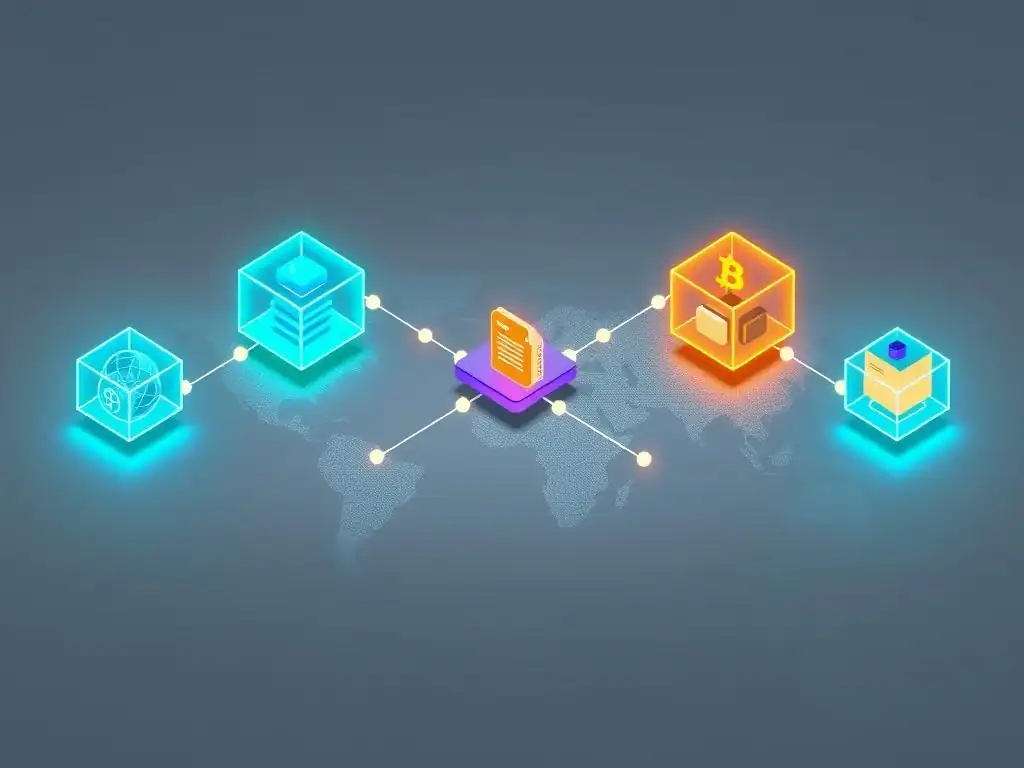
Polkadot and its Parachain Architecture
Polkadot is a prominent example of a blockchain project built from the ground up with interoperability as a core principle. Its architecture revolves around a central relay chain that provides security and interoperability for a network of connected parachains. Parachains are independent blockchains that can be customized for specific use cases and connect to the relay chain to benefit from its shared security and cross-chain communication capabilities.
This parachain architecture allows for a high degree of customization and specialization while maintaining interoperability and security across the entire Polkadot network. Projects like Acala, Moonbeam, and Parallel Finance are examples of parachains building DeFi platforms, smart contract environments, and lending protocols, respectively, all within the Polkadot ecosystem and capable of interoperating with each other.
Polkadot's interoperability is facilitated by its Cross-Consensus Messaging (XCM) format, which enables parachains to communicate and exchange messages with each other. XCM allows for the transfer of assets, data, and even complex function calls between parachains, fostering a highly interconnected and composable ecosystem. Polkadot's approach to interoperability is based on shared security and a standardized communication protocol, aiming to create a robust and scalable platform for cross-chain applications. The success of Polkadot's parachain auctions and the growing number of projects building within its ecosystem demonstrate the increasing demand for and viability of interoperable blockchain solutions.
Cosmos and its Inter-Blockchain Communication (IBC) Protocol
Cosmos is another leading project focused on building an "Internet of Blockchains" through its Inter-Blockchain Communication (IBC) protocol. Unlike Polkadot's shared security model, Cosmos emphasizes the sovereignty and independence of individual blockchains. Cosmos blockchains, known as "zones," are independent networks that can connect to the Cosmos Hub, a central hub chain, or directly to other zones using IBC. The IBC protocol is a standardized protocol for secure and reliable communication between independent blockchains, allowing them to exchange tokens and data in a permissionless and decentralized manner.
Projects like Osmosis, a decentralized exchange, and Terra (now Terra Classic and Terra 2.0), a stablecoin platform, were built within the Cosmos ecosystem and leverage IBC for interoperability. IBC enables users to transfer assets between different Cosmos zones seamlessly, fostering a vibrant and interconnected ecosystem. Cosmos' approach to interoperability prioritizes blockchain sovereignty and modularity, allowing developers to build custom blockchains tailored to their specific needs while still benefiting from the interoperability facilitated by IBC. The growing adoption of IBC and the expanding Cosmos ecosystem highlight the increasing importance of standardized communication protocols for achieving blockchain interoperability.
Chainlink and its Cross-Chain Interoperability Protocol (CCIP)
Chainlink, primarily known for its decentralized oracle network, is expanding its offerings into blockchain interoperability with its Cross-Chain Interoperability Protocol (CCIP). CCIP aims to provide a secure and reliable infrastructure for cross-chain messaging and asset transfers. Unlike Polkadot and Cosmos, which are blockchain platforms themselves, Chainlink is a protocol that can be integrated into various blockchains to enable interoperability. CCIP leverages Chainlink's existing decentralized oracle network to provide secure and verifiable cross-chain communication.
CCIP is designed to support a wide range of interoperability use cases, including cross-chain token transfers, cross-chain smart contract execution, and cross-chain data and command relay. Early integrations of CCIP have focused on facilitating cross-chain token bridges and enabling cross-chain access to Chainlink's oracle services.
Chainlink's approach to interoperability leverages its established reputation for security and reliability in the oracle space, aiming to provide a robust and widely adopted interoperability solution for the broader blockchain ecosystem. The development and adoption of CCIP represent a significant step towards a more interconnected and interoperable blockchain landscape, leveraging a well-established and trusted decentralized infrastructure provider.
Challenges and Obstacles to Widespread Blockchain Interoperability
Security Vulnerabilities in Cross-Chain Bridges
Despite the immense potential of blockchain interoperability, significant challenges and obstacles remain before widespread adoption can be realized. One of the most critical challenges is the security of cross-chain bridges. Bridges, by their nature, often involve complex smart contracts and cryptographic mechanisms to facilitate cross-chain asset transfers. These complexities can create potential vulnerabilities that malicious actors can exploit. Numerous high-profile hacks targeting cross-chain bridges have demonstrated the real-world risks. For example, the Ronin bridge hack in 2022 resulted in the theft of over $600 million worth of cryptocurrency, highlighting the significant financial risks associated with bridge vulnerabilities.
These security vulnerabilities often stem from weaknesses in bridge smart contract code, flaws in the cryptographic assumptions underlying bridge designs, or vulnerabilities in the operational security of bridge validators or operators. Securing cross-chain bridges requires rigorous security audits, formal verification of smart contract code, and robust monitoring and incident response mechanisms. Furthermore, the decentralized nature of some bridges can make it challenging to effectively manage and respond to security threats. Addressing these security vulnerabilities is paramount to building trust and confidence in blockchain interoperability solutions and preventing further costly exploits that can undermine the progress of the entire ecosystem.
Standardization and Protocol Fragmentation
Another significant obstacle to widespread blockchain interoperability is the lack of standardization and the fragmentation of interoperability protocols. Currently, various interoperability solutions and protocols are being developed, often with limited compatibility or interoperability between themselves. This fragmentation creates silos within the interoperability space itself, hindering the creation of a truly unified and interconnected blockchain ecosystem. Different projects like Polkadot, Cosmos, and Chainlink are pursuing different approaches to interoperability, each with its own set of protocols and standards.
The lack of common standards makes it difficult for different interoperability solutions to work together seamlessly. This fragmentation also increases complexity for developers who need to navigate a diverse landscape of interoperability protocols and choose the best solutions for their specific needs. Promoting standardization and collaboration within the blockchain interoperability community is crucial to overcoming this obstacle. Efforts to develop open standards and interoperable protocols can help to foster a more cohesive and interconnected ecosystem, reducing fragmentation and simplifying the adoption of interoperability solutions across different blockchain networks.
Regulatory Uncertainty and Compliance Requirements
Regulatory uncertainty and evolving compliance requirements pose another significant challenge to the widespread adoption of blockchain interoperability. The regulatory landscape for cryptocurrencies and blockchain technology is still developing globally, and the specific legal and regulatory frameworks applicable to cross-chain interoperability solutions are often unclear. Regulators are increasingly关注ing the risks associated with cross-chain bridges, particularly in relation to anti-money laundering (AML) and counter-terrorism financing (CTF) compliance.
The cross-border nature of blockchain interoperability adds further complexity to the regulatory landscape. Different jurisdictions may have varying and potentially conflicting regulations regarding cross-chain transactions and asset transfers. This regulatory uncertainty can create challenges for projects developing and deploying interoperability solutions, as they need to navigate complex and often ambiguous legal and compliance requirements. Engaging with regulators and proactively addressing compliance concerns is essential for fostering a regulatory environment that supports innovation in blockchain interoperability while mitigating potential risks. Clarity and harmonization in regulatory frameworks are crucial for enabling the responsible and widespread adoption of blockchain interoperability solutions.
The Future of Blockchain Interoperability: Towards a Connected Web3
Interoperability's Role in the Adoption of Decentralized Applications (dApps)
Blockchain interoperability is poised to play a pivotal role in driving the broader adoption of decentralized applications (dApps) and realizing the vision of Web3. Currently, the fragmented nature of the blockchain landscape limits the reach and usability of dApps. Users are often confined to specific ecosystems and face friction when trying to access dApps built on different blockchains. Interoperability can break down these barriers, making dApps more accessible and user-friendly. By enabling seamless cross-chain interactions, interoperability can create a more unified and integrated user experience, encouraging wider adoption of decentralized technologies.
Imagine a future where users can access a diverse range of dApps, regardless of the underlying blockchain they are built on, through a single interface. This seamless access can unlock the full potential of dApps and attract a wider user base beyond the current crypto-native community. Interoperability can also enable developers to build more complex and feature-rich dApps by leveraging the unique strengths of different blockchains. By fostering a more connected and accessible dApp ecosystem, interoperability is a key enabler for the mainstream adoption of decentralized applications and the transition towards a more user-centric and open Web3.
Potential Impact on Decentralized Finance (DeFi) Composability
Decentralized Finance (DeFi) stands to be significantly impacted by the advancement of blockchain interoperability, particularly in terms of composability. Composability, the ability of DeFi protocols to interact and build upon each other, is a cornerstone of DeFi innovation. However, current DeFi composability is largely limited to within single blockchain ecosystems, primarily Ethereum. Interoperability can extend DeFi composability across different blockchains, unlocking a new level of innovation and efficiency in the DeFi space.
Cross-chain composability would allow DeFi protocols on different blockchains to interact seamlessly, creating more complex and sophisticated financial instruments and strategies. For example, a user could collateralize assets on one blockchain to borrow assets on another, or participate in yield farming strategies that span across multiple networks.
This enhanced composability can lead to more efficient capital allocation, reduced systemic risk, and the creation of entirely new DeFi products and services. By breaking down the siloed nature of current DeFi ecosystems, blockchain interoperability can unlock the full potential of DeFi composability and drive the next wave of innovation in decentralized finance.
Building a More Open and Accessible Financial System
Ultimately, blockchain interoperability contributes to building a more open and accessible financial system for individuals globally. The current financial system is often characterized by fragmentation, intermediaries, and limited access for many people around the world. Blockchain technology, in general, aims to address these issues by creating a more decentralized, transparent, and permissionless financial infrastructure. Interoperability is a crucial component of this vision, enabling the creation of a truly global and interconnected financial system that transcends geographical boundaries and traditional financial silos.
By facilitating the seamless transfer of value and information across different blockchain networks, interoperability can reduce friction and costs associated with cross-border transactions and financial services. It can also empower individuals with greater control over their assets and enable access to financial services for underserved populations who are currently excluded from the traditional financial system. The development of a more interoperable blockchain ecosystem is a significant step towards realizing the promise of a more open, accessible, and inclusive financial future for everyone, regardless of their location or background.
Strategies for Overcoming Challenges and Maximizing Interoperability Benefits
Implementing Robust Security Audits and Best Practices
To overcome the security challenges associated with cross-chain bridges and interoperability solutions, implementing robust security audits and best practices is paramount. Comprehensive security audits, conducted by reputable and independent security firms, are essential to identify potential vulnerabilities in bridge smart contract code, cryptographic implementations, and overall system architecture. These audits should be performed regularly and whenever significant updates or changes are made to bridge protocols.
Furthermore, adopting security best practices throughout the development lifecycle of interoperability solutions is crucial. This includes following secure coding guidelines, implementing thorough testing and vulnerability scanning, and establishing robust incident response plans. Projects should prioritize security from the outset and foster a security-conscious culture within their development teams. Sharing security best practices and lessons learned within the interoperability community can also contribute to raising the overall security bar and mitigating the risks associated with cross-chain communication. A proactive and rigorous approach to security is essential for building trust and ensuring the long-term viability of blockchain interoperability solutions.
Fostering Collaboration and Open Standards Development
Addressing the fragmentation and lack of standardization in the interoperability space requires fostering collaboration and promoting the development of open standards. Collaboration among different interoperability projects, blockchain platforms, and industry stakeholders is crucial to avoid redundant efforts and create a more cohesive and interoperable ecosystem. Industry consortia and working groups can play a valuable role in facilitating dialogue and collaboration among different players in the interoperability space.
Promoting the development and adoption of open standards for cross-chain communication and asset transfers is also essential. Open standards can enable different interoperability solutions to work together seamlessly, reducing fragmentation and simplifying integration for developers. These standards should be developed through open and transparent processes, involving broad participation from the blockchain community. By fostering collaboration and embracing open standards, the blockchain industry can create a more unified and interoperable ecosystem, maximizing the benefits of cross-chain communication and accelerating the adoption of blockchain technology.
Engaging with Regulators to Clarify Compliance Frameworks
To navigate the regulatory uncertainty surrounding blockchain interoperability, proactive engagement with regulators is essential. Open and constructive dialogue with regulatory bodies can help to clarify compliance frameworks and address regulatory concerns related to cross-chain solutions. Industry stakeholders should work to educate regulators about the benefits and risks of blockchain interoperability and collaborate on developing appropriate regulatory guidelines that promote innovation while mitigating potential risks, such as money laundering and illicit financing.
Participating in industry consultations and providing feedback on proposed regulations can help to shape regulatory frameworks that are both effective and conducive to innovation. Transparency and proactive compliance efforts are also crucial for building trust with regulators and demonstrating a commitment to responsible development and deployment of interoperability solutions. By engaging constructively with regulators and working towards clear and harmonized compliance frameworks, the blockchain industry can create a more predictable and supportive regulatory environment for the growth and adoption of blockchain interoperability.
Conclusion: Realizing the Vision of a Seamless Blockchain Network
Interoperability as a Key Driver of Blockchain Innovation
Blockchain interoperability is not just a technical challenge to overcome; it is a key driver of innovation within the blockchain space and a catalyst for realizing the full potential of this transformative technology. By breaking down the silos between isolated blockchain networks, interoperability unlocks new possibilities for applications, use cases, and user experiences that were previously unimaginable. It fosters a more dynamic, efficient, and interconnected blockchain ecosystem, paving the way for wider adoption and mainstream integration of decentralized technologies.
The ability to seamlessly transfer assets and data across different blockchains opens up new avenues for innovation in DeFi, supply chain management, digital identity, and numerous other sectors. Interoperability enables developers to build more powerful and versatile applications by leveraging the unique strengths of different blockchain platforms.
It also empowers users with greater flexibility and choice, allowing them to access a wider range of services and opportunities within the blockchain ecosystem. As interoperability solutions mature and become more widely adopted, they will undoubtedly fuel further innovation and drive the evolution of blockchain technology towards a more interconnected and impactful future.
The Future: Building a More Connected and Efficient Blockchain Ecosystem
The future of blockchain technology is inextricably linked to the advancement of interoperability. The vision of a truly seamless and interconnected blockchain ecosystem, where different networks can communicate and interact effortlessly, is becoming increasingly tangible. Ongoing research, development, and collaboration within the blockchain community are driving significant progress in interoperability solutions. As these solutions mature and become more robust, secure, and user-friendly, they will fundamentally reshape the blockchain landscape.
The future promises a more connected and efficient blockchain ecosystem, where value and information can flow freely across different networks, fostering greater innovation, scalability, and accessibility. This interconnected web of blockchains will unlock the full potential of decentralized technologies, enabling them to transform industries, empower individuals, and build a more open and equitable future. Realizing this vision requires continued focus on addressing the remaining challenges, fostering collaboration, and building a secure, standardized, and user-centric interoperable blockchain ecosystem.
Frequently Asked Questions
How does blockchain interoperability enhance the value of digital currencies?
Blockchain interoperability increases liquidity by allowing assets to move freely between different blockchains, expanding their utility and attracting a wider user base.
What are the primary benefits of implementing blockchain interoperability solutions?
The main benefits include reduced transaction costs, increased speed and scalability, and enhanced innovation through collaboration across different blockchain platforms.
How do current regulations affect the development and adoption of blockchain interoperability solutions?
Regulatory uncertainty can hinder investment and slow down adoption. Clear guidelines are needed to foster innovation while mitigating risks.
What are some of the challenges in achieving seamless blockchain interoperability?
Challenges include technical complexities in ensuring secure communication, governance disputes between different chains, and lack of standardized protocols.
Besides cryptocurrencies, what other sectors can benefit from blockchain interoperability?
Supply chain management, healthcare, and digital identity verification can all benefit from secure and transparent data sharing across different blockchain systems, improving efficiency and reducing fraud.
Final Reflection: Embracing the Borderless Future of Finance
The journey through the intricacies of blockchain interoperability solutions reveals a landscape ripe with potential, yet still navigating its nascent stages. The promise of seamless digital asset transfer and communication across disparate blockchain networks is no longer a futuristic fantasy, but a tangible goal actively being pursued. This pursuit holds the key to unlocking the true potential of decentralized finance and ushering in a new era of financial inclusion and efficiency.
The impact of blockchain interoperability extends far beyond mere technological advancement; it fundamentally reshapes how we perceive and interact with value. Witnessing the evolution of these solutions has reinforced the belief that collaboration, not competition, is the cornerstone of a thriving decentralized ecosystem. The strength of the web is in its universality. Access by everyone regardless of disability is an essential aspect.
- Tim Berners-Lee. This quote, originally about the internet, resonates deeply with the vision of a truly interoperable blockchain future, where access and usability are paramount for all.
As we stand on the precipice of this transformative shift, let us not be passive observers. Instead, let us actively engage in shaping the future of finance by advocating for open standards, supporting innovative interoperability projects, and fostering a collaborative spirit within the blockchain community. Embrace the potential of a borderless financial world, and contribute to building a future where digital assets flow freely, empowering individuals and driving global economic progress.
Ignite Cross-Chain Innovation!
Thank you for exploring the potential of digital currency interoperability with us. We hope this article highlighted the crucial role it plays in the future of blockchain. Now, let's move from understanding to action!
Ready to contribute to a more connected blockchain ecosystem?
- Research specific interoperability solutions such as Polkadot or Cosmos. Learn how they facilitate cross-chain communication and what makes them effective.
- Share this article with fellow blockchain enthusiasts and start a conversation about the importance of seamless digital asset transfers on social media. Let’s encourage more people to engage with this topic!
- Experiment! Use a multi-chain wallet to transfer a small amount of digital currency between different networks and see interoperability in action.
What innovative interoperability solutions do you envision for the future of blockchain? Share your ideas in the comments below!
Leave a Reply