
Synthetic Real Estate: Democratizing Property Investment Through DeFi?

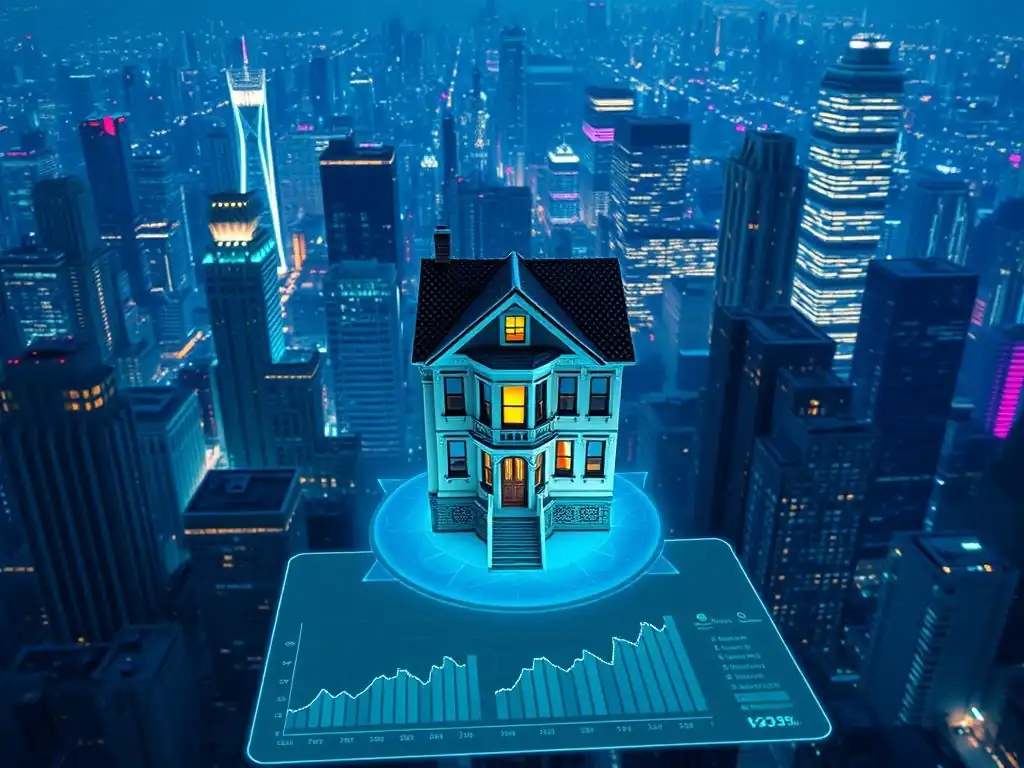
Welcome to Blockchain Trends, your gateway to understanding the revolutionary impact of blockchain technology. Are you ready to explore how decentralized finance is reshaping traditional industries? Dive into our analysis of DeFi synthetic real estate investment and discover how blockchain is democratizing access to property ownership, opening up exciting new avenues for investors and innovators alike. Uncover the potential – and the challenges – in this fascinating intersection of finance and technology.
- Introduction to DeFi Synthetic Real Estate Investment
- What is Synthetic Real Estate and How Does it Work?
- Benefits of Investing in Synthetic Real Estate via DeFi
- Risks and Challenges Associated with DeFi Synthetic Real Estate
- Key Platforms and Protocols for DeFi Synthetic Real Estate
- Case Study: Successful Implementation of Synthetic Real Estate
- The Future of DeFi Synthetic Real Estate: Trends and Predictions
- Getting Started with DeFi Synthetic Real Estate Investment
- Conclusion: Is DeFi Synthetic Real Estate the Future of Property Investment?
-
Frequently Asked Questions
- What exactly are DeFi synthetic real estate investments and how do they work?
- How does DeFi synthetic real estate democratize property investment?
- What are some potential risks associated with DeFi synthetic real estate?
- How is regulation currently affecting the development and adoption of DeFi synthetic real estate?
- What are the potential future applications of DeFi synthetic real estate beyond simple fractional ownership?
- Final Reflection: Embracing the Future of Property Ownership
- Unveil Your Piece of the Real Estate Revolution!
Introduction to DeFi Synthetic Real Estate Investment
Understanding the Convergence of DeFi and Real Estate
The intersection of Decentralized Finance (DeFi) and real estate is giving rise to a novel asset class: synthetic real estate. Traditionally, real estate investment has been characterized by high barriers to entry, illiquidity, and cumbersome transactional processes. DeFi, with its principles of decentralization, transparency, and accessibility, offers a paradigm shift.
By leveraging blockchain technology, DeFi protocols are creating synthetic representations of real-world properties, effectively bridging the gap between the digital and physical worlds. This convergence is not merely about digitizing existing real estate processes; it's about fundamentally reimagining property investment, making it more inclusive and efficient. The potential impact spans from individual investors seeking portfolio diversification to institutional players looking for innovative investment vehicles.
The current global real estate market is valued at hundreds of trillions of dollars, yet a significant portion remains inaccessible to the average investor. High property prices, geographical limitations, and complex legal frameworks often restrict participation to a select few. DeFi synthetic real estate investment aims to dismantle these barriers.
Imagine a world where investing in prime real estate in New York City or London is as simple as purchasing a token, regardless of your location or financial standing. This is the vision driving the development of synthetic real estate, leveraging the power of blockchain to fractionalize ownership and democratize access to this historically exclusive asset class.
The Promise of Democratized Property Ownership
The promise of democratized property ownership through DeFi synthetic real estate is profound. It's about empowering individuals globally to participate in markets previously out of reach. Consider the traditional hurdles: substantial down payments, lengthy mortgage approvals, and geographical restrictions. These factors effectively exclude a vast majority of potential investors, particularly in emerging economies or among younger generations. DeFi synthetic real estate investment offers a compelling alternative, allowing individuals to gain exposure to the real estate market with significantly lower capital requirements.
Furthermore, the fractional nature of synthetic assets breaks down the concept of whole ownership into smaller, more manageable units. This fractionalization is achieved through tokenization, where a real estate asset is represented by digital tokens on a blockchain. For instance, instead of needing to purchase an entire apartment building, an investor could buy a fraction of it represented by tokens.
This not only lowers the financial barrier but also diversifies risk. By enabling fractional ownership, DeFi synthetic real estate investment opens doors for smaller investors to build diversified portfolios that include exposure to high-value real estate assets, fostering a more inclusive and equitable investment landscape.
What is Synthetic Real Estate and How Does it Work?
Defining Synthetic Assets in the Context of Real Estate
In the realm of DeFi, synthetic assets are digital representations of other assets, mimicking their value and price movements without requiring direct ownership of the underlying asset. In the context of real estate, synthetic assets, or synthetic real estate, are tokens that represent the value of real-world properties.
These tokens are designed to track the price and performance of the represented property, allowing investors to gain exposure to the real estate market without directly purchasing or managing physical properties. This concept is similar to synthetic stocks or commodities in traditional finance, but applied to the tangible asset class of real estate, leveraging the benefits of blockchain and DeFi protocols.
Synthetic real estate is not about owning the physical building or land; it’s about owning a token that derives its value from that property. This distinction is crucial. The token acts as a derivative, reflecting the economic value of the underlying real estate.
For example, a token might represent a fraction of a commercial building in Paris, with its price fluctuating based on the appraised value and rental income of that property. This tokenization process unlocks new possibilities for investing in real estate, offering enhanced liquidity, accessibility, and efficiency compared to traditional methods. The value proposition of synthetic real estate lies in its ability to democratize access to property investment by decoupling ownership from the complexities of physical asset management.
The Mechanics of Tokenizing Real Estate Assets
The process of tokenizing real estate assets, which underpins synthetic real estate, involves several key steps. First, a real-world property undergoes a valuation and legal due diligence process to determine its market value and ensure clear ownership. This often involves appraisals, legal documentation, and compliance checks.
Next, a legal entity, often a Special Purpose Vehicle (SPV), is established to hold the property. This SPV then issues digital tokens that represent fractional ownership or rights related to the property, such as a claim on rental income or appreciation. These tokens are typically created on a blockchain network, often Ethereum or other platforms suitable for DeFi applications.
The tokenization process often utilizes smart contracts, self-executing agreements coded on the blockchain, to manage the rights and obligations associated with the tokens. For instance, a smart contract can automatically distribute rental income to token holders proportionally based on their holdings. The tokens themselves can be designed to represent various forms of real estate exposure, such as equity, debt, or revenue sharing.
Different tokenization protocols and platforms offer varying approaches, but the core principle remains the same: converting a tangible, illiquid real estate asset into liquid, tradable digital tokens. This process not only fractionalizes ownership but also automates many administrative and transactional aspects of real estate investment, making it more efficient and transparent.
How DeFi Protocols Enable Synthetic Real Estate Trading
DeFi protocols are the infrastructure that empowers the trading and management of synthetic real estate. Decentralized exchanges (DEXs) play a crucial role by providing platforms for trading these tokens without intermediaries. Unlike traditional real estate markets that rely on brokers and centralized exchanges, DEXs facilitate peer-to-peer trading directly between users, enhancing efficiency and reducing transaction costs. Automated Market Makers (AMMs) are a common type of DEX protocol used in DeFi. AMMs utilize liquidity pools, where users deposit tokens to create trading pairs, and algorithms to determine token prices based on supply and demand dynamics within the pool.
Furthermore, DeFi lending and borrowing platforms can be integrated with synthetic real estate. Token holders could potentially use their synthetic real estate tokens as collateral to borrow other cryptocurrencies or stablecoins, unlocking further liquidity and capital efficiency. Yield farming opportunities may also emerge, where users can earn rewards by staking their synthetic real estate tokens or providing liquidity to trading pools.
DeFi protocols, therefore, not only enable the trading of synthetic real estate but also create a broader ecosystem of financial services around these assets, fostering greater utility and accessibility. The interoperability of DeFi protocols allows for the creation of complex financial instruments and strategies based on synthetic real estate, pushing the boundaries of traditional property investment.
Benefits of Investing in Synthetic Real Estate via DeFi
Increased Accessibility to Real Estate Markets
One of the most significant benefits of DeFi synthetic real estate investment is the dramatic increase in accessibility to real estate markets worldwide. Traditionally, investing in real estate, especially in prime locations or international markets, requires substantial capital, local knowledge, and navigating complex legal and administrative frameworks. Synthetic real estate, through tokenization and DeFi platforms, lowers these barriers significantly.
Investors can gain exposure to properties in global cities like New York, London, or Tokyo without needing to be physically present or possess vast sums of capital. The fractional nature of tokens allows for investment amounts as low as a few dollars, opening the door to a much broader investor base, including retail investors and those in emerging markets.
Consider the example of a property in Manhattan, where the average apartment price can easily exceed $1 million. For most individuals, direct investment is simply unattainable. However, through synthetic real estate, a token representing a fraction of this property could be available for purchase for a much smaller amount, say $100 or even less.
This fractionalization, coupled with the global reach of DeFi platforms, democratizes access to high-value real estate assets that were previously reserved for institutional investors or high-net-worth individuals. This increased accessibility is not just about financial inclusion; it's about creating a more equitable and efficient real estate investment landscape globally.
Enhanced Liquidity and Fractional Ownership Opportunities
Traditional real estate is notoriously illiquid. Selling a property can take months, even years, and involves significant transaction costs. DeFi synthetic real estate investment drastically improves liquidity.
Because synthetic real estate is represented by digital tokens traded on DEXs, these assets can be bought and sold much more quickly and easily, often within minutes. This enhanced liquidity is a major advantage for investors seeking flexibility and the ability to quickly adjust their portfolios in response to market changes. Furthermore, the fractional ownership aspect, inherent in tokenization, allows investors to diversify their real estate holdings across multiple properties and locations with smaller capital outlays.
Imagine needing to liquidate a portion of your real estate portfolio quickly to access funds. In the traditional market, this could be a lengthy and complex process. With synthetic real estate, selling a fraction of your holdings is as simple as executing a trade on a DEX, similar to trading stocks or cryptocurrencies.
This liquidity is not just beneficial for individual investors; it also benefits the overall real estate market by making it more dynamic and responsive. The combination of enhanced liquidity and fractional ownership opportunities makes DeFi synthetic real estate investment a compelling alternative to traditional property investment, particularly for those seeking flexibility and diversification.
Reduced Transaction Costs and Streamlined Processes
Traditional real estate transactions are burdened by high transaction costs, including agent commissions, legal fees, title insurance, and transfer taxes. These costs can often amount to a significant percentage of the property value, eroding investor returns. DeFi synthetic real estate investment significantly reduces these costs by streamlining processes and eliminating intermediaries. Smart contracts automate many aspects of the transaction, reducing the need for brokers, escrow services, and extensive paperwork. Transaction fees on blockchain networks, while variable, are often considerably lower than traditional real estate transaction costs, especially for international transactions.
For instance, a typical real estate transaction might involve 3-6% in agent commissions alone, plus additional fees for legal services and other intermediaries. In contrast, trading synthetic real estate tokens on a DEX might incur transaction fees that are a fraction of a percentage point. This cost reduction is particularly impactful for smaller investors, where high transaction costs can disproportionately impact returns.
Furthermore, the streamlined processes enabled by blockchain and smart contracts reduce the time and complexity associated with real estate transactions, making the investment process more efficient and user-friendly. The combination of reduced costs and streamlined processes makes DeFi synthetic real estate investment an attractive option for both seasoned and new investors.
Portfolio Diversification with Synthetic Real Estate Assets
Diversification is a cornerstone of sound investment strategy, and DeFi synthetic real estate investment offers a powerful tool for portfolio diversification. Real estate, as an asset class, has historically shown low correlation with traditional assets like stocks and bonds. Adding real estate exposure to a portfolio can help reduce overall risk and enhance returns, particularly during periods of economic uncertainty or market volatility. Synthetic real estate allows investors to easily incorporate real estate into their portfolios, even with limited capital. The ability to fractionalize ownership and access global markets through tokens further enhances diversification opportunities.
Instead of being limited to local real estate markets, investors can use synthetic assets to gain exposure to properties in diverse geographical locations and property types, such as residential, commercial, or industrial real estate, all within a single portfolio. This level of diversification is difficult and costly to achieve through traditional real estate investment, especially for smaller investors.
By integrating DeFi synthetic real estate investment, investors can build more resilient and well-rounded portfolios, potentially improving risk-adjusted returns and navigating market fluctuations more effectively. The ease of access and fractionalization provided by synthetic assets make real estate portfolio diversification more attainable and efficient than ever before.
Risks and Challenges Associated with DeFi Synthetic Real Estate
Regulatory Uncertainty Surrounding Tokenized Assets
One of the most significant challenges facing DeFi synthetic real estate investment is the regulatory uncertainty surrounding tokenized assets and DeFi in general. The legal and regulatory frameworks for digital assets and blockchain technology are still evolving globally. Different jurisdictions have varying approaches to regulating cryptocurrencies and tokenized assets, and there is no globally harmonized regulatory framework.
This regulatory ambiguity creates uncertainty for both investors and platforms operating in the synthetic real estate space. The classification of synthetic real estate tokens as securities, commodities, or something else entirely is still under debate in many jurisdictions, and this classification can have significant implications for compliance and investor protection.
For example, in some jurisdictions, synthetic real estate tokens might be classified as securities, requiring platforms offering them to comply with securities laws, including registration requirements and investor disclosure obligations. Failure to comply with these regulations can result in legal penalties and operational disruptions. Furthermore, the cross-border nature of DeFi makes regulatory enforcement complex. Platforms operating globally may need to navigate a patchwork of different regulations, adding complexity and costs. The evolving regulatory landscape requires careful monitoring and proactive adaptation by participants in the DeFi synthetic real estate investment sector to ensure compliance and mitigate legal risks.
Smart Contract Vulnerabilities and Security Concerns
DeFi platforms and synthetic real estate rely heavily on smart contracts, which are self-executing code on the blockchain. While smart contracts offer automation and transparency, they are also susceptible to vulnerabilities and security risks. Smart contracts are immutable once deployed, meaning that if vulnerabilities exist in the code, they cannot be easily fixed. Exploits of smart contract vulnerabilities have been a recurring issue in the DeFi space, resulting in significant financial losses for users. These vulnerabilities can arise from coding errors, logical flaws, or unforeseen interactions within complex DeFi protocols.
The security of the underlying blockchain network and the DeFi platform itself is also paramount. Platforms can be targets of hacking attempts, phishing scams, and other forms of cyberattacks. If a platform is compromised, user funds and assets, including synthetic real estate tokens, could be at risk.
Auditing smart contract code is crucial to identify and mitigate potential vulnerabilities, but even with rigorous audits, unforeseen risks can still emerge. Investors in DeFi synthetic real estate investment need to be aware of these smart contract and security risks and exercise caution when selecting platforms and managing their assets. Best practices include using reputable platforms with audited smart contracts, diversifying holdings across multiple platforms, and employing robust security measures for wallets and private keys.
Price Volatility and Market Manipulation Risks
The cryptocurrency and DeFi markets are known for their price volatility, and this volatility can extend to synthetic real estate assets. The value of synthetic real estate tokens is often tied to the underlying real estate market, but it can also be influenced by the broader cryptocurrency market sentiment, DeFi market trends, and the specific dynamics of the tokenized asset. This can lead to significant price fluctuations, especially in the early stages of market development.
Furthermore, the relatively nascent nature of DeFi markets makes them potentially susceptible to market manipulation. Lower trading volumes and less mature market infrastructure can create opportunities for malicious actors to influence prices through coordinated trading activity or other manipulative tactics.
For example, a large "whale" investor could potentially manipulate the price of a synthetic real estate token on a DEX with relatively low liquidity. The lack of established regulatory oversight in some DeFi markets can also exacerbate these risks. Investors in DeFi synthetic real estate investment should be prepared for price volatility and be aware of the potential for market manipulation. Conducting thorough research on the underlying assets, platforms, and market dynamics is crucial for mitigating these risks. Risk management strategies, such as portfolio diversification and setting stop-loss orders, can also help protect against adverse price movements.
Liquidity Risks in Emerging DeFi Markets
While DeFi aims to enhance liquidity, liquidity risks can still exist, particularly in emerging DeFi markets and for newer synthetic real estate tokens. Liquidity refers to the ease with which an asset can be bought or sold without significantly impacting its price. In DeFi, liquidity is often provided by liquidity pools on DEXs. However, if a liquidity pool for a specific synthetic real estate token is shallow, meaning there are not many buyers and sellers, it can be difficult to execute large trades without experiencing significant slippage, where the execution price differs substantially from the expected price.
Furthermore, in times of market stress or volatility, liquidity can dry up quickly, leading to wider bid-ask spreads and increased trading costs. This liquidity risk is particularly relevant for newer and less established synthetic real estate tokens that may not have attracted sufficient liquidity to their trading pools. Investors should assess the liquidity of the specific synthetic real estate tokens and platforms they are considering.
Checking trading volumes and liquidity pool depth on DEXs can provide insights into the liquidity of a particular asset. Diversifying holdings across different tokens and platforms can also help mitigate liquidity risks. As the DeFi synthetic real estate market matures, liquidity is expected to improve, but it remains a factor to consider, especially in the early stages of investment.
Key Platforms and Protocols for DeFi Synthetic Real Estate
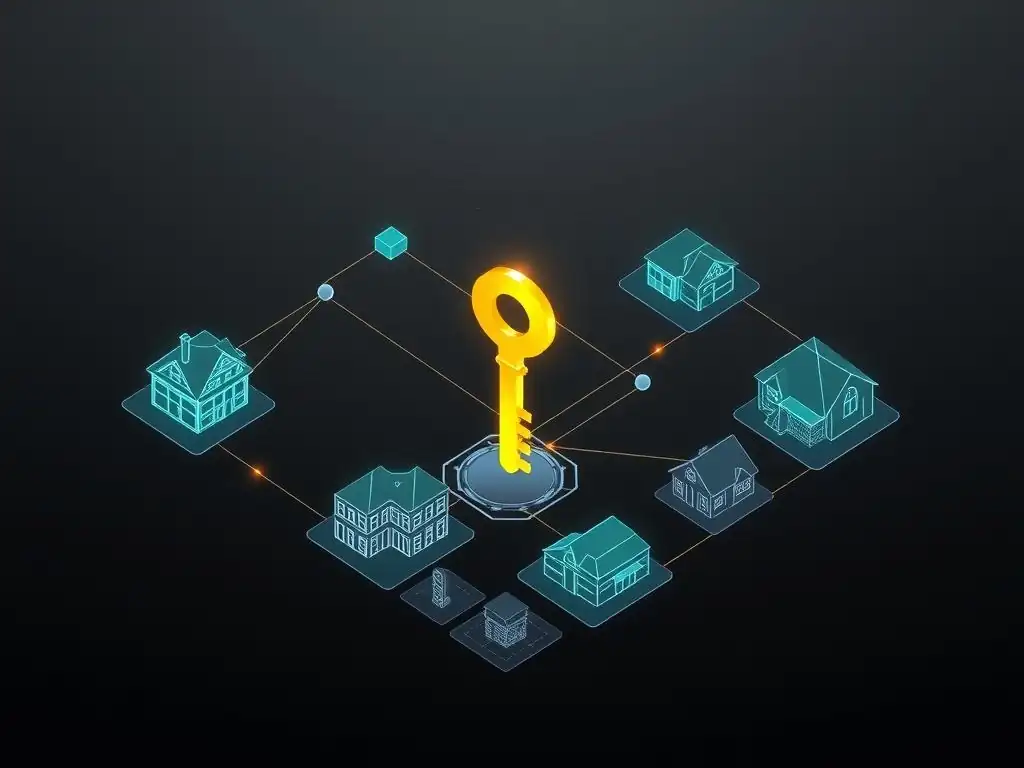
Exploring Leading DeFi Platforms Offering Real Estate Synthetics [RealT]
RealT is a prominent platform in the DeFi synthetic real estate space, focusing on tokenizing real-world properties, primarily in the US. RealT tokenizes properties as RealTokens, each representing a fraction of ownership in a specific property. These RealTokens are typically issued on the Ethereum blockchain and are designed to provide holders with a claim on rental income generated by the underlying property.
RealT aims to bridge the gap between traditional real estate investment and DeFi, offering a user-friendly platform for investors to access tokenized properties. The platform emphasizes transparency and legal compliance, working to ensure that the tokenization process adheres to relevant regulations.
RealT properties are often single-family homes or multi-unit residential buildings, and the platform provides detailed information about each property, including location, financial performance, and legal documentation. Investors can purchase RealTokens using cryptocurrencies or fiat currencies on the RealT platform or on secondary markets where RealTokens are traded. Holding RealTokens entitles investors to receive a share of the rental income, typically distributed in stablecoins.
RealT serves as a notable example of a platform that is actively working to make real estate investment more accessible and liquid through tokenization and DeFi principles. By focusing on real-world properties and income generation, RealT offers a tangible approach to synthetic real estate investment.
Analyzing the Functionality of Different Real Estate Tokenization Protocols [Centrifuge]
Centrifuge is another key player in the real estate tokenization space, but with a slightly different approach compared to platforms like RealT. Centrifuge focuses on enabling the tokenization of Real-World Assets (RWAs), including real estate, but it emphasizes providing a protocol and infrastructure for businesses to tokenize their assets rather than directly tokenizing properties itself.
Centrifuge utilizes its Tinlake protocol, a decentralized asset-backed lending platform, which allows businesses to tokenize and finance RWAs, including real estate debt and equity. Centrifuge operates on its own blockchain, Centrifuge Chain, which is designed for speed and low transaction costs, and it is interoperable with Ethereum, allowing for cross-chain functionality.
Centrifuge's approach is more geared towards institutional adoption and enabling businesses to leverage DeFi for real estate financing and investment. Through Tinlake, businesses can create pools of tokenized real estate assets and obtain financing by issuing debt tokens against these pools. This functionality can be used for various real estate applications, such as real estate lending, property development financing, and securitization of real estate portfolios.
Centrifuge represents a different facet of DeFi synthetic real estate, focusing on the infrastructure and protocols that enable broader adoption and institutional participation in tokenized real estate markets. Its focus on RWAs and asset-backed lending highlights the potential for DeFi to transform real estate finance beyond just fractional ownership.
Comparing and Contrasting Available Options for Investors
When comparing options for DeFi synthetic real estate investment, investors have several factors to consider. Platforms like RealT offer direct access to fractional ownership of individual properties, making it easy for retail investors to participate. RealT focuses on income-generating residential properties and provides a relatively straightforward investment process. Its strengths lie in its user-friendliness and direct exposure to real-world rental income. However, RealT's offerings may be limited to specific property types and locations, and liquidity on secondary markets can vary.
Protocols like Centrifuge, on the other hand, provide infrastructure for businesses to tokenize and finance real estate assets. Centrifuge is more focused on institutional adoption and enabling larger-scale real estate financing through DeFi. Its strengths lie in its scalability, interoperability, and potential for diverse real estate applications. However, investing through protocols like Centrifuge may be less direct for retail investors and might involve investing in tokens representing debt or equity in real estate financing vehicles rather than direct property ownership.
Other platforms and protocols are also emerging, each with its own approach, geographical focus, and risk-reward profile. Investors should carefully research and compare different options, considering their investment goals, risk tolerance, and understanding of DeFi and real estate markets. Factors to consider include platform reputation, security, regulatory compliance, liquidity, property types, and fee structures.
Case Study: Successful Implementation of Synthetic Real Estate
Overview of the Case Study: [Propy's Tokenized Real Estate Sale]
Propy, a real estate technology company leveraging blockchain, facilitated a notable early example of a tokenized real estate sale in 2017. This case study, often cited in discussions about synthetic real estate, involved the sale of a property in Kyiv, Ukraine, to Michael Arrington, the founder of TechCrunch.
While not strictly "synthetic" in the DeFi sense of derivatives, this transaction demonstrated the potential of blockchain to streamline and digitize real estate transactions, paving the way for future developments in synthetic real estate. The sale was conducted using Propy's platform, which aimed to simplify the international real estate buying process by using smart contracts and cryptocurrency payments.
This case study is significant because it was one of the first publicly documented instances of a real estate transaction being executed on a blockchain. While the property itself wasn't tokenized as a synthetic asset for fractional ownership, the transaction process involved tokenizing the property rights and transferring ownership through a smart contract.
The payment was made in cryptocurrency, further highlighting the potential of blockchain to disrupt traditional real estate transaction workflows. Propy's tokenized real estate sale served as a proof of concept, demonstrating the feasibility of using blockchain technology to enhance efficiency and transparency in property transactions, even if not directly within the DeFi synthetic asset framework as it is understood today.
The Problem Addressed: [Inefficiencies in Traditional Real Estate Transactions]
Traditional real estate transactions are often characterized by inefficiencies, particularly in international and cross-border deals. These inefficiencies include lengthy closing times, high transaction costs, lack of transparency, and reliance on intermediaries. The traditional process involves extensive paperwork, multiple intermediaries such as lawyers, notaries, and escrow agents, and complex legal and regulatory requirements that vary across jurisdictions. Cross-border transactions are particularly challenging due to language barriers, currency exchange issues, and differing legal systems. These inefficiencies can lead to delays, increased costs, and a lack of transparency, hindering the smooth flow of capital and property ownership transfers.
Propy's tokenized real estate sale aimed to address these inefficiencies by leveraging blockchain technology to streamline the transaction process. By digitizing property rights and using smart contracts, Propy sought to reduce paperwork, eliminate intermediaries, and increase transparency. The use of cryptocurrency for payment aimed to simplify cross-border transactions and reduce currency exchange costs. The case study highlighted the potential of blockchain to overcome some of the key pain points in traditional real estate transactions, demonstrating a more efficient and transparent approach to property ownership transfer.
The Solution: Leveraging DeFi and Synthetic Assets
While Propy's 2017 case study predates the widespread adoption of DeFi as we know it today, it laid the groundwork for the concepts underpinning DeFi synthetic real estate. The core solution involved leveraging blockchain technology to represent property rights digitally and automate transaction processes using smart contracts. In the Propy case, the property rights were effectively tokenized, albeit in a more basic form than the sophisticated synthetic assets seen in DeFi today.
The use of a smart contract to execute the transaction and transfer ownership was a key element in streamlining the process. Cryptocurrency was used for payment, further simplifying the cross-border aspect of the transaction.
While not a fully fledged DeFi synthetic real estate investment in the current sense, Propy's approach shared the core principles: digitizing real estate assets and using blockchain to enhance efficiency and transparency. The Propy case study served as an early example of how blockchain could be applied to real estate to overcome traditional inefficiencies. It demonstrated the potential for future developments in synthetic real estate, where tokenization is used not just for transaction efficiency but also for fractional ownership, enhanced liquidity, and democratized access, as seen in the emerging DeFi synthetic real estate market.
Results and Impact: [Increased Speed and Transparency in Property Transfer]
The results and impact of Propy's tokenized real estate sale were significant in demonstrating the potential of blockchain in real estate. The transaction was completed much faster than a typical international real estate sale, taking place in a fraction of the time. The use of blockchain provided increased transparency throughout the process, as all transaction details were recorded on an immutable ledger, accessible to authorized parties.
The reduced reliance on intermediaries and automated processes contributed to lower transaction costs compared to traditional methods. While specific cost savings were not publicly detailed, the streamlined process inherently reduced expenses associated with agent fees, legal fees, and other intermediary charges.
The successful completion of this tokenized sale generated significant interest in the potential of blockchain to disrupt the real estate industry. It served as a catalyst for further innovation and exploration in the application of blockchain and, subsequently, DeFi to real estate.
While Propy's case study was an early, relatively simple application compared to the complexities of today's DeFi synthetic real estate offerings, it provided valuable proof of concept. It demonstrated that blockchain technology could indeed improve the speed, transparency, and efficiency of real estate transactions, paving the way for the more sophisticated DeFi synthetic real estate solutions that are now emerging and gaining traction.
The Future of DeFi Synthetic Real Estate: Trends and Predictions
The Evolution of Tokenization Standards and Infrastructure
The future of DeFi synthetic real estate hinges on the evolution of tokenization standards and infrastructure. Currently, there is a lack of standardized protocols and frameworks for tokenizing real estate assets, which can create interoperability challenges and hinder wider adoption. The development of industry-wide tokenization standards will be crucial for ensuring that synthetic real estate tokens are compatible across different platforms and protocols, facilitating seamless trading and integration within the broader DeFi ecosystem. Efforts are underway to establish these standards, drawing on experiences from other tokenization initiatives in areas like security tokens and utility tokens.
Furthermore, the infrastructure supporting DeFi synthetic real estate needs to mature. This includes improvements in blockchain scalability, security, and interoperability. Layer-2 scaling solutions for blockchains like Ethereum, as well as the development of cross-chain bridges, will be essential for handling increased transaction volumes and enabling seamless asset transfers between different blockchain networks.
Advancements in decentralized identity solutions and KYC/AML compliance tools will also be crucial for addressing regulatory concerns and fostering trust in the DeFi synthetic real estate market. The ongoing development of robust and standardized tokenization infrastructure will be a key driver for the growth and mainstream adoption of DeFi synthetic real estate investment.
The Potential for Institutional Adoption of Synthetic Real Estate
Institutional adoption is widely seen as a critical factor for the long-term success of DeFi and synthetic assets, including synthetic real estate. Institutional investors, such as pension funds, insurance companies, and asset managers, represent a vast pool of capital that could significantly accelerate the growth of the DeFi synthetic real estate market. However, institutional adoption requires addressing several key concerns, including regulatory clarity, security, scalability, and institutional-grade custody solutions. As regulatory frameworks become clearer and DeFi infrastructure matures, institutional interest in synthetic real estate is expected to grow.
Institutional investors are attracted to the potential benefits of synthetic real estate, such as increased accessibility, enhanced liquidity, and portfolio diversification opportunities. The fractional ownership aspect allows institutions to gain targeted exposure to specific real estate markets or property types without the complexities of direct property management. The increased liquidity offered by synthetic assets can also be appealing for institutions seeking to manage large portfolios efficiently.
The development of institutional-grade custody solutions for digital assets is crucial for enabling institutions to securely hold and manage synthetic real estate tokens. As these hurdles are overcome, institutional adoption is predicted to become a significant driver of growth in the DeFi synthetic real estate market, bringing in substantial capital and legitimacy.
The Role of Regulation in Shaping the Future Landscape
Regulation will play a pivotal role in shaping the future landscape of DeFi synthetic real estate. The approach taken by regulators globally will significantly impact the growth trajectory and mainstream adoption of this emerging asset class. Clear and balanced regulations that provide investor protection while fostering innovation are essential for creating a sustainable and thriving DeFi synthetic real estate market. Overly restrictive regulations could stifle innovation and drive activity to less regulated jurisdictions, while a complete lack of regulation could lead to increased risks and hinder institutional adoption.
Regulators are grappling with how to classify and regulate digital assets, including synthetic real estate tokens. Key regulatory considerations include securities laws, anti-money laundering (AML) and know-your-customer (KYC) compliance, consumer protection, and tax implications. The development of regulatory sandboxes and pilot programs can help regulators understand the nuances of DeFi synthetic real estate and develop appropriate regulatory frameworks.
International cooperation and harmonization of regulations will also be important for facilitating cross-border transactions and preventing regulatory arbitrage. The regulatory landscape is still evolving, and its development will be a key determinant of the future direction and growth of DeFi synthetic real estate investment.
Predictions for Market Growth and Innovation in DeFi Real Estate Derivatives
Predictions for market growth in DeFi real estate derivatives are optimistic, with many analysts forecasting significant expansion in the coming years. The total value locked (TVL) in DeFi has grown exponentially, and synthetic assets are expected to be a major driver of future growth. As awareness of DeFi synthetic real estate investment increases and the benefits of accessibility, liquidity, and fractional ownership become more apparent, market adoption is predicted to accelerate. Innovation in DeFi real estate derivatives is also expected to flourish, with new products and services emerging to cater to diverse investor needs and risk appetites.
We can anticipate the development of more sophisticated synthetic real estate instruments, such as leveraged tokens, inverse tokens, and structured products based on real estate indexes. The integration of DeFi with traditional finance (TradFi) is also expected to deepen, with potential partnerships and collaborations between DeFi platforms and traditional real estate institutions.
The Metaverse and virtual real estate are also emerging as related areas of innovation, with potential for integration with DeFi synthetic real estate. As the technology matures, regulatory clarity improves, and institutional adoption increases, the DeFi real estate derivatives market is poised for substantial growth and innovation, transforming how real estate is invested in and accessed globally.
Getting Started with DeFi Synthetic Real Estate Investment
Due Diligence: Researching and Evaluating Synthetic Assets
Before venturing into DeFi synthetic real estate investment, thorough due diligence is paramount. Investors should not approach this market without a solid understanding of the underlying assets, platforms, and risks involved. Researching the specific properties underlying the synthetic assets is crucial. Understand the location, property type, valuation, and income-generating potential of the real estate represented by the tokens. Assess the credibility and track record of the platforms issuing and managing these synthetic assets. Look for platforms with transparent operations, audited smart contracts, and a commitment to regulatory compliance.
Evaluate the tokenomics of the synthetic asset, including the supply, distribution, and utility of the tokens. Understand how the token price is linked to the value of the underlying real estate and how rental income or other benefits are distributed to token holders. Research the liquidity of the synthetic asset on DEXs.
Check trading volumes and liquidity pool depth to assess how easily you can buy and sell the tokens. Read whitepapers, documentation, and community forums related to the platforms and synthetic assets you are considering. Comprehensive due diligence is essential for making informed investment decisions and mitigating risks in the nascent DeFi synthetic real estate market.
Navigating DeFi platforms and wallets is a crucial skill for participating in DeFi synthetic real estate investment. DeFi platforms operate differently from traditional financial exchanges, and understanding how to interact with them is essential. Start by familiarizing yourself with different types of DeFi platforms, such as DEXs, lending platforms, and yield farming protocols. Choose reputable and secure platforms with a track record of reliability and security. Create a secure cryptocurrency wallet that is compatible with the DeFi platforms you intend to use. Popular wallets include MetaMask, Trust Wallet, and Ledger hardware wallets.
Learn how to connect your wallet to DeFi platforms and how to perform basic operations, such as swapping tokens, providing liquidity, and staking assets. Understand transaction fees on blockchain networks and how to manage gas costs effectively. Pay close attention to security best practices when using DeFi platforms and wallets.
Protect your private keys, be wary of phishing scams, and use strong passwords. Start with small amounts to gain experience and confidence before investing larger sums. Navigating DeFi platforms and wallets may seem daunting at first, but with practice and caution, it becomes a manageable and empowering skill for accessing the world of DeFi synthetic real estate investment.
Understanding Risk Management Strategies
Risk management is crucial in any investment, and DeFi synthetic real estate is no exception. Given the inherent risks in DeFi and the nascent nature of synthetic real estate, adopting robust risk management strategies is essential for protecting your capital and maximizing your chances of success. Diversification is a fundamental risk management technique. Do not put all your capital into a single synthetic real estate asset or platform.
Spread your investments across multiple tokens and platforms to reduce concentration risk. Understand the volatility of DeFi markets and synthetic assets. Be prepared for price fluctuations and consider setting stop-loss orders to limit potential losses.
Only invest capital that you can afford to lose. DeFi and synthetic real estate are still relatively high-risk investments, and it's important to allocate capital accordingly. Continuously monitor your investments and stay informed about market developments, regulatory changes, and platform updates. Regularly review your portfolio and rebalance as needed to maintain your desired risk profile. Consider using risk management tools offered by some DeFi platforms, such as portfolio tracking and risk assessment dashboards. By understanding and implementing effective risk management strategies, investors can navigate the DeFi synthetic real estate market more safely and responsibly.
Conclusion: Is DeFi Synthetic Real Estate the Future of Property Investment?
Recap of the Key Benefits and Challenges
DeFi synthetic real estate investment presents a compelling vision for the future of property investment, offering numerous potential benefits. Increased accessibility, enhanced liquidity, fractional ownership, reduced transaction costs, and portfolio diversification are key advantages that could democratize real estate investment and make it more efficient. However, it's also important to acknowledge the challenges and risks associated with this nascent market. Regulatory uncertainty, smart contract vulnerabilities, price volatility, and liquidity risks are significant factors that investors must carefully consider.
The benefits of DeFi synthetic real estate investment are undeniable, promising to break down traditional barriers and create a more inclusive and efficient property market. However, the challenges are equally real and require careful navigation. The market is still in its early stages of development, and its long-term success will depend on addressing these challenges effectively. Balancing the potential rewards with the inherent risks is crucial for investors considering entering this space.
The Potential for Long-Term Growth and Innovation
Despite the challenges, the potential for long-term growth and innovation in DeFi synthetic real estate is substantial. As blockchain technology matures, regulatory frameworks become clearer, and institutional adoption increases, the market is poised for significant expansion. Innovation will continue to drive the development of new synthetic real estate products, services, and platforms, further enhancing accessibility, utility, and investor appeal. The integration of DeFi with traditional finance and the emergence of metaverse real estate are likely to create new opportunities and use cases for synthetic real estate assets.
The underlying drivers for growth are strong: the global real estate market is vast, and the demand for more accessible, liquid, and efficient investment options is growing. DeFi synthetic real estate addresses these needs by leveraging blockchain technology and decentralized finance principles. While the path forward may not be without hurdles, the long-term trajectory points towards significant growth and transformation in the way real estate is invested in and managed globally. The convergence of DeFi and real estate has the potential to create a more democratized, efficient, and innovative property market for the future.
A Call to Action for Investors and Developers to Explore the Possibilities
DeFi synthetic real estate investment presents a unique opportunity for both investors and developers to explore the possibilities of this transformative technology. For investors, it offers a chance to gain exposure to real estate markets with lower barriers to entry, enhanced liquidity, and portfolio diversification benefits. For developers, it provides a platform for innovation, creating new financial products and services that can reshape the future of real estate investment and finance. However, it is crucial to approach this market with caution, conducting thorough research, understanding the risks, and starting with smaller, manageable investments.
Investors are encouraged to educate themselves about DeFi, synthetic assets, and the specific platforms and tokens in the DeFi synthetic real estate space. Developers are called upon to continue innovating, building secure and user-friendly platforms, and contributing to the development of industry standards and best practices. Regulators are urged to engage with the industry, fostering innovation while ensuring investor protection. The future of DeFi synthetic real estate is being shaped now, and the collective efforts of investors, developers, and regulators will determine its ultimate success and impact on the world of property investment.
Frequently Asked Questions
What exactly are DeFi synthetic real estate investments and how do they work?
DeFi synthetic real estate investments involve creating digital tokens that represent ownership or fractional ownership of real-world properties. These tokens are traded on decentralized exchanges (DEXs), allowing for increased liquidity and accessibility to real estate investment.
How does DeFi synthetic real estate democratize property investment?
Traditional real estate investment often requires significant capital. DeFi synthetic real estate lowers the barrier to entry by allowing investors to purchase fractions of properties. This increases accessibility for smaller investors and diversifies investment opportunities.
What are some potential risks associated with DeFi synthetic real estate?
Risks include regulatory uncertainty surrounding DeFi and tokenized assets, smart contract vulnerabilities, and the potential for price volatility in the underlying real estate market.
How is regulation currently affecting the development and adoption of DeFi synthetic real estate?
The regulatory landscape is still evolving. Lack of clear guidelines creates uncertainty and can hinder widespread adoption. However, regulators are actively exploring how to address the risks while fostering innovation.
What are the potential future applications of DeFi synthetic real estate beyond simple fractional ownership?
Future applications include automated rent distribution, smart contract-based property management, and the creation of complex financial instruments tied to real estate performance, all within a decentralized ecosystem.
Final Reflection: Embracing the Future of Property Ownership
The exploration of DeFi synthetic real estate investment reveals a landscape ripe with potential, yet fraught with challenges. The promise of democratizing property ownership through blockchain technology is no longer a distant dream, but a tangible possibility within our reach. The current financial climate demands innovative solutions, and the convergence of DeFi and real estate offers a compelling alternative to traditional investment models, potentially reshaping how we access and interact with the property market.
This concept has the power to fundamentally alter the cultural perception of real estate, moving it from an exclusive asset class to a more accessible and inclusive investment opportunity. The ability to fractionalize ownership and trade synthetic assets opens doors for individuals who were previously excluded from the market, fostering a sense of empowerment and financial participation. The future of finance is decentralized, and the future of real estate is being built on the blockchain.
This quote encapsulates the transformative potential of DeFi synthetic real estate, highlighting its capacity to revolutionize the industry and empower a new generation of investors.
As we stand on the cusp of this technological revolution, let us consider the implications of a world where property ownership is truly decentralized and accessible to all. What role will you play in shaping this future? How can you leverage the power of DeFi to unlock new opportunities and contribute to a more equitable financial landscape? Embrace the potential of DeFi synthetic real estate investment, not just as an investor, but as a participant in a movement that is redefining the very essence of ownership and wealth creation.
Unveil Your Piece of the Real Estate Revolution!
Thank you for exploring how decentralized finance is transforming property investment. You've gained a deeper understanding of synthetic assets and their potential to make real estate more accessible for everyone. Now, it's time to take action!
Here's how you can get involved:
- Start Small, Dream Big: Consider investing a modest amount in a real estate-backed DeFi project. This hands-on approach allows you to learn and experience the opportunities firsthand.
- Explore various DeFi platforms and search for projects related to synthetic real estate to discover investment opportunities.
- Share this article on social media to spark a conversation about the future of property investment, and tag @BlockchainTrends to engage with us.
Are you ready to become a pioneer in decentralized real estate and see if it's the right fit for you? Let us know in the comments what excites you most about synthetic property investment!
Leave a Reply