
Blockchain's LongTerm Impact on Healthcare Data Security and Patient Trust

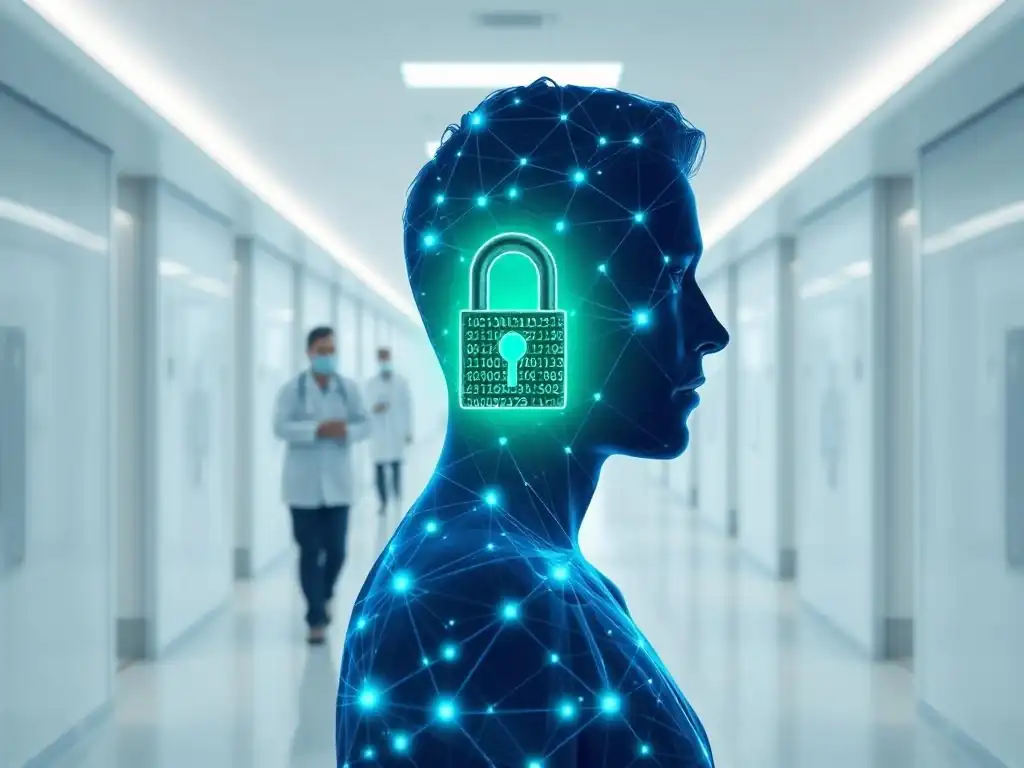
Welcome to Blockchain Trends, your guide to understanding the revolutionary impact of blockchain technology beyond the headlines.
Dive into the fascinating world of decentralized systems and discover how blockchain is reshaping industries. Are you ready to explore how this groundbreaking technology can revolutionize blockchain healthcare data security? This article unveils the potential for enhanced patient trust and data integrity, but the journey to widespread adoption isn't without its challenges. Let's explore the possibilities together...
- The Current Landscape of Healthcare Data Security: Challenges and Vulnerabilities
-
Frequently Asked Questions
- How can blockchain technology enhance healthcare data security?
- What role does blockchain play in improving patient trust in healthcare systems?
- What are some potential enterprise applications of blockchain in healthcare beyond data security?
- How might regulations impact the adoption of blockchain solutions in healthcare?
- What is the future outlook for blockchain's role in decentralized healthcare systems?
- Final Reflection: Securing Healthcare's Future
- Empower Yourself: Secure Your Health Data's Future!
The Current Landscape of Healthcare Data Security: Challenges and Vulnerabilities

Healthcare organizations face a significant and evolving threat landscape when it comes to protecting sensitive patient data. The digital transformation within the industry, while offering immense benefits for patient care and operational efficiency, has also expanded the attack surface. Electronic Health Records (EHRs), billing information, insurance details, and even genetic data are highly valuable targets for cybercriminals, often fetching a higher price on the dark web than credit card numbers. This makes the healthcare sector particularly vulnerable and highlights the urgent need for advanced security measures, including exploring options like blockchain healthcare data security.
The complexity of healthcare IT environments, often a patchwork of legacy systems, new cloud-based applications, connected medical devices, and third-party vendor integrations, creates numerous entry points for attackers. Staff training on cybersecurity best practices can be inconsistent, and the sheer volume of data processed daily increases the risk of accidental data exposure or successful phishing attacks. These inherent weaknesses in existing security infrastructures are a primary reason why the industry consistently ranks among the most targeted sectors globally.
Existing Security Infrastructure Weaknesses in Healthcare
Current healthcare security infrastructures frequently suffer from a combination of outdated technology and fragmented systems. Many hospitals and clinics still rely on legacy software and hardware that may no longer receive security updates, leaving them vulnerable to known exploits. This is compounded by a lack of seamless interoperability between different systems, leading to data silos and complicating efforts to implement consistent security policies across an entire organization. The distributed nature of healthcare delivery, involving numerous clinics, labs, pharmacies, and specialists, further exacerbates this fragmentation challenge, making a unified security posture difficult to achieve.
Moreover, insider threats, both malicious and accidental, represent a significant vulnerability. Employees with access to sensitive patient information can misuse it, or inadvertently cause breaches through errors like sending emails to the wrong recipient or falling victim to sophisticated social engineering attacks.
Weak access controls, where employees retain excessive permissions longer than necessary, and insufficient monitoring of user activity are common issues. While traditional security measures like firewalls and intrusion detection systems are in place, they often struggle to provide comprehensive protection against the array of modern threats, underscoring the need for more resilient and tamper-proof systems, such as those potentially offered by blockchain healthcare data security solutions.
The High Cost of Data Breaches in the Healthcare Industry
Data breaches in the healthcare industry are not just a security issue; they are an enormous financial burden. According to the IBM/Ponemon Institute's 2023 Cost of a Data Breach Report, healthcare has held the unenviable position of having the highest average cost per data breach for thirteen consecutive years. The report indicates that in 2023, the average cost of a healthcare data breach reached an staggering $10.93 million. This figure encompasses costs related to detection and escalation, notification processes, lost business, and post-breach response, such as providing credit monitoring services to affected patients and dealing with regulatory fines.
Beyond the direct financial outlay, the indirect costs of a healthcare data breach are substantial and long-lasting. Reputational damage can erode patient trust, leading to decreased patient volume and revenue. Legal fees from class-action lawsuits and settlements can quickly mount. Furthermore, operational disruptions following a breach, such as system downtime or the need to revert to paper-based processes, can severely impact patient care quality and efficiency. The significant financial fallout underscores the critical need for robust, forward-thinking security strategies, like implementing strong blockchain healthcare data security frameworks, to protect both patient information and the financial health of healthcare providers.
Frequently Asked Questions
How can blockchain technology enhance healthcare data security?
Blockchain offers immutable records and decentralized access control, making it harder for unauthorized individuals to tamper with or access patient data. This enhances data integrity and reduces the risk of breaches.
What role does blockchain play in improving patient trust in healthcare systems?
By giving patients more control over their data and providing a transparent audit trail, blockchain can foster greater trust. Patients are empowered to track who accesses their information and why.
What are some potential enterprise applications of blockchain in healthcare beyond data security?
Beyond security, blockchain can streamline supply chain management for pharmaceuticals, verify credentials of healthcare professionals, and facilitate secure data sharing among researchers.
How might regulations impact the adoption of blockchain solutions in healthcare?
Regulatory clarity regarding data privacy, interoperability, and liability is crucial for widespread adoption. Compliance with existing regulations like HIPAA is paramount.
What is the future outlook for blockchain's role in decentralized healthcare systems?
The future envisions patient-centric ecosystems where individuals own and control their health data, securely share it with providers, and participate in research, all facilitated by blockchain infrastructure.
Final Reflection: Securing Healthcare's Future
The exploration of blockchain's potential within healthcare data security reveals a critical juncture. The promise of immutable records and decentralized control offers a compelling solution to the escalating threats facing patient information today. This isn't merely a technological upgrade; it's a fundamental shift in how we approach trust and transparency within a system vital to our well-being. The stakes are high, and the need for robust security measures has never been more pressing.
The integration of blockchain technology into healthcare is more than just a technical advancement; it's a cultural and social evolution. Witnessing the potential for patients to regain control over their sensitive data is profoundly empowering, fostering a sense of ownership and accountability that has long been absent. This shift towards patient-centric security is crucial for building trust and encouraging participation in healthcare systems. The future of healthcare is not just about technology, it's about empowering individuals to take control of their health journey.
This quote encapsulates the spirit of this transformation, emphasizing the importance of placing patients at the heart of the healthcare ecosystem.
As we stand on the cusp of this technological revolution, let us consider the profound implications of blockchain for healthcare data security. Reflect on the power of decentralized systems to safeguard sensitive information, and consider how you can advocate for the adoption of these technologies within your own communities. Embrace the opportunity to shape a future where patient trust is paramount, and where healthcare data is protected with the utmost diligence. The future of healthcare data security is in our hands; let's build it together.
Empower Yourself: Secure Your Health Data's Future!
Thank you for exploring how blockchain can enhance healthcare data security. Now that you're familiar with its potential, it's time to take action.
You can help build a more secure and trustworthy healthcare system by:
- Learning more about how blockchain is being applied in healthcare to protect data and build patient trust.
- Sharing this article with healthcare professionals or loved ones to raise awareness and encourage meaningful discussions about the future of healthcare data.
- Suggesting blockchain solutions to your healthcare provider’s IT team—you could be the catalyst for significant positive change!
What specific challenge in healthcare data security are you most eager to see addressed by blockchain technology? Share your ideas in the comments below!
Leave a Reply