
Blockchain for the Unbanked: Can Distributed Ledger Technology Bridge the Financial Gap?


Welcome to Blockchain Trends, where we delve into the revolutionary power of blockchain, far beyond the realm of cryptocurrencies. Are you curious about how this technology is reshaping industries and empowering communities? In this article, we explore a vital area: blockchain financial inclusion for underserved populations. Could distributed ledger technology be the key to unlocking financial opportunities for millions currently excluded? Discover the potential – and the challenges – as we examine this critical application within the Blockchain and Social Impact category. Keep reading to unravel the possibilities.
Blockchain for the Unbanked: Can Distributed Ledger Technology Bridge the Financial Gap?
- Introduction: Blockchain's Potential for Financial Inclusion
- Understanding the Unbanked and Underbanked
- How Blockchain Technology Addresses Financial Exclusion
- Blockchain-Based Solutions for Financial Inclusion
- Case Studies: Blockchain Impact on Financial Inclusion
- Challenges and Limitations of Blockchain Financial Inclusion
- Overcoming Challenges: Strategies for Successful Implementation
- The Future of Blockchain and Financial Inclusion
- Conclusion: Blockchain's Role in Empowering Underserved Populations Through Financial Inclusion
-
Frequently Asked Questions
- How can blockchain technology specifically help the unbanked?
- What are some real-world examples of blockchain being used for financial inclusion?
- What are the main challenges in implementing blockchain solutions for the underserved populations?
- How does Decentralized Finance ( DeFi) contribute to the financial inclusion of the unbanked?
- What role does regulation play in promoting or hindering the use of blockchain for financial inclusion?
- Final Reflection: Empowering Futures Through Decentralization
- Unlock Financial Freedom: Take Action Now!
Introduction: Blockchain's Potential for Financial Inclusion
The Global Challenge of Unbanked Populations
Globally, a significant portion of the adult population remains outside the formal financial system. According to the World Bank's Global Findex database from 2021, approximately 1.4 billion adults worldwide still lack access to a bank account or formal financial services. This population, often referred to as the "unbanked," is disproportionately concentrated in developing economies and includes individuals from low-income households, rural areas, and marginalized groups. The absence of basic financial tools like savings accounts, credit, and insurance severely limits economic opportunities and resilience against financial shocks.
The challenges faced by the unbanked are multifaceted, ranging from geographical distance to financial institutions and lack of necessary identification documents to the high cost of traditional banking services, including minimum balance requirements and transaction fees. For many, the informal economy is the only viable path, yet it lacks the security and growth potential offered by formal financial systems. Addressing this gap is crucial for poverty reduction and fostering inclusive economic growth worldwide, highlighting the urgent need for innovative solutions to bring financial services to underserved populations.
Exploring Blockchain Technology for Underserved Communities
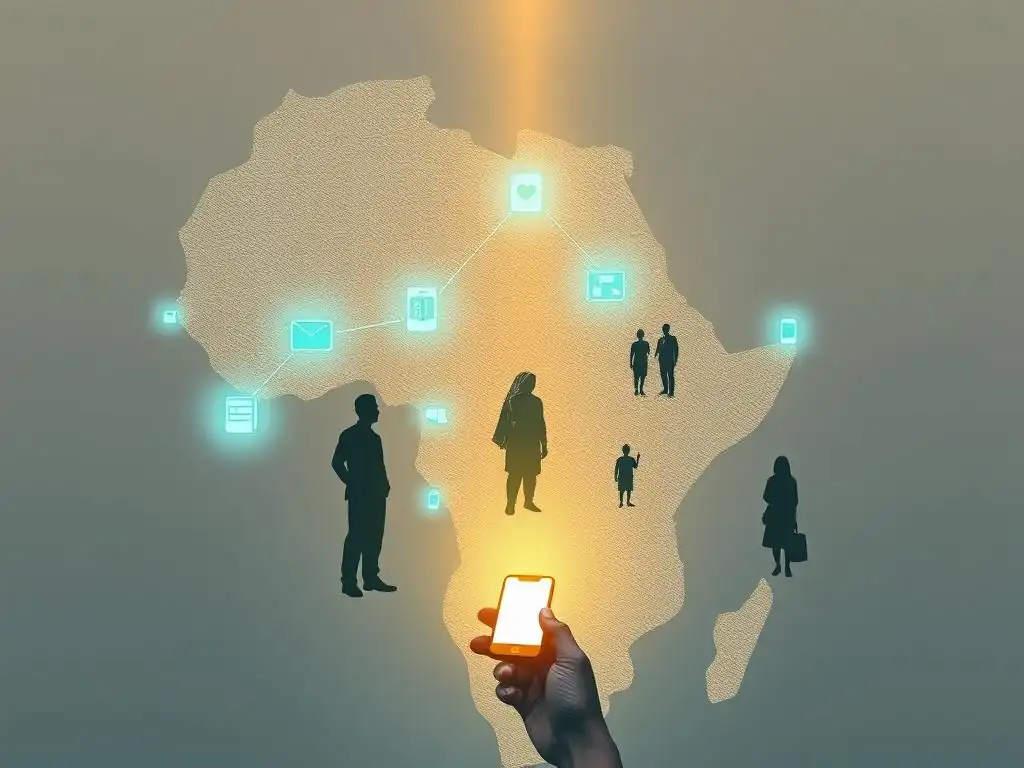
Blockchain technology, often associated primarily with cryptocurrencies like Bitcoin, offers a decentralized and distributed ledger system that holds significant promise for revolutionizing financial services. Its core characteristics—transparency, security, immutability, and the ability to operate without central intermediaries—make it uniquely suited to address some of the fundamental barriers preventing financial inclusion for the unbanked. By creating a peer-to-peer network for value transfer and data management, blockchain can bypass traditional, often costly, and inaccessible financial infrastructures.
The potential of blockchain financial inclusion for underserved populations lies in its capacity to provide low-cost, accessible, and secure platforms for transactions, savings, credit, and identity management. Unlike traditional systems that require extensive physical infrastructure and rely on centralized authorities, blockchain operates on a distributed network, potentially accessible via simple mobile phones. This opens up possibilities for individuals in remote areas or those lacking formal documentation to engage in economic activities, receive payments, and build a verifiable financial history, ultimately bridging the financial gap.
Understanding the Unbanked and Underbanked
Defining the Unbanked: Who Are They?
The term "unbanked" typically refers to individuals who do not use banks or banking alternatives in any capacity. This means they lack access to fundamental financial products such as checking or savings accounts. This group often relies entirely on cash for transactions, which can be insecure, inconvenient, and limits their ability to save, borrow formally, or build a financial history. They are often found in regions with limited banking infrastructure, high poverty rates, or among populations facing significant social or economic marginalization.
Complementing the unbanked are the "underbanked," individuals who may have a bank account but still rely heavily on alternative financial services that can be more expensive or less secure than traditional banking. Examples include using check-cashing services, payday loans, or pawn shops. While they have a foot in the formal system, their access to the full spectrum of affordable financial products like credit cards, loans, and insurance is limited. Both groups represent a significant challenge for economic development and are prime targets for the potential benefits of blockchain financial inclusion initiatives.
Barriers to Traditional Banking Services
Numerous obstacles prevent unbanked and underbanked individuals from accessing traditional banking services. A primary barrier is the lack of required identification documents; many people in developing countries or marginalized communities do not possess government-issued IDs necessary to open a bank account. Another significant hurdle is cost; traditional banks often impose minimum balance requirements and charge various fees for transactions, maintenance, or ATM withdrawals, which can be prohibitive for low-income individuals managing small amounts of money.
Geographical distance also plays a crucial role, particularly in rural areas where bank branches or ATMs are scarce. The time and cost associated with traveling to a banking location can be substantial, making regular use impractical. Furthermore, a lack of trust in formal institutions due to past experiences or cultural factors, coupled with limited financial literacy, contributes to the reluctance or inability of underserved populations to engage with traditional banking systems.
The Economic Impact of Financial Exclusion
Financial exclusion has profound negative economic consequences for individuals, communities, and entire nations. For individuals, it means difficulty saving money securely, accessing affordable credit for emergencies or business ventures, and obtaining insurance to mitigate risks. Without formal credit histories, obtaining loans becomes impossible or prohibitively expensive through informal channels, trapping people in cycles of debt. Receiving remittances from abroad is also costly, with global average costs for sending money remaining relatively high, often around 6% to 7%, significantly reducing the amount received by families.
At a broader level, financial exclusion stifles economic growth by limiting capital formation and investment. It hinders the development of small businesses, which are often the backbone of local economies. Furthermore, it complicates the delivery of social welfare programs and emergency aid. Bringing underserved populations into the formal financial fold through initiatives like blockchain financial inclusion can unlock significant economic potential, enabling individuals to participate more fully in the economy and build a more secure future.
How Blockchain Technology Addresses Financial Exclusion
Blockchain as a Decentralized Financial Infrastructure
Blockchain technology fundamentally changes the paradigm of financial transactions by providing a decentralized ledger. Instead of relying on a single central authority, like a bank, to verify and record transactions, blockchain distributes this function across a network of computers. This peer-to-peer architecture eliminates the need for intermediaries, which are often the source of high fees and accessibility issues in traditional finance. For underserved populations, this means the potential for direct participation in a financial system that is not controlled by distant or inaccessible institutions.
This decentralized structure enhances resilience and reduces single points of failure. Transactions can be processed and verified by the network participants, making the system more robust against outages or censorship that can affect centralized systems. By providing a foundational layer for financial interactions that is open and permissionless (though specific applications may add permissions), blockchain technology offers a promising infrastructure for building financial services that can reach individuals previously excluded by traditional banking, paving the way for greater blockchain financial inclusion.
Lowering Transaction Costs with Blockchain Solutions
One of the most significant barriers to financial inclusion is the high cost of transactions, particularly for low-value payments and remittances. Traditional banking systems involve multiple intermediaries (banks, payment processors, correspondent banks for international transfers), each adding fees. Sending money across borders, for example, can cost a substantial percentage of the amount sent, a burden disproportionately felt by low-income families relying on remittances.
Blockchain-based solutions have the potential to dramatically lower these costs. Transactions on many blockchain networks involve only network fees (often called "gas fees"), which can be significantly lower than traditional fees, especially for domestic transfers or certain types of international payments depending on the network and congestion. While some networks like Ethereum have faced high gas fees during peak times, newer technologies and layer-2 solutions aim to provide much cheaper transactions. This reduction in costs makes sending and receiving even small amounts of money feasible and affordable, directly benefiting underserved populations who often deal with limited funds.
Enhancing Transparency and Security in Financial Services
The inherent properties of blockchain technology contribute significantly to transparency and security, crucial factors for building trust among underserved populations who may be wary of formal systems. Every confirmed transaction is recorded on the distributed ledger, which is visible to all participants on the network (depending on the type of blockchain, e.g., public vs. private). This transparency makes it difficult to tamper with records or engage in fraudulent activities without being detected by the network, fostering a level of accountability often lacking in informal or opaque financial arrangements.
Security is enhanced through cryptography. Transactions are cryptographically secured, and once added to the blockchain, data blocks are linked in a way that makes altering past records virtually impossible without re-mining the entire chain, a computationally infeasible task. Users control their funds through private keys, providing a level of sovereignty over their assets not always felt in traditional accounts where funds are held by a bank. This combination of transparency and robust security builds confidence and trust, essential for the adoption of blockchain financial inclusion solutions among populations previously excluded due to lack of trust or fear of fraud.
Blockchain-Based Solutions for Financial Inclusion
Cryptocurrency and Digital Wallets for Access to Funds
Cryptocurrencies, the native assets of many blockchain networks, can serve as a medium of exchange and a store of value, providing an alternative to traditional currencies and banking services. For the unbanked, accessing cryptocurrency typically requires only a smartphone and an internet connection to set up a digital wallet. These wallets function much like digital bank accounts, allowing users to receive, store, and send funds. This bypasses the need for physical bank branches, minimum balances, or extensive paperwork often required by traditional banks.
Mobile-first digital wallets are particularly relevant, as smartphone penetration is growing rapidly even in developing regions. Users can receive payments, such as wages or remittances, directly into their digital wallets in cryptocurrency or stablecoins (cryptocurrencies pegged to stable assets like the USD), which mitigates volatility concerns. Examples of this approach are emerging in various countries, offering underserved populations a direct way to access and manage their money, fostering greater blockchain financial inclusion.
Decentralized Lending Platforms: DeFi for the Unbanked
Decentralized Finance (DeFi) platforms, built on blockchain technology, offer lending and borrowing services using smart contracts instead of traditional financial institutions. While many existing DeFi protocols currently cater to users with existing crypto assets, the underlying principle holds potential for the unbanked. Future iterations or specialized platforms could potentially use alternative forms of collateral or reputation systems built on blockchain transaction history to offer credit to individuals without traditional credit scores or assets.
Imagine a farmer needing a micro-loan for seeds. A blockchain-based microfinance platform could record their transaction history on the ledger, building a verifiable reputation. Smart contracts could automate loan distribution and repayment terms based on this digital history. While still in early stages for truly unbanked populations, the potential for peer-to-peer lending facilitated by smart contracts offers a path to affordable credit access, a critical component of comprehensive blockchain financial inclusion.
Blockchain-Enabled Microfinance Initiatives
Microfinance traditionally provides small loans and financial services to low-income individuals and small businesses lacking access to conventional banking. Blockchain technology can enhance microfinance operations by increasing efficiency, transparency, and reducing administrative costs. By recording loan origination, disbursement, and repayment on a blockchain, organizations can create immutable and verifiable records, reducing fraud and improving accountability for both lenders and borrowers.
Furthermore, blockchain can facilitate the creation of decentralized micro-lending pools or allow impact investors globally to directly fund micro-loans to specific individuals or groups, bypassing intermediaries. This direct connection can potentially lower the cost of capital for microfinance institutions or enable lower interest rates for borrowers. Projects exploring blockchain for tracking micro-payments, managing group savings schemes (like ROSCAs), and creating digital identities for borrowers are actively working towards leveraging this technology for greater blockchain financial inclusion.
Identity Management Solutions on the Blockchain for the Unbanked
A significant barrier to financial services, and many other essential services, is the lack of formal identification. Blockchain technology offers a promising solution through self-sovereign identity (SSI) systems. SSI allows individuals to control their digital identity and share verifiable credentials selectively and securely without relying on a central authority. Instead of a government or bank holding identity data, the individual holds it, with cryptographic proofs stored on the blockchain to verify its authenticity.
For the unbanked, this could mean using a combination of biometrics, attestations from trusted community members, or transaction history to build a verifiable digital identity on the blockchain. This digital identity, once established and verified, could then be used to access financial services, receive aid, or participate in the formal economy, overcoming the traditional hurdle of lacking government-issued documents. Developing robust and user-friendly blockchain-based identity solutions is a critical step towards achieving widespread blockchain financial inclusion.
Case Studies: Blockchain Impact on Financial Inclusion
El Salvador's Bitcoin Adoption: Opportunities and Challenges
In September 2021, El Salvador became the first country in the world to make Bitcoin legal tender alongside the US dollar. The stated goals included facilitating remittances, promoting investment, and fostering financial inclusion for its largely unbanked population, estimated to be around 70% at the time. The government launched a digital wallet, Chivo, which allowed citizens to send and receive Bitcoin and dollars, pay for goods and services, and receive a small Bitcoin bonus for signing up.
While the initiative aimed to boost blockchain financial inclusion, its implementation faced significant challenges. Adoption of the Chivo wallet was initially high due to the sign-up bonus, but active usage for daily transactions and remittances proved inconsistent, with many citizens reverting to traditional methods. Issues included technical glitches with the wallet, volatility of Bitcoin's price, security concerns, and a lack of understanding or trust among the population. The case highlights that while government-led initiatives can rapidly deploy infrastructure, successful blockchain financial inclusion requires addressing user experience, education, and market stability.
BanQu: Empowering Farmers Through Supply Chain Transparency
BanQu is a blockchain-based economic identity platform focused on helping individuals in extreme poverty, refugees, and people in developing countries build an economic history. One of their key applications is working with large corporations to map supply chains back to the smallholder farmers or informal waste pickers at the source. By recording transactions (like payments for crops or materials) on a blockchain, BanQu creates a verifiable and portable economic identity for individuals who previously had no formal record of their income or business activities.
For example, BanQu has partnered with companies like AB InBev to trace agricultural products. This process creates a digital payment history for farmers, which they can then use as proof of income to access formal financial services like loans or credit, previously unavailable to them. By providing transparency and a verifiable transaction history on the blockchain, BanQu directly addresses the lack of economic identity, a major barrier to blockchain financial inclusion for millions engaged in informal economies globally.
Challenges and Limitations of Blockchain Financial Inclusion
Regulatory Uncertainty and Legal Frameworks
Despite the potential, the path to widespread blockchain financial inclusion is fraught with regulatory challenges. Governments worldwide are still grappling with how to classify and regulate cryptocurrencies and blockchain-based financial services. This uncertainty creates a complex legal environment, making it difficult for blockchain companies to operate and scale, particularly when dealing with sensitive financial data and transactions involving underserved populations who need robust consumer protection.
Lack of clear legal frameworks can deter traditional financial institutions or large corporations from partnering with blockchain initiatives, limiting reach and resources. Furthermore, regulations designed for traditional finance may not fit the decentralized nature of blockchain, potentially stifling innovation or creating compliance burdens that are too heavy for small blockchain projects focused on low-income users. Navigating this evolving regulatory landscape is crucial for the sustainable growth of blockchain financial inclusion efforts.
Scalability Issues and Transaction Processing Speed
Some prominent blockchain networks, particularly older ones like Bitcoin and Ethereum (before recent upgrades), have faced challenges with scalability. The number of transactions they can process per second is limited compared to traditional payment networks like Visa or Mastercard, which handle thousands of transactions per second. High network usage can lead to congestion and increased transaction fees, counteracting the cost-saving potential that is vital for serving low-income populations.
While significant progress is being made with layer-2 solutions (like Lightning Network for Bitcoin or rollups for Ethereum) and newer blockchain architectures designed for higher throughput (like Solana or Polkadot), scalability remains a practical concern for widespread adoption. For blockchain financial inclusion to reach billions, the underlying technology must be able to handle a massive volume of low-value transactions quickly and reliably at minimal cost.
Security Risks and Vulnerabilities in Blockchain Systems
Although blockchain is often touted for its security, it is not immune to risks. Smart contract vulnerabilities, hacking of exchanges or digital wallets, and phishing scams pose significant threats. Users, especially those new to digital technologies, can be particularly susceptible to losing their private keys or falling victim to scams, leading to irreversible loss of funds on an immutable ledger.
Furthermore, the decentralized nature means there is no central authority to appeal to if a transaction goes wrong or funds are lost due to user error or a security breach. While the blockchain ledger itself may be secure, the applications and interfaces built on top of it, as well as user practices, introduce potential vulnerabilities. Ensuring robust security measures, user education, and accessible support systems are critical to building trust and protecting users in blockchain financial inclusion initiatives.
Digital Literacy and Adoption Barriers in Underserved Areas
A fundamental challenge is the significant digital literacy gap in many underserved populations. Access to smartphones and internet connectivity is increasing, but understanding how to use complex digital wallets, manage private keys securely, navigate blockchain concepts, or identify scams requires a level of technical proficiency that is not universally present. The user interfaces of many blockchain applications are still designed for early adopters rather than mass-market users with limited technical background.
Overcoming this barrier requires significant investment in education and awareness programs tailored to local contexts and languages. Simply providing access to technology is not enough; users need to understand how to use it safely and effectively. Developing intuitive, user-friendly applications that require minimal technical knowledge is paramount for achieving broad adoption and realizing the full potential of blockchain financial inclusion among these populations.
Overcoming Challenges: Strategies for Successful Implementation
Collaboration Between Governments, NGOs, and Blockchain Companies
Achieving large-scale blockchain financial inclusion requires a concerted effort involving multiple stakeholders. Governments play a crucial role in creating supportive regulatory environments and potentially integrating blockchain solutions into public services or identity systems. Non-governmental organizations (NGOs) have deep roots in local communities, understanding the specific needs and challenges of underserved populations, and can facilitate trust-building, education, and on-the-ground implementation.
Blockchain companies bring the technical expertise and innovative solutions. Collaborative partnerships can leverage the strengths of each sector: governments provide legitimacy and infrastructure, NGOs offer community reach and trust, and companies deliver the technology. Examples include governments exploring blockchain for land registries or aid distribution, NGOs using crypto for transparent donation delivery, and companies building tailored financial products. Such collaborations are essential for designing and deploying effective blockchain financial inclusion programs that are sustainable and widely adopted.
Education and Awareness Programs for Digital Literacy
Lack of digital and financial literacy is a major hurdle. Successful blockchain financial inclusion initiatives must prioritize comprehensive education and awareness programs. These programs should be designed for diverse levels of technical proficiency, delivered in local languages, and adapted to cultural contexts. They should cover not just how to use a digital wallet but also the basics of digital security, how blockchain works at a conceptual level, the risks involved (like scams), and how to manage finances effectively.
Training could be delivered through community centers, mobile outreach programs, or partnerships with local educators. Using simple language, visual aids, and hands-on practice are crucial for building confidence and understanding. Effective education empowers individuals to use blockchain tools safely and leverage them for their economic benefit, transforming access into meaningful participation.
Developing User-Friendly and Accessible Blockchain Applications
For blockchain financial inclusion to succeed, the technology must be accessible and easy to use for individuals who may have limited formal education or technological experience. This means designing applications with simple interfaces, minimal steps for key actions (like sending or receiving money), and robust error handling. Mobile-first design is essential, as smartphones are the primary access point for many in developing regions.
Features like biometric authentication can simplify login while enhancing security. Applications should ideally function reliably even with intermittent internet connectivity and be optimized for low-cost smartphones. Abstracting away complex blockchain concepts like gas fees or seed phrases from the end-user interface, while still educating them on core security principles, is key to making blockchain technology practical and appealing for underserved populations.
Strengthening Security Measures and Risk Management Protocols
Protecting users from security threats is paramount for building trust in blockchain financial inclusion solutions. This involves implementing robust security measures at the application level, such as multi-factor authentication, clear warnings about potential risks, and secure key management solutions that are easy for users to understand and manage (e.g., social recovery options). Regular security audits of smart contracts and platforms are also necessary.
Beyond technical measures, effective risk management includes clear communication with users about the volatility of cryptocurrencies (if applicable) and the irreversibility of blockchain transactions. Providing accessible customer support channels, even basic ones like SMS or local agents, is vital for helping users troubleshoot issues or report suspicious activity. A focus on user safety and risk mitigation is non-negotiable for the successful and ethical deployment of blockchain technology for underserved communities.
The Future of Blockchain and Financial Inclusion
Emerging Trends in Blockchain for Underserved Populations
Several emerging trends point towards a more impactful future for blockchain financial inclusion. One is the rise of stablecoins, cryptocurrencies pegged to stable assets like the US dollar, which mitigate the volatility risk associated with cryptocurrencies like Bitcoin. Stablecoins can provide a reliable digital store of value and medium of exchange, making them more practical for daily transactions and savings for low-income individuals.
Another trend is the development of interoperable blockchain networks and cross-chain solutions. This could enable seamless transfer of value and data between different blockchain platforms and potentially traditional financial systems, increasing liquidity and utility. Furthermore, advancements in zero-knowledge proofs and other privacy-enhancing technologies could address privacy concerns while maintaining the verifiability needed for financial services. The focus is increasingly on building practical, scalable, and user-centric applications tailored specifically for the needs of underserved populations, moving beyond theoretical potential to real-world impact.
Predictions for the Growth of Blockchain-Based Financial Services
Experts predict significant growth in the use of blockchain technology for financial inclusion over the next decade. As the technology matures, becomes more scalable, and user interfaces improve, adoption among underserved populations is expected to accelerate. Mobile-first blockchain wallets and applications are likely to become more commonplace, integrating features like bill payments, savings goals, and access to micro-credit.
The integration of decentralized identity solutions with financial platforms will unlock services for millions lacking traditional IDs. While challenges remain, particularly around regulation and digital literacy, the compelling value proposition—lower costs, increased accessibility, greater transparency—suggests that blockchain will play an increasingly vital role in expanding access to financial services globally. Market reports often highlight the potential multi-billion dollar market opportunity in serving the unbanked and underbanked with innovative digital solutions, with blockchain poised to capture a significant share.
The Role of Blockchain in Achieving Sustainable Development Goals (SDGs)
Financial inclusion is a critical enabler for achieving several of the United Nations Sustainable Development Goals (SDGs). SDG 1 aims to end poverty, and access to financial services is fundamental for building assets, managing risks, and increasing income. SDG 8 promotes decent work and economic growth, where financial tools support entrepreneurship and formal employment. SDG 10 seeks to reduce inequality, and expanding access to financial services directly addresses disparities between banked and unbanked populations.
Blockchain financial inclusion initiatives contribute directly to these goals by providing the tools necessary for economic empowerment. By enabling secure savings, affordable credit, transparent remittances, and verifiable identities, blockchain technology can help lift people out of poverty, stimulate local economies, and reduce financial inequalities. Its potential to deliver aid and social payments more efficiently and transparently also supports various humanitarian objectives, positioning blockchain as a powerful tool in the global effort towards sustainable development.
Conclusion: Blockchain's Role in Empowering Underserved Populations Through Financial Inclusion
The Transformative Potential of Blockchain for a More Inclusive Financial System
Blockchain technology holds immense promise for fundamentally transforming the financial landscape for the world's unbanked and underbanked populations. By offering a decentralized, low-cost, transparent, and secure infrastructure, it addresses many of the core barriers that have historically excluded billions from formal financial systems. From providing basic transaction capabilities via digital wallets to enabling access to credit through decentralized lending and creating verifiable economic identities, blockchain financial inclusion solutions are paving new pathways to economic participation.
While significant challenges related to regulation, scalability, security, and digital literacy must still be navigated, ongoing innovation and increasing collaboration between technologists, governments, and NGOs are steadily overcoming these hurdles. The real-world applications and case studies, despite their initial difficulties, demonstrate the tangible potential to empower individuals, stimulate economic growth, and contribute to global development goals.
Call to Action: Supporting Blockchain Initiatives for Financial Inclusion
The journey towards widespread blockchain financial inclusion for underserved populations requires continued effort and support. This includes fostering environments that encourage responsible innovation, investing in digital literacy and education programs tailored to local needs, and developing user-centric technologies that prioritize accessibility and security. Supporting pilot projects, research, and policy discussions focused on blockchain's social impact is crucial.
For those interested in contributing, exploring projects focused on identity solutions, microfinance, or transparent aid distribution built on blockchain provides avenues for engagement. By collectively focusing on the ethical and practical application of this powerful technology, we can help unlock financial access and economic opportunity for the billions who remain excluded, moving closer to a truly inclusive global financial system.
Frequently Asked Questions
How can blockchain technology specifically help the unbanked?
Blockchain can provide access to financial services without requiring a traditional bank account. It facilitates secure and transparent transactions directly between parties, bypassing intermediaries. This is particularly beneficial for those excluded from traditional banking systems.
What are some real-world examples of blockchain being used for financial inclusion?
Several projects are leveraging blockchain for microfinance, cross-border payments, and identity verification. These initiatives aim to provide the unbanked with access to credit, remittances, and secure digital identities.
What are the main challenges in implementing blockchain solutions for the underserved populations?
Challenges include lack of digital literacy, limited internet access, and regulatory uncertainty. Overcoming these barriers is crucial for the successful adoption of blockchain-based financial services.
How does Decentralized Finance ( DeFi) contribute to the financial inclusion of the unbanked?
DeFi platforms offer permissionless and transparent financial services like lending and borrowing. This opens up opportunities for the unbanked to access capital and participate in the global financial system, bypassing traditional gatekeepers.
What role does regulation play in promoting or hindering the use of blockchain for financial inclusion?
Clear and supportive regulations are essential for fostering innovation and building trust in blockchain solutions. Conversely, restrictive or unclear regulations can stifle development and limit the potential of blockchain to reach the underserved populations.
Final Reflection: Empowering Futures Through Decentralization
The exploration of blockchain's potential to serve the unbanked is not merely a technological discussion; it is a conversation about fundamental human rights and economic empowerment. The promise of distributed ledger technology to bridge the financial gap for underserved populations is more relevant today than ever, as global inequality continues to widen and traditional financial systems fail to reach those most in need.
This journey into the intersection of blockchain and financial inclusion has profoundly underscored the urgent need for innovative solutions that prioritize accessibility and equity. It's not just about providing access to banking services; it's about fostering a sense of agency and control over one's financial destiny. Financial inclusion is not just about access to banking services; it's about empowering individuals to participate fully in the economy and improve their lives.
This quote encapsulates the true potential of blockchain to revolutionize how we approach financial inclusion.
As we conclude this exploration, I invite you to consider your own role in shaping a more equitable financial future. Reflect on the power of decentralized technologies to dismantle barriers and empower individuals. Ask yourself: how can you contribute to leveraging blockchain's potential to create a world where financial opportunity is accessible to all, regardless of their background or location? Let us all strive to be architects of a future where financial inclusion is not just a goal, but a reality.
Unlock Financial Freedom: Take Action Now!
Thank you for exploring how blockchain technology can empower the unbanked. You've seen how distributed ledger technology has the potential to create a more inclusive financial system. Are you ready to be part of the solution?
Here are some ways you can contribute:
- Learn More: Research and share an example of a successful blockchain-based financial inclusion project. Let’s highlight effective initiatives!
- Support Organizations: Look into reputable charities and NGOs that use blockchain to provide financial services to underserved communities.
- Engage the Conversation: Share this article with your network and start discussions about how technology can help bridge the financial gap.
What immediate step will you take to promote financial inclusion through blockchain? Share your thoughts in the comments below!
Leave a Reply