
CrossProtocol Risks in DeFi: How Failures in One Protocol Can Impact Others


Welcome to Blockchain Trends, your compass in the rapidly evolving landscape of decentralized technology.
Intrigued by the potential of DeFi but wary of the hidden risks? Dive into our latest analysis on DeFi crossprotocol risk mitigation, where we uncover how interconnectedness can amplify vulnerabilities and explore strategies to safeguard your investments. Discover how a single point of failure in one protocol can trigger a domino effect across the entire DeFi ecosystem – and what you can do to prepare. Ready to unravel the complexities and secure your position in the future of finance?
Cross-Protocol Risks in DeFi: How Failures in One Protocol Can Impact Others
- Understanding Cross-Protocol Risk in Decentralized Finance (DeFi)
- Common Types of Cross-Protocol Risks
- Case Studies of DeFi Cross-Protocol Exploits
-
DeFi Cross-Protocol Risk Mitigation Strategies
- Smart Contract Audits and Formal Verification for Interconnected Systems
- Robust Oracle Design and Decentralized Data Feeds
- Insurance Protocols and Coverage for Cross-Protocol Risks
- Decentralized Governance and Community Monitoring
- Importance of Stress Testing and Simulation of Interconnected DeFi Protocols
- The Future of DeFi Crossprotocol Risk Management
- Best Practices for DeFi Users to Minimize Crossprotocol Risk Exposure
- Conclusion: Navigating the Landscape of DeFi Cross-Protocol Risks
-
Frequently Asked Questions
- ### What are cross-protocol risks in DeFi, and why are they a concern?
- ### How can DeFi protocols become interconnected and vulnerable?
- ### What are some specific examples of cross-protocol risks that have occurred in DeFi?
- ### What measures can be taken to mitigate cross-protocol risks in DeFi?
- ### How does regulation play a role in addressing cross-protocol risks in DeFi?
- Final Reflection: Navigating the Interconnected Web of DeFi
- Unleash Your DeFi Resilience: Protect Your Portfolio!
Understanding Cross-Protocol Risk in Decentralized Finance (DeFi)
Defining DeFi Cross-Protocol Vulnerabilities and Interdependencies
DeFi cross-protocol vulnerabilities arise from the inherent composability of decentralized finance protocols. Composability, often referred to as "money legos," allows different protocols to interact and build upon each other, creating complex financial applications. While this fosters innovation and efficiency, it also introduces systemic risk. A vulnerability or failure in one protocol can have ripple effects, impacting other protocols that interact with it, leading to unexpected consequences and potential financial losses across the ecosystem. This interconnectedness means that assessing the risk of a single protocol requires understanding its dependencies on and interactions with others.
The interdependencies in DeFi create a network effect where the health of the entire system relies on the stability and security of its individual components and their interactions. For instance, a lending protocol might rely on an oracle for price feeds, a DEX for liquidity, and a yield farming protocol for strategy deployment.
A failure in any of these dependencies—be it an oracle manipulation, a liquidity crisis on the DEX, or a bug in the yield farming contract—can directly or indirectly compromise the lending protocol or the user positions within it. Understanding these intricate relationships is crucial for effective DeFi crossprotocol risk mitigation and building a more resilient decentralized financial system.
The Growing Complexity of DeFi and Increased Systemic Risk
The DeFi landscape has evolved rapidly, moving from simple decentralized exchanges and lending platforms to highly complex protocols involving derivatives, insurance, yield aggregators, and cross-chain bridges. This increasing complexity makes it challenging to fully map out and understand all possible interaction pathways and potential failure points. New protocols often integrate with or fork existing ones, inheriting not only functionality but also potential vulnerabilities or design flaws. The sheer volume of smart contracts interacting across different blockchains adds layers of complexity that human auditors and automated tools alike struggle to fully comprehend and secure.
This growing complexity directly contributes to increased systemic risk within the DeFi ecosystem. A single point of failure, whether it's a critical smart contract bug, a compromised governance mechanism, or an external dependency like a centralized bridge, can trigger a cascade of failures across multiple interconnected protocols. This makes the entire system more fragile and susceptible to large-scale disruptions. Effective DeFi crossprotocol risk mitigation strategies must acknowledge this complexity and focus on building resilience at the system level, not just the individual protocol level, through robust security practices and continuous monitoring.
Common Types of Cross-Protocol Risks
Oracle Manipulation Exploits and Their Ripple Effects
Oracle manipulation exploits are a significant source of cross-protocol risk in DeFi. Oracles provide external data, such as asset prices, to smart contracts. If an oracle is compromised or manipulated to report incorrect prices, protocols relying on that oracle can experience significant issues. For example, a lending protocol might use a manipulated low price for collateral, allowing attackers to borrow excessive amounts against undervalued assets. Conversely, a manipulated high price could lead to unfair liquidations of user positions.
The ripple effect occurs because many protocols depend on the same oracles, or use price feeds derived from pools that might have been affected by manipulation. An exploit targeting a specific asset's price feed on one oracle service can potentially impact multiple lending, borrowing, and trading protocols that use that feed. The attacker profits from the initial manipulation, and the resulting incorrect prices can trigger further exploits, liquidations, or bad debt across the interconnected protocols, demonstrating the critical need for robust, decentralized oracle solutions as part of effective DeFi crossprotocol risk mitigation.
Liquidity Pool Imbalances and Cascading Failures
Liquidity pools in decentralized exchanges (DEXs) and other DeFi protocols are fundamental for enabling trading and yield generation. However, significant imbalances or large withdrawals from these pools can create cross-protocol risks. For instance, a large, sudden withdrawal from a stablecoin pool on a DEX can depeg the stablecoin within that pool, causing its price to deviate significantly from its intended value ($1).
Protocols that rely on the price reported by this specific pool, or which have liquidity tied up in it, can be severely affected. Lending protocols using the depegged stablecoin as collateral or debt might face liquidation issues or bad debt. Yield farming protocols depositing assets into the pool will see the value of their deposited assets plummet. This single event—a liquidity imbalance in one pool—can cascade across the ecosystem, impacting trading strategies, lending positions, and overall protocol stability, highlighting the fragility introduced by deep interdependencies and the importance of monitoring liquidity health for DeFi crossprotocol risk mitigation.
Smart Contract Vulnerabilities and Cross-Chain Attacks
Smart contract vulnerabilities are a primary source of risk within individual protocols, but they become a cross-protocol issue when exploited in a way that affects integrated protocols. A classic example is a reentrancy bug or an access control flaw in one contract that allows an attacker to drain funds or manipulate state in another contract that interacts with it. Protocols often call functions on other protocols, and if the called contract has a vulnerability, the calling contract can be indirectly harmed.
Furthermore, the rise of cross-chain bridges introduces vulnerabilities that can impact protocols across different blockchains. If a bridge contract is exploited, it can lead to the creation of illegitimate tokens on one chain, which can then be used to exploit protocols on that chain that accept these bridged assets. The ~$600 million Ronin Bridge exploit in March 2022, while primarily a bridge issue, demonstrated how a single point of failure connecting different ecosystems can impact the perceived security and functionality of applications built on the connected chains, underscoring the challenge of DeFi crossprotocol risk mitigation in a multi-chain world.
Governance Attacks and Their Impact on Interconnected Protocols
Decentralized governance is a cornerstone of many DeFi protocols, allowing token holders to vote on proposals, upgrades, and parameter changes. However, governance mechanisms can be vulnerable to attacks, particularly if a large concentration of governance tokens falls into malicious hands or if the voting process has flaws. A successful governance attack on one protocol can have repercussions for protocols that rely on it or integrate with it.
For example, an attacker could gain control of a protocol's governance and vote to change critical parameters, like oracle addresses or collateral factors, in a way that facilitates an exploit on that protocol. If other protocols have integrated with the compromised protocol or hold its tokens, they could be indirectly affected by the manipulated state or value.
A governance attack could also lead to unauthorized protocol upgrades that introduce backdoors or drain funds. This highlights the need for robust, decentralized, and secure governance frameworks, including measures like time locks on critical changes and multi-signature requirements, as vital components of DeFi crossprotocol risk mitigation.
Case Studies of DeFi Cross-Protocol Exploits
Cream Finance Exploit Impacting Alpha Homora
The Cream Finance exploit in October 2021 serves as a stark example of how a vulnerability in one protocol can cascade and impact others, specifically Alpha Homora. The exploit, resulting in a loss estimated at around $130 million, leveraged a reentrancy vulnerability within Cream Finance's Iron Bank (a lending market) and involved manipulating liquidity pool token prices. The attacker manipulated the price of crETH2 tokens (representing staked ETH on Cream) by flashloan-bombing the corresponding Balancer pool. This manipulation allowed them to borrow excessive amounts of assets from Cream Finance using the inflated crETH2 as collateral.
Analyzing the Reentrancy Vulnerability in Cream Finance
The core vulnerability exploited was a reentrancy bug in Cream Finance's smart contracts, specifically related to how it handled bookkeeping during withdrawal and borrowing operations. While Cream Finance had implemented some reentrancy guards, they were reportedly not comprehensive enough to prevent this specific type of attack vector involving multiple calls within a single transaction. The attacker was able to repeatedly borrow assets before the protocol's internal state was updated, effectively borrowing more than their collateral should have allowed. This technical flaw, combined with the price manipulation vector, created the conditions for the large-scale exploit.
The Impact on Alpha Homora's ibETH Strategy
Alpha Homora, a leveraged yield farming protocol, had integrated with Cream Finance's Iron Bank to allow users to deposit ibETH (interest-bearing ETH) and leverage their positions. The ibETH token represented users' deposited ETH in the Iron Bank. When Cream Finance was exploited and large amounts of assets were drained, the value backing the ibETH token was significantly diminished.
As a result, Alpha Homora users who had deposited ETH into the ibETH strategy within Alpha Homora saw the value of their positions plummet, even though the Alpha Homora protocol itself was not the direct target of the reentrancy exploit. The loss in Cream Finance directly translated to losses for Alpha Homora users invested in the ibETH strategy, demonstrating a clear instance of DeFi crossprotocol risk.
Lessons Learned: Importance of Reentrancy Guards and Protocol Isolation
The Cream Finance and Alpha Homora incident underscored several critical lessons for DeFi crossprotocol risk mitigation. Firstly, it highlighted the persistent danger of reentrancy vulnerabilities and the necessity of implementing robust, system-wide reentrancy guards. Secondly, it demonstrated the risks associated with deep protocol integration, particularly when relying on the security of external contracts. While composability is powerful, protocols must carefully consider the potential attack vectors introduced by interacting with other protocols. Implementing strategies that limit the blast radius of an exploit in a connected protocol, perhaps through circuit breakers or isolated pools, is crucial.
BadgerDAO Hack Leading to Losses in Multiple Vaults
In December 2021, BadgerDAO, a protocol focused on bringing Bitcoin to DeFi, suffered a significant front-end attack resulting in losses estimated at around $120 million. While the attack vector was initially a compromised Cloudflare API key used to inject malicious code into the website's front-end, the impact rippled across multiple user vaults and strategies that interacted with BadgerDAO contracts. Users who interacted with the compromised website unknowingly approved malicious transactions that drained funds from their wallets.
Examining the Compromised Admin Key
The root cause of the attack on BadgerDAO was reportedly a compromised API key that allowed an attacker to inject malicious script into the Cloudflare service used by BadgerDAO. This script then modified the front-end of the BadgerDAO website. When users interacted with the website, the injected script prompted them to approve malicious transactions that transferred their funds to the attacker's address. This wasn't a smart contract exploit per se, but a compromise of infrastructure external to the smart contracts that still led to a large-scale loss by targeting user interactions with the protocol.
Chain Reaction and Amplification of the Risk Across Vaults
The impact of the BadgerDAO hack was amplified because users had funds deposited in various vaults and strategies managed by BadgerDAO, which in turn interacted with other DeFi protocols (like Curve or Convex) to generate yield. Although the exploit originated from the front-end and targeted user wallet permissions, the funds stolen were those locked within or managed by BadgerDAO's various vault contracts.
The loss wasn't confined to a single asset or strategy; it affected multiple vaults where users had deposited different token types, demonstrating how a single point of compromise (the front-end access) could impact a wide range of user positions across the protocol's ecosystem.
Mitigation Strategies: Multi-Sig Wallets and Enhanced Security Practices
The BadgerDAO incident highlighted the importance of securing all layers of a DeFi protocol, not just the smart contracts. Key mitigation strategies include:
- Multi-Signature Wallets: Using multi-sig wallets for critical administrative functions and fund control adds an extra layer of security, requiring multiple approvals for transactions. While the BadgerDAO hack wasn't a direct admin key exploit of funds, compromised keys (like API keys) are a risk vector that multi-sig principles can help address for on-chain actions.
- Enhanced Front-End Security: Rigorous security practices for website hosting, domain registration, and API key management are essential. Regular security audits should extend beyond smart contracts to include infrastructure.
- User Education: Educating users about the risks of approving unknown transactions and encouraging the use of hardware wallets can help mitigate the impact of such attacks.
These cases underscore that DeFi crossprotocol risk mitigation requires a holistic approach, addressing vulnerabilities in smart contracts, external dependencies, infrastructure, and even user interaction points.
DeFi Cross-Protocol Risk Mitigation Strategies
Smart Contract Audits and Formal Verification for Interconnected Systems
Thorough smart contract audits are a fundamental step in DeFi crossprotocol risk mitigation. While audits of individual protocols are standard, it is increasingly crucial to conduct audits that specifically examine the interactions and dependencies between integrated protocols. This involves analyzing how function calls between contracts work, how shared state is managed, and how potential vulnerabilities in one contract could be exploited via another. Audits should identify potential reentrancy vectors, access control issues, and unexpected behaviors arising from cross-protocol interactions.
Formal verification goes a step further than traditional auditing by using mathematical methods to prove that a smart contract behaves as intended under all possible scenarios. While complex and resource-intensive, applying formal verification to the most critical components and interaction points between interconnected DeFi protocols can significantly reduce the likelihood of undiscovered bugs that could lead to cross-protocol exploits. This is particularly valuable for protocols handling large amounts of value or acting as core infrastructure that other protocols rely upon.
Robust Oracle Design and Decentralized Data Feeds
Given the prevalence of oracle manipulation exploits as a source of cross-protocol risk, implementing robust and decentralized oracle solutions is paramount for DeFi crossprotocol risk mitigation. Protocols should avoid relying on single, centralized data feeds. Instead, they should utilize decentralized oracle networks that source data from multiple independent providers, aggregate it using secure methods (like medianizing values), and employ cryptographic proofs to verify data integrity.
Furthermore, protocols need to implement mechanisms to detect and react to potentially manipulated price feeds. This might include using time-weighted average prices (TWAPs) over a period rather than relying on spot prices, setting circuit breakers that pause protocol operations if price deviations exceed certain thresholds, or incorporating multiple independent oracle sources for critical price feeds. The design of how a protocol consumes and validates external data is a key factor in its resilience against cross-protocol attacks originating from oracle compromises.
Insurance Protocols and Coverage for Cross-Protocol Risks
Decentralized insurance protocols offer a layer of financial protection against smart contract risks and, increasingly, specific types of cross-protocol failures. Users or protocols can purchase coverage that pays out if a covered event occurs, such as an exploit leading to loss of funds in a specific protocol interaction. While still an evolving sector, insurance protocols like Nexus Mutual or InsurAce provide mechanisms for users to hedge some of their exposure to smart contract bugs and related risks.
The challenge lies in designing insurance products that specifically address the nuances of DeFi crossprotocol risk. Coverage needs to account for losses that occur due to vulnerabilities in integrated protocols, not just the protocol where the user holds assets. As the market matures, we may see more sophisticated insurance products tailored to cover losses resulting from oracle failures, governance attacks, or cascading liquidations triggered by external events, providing a market-based approach to DeFi crossprotocol risk mitigation.
Decentralized Governance and Community Monitoring
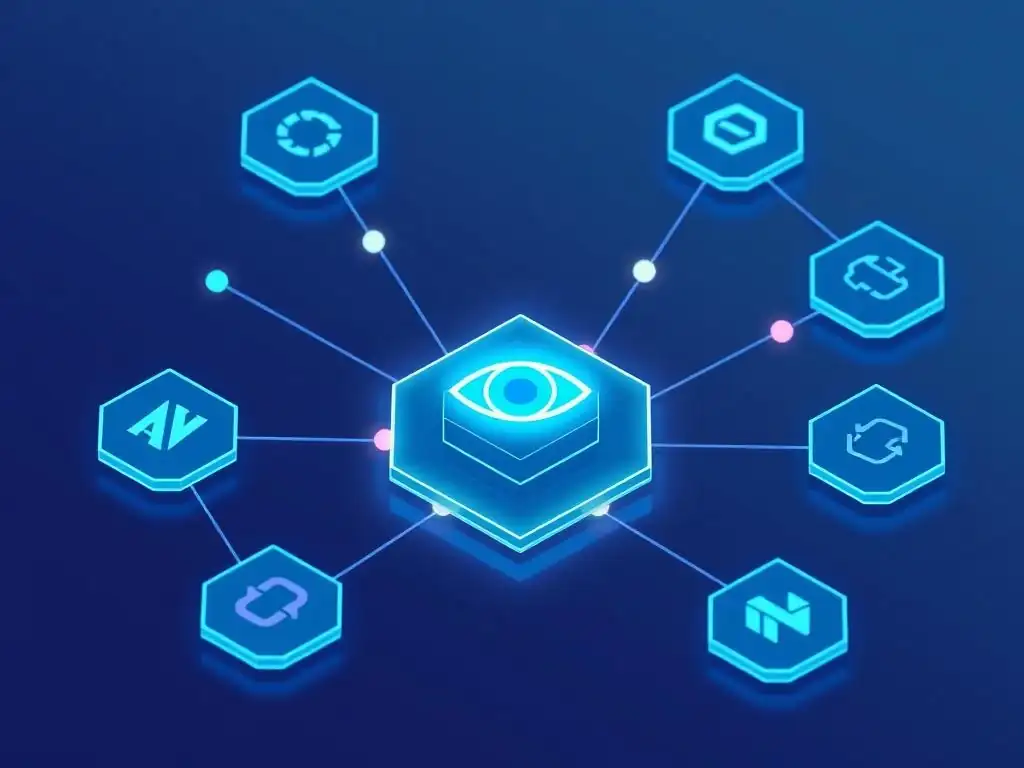
Strong, decentralized governance is crucial for the long-term security and resilience of DeFi protocols. While governance can be a vector for attack if not properly secured, a well-designed governance system allows for timely upgrades, parameter adjustments, and emergency responses coordinated by the community. Implementing safeguards like time locks on critical changes, multi-signature requirements for treasury control, and transparent proposal processes can significantly reduce the risk of malicious governance actions.
Beyond formal governance, active community monitoring plays a vital role in identifying potential risks and vulnerabilities. Engaged communities can spot suspicious transactions, identify potential attack vectors, and raise alarms faster than automated systems alone. Encouraging bug bounties and fostering a culture of security awareness within the community are essential for identifying and addressing potential cross-protocol vulnerabilities before they are exploited.
Importance of Stress Testing and Simulation of Interconnected DeFi Protocols
Given the complex interdependencies, traditional testing methods are often insufficient to identify all potential cross-protocol risks. Stress testing and simulation are becoming increasingly important tools for DeFi crossprotocol risk mitigation. This involves modeling the interactions between multiple protocols under various simulated market conditions and attack scenarios.
Simulations can test how a protocol would react to events like sudden price crashes, oracle failures, large flash loan attacks targeting integrated protocols, or cascading liquidations. By simulating these scenarios, developers and risk managers can identify potential points of failure, understand how vulnerabilities in one protocol might propagate through the system, and assess the overall resilience of the interconnected ecosystem. Tools that can map protocol dependencies and simulate complex interactions are crucial for proactively identifying and mitigating cross-protocol risks.
The Future of DeFi Crossprotocol Risk Management
Innovations in Risk Assessment and Monitoring Tools
The field of DeFi crossprotocol risk assessment is rapidly evolving. Future innovations will likely focus on developing more sophisticated tools capable of mapping the intricate web of dependencies between protocols across different layers and chains. These tools will leverage graph theory, machine learning, and advanced analytics to identify potential systemic risks, predict cascading failures, and provide real-time monitoring of cross-protocol interactions.
Advanced monitoring systems will go beyond tracking individual protocol health to observing the aggregate state of interconnected systems. This includes monitoring shared liquidity pools, cross-chain bridge activity, oracle health across multiple feeds, and the flow of assets through complex yield strategies. These innovations aim to provide a clearer, more comprehensive picture of the ecosystem's risk profile, enabling faster detection and response to potential cross-protocol threats, thereby enhancing DeFi crossprotocol risk mitigation capabilities.
The Role of Regulation in Mitigating Systemic Risk in DeFi
As DeFi grows and interacts with traditional finance, regulators are increasingly scrutinizing its potential for systemic risk. Future regulatory frameworks may focus on areas relevant to DeFi crossprotocol risk mitigation, such as requiring stricter security standards for smart contracts, mandating independent audits, establishing clearer responsibilities for protocols that integrate with others, or setting standards for stablecoin reserves to prevent depegging events that can trigger cascading failures.
While the decentralized nature of DeFi presents challenges for traditional regulation, the goal is likely to foster a more stable and secure ecosystem. Regulation could potentially drive the adoption of best practices in smart contract security, oracle design, and governance, indirectly contributing to reduced cross-protocol risks. However, striking a balance between fostering innovation and ensuring stability without stifling decentralization will be a key challenge for policymakers.
Building a More Resilient and Interoperable DeFi Ecosystem
The long-term future of DeFi crossprotocol risk management lies in building a more resilient and inherently secure ecosystem. This involves not only mitigating existing risks but also designing future protocols with cross-protocol safety in mind. This could include developing standardized interfaces for interaction that enforce security constraints, creating shared security layers or auditing standards that multiple protocols can adhere to, and fostering greater collaboration among development teams to address system-wide vulnerabilities.
Furthermore, research into novel blockchain architectures, secure multi-party computation, and zero-knowledge proofs could offer new ways to build interoperable systems that minimize trust assumptions and reduce attack surfaces at the interaction layer. The journey towards a truly robust and interoperable DeFi ecosystem requires continuous innovation in security, risk management, and collaborative development practices to effectively manage cross-protocol risks.
Best Practices for DeFi Users to Minimize Crossprotocol Risk Exposure
Diversifying DeFi Investments Across Multiple Protocols
One of the most straightforward strategies for individual users to mitigate DeFi crossprotocol risk is diversification. Instead of concentrating all funds in a single protocol or complex yield farming strategy that relies heavily on multiple integrated protocols, users can spread their investments across different, uncorrelated protocols.
This helps limit the potential losses if one protocol experiences an exploit or failure that triggers cross-protocol issues. For example, instead of putting all capital into a single leveraged yield farm on one platform, a user might allocate funds to a simple lending position on a different platform, a stablecoin yield strategy on another, and perhaps hold some assets in a non-custodial wallet without active protocol interaction. This reduces the user's exposure to a single point of failure or a cascade effect originating from one part of the ecosystem.
Understanding the Underlying Mechanisms of DeFi Protocols
Knowledge is a powerful tool for DeFi crossprotocol risk mitigation. Users should take the time to understand how the DeFi protocols they interact with actually work. This includes understanding:
- Which other protocols they depend on (e.g., which oracle is used, which DEX provides liquidity).
- The smart contract logic, at least at a high level (e.g., how liquidations work, how interest is calculated).
- The governance mechanism and potential risks associated with it.
- The security history of the protocol and its dependencies.
Understanding these underlying mechanisms allows users to make more informed decisions about the risks involved, including potential cross-protocol exposures. It helps users identify red flags or understand the potential impact if a dependency fails.
Staying Informed About Security Audits and Vulnerability Disclosures
Before interacting with a DeFi protocol, users should check if the protocol's smart contracts have been audited by reputable firms. While audits are not a guarantee against bugs, they significantly reduce the likelihood of known vulnerabilities. Users should look for audit reports and understand their scope and findings.
Furthermore, staying informed about recent exploits, vulnerability disclosures, and security updates within the DeFi ecosystem is crucial. Following reputable security researchers, news outlets, and protocol announcements can provide early warnings about potential issues that might affect protocols they use or those they are integrated with. Awareness of recent cross-protocol incidents helps users understand the evolving risk landscape and take protective measures.
Using Risk Assessment Tools and Platforms
A growing number of platforms and tools are emerging to help users assess the risks associated with different DeFi protocols and strategies. These tools often analyze factors like smart contract audit history, protocol TVL (Total Value Locked), governance structure, and known dependencies. Some tools attempt to quantify the level of smart contract risk or even cross-protocol risk associated with specific investments.
While these tools are still developing and should not be relied upon exclusively, they can provide valuable insights and help users compare the relative risk profiles of different opportunities. Utilizing such platforms as part of a broader risk assessment process contributes to better personal DeFi crossprotocol risk mitigation.
The interconnected nature of decentralized finance, while enabling powerful innovation through composability, inherently introduces cross-protocol risks. Failures or exploits in one protocol, whether due to smart contract bugs, oracle manipulation, liquidity crises, or governance issues, can trigger cascading effects that impact other integrated protocols and user positions across the ecosystem.
Case studies like Cream Finance/Alpha Homora and the BadgerDAO hack serve as vivid reminders of this reality and the significant financial losses that can result from cross-protocol vulnerabilities. Effective DeFi crossprotocol risk mitigation requires a multi-faceted approach involving rigorous smart contract security, robust oracle design, secure governance, and continuous monitoring and simulation at the ecosystem level.
For individual users, understanding the mechanisms of interacting protocols, diversifying investments, staying informed about security, and utilizing available risk assessment tools are essential best practices to minimize personal exposure to these complex and evolving risks. Navigating the DeFi landscape successfully means acknowledging these interdependencies and actively working towards a more resilient and secure decentralized future.
Frequently Asked Questions
### What are cross-protocol risks in DeFi, and why are they a concern?
Cross-protocol risks in DeFi refer to the interconnectedness of different Decentralized Finance protocols. A failure in one protocol can trigger a cascade of failures in others due to dependencies and shared vulnerabilities, leading to significant financial losses.
### How can DeFi protocols become interconnected and vulnerable?
DeFi protocols become interconnected through liquidity pools, yield farming strategies, and wrapped assets. These create dependencies, meaning a flaw in one can be exploited to drain funds from others linked to it.
### What are some specific examples of cross-protocol risks that have occurred in DeFi?
Past incidents include exploits where vulnerabilities in one protocol were used to manipulate prices on another, or where a liquidity pool drain in one platform triggered a de-pegging event on another. These events highlight the importance of careful auditing.
### What measures can be taken to mitigate cross-protocol risks in DeFi?
Auditing and formal verification are crucial, as is diversifying dependencies and implementing circuit breakers to halt operations during anomalies. Monitoring on-chain data for suspicious activity is also vital.
### How does regulation play a role in addressing cross-protocol risks in DeFi?
Regulation can establish minimum security standards for DeFi protocols and promote greater transparency. It can also create frameworks for accountability in the event of cross-protocol failures, encouraging responsible development.
The intricate web of Decentralized Finance (DeFi) presents unprecedented opportunities, but as we've explored, it also harbors significant risks. The interconnectedness of protocols, while fostering innovation, creates a domino effect where failures in one area can rapidly cascade across the entire ecosystem. Understanding and mitigating these cross-protocol risks is no longer a niche concern; it's a fundamental requirement for the sustainable growth and stability of DeFi.
The potential for systemic risk in DeFi is not merely theoretical; it's a reality that has shaped and continues to shape the cultural and social landscape of the space. Witnessing the impact of cascading failures underscores the urgent need for robust risk management frameworks and collaborative security measures. In the interconnected world of DeFi, a single point of failure can become a systemic crisis. We must prioritize security and interoperability to build a resilient and trustworthy financial future.
This quote encapsulates the sentiment of many within the DeFi community, highlighting the collective responsibility to safeguard the ecosystem.
As you navigate the evolving landscape of DeFi, remember the lessons we've explored. Consider the potential for cross-protocol risks in your own investments and projects. Ask yourself: Are the protocols I'm engaging with adequately secured and resilient? Are they transparent and accountable? By prioritizing security, promoting collaboration, and fostering a culture of responsible innovation, we can collectively build a more robust and sustainable DeFi ecosystem for all.
Unleash Your DeFi Resilience: Protect Your Portfolio!
Thank you for exploring the interconnected risks in the DeFi landscape with us. We hope you now have a clearer understanding of how vulnerabilities in one protocol can ripple across the entire ecosystem. Don't just read about it—take action to safeguard your investments.
Here's how you can start mitigating those risks today:
- Develop a comprehensive risk assessment process for your DeFi holdings. This includes thoroughly researching the protocols you use, understanding their dependencies, and diversifying your investments.
- Share this article with your DeFi community! Help spread awareness and promote thoughtful discussions about cross-protocol risks. An informed community benefits everyone.
- Dive deeper into emerging cross-chain solutions designed to contain risk. Consider exploring protocols that emphasize layered security measures.
What protocols are you most concerned about, and what strategies are you currently using to manage risk in your DeFi portfolio? Share your thoughts in the comments below!
Leave a Reply