
Web3 and the Future of Social Governance: Building Decentralized Communities


Welcome to Blockchain Trends, your gateway to understanding the revolutionary power of blockchain beyond the hype. Delve into the future of decentralized systems, from DeFi to enterprise solutions, and navigate the evolving regulatory landscape. Intrigued by how blockchain is reshaping social structures? This week, we're exploring decentralized community governance models, uncovering how they empower individuals and redefine the very fabric of online interaction. Discover how Web3 is paving the way for a more equitable and participatory future. Keep reading to unlock the potential!
Decentralized Autonomous Organizations (DAOs) and the Future of Community Governance
- Introduction: The Evolution of Community Governance Through DAOs
- Defining Decentralized Autonomous Organizations (DAOs)
- Key Components of DAO Governance Systems
- Advantages of DAO-Based Governance
- Challenges and Limitations of DAO Governance
- Real-World Examples of DAOs
- The Future of DAO Governance: Trends and Predictions
- Building Successful DAOs: Best Practices
- Overcoming Challenges in DAO Governance
- Conclusion: Empowering Communities Through Decentralized Governance
-
Frequently Asked Questions
- How does blockchain technology enable decentralized community governance?
- What are some examples of decentralized community governance models in Web3?
- What are the benefits of using decentralized community governance models compared to traditional hierarchical structures?
- What are the challenges associated with implementing decentralized community governance models?
- How might regulations impact the future of decentralized community governance models?
- Final Reflection: Embracing Decentralized Futures
- Reimagine Your Community: Step into the Web3 Revolution!
Introduction: The Evolution of Community Governance Through DAOs
Understanding the Shift Towards Decentralized Decision-Making
Traditionally, governance structures, whether in corporations, non-profits, or even online communities, have often been hierarchical and centralized. Decisions typically flow from a core group or leadership team, with varying degrees of input from members or stakeholders. However, the advent of blockchain technology has catalyzed a profound shift, enabling the exploration of decentralized community governance models. This paradigm leverages distributed networks and cryptographic principles to distribute power and decision-making authority across a larger group of participants, often token holders. The goal is to move away from single points of control and towards systems where collective intelligence and consensus drive outcomes.
This shift is not merely technical; it represents a fundamental re-imagining of how groups can organize and govern themselves in the digital age. Early online communities relied on moderators and administrators, replicating traditional hierarchies. Web3, powered by blockchain, offers the tools to build truly distributed systems where governance is embedded in code and executed automatically. This promises greater resilience, transparency, and inclusivity compared to legacy systems, paving the way for novel decentralized community governance models suitable for a wide range of applications, from managing digital protocols to funding public goods.
The Potential of Blockchain for Transparent and Inclusive Governance
Blockchain technology provides the foundational layers necessary for implementing effective decentralized community governance models. Its inherent properties of immutability and transparency mean that governance proposals, votes, and execution records are publicly verifiable and resistant to tampering. Every decision, from allocating funds from a treasury to changing protocol parameters, can be recorded on an immutable ledger, building trust and accountability within the community. This contrasts sharply with traditional systems where decisions are often opaque and subject to manipulation.
Furthermore, blockchain enables the creation and distribution of tokens, which can serve as powerful mechanisms for participation and ownership. By linking voting rights or influence to token holdings or other verifiable on-chain activity, blockchain ensures that participation is permissionless yet potentially weighted according to defined rules. This empowers individuals to have a direct stake in the governance process, fostering a more inclusive environment than traditional structures that might require specific affiliations or geographic locations. The potential for truly global, open, and transparent decentralized community governance models is one of the most exciting promises of Web3.
Defining Decentralized Autonomous Organizations (DAOs)
Decentralized Autonomous Organizations (DAOs) are Internet-native organizations collectively owned and managed by their members. They operate based on rules encoded as computer programs, known as smart contracts, residing on a blockchain. While the core concept of decentralized community governance remains consistent, DAOs manifest in various forms tailored to different purposes. Protocol DAOs, like Uniswap or Aave, govern decentralized finance (DeFi) protocols, managing parameters, upgrades, and treasuries. Grants DAOs, such as MolochDAO or The Graph Foundation's DAO, focus on funding ecosystem development and public goods through community-approved proposals.
Beyond protocols and grants, Social DAOs prioritize community building and shared experiences, often centered around collecting NFTs or pursuing common interests, like Friends With Benefits (FWB). Investment DAOs, like Syndicate or PleasrDAO, pool capital to invest in assets, often digital ones, with investment decisions made through collective governance. Each model utilizes decentralized community governance models but adapts the specific rules, voting mechanisms, and treasury management strategies to its unique goals and community structure, showcasing the versatility of the DAO framework.
Core Principles: Transparency, Autonomy, Community Ownership
At the heart of all decentralized community governance models, particularly within DAOs, lie several core principles. Transparency is paramount; all proposals, votes, and treasury transactions are recorded on a public blockchain, making the operations of the DAO open for anyone to inspect. This eliminates hidden agendas and builds trust among participants. Autonomy is another key principle; once rules are encoded in smart contracts and deployed, the DAO operates automatically without the need for a central authority. Decisions are executed directly by the code once governance thresholds are met, reducing reliance on intermediaries.
Finally, Community Ownership is fundamental. Members, typically token holders, collectively own and govern the DAO. They have a direct stake in its success and participate in shaping its future. This ownership model aligns incentives, encouraging active participation in decentralized community governance models and fostering a strong sense of belonging and responsibility among members. These principles combined aim to create more resilient, equitable, and efficient organizational structures than traditional centralized entities.
Key Components of DAO Governance Systems
Token-Based Voting: Empowering Community Members
Token-based voting is a cornerstone of many decentralized community governance models within DAOs. In this system, governance tokens represent voting power, often allocated based on token holdings, though variations exist (e.g., veTokens based on staking duration). When a proposal is submitted, token holders cast votes using their tokens, and the outcome is determined based on predefined rules, such as a simple majority, weighted majority, or quorum requirements. This mechanism directly links participation in governance to ownership or stake in the DAO's ecosystem.
For example, in MakerDAO, MKR token holders vote on critical parameters like stability fees, debt ceilings, and protocol upgrades. The weight of a vote is directly proportional to the amount of MKR held. This empowers those with the largest vested interest to have significant influence, while still allowing smaller holders to participate and voice their opinions. While simple, token-based voting is a powerful tool for distributing decision-making authority and enabling decentralized community governance models at scale.
Smart Contracts: Automating Rules and Execution
Smart contracts are the operational backbone of DAOs, encoding the rules of governance and automating their execution. These self-executing contracts, written in languages like Solidity for Ethereum, define how proposals are submitted, how votes are counted, what thresholds are required for a proposal to pass, and how approved decisions are implemented. For instance, a smart contract might be programmed to automatically release funds from the treasury after a budget proposal receives sufficient votes, or to upgrade a protocol parameter based on a governance decision.
Consider a simple voting contract function: function vote(uint proposalId, bool support). This function, when called by a token holder, records their vote on a specific proposal. Another contract might aggregate votes, check against a threshold (e.g., if (totalVotesFor[proposalId] > quorum && totalVotesFor[proposalId] > totalVotesAgainst[proposalId])), and if passed, trigger another function to execute the proposed action. This automation through smart contracts minimizes human intervention, reduces the risk of corruption, and ensures that the decentralized community governance models operate exactly as the code dictates, providing a high degree of trust and predictability.
Treasury Management: Decentralized Fund Allocation
DAO treasuries represent pools of assets, often significant sums of cryptocurrency, controlled collectively by the DAO members through their governance rights. Managing these treasuries is a critical function of decentralized community governance models. Proposals can be submitted to allocate funds for various purposes, such as development grants, marketing initiatives, liquidity provision, or investments. Token holders then vote on these proposals, and if approved according to the governance rules encoded in smart contracts, the funds are automatically disbursed.
For example, as of late 2023, the Uniswap DAO treasury held assets worth billions of dollars, primarily in UNI tokens. Decisions on how to utilize these funds – whether for grants to developers building on Uniswap, funding educational initiatives, or other ecosystem support – are made through the UNI governance process. This decentralized control over substantial financial resources empowers the community to direct the growth and sustainability of the protocol, demonstrating a tangible benefit of effective decentralized community governance models.
Advantages of DAO-Based Governance
Increased Transparency and Accountability
One of the most significant advantages of decentralized community governance models implemented through DAOs is the unparalleled transparency they offer. Because governance processes and treasury transactions are recorded on a public blockchain, anyone can verify how decisions are made and how funds are spent. This public ledger eliminates the possibility of hidden deals or corrupt practices that can plague traditional organizations. Every vote, every proposal, and every transaction is open for scrutiny, fostering an environment of trust and accountability.
For instance, if the Compound DAO votes to change a parameter like the interest rate model for a specific asset, the proposal, the voting period, the individual votes cast (or at least the aggregated results tied to voter addresses), and the execution of the change via smart contract are all visible on the Ethereum blockchain. This level of openness holds participants accountable for their decisions and allows the community to monitor the health and direction of the protocol or organization, a key feature distinguishing decentralized community governance models.
Enhanced Community Engagement and Participation
Decentralized community governance models are inherently designed to encourage broad participation. By giving token holders a direct stake and voice in the organization's direction, DAOs can significantly enhance community engagement. Members are not just users or customers; they are owners and decision-makers. This sense of ownership motivates individuals to contribute ideas, participate in discussions, and vote on proposals that shape the future of the DAO.
Consider the Aave DAO. Token holders actively participate in governance forums, debating proposals ranging from risk parameter adjustments to new asset listings. While voter turnout can vary, the mechanisms are in place for any token holder to submit a proposal or vote on existing ones, directly influencing one of the largest lending protocols in DeFi. This level of potential engagement is difficult to replicate in traditional corporate structures, highlighting the power of decentralized community governance models to mobilize a distributed network of stakeholders.
Resilience Against Censorship and Single Points of Failure
By distributing governance power across a decentralized network of token holders and automating rules via smart contracts on a distributed ledger, DAOs gain significant resilience against censorship and single points of failure. Unlike traditional organizations that can be shut down, seized, or controlled by a single entity or government, a well-designed DAO is incredibly difficult to suppress. As long as the underlying blockchain network is operational, the DAO's rules and assets remain under the control of the decentralized community.
For example, if a government or malicious actor attempted to shut down a centralized entity controlling a protocol like Uniswap, it would face a significant challenge in stopping the decentralized smart contracts and the globally distributed network of UNI token holders who govern it. Decisions are made by consensus across many participants, not a single board or CEO. This inherent distribution makes decentralized community governance models particularly robust in environments where censorship or external control is a concern.
Fostering Innovation and Collective Intelligence
Decentralized community governance models can unlock significant innovation by tapping into the collective intelligence of a diverse, global community. Rather than relying on a small team for ideas and direction, DAOs can leverage the knowledge, creativity, and perspectives of all their members. Anyone with a good idea can submit a proposal, which is then discussed, refined, and voted upon by the community. This open and collaborative process can lead to novel solutions and faster adaptation to changing circumstances.
Numerous projects and initiatives within ecosystems like Ethereum or Polkadot have been funded and directed by their respective DAOs, demonstrating the power of collective decision-making in identifying valuable opportunities and allocating resources effectively. Grants DAOs, in particular, thrive on this principle, sourcing innovative project ideas from the community itself and using decentralized governance to decide which ones receive funding, proving the effectiveness of decentralized community governance models in fostering bottom-up innovation.
Challenges and Limitations of DAO Governance
Scalability Issues in Voting and Decision-Making
While promising, decentralized community governance models face significant scalability challenges, particularly on blockchain networks with high transaction costs and limited throughput, like Ethereum Layer 1. Casting a vote can require a transaction, incurring gas fees. For DAOs with thousands or even millions of token holders, coordinating and executing numerous votes, especially on minor issues, can become prohibitively expensive and slow. This can lead to voter apathy or centralize voting power among those who can afford the transaction costs.
Layer 2 scaling solutions, sidechains, and alternative consensus mechanisms are being explored and implemented to address this. For instance, some DAOs are moving governance voting to Layer 2 networks or using snapshot voting (off-chain voting with on-chain execution based on a block snapshot) to reduce costs. However, ensuring the security and decentralization of these scaling solutions while maintaining accessible and efficient decentralized community governance models remains an ongoing technical hurdle.
Smart Contract Security Risks and Vulnerabilities
The reliance on smart contracts for automating governance rules and treasury management introduces significant security risks. Bugs or vulnerabilities in the smart contract code can be exploited by malicious actors, potentially leading to the loss of treasury funds or the manipulation of governance processes. Unlike traditional systems where errors can sometimes be corrected manually, smart contracts, once deployed on a blockchain, are often immutable and difficult to upgrade or patch without a predefined governance process, which itself could be compromised.
Past incidents, such as the infamous DAO hack in 2016 (resulting in the loss of millions of Ether) or more recent exploits targeting vulnerabilities in governance modules or treasury contracts, underscore the critical need for rigorous auditing and formal verification of all smart contracts powering decentralized community governance models. Ensuring code security is paramount, as the financial and operational integrity of the DAO depends entirely on the correctness and robustness of its underlying smart contracts.
Voter Apathy and Low Participation Rates
Despite the potential for enhanced engagement, many decentralized community governance models suffer from low voter participation rates. Casting a vote requires effort – staying informed about proposals, understanding their implications, and actively submitting a transaction (even if low cost on Layer 2). For many token holders, especially those primarily interested in the investment aspect, the perceived effort outweighs the benefit of participating in governance, particularly for routine or technical proposals.
Data from prominent DAOs often shows participation rates well below 10% of eligible voters for many proposals, sometimes even lower. This can lead to decisions being made by a small subset of active participants, potentially undermining the principle of broad decentralized community governance. Strategies to combat apathy include simplifying the voting process, providing clear and concise proposal summaries, incentivizing participation (though this can introduce its own complexities), and delegating voting power to trusted representatives.
Legal and Regulatory Uncertainty
The legal and regulatory status of DAOs and decentralized community governance models remains largely undefined in many jurisdictions, creating significant uncertainty. Questions abound regarding liability in case of failure or illegal activity, the classification of governance tokens (as securities or something else), and the applicable legal framework. This ambiguity makes it challenging for DAOs to interact with the traditional legal and financial systems and can deter participation from institutions or individuals concerned about potential legal repercussions.
Regulators globally are beginning to examine DAOs, but a clear and consistent framework has yet to emerge. Some jurisdictions are exploring specific legal wrappers for DAOs (e.g., in Wyoming, USA), while others may attempt to apply existing corporate or securities laws, which may not be suitable for decentralized, token-based structures. Navigating this evolving landscape is a major challenge for teams building and operating decentralized community governance models, requiring careful consideration of legal risks and compliance.
Real-World Examples of DAOs
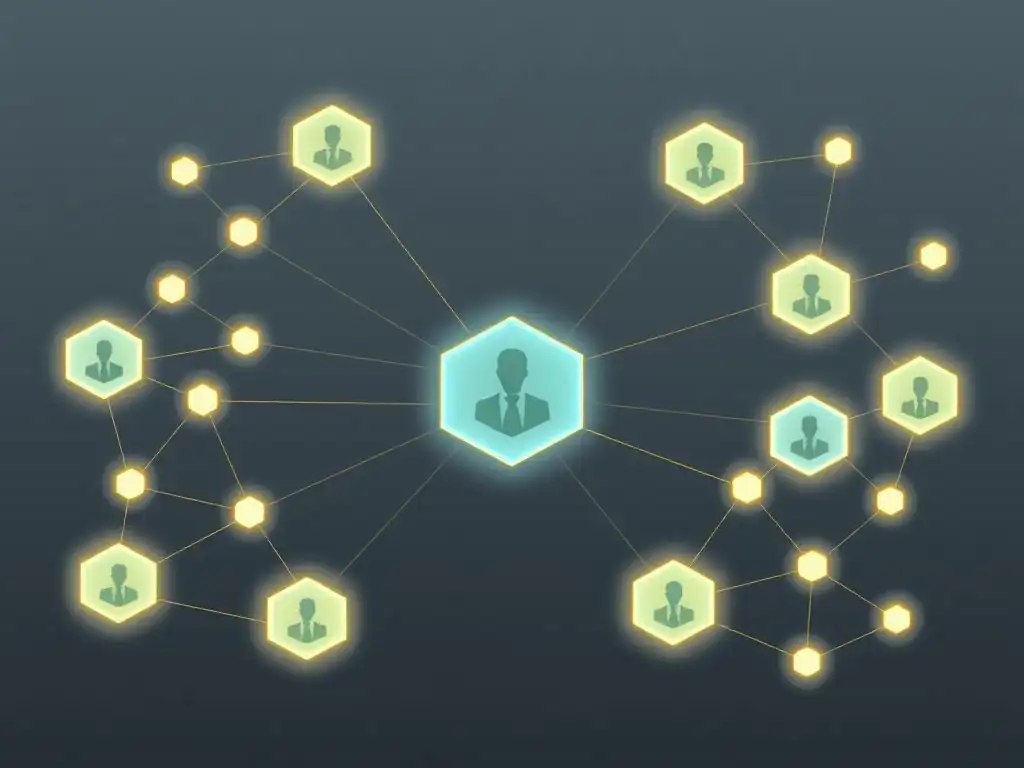
Case Study: MakerDAO and Stablecoin Governance
MakerDAO is one of the earliest and most prominent examples of a DAO implementing decentralized community governance models to manage a complex financial protocol. It governs the Maker Protocol, which issues the decentralized stablecoin Dai. MKR token holders are responsible for managing the protocol's risk parameters, such as the types of collateral accepted, stability fees (interest rates for borrowing Dai), debt ceilings, and emergency shutdown procedures. Governance is conducted through a proposal and executive vote system, all recorded on the Ethereum blockchain.
The MakerDAO governance process involves extensive discussion on forums and calls before proposals are put to a formal vote. Over the years, MKR holders have made thousands of decisions, guiding the protocol through market volatility, introducing new collateral types (including real-world assets), and upgrading the system. This case study demonstrates how decentralized community governance models can effectively manage a multi-billion dollar financial system, although it has also faced challenges related to voter participation, proposal complexity, and the influence of large token holders.
Case Study: Uniswap and Protocol Development Decisions
Uniswap, the largest decentralized exchange by trading volume, provides another compelling example of decentralized community governance models in action. The Uniswap protocol is governed by UNI token holders, who can propose and vote on significant changes to the protocol, including fee switches, treasury fund allocations, and protocol upgrades. The Uniswap DAO treasury holds a substantial amount of UNI tokens, which the community can decide how to utilize for the benefit of the ecosystem.
Notable governance decisions by the Uniswap DAO include the allocation of UNI tokens to fund grants programs supporting development on the protocol and discussions around deploying Uniswap on new blockchain networks. While the process has seen debates and differing opinions, it exemplifies how a decentralized community can collectively steer the development and strategic direction of a critical piece of decentralized finance infrastructure. The Uniswap case highlights both the power and the practical challenges of implementing decentralized community governance models for large-scale protocols.
Lessons Learned from Leading DAOs
Analyzing leading DAOs like MakerDAO and Uniswap reveals several key lessons for effective decentralized community governance models. Firstly, clear communication channels (forums, Discord, calls) are crucial for fostering informed participation. Secondly, balancing the complexity of proposals with the need for detailed information is difficult; abstracting technical details while providing sufficient context is essential. Thirdly, managing large treasuries effectively requires robust processes for proposal submission, evaluation, and execution, often involving smaller working groups or committees accountable to the DAO.
Furthermore, these DAOs have grappled with issues of voter apathy and the concentration of voting power. Strategies like delegation (allowing token holders to assign their voting power to another address) have emerged as ways to increase participation and allow for expert representation. The evolution of these prominent DAOs provides valuable insights into the practical implementation and ongoing refinement required for successful decentralized community governance models.
The Future of DAO Governance: Trends and Predictions
The Rise of Liquid Democracy and Delegated Voting
One significant trend in the evolution of decentralized community governance models is the increasing adoption of liquid democracy or delegated voting. Recognizing the challenge of voter apathy and the complexity of many governance proposals, this model allows token holders to delegate their voting power to another address or individual they trust, such as a subject matter expert or a community representative. Unlike traditional representative democracy, this delegation can be revoked at any time, allowing for fluid shifts in representation based on performance or changes in opinion.
Protocols like Compound and Uniswap have implemented delegation features, and newer governance frameworks are being built with liquid democracy as a core component. This approach aims to combine the direct participation potential of token voting with the efficiency and informed decision-making that can come from expert delegates. It's predicted that more decentralized community governance models will incorporate sophisticated delegation mechanisms to improve voter turnout and decision quality.
Integration of AI for Data Analysis and Decision Support
The future of decentralized community governance models may also see the integration of Artificial Intelligence (AI) tools, not to replace human decision-making, but to augment it. AI can be used to analyze vast amounts of data relevant to governance proposals – market conditions, protocol performance metrics, community sentiment from forums, and even potential impacts of proposed changes. This analysis can provide voters with better insights and data-driven summaries to help them make more informed decisions.
For example, AI could analyze historical voting data and market outcomes to predict the potential consequences of a parameter change proposal in a DeFi DAO. It could also help filter and summarize discussions on governance forums or identify potential security risks in proposed smart contract upgrades. While still nascent, the integration of AI could make decentralized community governance models more efficient and data-informed, helping communities navigate increasingly complex decisions.
Impact on Traditional Organizations and Governance Structures
The success and evolution of decentralized community governance models within Web3 are likely to have a significant impact on traditional organizations and governance structures. Concepts pioneered by DAOs, such as transparent decision-making logs, tokenized ownership and participation, and automated execution of rules, could inspire or be adopted by corporations, non-profits, and even governmental bodies.
While a full shift to DAO-like structures for large traditional entities is a distant prospect, elements of decentralized community governance models could be integrated. Corporations might explore using tokenized systems for shareholder voting on specific issues, non-profits could use transparent on-chain treasuries for fund allocation, and online communities could adopt more formal, token-gated governance processes. DAOs serve as living laboratories for new ways of organizing and governing, offering valuable lessons and potential blueprints for future organizational designs across various sectors.
Building Successful DAOs: Best Practices
Defining Clear Governance Rules and Guidelines
A fundamental best practice for building effective decentralized community governance models is clearly defining the rules, processes, and guidelines from the outset. This includes specifying how proposals are submitted, the required thresholds for voting (e.g., quorum, approval percentage), the voting period duration, and the process for executing approved proposals. Ambiguity in governance rules can lead to confusion, disputes, and potential attacks on the system.
Providing comprehensive documentation, including the DAO's constitution (if it has one), governance framework details, and tutorials on how to participate, is essential. Clear guidelines help align community expectations, ensure fairness in the process, and provide a stable foundation for decentralized community governance. Projects like Compound and Aave have detailed governance documentation publicly available, serving as examples for others.
Implementing Secure and Efficient Voting Mechanisms
The choice and implementation of voting mechanisms are critical for the success of decentralized community governance models. The mechanism must be secure to prevent manipulation and efficient enough to encourage participation without excessive cost or complexity. While simple token-weighted voting is common, exploring options like snapshot voting (off-chain with on-chain proof), quadratic voting (where voting cost increases quadratically with votes to reduce the influence of whales), or delegated voting can address specific challenges like high gas fees or vote concentration.
Regardless of the mechanism, rigorous security audits of the smart contracts governing the voting process are non-negotiable. Exploits in voting contracts can be catastrophic. Furthermore, the user interface for voting should be intuitive and accessible to lower the barrier to participation for the community, making it easier for token holders to engage with decentralized community governance models.
Fostering Open Communication and Community Engagement
Successful decentralized community governance models thrive on active and informed participation, which requires fostering open communication and strong community engagement. Providing dedicated platforms for discussion (forums, Discord, Telegram), hosting regular community calls or town halls, and ensuring easy access to information about proposals are vital. Cultivating a culture where constructive debate is encouraged and community members feel heard is paramount.
Proactive communication from core contributors or elected delegates about ongoing proposals, discussions, and the rationale behind decisions can significantly boost engagement. Initiatives like grants for community-led initiatives or bounty programs for governance improvements can also incentivize participation and contribution to the decentralized community governance process.
Effective Onboarding and Education for New Members
As DAOs grow and attract new members, effective onboarding and education become increasingly important for maintaining robust decentralized community governance models. New token holders may be unfamiliar with the governance process, the technical aspects of the protocol, or the cultural norms of the DAO. Providing clear, accessible educational resources – guides, FAQs, video tutorials – is essential to empower new members to understand how governance works and how they can participate.
Mentorship programs, community-led workshops, and simplifying technical information can help lower the barrier to entry. A well-informed community is better equipped to make sound decisions and contributes to a more resilient and truly decentralized community governance model. Investing in education is investing in the future health of the DAO.
Overcoming Challenges in DAO Governance
Addressing Scalability and Performance Bottlenecks
Overcoming scalability and performance bottlenecks in decentralized community governance models requires leveraging technological advancements. Transitioning governance voting to Layer 2 solutions, utilizing optimistic or zk-rollups, or employing application-specific sidechains can drastically reduce transaction costs and increase the speed of voting. Implementing off-chain voting mechanisms like Snapshot, where costs are minimal, combined with on-chain execution, is another effective strategy.
Furthermore, optimizing smart contract code and exploring alternative blockchain platforms with higher throughput and lower fees are potential avenues. The goal is to make participation in decentralized community governance models affordable and efficient for every token holder, regardless of the size of their holdings or their technical expertise.
Mitigating Security Risks and Auditing Smart Contracts
Mitigating security risks in decentralized community governance models is a continuous process that begins with rigorous smart contract development and auditing. All governance-related smart contracts, especially those controlling the treasury or critical protocol parameters, must undergo multiple independent security audits by reputable firms. Formal verification methods can also be employed to mathematically prove the correctness of critical code segments.
Implementing bug bounty programs incentivizes security researchers to find vulnerabilities before malicious actors do. Multi-signature wallets or time-locks for executing governance decisions can add layers of security, providing a window to react if a malicious proposal is somehow passed. Prioritizing security above all else is paramount when building decentralized community governance models that handle significant value.
Promoting Equitable Participation and Decentralization of Power
Promoting equitable participation and preventing the undue concentration of power are ongoing challenges for decentralized community governance models. While token weighting is common, exploring alternative voting mechanisms like quadratic voting or conviction voting can give smaller holders more relative influence. Implementing delegation can empower experts and reduce the burden on individual voters, but care must be taken to avoid the emergence of powerful voting cartels.
Efforts should be made to diversify the token distribution and encourage participation from a broad base of community members, not just large holders or early investors. Mechanisms like retroactive public goods funding or community-owned treasuries that benefit the ecosystem can align incentives and encourage long-term engagement from diverse stakeholders in decentralized community governance.
Navigating the complex and evolving legal and regulatory landscape is critical for the sustainability of decentralized community governance models. DAOs and their participants must proactively seek legal counsel to understand potential risks and compliance requirements in relevant jurisdictions. This might involve exploring legal wrappers where available or structuring the DAO's activities to minimize regulatory exposure.
Engaging with policymakers and contributing to discussions about how best to regulate decentralized autonomous organizations and decentralized community governance models can also help shape a more favorable and clear regulatory environment in the future. Staying informed about global regulatory developments is essential for any DAO operating today.
Conclusion: Empowering Communities Through Decentralized Governance
Decentralized Autonomous Organizations (DAOs) represent a powerful catalyst for social and economic transformation, offering a fundamentally new way for communities to organize, make decisions, and manage resources. By leveraging blockchain technology, DAOs enable transparent, autonomous, and community-owned structures that can govern everything from complex financial protocols to online social groups and public goods funding initiatives. The exploration and implementation of diverse decentralized community governance models are paving the way for more equitable, resilient, and innovative forms of collective action.
While significant challenges remain, including scalability, security, participation, and regulatory uncertainty, the ongoing evolution of DAO frameworks and best practices demonstrates a clear path forward. The lessons learned from early pioneers are informing the design of more robust and effective decentralized community governance models, continuously improving their ability to function at scale and involve diverse communities.
Embracing the Future of Community-Led Decision-Making
The future of governance is increasingly likely to incorporate elements of decentralization. Embracing decentralized community governance models means empowering individuals and communities to take direct control over the systems and resources they rely upon. It shifts power away from centralized authorities towards distributed networks of stakeholders, fostering greater accountability and aligning incentives.
As Web3 matures, decentralized community governance models will become more sophisticated, accessible, and widespread. They hold the potential to reshape not just digital organizations but also aspects of how we govern physical communities, allocate public resources, and collaborate on a global scale. The journey towards fully realized decentralized community governance is ongoing, but the foundation laid by DAOs offers a compelling vision for a future built on collective intelligence and shared ownership.
Frequently Asked Questions
How does blockchain technology enable decentralized community governance?
Blockchain provides a transparent and immutable ledger, enabling secure voting mechanisms and verifiable record-keeping. This fosters trust and allows community members to participate directly in decision-making processes.
What are some examples of decentralized community governance models in Web3?
Examples include DAOs (Decentralized Autonomous Organizations) which use smart contracts to automate governance rules, and community-owned platforms utilizing token-based voting for resource allocation and policy changes.
What are the benefits of using decentralized community governance models compared to traditional hierarchical structures?
Decentralized governance offers increased transparency, inclusivity, and resistance to censorship. It empowers community members and reduces reliance on centralized authorities, promoting a more equitable system.
What are the challenges associated with implementing decentralized community governance models?
Challenges include ensuring high participation rates, mitigating the risk of "whale" dominance (where a few large token holders control decisions), and developing effective mechanisms for conflict resolution.
How might regulations impact the future of decentralized community governance models?
Regulations could impact the legal status of DAOs, the liability of participants, and the oversight of token-based voting systems. Clarity in these areas is crucial for the sustainable growth of decentralized communities.
Final Reflection: Embracing Decentralized Futures
The exploration of Web3 and its potential for revolutionizing social governance underscores a crucial point: the future of community leadership lies in decentralization. As we've seen, decentralized community governance models offer a compelling alternative to traditional hierarchical structures, promising greater transparency, inclusivity, and resilience in the face of evolving societal needs. The shift towards these models isn't just a technological advancement; it's a fundamental reimagining of how we organize and participate in collective decision-making.
The promise of decentralized community governance extends far beyond the digital realm, influencing how we perceive power dynamics and collective action in the real world. This exploration has personally reinforced the belief that true progress lies in empowering individuals and fostering collaborative environments. Never doubt that a small group of thoughtful, committed citizens can change the world; indeed, it's the only thing that ever has.
- Margaret Mead. This quote resonates deeply, highlighting the potential of decentralized communities to drive meaningful change, one decision, one contribution at a time.
As we stand at the cusp of this decentralized future, I invite you to consider your role in shaping it. How can you contribute to building more equitable and participatory communities, both online and offline? Embrace the principles of transparency, collaboration, and shared ownership. Let us collectively strive to create a world where every voice is heard, and every individual has the power to contribute to the common good. The future of social governance is not just about technology; it's about us, and the choices we make today will define the communities we build tomorrow.
Reimagine Your Community: Step into the Web3 Revolution!
Thank you for exploring the exciting potential of Web3 and decentralized social governance with us! Now that you understand how community-led initiatives can transform social structures, it's time to turn your knowledge into action.
Here are some ways to get started:
- Consider proposing a governance framework for your own community. Think about how decentralized organizations and token-based systems could empower members and foster transparency and fairness.
- Explore existing decentralized communities. Participate in discussions, contribute to projects, and learn from their experiences. Find a group that aligns with your interests and values.
- Share this article with your network to help raise awareness about how Web3 can revolutionize social governance and pave the way for a more decentralized future.
What is one immediate step you will take to get involved in decentralized communities, and how do you see it influencing the future of social governance?
Leave a Reply