
The Future of Mortgages: Blockchain Solutions for Faster and Cheaper Home Loans

Welcome to Blockchain Trends, your premier source for insights into the revolutionary impact of blockchain technology. Are you ready to discover how blockchain is poised to transform industries beyond cryptocurrency? Dive into our exploration of blockchain mortgages and uncover how this innovative technology can pave the way for faster, cheaper, and more transparent home loans, forever changing the landscape of real estate finance. Explore our latest article and unlock the potential of decentralized finance.
The Future of Mortgages: Blockchain Solutions for Enhanced Efficiency and Security
- Introduction: Transforming Mortgage Processes with Blockchain Technology
- Understanding Blockchain Mortgages: A Decentralized Model
- Enhancing Mortgage Speed with Blockchain
- Cost Reduction in Mortgages Through Blockchain
- Blockchain Mortgage Platforms: Core Features and Functionality
- Security and Transparency in Blockchain Mortgages
- Addressing Obstacles to Blockchain Mortgage Integration
- The Future of Blockchain in Real Estate Finance
- Conclusion: Leveraging Blockchain for Mortgage Innovation
-
Frequently Asked Questions
- What are the primary benefits of using blockchain technology for mortgages?
- How does blockchain technology make mortgages faster?
- What role does DeFi (Decentralized Finance) play in blockchain-based mortgages?
- What are the potential regulatory challenges for blockchain-based mortgages?
- How secure are blockchain-based mortgage systems compared to traditional systems?
- Final Reflection: Embracing Blockchain for Homeownership
- Unlock Your Homeownership Potential with Blockchain!
Introduction: Transforming Mortgage Processes with Blockchain Technology
Exploring the Potential of Blockchain in Real Estate Finance
Blockchain technology, initially known for powering cryptocurrencies like Bitcoin, is rapidly demonstrating its potential to revolutionize traditional industries, and real estate finance is a prime example. The inherent characteristics of blockchain – decentralization, transparency, immutability, and security – are uniquely suited to address long-standing inefficiencies and trust issues within the mortgage process. By creating a shared, tamper-proof ledger for property records and loan data, blockchain can streamline complex transactions, reduce reliance on multiple intermediaries, and fundamentally alter how mortgages are originated, serviced, and traded.
The global mortgage market represents trillions of dollars, yet it remains burdened by antiquated systems, manual processes, and significant overheads. Implementing blockchain solutions offers a pathway to creating blockchain mortgages faster cheaper loans by automating verification steps, securing sensitive data, and providing a single source of truth for all parties involved. This shift promises not only operational improvements for lenders and servicers but also a significantly better experience for borrowers, potentially leading to faster approvals and lower costs associated with obtaining a home loan.
Current Mortgage Industry Challenges: Delays, Costs, and Opacity
The conventional mortgage process is notoriously slow and expensive, often taking 30 to 60 days or even longer from application to closing. This protracted timeline is a result of numerous manual steps, including document collection, verification of income and assets, appraisals, title searches, underwriting, and legal reviews, each involving multiple parties and systems that often do not communicate effectively. The lack of interoperability leads to delays, errors, and increased administrative burden.
Beyond delays, the costs associated with obtaining a mortgage are substantial. Origination fees, appraisal fees, title insurance, legal costs, and various administrative charges can easily add thousands of dollars to the total cost of borrowing. These fees are often inflated by the need for numerous intermediaries to manually verify information and manage risk in a system lacking inherent transparency.
The opacity of the process also makes it difficult for borrowers to track their application status and understand the rationale behind decisions, contributing to a stressful and often frustrating experience. The complexity and cost underscore the need for innovation to deliver blockchain mortgages faster cheaper loans.
Understanding Blockchain Mortgages: A Decentralized Model
Defining Blockchain Mortgages: Enhanced Transparency and Security
A blockchain mortgage leverages distributed ledger technology to record and manage the lifecycle of a home loan. Instead of relying on a single, centralized database maintained by a lender or third-party servicer, key information about the property, borrower, loan terms, and transaction history is stored on a decentralized, immutable ledger accessible to authorized parties. This ledger acts as a single source of truth, providing unprecedented transparency into the mortgage process for participants like lenders, borrowers, regulators, and investors.
The decentralized nature enhances security through cryptography. Each transaction or data entry is cryptographically secured and linked to the previous one, creating a chain of records that is virtually impossible to alter without detection. This inherent security and immutability significantly reduce the risk of fraud, errors, and disputes compared to traditional paper-based or centralized digital systems. The result is a foundation for blockchain mortgages faster cheaper loans built on trust and verifiable data.
Key Benefits: Streamlined Processes, Reduced Costs, and Improved Security
The adoption of blockchain technology in the mortgage industry offers a compelling suite of benefits. Firstly, it drastically streamlines processes by automating verification steps and enabling real-time data sharing among all relevant parties. This eliminates many manual handoffs and reduces the need for repeated document submissions and checks. Estimates suggest that blockchain could reduce mortgage processing times by 10-20 days.
Secondly, blockchain promises significant cost reductions. By minimizing the need for intermediaries involved in verification, title searches, and record-keeping, it can lower transaction fees and administrative overhead. A report by Accenture estimated that blockchain could save the mortgage industry up to $10 billion annually in costs related to processing and compliance.
Furthermore, the transparency fostered by a shared ledger can lead to more competitive pricing and potentially lower interest rates for borrowers seeking blockchain mortgages faster cheaper loans. The enhanced security through cryptographic measures also mitigates risks associated with fraud and data breaches, leading to potential savings on insurance and compliance costs.
Enhancing Mortgage Speed with Blockchain
Streamlining Applications with Distributed Ledger Technology
Distributed ledger technology (DLT) forms the backbone of faster mortgage applications. Instead of relying on disparate systems and manual data entry, a DLT platform can integrate data points from various sources – such as credit bureaus, income verification services, and property databases – into a single, shared record accessible by authorized parties in near real-time. This eliminates the delays caused by requesting, receiving, and reconciling information from multiple sources, which can often take days or weeks in the traditional process.
For instance, a borrower's identity, income verification (e.g., through integrations with payroll providers), and asset statements could be verified and recorded on the ledger almost instantly upon application submission, provided the necessary permissions are granted. This immediate access to verified data allows lenders to move rapidly through the initial stages of the application process, reducing the waiting period for conditional approval from several days to potentially just hours. The efficiency gains at this stage are crucial for delivering blockchain mortgages faster cheaper loans.
Automating Processes with Smart Contracts
Smart contracts are self-executing contracts with the terms of the agreement directly written into code. In the context of mortgages, smart contracts can automate key steps based on predefined conditions being met. For example, a smart contract could automatically trigger the release of funds upon successful verification of all required documents and the recording of the property title on the blockchain.
This automation removes the need for manual review and approval at each step, significantly accelerating the workflow. Tasks such as escrow payments, interest calculations, and even default notices can be automated via smart contracts, ensuring timely execution and reducing human error. The use of smart contracts is a primary driver behind the promise of blockchain mortgages faster cheaper loans, cutting down on the administrative time and effort typically required throughout the loan lifecycle.
Real-time Verification and Validation: Minimizing Processing Delays
One of the most time-consuming aspects of the traditional mortgage process is the verification and validation of information – from borrower identity and creditworthiness to property details and title ownership. Blockchain enables real-time, or near real-time, verification by providing immediate access to immutable records. Once a piece of information, such as a verified income statement or a clear property title, is recorded on the ledger, it is instantly available and verifiable by all authorized parties.
This contrasts sharply with current processes where documents are often physically mailed, faxed, or uploaded to separate systems, requiring manual review and cross-referencing. Real-time access to verified data reduces the likelihood of delays caused by missing information, inconsistencies, or the need for repeated requests. This continuous, automated verification loop is instrumental in drastically shortening the overall processing time and delivering blockchain mortgages faster cheaper loans to borrowers.
Reduced Loan Closing Times Through Automated Verification
The cumulative effect of streamlined applications, smart contract automation, and real-time verification is a significant reduction in loan closing times. The closing process, which involves numerous manual checks, signing of documents, and coordination between lenders, title companies, and lawyers, can often take weeks. By having all necessary verified data and automated workflows on a blockchain, much of this can be accelerated.
For example, the final title search verification, funding conditions, and document execution can be orchestrated via smart contracts and rely on the immutable data on the ledger. Instead of waiting days for title reports or manual fund transfers, these steps can be completed in hours. While a full closing process might still require some human interaction for signing, the underlying data verification and transaction execution can be dramatically sped up, potentially reducing closing times from the typical 30-60 days down to a week or even less in some pilot programs, truly enabling blockchain mortgages faster cheaper loans.
Cost Reduction in Mortgages Through Blockchain
Lowering Transaction Costs via Decentralized Systems
Traditional mortgage transactions involve numerous fees charged by intermediaries such as banks, brokers, title companies, appraisers, and lawyers. These fees cover services like processing applications, performing title searches, verifying documents, and recording ownership. A decentralized blockchain system can significantly reduce the need for some of these intermediaries by providing a direct, transparent, and secure platform for parties to interact and share verified information.
By eliminating the need for manual verification across multiple systems and reducing the risk of fraud and errors, the administrative overhead associated with each transaction decreases. This efficiency gain translates into lower costs for both lenders and borrowers. Estimates suggest that blockchain could potentially reduce transaction costs in real estate by 3-5%, a significant saving in a market where transaction values are often hundreds of thousands of dollars, directly contributing to delivering blockchain mortgages faster cheaper loans.
Minimizing Intermediary Fees: Direct Lender-Borrower Interaction
The current mortgage ecosystem is populated by various intermediaries, each adding a layer of cost. Mortgage brokers, for example, charge fees for facilitating the loan process between borrower and lender. Title companies charge for title search and insurance. Escrow agents charge for managing funds during the closing process. Blockchain technology can facilitate more direct interactions between lenders and borrowers by providing a shared, trusted platform for data and transactions.
While some intermediaries may still be necessary (like appraisers), the roles of others, particularly those focused on data verification and coordination, can be significantly reduced or automated. A decentralized ledger for title records, for instance, could potentially reduce the need for traditional title insurance in its current form, leading to substantial savings. This disintermediation is a core mechanism by which blockchain can help create blockchain mortgages faster cheaper loans.
Increased Transparency: Fostering Competitive Interest Rates
Transparency is a key feature of blockchain. A shared, immutable ledger provides all authorized parties with access to the same, verified information. This transparency can extend to loan terms, fees, and performance data. For lenders, this reduces information asymmetry and risk, potentially allowing them to offer more competitive interest rates. For borrowers, greater transparency makes it easier to compare loan products and understand the true cost of borrowing.
When the entire process, from application to servicing, is more visible and verifiable on a blockchain, lenders can more accurately assess risk and operational costs. This efficiency and reduced risk profile can be passed on to borrowers in the form of lower interest rates and fees. Furthermore, the ability to easily tokenize and trade mortgage assets on a blockchain could increase liquidity in the market, potentially leading to more favorable terms for borrowers seeking blockchain mortgages faster cheaper loans.
Reduced Origination Costs Through Automated Processes
Mortgage origination is the process of creating a new mortgage loan, involving underwriting, processing, and closing. This is typically the most costly phase of the mortgage lifecycle due to the extensive manual labor and regulatory requirements involved. As discussed, blockchain and smart contracts can automate many of these steps, from initial data verification and credit checks to document generation and fund disbursement.
Automating these processes reduces the need for large teams of processors and underwriters, lowers administrative overhead, and minimizes errors that require costly rework. A study by Deloitte estimated that blockchain could reduce mortgage origination costs by up to $1,100 per loan. These significant savings at the front end of the process directly contribute to making blockchain mortgages faster cheaper loans available to consumers.
Blockchain Mortgage Platforms: Core Features and Functionality
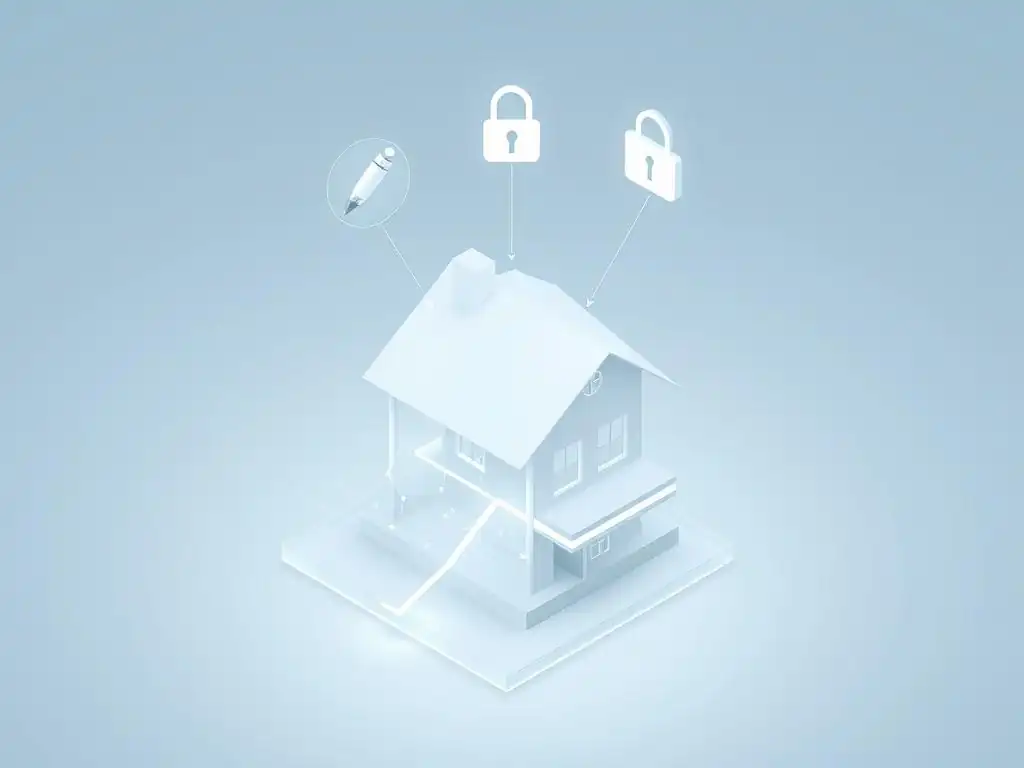
Decentralized Ledgers: Secure and Immutable Record Keeping
At the heart of any blockchain mortgage platform is the decentralized ledger. Unlike traditional databases stored on a single server, a blockchain ledger is distributed across multiple nodes in a network. This distribution makes it highly resilient to single points of failure and tampering. Once mortgage-related data – such as property ownership, loan terms, payment history, and lien status – is recorded on the ledger, it is cryptographically secured and linked to all previous entries, creating an immutable and auditable history.
This secure and immutable record-keeping is crucial for the mortgage industry, where the accuracy and integrity of data are paramount. It provides a single, trustworthy source of information for all parties involved, from the initial lender to future servicers and investors. This foundational element of a blockchain platform ensures the data integrity needed to support the complex, long-term nature of mortgage agreements and facilitates the creation of blockchain mortgages faster cheaper loans by reducing data verification friction.
Smart Contracts: Automating Loan Terms and Payments
Smart contracts are essential tools on blockchain mortgage platforms, enabling the automation of key aspects of the loan agreement. These self-executing pieces of code are triggered when predefined conditions are met. For a mortgage, smart contracts can automate interest calculations, schedule and process monthly payments, manage escrow accounts for taxes and insurance, and even handle late fees or default procedures according to the loan terms encoded within the contract.
For example, a smart contract could be programmed to automatically transfer the monthly payment amount from the borrower's linked digital wallet or bank account to the lender's account on a specific date, provided sufficient funds are available. It could also automatically update the remaining loan balance on the ledger. This automation reduces administrative overhead, minimizes payment processing delays, and ensures that the terms of the agreement are executed precisely as written, increasing efficiency and contributing to the vision of blockchain mortgages faster cheaper loans.
Tokenization of Mortgages: Liquidity and Investment Opportunities
Tokenization involves representing real-world assets, such as mortgages, as digital tokens on a blockchain. Each token can represent a fractional ownership stake in a mortgage or a pool of mortgages. This process can significantly enhance liquidity in the mortgage market, which is currently dominated by complex securitization processes involving multiple intermediaries.
Tokenization allows investors to buy and sell fractional interests in mortgages more easily and efficiently on a blockchain-based platform. This increased accessibility can attract a wider range of investors, potentially lowering the cost of capital for lenders and making more funds available for lending. Furthermore, the transparency and immutability of the underlying mortgage data recorded on the blockchain can provide investors with greater confidence in the quality and performance of the tokenized assets. This innovation opens up new avenues for financing and could ultimately help deliver blockchain mortgages faster cheaper loans by increasing market efficiency.
Streamlined Due Diligence Through Transparent Data
Due diligence is a critical, yet often time-consuming, part of the mortgage process, involving verifying the accuracy and completeness of information related to the borrower, property, and loan. On a blockchain platform, much of the data required for due diligence – such as verified identity, credit history, income records, property title, and lien information – is stored on an immutable and transparent ledger.
Authorized parties, such as lenders, underwriters, and title insurers, can access this verified data in near real-time, significantly streamlining the due diligence process. Instead of waiting for documents to be sent and manually reviewed, they can verify information directly on the blockchain. This not only speeds up the process but also reduces the risk of fraud or errors based on outdated or falsified information. The efficiency gains in due diligence are a key factor in enabling blockchain mortgages faster cheaper loans.
Security and Transparency in Blockchain Mortgages
Enhanced Security with Cryptographic Measures
Security is a cornerstone of blockchain technology, and its application to mortgages brings significant enhancements over traditional systems. Every transaction and data entry on a blockchain is protected by advanced cryptographic algorithms. Data is grouped into blocks, and each new block is linked to the previous one using a cryptographic hash. This creates a chain where any attempt to alter a past record would break the cryptographic link, immediately alerting the network to tampering.
Furthermore, access to sensitive data on the blockchain can be controlled through private and public keys, ensuring that only authorized parties can view or interact with specific information. This distributed and cryptographically secured architecture makes blockchain platforms far more resistant to hacking and fraud compared to centralized databases, where a single breach point can compromise vast amounts of sensitive data. This robust security is fundamental to building trust in blockchain mortgages faster cheaper loans.
Trust-Building Through Immutable and Auditable Records
The immutability of blockchain records is a powerful feature for the mortgage industry, which relies heavily on trust and verifiable history. Once data is recorded on the blockchain, it cannot be altered or deleted. This creates a permanent, tamper-proof audit trail of every transaction, payment, and change related to a mortgage.
This immutable history builds trust among all participants – lenders, borrowers, servicers, investors, and regulators. Everyone can rely on the accuracy and integrity of the data on the ledger. In the event of a dispute, the blockchain provides an indisputable record of events, simplifying resolution. The auditability of the ledger also aids regulatory compliance and oversight, as regulators can access a transparent and complete history of mortgage activities, further reinforcing the reliability of blockchain mortgages faster cheaper loans.
Data Privacy Considerations in a Decentralized System
While blockchain offers transparency, privacy is a critical concern, especially with sensitive financial and personal data involved in mortgages. Public blockchains, like Bitcoin, are transparent to everyone, which is not suitable for private mortgage information. Therefore, blockchain mortgage platforms typically utilize private or permissioned blockchains. In these systems, participation is restricted, and access to data is granted only to authorized entities (e.g., the borrower can see their own data and loan terms, the lender can see all relevant loan data, regulators might have broader access).
Techniques like zero-knowledge proofs are also being explored. These cryptographic methods allow one party to prove that a statement is true without revealing any information beyond the validity of the statement itself. This could enable verification of sensitive data, such as income or credit score, without exposing the underlying details on the ledger. Balancing transparency with necessary privacy is key to the successful adoption of blockchain mortgages faster cheaper loans.
Ensuring Regulatory Compliance and Data Protection
The mortgage industry is highly regulated, and any new technology must comply with existing laws and consumer protection regulations (like GDPR for data privacy in Europe or various state-level regulations in the US). Blockchain platforms for mortgages must be designed with these regulations in mind. This includes implementing access controls to ensure data is only shared with authorized parties, incorporating mechanisms for data rectification or erasure where legally required (though this challenges the immutability concept and requires careful design, often involving off-chain storage of truly sensitive data with on-chain hashes), and providing clear audit trails for regulatory reporting.
Building compliance into the core architecture of the blockchain platform from the outset is essential. Collaboration with regulators is also crucial to ensure that the implementation meets legal requirements and addresses concerns regarding data privacy and consumer protection. Successful integration will depend on demonstrating that blockchain mortgages can be both innovative and fully compliant, ensuring data is protected while still leveraging the benefits of the technology for faster and cheaper loans.
Addressing Obstacles to Blockchain Mortgage Integration
One of the primary challenges facing the adoption of blockchain in mortgages is the evolving and often uncertain regulatory landscape. Laws governing property ownership, financial transactions, data privacy, and digital signatures vary significantly by jurisdiction and were written long before blockchain technology existed. Regulators are still learning about blockchain and determining how existing rules apply or if new regulations are needed.
This uncertainty creates hesitation among financial institutions and real estate stakeholders. For blockchain mortgages to become mainstream, clear regulatory frameworks are needed regarding the legal status of blockchain-based property titles, the enforceability of smart contracts as legal agreements, and compliance with anti-money laundering (AML) and know-your-customer (KYC) regulations within a decentralized system. Industry collaboration with regulators is essential to provide clarity and build a supportive legal environment for blockchain mortgages faster cheaper loans.
Ensuring Technological Scalability and Infrastructure
The mortgage market is massive, involving millions of transactions annually. Any blockchain platform designed to handle this volume must be highly scalable and reliable. Early blockchain networks, like Bitcoin, process a limited number of transactions per second, which would be insufficient for the demands of the global mortgage industry. Newer blockchain technologies and layer-two solutions are addressing scalability issues, but proving their capacity to handle enterprise-level volume consistently is crucial.
Furthermore, the necessary digital infrastructure needs to be in place. This includes secure digital identity solutions for all parties, reliable internet access, and interoperability between blockchain platforms and legacy systems that will continue to be used for some time. Ensuring the technology can meet the performance and reliability requirements of the industry is a significant hurdle for widespread adoption of blockchain mortgages faster cheaper loans.
Promoting Public Awareness and Understanding
Blockchain technology, particularly its application beyond cryptocurrencies, is still not widely understood by the general public, including potential homebuyers and real estate professionals. Explaining the benefits of blockchain mortgages – how they work, how they are secure, and why they can lead to faster and cheaper loans – requires significant educational effort.
Borrowers need to trust the new technology with their most significant financial transaction. Real estate agents, lawyers, and other professionals involved in the process need to understand how their roles might change and how to interact with blockchain-based systems. Building this awareness and trust through clear communication and successful pilot programs is vital for overcoming skepticism and driving adoption of blockchain mortgages faster cheaper loans.
Fostering Collaboration Between Industry Stakeholders
The mortgage process involves a complex ecosystem of stakeholders: borrowers, lenders, mortgage servicers, title companies, appraisers, inspectors, lawyers, government recording offices, and investors. Implementing a blockchain solution requires collaboration and agreement among many, if not all, of these parties. A blockchain platform is most effective when multiple participants join the network and contribute data.
Achieving this level of collaboration is challenging due to competing interests, existing business models, and the inertia of ingrained processes. Creating industry consortia, establishing common standards and protocols, and demonstrating the tangible benefits through pilot programs are necessary steps to foster the cooperation required to build a truly integrated blockchain mortgage ecosystem. Successful collaboration is key to unlocking the full potential of blockchain mortgages faster cheaper loans.
The Future of Blockchain in Real Estate Finance
Forecasting Growth and Adoption of Blockchain Mortgages
While still in its nascent stages, the adoption of blockchain in real estate finance, particularly for mortgages, is expected to grow significantly over the next decade. Market research firms project substantial growth in the use of blockchain in the real estate sector. For instance, MarketsandMarkets estimated the global blockchain in real estate market size to grow from USD 49.4 million in 2020 to USD 1,368.9 million by 2026, at a Compound Annual Growth Rate (CAGR) of 75.7%. While mortgages are a subset of this, they represent a major opportunity.
Early implementations and pilot programs by major financial institutions and technology companies are paving the way. As regulatory clarity improves, technological scalability is proven, and successful use cases demonstrate tangible benefits in terms of speed and cost, adoption is likely to accelerate. The inherent advantages of blockchain in creating blockchain mortgages faster cheaper loans are too compelling for the industry to ignore in the long run.
Potential Impact on the Real Estate Market and Homeownership
The widespread adoption of blockchain mortgages could have a transformative impact on the broader real estate market. By making the mortgage process faster, cheaper, and more transparent, it could potentially lower the barriers to homeownership for many individuals. Reduced closing costs and quicker approval times make the prospect of buying a home less daunting and more accessible.
Furthermore, the tokenization of real estate assets and mortgages could create new investment opportunities and increase liquidity in the market. Fractional ownership of properties or mortgage pools could become more common, attracting a wider range of domestic and international investors. This increased efficiency and accessibility in financing and investment could lead to a more dynamic and liquid real estate market overall, driven by the underlying capabilities of blockchain mortgages faster cheaper loans.
Integration with DeFi and Novel Ownership Models
The future of blockchain in real estate finance is also closely linked to the growth of Decentralized Finance (DeFi). DeFi platforms offer financial services, like lending and borrowing, directly on a blockchain without traditional intermediaries. We could see increasing integration between blockchain mortgage platforms and DeFi protocols, allowing for novel financing structures, peer-to-peer lending secured by tokenized real estate assets, and more flexible mortgage products.
Beyond financing, blockchain is enabling novel ownership models, such as fractional ownership of properties via tokens (often referred to as Security Token Offerings or STOs backed by real estate). While distinct from mortgages, these developments highlight the broader potential of blockchain to redefine property rights and transactions. Future blockchain mortgage solutions may need to integrate with these emerging models, offering financing for tokenized properties or allowing mortgages themselves to be managed and potentially traded within a wider DeFi ecosystem, further enhancing the vision of blockchain mortgages faster cheaper loans.
Conclusion: Leveraging Blockchain for Mortgage Innovation
Blockchain: The Key to More Efficient, Secure, and Accessible Mortgages
The traditional mortgage industry faces significant challenges related to speed, cost, and transparency. Blockchain technology offers a powerful suite of solutions to address these issues head-on. By providing a decentralized, immutable, and transparent ledger for recording mortgage data and enabling the automation of processes through smart contracts, blockchain has the potential to fundamentally transform how home loans are originated, serviced, and managed.
The benefits are clear: significantly faster processing and closing times, reduced transaction and origination costs, enhanced security through cryptography, and increased transparency that builds trust and can foster more competitive pricing. While obstacles such as regulatory uncertainty, technological scalability, and the need for industry-wide collaboration remain, the compelling advantages of blockchain make it a key technology for the future of real estate finance, promising blockchain mortgages faster cheaper loans for consumers.
Embracing Innovation in Mortgage Technology
Embracing blockchain innovation is not just about technological adoption; it's about fundamentally rethinking the mortgage process to make it more efficient, secure, and accessible for everyone involved. Financial institutions, technology providers, regulators, and other stakeholders must work together to develop and implement robust, compliant, and user-friendly blockchain platforms.
The journey towards widespread blockchain mortgages will require continued investment in research and development, pilot programs to demonstrate feasibility and benefits, and proactive engagement with regulators to establish clear guidelines. By leveraging the unique capabilities of blockchain technology, the industry can move beyond the limitations of traditional systems and unlock the potential for blockchain mortgages faster cheaper loans, ultimately benefiting both businesses and consumers and shaping the future of homeownership.
Frequently Asked Questions
What are the primary benefits of using blockchain technology for mortgages?
The primary benefits revolve around faster processing and lower costs. Blockchain can streamline the process, reducing paperwork and intermediaries, leading to cheaper loans for borrowers.
How does blockchain technology make mortgages faster?
Blockchain's decentralized ledger allows for real-time data sharing and verification among all parties. This eliminates delays associated with traditional manual processes, leading to faster loan approvals and closings.
What role does DeFi (Decentralized Finance) play in blockchain-based mortgages?
DeFi platforms can offer alternative lending options and automated underwriting processes. This provides greater accessibility to mortgages, especially for those underserved by traditional financial institutions.
What are the potential regulatory challenges for blockchain-based mortgages?
Regulatory uncertainty surrounding digital assets and decentralized systems is a significant hurdle. Clear guidelines are needed to ensure consumer protection and prevent illicit activities in the blockchain mortgage market.
How secure are blockchain-based mortgage systems compared to traditional systems?
Blockchain's inherent security features, like cryptography and immutability, offer enhanced protection against fraud and data breaches. This can lead to a more secure and transparent mortgage process compared to traditional systems.
Final Reflection: Embracing Blockchain for Homeownership
The promise of faster, cheaper, and more transparent home loans is no longer a distant dream but a tangible possibility, thanks to the innovative application of blockchain technology. The potential to revolutionize the mortgage industry, as explored in this article, is not just theoretical; it represents a fundamental shift in how we access and manage one of life's most significant investments.
The impact of blockchain on mortgages extends far beyond mere efficiency; it touches upon the very core of trust and accessibility within the financial system. Witnessing the potential for reduced fees and streamlined processes ignites a hope for a more equitable housing market, one where the dream of homeownership is within reach for a broader segment of the population. The future belongs to those who believe in the beauty of their dreams.
- Eleanor Roosevelt. This quote resonates deeply as we consider the transformative power of blockchain to reshape the landscape of home financing.
As we stand on the cusp of this technological revolution, let us not be passive observers. Consider how you, as a potential homeowner, investor, or industry professional, can contribute to the adoption and refinement of blockchain solutions in the mortgage sector. Embrace the opportunity to learn, advocate, and participate in building a future where homeownership is not just a privilege, but a readily accessible reality for all.
Unlock Your Homeownership Potential with Blockchain!
Thank you for exploring how blockchain technology is transforming the mortgage industry. Now that you understand its benefits, take the next step to see how you can benefit from these innovations.
Here's what you can do:
- Research blockchain-based mortgage platforms. Look into companies that are leveraging blockchain to streamline approval processes and reduce costs.
- Share this article with friends and family who are considering buying a home. Help them learn about the potential savings and efficiency that blockchain can provide.
- Join the discussion on our Blockchain Trends forum! Let’s talk about the challenges and opportunities of adopting blockchain in the mortgage sector.
Do you have specific questions about using blockchain for home loans? We're here to help you find the answers.
Leave a Reply