
Creating Your Avatar for Decentralized Metaverse Platforms: Express Yourself Virtually

Welcome to Blockchain Trends, your compass in the rapidly evolving world of decentralized technologies.
Ever wondered how you'll truly express yourself in the metaverse? Dive into our exploration of decentralized metaverse avatar creation and discover how blockchain is revolutionizing digital identity and self-expression. Unlock the power to own and control your virtual representation – read on to learn how you can craft your unique avatar and shape your presence in the decentralized future.
Creating Your Avatar for Decentralized Metaverse Platforms: Express Yourself Virtually
- Introduction to Decentralized Metaverse Avatars
- Understanding Decentralized Metaverse Platforms and Avatar Systems
- Decentralized Metaverse Avatar Creation: A Step-by-Step Guide
- Key Considerations for Decentralized Metaverse Avatar Design
- Advanced Techniques for Avatar Customization
- The Future of Decentralized Metaverse Avatars
- Monetizing Your Decentralized Metaverse Avatar
- Security and Ownership of Your Decentralized Metaverse Avatar
- Conclusion: Embracing Self-Expression in the Decentralized Metaverse with Your Avatar
-
Frequently Asked Questions
- How does decentralized metaverse avatar creation differ from traditional avatar creation?
- What are the benefits of owning a decentralized metaverse avatar?
- What technologies are commonly used in decentralized metaverse avatar creation?
- What are some challenges associated with decentralized metaverse avatar creation?
- How can I get started creating my own decentralized metaverse avatar?
- Final Reflection: Embracing Digital Identity in the Decentralized Frontier
- Unleash Your Metaverse Identity!
Introduction to Decentralized Metaverse Avatars
The Growing Importance of Digital Identity in Blockchain and Metaverse Platforms
In the burgeoning world of blockchain and metaverse platforms, digital identity is rapidly becoming as crucial as our real-world persona. As we spend more time in virtual environments, interacting, socializing, and even transacting, the need for a robust and recognizable digital representation becomes paramount. This shift is fueled by the increasing adoption of blockchain technology, which underpins decentralized metaverses, offering users unprecedented control and ownership over their digital assets and identities.
Consider the projection that the metaverse market could reach \$800 billion by 2024, highlighting the immense economic and social significance these digital realms are poised to achieve. Within this expanding landscape, digital identity is not merely about having a username or profile picture; it's about establishing a persistent, verifiable, and portable representation of oneself in the digital space.
The rise of decentralized platforms further amplifies the importance of digital identity. Unlike centralized platforms where user data and identities are controlled by a single entity, decentralized systems empower individuals with self-sovereignty over their digital selves. This paradigm shift means users are no longer reliant on corporations to manage their digital existence.
Instead, blockchain technology, through mechanisms like NFTs and decentralized identifiers (DIDs), enables individuals to own and manage their digital identities, assets, and reputations directly. This fundamental change in the power dynamic is driving the demand for sophisticated and customizable digital avatars that truly represent individuals in these decentralized metaverse environments.
What is a Decentralized Metaverse Avatar?
A decentralized metaverse avatar is your unique digital representation within blockchain-based virtual worlds. Unlike traditional avatars tied to specific gaming platforms or social networks, decentralized metaverse avatars are often represented as Non-Fungible Tokens (NFTs) on a blockchain. This NFT aspect is crucial because it signifies true ownership and portability. When you create a decentralized avatar, you are not just designing a character within a game; you are minting a unique digital asset that belongs to you and can potentially be used across various compatible metaverse platforms.
These avatars are more than just visual representations; they are becoming increasingly integrated with digital identity and ownership within the decentralized web. Think of your decentralized avatar as your digital passport to the metaverse. It can embody your personality, style, and even your digital assets. For example, your avatar might wear digital clothing NFTs you own, showcasing your unique style and collections within the virtual world. Moreover, in some platforms, your avatar's actions and interactions can contribute to your reputation and digital footprint, further solidifying its role as a core component of your decentralized digital identity.
Why Decentralized Avatars Matter: Ownership and Control
Decentralized avatars matter primarily because they grant users ownership and control over their digital identities in a way that centralized platforms simply cannot. In traditional online environments, platforms own your data and your avatar is essentially rented from them, subject to their terms and conditions. Decentralized metaverse avatars, on the other hand, leverage blockchain technology to shift this paradigm. By representing avatars as NFTs, users gain verifiable ownership, meaning they can prove, without reliance on any central authority, that they possess a specific digital identity.
This ownership translates to greater control and freedom. You are not locked into a single platform with your avatar. Ideally, with increasing interoperability efforts, your decentralized avatar can travel with you across different metaverse worlds, carrying your identity and digital assets along.
Furthermore, the control extends to how your avatar is used and represented. You have the autonomy to customize your avatar to reflect your personal brand, style, or even evolving identity without fear of censorship or platform-imposed limitations. This fundamental shift towards user empowerment is a core tenet of the decentralized web and makes decentralized avatars a vital element of the future digital landscape.
Understanding Decentralized Metaverse Platforms and Avatar Systems
Exploring Popular Decentralized Metaverse Worlds
The decentralized metaverse landscape is rapidly evolving, with several platforms vying for user attention and adoption. Among the most prominent are Decentraland, The Sandbox, and Somnium Space, each offering unique virtual experiences and avatar systems. Decentraland, established in 2017, is often cited as a pioneering example of a decentralized metaverse, built on the Ethereum blockchain.
It allows users to buy, sell, and develop virtual land, creating a user-owned digital world with diverse experiences ranging from virtual concerts to art galleries. The Sandbox, another leading platform, focuses on user-generated content and gaming, offering a voxel-based world where users can create and monetize their own games and assets. Finally, Somnium Space emphasizes immersive experiences and virtual real estate, with a focus on VR integration and a more realistic visual style compared to Decentraland and The Sandbox.
Beyond these established platforms, emerging projects like Otherside by Yuga Labs (the creators of Bored Ape Yacht Club) and Wilder World are also generating significant buzz. Otherside aims to be an interoperable metaverse connecting various NFT communities, while Wilder World focuses on photorealistic graphics and immersive experiences. These diverse platforms showcase the breadth of the decentralized metaverse, each attracting different communities and offering distinct approaches to virtual world-building and avatar representation. The competition and innovation within this space are driving rapid advancements in avatar technology and user experiences.
Different Avatar Systems and Customization Options
Decentralized metaverse platforms offer a range of avatar systems and customization options, reflecting the diverse aesthetics and functionalities of these virtual worlds. Some platforms, like Decentraland, utilize a more cartoonish, stylized aesthetic with predefined avatar bases that users can customize with clothing, accessories, and body features. The Sandbox, with its voxel-based world, offers avatars constructed from blocks, allowing for a different style of customization focused on geometric shapes and pixel art aesthetics. Somnium Space, aiming for greater realism, provides avatar systems with more detailed facial features and body proportions, allowing for a closer approximation to real-world appearances.
Beyond visual styles, customization options vary significantly. Platforms like Decentraland offer a marketplace where users can purchase and trade wearable NFTs, allowing for a wide range of clothing, accessories, and even body modifications to personalize their avatars. The Sandbox provides tools for users to create their own custom assets, including avatar parts and wearables, fostering a user-generated content ecosystem.
Some platforms also integrate with external avatar creation tools, allowing users to import more complex and personalized avatars created outside of the platform's native system. This diversity in avatar systems and customization options allows users to choose platforms that best align with their desired style and level of self-expression.
Decentraland Avatar Creation Features
Decentraland offers a relatively straightforward and accessible avatar creation process directly within its metaverse platform. Users can access the avatar editor through their web browser after connecting their cryptocurrency wallet. The editor provides a range of pre-set body types, hairstyles, facial features, and clothing options that can be customized.
Users can choose from a selection of skin tones, hair colors, eye shapes, and mouth styles to personalize their base avatar. Furthermore, Decentraland features a robust marketplace for wearable NFTs, allowing users to purchase and equip their avatars with a vast array of clothing items, accessories, and even unique body parts designed by creators within the community.
A key aspect of Decentraland's avatar system is the integration of NFTs. Wearable NFTs purchased from the marketplace or earned through gameplay are directly owned by the user and can be displayed on their avatar, traded, or sold. This NFT integration adds a layer of ownership and value to avatar customization, driving a vibrant economy around digital fashion and avatar accessories within Decentraland. While the initial avatar creation tools are relatively basic, the extensive marketplace and NFT ecosystem provide ample opportunities for users to create truly unique and personalized decentralized metaverse avatars.
The Sandbox Avatar Creation Features
The Sandbox distinguishes itself with its voxel-based avatar system, aligning with the platform's overall pixelated and blocky aesthetic. Avatar creation in The Sandbox involves assembling avatars from voxels, which are 3D pixels. Users can manipulate these voxels to create unique shapes and forms, building their avatars block by block. The platform provides a user-friendly interface for manipulating voxels, allowing for both simple and complex avatar designs. Similar to Decentraland, The Sandbox also features a marketplace for avatar assets and wearables, although these are also voxel-based and designed to fit the platform's distinctive style.
The Sandbox's avatar system is deeply integrated with its broader ecosystem focused on user-generated content and game creation. Users can create not only avatars but also voxel-based assets, games, and experiences using the platform's VoxEdit and Game Maker tools. Avatars created in The Sandbox are not just visual representations; they are integral to the gameplay and user-created experiences within the metaverse. The voxel-based approach offers a unique form of creative expression and customization, appealing to users interested in pixel art aesthetics and user-generated content.
Somnium Space Avatar Creation Features
Somnium Space takes a different approach to avatar creation, emphasizing realism and immersive experiences, particularly for VR users. While still in development, Somnium Space's avatar system aims for more detailed and lifelike avatars compared to Decentraland and The Sandbox. The platform is exploring options for users to create avatars that more closely resemble their real-world appearances, potentially through integration with facial scanning or advanced avatar customization tools. Somnium Space also supports importing custom avatars, allowing users to bring in more complex and personalized 3D models created using external software.
The focus on realism and VR integration in Somnium Space influences its avatar design philosophy. The platform aims to create avatars that enhance the sense of presence and immersion in its virtual world, particularly for users experiencing Somnium Space through virtual reality headsets. While customization options within the native platform are still evolving, the support for importing custom avatars provides users with greater flexibility and control over their digital representation. As Somnium Space develops further, its avatar system is expected to prioritize high fidelity and immersive qualities to cater to its vision of a realistic and engaging metaverse environment.
Decentralized Metaverse Avatar Creation: A Step-by-Step Guide
Step 1: Choosing Your Platform and Wallet Setup
The first step in creating your decentralized metaverse avatar is selecting the platform that best aligns with your interests and desired virtual experience. Consider exploring platforms like Decentraland, The Sandbox, or Somnium Space, researching their communities, aesthetics, and functionalities. Each platform offers a unique metaverse experience and different avatar creation systems, as discussed previously. Once you've chosen a platform, the next critical step is setting up a compatible cryptocurrency wallet. Most decentralized metaverse platforms operate on the Ethereum blockchain or compatible networks, requiring a wallet that supports these blockchains.
Popular wallet options include MetaMask, Trust Wallet, and Coinbase Wallet. MetaMask, a browser extension and mobile app, is widely used and compatible with most Ethereum-based platforms. Trust Wallet is a mobile-focused wallet supporting multiple blockchains, including Ethereum.
Coinbase Wallet, offered by the cryptocurrency exchange Coinbase, is another user-friendly option. When setting up your wallet, ensure you securely store your seed phrase or private key, as this is crucial for accessing and managing your digital assets, including your future avatar NFT. Choosing a secure and compatible wallet is a foundational step for participating in the decentralized metaverse and creating your avatar.
Step 2: Connecting Your Wallet to the Metaverse Platform
After setting up your cryptocurrency wallet, the next step is to connect it to your chosen decentralized metaverse platform. This connection allows the platform to verify your ownership of digital assets and enable you to interact with the metaverse using your wallet as your identity. The process for connecting your wallet typically involves navigating to the platform's website and looking for a "Connect Wallet" or similar button, usually located in the top right corner or within the user profile section.
Clicking this button will usually prompt a pop-up from your wallet extension (like MetaMask) or app, asking for permission to connect to the website. Review the connection request carefully, ensuring it's for the correct platform and that you understand the permissions being requested.
Granting permission allows the platform to access your wallet address and view your public blockchain data but typically does not grant access to your private keys or the ability to make transactions without your explicit authorization. Once you approve the connection, your wallet address will be linked to your account on the metaverse platform, and you'll be ready to proceed with avatar creation.
Step 3: Accessing the Avatar Creation Tool
Once your wallet is connected, you can access the avatar creation tool within your chosen decentralized metaverse platform. The location of this tool varies slightly depending on the platform's interface. In Decentraland, you can typically find the "Avatar" or "Customize" option within your profile menu or directly on the main website dashboard. The Sandbox usually provides access to avatar creation through its VoxEdit software or directly within the game launcher. Somnium Space's avatar customization options may be found within the platform's website or in-world upon entering the metaverse.
Upon locating and accessing the avatar creation tool, you will typically be presented with a character customization interface. This interface will vary based on the platform's avatar system, as discussed earlier. It might involve selecting from pre-set options, manipulating voxels, or using more detailed 3D modeling tools. Familiarize yourself with the interface and the available customization options before proceeding to personalize your avatar's appearance. Platforms often provide tutorials or guides to help users navigate the avatar creation process.
Step 4: Customizing Your Appearance: Clothing, Accessories, and More
This is where the creative fun begins – customizing your avatar's appearance to reflect your personality and style. Within the avatar creation tool, you'll typically find options to modify various aspects of your avatar's look. This includes choosing hairstyles, facial features, body types, skin tones, and clothing. Explore the available options and experiment with different combinations to create a unique and visually appealing avatar.
Many platforms offer a basic set of free customization options, while also providing marketplaces for more elaborate and unique wearables as NFTs. Consider browsing the platform's marketplace for clothing, accessories, and other avatar enhancements that can further personalize your avatar. These NFT wearables not only add to your avatar's visual appeal but also represent digital assets that you own and can potentially trade or sell. Take your time to explore the customization possibilities and create an avatar that truly represents your digital identity in the decentralized metaverse.
Step 5: Minting Your Avatar as an NFT
In some decentralized metaverse platforms, particularly those deeply integrated with NFTs, the final step in creating your avatar may involve "minting" it as an NFT. Minting is the process of registering your unique avatar on the blockchain, turning it into a verifiable and tradable digital asset. While not all platforms require explicit minting for basic avatars, customized avatars or specific avatar components (like wearables) are often minted as NFTs to establish ownership.
The minting process typically involves paying a small transaction fee (gas fee) in the platform's native cryptocurrency. This fee covers the cost of recording your avatar's data on the blockchain. Once minted, your avatar NFT is securely stored in your connected cryptocurrency wallet, proving your ownership. The specific steps for minting vary depending on the platform. Some platforms may automatically mint your avatar upon creation, while others may require you to initiate the minting process manually. Refer to the platform's documentation or tutorials for specific instructions on minting your decentralized metaverse avatar as an NFT.
Key Considerations for Decentralized Metaverse Avatar Design
Reflecting Your Personality and Brand in Your Avatar
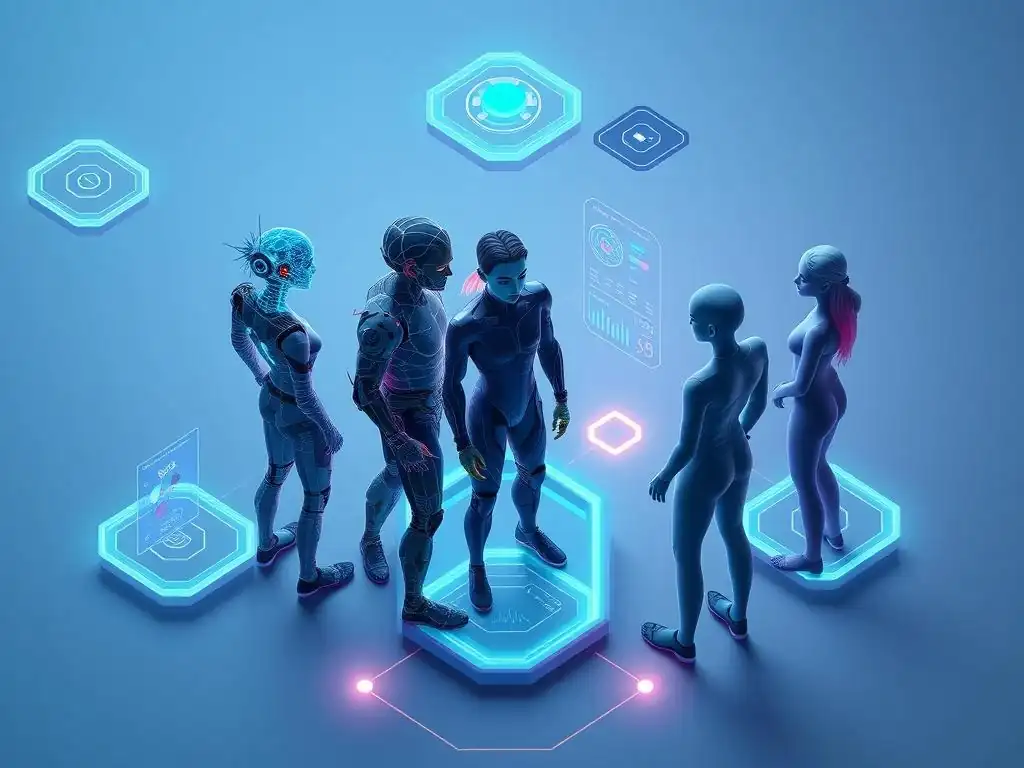
Your decentralized metaverse avatar is more than just a visual representation; it's an extension of your digital identity and can be a powerful tool for self-expression and brand building within virtual worlds. When designing your avatar, consider how you want to be perceived and what message you want to convey. Do you want your avatar to be playful and whimsical, reflecting a fun-loving personality? Or perhaps you prefer a more sophisticated and professional look, aligning with your professional brand or online persona?
Think about the colors, styles, and accessories that resonate with your personality or brand. If you are a creator or artist, your avatar could incorporate elements of your work or artistic style. If you are building a professional presence in the metaverse, your avatar could reflect your industry or area of expertise.
For example, someone in the tech industry might opt for a futuristic or minimalist avatar, while an artist might choose a more expressive and colorful design. Your avatar is your digital representative, so designing it thoughtfully to reflect your intended image is crucial for making a lasting impression in the decentralized metaverse.
Optimizing Your Avatar for Performance and Compatibility
While visual appeal is important, optimizing your avatar for performance and compatibility is equally crucial, especially in decentralized metaverse platforms that may have varying technical requirements and user hardware capabilities. Complex avatars with high polygon counts and intricate details can sometimes lead to performance issues, such as lag or slow loading times, particularly for users with lower-end devices or slower internet connections.
Consider simplifying your avatar design to ensure smooth performance across different platforms and devices. Opt for optimized avatar assets and avoid excessive use of high-resolution textures or overly complex geometries. Furthermore, be mindful of avatar compatibility across different metaverses. While interoperability is a growing trend, not all avatars are universally compatible across all platforms. Check the platform's specifications and guidelines regarding avatar formats and complexity to ensure your avatar functions optimally and is potentially portable to other compatible virtual worlds in the future.
Understanding Avatar Interoperability Across Different Metaverses
Avatar interoperability, the ability to use the same avatar across different metaverse platforms, is a highly sought-after feature in the decentralized metaverse space. Currently, true cross-platform avatar interoperability is still in its early stages, but significant progress is being made. Projects and standards are emerging that aim to facilitate the seamless transfer of avatars and digital assets between different virtual worlds. For example, standards like VRM (Virtual Reality Model) are gaining traction as a common avatar format, promoting interoperability across various VR and metaverse platforms.
While full interoperability is not yet universally available, understanding the current landscape and future trends is essential when designing your decentralized metaverse avatar. Choosing avatar formats and platforms that support or are working towards interoperability can increase the long-term utility and value of your avatar.
Keep an eye on developments in avatar interoperability standards and initiatives, as they will shape the future of digital identity and avatar portability in the decentralized metaverse. As interoperability improves, your avatar will become an even more valuable and versatile asset, allowing you to carry your digital identity across a wider range of virtual experiences.
Choosing the Right Avatar Style: 2D vs. 3D
When creating your decentralized metaverse avatar, you might encounter platforms that offer both 2D and 3D avatar styles, or predominantly focus on one or the other. The choice between 2D and 3D avatars depends on personal preference, the platform's aesthetic, and the desired level of visual fidelity. 2D avatars, often seen in earlier metaverse platforms or social environments, can be simpler to create and may be more performant on lower-end devices. They often have a cartoonish or stylized look, which can be appealing for certain types of virtual experiences.
3D avatars, on the other hand, offer a greater sense of depth and realism, allowing for more intricate details and customization. They are increasingly becoming the standard in immersive metaverse platforms, particularly those focusing on VR integration. 3D avatars can range from stylized and cartoonish to highly realistic, depending on the platform and the level of customization offered.
Consider the overall aesthetic of your chosen metaverse platform and your personal preferences when deciding between 2D and 3D avatar styles. 3D avatars generally offer more visual depth and immersion, while 2D avatars can be simpler, more performant, and suit certain stylistic preferences.
Advanced Techniques for Avatar Customization
Using External Tools and Software for Avatar Creation
For users seeking more advanced and highly customized decentralized metaverse avatars, external tools and software can significantly expand the creative possibilities beyond the native avatar editors offered by platforms. Software like Blender, Maya, and ZBrush are industry-standard 3D modeling and sculpting tools that allow for intricate avatar design and customization. These tools offer a vast array of features for creating complex geometries, detailed textures, and unique avatar styles that may not be achievable within platform-specific editors.
Using external software requires a steeper learning curve and technical skills in 3D modeling, but it provides unparalleled control over avatar design. Once you create your avatar using external software, you can typically export it in a compatible format (such as .FBX or .GLB) and then import it into metaverse platforms that support custom avatar uploads.
Platforms like Somnium Space are known for supporting custom avatar imports, allowing users to bring in highly detailed and personalized avatars created with external tools. Utilizing external software opens up a world of advanced avatar customization for users willing to invest the time and effort in learning these powerful tools.
Importing Custom Assets and Designs
Beyond creating entire avatars from scratch using external software, another advanced technique is importing custom assets and designs to enhance and personalize existing avatars within metaverse platforms. Many platforms, even those with native avatar editors, allow users to import custom assets like clothing, accessories, or even facial features as NFTs or compatible file formats. This allows for a hybrid approach, combining the ease of use of platform editors with the unique customization possibilities of external asset creation.
For example, you could use a platform's native editor to create a base avatar and then import custom-designed clothing NFTs or accessories created using external 3D modeling software. This technique allows for a high degree of personalization and the creation of truly unique avatars that stand out in the metaverse. When importing custom assets, ensure they are compatible with the platform's specifications regarding file formats, polygon counts, and texture resolutions. Platforms often provide guidelines and documentation on importing custom assets to ensure they integrate seamlessly with the metaverse environment and avatar system.
Creating Unique Avatar Animations and Emotes
Taking avatar customization a step further, advanced users can explore creating unique avatar animations and emotes to enhance their virtual presence and communication within decentralized metaverses. While basic avatars often come with pre-set animations like walking, running, and jumping, creating custom animations and emotes allows for more expressive and personalized interactions. Tools like Blender and Unity can be used to create custom animations and emotes that can be integrated into compatible metaverse platforms.
Creating custom animations involves rigging your avatar model and then defining animation sequences for various actions and expressions. Emotes, in particular, are short animations that express emotions or reactions, adding a layer of non-verbal communication in virtual interactions. Platforms that support custom avatar animations and emotes allow users to upload these animations and trigger them in-world, enhancing their avatar's expressiveness and engagement with other users. Custom animations and emotes can significantly elevate the level of personalization and immersion of your decentralized metaverse avatar.
The Future of Decentralized Metaverse Avatars
AI-Powered Avatar Creation and Personalization
The future of decentralized metaverse avatars is poised to be significantly influenced by advancements in Artificial Intelligence (AI). AI-powered avatar creation tools are emerging that can streamline and enhance the avatar design process, making it more accessible and personalized. Imagine AI algorithms that can generate realistic or stylized avatars based on user-provided images or descriptions, automatically creating a digital representation that closely resembles the user or their desired persona.
AI can also play a crucial role in personalization, adapting avatars in real-time based on user behavior, preferences, and even emotional states. AI-driven systems could analyze user interactions and adjust avatar expressions, clothing, or accessories to better reflect the user's context and mood. Furthermore, AI could enable dynamic avatar evolution, where avatars learn and adapt over time based on user experiences and interactions within the metaverse. AI-powered avatar creation and personalization promise to revolutionize how we create and interact with our digital selves in the decentralized metaverse, making the process more intuitive, efficient, and deeply personalized.
Enhanced Interoperability and Cross-Platform Avatar Use
Enhanced interoperability and cross-platform avatar use are central to the future vision of the decentralized metaverse. The goal is to move beyond siloed virtual worlds and create a more interconnected metaverse where users can seamlessly transport their avatars and digital assets between different platforms. Significant efforts are underway to establish universal avatar standards and protocols that facilitate cross-platform compatibility. Initiatives like the Metaverse Standards Forum and the development of open avatar formats like VRM are pushing towards greater interoperability.
In the future, we can expect to see avatars become increasingly portable, allowing users to maintain a consistent digital identity across various metaverse experiences. This interoperability will unlock new possibilities for users, enabling them to build a persistent digital presence and carry their reputation and digital assets across different virtual worlds. Enhanced avatar interoperability is crucial for realizing the full potential of the decentralized metaverse as an open, interconnected, and user-centric digital realm.
The Role of DAOs in Avatar Governance and Standards
Decentralized Autonomous Organizations (DAOs) are likely to play an increasingly important role in the governance and standardization of decentralized metaverse avatars. DAOs, as community-governed organizations operating on blockchain, can provide a decentralized and transparent framework for establishing and evolving avatar standards, ensuring that these standards are community-driven and not controlled by any single entity.
DAOs can be formed around specific metaverse platforms or broader interoperability initiatives, bringing together users, developers, and stakeholders to collectively decide on avatar standards, customization guidelines, and interoperability protocols. DAO governance can ensure that avatar standards are fair, inclusive, and responsive to the evolving needs of the decentralized metaverse community.
Furthermore, DAOs can manage resources and funding for avatar development and interoperability projects, fostering innovation and collaboration within the decentralized avatar ecosystem. The decentralized nature of DAOs aligns perfectly with the principles of the decentralized metaverse, making them a crucial component in shaping the future of avatar governance and standards.
Monetizing Your Decentralized Metaverse Avatar
Selling Avatar Assets and Designs
Your decentralized metaverse avatar, and the assets associated with it, can become valuable digital commodities in the burgeoning metaverse economy. One way to monetize your avatar is by creating and selling avatar assets and designs. If you possess skills in 3D modeling, digital fashion design, or animation, you can create unique avatar clothing, accessories, emotes, or even entire avatar templates and sell them as NFTs on metaverse marketplaces.
Platforms like Decentraland and The Sandbox have thriving NFT marketplaces where creators can list and sell their avatar assets. The demand for unique and high-quality avatar customizations is growing as users seek to personalize their digital identities and stand out in the metaverse. By creating and selling desirable avatar assets, you can tap into this growing market and generate income from your creative skills. The NFT nature of these assets ensures ownership and scarcity, adding to their value and potential for monetization.
Earning Rewards Through Avatar-Based Activities
Beyond selling avatar assets, your decentralized metaverse avatar can also become a tool for earning rewards and participating in the metaverse economy through various avatar-based activities. Many metaverse platforms are incorporating play-to-earn mechanics, where users can earn cryptocurrency or NFTs by engaging in in-world activities using their avatars. These activities can range from participating in games and events to creating content, providing services, or even simply exploring and interacting within the metaverse.
For example, in The Sandbox, users can earn SAND tokens by playing user-created games and experiences. In Decentraland, users can earn MANA tokens by participating in events, completing quests, or providing virtual services within their land parcels. Your avatar becomes your entry point and active participant in these metaverse economies, allowing you to earn rewards based on your engagement and contributions. As the metaverse economy expands, avatar-based activities are likely to become an increasingly significant source of income and opportunity for users.
Participating in the Metaverse Economy with Your Avatar
Your decentralized metaverse avatar can be your key to participating in the broader metaverse economy, extending beyond direct monetization through asset sales or play-to-earn activities. As the metaverse evolves into a more integrated and functional digital realm, avatars will become essential for various economic interactions and transactions. Imagine using your avatar to attend virtual meetings, conduct virtual business, access virtual services, or even work in virtual environments.
Your avatar's reputation and digital identity within the metaverse can become valuable assets in themselves. A well-known and respected avatar with a positive reputation can unlock opportunities for collaborations, partnerships, and even virtual employment within the metaverse. As the metaverse economy matures, your avatar will not just be a visual representation but a functional and economically active entity, enabling you to participate in a wide range of virtual economic activities and opportunities.
Security and Ownership of Your Decentralized Metaverse Avatar
Protecting Your Avatar from Theft and Scams
As decentralized metaverse avatars become valuable digital assets, protecting them from theft and scams is paramount. Since avatars are often represented as NFTs stored in cryptocurrency wallets, securing your wallet is the primary step in safeguarding your avatar. Use strong passwords, enable two-factor authentication (2FA) on your wallet, and be cautious about phishing attempts and suspicious links. Never share your seed phrase or private key with anyone, as this grants complete access to your wallet and all its contents, including your avatar NFT.
Be wary of scams that promise free avatars or avatar assets, as these are often designed to steal your wallet credentials or trick you into transferring your NFTs to malicious actors. Only interact with reputable metaverse platforms and marketplaces and verify the legitimacy of any offers or promotions before engaging. Educating yourself about common cryptocurrency and NFT security practices is crucial for protecting your decentralized metaverse avatar and other digital assets from theft and scams.
Understanding NFT Ownership and Rights
Understanding NFT ownership and rights is essential for navigating the decentralized metaverse and ensuring the security and control of your avatar. When you mint or purchase a decentralized metaverse avatar as an NFT, you gain verifiable ownership of that digital asset, recorded on the blockchain. This ownership is typically represented by the NFT being held in your cryptocurrency wallet address. NFT ownership grants you certain rights, depending on the platform and the specific NFT terms.
These rights can include the right to display your avatar, use it within compatible metaverse platforms, trade or sell it on NFT marketplaces, and potentially benefit from any utility or perks associated with the NFT. However, it's important to understand that NFT ownership typically pertains to the digital asset itself, not necessarily the underlying intellectual property or brand associated with the avatar design. Review the terms and conditions of the platform and the specific NFT project to fully understand the ownership rights and limitations associated with your decentralized metaverse avatar NFT.
Backing Up Your Avatar Data and Assets
While your avatar NFT is securely stored on the blockchain, backing up your avatar data and associated assets is still a prudent practice, especially for highly customized or valuable avatars. Some metaverse platforms may offer backup or export options for avatar data, allowing you to save a copy of your avatar's configuration and assets. If such options are available, utilize them to create backups and store them securely, preferably offline on a separate device or storage medium.
In case of platform issues, account recovery problems, or unforeseen circumstances, having a backup of your avatar data can help you restore your avatar or recreate it on another platform if necessary. While NFT ownership is secure on the blockchain, having a backup of your avatar data provides an extra layer of security and peace of mind, ensuring that you don't lose your digital identity and creative efforts in the decentralized metaverse.
Conclusion: Embracing Self-Expression in the Decentralized Metaverse with Your Avatar
The Power of Digital Identity in the Blockchain Era
In the blockchain era, digital identity is no longer a secondary consideration but a fundamental aspect of our online presence. Decentralized metaverse platforms are at the forefront of this evolution, empowering individuals with unprecedented control and ownership over their digital identities. Your decentralized metaverse avatar is a key component of this digital identity, representing you in virtual worlds and acting as your passport to the metaverse. It's a powerful tool for self-expression, social interaction, and economic participation in these emerging digital realms.
The blockchain-based nature of decentralized avatars ensures that you own and control your digital representation, unlike traditional centralized platforms where identity is often controlled by corporations. This shift in power dynamics marks a significant step towards a more user-centric and empowering digital future. Embracing decentralized avatars means embracing the power of digital self-sovereignty and taking ownership of your identity in the blockchain era.
The Future of Avatar Creation and Customization
The future of avatar creation and customization is brimming with innovation and potential. AI-powered tools, enhanced interoperability, and community-driven governance are poised to revolutionize how we create, manage, and interact with our digital selves in the metaverse. Avatar creation will likely become more intuitive and personalized, with AI assisting in generating avatars that closely reflect individual preferences and styles. Interoperability will enable seamless avatar portability across different virtual worlds, fostering a more interconnected and user-centric metaverse experience.
DAOs will play a crucial role in shaping avatar standards and ensuring that the future of avatar creation and customization is guided by community needs and values. The ongoing advancements in avatar technology and the growing emphasis on user empowerment suggest a future where digital identities are more versatile, expressive, and seamlessly integrated into our lives, both online and offline.
Expressing Yourself Virtually with Decentralized Metaverse Avatars
Decentralized metaverse avatars offer a powerful canvas for self-expression in the digital age. They allow you to craft a virtual persona that reflects your personality, style, and aspirations, unconstrained by the limitations of the physical world. Whether you choose a whimsical, fantastical, or realistic avatar, it becomes your digital representative, allowing you to explore and interact in virtual worlds in a way that resonates with your identity.
Creating and customizing your decentralized metaverse avatar is an act of digital self-discovery and self-expression. It's an opportunity to experiment with different identities, explore your creativity, and connect with others in new and meaningful ways. As the decentralized metaverse continues to evolve, your avatar will be your constant companion, your digital embodiment, and your key to unlocking the vast potential of these immersive virtual worlds. Embrace the opportunity to express yourself virtually and craft a decentralized metaverse avatar that truly represents who you are and who you aspire to be in the digital age.
Frequently Asked Questions
How does decentralized metaverse avatar creation differ from traditional avatar creation?
Decentralized avatar creation leverages blockchain technology to give users true ownership of their digital identities. Unlike traditional platforms where avatars are controlled by a central authority, decentralized systems allow for permanent ownership and interoperability.
What are the benefits of owning a decentralized metaverse avatar?
Owning a decentralized avatar grants you greater control over your digital identity and assets. You can use your avatar across multiple metaverse platforms and potentially monetize your creations through various blockchain-based economies.
What technologies are commonly used in decentralized metaverse avatar creation?
Common technologies include NFTs (Non-Fungible Tokens) to represent avatar ownership, blockchain networks for secure transactions, and decentralized storage solutions to store avatar data. These elements ensure transparency and immutability.
What are some challenges associated with decentralized metaverse avatar creation?
Challenges include scalability issues on blockchain networks, lack of standardization across different platforms, and the complexity of integrating with existing metaverse ecosystems. Interoperability requires further development.
How can I get started creating my own decentralized metaverse avatar?
Start by exploring NFT avatar projects and decentralized metaverse platforms that support avatar creation. Many platforms offer tools and resources for designing and minting your own unique, blockchain-backed avatar.
Final Reflection: Embracing Digital Identity in the Decentralized Frontier
The exploration of decentralized metaverse avatar creation reveals a powerful truth: our digital identities are becoming increasingly intertwined with our real-world selves. As we navigate these emerging virtual landscapes, the ability to express ourselves authentically and autonomously through our avatars is not just a matter of aesthetics, but a fundamental aspect of digital citizenship and self-expression.
This journey into avatar creation has highlighted the profound influence of the metaverse on our cultural understanding of identity. It's fascinating to witness how individuals are actively shaping their digital personas, pushing boundaries and exploring new facets of self-expression in ways that were previously unimaginable. The best way to predict the future is to create it.
- Peter Drucker. This quote resonates deeply as we consider the potential of decentralized metaverse platforms to empower individuals to define their own identities, free from centralized control.
Now, as you step into these decentralized worlds, consider the power you hold in shaping your digital self. Embrace the opportunity to create an avatar that truly reflects your values, aspirations, and unique perspective. Let your virtual presence be a testament to the boundless potential of human creativity and self-expression in the decentralized metaverse.
Unleash Your Metaverse Identity!
Thanks for exploring the exciting world of metaverse avatars with us! Now that you understand the power of self-expression in decentralized virtual spaces, it's time to bring your virtual self to life and start exploring the metaverse.
Here are a few ways you can dive deeper:
- Design your unique avatar today on a popular platform. Embrace the opportunity to personalize your digital presence and connect with others in the virtual world.
- Share this article with friends who are interested in creating their own avatars.
- Explore various avatar creation tools and blockchain-based games to enhance your virtual experience.
Are you ready to express your individuality in the metaverse? What special features will you include in your first decentralized avatar?
Leave a Reply