
Decentralized Metaverse Platforms: Empowering Users and Creators in the Digital Age

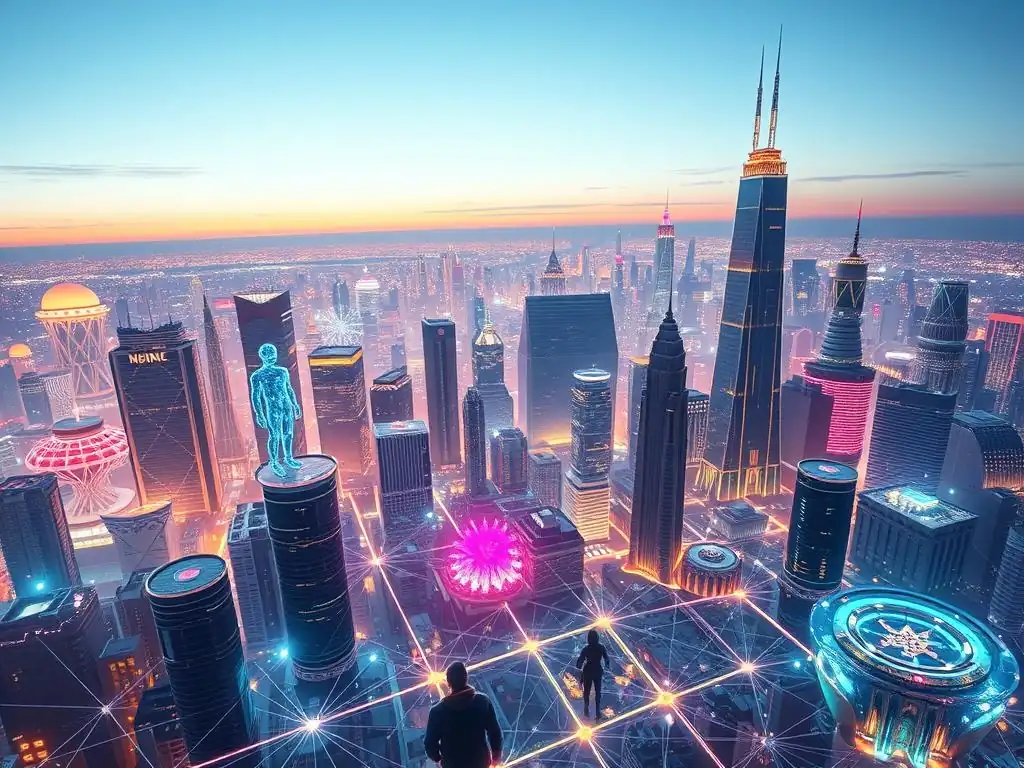
Welcome to Blockchain Trends, your guide to understanding the revolutionary impact of blockchain technology!
Dive into a world where decentralized systems are reshaping industries and redefining digital experiences. Curious about how to build a thriving, user-centric virtual world? Our in-depth analysis of blockchain metaverse platform development strategies unveils the key elements for success. Explore how blockchain is empowering creators and users alike, and discover the future of the decentralized web. Ready to unlock the potential?
- Decentralized Metaverse Platforms: Empowering Users and Creators in the Digital Age
- The Benefits of Decentralized Metaverse Platforms
- Blockchain Metaverse Platform Development Strategies
- Empowering Users and Creators: Real-World Examples
- Challenges and Future Trends in Decentralized Metaverse Platforms
- Conclusion: Embracing the Potential of Decentralized Metaverses
-
Frequently Asked Questions
- What are the key benefits of using a blockchain-based metaverse platform?
- How does blockchain technology enhance security within a metaverse environment?
- What role do NFTs play in the decentralized metaverse, and how can developers leverage them effectively?
- What are some of the major challenges in developing a successful blockchain metaverse platform?
- How are regulators approaching the decentralized metaverse, and what are the implications for developers?
- Final Reflection: Embracing the Decentralized Future
- Unleash Your Metaverse Potential!
Decentralized Metaverse Platforms: Empowering Users and Creators in the Digital Age
Introduction to Decentralized Metaverses and Blockchain Technology
The concept of the metaverse, a persistent, shared, 3D virtual world, has rapidly moved from science fiction to a burgeoning reality. While early iterations of virtual worlds existed, the advent of blockchain technology has paved the way for a revolutionary shift towards decentralized metaverses. Unlike centralized platforms controlled by a single entity, decentralized metaverses leverage blockchain to distribute power, ownership, and control among users. This fundamental change promises to reshape digital interactions, economies, and online communities, fostering a more equitable and user-centric digital future.
Blockchain technology is the backbone of this decentralization, providing the infrastructure for secure, transparent, and immutable record-keeping. It enables the creation of unique digital assets, verifiable ownership, and decentralized governance mechanisms within metaverse environments. By distributing data across a network of computers rather than relying on a central server, blockchain inherently enhances security and reduces the risk of censorship or single points of failure. This shift towards decentralization is not merely a technological upgrade; it represents a philosophical change in how we interact with and participate in digital worlds, placing power back into the hands of individuals and creators.
Understanding the Core Concepts of Decentralized Metaverses
What is a Decentralized Metaverse?
A decentralized metaverse distinguishes itself from traditional virtual worlds through its core principle of distributed control. In essence, a decentralized metaverse is a virtual environment where key aspects, such as data storage, governance, and asset ownership, are not controlled by a single corporation but are distributed across a network, typically leveraging blockchain technology. This means that users have greater agency over their digital identities, assets, and experiences within the metaverse.
Imagine a virtual world where your digital land, avatars, and creations are verifiably yours, not simply licensed from a platform provider. This paradigm shift from platform-centric control to user-centric empowerment is the defining characteristic of a decentralized metaverse.
Contrast this with centralized metaverse platforms where user data, virtual assets, and platform governance are managed by a central authority. In centralized systems, users are often subject to the platform's terms of service, which can be altered at any time, potentially impacting their digital assets and experiences. Decentralized metaverses, on the other hand, aim to mitigate these risks by utilizing blockchain's inherent properties of transparency and immutability. This approach fosters a more democratic and resilient digital ecosystem, where users are not just participants but also stakeholders in the metaverse's development and future.
The Role of Blockchain in Metaverse Development
Blockchain technology is not just an add-on to decentralized metaverses; it is the foundational infrastructure that makes them possible. Its primary role is to provide a secure, transparent, and decentralized ledger for recording transactions and managing digital assets within the virtual world. This is crucial for establishing verifiable ownership of in-world items, like virtual land, avatars, and digital collectibles, typically represented as Non-Fungible Tokens (NFTs). Blockchain ensures that these assets are unique, scarce, and truly belong to the user, not the platform.
Beyond asset ownership, blockchain also facilitates decentralized governance within metaverses. Through mechanisms like Decentralized Autonomous Organizations (DAOs), blockchain empowers metaverse communities to participate in decision-making processes related to platform development, rule changes, and resource allocation. This participatory governance model stands in stark contrast to the top-down approach of centralized platforms.
Furthermore, blockchain enhances security by distributing data across a network, making it significantly harder for malicious actors to tamper with or compromise the metaverse environment. The inherent transparency of blockchain also allows users to audit transactions and verify the integrity of the system, fostering trust and accountability within the decentralized metaverse ecosystem.
Key Features of Decentralized Metaverse Platforms
Decentralized metaverse platforms are characterized by a set of key features that distinguish them from their centralized counterparts. Foremost is user ownership of digital assets, enabled by NFTs. These platforms allow users to truly own their in-world creations, land, and items, granting them the freedom to trade, sell, or utilize these assets as they see fit, outside the confines of a single platform's control. This ownership extends to user-generated content (UGC), where creators can build and monetize experiences, games, and virtual spaces within the metaverse, retaining control and revenue streams.
Another crucial feature is decentralized governance, often implemented through DAOs. This empowers users to collectively shape the future of the metaverse, participating in decisions about platform upgrades, policy changes, and resource management. Interoperability is also emerging as a key feature, aiming to allow users and assets to move seamlessly between different decentralized metaverse platforms, breaking down walled gardens and creating a more interconnected virtual world.
Finally, open-source development is often embraced, fostering community collaboration, transparency, and faster innovation as developers can contribute to and build upon the platform's codebase. These features collectively contribute to creating metaverse experiences that are more democratic, user-centric, and resilient than traditional centralized virtual worlds.
The Benefits of Decentralized Metaverse Platforms
Enhanced User Ownership and Control
Digital Asset Ownership and NFTs
One of the most transformative benefits of decentralized metaverse platforms is the enhanced user ownership and control over digital assets, primarily facilitated by Non-Fungible Tokens (NFTs). NFTs are unique cryptographic tokens that represent ownership of a specific digital item, be it a piece of virtual land, a character avatar, or a collectible in-game item.
Unlike traditional in-game assets that are typically tied to a platform's terms of service and can be revoked or altered by the platform provider, NFTs grant users true, verifiable ownership recorded on the blockchain. This means users can control their digital assets in a way that mirrors real-world property rights.
This shift in ownership paradigm has profound implications. For creators, NFTs empower them to directly monetize their creations and benefit from secondary market sales, fostering a more sustainable creator economy. For users, it means they can accumulate digital wealth within the metaverse that is portable and potentially tradable across different platforms and ecosystems.
For instance, in platforms like Decentraland, users can own virtual land parcels as NFTs, which they can develop, rent out, or sell, much like real-world real estate. This level of digital asset ownership is a cornerstone of the decentralized metaverse vision, empowering users and fostering a more equitable and user-driven digital economy.
User-Generated Content and Monetization
Decentralized metaverse platforms unlock unprecedented opportunities for user-generated content (UGC) and its direct monetization. By empowering users with ownership of digital assets and providing tools for creation, these platforms foster vibrant creator economies where individuals can build, share, and profit from their virtual creations. Within decentralized metaverses, users can design virtual spaces, create interactive experiences, develop games, and craft digital art, all while retaining ownership of their intellectual property and the ability to monetize their work directly.
Platforms like The Sandbox exemplify this, providing users with voxel-based tools to create assets and experiences that can be packaged as NFTs and sold in marketplaces. Creators can earn cryptocurrency by selling their creations, renting out their virtual land, or charging for access to their experiences. This direct monetization model bypasses traditional gatekeepers and intermediaries, allowing creators to capture a larger share of the value they generate.
This fosters a more democratic and innovative ecosystem, incentivizing creativity and rewarding users for their contributions to the metaverse's growth and vibrancy. The rise of UGC in decentralized metaverses is not just about content creation; it's about building a creator-centric digital economy where users are empowered to be both participants and entrepreneurs.
Increased Transparency and Security
Blockchain-Based Governance Models
Decentralized metaverse platforms leverage blockchain technology to implement transparent and secure governance models, often through Decentralized Autonomous Organizations (DAOs). Traditional online platforms typically operate under centralized governance structures, where decisions are made by a single entity or a small group of executives. In contrast, blockchain-based governance aims to distribute decision-making power among the platform's users and stakeholders, fostering a more democratic and community-driven approach to platform management.
DAOs utilize smart contracts on the blockchain to automate governance processes. Token holders, who are often users and creators within the metaverse, can vote on proposals related to platform upgrades, policy changes, resource allocation, and even the future direction of the metaverse. These voting mechanisms are transparent and auditable on the blockchain, ensuring accountability and preventing manipulation.
For example, a DAO might be used to decide on the allocation of virtual land, the implementation of new features, or the moderation policies within the metaverse. This shift towards decentralized governance not only increases transparency but also empowers users to have a direct say in shaping the metaverse they inhabit, fostering a sense of ownership and collective responsibility.
Secure and Immutable Data Storage
Blockchain technology provides a robust and secure foundation for data storage within decentralized metaverse platforms. Traditional centralized platforms store user data and platform information on their own servers, making them vulnerable to single points of failure, data breaches, and censorship. In contrast, blockchain utilizes a distributed ledger system, where data is replicated across a network of computers. This distributed nature inherently enhances security and resilience.
The immutability of blockchain is another critical security feature. Once data is recorded on the blockchain, it becomes extremely difficult, if not practically impossible, to alter or delete it. This immutability ensures the integrity of transaction records, digital asset ownership, and governance decisions within the metaverse.
Furthermore, blockchain's cryptographic security mechanisms, such as hashing and encryption, protect data from unauthorized access and tampering. While no system is entirely immune to attacks, the decentralized and immutable nature of blockchain significantly reduces the risks associated with centralized data storage, providing a more secure and trustworthy environment for users to interact and transact within the metaverse. This enhanced security is crucial for building trust and fostering the long-term growth and adoption of decentralized metaverse platforms.
Fostering Innovation and Creativity
Open-Source Development and Collaboration
Decentralized metaverse platforms often embrace open-source development and foster collaborative ecosystems, driving innovation and creativity at a rapid pace. Open-source platforms make their codebase publicly available, allowing developers from around the world to inspect, modify, and contribute to the platform's development. This collaborative approach contrasts sharply with proprietary, closed-source platforms, where innovation is typically confined to the internal development teams of a single company.
Open-source development fosters transparency, as the code is publicly auditable, and encourages community participation in identifying and fixing bugs, suggesting new features, and contributing to the platform's evolution. This collaborative environment can lead to faster innovation cycles, as a larger pool of talent and diverse perspectives are brought to bear on platform development.
Moreover, open-source licenses often encourage developers to build upon and extend the platform's functionality, creating a vibrant ecosystem of tools, applications, and experiences within the metaverse. This spirit of collaboration and open innovation is a key driver for the growth and evolution of decentralized metaverse platforms, fostering a more dynamic and user-driven digital landscape.
Interoperability Between Different Metaverse Platforms
Interoperability is a critical, albeit still developing, aspect of decentralized metaverse platforms that promises to unlock significant benefits for users and creators by fostering a more connected and seamless virtual world. Currently, many metaverse platforms operate as siloed environments, with limited ability for users and assets to move between them. Imagine owning a valuable digital asset in one metaverse but being unable to use it or transfer it to another platform – this lack of interoperability creates friction and limits the potential of the metaverse ecosystem.
Decentralized metaverses, with their foundation in open standards and blockchain technology, are better positioned to achieve interoperability. Efforts are underway to develop standards and protocols that would allow avatars, digital assets (NFTs), and even experiences to be portable across different metaverse platforms. This would mean that users could maintain a consistent digital identity across multiple virtual worlds, and creators could reach a wider audience for their creations.
Achieving true interoperability is a complex technical and organizational challenge, but it is widely recognized as a crucial step towards realizing the full potential of the metaverse as a truly interconnected and open digital space. The development of cross-chain communication protocols and NFT standards are key enablers in this ongoing journey towards metaverse interoperability.
Blockchain Metaverse Platform Development Strategies
Choosing the Right Blockchain for Your Metaverse
Ethereum: The Leading Platform for DeFi and NFTs
Ethereum has emerged as the leading blockchain platform for decentralized finance (DeFi) and Non-Fungible Tokens (NFTs), making it a prominent choice for blockchain metaverse platform development strategies. Its established ecosystem, large developer community, and robust tooling provide a solid foundation for building complex metaverse applications. Ethereum's Virtual Machine (EVM) is a powerful execution environment for smart contracts, enabling developers to create sophisticated decentralized applications (dApps) that underpin metaverse functionalities like asset ownership, governance, and in-world economies.
The widespread adoption of NFTs on Ethereum, particularly the ERC-721 and ERC-1155 standards, makes it a natural fit for metaverses focused on digital asset ownership and creator economies. Platforms built on Ethereum benefit from its extensive DeFi infrastructure, allowing for seamless integration of financial services within the metaverse, such as decentralized exchanges for trading virtual assets and lending protocols for virtual land mortgages.
While Ethereum's mainnet has faced scalability challenges, the active development of Layer-2 scaling solutions like Polygon and Optimism addresses these concerns, making Ethereum a viable and well-supported choice for building decentralized metaverse platforms. The mature ecosystem and strong community support of Ethereum offer significant advantages for developers embarking on blockchain metaverse projects.
Solana: High-Performance Blockchain for Scalable Applications
Solana stands out as a high-performance blockchain, specifically engineered for scalability, making it an attractive option for blockchain metaverse platform development strategies that require high transaction throughput and low latency. Unlike Ethereum's proof-of-work consensus mechanism, Solana utilizes a proof-of-history (PoH) consensus combined with proof-of-stake (PoS), enabling it to process thousands of transactions per second with significantly lower gas fees than Ethereum mainnet. This high throughput is crucial for metaverse applications that involve real-time interactions, large numbers of users, and frequent transactions of digital assets.
For metaverse platforms aiming for massive scale and seamless user experiences, Solana's technical architecture offers significant advantages. Its fast transaction speeds and low costs can facilitate smoother in-world interactions, faster NFT minting and trading, and more efficient execution of smart contracts. While Solana's ecosystem is newer than Ethereum's, it is rapidly growing, with increasing support for NFTs and DeFi applications.
Metaverse projects choosing Solana can benefit from its technical capabilities to deliver high-performance virtual world experiences, particularly those anticipating a large user base and demanding real-time interactions. However, developers should also consider the relative maturity of the Solana ecosystem compared to Ethereum when making their blockchain platform choice.
Polygon: Scaling Ethereum for Metaverse Applications
Polygon (formerly Matic Network) is a Layer-2 scaling solution for Ethereum, providing a compelling strategy for blockchain metaverse platform development seeking to leverage Ethereum's ecosystem while mitigating its scalability limitations. Polygon operates as a sidechain to Ethereum, offering faster transaction speeds and significantly lower gas fees compared to Ethereum mainnet. This makes it an ideal choice for metaverse platforms that want to benefit from Ethereum's security, developer tools, and vast NFT and DeFi ecosystem, but require a more scalable and cost-effective transaction layer.
By building on Polygon, metaverse platforms can offer users a smoother and more affordable experience, particularly for frequent in-world transactions, NFT trading, and micro-transactions within the virtual economy. Polygon is fully compatible with the Ethereum Virtual Machine (EVM), meaning that developers can easily port their Ethereum-based smart contracts and dApps to Polygon with minimal modifications.
This interoperability allows metaverse projects to tap into Ethereum's extensive developer community and tooling while deploying on a more scalable infrastructure. Polygon is increasingly becoming a popular choice for metaverse projects looking to balance the benefits of Ethereum's ecosystem with the need for scalability and lower transaction costs, offering a pragmatic approach for mainstream metaverse adoption.
Key Considerations for Metaverse Platform Architecture
Scalability and Performance Optimization
Scalability and performance optimization are paramount considerations for metaverse platform architecture, especially for blockchain-based metaverses aiming for mass adoption. Metaverses, by their nature, require handling a large number of concurrent users, real-time interactions, complex 3D environments, and frequent transactions of digital assets. Blockchain technology, while providing decentralization and security, can introduce scalability challenges if not architected carefully. Therefore, metaverse platform development strategies must prioritize scalability from the outset.
Techniques for scalability and performance optimization include choosing a high-performance blockchain like Solana or utilizing Layer-2 scaling solutions like Polygon on Ethereum. Optimizing smart contract code for gas efficiency and minimizing on-chain data storage are crucial for reducing transaction costs and improving performance. Off-chain solutions, such as state channels and sidechains, can be employed for handling high-frequency interactions and transactions, while only settling critical state changes on the main blockchain.
Furthermore, efficient 3D rendering techniques, content delivery networks (CDNs), and distributed server infrastructure are essential for ensuring smooth user experiences and handling the computational demands of a large-scale metaverse environment. A well-architected metaverse platform should be designed to scale horizontally, accommodating increasing user loads and complexity without compromising performance or user experience.
User Interface and User Experience (UI/UX) Design
User Interface (UI) and User Experience (UX) design are critical success factors for blockchain metaverse platforms, as they directly impact user adoption and engagement. While decentralization and blockchain technology are foundational, a metaverse platform will only thrive if it provides a seamless, intuitive, and enjoyable user experience. Many users may be unfamiliar with blockchain concepts, so the UI/UX should abstract away technical complexities and focus on providing a user-friendly and accessible virtual world.
Key considerations for UI/UX design in decentralized metaverses include intuitive navigation within the 3D environment, clear and informative interfaces for interacting with digital assets and smart contracts, and seamless onboarding processes for new users. The metaverse should be visually appealing and engaging, with high-quality graphics and smooth performance. Furthermore, accessibility is crucial, ensuring that the metaverse is usable by a diverse range of users with varying technical skills and hardware capabilities.
Usability testing and user feedback are essential throughout the development process to refine the UI/UX and ensure that the metaverse is both functional and enjoyable to use. A well-designed UI/UX can bridge the gap between blockchain technology and mainstream users, driving adoption and fostering a thriving metaverse community.
Security and Smart Contract Auditing
Security and smart contract auditing are non-negotiable aspects of blockchain metaverse platform development strategies. Decentralized metaverses rely heavily on smart contracts to govern digital asset ownership, in-world economies, and governance mechanisms. Vulnerabilities in smart contracts can lead to significant financial losses for users and damage the platform's reputation and trust. Therefore, rigorous security practices and independent smart contract audits are essential to mitigate risks.
Security considerations should be integrated throughout the entire development lifecycle, from secure coding practices to thorough testing and vulnerability assessments. Smart contracts should be written by experienced developers with a deep understanding of blockchain security best practices. Independent security audits by reputable firms are crucial to identify and remediate potential vulnerabilities before deployment.
Audits should cover code logic, gas optimization, and potential attack vectors, ensuring that smart contracts are robust and secure. Furthermore, ongoing security monitoring and incident response plans are necessary to address any vulnerabilities that may emerge after deployment. Prioritizing security and investing in smart contract auditing is paramount for building trustworthy and resilient blockchain metaverse platforms that users can confidently participate in.
Integrating NFTs and Digital Assets
Creating and Managing NFTs within the Metaverse
Integrating Non-Fungible Tokens (NFTs) is fundamental to blockchain metaverse platforms, as NFTs represent digital asset ownership and enable user-driven economies. Developing strategies for creating and managing NFTs within the metaverse is crucial for empowering users and fostering a thriving ecosystem. NFT creation, or minting, should be user-friendly and accessible, allowing creators to easily tokenize their virtual assets, such as in-world items, avatars, and virtual land. Platforms typically provide tools and interfaces for users to create NFTs, define their properties, and set their metadata.
NFT management within the metaverse involves functionalities for users to view, transfer, trade, and utilize their NFTs. User-friendly interfaces should allow users to easily access their NFT inventories, view their properties, and manage their ownership. Integration with NFT marketplaces within the metaverse or on external platforms is essential for facilitating the trading and exchange of digital assets.
Furthermore, metaverse platforms need to implement mechanisms for verifying NFT ownership and enforcing digital rights within the virtual world, ensuring that users can utilize their NFTs as intended and that ownership is properly recognized and respected within the metaverse environment. A well-designed NFT creation and management system is central to empowering users and building a robust digital asset economy within the blockchain metaverse.
Implementing NFT Marketplaces
Implementing NFT marketplaces is a crucial step in blockchain metaverse platform development strategies, as marketplaces facilitate the trading and exchange of digital assets, creating liquidity and driving economic activity within the virtual world. NFT marketplaces within metaverses can be integrated directly into the platform's user interface, providing a seamless experience for users to buy, sell, and trade NFTs representing virtual land, avatars, in-game items, and other digital collectibles. These marketplaces can operate using various mechanisms, including fixed-price listings, auctions, and decentralized order books.
For metaverse platforms, implementing a native NFT marketplace offers several advantages, including capturing transaction fees, fostering a vibrant internal economy, and providing users with a convenient and integrated trading experience. Marketplaces should support various functionalities, such as filtering and searching for NFTs, viewing NFT properties and history, and secure transaction processing.
Integration with external NFT marketplaces, such as OpenSea or Rarible, can also be beneficial, expanding the reach and liquidity of NFTs minted within the metaverse. Choosing the right marketplace architecture, whether native, integrated with external platforms, or a hybrid approach, is a key strategic decision for blockchain metaverse platforms seeking to establish a thriving digital asset economy.
Ensuring Cross-Platform Compatibility
Ensuring cross-platform compatibility for NFTs is an increasingly important aspect of blockchain metaverse platform development strategies, as it promotes interoperability and user freedom within the broader metaverse ecosystem. Currently, NFTs minted on one platform are often not easily usable or transferable to other platforms, creating fragmented and siloed virtual worlds. Efforts are underway to develop NFT standards and protocols that facilitate cross-platform compatibility, allowing users to move their digital assets between different metaverse environments and applications.
For metaverse platforms, adopting open NFT standards and actively participating in interoperability initiatives is crucial. This includes supporting widely adopted NFT standards like ERC-721 and ERC-1155 and exploring emerging interoperability protocols. Cross-platform compatibility can enhance the value and utility of NFTs minted within the metaverse, as users are not locked into a single platform and have greater freedom to utilize their digital assets across different virtual worlds.
Furthermore, interoperability can foster a more interconnected and collaborative metaverse ecosystem, benefiting both users and creators by expanding the reach and potential of digital assets. While cross-platform NFT compatibility is still evolving, it is a critical direction for the future development of decentralized metaverses and a key consideration for platform development strategies.
Empowering Users and Creators: Real-World Examples
Case Study 1: Decentraland
How Decentraland Empowers Users
Decentraland stands as a pioneering example of a decentralized metaverse platform, explicitly designed to empower users through blockchain technology. Built on the Ethereum blockchain, Decentraland grants users true ownership of virtual land parcels represented as NFTs. This ownership extends beyond mere digital representation; users have complete control over their land, allowing them to develop it, host experiences, create games, build virtual businesses, or simply rent it out. This level of ownership is a fundamental departure from centralized virtual worlds, where platform providers retain ultimate control over virtual assets.
Furthermore, Decentraland empowers users through its decentralized governance model. The platform is governed by a Decentralized Autonomous Organization (DAO), where MANA token holders, who are primarily users and landowners, can vote on proposals related to platform development, policy changes, and resource allocation. This community-driven governance ensures that the metaverse evolves in a way that reflects the interests of its users, rather than being dictated by a central authority. Decentraland's commitment to user ownership and decentralized governance exemplifies the core principles of decentralized metaverse platforms and serves as a model for empowering users in the digital age.
Decentraland's Creator Economy
Decentraland has fostered a thriving creator economy, empowered by its decentralized nature and user ownership model. Creators within Decentraland can build and monetize a wide range of experiences and assets, leveraging the platform's tools and infrastructure. Landowners can develop their virtual parcels into interactive experiences, art galleries, virtual stores, casinos, and more, attracting visitors and generating revenue. Creators can also design and sell avatars, wearables, and other in-world items as NFTs, capitalizing on the platform's built-in NFT marketplace.
The decentralized nature of Decentraland ensures that creators retain ownership of their creations and capture a larger share of the value they generate. The platform's open and permissionless environment encourages innovation and experimentation, leading to a diverse and dynamic ecosystem of user-generated content. Decentraland's creator economy is not just about entertainment; it also encompasses virtual businesses, educational experiences, and social gatherings, demonstrating the wide-ranging potential of decentralized metaverses to empower creators and build new forms of digital economies. The success of Decentraland's creator economy highlights the economic opportunities unlocked by user ownership and decentralized platforms.
Case Study 2: The Sandbox
Unique Features and User Engagement Strategies
The Sandbox is another prominent example of a decentralized metaverse platform, distinguished by its voxel-based art style and strong focus on user-generated content and gaming experiences. Built on the Ethereum blockchain, The Sandbox empowers users to create, own, and monetize their gaming experiences and digital assets in a virtual world. A key unique feature of The Sandbox is its user-friendly suite of creation tools, including VoxEdit for creating voxel-based assets and Game Maker for building interactive games and experiences without coding knowledge.
The Sandbox employs several user engagement strategies to foster a vibrant community and drive platform growth. It actively partners with brands, celebrities, and gaming studios to bring recognizable intellectual property into the metaverse, attracting a wider audience. The platform also regularly hosts contests, events, and social gatherings within the metaverse, encouraging user participation and community building.
Furthermore, The Sandbox’s LAND sales, where users can purchase virtual land parcels as NFTs, create scarcity and drive demand for the platform's virtual real estate. These unique features and engagement strategies have contributed to The Sandbox's rapid growth and its position as a leading decentralized metaverse platform.
The Sandbox's Contribution to the Decentralized Ecosystem
The Sandbox has made significant contributions to the decentralized ecosystem, particularly in promoting user-generated content and demonstrating the potential of blockchain in gaming. By providing accessible creation tools and empowering users to monetize their in-world creations, The Sandbox has lowered the barrier to entry for metaverse content creation, fostering a diverse and thriving creator community. Its focus on gaming experiences within the metaverse has showcased the applicability of blockchain technology to interactive entertainment and the potential for play-to-earn models.
The Sandbox's partnerships with established brands and celebrities have also helped to bridge the gap between traditional industries and the decentralized metaverse, bringing mainstream attention and adoption to the space. Furthermore, The Sandbox's commitment to decentralized governance and its ongoing development of interoperability features contribute to the broader vision of a more open and interconnected metaverse ecosystem. By pushing the boundaries of user-generated content, blockchain gaming, and metaverse interoperability, The Sandbox plays a vital role in shaping the future of decentralized digital worlds and their impact on the broader digital landscape.
Challenges and Future Trends in Decentralized Metaverse Platforms
Addressing Scalability and Interoperability Issues
Layer-2 Scaling Solutions
Addressing scalability and interoperability issues are critical challenges for the continued growth and mainstream adoption of decentralized metaverse platforms. Scalability limitations in blockchain technology can lead to high transaction fees, slow transaction speeds, and constrained user capacity, hindering the seamless and immersive experiences expected in metaverses. Layer-2 scaling solutions, such as rollups and sidechains, offer promising approaches to mitigate these scalability bottlenecks.
Rollups, like Optimistic Rollups and zk-Rollups, process transactions off-chain and batch them together before submitting them to the main blockchain, significantly increasing transaction throughput and reducing gas fees. Sidechains, like Polygon, operate as separate blockchains connected to the main chain, providing faster and cheaper transactions while still benefiting from the security of the main chain. Metaverse platforms are increasingly adopting Layer-2 solutions to enhance scalability and improve user experience.
For example, platforms built on Ethereum are leveraging Polygon to achieve higher transaction speeds and lower costs. The continued development and adoption of Layer-2 scaling solutions are crucial for enabling decentralized metaverses to handle large user bases and complex interactions, paving the way for wider adoption.
Cross-Chain Communication Protocols
Interoperability between different blockchain networks and metaverse platforms is another significant challenge that needs to be addressed to realize the full potential of the decentralized metaverse vision. Currently, most blockchain networks operate in silos, making it difficult for assets and data to move seamlessly between them. Cross-chain communication protocols aim to bridge these silos, enabling interoperability between different blockchains and metaverse platforms.
Protocols like bridges and cross-chain messaging systems allow for the transfer of assets and data between different blockchains, facilitating interoperability for NFTs, tokens, and other digital assets. For metaverse platforms, cross-chain interoperability can enable users to utilize their assets across different virtual worlds, creating a more interconnected and open metaverse ecosystem. Ongoing research and development in cross-chain communication protocols are crucial for breaking down walled gardens and fostering a more unified and interoperable metaverse landscape. Achieving seamless cross-chain interoperability is a complex technical challenge, but it is essential for creating a truly interconnected and user-centric metaverse experience.
Data Privacy and User Protection
Navigating regulatory and legal landscapes presents a complex and evolving challenge for decentralized metaverse platforms. Data privacy and user protection are paramount concerns, particularly as metaverses collect and process user data related to virtual interactions, transactions, and personal information. Existing data privacy regulations, such as GDPR and CCPA, may apply to metaverse platforms, requiring them to implement measures to protect user data and ensure compliance.
Decentralized metaverses, while aiming for user empowerment, must still address data privacy concerns and implement mechanisms for user consent, data minimization, and data security. Balancing decentralization with regulatory compliance is a delicate act, requiring careful consideration of data governance models and user rights. Furthermore, the cross-border nature of metaverses and blockchain technology adds complexity to regulatory compliance, as different jurisdictions may have varying rules and regulations. Metaverse platforms need to proactively engage with regulators and legal experts to navigate the evolving regulatory landscape and ensure user data privacy and protection in a decentralized environment.
Intellectual Property Rights in the Metaverse
Intellectual property (IP) rights in the metaverse present a novel and evolving legal challenge. The creation, ownership, and enforcement of IP rights within virtual worlds raise complex questions, particularly in decentralized metaverses where user-generated content and digital asset ownership are central. Existing IP laws may not be fully equipped to address the unique characteristics of metaverse environments and digital assets.
Determining ownership of virtual creations, enforcing copyright and trademark in virtual spaces, and addressing IP infringement in decentralized platforms are areas that require legal clarity and adaptation. Metaverse platforms need to establish clear terms of service and community guidelines regarding IP rights, and mechanisms for addressing IP disputes and infringement.
Furthermore, the development of new legal frameworks and international collaborations may be necessary to effectively address IP rights in the metaverse and provide creators and users with adequate protection and legal certainty in virtual worlds. Navigating the legal landscape of IP rights in the metaverse is an ongoing process that requires collaboration between legal experts, metaverse platforms, and policymakers.
The Future of Blockchain Metaverse Platform Development: Predictions and Projections
The Evolution of User Experiences
The future of blockchain metaverse platform development is poised for significant evolution in user experiences, driven by technological advancements and user expectations. Current metaverse experiences are often characterized by early-stage graphics, limited interactivity, and technical complexities. Future metaverses are predicted to offer more immersive, realistic, and seamless user experiences, blurring the lines between the physical and digital worlds.
Advancements in virtual reality (VR) and augmented reality (AR) technologies will play a crucial role in enhancing metaverse immersion, providing more intuitive and engaging ways for users to interact with virtual environments. Improvements in graphics rendering, haptic feedback, and spatial audio will contribute to more realistic and sensory-rich metaverse experiences.
Furthermore, advancements in artificial intelligence (AI) are expected to personalize metaverse experiences, create more dynamic and responsive virtual environments, and enhance user interactions with virtual agents and NPCs. The evolution of user experiences in decentralized metaverses will focus on creating more intuitive, immersive, and personalized virtual worlds that are accessible and enjoyable for a wider audience.
The Convergence of Physical and Digital Worlds
The future of blockchain metaverse platform development points towards a growing convergence of physical and digital worlds. Metaverses are no longer envisioned as purely separate virtual spaces; instead, they are increasingly seen as extensions and augmentations of our physical reality. This convergence will be driven by advancements in AR, wearable technology, and the Internet of Things (IoT), blurring the boundaries between the physical and digital realms.
AR technologies will overlay digital information and experiences onto the physical world, creating augmented reality metaverses that blend virtual content with real-world environments. Wearable devices, such as smart glasses and haptic suits, will enhance immersion and provide seamless interfaces for interacting with metaverses in both physical and virtual settings.
The integration of IoT devices will enable metaverses to interact with and respond to real-world data and events, creating more dynamic and interconnected experiences. This convergence of physical and digital worlds will lead to new forms of metaverse applications in areas such as remote collaboration, education, commerce, and entertainment, transforming how we interact with technology and the world around us.
Conclusion: Embracing the Potential of Decentralized Metaverses
Decentralized metaverse platforms represent a paradigm shift in the evolution of virtual worlds, offering a user-centric and empowering alternative to centralized platforms. By leveraging blockchain technology, these platforms are fostering new forms of digital ownership, creator economies, and community-driven governance. While challenges related to scalability, interoperability, regulation, and user experience remain, the potential of decentralized metaverses to reshape digital interactions, economies, and online communities is undeniable.
As technology continues to advance and the metaverse ecosystem matures, embracing the principles of decentralization and user empowerment will be crucial for unlocking the full potential of these transformative digital worlds and building a more equitable and user-centric digital future. The journey of blockchain metaverse platform development is just beginning, but its trajectory points towards a future where users and creators are truly empowered in the digital age.
Frequently Asked Questions
What are the key benefits of using a blockchain-based metaverse platform?
Blockchain-based metaverse platforms offer enhanced user ownership through NFTs, provide transparent governance through DAOs, and enable novel monetization models for creators.
How does blockchain technology enhance security within a metaverse environment?
Blockchain's immutable ledger ensures data integrity and security, making it difficult to alter or censor user data. This increased security protects against fraud and unauthorized access within the metaverse, fostering greater trust.
What role do NFTs play in the decentralized metaverse, and how can developers leverage them effectively?
NFTs represent unique digital assets, enabling users to own and trade virtual land, avatars, and in-game items. Developers can leverage NFTs to create scarcity and value within their metaverse experiences, driving engagement and monetization.
What are some of the major challenges in developing a successful blockchain metaverse platform?
Challenges include scalability issues to handle large user bases, the complexity of blockchain integration, and the need for user-friendly interfaces to attract a wider audience. Overcoming these hurdles is essential for mass adoption.
How are regulators approaching the decentralized metaverse, and what are the implications for developers?
Regulatory scrutiny is increasing, particularly regarding data privacy, intellectual property, and financial compliance. Developers must stay informed about evolving regulations to ensure their platforms operate legally and responsibly within the global legal landscape.
Final Reflection: Embracing the Decentralized Future
The exploration of decentralized metaverse platforms reveals a powerful shift in the digital landscape, and its current relevance is undeniable. The promise of user empowerment and creator autonomy, fueled by blockchain technology, is no longer a distant dream but a tangible opportunity. The strategies for blockchain metaverse platform development, as discussed, are not just technical blueprints; they are the foundation for a more equitable and engaging digital future.
This movement towards decentralization is profoundly shaping the cultural and social fabric of the internet. The ability to own and control one's digital assets and experiences within a metaverse is a fundamental step towards reclaiming agency in an increasingly centralized world. It's about more than just gaming or entertainment; it's about building communities, fostering innovation, and creating new economic models. The metaverse is coming, and it will touch every product you build, every company you invest in, every person you interact with.
- Matthew Ball, Metaverse Expert. This quote encapsulates the pervasive influence the metaverse, especially when built on decentralized principles, will have on our lives.
As we stand at the cusp of this digital revolution, I invite you to reflect on your own role in shaping the metaverse. How can you leverage the principles of decentralization to create more meaningful and empowering experiences for yourself and others? Consider the potential of blockchain metaverse platform development strategies not just as technical solutions, but as tools for building a more inclusive, creative, and ultimately, human-centered digital world. Let us all strive to be architects of a future where digital ownership and creative freedom are not privileges, but fundamental rights.
Unleash Your Metaverse Potential!
Thank you for exploring the world of decentralized metaverse platforms with us. We hope you've gained valuable insights into how these spaces are empowering users and creators. Now, it's time to turn that knowledge into action.
Here are a few ways to dive deeper:
- Begin exploring a decentralized metaverse platform. Many platforms offer free access, allowing you to experience the future of digital interaction firsthand.
- Share this article with fellow creators and innovators who could benefit from understanding decentralized metaverse platforms. Let’s spread the word and build the future together!
- Brainstorm a project or business idea you could develop within a decentralized metaverse. Perhaps you could offer virtual services, create digital art, or host virtual events.
What’s the first thing you plan to create or explore in the decentralized metaverse? Share your ideas in the comments below!
Leave a Reply