
Sustainable Supply Chains: Tracing and Verifying Green Products with Blockchain Tech

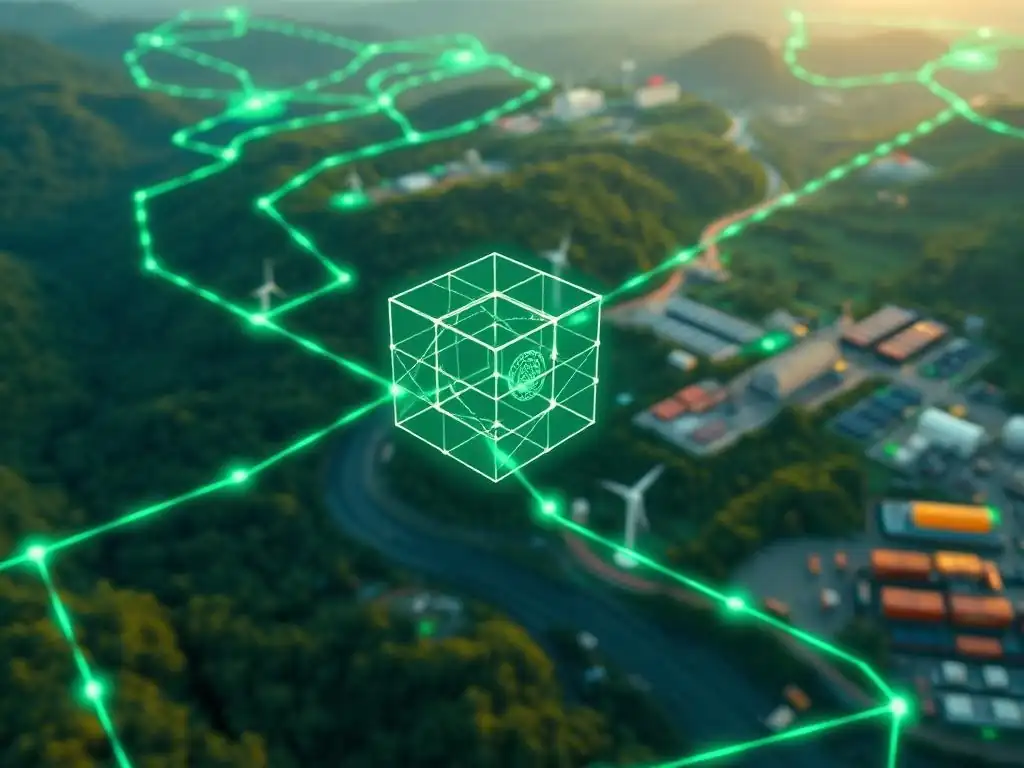
Welcome to Blockchain Trends, your guide to understanding the revolutionary potential of blockchain technology. Beyond the hype of cryptocurrencies, discover how blockchain is reshaping industries and driving innovation. Are you ready to explore how we can harness blockchain's power for a greener future? Dive into our latest article on Blockchain Supply Chain Sustainability Verification and uncover how this groundbreaking technology is revolutionizing the way we track and verify eco-friendly products, creating a more transparent and sustainable world. What hidden benefits will it unlock? Read on to find out!
- Blockchain Supply Chain Sustainability Verification: Tracing Green Products
- How Blockchain Enhances Supply Chain Sustainability
- Implementing Blockchain for Green Product Tracing
- Verifying Green Claims with Blockchain Technology
- The Future of Blockchain in Sustainable Supply Chain Management
-
Frequently Asked Questions
- How can blockchain technology improve supply chain transparency?
- What role does blockchain play in verifying the sustainability of products?
- What are the benefits of using blockchain for supply chain sustainability verification compared to traditional methods?
- How does blockchain help combat greenwashing in supply chains?
- What are some challenges to implementing blockchain for sustainable supply chain management?
- Final Reflection: Empowering Ethical Consumption
- Dive Deeper: Trace Your Impact!
Blockchain Supply Chain Sustainability Verification: Tracing Green Products
Introduction: The Need for Transparency in Sustainable Supply Chains
The global demand for sustainable and ethically sourced products is rapidly increasing. Consumers, regulators, and investors are placing significant pressure on companies to demonstrate genuine commitment to environmental and social responsibility throughout their complex supply chains. This necessitates unprecedented levels of transparency and reliable verification mechanisms to assure stakeholders that products meet stated sustainability standards, from raw material extraction to final delivery. The challenge lies in effectively tracking and verifying the journey of goods across multiple intermediaries and geographical locations, ensuring that claims about reduced carbon footprint, fair labor practices, or sustainable sourcing are accurate and verifiable.
Achieving true Blockchain supply chain sustainability verification is crucial not only for building consumer trust but also for mitigating risks associated with non-compliance and reputational damage. Reports consistently highlight the difficulty in verifying the origins and ethical production methods of goods, particularly in multi-tiered supply chains involving numerous actors.
For instance, a 2021 survey found that while 85% of companies believe supply chain transparency is important, only 15% felt they had complete visibility beyond their Tier 1 suppliers. This gap underscores the urgent need for innovative solutions that can provide immutable, shared records of product attributes and journey, facilitating robust blockchain supply chain sustainability verification.
Understanding the Challenges of Traditional Supply Chain Verification
Traditional methods for verifying sustainability claims in supply chains often rely on paper-based documentation, centralized databases, and periodic audits. While these methods serve a purpose, they are inherently limited in their ability to provide continuous, comprehensive, and trustworthy verification across complex networks. The fragmented nature of data, coupled with the lack of a single, shared source of truth, creates significant hurdles in achieving reliable blockchain supply chain sustainability verification through conventional means.
These traditional systems are particularly ill-equipped to handle the scale and complexity of modern global supply chains, often involving hundreds or thousands of participants. The manual processes involved are slow, prone to errors, and can be easily manipulated. Furthermore, the data collected often resides in siloed systems, making it difficult to aggregate, analyze, and share information effectively among all stakeholders. This fundamental lack of a unified, verifiable data trail prevents effective blockchain supply chain sustainability verification and hinders efforts towards a truly circular economy.
Lack of Transparency and Traceability in Existing Systems
Existing supply chain systems frequently suffer from opaque processes where information about a product's origin, components, and journey is not readily accessible or verifiable by all parties involved. This opacity makes it incredibly difficult to trace a product back to its source or verify specific sustainability attributes claimed at different stages.
A typical product might pass through dozens of hands – from farmers and raw material suppliers to manufacturers, distributors, and retailers – each using their own disconnected systems. This fragmentation means that verifying a claim, such as a product being made from 100% recycled materials or sourced from a specific sustainable forest, becomes a cumbersome, often impossible, task across the entire chain.
Vulnerability to Fraud and Greenwashing
The lack of a secure, immutable record-keeping system makes traditional supply chains highly susceptible to fraud and "greenwashing." Greenwashing occurs when companies misleadingly present their products or operations as environmentally friendly. Without a verifiable, tamper-proof history of a product's journey and associated sustainability data, it is easy for unscrupulous actors to falsify certifications, misrepresent origins, or exaggerate environmental benefits. For example, a coffee supplier might claim organic certification without genuine adherence to standards, and without a robust, shared verification system, detecting this fraud is challenging, undermining consumer trust and legitimate sustainable efforts.
Inefficient Data Management and Sharing
Managing and sharing sustainability data across a traditional supply chain is often inefficient and costly. Information is typically captured manually or in disparate digital systems that do not easily communicate with each other. This leads to delays, data inconsistencies, and significant administrative overhead. Sharing information with external auditors, regulators, or even consumers is a cumbersome process, often involving requests for documentation that may be incomplete or outdated. This inefficiency hinders timely decision-making and prevents stakeholders from having access to the real-time, verifiable data needed for effective blockchain supply chain sustainability verification.
How Blockchain Enhances Supply Chain Sustainability
Blockchain's Role in Creating Transparent and Traceable Supply Chains
Blockchain technology offers a fundamentally new approach to supply chain management by creating a distributed, immutable ledger that records every transaction or event. When applied to supply chains, this ledger can meticulously track the journey of goods and the associated sustainability data points from origin to destination. Each step in the product's lifecycle – from the sourcing of raw materials, through manufacturing, transportation, and distribution – can be recorded as a transaction on the blockchain, creating a permanent and transparent history accessible to authorized participants. This inherent transparency is a cornerstone of effective blockchain supply chain sustainability verification.
This distributed ledger eliminates the need for a central authority to manage records, reducing points of failure and potential for manipulation. As data is added to the blockchain in chronological blocks linked cryptographically, it becomes incredibly difficult to alter past records without detection.
This provides an unprecedented level of traceability, allowing stakeholders to follow the product's path and verify the conditions and claims made at each stage. For instance, a garment's record could include details about the cotton farm (fair labor practices), the dyeing process (water usage, chemical waste), and transportation (carbon emissions), all immutably stored for blockchain supply chain sustainability verification.
Immutability and Secure Record-Keeping for Sustainable Products
The core strength of blockchain for blockchain supply chain sustainability verification lies in its immutability. Once data is recorded on the blockchain, it cannot be retroactively changed or deleted without the consensus of the network participants. This feature is critical for maintaining the integrity of sustainability data.
If a claim is made about a product's organic certification or its carbon footprint at a specific point in the supply chain, that data point, once validated and added to the ledger, becomes a permanent part of the product's history. This tamper-proof record prevents the alteration of sustainability claims after the fact, providing a high level of confidence in the data used for blockchain supply chain sustainability verification.
Furthermore, the cryptographic nature of blockchain ensures secure record-keeping. Each transaction is encrypted and linked to the previous one, creating a secure chain of custody for information. This security is paramount when dealing with sensitive data related to sustainable sourcing, ethical labor, or environmental compliance. Participants in the supply chain can trust that the data they are accessing on the blockchain is accurate and has not been manipulated since it was recorded, fostering a reliable environment for blockchain supply chain sustainability verification.
Enhanced Data Integrity and Reduced Risk of Fraud
Blockchain significantly enhances data integrity by ensuring that information entered onto the ledger is consistent and verifiable across the network. Unlike traditional systems where data might be duplicated or exist in conflicting versions across different databases, blockchain provides a single, shared source of truth. This reduces errors and improves the reliability of the information used for decision-making and verification. The distributed nature also means that even if one node on the network is compromised, the data remains secure and accessible on other nodes.
The reduced risk of fraud is a major benefit for blockchain supply chain sustainability verification. Because past records cannot be altered, it becomes significantly harder for bad actors to falsify sustainability certifications, misrepresent product origins, or hide unsustainable practices. Any attempt to enter fraudulent data would require altering a significant portion of the distributed ledger, which is computationally infeasible for public or permissioned blockchains. This inherent resistance to tampering provides a robust foundation for verifying genuine sustainable practices and combating greenwashing effectively.
Improved Collaboration and Information Sharing Among Stakeholders
Blockchain facilitates improved collaboration and information sharing among the often-disparate entities within a supply chain. By providing a shared, transparent, and accessible ledger (with appropriate permissions), blockchain enables all authorized participants – from suppliers and manufacturers to logistics providers, retailers, auditors, and even consumers – to access the same, up-to-date information about a product's journey and sustainability attributes. This eliminates information silos and fosters greater coordination and trust.
This enhanced collaboration is essential for effective blockchain supply chain sustainability verification. For example, an auditor can quickly verify a supplier's fair trade certification by accessing the relevant transaction on the blockchain, without needing to request and process physical documents. Retailers can share verifiable sustainability data with consumers directly from the blockchain, building trust. This seamless flow of information across the network allows for more efficient processes, quicker issue resolution, and a more unified approach to achieving and verifying sustainability goals across the entire supply chain ecosystem.
Key Features of Blockchain for Supply Chain Verification
Several key features of blockchain technology make it particularly well-suited for blockchain supply chain sustainability verification. These features collectively contribute to creating a system that is transparent, secure, efficient, and trustworthy, addressing many of the limitations of traditional verification methods. Understanding these features is crucial for appreciating the transformative potential of blockchain in this domain.
These features provide the underlying technical capabilities that enable the immutable tracking, secure data storage, and automated processes necessary for robust blockchain supply chain sustainability verification. They move beyond simple record-keeping to create an interactive and verifiable digital twin of the physical supply chain, enriched with critical sustainability data points.
Decentralized Ledger Technology (DLT) and its Benefits
Decentralized Ledger Technology (DLT), of which blockchain is the most prominent type, fundamentally changes how records are kept and shared. Instead of a single, centralized database controlled by one entity, the ledger is replicated and distributed across multiple participants in the network. This decentralization offers significant benefits for blockchain supply chain sustainability verification. It removes reliance on a single point of trust or failure, making the system more resilient and resistant to censorship or manipulation by any one party.
For supply chains, DLT means that sustainability data is not held hostage in one company's system. All authorized parties have access to the same version of the truth, fostering transparency and accountability. This shared, distributed nature ensures that records related to sustainable practices, such as certifications or waste disposal manifests, are verifiable by anyone with permission, enhancing the credibility of blockchain supply chain sustainability verification.
Smart Contracts for Automated Verification Processes
Smart contracts are self-executing contracts with the terms of the agreement directly written into code. They run on the blockchain and automatically execute predefined actions when specific conditions are met. This capability is incredibly powerful for automating verification processes in sustainable supply chains. For example, a smart contract could be programmed to automatically release payment to a supplier only after verifiable data confirming sustainable sourcing practices (e.g., GPS coordinates showing origin in a certified region, timestamp of ethical labor audit) is recorded on the blockchain.
Smart contracts can automate the verification of compliance with sustainability standards, trigger alerts if non-compliant events occur (e.g., a shipment deviates from a low-emission route), or automatically issue sustainability certificates upon successful completion of verifiable steps. This automation reduces manual effort, speeds up processes, and ensures consistent application of verification rules, significantly enhancing the efficiency and reliability of blockchain supply chain sustainability verification.
Tokenization of Assets for Tracking Product Provenance
Tokenization involves representing a physical or digital asset as a digital token on a blockchain. In the context of sustainable supply chains, this can involve tokenizing individual products or batches of products. Each token can carry unique identifying information and link to all the sustainability data recorded on the blockchain throughout the product's journey. This allows for granular tracking and verification of provenance and attributes.
For instance, a batch of sustainably harvested timber could be represented by a set of tokens. As the timber is processed into furniture, the tokens associated with the raw material can be linked to the tokens representing the finished product. This creates a verifiable, digital thread from the initial sustainable source to the final consumer product, allowing for precise tracking and blockchain supply chain sustainability verification at every step. This level of detail is invaluable for verifying specific claims about materials, origin, and ethical production.
Implementing Blockchain for Green Product Tracing
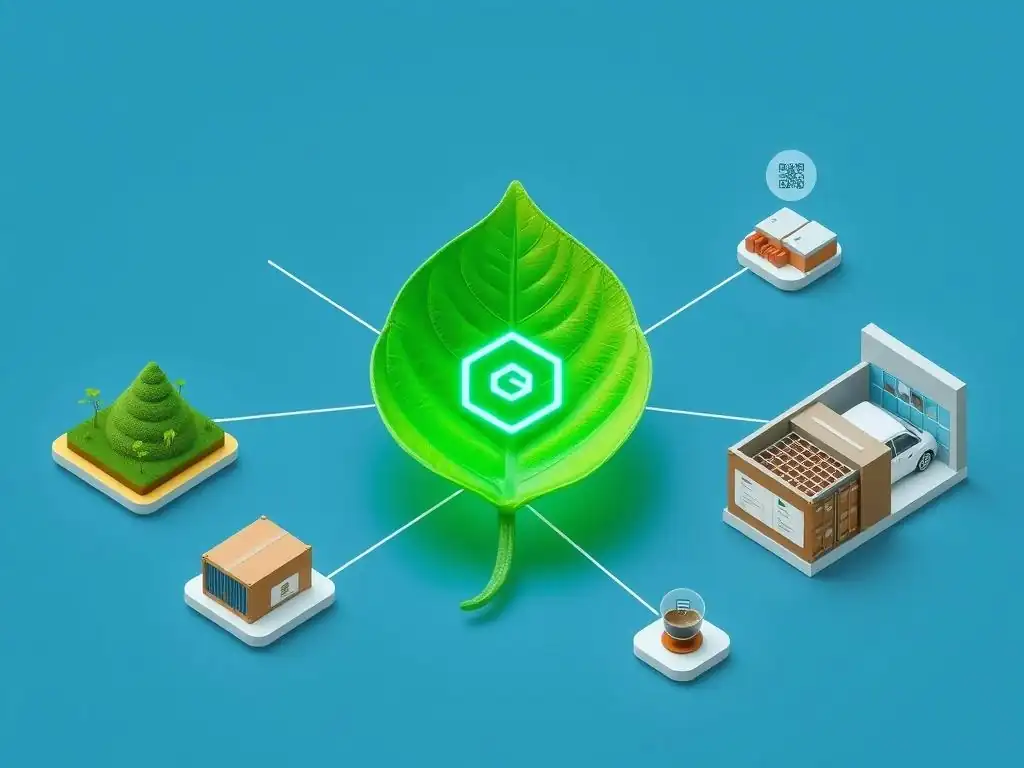
Step-by-Step Guide to Implementing Blockchain in Your Supply Chain
Implementing blockchain for blockchain supply chain sustainability verification requires careful planning and execution. It's not simply about adopting technology, but about re-engineering processes and fostering collaboration among supply chain partners. A structured approach is essential to ensure successful deployment and realization of the benefits.
Here is a simplified guide outlining key steps involved in integrating blockchain for tracing green products and enhancing blockchain supply chain sustainability verification:
- Define Clear Objectives: What specific sustainability claims need verification? (e.g., carbon footprint reduction, fair trade compliance, waste reduction).
- Map the Supply Chain: Identify all key participants and stages relevant to the sustainability claims being verified.
- Identify Key Data Points: Determine exactly what data needs to be captured at each stage to verify sustainability claims (e.g., energy consumption, water usage, certification IDs, GPS data).
- Select a Blockchain Platform: Choose a platform that aligns with the business needs (e.g., permissioned for enterprise control, public for maximum transparency if appropriate).
- Design the Data Model: Structure how the identified data points will be represented as transactions or smart contract inputs on the blockchain.
- Develop Smart Contracts: Code the logic for automating verification steps, triggering events, or managing data access based on predefined rules.
- Integrate with Existing Systems: Connect the blockchain platform with existing ERP, SCM, IoT devices, and other relevant systems.
- Onboard Supply Chain Partners: Educate and integrate participants onto the blockchain network, defining their roles and permissions.
- Pilot and Scale: Start with a limited pilot project to test the system, gather feedback, and then scale up deployment across the entire supply chain.
- Establish Governance: Define rules for network participation, data validation, and dispute resolution.
Identifying Key Data Points for Tracking (e.g., Carbon Footprint, Fair Labor Practices)
The success of blockchain supply chain sustainability verification hinges on identifying and capturing the right data. This involves pinpointing the critical information required at each stage of the supply chain to substantiate sustainability claims. For a product claiming a reduced carbon footprint, this might include data on energy consumption during manufacturing, fuel efficiency of transportation vehicles, and the source of renewable energy used. For fair labor practices, data could include timestamps of workers' hours, verifiable wage payments, and audit reports from certified third parties.
Other crucial data points could include origin of raw materials (verified through GPS or certifications), water usage in production, waste generation and disposal methods, certifications (like FSC for timber, Organic, Fair Trade), and even data from IoT sensors monitoring environmental conditions during transit. Each piece of data, once captured and recorded on the blockchain, contributes to building a comprehensive, verifiable history that supports blockchain supply chain sustainability verification and allows for accurate reporting and auditing.
Selecting the Right Blockchain Platform (Public vs. Private)
Choosing the appropriate blockchain platform is a critical decision in implementing blockchain supply chain sustainability verification. Public blockchains, like Ethereum or Bitcoin, offer maximum transparency and decentralization, where anyone can participate and view transactions (though identifying information can be pseudonymized). However, they can suffer from scalability issues, variable transaction costs (gas fees), and lack of privacy for commercially sensitive data. Permissioned or private blockchains, such as Hyperledger Fabric or R3 Corda, restrict participation to known entities and offer greater control over data visibility and network governance, higher transaction speeds, and lower costs.
For enterprise-level blockchain supply chain sustainability verification, permissioned blockchains are often preferred. They allow companies to maintain control over who can join the network, what data they can access, and how quickly transactions are processed. This provides the necessary balance between transparency among authorized parties and the privacy required for business operations. The choice depends heavily on the specific use case, the level of desired transparency, the number and nature of participants, and performance requirements.
Integrating Blockchain with Existing Supply Chain Management Systems
Seamless integration of the blockchain platform with existing enterprise systems is essential for a smooth implementation of blockchain supply chain sustainability verification. Most companies already use systems like Enterprise Resource Planning (ERP), Supply Chain Management (SCM), Manufacturing Execution Systems (MES), and various IoT platforms. The blockchain needs to interface with these systems to automatically capture relevant data as events occur in the physical world.
This integration typically involves using APIs (Application Programming Interfaces) or middleware to connect the legacy systems to the blockchain network. For instance, data from an SCM system indicating a shipment has left a warehouse could trigger a transaction on the blockchain recording the event and its timestamp.
Similarly, data from an IoT sensor monitoring the temperature of a refrigerated container carrying perishable goods could be fed directly to the blockchain via an oracle, providing verifiable evidence of maintaining the cold chain, a key sustainability factor for reducing spoilage. Effective integration ensures that the blockchain reflects the real-world supply chain accurately and in near real-time, supporting robust blockchain supply chain sustainability verification.
Real-World Examples of Blockchain-Enabled Sustainable Supply Chains
Several pioneering companies and initiatives have begun leveraging blockchain technology to enhance transparency and verification in their supply chains, focusing on sustainability aspects. These real-world examples demonstrate the practical application of blockchain supply chain sustainability verification and offer valuable insights into the benefits and challenges encountered during implementation.
Examining these cases provides concrete evidence of how blockchain can move beyond theoretical potential to deliver tangible improvements in tracking provenance, verifying ethical practices, and building trust with consumers regarding sustainable products. They highlight diverse applications across different industries, from luxury goods to food and agriculture.
Case Study 1: Provenance and Tuna Tracking
Provenance, a leading platform for supply chain transparency, utilized blockchain technology to track tuna from catch to can, specifically focusing on ethical sourcing and sustainability claims. Working with partners like the Ethical Consumer and a major tuna brand, Provenance created digital tokens for individual tuna fish. Data such as the fishing vessel's identity, date and location of catch (verified via GPS), fishing method (ensuring sustainability standards like avoiding bycatch), and compliance with labor laws was recorded on the blockchain.
This system allowed consumers to scan a QR code on the product and access the verifiable history of the specific tuna in their can, including its journey and proof of ethical practices. This provided unprecedented transparency and verifiable blockchain supply chain sustainability verification for a product often associated with issues like illegal fishing and poor labor conditions. The project demonstrated the feasibility of tracing individual items and providing consumers with direct access to authenticated sustainability data.
Case Study 2: De Beers and Diamond Tracking
The diamond industry has long faced challenges with ensuring provenance and combating the trade of "conflict diamonds." De Beers, a major player in the industry, launched its Tracr platform, a blockchain-based system to track diamonds from mine to retailer. While initially focused on value and authenticity, the platform also incorporates data relevant to ethical sourcing and sustainability, such as the mine of origin, which can be verified against responsible mining standards.
Each rough diamond over a certain carat weight is registered on the platform with a unique ID, and key data points are recorded as it moves through cutting, polishing, and setting. This creates an immutable record of the diamond's journey, providing verifiable proof of its origin and chain of custody. This system aids in blockchain supply chain sustainability verification by confirming that diamonds come from legitimate, often ethically certified, sources, increasing trust among retailers and consumers. By 2020, Tracr had registered over 100,000 high-value diamonds, demonstrating significant adoption for provenance tracking.
Benefits and Challenges Observed in These Implementations
These case studies highlight several key benefits of using blockchain for blockchain supply chain sustainability verification. They demonstrate enhanced transparency and traceability, allowing stakeholders to verify product origins and sustainability claims. They show improved data integrity and reduced risk of fraud due to the immutable nature of the ledger. Furthermore, they illustrate how providing consumers with access to this verifiable data can build significant trust and potentially command a premium for genuinely sustainable products.
However, challenges were also observed. Implementing blockchain requires significant collaboration and data sharing among supply chain partners, which can be difficult to coordinate. Integrating blockchain with diverse legacy systems across multiple companies is complex. Data input accuracy remains crucial – blockchain verifies the record of data, but the initial data input must be accurate and trustworthy, often requiring integration with reliable IoT sensors or verified human input. Scalability and the cost of implementing and maintaining such systems, particularly for large-scale supply chains with millions of individual items, also remain considerations, though ongoing technological advancements are addressing these.
Verifying Green Claims with Blockchain Technology
Ensuring Authenticity and Accuracy of Sustainability Certifications
One of the most significant applications of blockchain for blockchain supply chain sustainability verification is in ensuring the authenticity and accuracy of sustainability certifications. Currently, certifications (like Organic, Fair Trade, LEED, etc.) are often managed through paper certificates or centralized databases, which can be susceptible to forgery or misrepresentation. By integrating these certifications into a blockchain system, their validity and the adherence to their standards can be immutably recorded and easily verified by all authorized parties.
When a product or facility receives a sustainability certification, the relevant details – including the certifying body, the standard achieved, the date of certification, and the scope – can be recorded as a transaction on the blockchain. This creates a verifiable digital certificate linked to the specific product or entity in the supply chain. As the product moves, its connection to this authenticated certification record remains verifiable on the ledger. This process provides a transparent and tamper-proof method for confirming that sustainability claims are backed by legitimate and current certifications, significantly improving blockchain supply chain sustainability verification.
Integrating Blockchain with Certification Bodies and Standards
Effective blockchain supply chain sustainability verification through certification requires direct integration with the entities that issue and manage these standards. Certification bodies need to become participants in the blockchain network, with the authority to issue digital certifications directly onto the ledger. This ensures that the initial data point – the certification itself – is recorded by the authoritative source in a verifiable manner.
Establishing standardized data models for different types of certifications on the blockchain is also crucial. This ensures interoperability and makes it easier for different supply chains and participants to recognize and verify certifications consistently. Collaboration between blockchain platform providers, industry consortia, and certification bodies is essential to develop these standards and facilitate the seamless recording and verification of sustainability compliance on the blockchain.
Building Trust with Consumers Through Transparent Verification Processes
Blockchain offers a powerful tool for building trust with consumers by providing them with direct access to verifiable sustainability data. Instead of simply relying on a logo or a claim on packaging, consumers can potentially use a simple interface (like scanning a QR code) to trace the product's journey and view the specific sustainability data points recorded on the blockchain. This transparency allows them to independently verify claims about ethical sourcing, environmental impact, or organic status.
Providing this level of verifiable information empowers consumers to make more informed purchasing decisions and rewards companies that genuinely invest in sustainable practices. This transparent blockchain supply chain sustainability verification process combats skepticism about greenwashing and fosters a deeper level of trust between brands and their customers, potentially leading to increased brand loyalty and market differentiation for truly sustainable products.
Combating Greenwashing and Promoting Genuine Sustainable Practices
One of the most impactful outcomes of robust blockchain supply chain sustainability verification is its ability to effectively combat greenwashing. By requiring verifiable data and immutable records for every sustainability claim, blockchain makes it significantly harder for companies to make false or exaggerated environmental or social claims without being detected. If a company claims a product is sustainably sourced, the blockchain record must show verifiable data supporting this claim from the origin point onwards.
This increased accountability incentivizes companies to invest in genuine sustainable practices rather than simply marketing efforts. Knowing that their claims will be subject to transparent, verifiable scrutiny on the blockchain encourages businesses to implement sustainable processes throughout their operations. This shift promotes a market where genuine sustainability is rewarded, and misleading practices are exposed, driving the entire industry towards more responsible and ethical behavior facilitated by blockchain supply chain sustainability verification.
The Role of Oracles in Connecting Blockchain to Real-World Data
While blockchain is excellent at securely recording and verifying data once it's on the ledger, it cannot, by itself, interact with the outside world to gather information. This is where oracles come in. Oracles are third-party services that connect smart contracts on the blockchain to external data sources, such as IoT sensors, existing databases, web APIs, or even human attestations. They act as bridges, feeding real-world data into the blockchain network, which is essential for blockchain supply chain sustainability verification.
For example, to verify that a shipment of produce was kept at a required temperature (a sustainability factor impacting spoilage and waste), a smart contract on the blockchain needs temperature data from sensors in the shipping container. An oracle would fetch this data from the sensor's system and provide it to the smart contract.
Similarly, an oracle could provide verifiable data about energy consumption from a factory's smart meter or confirm the authenticity of a sustainability audit report uploaded to a separate, trusted database. Oracles are crucial for bringing dynamic, real-world sustainability data onto the immutable ledger for blockchain supply chain sustainability verification.
Ensuring the Reliability of External Data Sources
The reliability of the data fed into the blockchain via oracles is paramount for the accuracy of blockchain supply chain sustainability verification. If the external data source is compromised or provides inaccurate information, the verifiable record on the blockchain will also be flawed. Therefore, selecting trustworthy oracle services and ensuring the integrity of the data sources they connect to is a critical challenge.
Solutions involve using decentralized oracle networks (DONs) where multiple independent oracles provide data, and the blockchain requires a consensus among them to accept the information. This reduces reliance on a single point of failure. Additionally, integrating with certified IoT devices or reputable data providers with established security protocols is necessary to minimize the risk of inaccurate or malicious data entering the blockchain system and compromising blockchain supply chain sustainability verification.
Maintaining Data Integrity and Preventing Manipulation
Oracles themselves represent a potential vulnerability, sometimes referred to as the "oracle problem." If an oracle is compromised, it could feed false data into the blockchain, undermining the integrity of the immutable record. Mechanisms are needed to ensure that the data provided by oracles is accurate and hasn't been tampered with before being recorded on the blockchain.
Cryptographic proof, digital signatures from trusted data sources, and reputation systems for oracles can help maintain data integrity. For instance, data from an IoT sensor could be cryptographically signed by the device or its gateway before being sent to the oracle, allowing the blockchain to verify its origin and authenticity. Implementing robust processes and security measures around data capture and transmission to the oracle is as important as the blockchain implementation itself for reliable blockchain supply chain sustainability verification.
Addressing the Oracle Problem in Supply Chain Verification
Addressing the oracle problem is ongoing work within the blockchain space, particularly crucial for applications like blockchain supply chain sustainability verification where real-world data is vital. Research and development are focused on creating more secure and decentralized oracle solutions. This includes exploring trusted execution environments (TEEs) to process data privately and securely off-chain before feeding it to the blockchain, and developing more sophisticated reputation and staking mechanisms for oracle providers to incentivize honest behavior.
For supply chain verification, this means carefully evaluating and selecting oracle solutions that offer strong security guarantees and mechanisms to verify the accuracy of the data they provide. It might also involve implementing checks and balances, such as requiring multiple independent data feeds for critical sustainability metrics or integrating with established, regulated data sources wherever possible. The effectiveness of blockchain supply chain sustainability verification is directly tied to the reliability of the data inputs provided by these essential oracle services.
The Future of Blockchain in Sustainable Supply Chain Management
Emerging Trends and Innovations in Green Blockchain Tech
The application of blockchain for blockchain supply chain sustainability verification is a rapidly evolving field, with several emerging trends and innovations poised to further enhance its capabilities. As the technology matures and adoption grows, new possibilities are opening up for creating even more efficient, transparent, and sustainable supply chains.
These advancements are pushing the boundaries of what's possible with blockchain supply chain sustainability verification, integrating it more deeply into automated processes and enabling new models of governance and data exchange across complex networks.
Decentralized Autonomous Organizations (DAOs) for Supply Chain Governance
Decentralized Autonomous Organizations (DAOs) are organizations run by rules encoded as computer programs, often smart contracts, that are transparent, controlled by the organization members, and not influenced by a central government. DAOs could play a significant role in the future governance of blockchain-based sustainable supply chains. Instead of a single company dictating the rules of the network, stakeholders across the supply chain – including suppliers, manufacturers, logistics providers, and even auditors – could collectively govern the network through token-based voting or other consensus mechanisms.
A DAO could manage the rules for onboarding new participants, updating smart contracts related to sustainability verification standards, or resolving disputes based on the verifiable data on the blockchain. This decentralized governance model could foster greater equity and buy-in among all participants, ensuring that the system for blockchain supply chain sustainability verification serves the collective interests of the network, promoting fairness and transparency in decision-making processes related to sustainability compliance.
Integration with IoT Devices for Real-Time Monitoring
The integration of blockchain with Internet of Things (IoT) devices is set to revolutionize blockchain supply chain sustainability verification by enabling real-time, automated data capture. IoT sensors can collect continuous data on critical sustainability metrics, such as temperature, humidity, location, energy consumption, water usage, or air quality, as products move through the supply chain. This data can then be automatically fed into the blockchain via oracles.
This real-time monitoring provides an unprecedented level of visibility and verifiability. For instance, sensors in a cold chain shipment can continuously record temperature data on the blockchain, providing immutable proof that goods were kept within the required range throughout their journey, reducing spoilage and waste (a key sustainability factor). This automated data flow minimizes manual input errors and provides dynamic, verifiable evidence for blockchain supply chain sustainability verification, moving beyond static records to continuous monitoring.
Exploring Interoperability Between Different Blockchain Networks
Currently, different blockchain platforms often operate in isolation, making it difficult to share data or assets between them. As more companies adopt blockchain for various purposes, including different sustainable supply chain initiatives, the need for interoperability between different blockchain networks is becoming increasingly apparent. For example, a raw material supplier might use one blockchain platform, while a manufacturer further down the chain uses another.
Future developments in cross-chain communication and interoperability protocols will allow different blockchain networks to interact and exchange data securely. This will be crucial for creating truly interconnected and transparent global supply chains, where sustainability data can flow seamlessly across different segments and participants, regardless of the underlying blockchain technology they use. Enhanced interoperability will significantly improve the scope and effectiveness of blockchain supply chain sustainability verification across fragmented global networks.
Overcoming Challenges and Scaling Blockchain Solutions
Despite the significant potential, scaling blockchain solutions for large, complex supply chains and overcoming associated challenges remains a key focus for the future of blockchain supply chain sustainability verification. These challenges range from technical hurdles related to performance and cost to broader issues of regulation and industry-wide adoption.
Addressing these challenges is essential for moving blockchain-based sustainability verification from pilot projects to widespread, impactful deployments across global supply networks, truly transforming how sustainability is tracked and verified.
Addressing Scalability and Transaction Costs
Public blockchains, while offering maximum decentralization, can face limitations in terms of transaction throughput (how many transactions per second they can handle) and variable, sometimes high, transaction costs (gas fees), especially during periods of high network congestion. These factors can make them impractical for tracking millions of individual items or frequent, low-value transactions common in supply chains.
Permissioned blockchains generally offer better scalability and lower, more predictable costs, but may sacrifice some degree of decentralization. Future developments are focused on scaling solutions for public blockchains (like Layer 2 scaling solutions) and optimizing permissioned networks for higher performance. Achieving cost-effective and high-throughput transaction processing is crucial for making blockchain supply chain sustainability verification economically viable for large-scale implementations across diverse industries.
Ensuring Regulatory Compliance and Data Privacy
Implementing blockchain supply chain sustainability verification solutions must also navigate complex regulatory landscapes and address data privacy concerns. While transparency is a key benefit, not all data in a supply chain is suitable for public view. Information related to pricing, proprietary manufacturing processes, or specific customer details needs to remain private.
Permissioned blockchains allow for granular control over data access, enabling participants to share only the necessary sustainability data with authorized parties. Compliance with data protection regulations, such as GDPR, is also critical. Solutions must be designed to handle personal data responsibly, potentially using techniques like data anonymization or storing sensitive data off-chain with hashes stored on-chain for verification. Navigating these legal and privacy considerations is vital for the successful and compliant deployment of blockchain supply chain sustainability verification.
Fostering Collaboration and Standardization Across Industries
Achieving widespread adoption of blockchain supply chain sustainability verification requires significant collaboration and standardization across industries. Supply chains are inherently collaborative networks, and the effectiveness of a blockchain solution is maximized when all or most participants are onboarded and using compatible systems. Lack of industry-wide standards for data formats, protocols, and governance models can hinder interoperability and slow down adoption.
Industry consortia, standards bodies, and collaborative initiatives are essential for developing common frameworks and best practices for using blockchain in supply chains for sustainability verification. Fostering trust and encouraging data sharing among competitors and partners who may have historically operated in silos is a significant change management challenge. Overcoming these collaborative and standardization hurdles is key to unlocking the full potential of blockchain supply chain sustainability verification on a global scale.
Conclusion: Blockchain as a Catalyst for a More Sustainable Future
The Potential of Blockchain to Transform Supply Chains
Blockchain technology holds immense potential to fundamentally transform supply chains, particularly in the realm of sustainability. By providing an immutable, transparent, and shared ledger, it enables unprecedented levels of traceability and verifiability for products and their associated sustainability attributes. This moves beyond traditional, often opaque and fragmented systems, offering a single source of truth that can be accessed and trusted by all authorized participants. The ability to track a product's journey and verify claims about its environmental and social impact at every step is a game-changer for corporate responsibility and consumer confidence.
The application of blockchain supply chain sustainability verification allows companies to move from making claims about sustainability to providing verifiable proof. This shift is critical in a world increasingly demanding accountability and transparency. From ensuring ethical sourcing of raw materials and monitoring energy consumption in manufacturing to verifying low-emission transportation and authenticating recycling efforts, blockchain provides the technological infrastructure needed to build truly sustainable and transparent supply chains that benefit businesses, consumers, and the planet.
Call to Action: Embracing Blockchain for Enhanced Transparency and Accountability
The time for exploring the potential of blockchain in sustainable supply chains is now transitioning into a phase of implementation and scaling. Businesses serious about their sustainability commitments and eager to build trust with their stakeholders should actively explore and embrace blockchain supply chain sustainability verification. This involves piloting blockchain solutions, collaborating with supply chain partners to build shared networks, and investing in the integration of data capture technologies like IoT.
Adopting blockchain for sustainability is not just about technology; it's about adopting a new paradigm of transparency and accountability. It requires a commitment to open data sharing (within appropriate privacy boundaries) and a willingness to collaborate across the value chain. By leveraging blockchain, companies can not only meet growing demands for sustainable products but also gain operational efficiencies, mitigate risks, and build stronger, more trustworthy relationships with everyone involved in their supply chain, paving the way for a more sustainable and equitable global economy powered by verifiable data.
Frequently Asked Questions
How can blockchain technology improve supply chain transparency?
Blockchain creates a shared, immutable ledger, allowing for real-time tracking of products and materials. This increased visibility helps identify bottlenecks and inefficiencies.
What role does blockchain play in verifying the sustainability of products?
Blockchain enables the secure recording and verification of sustainability data, like carbon footprint and ethical sourcing. This allows consumers and businesses to trust the claims made about green products.
What are the benefits of using blockchain for supply chain sustainability verification compared to traditional methods?
Traditional methods often rely on centralized databases and manual audits, which are prone to errors and manipulation. Blockchain offers enhanced security, tamper-proof records, and greater efficiency.
How does blockchain help combat greenwashing in supply chains?
By providing a verifiable record of a product's journey and characteristics, blockchain makes it harder for companies to make false or misleading claims about their sustainability practices, effectively deterring greenwashing.
What are some challenges to implementing blockchain for sustainable supply chain management?
Challenges include the complexity of integrating blockchain with existing systems, the need for industry-wide adoption, and the high initial costs of implementation and maintenance.
Final Reflection: Empowering Ethical Consumption
The journey through blockchain supply chain sustainability verification reveals more than just technological innovation; it unveils a pathway towards a future where ethical consumption is not just a desire, but a verifiable reality. The ability to trace and verify the origins and environmental impact of products, from raw materials to finished goods, empowers consumers to make informed choices and holds businesses accountable for their environmental stewardship. This is no longer a futuristic concept, but a tangible solution ready to reshape global commerce.
The ongoing influence of blockchain technology on supply chain transparency is undeniable. It's a shift that resonates deeply, connecting our purchasing power with the preservation of our planet. This technology is not just about efficiency; it's about building trust and fostering a culture of responsibility. The greatest threat to our planet is the belief that someone else will save it.
- Robert Swan. This quote encapsulates the urgency and the individual responsibility that blockchain-enabled transparency empowers us to embrace.
Now, consider the power you hold as an informed consumer. Reflect on how you can leverage this knowledge to demand greater transparency from the brands you support. Let this article be a catalyst for change, inspiring you to seek out products with verifiable sustainability credentials and to advocate for a future where every purchase contributes to a healthier, more equitable world. The power to build a sustainable future lies within each of us, one conscious choice at a time.
Dive Deeper: Trace Your Impact!
Thank you for exploring how blockchain can transform sustainable supply chains. You've gained valuable insights into how technology fosters trust and transparency. Now, it's time to take action!
You can contribute to a greener future by:
- Tracing the origins of a product you frequently purchase using online tools or apps to understand its supply chain and identify opportunities for improvement.
- Exploring blockchain platforms dedicated to supply chain transparency to see how different industries are leveraging this technology.
- Sharing this article with colleagues and friends, and discussing ways to implement blockchain solutions in your workplace to promote ethical and sustainable practices.
What small step can you take today to support a more transparent and sustainable supply chain? Share your ideas in the comments below!
Leave a Reply