
Real Estate Market Disruption: How Blockchain Platforms are Changing the Game


Welcome to Blockchain Trends, your gateway to understanding the revolutionary impact of blockchain technology.
Dive into the world beyond cryptocurrency and discover how blockchain is reshaping industries. Are you ready to explore a new frontier in property investment? This month, we're focusing on the blockchain real estate investment trust, examining how these innovative platforms are poised to disrupt the traditional real estate market. Uncover the potential, the challenges, and the future implications of this game-changing enterprise blockchain solution. Learn how these platforms are revolutionizing property investment and what it means for the future of real estate.
Real Estate Market Disruption: How Blockchain Platforms are Changing the Game
- Introduction: The Blockchain Revolution in Real Estate
- Blockchain Real Estate Investment Trust (REIT): A New Paradigm
- Key Features of Blockchain Platforms for Real Estate
- The Impact of Blockchain on Real Estate Investment
- Exploring Blockchain Real Estate Platforms: Propy and RealT
- The Impact of Blockchain on Real Estate Investment
- Exploring Blockchain Real Estate Platforms: Propy and RealT
- The Future of Blockchain in Real Estate
- Blockchain and Real Estate: The Rise of Digital Real Estate Investment
- Addressing the Risks and Challenges of Blockchain Real Estate
- Conclusion: Embracing the Blockchain Revolution in Real Estate
-
Frequently Asked Questions
- How does blockchain facilitate fractional ownership in real estate?
- What are the key benefits of using a Blockchain Real Estate Investment Trust (REIT)?
- How does blockchain enhance security in real estate transactions?
- What role does DeFi play in the context of Blockchain REITs?
- What are the regulatory challenges surrounding Blockchain REITs?
- Final Reflection: Embracing the Decentralized Future of Real Estate
- Unlock Your Real Estate Future with Blockchain!
Introduction: The Blockchain Revolution in Real Estate
The real estate market, historically characterized by its opaque, illiquid, and complex nature, is on the cusp of a profound transformation. While blockchain technology first gained prominence through cryptocurrencies like Bitcoin, its underlying principles of decentralization, transparency, and immutability are now being applied across various industries.
Real estate is emerging as a prime candidate for disruption, promising to address long-standing inefficiencies and unlock new avenues for investment. This shift is not merely incremental; it represents a fundamental re-imagining of how properties are bought, sold, managed, and invested in, paving the way for innovations like the blockchain real estate investment trust.
This article delves into how blockchain platforms are reshaping the real estate landscape. We will explore the mechanisms driving this change, such as tokenization and smart contracts, and examine how these technologies are creating new investment vehicles like blockchain real estate investment trusts. By looking at specific platforms and the challenges ahead, we aim to provide a comprehensive overview of the potential and realities of blockchain's impact on property investment and management.
The Rise of Tokenized Assets in Property Investment
Tokenization is arguably the most significant application of blockchain technology in real estate today. It involves creating digital tokens on a blockchain that represent ownership or fractional ownership of a real-world asset, such as a property. This process breaks down the barriers to entry for real estate investment, allowing investors to buy and sell portions of high-value properties, much like trading shares in a company. For instance, a luxury apartment building valued at $50 million could be represented by 50 million tokens, each worth $1, enabling small investors to participate.
This fractional ownership model dramatically increases liquidity compared to traditional real estate, where selling a property can take months or even years. Tokenized assets can potentially be traded on secondary markets 24/7, offering investors greater flexibility and speed. Early examples include platforms that have tokenized properties ranging from commercial buildings in New York to villas in Europe. While the market is still nascent, projections suggest the tokenized real estate market could reach trillions of dollars in value over the next decade, indicating strong potential for growth and the emergence of new structures like the blockchain real estate investment trust.
Understanding the Traditional Challenges of Real Estate Investment
Traditional real estate investment is fraught with hurdles that limit participation and efficiency. The high capital requirement is a major barrier, often necessitating significant down payments or access to large loans, effectively excluding many potential investors. The transaction process itself is notoriously slow and cumbersome, involving multiple intermediaries like brokers, lawyers, title companies, and banks, each adding costs and potential points of failure. A typical real estate transaction can take anywhere from 30 to 90 days, sometimes longer.
Furthermore, the lack of transparency in traditional real estate markets can lead to information asymmetry, making it difficult for investors to access reliable data on property history, ownership, and market value. Due diligence is a manual, time-consuming process. Fees, including commissions, legal fees, and transfer taxes, can amount to a significant percentage of the property value, often ranging from 5% to 10% or more. These challenges collectively contribute to real estate's reputation as an illiquid and exclusive asset class, ripe for disruption by technologies offering greater efficiency and accessibility, such as those enabling a blockchain real estate investment trust.
Blockchain Real Estate Investment Trust (REIT): A New Paradigm
The concept of a Real Estate Investment Trust (REIT) allows individuals to invest in large-scale income-producing real estate. Traditionally, REITs are corporations that own, operate, or finance income-producing real estate. They provide a way for investors to earn a share of the income produced by commercial real estate without the need to purchase, manage, or finance properties themselves. REITs pool capital from numerous investors, making it easier to invest in diverse real estate portfolios.
A blockchain real estate investment trust takes this concept further by leveraging blockchain technology. Instead of traditional shares, ownership in a blockchain REIT is represented by tokens on a distributed ledger. This innovation combines the benefits of fractional ownership and increased liquidity offered by tokenization with the established structure of a REIT, potentially creating a more accessible, transparent, and efficient investment vehicle for real estate.
What is a Blockchain Real Estate Investment Trust?
A blockchain real estate investment trust (Blockchain REIT) is an investment fund or structure that owns and manages income-producing real estate assets, similar to a traditional REIT, but with ownership represented by tokens on a blockchain. These tokens grant investors fractional ownership in the underlying real estate portfolio and entitle them to a proportional share of rental income and potential appreciation. The key difference lies in the use of a decentralized ledger for recording ownership, managing transactions, and potentially distributing dividends.
The structure can vary; some might tokenize shares of an existing REIT, while others might be native blockchain-based entities acquiring and managing properties specifically for tokenization. The tokens representing shares in a blockchain real estate investment trust can be traded on compliant digital asset exchanges, theoretically offering much higher liquidity than traditional REIT shares or direct property ownership. Smart contracts can automate the distribution of rental income or manage voting rights, streamlining operations and reducing administrative overhead.
Benefits of Blockchain-Based REITs for Investors
Investing in a blockchain real estate investment trust offers several potential advantages over traditional real estate investment methods. Firstly, it significantly lowers the entry barrier, allowing individuals to invest in high-value properties or diversified portfolios with relatively small amounts of capital. This democratization of access broadens the pool of potential investors beyond the wealthy few. Secondly, the tokenized nature of these REITs promises enhanced liquidity; while traditional REIT shares are traded on stock exchanges, blockchain tokens can theoretically be traded peer-to-peer or on digital asset platforms around the clock, although regulatory environments for such trading are still evolving.
Thirdly, blockchain technology inherently provides greater transparency regarding ownership records, transaction history, and potentially even property performance data, all immutably recorded on the ledger. This can build greater trust among investors. Finally, the automation potential through smart contracts can lead to reduced operational costs, potentially translating into higher returns for investors.
For example, rental income distribution could be automatically triggered by a smart contract upon receipt of funds, reducing manual processing and associated delays. The potential for a more liquid, accessible, and transparent investment in real estate through a blockchain real estate investment trust is a significant draw for modern investors.
Key Features of Blockchain Platforms for Real Estate
Blockchain platforms designed for real estate leverage core technological features to address the industry's pain points. These features work in concert to facilitate everything from property listing and due diligence to transaction execution and ownership management. The integration of these elements is crucial for the successful operation of systems like a blockchain real estate investment trust.
The primary features enabling this disruption include smart contracts for automating agreements, tokenization for representing assets digitally, and the underlying decentralized ledger technology (DLT) for secure and transparent record-keeping. Understanding how these features function is key to appreciating the transformative potential of blockchain in the property sector.
Smart Contracts: Automating Real Estate Transactions
Smart contracts are self-executing contracts with the terms of the agreement directly written into code. They run on a blockchain and automatically execute actions when predefined conditions are met, without the need for intermediaries. In real estate, smart contracts can automate various parts of the transaction process. For example, a smart contract could be programmed to automatically transfer the tokenized deed of a property from buyer to seller the moment the full payment, also potentially in cryptocurrency or tokenized fiat, is received and verified on the blockchain.
This automation can drastically reduce the time and cost associated with traditional transactions. Escrow services could be replaced by smart contracts holding funds until all conditions (like title verification) are met. Rental agreements could be codified, with rent payments automatically distributed to token holders of a property or a blockchain real estate investment trust. While complex legal frameworks still need to be integrated or mirrored in smart contract logic, the potential for streamlining and securing transactions is immense.
Tokenization of Real Estate Assets: Fractional Ownership and Increased Liquidity
As discussed, tokenization is the process of issuing digital tokens on a blockchain that represent fractional ownership of a real asset. For real estate, this means a single property or a portfolio of properties (like those in a blockchain real estate investment trust) can be divided into thousands or millions of tokens. Each token represents a quantifiable share of ownership and associated rights, such as receiving a portion of rental income or capital appreciation.
This fractionalization has two major benefits: it lowers the barrier to entry for investors, allowing participation with smaller amounts, and it significantly increases potential liquidity. Instead of selling an entire property, an investor can sell a portion of their tokens. While the liquidity of real estate tokens is still developing, the ability to trade these digital assets on secondary markets offers a stark contrast to the illiquidity of physical property, which can take months or years to sell. This innovation makes real estate investment more accessible and flexible.
Decentralized Ledger Technology (DLT): Enhancing Transparency and Security
Decentralized Ledger Technology (DLT), the underlying technology behind blockchain, provides a shared, immutable record of transactions across a network of computers. In the context of real estate, DLT can serve as a secure and transparent registry for property ownership, transaction history, and related documents. Once information is recorded on the ledger and verified by the network, it is extremely difficult to alter or delete, significantly enhancing security and trust.
By providing a single source of truth for property records, DLT can reduce the risk of fraud, disputes over ownership, and errors associated with manual record-keeping. All parties involved in a transaction, from buyer and seller to regulators and investors in a blockchain real estate investment trust, can access the same verified information (depending on the platform's design and privacy considerations). This transparency streamlines due diligence and builds confidence in the validity of transactions and ownership claims.
The Impact of Blockchain on Real Estate Investment
The application of blockchain technology is set to fundamentally alter the landscape of real estate investment. By introducing unprecedented levels of efficiency, accessibility, and transparency, blockchain platforms are creating new opportunities and changing the dynamics for investors and property owners alike. The rise of investment structures like the blockchain real estate investment trust is a direct consequence of these technological shifts.
The impact can be categorized into several key areas, including the reduction of costs, the expansion of access to investment opportunities, and the enhancement of trust and transparency throughout the investment lifecycle.
Reducing Costs and Streamlining Processes
One of the most tangible impacts of blockchain on real estate investment is the potential for significant cost reduction. By automating processes through smart contracts and eliminating the need for multiple intermediaries, blockchain platforms can cut down on fees associated with traditional transactions. Brokerage commissions, legal fees for drafting and reviewing standard contracts, and title search expenses can all be reduced or streamlined. Estimates vary, but some analyses suggest blockchain could reduce real estate transaction costs by 1-2% or more of the property value.
Beyond transaction costs, blockchain can streamline ongoing property management tasks, such as rent collection and distribution, maintenance requests, and accounting, especially within structures like a blockchain real estate investment trust. The secure and accessible nature of the ledger also reduces administrative burdens related to record-keeping and audits. While initial platform development and integration costs exist, the long-term potential for operational efficiency and cost savings is considerable, benefiting both property owners and investors.
Expanding Access to Real Estate Investment Opportunities
Blockchain technology, particularly through tokenization, is democratizing access to real estate investment. Traditionally, participating in the real estate market required substantial capital, often tens or hundreds of thousands of dollars for a down payment or full purchase. Tokenization allows properties to be divided into affordable digital units, enabling individuals to invest with much smaller amounts, sometimes as low as $100 or less.
This fractionalization opens up the market to a wider range of investors globally, regardless of their geographical location or wealth level. It also allows investors to build more diversified real estate portfolios across different property types and geographies, mitigating risk. Structures like a blockchain real estate investment trust further facilitate this by pooling funds from numerous small investors to acquire and manage a diversified portfolio, offering exposure to the real estate market that was previously only available to institutional investors or high-net-worth individuals.
Enhancing Transparency and Trust in Real Estate Transactions
Transparency and trust are fundamental challenges in traditional real estate, plagued by information silos and potential for fraud. Blockchain's immutable and distributed ledger provides a verifiable record of ownership, transaction history, and property details that is accessible to all authorized parties. This shared source of truth eliminates ambiguity and reduces the need for trust between unknown parties, as the system itself enforces the rules and records the history.
For investors, especially those in fractional ownership structures or a blockchain real estate investment trust, this means greater confidence in the legitimacy of the asset and the validity of their ownership stake. The entire lifecycle of a property, from its initial purchase to subsequent sales and rental income distribution, can be recorded on the blockchain, providing a transparent audit trail. This enhanced transparency fosters trust and can help mitigate risks associated with fraud, hidden liens, or ownership disputes.
Exploring Blockchain Real Estate Platforms: Propy and RealT
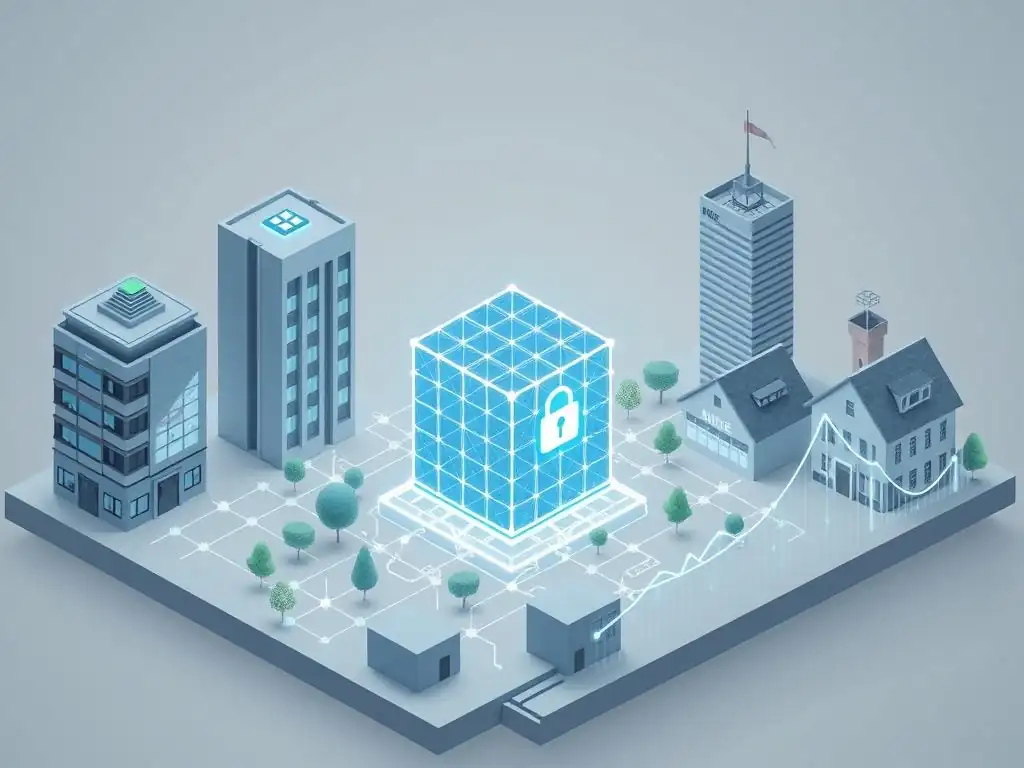
The theoretical benefits of blockchain in real estate are being put into practice by various platforms. Two prominent examples are Propy and RealT, each offering distinct approaches to leveraging blockchain technology for property transactions and investment. Examining these platforms provides concrete examples of how the concepts discussed are being implemented in the real world, including the development of models akin to a blockchain real estate investment trust.
While both platforms utilize blockchain, they differ in their focus, target market, and the specific services they provide. Understanding their models, successes, and challenges offers valuable insight into the current state and future potential of blockchain in the real estate industry.
Case Study: Propy - Successes and Challenges
Propy is a platform focused on facilitating real estate transactions entirely on the blockchain. Its primary goal is to automate the buying and selling process using smart contracts, from offer submission to title transfer. Propy gained attention for facilitating some of the earliest known full blockchain-based real estate transactions, including apartment sales in Ukraine and the US (like a condo in Miami sold in 2017). The platform aims to create a global real estate marketplace where properties can be listed, discovered, and transacted more efficiently.
A key success for Propy has been demonstrating the technical feasibility of executing complex real estate transactions on a blockchain, including handling legal documentation and regulatory compliance in different jurisdictions. However, challenges remain significant. Regulatory hurdles vary widely by location, making it difficult to scale a universal platform.
Mass adoption requires overcoming inertia in a deeply entrenched industry and educating consumers and professionals about the technology. While Propy explores tokenization, its core focus has been on streamlining the full transaction process rather than primarily building a blockchain real estate investment trust model, though their technology could potentially underpin such structures.
Comparison: Propy vs. RealT - Features and Functionality
Propy and RealT represent different facets of blockchain's application in real estate. Propy focuses on streamlining the transaction process for buying and selling entire properties, aiming to replace traditional closing methods with blockchain-based smart contracts and digital deeds. Its target is often individuals or entities looking to buy or sell specific properties more efficiently across borders. Propy's token (PRO) is primarily used within its ecosystem for transactional purposes and discounts.
RealT, on the other hand, focuses specifically on fractional ownership through security tokens. It acquires properties (primarily single-family homes in the US) and tokenizes them, allowing investors worldwide to buy shares (tokens) representing ownership in that specific property. RealT's model is closer to a fractional blockchain real estate investment trust for individual properties, providing investors with rental income distributed proportionally via stablecoins.
RealT targets investors seeking passive income and portfolio diversification with small ticket sizes. While Propy is building a marketplace for whole properties, RealT is creating a marketplace for tokenized, fractional ownership stakes in individual properties, offering a different pathway into blockchain real estate investment.
The Impact of Blockchain on Real Estate Investment
The transformative power of blockchain technology is reshaping how real estate is viewed and accessed as an investment class. The changes extend beyond mere technological upgrades; they challenge established norms and create entirely new possibilities for investors and the market structure itself. The emergence of concepts like the blockchain real estate investment trust is a testament to this shift.
This section delves deeper into the broader implications of blockchain on real estate investment, looking at future predictions, the critical role of regulation, and the obstacles that must be overcome for widespread adoption.
Reducing Costs and Streamlining Processes
One of the most immediate and tangible impacts of blockchain in real estate is the potential for significant cost reduction and process streamlining. Traditional real estate transactions are notoriously expensive and time-consuming, involving numerous intermediaries such as real estate agents, lawyers, title companies, and escrow services. These parties collectively charge fees that can amount to a substantial percentage of the property value, often ranging from 5% to over 10%. A blockchain-based system, utilizing smart contracts and a single, shared ledger, can automate many of these steps, potentially reducing the reliance on intermediaries.
For example, smart contracts can automate the transfer of ownership upon payment, eliminating the need for traditional escrow in some cases. Digital identities and property records on a blockchain can simplify due diligence and title verification. While not all intermediaries can be eliminated (legal expertise is still required), their roles can be streamlined, leading to faster closing times—potentially reducing transaction periods from weeks or months to days or even hours in the future. This efficiency gain translates directly into cost savings for both buyers and sellers, making real estate investment more economically attractive.
Expanding Access to Real Estate Investment Opportunities
Blockchain technology, fundamentally through the mechanism of tokenization, is dramatically lowering the barrier to entry for real estate investment. Historically, real estate has been an asset class primarily accessible to wealthy individuals and institutions due to the high capital requirements for purchasing properties outright or investing in large-scale developments. Tokenization allows a single property or a portfolio (like that held by a blockchain real estate investment trust) to be divided into thousands or millions of digital tokens, each representing a small fraction of ownership.
This fractionalization enables individuals to invest in real estate with relatively small amounts of capital, sometimes as low as $50 or $100. This opens up the market to a global pool of investors who were previously excluded. Furthermore, it allows investors to diversify their real estate holdings across different properties, locations, and types (residential, commercial, industrial) with greater ease than ever before, mitigating the risk associated with concentrating investment in a single asset. This democratization of access is a major disruptive force in the real estate investment landscape.
Enhancing Transparency and Trust in Real Estate Transactions
Transparency and trust are paramount in real estate, yet traditional systems often suffer from opacity, information silos, and potential for fraud. Blockchain's core features – immutability, transparency, and decentralization – directly address these issues. Every transaction and change in ownership recorded on a public or permissioned blockchain is permanently stored and visible to authorized parties. This creates a single, tamper-proof source of truth for property records, reducing the risk of forged documents, hidden liens, or disputed ownership claims.
For investors, particularly those participating in fractional ownership or a blockchain real estate investment trust, this enhanced transparency provides greater confidence in the legitimacy of the asset and the security of their investment. They can potentially verify ownership history, transaction details, and even property performance data directly on the blockchain. This eliminates the need for blind trust in intermediaries and governmental record-keeping systems that can be prone to errors or inefficiencies, fostering a more trustworthy investment environment.
Exploring Blockchain Real Estate Platforms: Propy and RealT
The theoretical benefits of blockchain in real estate are being translated into practical applications by various platforms emerging in the market. These platforms are pioneering different approaches to leveraging distributed ledger technology, smart contracts, and tokenization to improve real estate transactions and investment. Two notable platforms that illustrate these different approaches are Propy and RealT.
Examining Propy, which focuses on streamlining the full transaction process, and RealT, which specializes in fractional property ownership through tokens, provides concrete examples of how blockchain is being applied today. Their successes and challenges highlight the current state and future potential of blockchain in the real estate industry, including the evolution towards structures resembling a blockchain real estate investment trust.
Case Study: Propy - Successes and Challenges
Propy is a platform that aims to automate the entire real estate transaction process using blockchain technology, from listing and offer submission to digital signing and immutable record-keeping of the deed. A significant success for Propy has been executing several real-world property transactions on its platform, including a widely reported sale of a condo in Miami, Florida, in 2017, and subsequent transactions in other regions like Eastern Europe.
These transactions demonstrated the technical feasibility of conducting legal property transfers via blockchain, involving notarization and recording on the blockchain. Propy's focus has been on creating a global marketplace and transaction engine.
However, Propy faces substantial challenges, primarily related to the complex and diverse regulatory landscape of real estate across different jurisdictions. Legal frameworks for recognizing blockchain-based deeds and smart contracts as legally binding vary significantly and are often non-existent or unclear. Educating real estate professionals, lawyers, and consumers about the technology and building trust in a traditionally conservative industry also requires significant effort. While Propy has proven the concept, achieving widespread adoption requires navigating these legal, regulatory, and educational hurdles.
Comparison: Propy vs. RealT - Features and Functionality
Propy and RealT represent distinct models within the blockchain real estate space. Propy's core focus is on facilitating the entire process of buying and selling whole properties using blockchain technology. It provides tools for listing, making offers, digital signing, and recording the transaction on the blockchain, aiming to create a more efficient and transparent closing process for traditional property sales. Its platform is designed for users involved in a full property transaction.
RealT, conversely, specializes in fractional ownership of real estate assets through the issuance of security tokens. RealT acquires individual properties (primarily residential homes in the US) and creates tokens representing shares in the LLC that owns the property. Investors can buy these tokens, gaining fractional ownership and receiving rental income distributed proportionally (often in stablecoins).
RealT's model is essentially a tokenized fractional ownership platform for individual properties, functioning somewhat like a micro-blockchain real estate investment trust focused on specific assets rather than a broad portfolio. While Propy streamlines the sale of a property, RealT focuses on creating investment opportunities in properties by breaking them into tradable tokens.
The Future of Blockchain in Real Estate
The integration of blockchain technology into the real estate sector is still in its early stages, but its potential trajectory is significant. The innovations seen today, from tokenized assets to streamlined transactions, are laying the groundwork for a future where real estate investment and management could be fundamentally different. Predicting the exact pace and nature of this transformation requires considering various factors, including technological advancements, market acceptance, and critically, the evolving regulatory environment.
This section explores predictions for blockchain adoption, the crucial role that regulation will play in shaping the future of blockchain real estate, and the key challenges that must be overcome to achieve mass adoption of these technologies and structures like the blockchain real estate investment trust.
Predictions for Blockchain Adoption in the Real Estate Market
Expert predictions for blockchain adoption in real estate vary, but most indicate a significant increase over the next decade. Reports from major consulting firms often project that tokenized real estate could represent a multi-trillion-dollar market within 5-10 years. Initially, adoption is likely to continue in niche areas, such as fractional ownership platforms like RealT, luxury property transactions via platforms like Propy, and potentially within specific segments like commercial real estate or real estate funds structuring as a blockchain real estate investment trust.
As regulatory clarity improves and successful case studies become more numerous, adoption is expected to accelerate. The process of tokenizing assets will become more standardized and accessible. We may see traditional financial institutions and real estate firms increasingly explore or integrate blockchain solutions. While blockchain may not entirely replace traditional systems in the near future, it is poised to become an increasingly important tool for specific functions like record-keeping, fractional investment, and potentially even full transaction execution in certain markets.
The Role of Regulation in Shaping the Future of Blockchain Real Estate
Regulation is perhaps the single most critical factor influencing the future adoption of blockchain in real estate. The legal status of tokenized real estate assets, smart contracts as legal agreements, and the operation of platforms facilitating these activities is still largely undefined or inconsistent across jurisdictions. For instance, are real estate tokens considered securities, and if so, how do existing securities laws apply? How are property deeds recorded on a blockchain recognized legally?
Clear and favorable regulatory frameworks are essential for building investor confidence and enabling widespread adoption. Regulatory bodies need to provide guidance on compliance, consumer protection, and legal recognition of blockchain-based processes. Without regulatory certainty, the market for blockchain real estate investment trusts and other tokenized property offerings will struggle to move beyond early adopters and niche markets. Conversely, supportive regulation could unlock massive potential by providing the necessary legal foundation for these innovative structures.
Overcoming Challenges to Mass Adoption: Scalability and Interoperability
Beyond regulation, several technical and market-specific challenges must be addressed for blockchain to achieve mass adoption in real estate. Scalability remains a concern for many blockchain networks; handling the high volume of transactions required for a global real estate market could strain current network capacities. Solutions like Layer 2 scaling or purpose-built blockchains are being developed, but need to be proven at scale for real-world real estate demands.
Interoperability is another key challenge. The real estate ecosystem involves numerous parties and systems (land registries, banks, title companies, listing services). Blockchain platforms need to be able to seamlessly interact with these legacy systems and potentially with different blockchain networks. Furthermore, user experience needs to be simplified; the complexity often associated with blockchain technology (managing private keys, understanding wallets) must be significantly reduced for mainstream users. Addressing these technical and usability challenges is crucial for the widespread success of blockchain real estate solutions, including the blockchain real estate investment trust model.
Blockchain and Real Estate: The Rise of Digital Real Estate Investment
The convergence of blockchain technology and real estate is ushering in an era of digital real estate investment. This goes beyond simply using technology to improve existing processes; it involves creating entirely new ways to own, trade, and derive value from property. The concept of digital real estate investment is fundamentally linked to the ability to represent physical assets in a digital format on a decentralized ledger.
This paradigm shift is primarily driven by the tokenization of real estate assets, which facilitates fractional ownership and enhances liquidity. It is also giving rise to new investment vehicles designed specifically for this digital age, such as the emerging blockchain real estate investment trust.
The Democratization of Real Estate Investment Through Tokenization
Tokenization is the engine driving the democratization of real estate investment. By converting property rights into digital tokens on a blockchain, previously indivisible and illiquid assets can be broken down into small, affordable units. This allows investors to purchase fractions of high-value properties – be it a luxury apartment building, a commercial complex, or a portfolio of residential homes – with investment amounts significantly lower than traditional methods. Where buying a property might require hundreds of thousands of dollars, one might purchase tokens representing a share of that property for just a few hundred dollars.
This accessibility opens the real estate market to a much broader base of investors, including those with limited capital and individuals located anywhere in the world, overcoming geographical barriers. It empowers smaller investors to participate in lucrative real estate opportunities that were previously exclusive to large institutions or wealthy individuals, thereby leveling the playing field and making real estate investment more inclusive.
How Blockchain-Based REITs Compete with Traditional Real Estate Investments
A blockchain real estate investment trust (Blockchain REIT) offers a compelling alternative or complement to traditional real estate investments, including direct property ownership and traditional REITs. Compared to direct ownership, Blockchain REITs offer significantly lower entry points, greater diversification potential (by owning tokens across various properties/REITs), and theoretically much higher liquidity due to the tradable nature of the tokens on digital exchanges. The complexities and costs of property management are also handled by the REIT structure, similar to traditional REITs.
When compared to traditional REITs, Blockchain REITs leverage the inherent advantages of blockchain: enhanced transparency of asset ownership and transaction history, potential for lower administrative costs through smart contract automation (e.g., dividend distribution), and the possibility of 24/7 trading on token marketplaces (subject to regulatory developments). While traditional REITs offer diversification and professional management, Blockchain REITs aim to provide these benefits with added layers of transparency, efficiency, and accessibility inherent to the blockchain model, potentially offering a competitive edge in attracting digitally-savvy investors.
Addressing the Risks and Challenges of Blockchain Real Estate
Despite the significant potential, the path to widespread adoption of blockchain in real estate is not without obstacles. Like any nascent technology applied to a complex, highly regulated industry, blockchain real estate faces considerable risks and challenges that need to be carefully addressed by platforms, investors, and regulators alike. Understanding these hurdles is crucial for setting realistic expectations and working towards robust solutions.
Key challenges include navigating the uncertain regulatory landscape, ensuring the security of digital assets and smart contracts, and overcoming the inherent barriers to adoption, including the need for investor education.
Regulatory Uncertainty and Legal Frameworks
The most significant challenge for blockchain real estate is the lack of clear and consistent regulatory and legal frameworks across different jurisdictions. The legal status of tokenized property ownership is often ambiguous. Is a real estate token considered a security, requiring compliance with complex securities laws? How are property rights transferred and recognized legally when represented by tokens on a blockchain? Traditional land registries and legal systems are not yet equipped to handle blockchain-based deeds or ownership records seamlessly.
This regulatory uncertainty creates risk for both platforms and investors. Platforms face challenges in ensuring compliance across different markets, while investors face risks regarding the legal enforceability of their tokenized ownership rights. Developing clear, harmonized, and supportive regulations that recognize the unique aspects of blockchain technology while ensuring investor protection and market integrity is paramount for the growth of the blockchain real estate sector, including the operation of a blockchain real estate investment trust.
Security Concerns and Smart Contract Vulnerabilities
While blockchain is often touted for its security due to cryptographic principles and immutability, the application layer—smart contracts and platform interfaces—can be vulnerable. Smart contracts, which automate critical functions like fund transfers and ownership changes in real estate transactions, can contain bugs or logical flaws that could lead to significant financial losses. The decentralized nature of blockchain makes it difficult or impossible to reverse transactions executed incorrectly by a faulty smart contract, as seen in past incidents in the broader blockchain space.
Furthermore, the security of digital wallets holding real estate tokens and the platforms facilitating their trading is crucial. Hacks and theft of digital assets have occurred, highlighting the need for robust security measures, rigorous smart contract auditing, and best practices for private key management by investors. Ensuring the integrity and security of the entire ecosystem, from the underlying blockchain to the user interface, is a continuous challenge that requires significant technical expertise and vigilance.
Adoption Barriers and Investor Education
Mass adoption of blockchain in real estate faces significant human and systemic barriers. The real estate industry is traditionally slow to adopt new technologies, relying on established practices and relationships. Professionals like real estate agents, lawyers, and title companies may be resistant to changes that disrupt their existing roles. On the investor side, there is a significant need for education. Many potential investors are unfamiliar with blockchain technology, cryptocurrencies, tokenization, and the specific risks associated with digital assets.
Building trust and confidence in blockchain real estate platforms requires overcoming this knowledge gap. Investors need to understand how tokenization works, the legal basis (or lack thereof) for their ownership, the risks of investing in digital assets, and how platforms handle issues like property management and income distribution. Without widespread understanding and trust among both industry professionals and the investing public, the transition to blockchain-based real estate investment, including the blockchain real estate investment trust model, will be slow.
Conclusion: Embracing the Blockchain Revolution in Real Estate
The real estate market stands at the precipice of a significant transformation, driven by the disruptive capabilities of blockchain technology. From enhancing the efficiency of transactions through smart contracts to democratizing investment via tokenization and increasing transparency with decentralized ledgers, blockchain offers compelling solutions to many of the industry's long-standing challenges. While the journey towards widespread adoption is still underway and faces considerable hurdles, the potential benefits are too significant to ignore.
The emergence of innovative structures like the blockchain real estate investment trust is a clear indicator of the direction the market is heading. These new models promise greater accessibility, liquidity, and transparency for investors, potentially reshaping how individuals and institutions participate in the real estate asset class.
The Transformative Potential of Blockchain for the Real Estate Industry
Blockchain technology holds the potential to fundamentally transform nearly every aspect of the real estate lifecycle. It can streamline property listing and discovery, automate due diligence through verifiable digital records, execute transactions faster and cheaper via smart contracts, and manage property ownership and income distribution more efficiently through tokenization and decentralized ledgers. This can lead to a more dynamic, liquid, and globally accessible real estate market.
Beyond transactions, blockchain can improve property management, fractionalize debt and equity financing, and even enable new models for land registration and urban development. The enhanced transparency and security offered by the technology can reduce fraud and increase trust among all participants. While full transformation will take time and require collaboration across technology, legal, and real estate sectors, the tools provided by blockchain are powerful catalysts for change.
The Future of Real Estate Investment is Decentralized and Transparent
The future of real estate investment is increasingly likely to be characterized by decentralization and transparency, largely thanks to blockchain technology. Decentralization, through distributed ledgers and peer-to-peer capabilities, reduces reliance on central authorities and intermediaries, potentially lowering costs and increasing resilience. Transparency, through immutable and accessible transaction records, builds trust and reduces information asymmetry, empowering investors with better data.
Vehicles such as the blockchain real estate investment trust embody this future, offering a glimpse into a world where investing in a diverse portfolio of properties is as simple as buying a few tokens on a digital exchange, accessible to anyone with an internet connection. While challenges related to regulation, technology, and adoption persist, the trajectory is clear: blockchain is paving the way for a more open, efficient, and accessible real estate investment landscape. Embracing this revolution requires foresight, adaptation, and a commitment to building the necessary infrastructure and regulatory frameworks for this digital frontier.
Frequently Asked Questions
How does blockchain facilitate fractional ownership in real estate?
Blockchain enables fractional ownership by tokenizing real estate assets, dividing them into smaller, more affordable digital tokens. This allows a broader range of investors to participate and increases market liquidity.
What are the key benefits of using a Blockchain Real Estate Investment Trust (REIT)?
Blockchain REITs offer increased transparency and efficiency in property management and investment. They also lower transaction costs and provide easier access to global markets.
How does blockchain enhance security in real estate transactions?
Blockchain's immutable ledger ensures secure and transparent record-keeping, reducing the risk of fraud and disputes. Each transaction is permanently recorded and verifiable.
What role does DeFi play in the context of Blockchain REITs?
Decentralized Finance (DeFi) protocols can provide liquidity and yield farming opportunities for tokenized real estate. This allows investors to earn passive income on their holdings.
What are the regulatory challenges surrounding Blockchain REITs?
Regulatory frameworks are still evolving, and legal uncertainties surrounding digital asset classification and compliance requirements remain a challenge. Clarity is needed to foster wider adoption.
Final Reflection: Embracing the Decentralized Future of Real Estate
The insights shared throughout this article highlight a pivotal shift in the real estate landscape. Blockchain technology is no longer a futuristic concept; it's actively reshaping how real estate investment trusts (REITs) operate and how individuals engage with property ownership. The potential for increased transparency, efficiency, and accessibility within the blockchain real estate investment trust sector is undeniable, promising a more democratized and streamlined investment experience for all.
The impact of blockchain on real estate extends far beyond mere technological advancement. It's about fostering a new era of trust and collaboration, empowering investors with greater control and insight. Witnessing this transformation firsthand underscores the profound potential of decentralized technologies to revolutionize traditional industries. The future of real estate is not just about bricks and mortar; it's about data, transparency, and trust, all of which blockchain can provide.
This quote encapsulates the essence of the ongoing evolution, emphasizing the critical role of blockchain in building a more equitable and efficient real estate ecosystem.
As we stand on the cusp of this decentralized future, I invite you to consider the implications of blockchain technology for your own investment strategies. Explore the possibilities of blockchain real estate investment trusts, educate yourself on the benefits of tokenization, and actively participate in shaping the future of property ownership. The power to democratize real estate lies within our collective understanding and adoption of these transformative technologies. Let us embrace this opportunity to build a more transparent, accessible, and equitable real estate market for generations to come.
Unlock Your Real Estate Future with Blockchain!
Thank you for exploring how blockchain is transforming the real estate industry. Now that you understand the potential, it’s time to take action and become part of the movement.
Here’s how to get started:
- Research blockchain-based real estate platforms operating in your area. Identify the leading companies and learn about their unique features.
- Follow Blockchain Trends on social media platforms like Twitter and LinkedIn to stay informed about the latest updates and connect with industry professionals.
- Think creatively about how blockchain could be applied to real estate in your community. Could a blockchain-based property registry benefit your neighborhood?
What innovative blockchain solution will you explore first to help shape the future of real estate? Share your ideas in the comments below!
Leave a Reply