
Blockchain for Automotive Supply Chains: Ensuring Quality and Traceability in Complex Networks

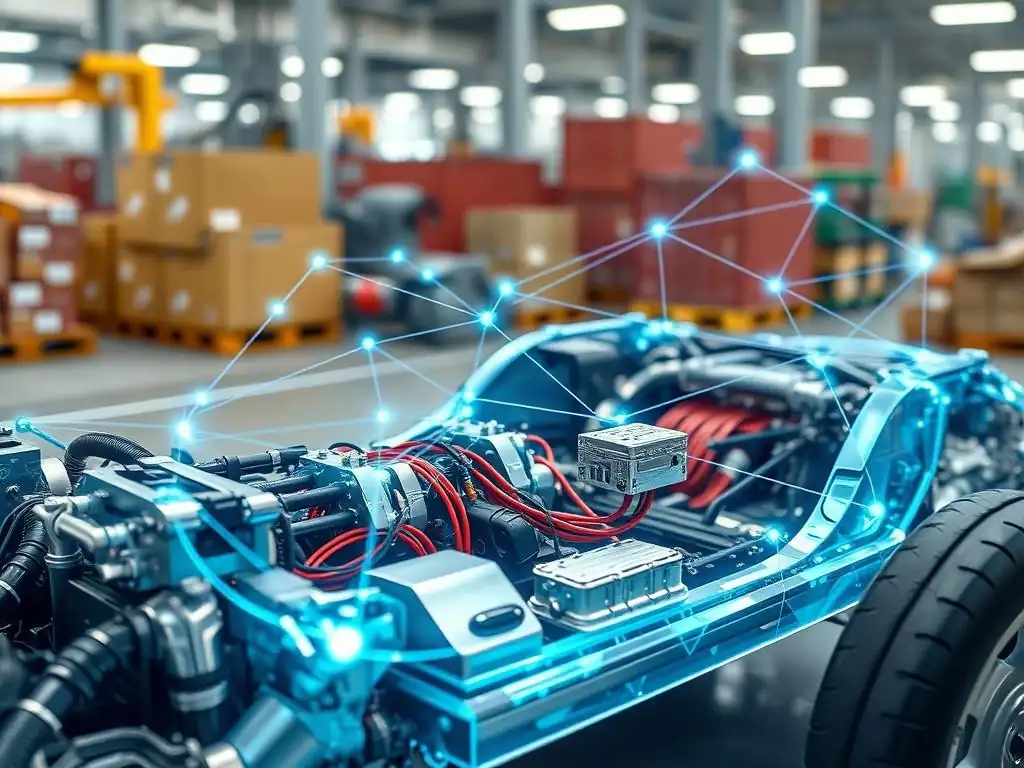
Welcome to Blockchain Trends, your source for understanding the real-world applications of blockchain technology. Ever wondered how blockchain can revolutionize industries beyond just cryptocurrency?
This week, we delve into a critical use case: Blockchain automotive supply chain quality. Discover how this powerful technology is ensuring transparency and traceability, ultimately driving higher quality and trust in complex automotive networks. Ready to explore the future of automotive manufacturing? Let's begin!
Real-time Visibility and Data Integrity in the Automotive Supply Chain
Traditional automotive supply chains often suffer from fragmented data silos and delayed information flow, making it difficult for manufacturers to gain real-time visibility into the location, status, and condition of parts and materials. This lack of transparency can lead to delays, increased costs, and challenges in ensuring the quality of components throughout the complex network. Blockchain technology addresses this by providing a single, shared, and immutable ledger where all participants in the supply chain can record transactions and events.
As a part moves through different stages—from raw material sourcing to manufacturing, assembly, and even distribution—its journey and relevant data (like quality checks, certifications, and ownership transfers) can be recorded on the blockchain. This creates an end-to-end, transparent log accessible to authorized parties, enabling real-time tracking and status updates that were previously impossible or prohibitively expensive to achieve across disparate systems.
Furthermore, the inherent nature of blockchain technology ensures data integrity, a critical factor for maintaining high blockchain automotive supply chain quality. Once data is recorded on the blockchain and validated by the network's consensus mechanism, it is extremely difficult to alter or delete without being detected. This immutability ensures that the history of a part or material is accurate and trustworthy, preventing manipulation or falsification of records related to origin, quality control checks, or compliance certifications.
For automotive manufacturers dealing with thousands of parts from hundreds of suppliers globally, having this level of data integrity is paramount for making informed decisions, verifying supplier claims, and rapidly identifying the source of quality issues or recalls. The enhanced visibility and verifiable data provided by a blockchain automotive supply chain solution significantly reduce the risk of errors and fraud, building a foundation of trust among supply chain partners.
- How can blockchain technology improve the traceability of automotive parts?
- What role does blockchain play in ensuring quality control within the automotive supply chain?
- Can blockchain help reduce fraud in the automotive supply chain, and if so, how?
- How does the decentralized nature of blockchain benefit automotive manufacturers and suppliers?
- What are some of the regulatory considerations that automotive companies should keep in mind when implementing blockchain solutions?
Frequently Asked Questions
How can blockchain technology improve the traceability of automotive parts?
Blockchain provides an immutable ledger that records every transaction and movement of parts throughout the supply chain. This enhanced transparency allows for easier tracking and verification of the origin and history of each component. The system also helps identify counterfeit parts.
What role does blockchain play in ensuring quality control within the automotive supply chain?
By recording data at each stage of production and distribution, blockchain enables real-time monitoring of quality standards. This allows for the quick identification of defects and the implementation of corrective actions, improving overall product quality.
Can blockchain help reduce fraud in the automotive supply chain, and if so, how?
Yes, blockchain's inherent security features make it difficult to tamper with records, thus reducing the risk of fraud. The decentralized and transparent nature of the technology ensures that all participants have access to the same information, minimizing opportunities for fraudulent activities.
How does the decentralized nature of blockchain benefit automotive manufacturers and suppliers?
Decentralization fosters greater collaboration and trust among supply chain partners. This leads to improved communication and data sharing, which optimizes processes, reduces costs, and enhances overall efficiency.
What are some of the regulatory considerations that automotive companies should keep in mind when implementing blockchain solutions?
Companies must be aware of data privacy regulations like GDPR and ensure compliance with industry standards. Furthermore, data security and interoperability with existing systems are critical aspects to consider.
Final Reflection: Driving Trust Through Transparency
The intricate web of the automotive supply chain, often a black box of components and processes, demands a new level of accountability. Blockchain technology offers precisely that: a transparent and immutable ledger to track every part, process, and transaction, ultimately bolstering quality and trust. This isn't just about efficiency; it's about building a future where consumers can be confident in the safety and origin of their vehicles.
The impact of blockchain on the automotive industry extends far beyond simple tracking. It's about fostering a culture of collaboration and shared responsibility, where every stakeholder, from raw material suppliers to dealerships, is invested in maintaining the integrity of the final product. This shift towards transparency is not merely a trend, but a fundamental requirement for survival in an increasingly competitive and discerning market. Trust is the glue of life. It's the most essential ingredient in effective communication. It's the foundational principle that holds all relationships.
- Stephen Covey. This quote perfectly encapsulates the need for blockchain's implementation in the automotive supply chain, where trust has often been a missing component.
As we move forward, let us embrace the potential of blockchain to revolutionize the automotive industry. Consider how you, as a consumer, a manufacturer, or a technology enthusiast, can contribute to this transformation. Let us strive to build a future where every vehicle represents not just transportation, but a testament to quality, traceability, and unwavering trust.
Drive Change: Reimagine Your Automotive Supply Chain Now!
Thank you for exploring how blockchain technology can transform automotive supply chains by improving quality and traceability. Now, it’s time to turn that knowledge into action!
Here are a few ways to get started:
- Take the wheel: Begin mapping your current supply chain processes to identify where blockchain integration could add value. Don’t wait for the future—start planning today!
- Join the Conversation: Engage with our community forum to share your ideas, challenges, and use cases related to blockchain in the automotive industry. Your insights can help shape the future!
- Unexpected Action: Consider researching emerging decentralized identity solutions and how they might verify supplier credentials securely. Be a pioneer in this innovative space!
How will you leverage blockchain to steer your automotive supply chain toward a more transparent and trustworthy future? Share your thoughts below!
Leave a Reply