
Government Adoption of SelfSovereign Identity: Towards CitizenCentric Services

Welcome to Blockchain Trends, your compass in the evolving landscape of decentralized technology.
Ever wondered how blockchain can revolutionize citizen services and reshape the very notion of identity? Dive into our exploration of blockchain government identity solutions and discover how self-sovereign identity is paving the way for more secure, transparent, and citizen-centric governance. The future of digital identity is here – are you ready to explore it?
- Benefits of SSI Government Identity Solutions
-
Frequently Asked Questions
- What is Self-Sovereign Identity (SSI) in the context of government services?
- How can blockchain technology facilitate the implementation of SSI for government identity solutions?
- What are the potential benefits of using blockchain-based SSI for citizens interacting with government services?
- What are the key regulatory considerations surrounding the adoption of blockchain-based SSI by governments?
- What are some potential challenges governments might face when implementing blockchain-based SSI solutions?
- Final Reflection: Embracing Citizen-Centric Identity
- Unlock Your Digital Freedom: Embrace Self-Sovereign Identity!
Benefits of SSI Government Identity Solutions
Enhanced Data Security and Privacy for Citizens
One of the foremost advantages of implementing self-sovereign identity (SSI) in government is the significant enhancement of data security and citizen privacy. Traditional centralized identity systems often store vast amounts of sensitive personal data in single databases, creating attractive targets for cyberattacks. High-profile data breaches in government systems have demonstrated the vulnerability of this model, sometimes exposing millions of records and costing agencies substantial sums for remediation and identity protection services.
With blockchain government identity solutions leveraging SSI, personal data is not stored centrally by the government. Instead, individuals hold their verified credentials in a secure digital wallet, sharing only the minimum necessary information (claims) required for a specific transaction or service, often proven cryptographically without revealing the underlying data.
This decentralized approach drastically reduces the attack surface for malicious actors. Instead of attempting to compromise one large database, an attacker would need to target individual citizen wallets, which are protected by strong cryptographic keys controlled by the user. Furthermore, the use of verifiable credentials means that citizens share proof of attributes (like being over 18 or being a resident) rather than the attributes themselves (like a full date of birth or home address) unless explicitly required.
This principle of minimal disclosure is fundamental to SSI and provides a level of privacy simply unattainable in systems where governments retain copies of all personal documents and information. The immutability and transparency (of verification history, not personal data) offered by the underlying blockchain technology in blockchain government identity solutions add another layer of security by making credential issuance and verification records tamper-evident, enhancing trust in the system's integrity.
Streamlined Government Processes and Reduced Bureaucracy
Implementing SSI solutions can dramatically streamline interactions between citizens and government entities, cutting through layers of bureaucracy that often involve repetitive identity verification. Currently, citizens may need to provide physical or digital copies of multiple identification documents for various services – applying for benefits, renewing licenses, accessing healthcare records, or interacting with different agencies.
Each process often requires separate validation steps, leading to delays, frustration, and inefficiencies for both citizens and government staff. SSI allows citizens to verify their identity and specific attributes once with a trusted issuer (like a government agency issuing a digital birth certificate or driver's license) and then reuse that verified credential across different services and departments without needing to re-prove their identity from scratch each time.
This shift towards reusable, verifiable credentials significantly reduces administrative overhead. Imagine applying for unemployment benefits: instead of submitting copies of ID, proof of address, and past employment verification, a citizen could simply present verifiable credentials for these claims from their digital wallet. The relevant government agency could instantly and securely verify these credentials against the issuing sources via the blockchain infrastructure supporting the SSI system.
This not only speeds up the application process for the citizen but also frees up government resources previously spent on manual document checks and data entry. Estimates suggest that streamlining identity verification alone could reduce processing times for various government services by 30-50%, leading to substantial efficiency gains and a more positive citizen experience when interacting with blockchain government identity solutions.
Increased Transparency and Accountability in Public Services
While SSI is designed to enhance individual privacy, the underlying blockchain technology supporting blockchain government identity solutions can simultaneously increase transparency and accountability within government operations related to identity verification and service access. The process of issuing and verifying verifiable credentials can be recorded on a distributed ledger.
While the content of the credentials and the specific personal data remain private to the user and the verifier (with user consent), the fact that a credential was issued or verified at a certain time can be immutably logged. This creates an auditable trail of identity-related transactions within the public service framework.
This auditable trail provides a level of accountability that is difficult to achieve with traditional, opaque systems. For example, in the context of benefit distribution, SSI can ensure that only eligible individuals (those presenting the correct verified credentials) access services. The log on the ledger can show when and by whom a credential was verified for a specific service, providing a transparent record for audits and preventing fraudulent claims or unauthorized access.
This doesn't mean exposing who received the benefit, but rather verifying the integrity of the process of verification. Furthermore, the decentralized nature of blockchain government identity solutions means there is no single point of control that can easily manipulate verification records, fostering greater trust in the fairness and integrity of public service delivery mechanisms.
Cost Savings through Decentralized Identity Management
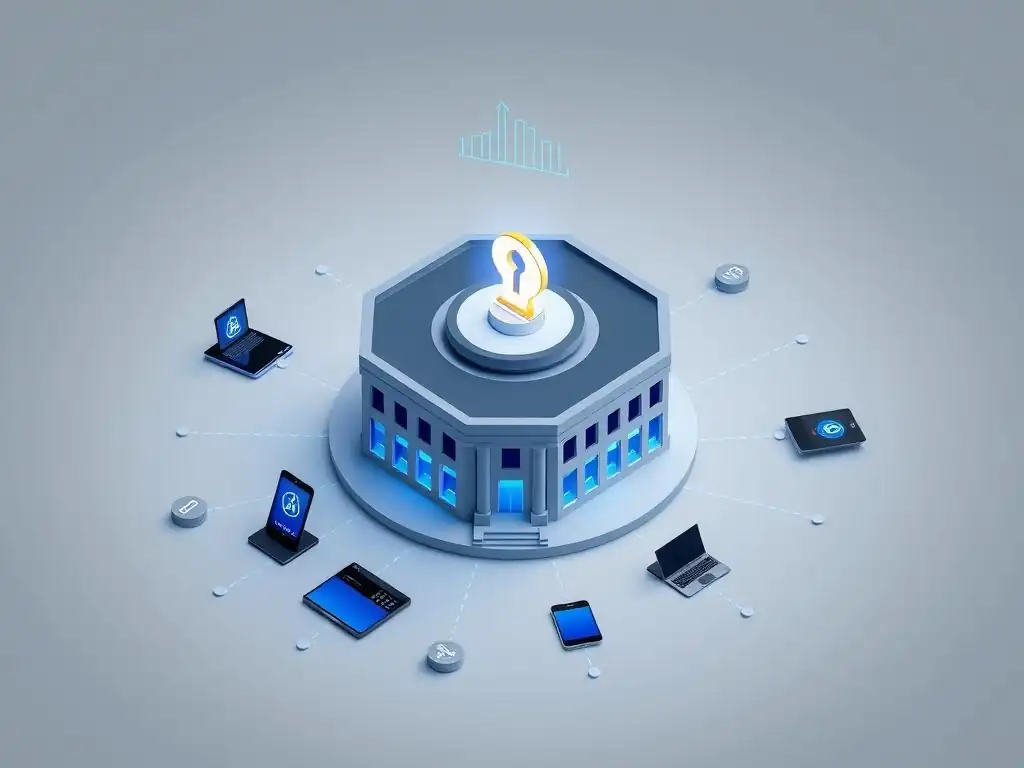
Adopting SSI and blockchain government identity solutions presents significant opportunities for cost savings for public sector organizations. Traditional identity management systems often involve substantial infrastructure costs for building and maintaining large, centralized databases, as well as ongoing expenses for security, backups, and disaster recovery. Furthermore, the administrative burden of verifying physical documents, managing paper trails, and manually updating records across different departments contributes significantly to operational costs. SSI shifts the burden of data storage and management away from the government and onto the individual, using secure digital wallets.
By reducing the reliance on centralized data repositories and automating verification processes through verifiable credentials, governments can potentially lower infrastructure investments and decrease administrative overhead. The reduction in fraud, enabled by more secure and verifiable identities, also contributes to cost savings, as fraudulent claims for benefits or services can cost governments billions annually.
While initial implementation of blockchain government identity solutions requires investment, the long-term operational savings from reduced data management costs, streamlined processes, lower fraud rates, and decreased need for identity recovery services (due to enhanced security) can offer a compelling return on investment over time. Pilot programs and studies in various countries exploring digital identity solutions often project significant cost reductions in identity-related public services upon successful, large-scale deployment.
Improved Citizen Trust and Engagement with Government
Perhaps one of the most impactful, albeit less tangible, benefits of implementing SSI in government is the potential to significantly improve citizen trust and engagement. For years, citizens have expressed concerns about government handling of their personal data, fueled by data breaches, privacy invasions, and a lack of control over how their information is used. Centralized systems where citizens feel their data is vulnerable and where interactions are cumbersome and bureaucratic erode confidence. Blockchain government identity solutions built on SSI principles directly address these concerns by putting the individual back in control of their identity.
When citizens know they hold their own verifiable credentials securely and decide when and with whom to share specific pieces of information, it fundamentally changes the power dynamic. This empowerment fosters a sense of agency and security regarding personal data. A more secure, private, and streamlined interaction with government services, enabled by SSI, leads to a more positive citizen experience.
This improved experience and the increased trust stemming from enhanced privacy and security can encourage greater adoption of digital government services and foster a more engaged citizenry willing to interact with public institutions in the digital realm. This trust is a crucial foundation for successful digital transformation initiatives within the public sector.
Frequently Asked Questions
What is Self-Sovereign Identity (SSI) in the context of government services?
SSI empowers individuals with control over their own digital identities, allowing them to share verified credentials directly with government agencies without relying on centralized databases. This fosters greater privacy and data security.
How can blockchain technology facilitate the implementation of SSI for government identity solutions?
Blockchain provides a secure and immutable ledger for verifying identity credentials. It enables a decentralized system where citizens can manage their identities and grant selective access to their data to government entities.
What are the potential benefits of using blockchain-based SSI for citizens interacting with government services?
Citizens gain enhanced privacy and control over their personal information. It streamlines access to services, reduces fraud through verifiable credentials, and simplifies administrative processes.
What are the key regulatory considerations surrounding the adoption of blockchain-based SSI by governments?
Regulations must address data privacy concerns, ensure compliance with existing legal frameworks (e.g., GDPR), and establish standards for interoperability between different identity systems.
What are some potential challenges governments might face when implementing blockchain-based SSI solutions?
Challenges include public awareness and education, the need for robust cybersecurity measures to protect against attacks on the blockchain network, and ensuring accessibility and inclusivity for all citizens, regardless of their technological proficiency.
Final Reflection: Embracing Citizen-Centric Identity
The exploration of government adoption of Self-Sovereign Identity (SSI) reveals a crucial shift towards empowering citizens with control over their digital identities. This isn't just a technological advancement; it's a fundamental reimagining of the relationship between individuals and the state, particularly relevant in an era increasingly defined by digital interactions and data privacy concerns.
The potential of SSI to reshape citizen-centric services is profound. It's about more than just convenience; it's about restoring trust and agency in a world where data breaches and identity theft are rampant. The promise of verifiable credentials and decentralized identifiers offers a pathway to secure, transparent, and user-controlled interactions with government agencies. As the saying goes: Identity is the new perimeter of security.
This underscores the critical need for solutions like SSI that prioritize individual control and data protection.
As we look to the future, let us not simply observe the evolution of blockchain government identity solutions, but actively participate in shaping them. Consider how you can advocate for policies that prioritize citizen empowerment and data privacy. Reflect on the ways you can leverage these technologies to build a more secure and equitable digital society, where individuals are truly at the center of their own identity narrative.
Okay, I'm ready to craft a Call to Action (CTA) for the end of a web article titled "Government Adoption of Self-Sovereign Identity: Towards Citizen-Centric Services" for Blockchain Trends (blockchaintrends.org). Here it is:
Unlock Your Digital Freedom: Embrace Self-Sovereign Identity!
Thank you for exploring the potential of Self-Sovereign Identity (SSI) in transforming government services and empowering citizens. We hope you now understand how this innovative technology can lead to greater control and security over your personal data. Now, it's time to take action!
Here are a few ways you can champion the future of citizen-centric services:
- Advocate for SSI Adoption: Contact your local representatives and express your support for government initiatives that prioritize self-sovereign identity. Help shape policy and ensure that citizen control over data becomes a reality.
- Explore SSI Solutions: Discover leading SSI platforms and applications to understand the technology's practical applications and benefits. Educate yourself on how these tools can enhance your digital security.
- Share the Knowledge: Spread the word about the benefits of SSI by sharing this article and other resources with your network. Help others understand how this technology can revolutionize the way we interact with government services.
How will you use your newfound knowledge to advocate for a more secure and citizen-centric digital future? Share your thoughts and plans in the comments below!
Leave a Reply