
Desktop Wallet Firewalls: Protecting Your Crypto from Network Intrusions

Welcome to Blockchain Trends, your go-to source for understanding the revolutionary impact of blockchain technology.
Ever wonder how secure your crypto really is, especially when it's sitting on your desktop? In this article, we delve into the critical need for a secure desktop crypto wallet and how firewalls can act as the first line of defense against network intrusions. Discover the vulnerabilities you might be overlooking and learn practical steps to fortify your digital assets. Ready to unlock the secrets to a more secure crypto experience?
- Types of Firewalls for Secure Desktop Crypto Wallets
-
Frequently Asked Questions
- How does a desktop crypto wallet firewall protect my assets?
- What are the main threats a desktop crypto wallet firewall defends against?
- Are all desktop crypto wallets equally vulnerable to network intrusions?
- Can a firewall completely eliminate the risk of crypto theft from my desktop wallet?
- What should I look for in a good desktop crypto wallet firewall?
- Final Reflection: Fortifying the Digital Vault
- Secure Your Crypto: Fortify Your Digital Fortress Today!
Types of Firewalls for Secure Desktop Crypto Wallets
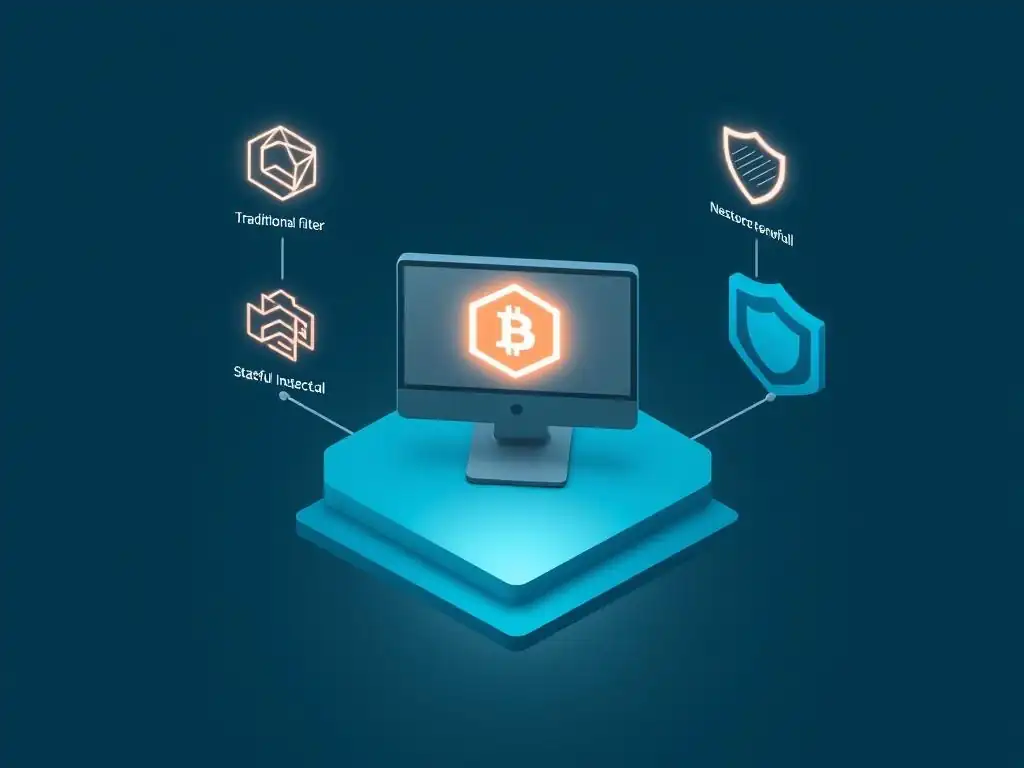
Software Firewalls: Protecting Your Crypto with Programs
Software firewalls are applications installed directly onto your computer's operating system. They act as a barrier between your secure desktop crypto wallet and the network, monitoring incoming and outgoing traffic based on predefined rules. These rules determine which connections are allowed or blocked, effectively preventing unauthorized access attempts and data breaches.
For instance, a software firewall can be configured to block connections from suspicious IP addresses known for malicious activity or to restrict specific applications (like a wallet) from connecting to the internet unless explicitly permitted. Most modern operating systems, such as Windows Defender Firewall or macOS's built-in firewall, include software firewall capabilities, though third-party solutions often offer more advanced features and granular control, which can be beneficial when aiming for a highly secure desktop crypto wallet setup.
The effectiveness of a software firewall for protecting a secure desktop crypto wallet heavily relies on its configuration and the threat landscape. While they are relatively easy to install and manage, they operate within the same system as the wallet, making them potentially vulnerable if the operating system itself is compromised. Data suggests that a significant percentage of cyberattacks targeting individuals involve malware delivered through software vulnerabilities or phishing, which a well-configured software firewall can help mitigate by blocking malicious connections before they reach the wallet application.
For example, a 2022 report noted that phishing was responsible for a substantial portion of data breaches, and firewalls act as a crucial filtering layer against such threats. However, they don't offer protection against threats originating from within the compromised system itself, highlighting the need for a multi-layered security approach when safeguarding a secure desktop crypto wallet.
Hardware Firewalls: The Extra Layer of Security
Hardware firewalls are physical devices that sit between your computer and the internet connection, typically integrated into routers or standalone appliances. Unlike software firewalls, they inspect network packets before they even reach your computer, offering a more robust first line of defense.
These devices often employ stateful packet inspection, which tracks the state of network connections (like TCP sessions) to make more intelligent decisions about allowing or blocking traffic. For someone prioritizing the utmost security for their secure desktop crypto wallet, a hardware firewall provides an essential additional layer, separating the protective mechanism entirely from the potentially vulnerable operating system where the wallet resides.
Implementing a hardware firewall, whether it's a consumer-grade router with built-in firewall features or a dedicated business-grade appliance, can significantly reduce the attack surface for your secure desktop crypto wallet. While consumer routers offer basic protection, enterprise-grade hardware firewalls provide advanced features like intrusion prevention systems (IPS), VPN capabilities, and sophisticated traffic filtering based on application type or user identity.
While specific data on crypto wallet attacks thwarted by hardware firewalls is hard to isolate, broader cybersecurity reports consistently show that network perimeter defenses, which hardware firewalls provide, are crucial in blocking a large volume of automated and targeted attacks before they penetrate the internal network where sensitive assets like a secure desktop crypto wallet are stored. Their physical separation makes them less susceptible to software-based exploits targeting the end device, making them an invaluable component of a comprehensive security strategy.
Frequently Asked Questions
How does a desktop crypto wallet firewall protect my assets?
A desktop wallet firewall acts as a security barrier, monitoring and controlling network traffic to prevent unauthorized access and malicious intrusions that could compromise your crypto holdings.
What are the main threats a desktop crypto wallet firewall defends against?
It primarily defends against threats like network intrusion attempts, malware infections targeting your wallet, and unauthorized access to your computer that could lead to crypto theft.
Are all desktop crypto wallets equally vulnerable to network intrusions?
No. Wallets with robust security features and encryption techniques are generally less vulnerable. However, any wallet connected to the internet is susceptible, making a firewall essential.
Can a firewall completely eliminate the risk of crypto theft from my desktop wallet?
While it significantly reduces the risk, a firewall is not foolproof. Combining it with strong passwords, two-factor authentication, and regular software updates provides a layered security approach.
What should I look for in a good desktop crypto wallet firewall?
Look for features like real-time threat detection, customizable security rules, outbound connection monitoring, and a user-friendly interface that allows you to easily manage your firewall settings.
Final Reflection: Fortifying the Digital Vault
The digital frontier, once a boundless expanse of opportunity, now demands vigilance. The escalating threat of network intrusions makes securing our digital assets, especially cryptocurrency, paramount. This article has explored the critical role of desktop wallet firewalls in safeguarding crypto holdings, highlighting their necessity in an increasingly hostile online environment. The insights shared are not merely theoretical; they represent a practical defense against real and present dangers.
The impact of compromised crypto wallets extends far beyond financial loss; it erodes trust in the entire digital ecosystem. Understanding and implementing these security measures is not just about protecting personal wealth, but about contributing to a more secure and resilient future for cryptocurrency. Security is not a product, but a process.
This quote underscores the continuous effort required to stay ahead of evolving threats and maintain the integrity of our digital assets.
As you navigate the complexities of the crypto world, remember that security is a journey, not a destination. Take the knowledge gained here and apply it to your own digital life. Explore the firewall options available, configure them diligently, and stay informed about the latest security threats. Your proactive efforts will not only protect your crypto but also contribute to a safer and more trustworthy digital landscape for everyone.
Secure Your Crypto: Fortify Your Digital Fortress Today!
Thank you for exploring the importance of desktop wallet firewalls and how they can protect your valuable crypto assets from network threats. Now is the time to take action and strengthen your defenses. Consider implementing a strong firewall on your desktop to keep your digital assets safe. You might also look into advanced firewall settings or intrusion detection systems to add extra layers of security. Sharing this guide with fellow crypto enthusiasts can help build a more secure community and protect everyone’s investments.
What specific firewall rule are you using today to enhance your crypto security? Share your insights and tips in the comments below!
Leave a Reply