
The Power of Decentralization: Blockchain's Impact on Identity Management


Welcome to Blockchain Trends, your compass in the rapidly evolving world of decentralized technology. Beyond the hype of cryptocurrencies, we delve into the real-world applications shaping our future. Discover how blockchain is revolutionizing industries from finance to governance. Intrigued by the possibilities? Then explore how blockchain identity management solutions secure our digital identities in a world increasingly vulnerable to data breaches. Uncover the potential of decentralized identity and how it's reshaping trust in the digital age.
The Power of Decentralization: Blockchain's Impact on Identity Management
- Introduction: Understanding the Need for Secure Identity Management
- Blockchain Identity Management Solutions Secure: A Deep Dive
- How Blockchain is Revolutionizing Digital Identity
- Benefits of Implementing Blockchain Identity Solutions
- Challenges and Considerations for Blockchain Identity Adoption
- The Future of Decentralized Identity: Blockchain's Role
- Conclusion: Embracing the Decentralized Future of Identity
-
Frequently Asked Questions
- What are blockchain identity management solutions and how do they differ from traditional systems?
- How do blockchain identity management solutions enhance security compared to centralized databases?
- What are some real-world applications of blockchain identity management solutions beyond financial services?
- What role does regulation play in the adoption of blockchain identity management solutions?
- How will blockchain identity management solutions secure the future of digital interactions?
- Final Reflection: Embracing a Decentralized Future
- Reimagine Your Digital Identity!
Introduction: Understanding the Need for Secure Identity Management
The Challenges of Traditional Identity Systems
Traditional identity management systems, as we know them today, are riddled with vulnerabilities and inefficiencies. Centralized databases, the cornerstone of most current systems, become honeypots for cyberattacks. Data breaches at Equifax in 2017, exposing the personal information of approximately 147 million individuals, and Yahoo in 2013, affecting 3 billion accounts, serve as stark reminders of the fragility of these centralized models.
Furthermore, users often lack control over their personal data, with identity information scattered across numerous platforms and organizations, creating a fragmented and insecure digital footprint. This lack of user agency and the inherent risks of centralized data storage highlight the urgent need for more robust and user-centric identity solutions.
Beyond security concerns, traditional systems often suffer from a lack of interoperability. Individuals are forced to create and manage multiple accounts and passwords across different services, leading to password fatigue and security risks associated with password reuse. This siloed approach not only inconveniences users but also hinders seamless data sharing and verification across different platforms and industries. The current model is also often opaque, with limited transparency regarding how personal data is collected, used, and shared, raising significant privacy concerns in an increasingly data-driven world.
Why Decentralization Matters for Identity Solutions
Decentralization offers a compelling alternative to the shortcomings of traditional identity systems, particularly when leveraging blockchain technology. By distributing control and data across a network, decentralization inherently reduces the single points of failure that plague centralized systems. Blockchain's immutable ledger ensures data integrity and transparency, making it significantly harder for malicious actors to tamper with identity information. This inherent security advantage is crucial in building trust and confidence in digital identity solutions.
Moreover, decentralized identity solutions, often referred to as self-sovereign identity (SSI), empower individuals with greater control over their personal data. Users can manage their own digital identities, choosing what information to share and with whom, without relying on intermediaries. This shift in power dynamic fosters a more privacy-preserving and user-centric approach to identity management. Decentralized systems also promote interoperability by establishing open standards and protocols, enabling seamless identity verification and data exchange across diverse platforms and applications, ultimately creating a more cohesive and efficient digital ecosystem.
Blockchain Identity Management Solutions Secure: A Deep Dive
What is Blockchain-Based Identity?
Blockchain-based identity is a paradigm shift in how we manage and control digital identities. Instead of relying on centralized authorities to store and verify personal information, blockchain identity management solutions secure identity data on a distributed ledger. This ledger is cryptographically secured, making it tamper-proof and transparent. In essence, blockchain provides the infrastructure for individuals to own and control their digital identities, granting them sovereignty over their personal data.
At its core, blockchain identity leverages cryptographic keys to establish and verify identity claims. Users hold private keys that control access to their identity information, while public keys are used for verification. This cryptographic foundation ensures that only the identity owner can authorize access to their data.
Furthermore, the decentralized nature of blockchain eliminates the need for central identity providers, reducing the risk of data breaches and enhancing user privacy. This approach moves away from a system where identity is granted by institutions to one where identity is owned and controlled by the individual, secured by robust cryptographic mechanisms inherent in blockchain technology.
Key Features of Blockchain Identity Platforms
Blockchain identity platforms offer a range of features that address the limitations of traditional systems, providing more secure, private, and user-centric identity management. These platforms are designed to be resilient, transparent, and empowering for individuals seeking greater control over their digital lives.
Immutability and Security in Identity Verification
Immutability is a cornerstone feature of blockchain technology that significantly enhances the security of identity verification. Once identity information is recorded on the blockchain, it becomes virtually impossible to alter or delete, providing a tamper-proof record of identity attributes and credentials. This immutability is crucial for establishing trust in digital identities, as it ensures that verified information remains consistent and reliable over time. The cryptographic hashing and distributed consensus mechanisms inherent in blockchain further solidify security, making blockchain identity management solutions secure against unauthorized modifications and fraud.
For example, consider a scenario where a university issues a degree credential on a blockchain identity platform. Once recorded, this credential cannot be fraudulently altered by either the university or the degree holder. Verifiers can cryptographically confirm the authenticity of the degree directly on the blockchain, eliminating the need for intermediaries and reducing the risk of forged credentials. This inherent security and immutability streamline verification processes and enhance the trustworthiness of digital identities across various applications.
Enhanced Privacy and User Control
Blockchain identity platforms prioritize user privacy by design. They empower individuals with granular control over their identity data, allowing them to selectively share specific attributes or verifiable credentials with relying parties, rather than disclosing their entire identity profile. This principle of minimal data disclosure, often referred to as data minimization, significantly reduces the risk of privacy breaches and unauthorized data collection. Furthermore, decentralized architectures eliminate the need for large centralized identity repositories, mitigating the honeypot effect that attracts cybercriminals.
Self-sovereign identity (SSI) principles are often integrated into blockchain identity platforms, further amplifying user control and privacy. SSI empowers individuals to create and manage their own digital identities independently, without relying on centralized identity providers. Users store their identity data in digital wallets and control access to their information through cryptographic keys. This user-centric approach contrasts sharply with traditional systems where identity data is often held and controlled by organizations, giving individuals greater agency and privacy in their digital interactions.
Interoperability and Cross-Platform Identity
Interoperability is a critical feature of blockchain identity platforms, addressing the fragmented nature of traditional identity systems. By leveraging open standards and protocols, blockchain identity solutions are designed to enable seamless identity verification and data exchange across different platforms, applications, and even organizations. This interoperability eliminates the need for users to create and manage multiple disparate identities, simplifying digital interactions and reducing identity silos.
For instance, a user verified on one blockchain identity platform for KYC purposes in the financial sector could potentially reuse that verified identity to access services in healthcare or government sectors, provided those sectors adopt compatible blockchain identity solutions. This cross-platform identity functionality streamlines onboarding processes, reduces redundancy, and fosters a more connected and efficient digital ecosystem. The use of Decentralized Identifiers (DIDs) and Verifiable Credentials (VCs), often based on W3C standards, further promotes interoperability and standardization within the blockchain identity space.
How Blockchain is Revolutionizing Digital Identity
Self-Sovereign Identity (SSI): Empowering Individuals
Self-Sovereign Identity (SSI) represents a fundamental shift in the concept of digital identity, placing individuals at the center of their identity ecosystem. SSI, often enabled by blockchain technology, empowers individuals to create, control, and manage their own digital identities independently, without reliance on intermediaries or centralized authorities. This paradigm shift grants individuals unprecedented agency over their personal data and how it is used in the digital realm.
With SSI, individuals possess digital wallets where they securely store their identity credentials and attributes. These credentials can be issued by various trusted entities, such as governments, universities, or employers, and are cryptographically signed and verifiable. When interacting with online services or applications, individuals can selectively share specific verifiable credentials from their wallets, proving their identity or specific attributes without revealing unnecessary personal information. This user-centric model enhances privacy, reduces data breaches, and fosters a more trustworthy and transparent digital identity landscape.
Use Cases: Blockchain Identity Management in Action
Blockchain identity management solutions are not just theoretical concepts; they are being actively deployed and explored across various industries, demonstrating their practical value and transformative potential. Real-world use cases are emerging that highlight the versatility and benefits of secure blockchain identity management.
Healthcare: Secure Patient Data Management
In healthcare, blockchain identity management solutions secure patient data management by providing patients with greater control over their medical records and enhancing data security and privacy. Currently, patient data is often siloed across different healthcare providers, creating inefficiencies and security risks. Blockchain can enable patients to own and control their Electronic Health Records (EHRs), granting them the ability to selectively share their medical information with authorized healthcare professionals.
For example, MedRec, a blockchain-based system developed at MIT, allows patients to maintain a decentralized record of their medical history. This system enhances data security, improves data portability, and empowers patients to participate actively in managing their healthcare information. Blockchain identity can also streamline patient identification and verification processes, reducing administrative overhead and improving the accuracy of patient records, ultimately leading to better patient care and outcomes.
Finance: Streamlining KYC/AML Processes
The financial industry is actively exploring blockchain identity management solutions secure for streamlining Know Your Customer (KYC) and Anti-Money Laundering (AML) processes. Traditional KYC/AML procedures are often cumbersome, costly, and duplicative, requiring customers to repeatedly provide the same identity information to different financial institutions. Blockchain identity can create reusable digital identities that are verified once and can be shared securely and efficiently across multiple financial service providers.
Companies like Evernym are developing blockchain-based identity solutions that aim to simplify and secure KYC/AML compliance. These solutions enable individuals to create and control their verified digital identities, which can be shared with financial institutions with user consent. This approach reduces redundancy, lowers compliance costs for financial institutions, and improves the customer onboarding experience while maintaining robust security and regulatory compliance.
Supply Chain: Verifying Product Authenticity
Blockchain identity management solutions play a crucial role in verifying product authenticity and enhancing transparency in supply chains. Counterfeit goods and supply chain fraud are significant global issues, costing businesses and consumers billions of dollars annually. Blockchain can provide an immutable and transparent record of a product's journey through the supply chain, from origin to consumer, verifying its authenticity and provenance.
For instance, OriginTrail is a blockchain-based protocol designed to enhance supply chain transparency and traceability. By assigning unique digital identities to products and recording key events on the blockchain, OriginTrail enables stakeholders to verify product authenticity and track its movement through the supply chain. This application of blockchain identity helps combat counterfeiting, improves consumer trust, and enhances the efficiency and security of supply chain operations.
Government: Secure and Transparent Citizen Identification
Governments are exploring blockchain identity management solutions for creating more secure and transparent citizen identification systems. Traditional national identification systems are often vulnerable to fraud and data breaches. Blockchain can offer a more secure and tamper-proof infrastructure for issuing and managing digital identities for citizens, enhancing security and reducing identity fraud.
Estonia, a pioneer in digital governance, has explored blockchain technology for various government services, including digital identity. While not fully blockchain-based for national identity, Estonia's e-Residency program utilizes blockchain-like technologies for data integrity and security. Blockchain-based citizen identity systems can improve the efficiency of government services, enhance citizen privacy, and reduce the risk of identity theft and fraud, contributing to more secure and citizen-centric governance.
Benefits of Implementing Blockchain Identity Solutions
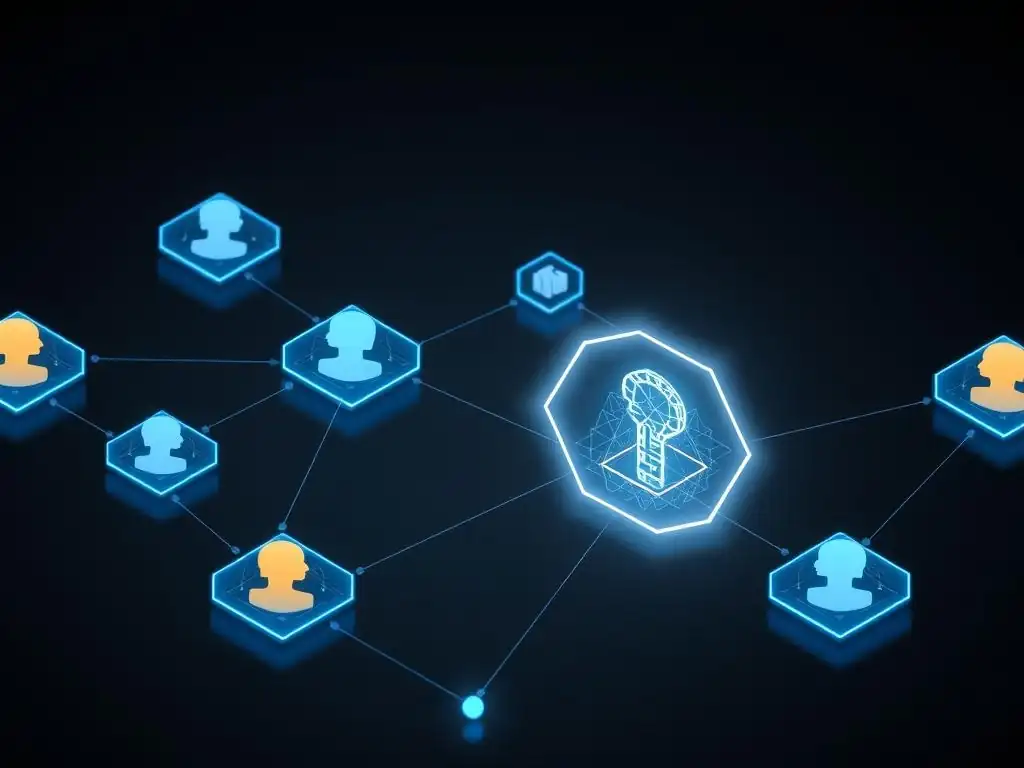
Enhanced Security and Reduced Fraud
Implementing blockchain identity solutions offers significant enhancements in security and a substantial reduction in fraud compared to traditional systems. The inherent security features of blockchain, such as cryptography, immutability, and decentralization, create a more robust and resilient identity infrastructure. By eliminating single points of failure and making data tampering extremely difficult, blockchain significantly reduces the risk of data breaches and unauthorized modifications of identity information.
The use of cryptographic keys in blockchain identity ensures that only authorized individuals can access and control their identity data. Furthermore, the transparency of the blockchain ledger allows for auditability and verification of identity transactions, making it easier to detect and prevent fraudulent activities. These security advantages translate to reduced identity theft, fraud in online transactions, and a more secure digital environment for individuals and organizations alike.
Improved Data Privacy and Compliance
Blockchain identity solutions are designed with privacy in mind, offering significant improvements in data privacy and compliance with evolving data protection regulations like GDPR and CCPA. Self-sovereign identity principles embedded in many blockchain identity platforms empower individuals with greater control over their personal data, aligning with the core tenets of modern privacy regulations. Users can selectively share only the necessary identity attributes, minimizing data disclosure and enhancing privacy.
Decentralized architectures reduce the need for centralized data repositories, mitigating the risks associated with large-scale data breaches. Furthermore, blockchain's transparency and auditability can assist organizations in demonstrating compliance with data privacy regulations by providing a clear record of data access and usage. By prioritizing user control and data minimization, blockchain identity solutions contribute to a more privacy-preserving and compliant digital identity ecosystem.
Cost Savings and Operational Efficiency
Adopting blockchain identity solutions can lead to significant cost savings and operational efficiency gains for organizations and individuals. Streamlined identity verification processes, reduced administrative overhead, and lower fraud rates contribute to substantial cost reductions. For organizations, the elimination of redundant KYC/AML processes and the automation of identity verification can lead to significant operational efficiencies.
For individuals, reusable digital identities eliminate the need to repeatedly provide the same information to different service providers, saving time and effort. Furthermore, reduced fraud and identity theft translate to lower financial losses and improved trust in digital transactions. The long-term cost benefits and efficiency gains associated with blockchain identity solutions make them an attractive alternative to traditional, often cumbersome and expensive, identity management systems.
Streamlined Onboarding Processes
Blockchain identity solutions can dramatically streamline onboarding processes for various services and applications. Reusable digital identities and simplified verification mechanisms enabled by blockchain significantly reduce the friction associated with user onboarding. Instead of lengthy and repetitive identity verification procedures, users can leverage their verified blockchain identities to quickly and seamlessly access new services.
For instance, in financial services, blockchain identity can enable instant account opening and faster access to financial products. In e-commerce, streamlined onboarding can improve user experience and reduce cart abandonment rates. The efficiency gains in onboarding processes translate to improved customer satisfaction, faster service delivery, and enhanced business agility.
Challenges and Considerations for Blockchain Identity Adoption
Scalability and Performance Limitations
While blockchain technology offers numerous advantages for identity management, scalability and performance limitations remain significant challenges for widespread adoption. Public blockchains, in particular, often face challenges in processing high volumes of transactions and handling large numbers of users efficiently. The consensus mechanisms required to maintain the integrity of the blockchain can also introduce latency and limit transaction throughput.
For blockchain identity solutions to scale to meet the demands of large populations and high-volume applications, ongoing technological advancements are necessary. Layer-2 scaling solutions, such as state channels and rollups, are being explored to improve the scalability of blockchain networks. Furthermore, the choice of blockchain platform, whether public, private, or consortium, can impact scalability and performance characteristics. Careful consideration of scalability requirements is crucial when designing and deploying blockchain identity solutions.
Regulatory Uncertainty and Compliance Hurdles
Regulatory uncertainty and compliance hurdles pose significant challenges to the widespread adoption of blockchain identity solutions. The legal and regulatory landscape surrounding digital identity and blockchain technology is still evolving globally. Lack of clear regulatory frameworks and standards can create uncertainty for organizations considering implementing blockchain identity solutions.
Issues such as data privacy regulations, cross-border data transfers, and legal recognition of digital identities need to be addressed by policymakers and regulators. Furthermore, compliance with industry-specific regulations, such as KYC/AML in finance and HIPAA in healthcare, needs to be carefully considered when deploying blockchain identity solutions. Clearer regulatory guidance and the development of interoperable standards are essential to foster a conducive environment for blockchain identity adoption.
User Adoption and Education
User adoption and education are critical factors for the successful deployment of blockchain identity solutions. For blockchain identity to become mainstream, widespread user adoption is necessary. However, the technical complexities associated with blockchain and self-sovereign identity concepts can pose a barrier to user adoption. Many users may be unfamiliar with concepts like digital wallets, private keys, and verifiable credentials.
Effective user education and simplified user interfaces are crucial to overcome these adoption challenges. User-friendly wallet applications and intuitive onboarding processes are necessary to make blockchain identity accessible and appealing to a broad range of users. Furthermore, clear communication about the benefits of blockchain identity, such as enhanced security, privacy, and control, is essential to drive user adoption and build trust in these new identity paradigms.
Key Management and Recovery
Key management and recovery are critical considerations for blockchain identity solutions, particularly concerning user-controlled private keys. Users are responsible for safeguarding their private keys, which control access to their digital identities. Loss or compromise of private keys can lead to the loss of access to identity data and associated digital assets. Robust key management and recovery mechanisms are essential to mitigate these risks.
Solutions such as multi-signature wallets, social recovery mechanisms, and secure hardware wallets are being explored to enhance key security and provide users with options for key recovery in case of loss or compromise. Balancing security with usability in key management is crucial for ensuring the long-term viability and user-friendliness of blockchain identity solutions.
The Future of Decentralized Identity: Blockchain's Role
Emerging Trends in Blockchain Identity Management
The field of blockchain identity management is rapidly evolving, with several emerging trends shaping its future trajectory. These trends are focused on enhancing privacy, security, interoperability, and user experience, paving the way for wider adoption and innovative applications of decentralized identity.
Decentralized Identifiers (DIDs) and Verifiable Credentials (VCs)
Decentralized Identifiers (DIDs) and Verifiable Credentials (VCs) are foundational technologies driving the interoperability and standardization of blockchain identity. DIDs are unique, globally resolvable identifiers that enable individuals and organizations to control their digital identities independently. VCs are digitally signed credentials that represent verifiable claims about identity attributes or qualifications.
The World Wide Web Consortium (W3C) is actively standardizing DIDs and VCs, promoting interoperability and cross-platform compatibility for decentralized identity solutions. Adoption of these standards is crucial for creating a more cohesive and interconnected decentralized identity ecosystem, enabling seamless identity verification and data exchange across diverse applications and platforms.
Biometric Authentication on the Blockchain
Biometric authentication is increasingly being integrated with blockchain identity solutions to enhance security and user experience. Biometric methods, such as fingerprint scanning, facial recognition, and iris scanning, provide strong and convenient authentication factors. Combining biometrics with blockchain's security and immutability can create highly secure and user-friendly identity verification processes.
For example, biometric data can be used to authorize access to a user's blockchain identity wallet or to verify specific identity attributes. However, careful consideration of privacy implications and secure storage of biometric data on or off-chain is crucial when integrating biometrics with blockchain identity solutions.
Zero-Knowledge Proofs for Enhanced Privacy
Zero-Knowledge Proofs (ZKPs) are cryptographic techniques that enable verification of information without revealing the underlying data itself. ZKPs are emerging as a powerful tool for enhancing privacy in blockchain identity management. They allow individuals to prove specific attributes or claims about their identity without disclosing sensitive personal information.
For instance, using ZKPs, an individual could prove that they are over 18 years of age without revealing their exact date of birth. This privacy-preserving verification capability is particularly valuable in scenarios where minimal data disclosure is desired or required by privacy regulations. Integration of ZKPs into blockchain identity solutions is expected to significantly enhance privacy and user control over personal data.
The Potential Impact on Financial Services
Blockchain identity management has the potential to revolutionize financial services, addressing key challenges related to KYC/AML compliance, fraud prevention, and customer onboarding. Streamlined KYC/AML processes enabled by blockchain identity can significantly reduce compliance costs for financial institutions and improve customer onboarding efficiency. Reusable digital identities can eliminate redundant verification steps and create a more seamless customer experience.
Furthermore, blockchain identity can enhance security and reduce fraud in financial transactions. Tamper-proof identity records and secure verification mechanisms can help prevent identity theft and fraudulent account openings. The adoption of blockchain identity in financial services has the potential to create a more efficient, secure, and customer-centric financial ecosystem.
Conclusion: Embracing the Decentralized Future of Identity
Blockchain Identity Management: A Paradigm Shift
Blockchain identity management represents a paradigm shift in how we approach digital identity. Moving away from centralized, vulnerable systems, blockchain offers a decentralized, secure, and user-centric model for managing digital identities. This shift empowers individuals with greater control over their personal data, enhances privacy, and fosters a more trustworthy and transparent digital environment.
The principles of self-sovereign identity, enabled by blockchain technology, are reshaping the landscape of digital identity, placing individuals at the center of their identity ecosystem. This paradigm shift has the potential to transform various sectors, from healthcare and finance to supply chain and government services, creating more efficient, secure, and user-friendly digital interactions.
Preparing for a Future Where Identity is Owned and Controlled by Individuals.
As blockchain identity management matures and adoption increases, we are moving towards a future where identity is increasingly owned and controlled by individuals. This decentralized future of identity promises greater security, privacy, and user empowerment in the digital age. Preparing for this future requires ongoing innovation, standardization, regulatory clarity, and user education.
Embracing blockchain identity management solutions secure is not just about adopting new technology; it's about embracing a new philosophy of digital identity – one that prioritizes individual rights, data privacy, and user agency. By fostering collaboration between technology developers, policymakers, and users, we can collectively build a decentralized future of identity that is secure, inclusive, and empowering for all.
Frequently Asked Questions
What are blockchain identity management solutions and how do they differ from traditional systems?
Blockchain identity management solutions leverage the decentralized and immutable nature of blockchain to create self-sovereign identities. This contrasts with traditional systems where identity data is centrally controlled and vulnerable to breaches.
How do blockchain identity management solutions enhance security compared to centralized databases?
By distributing identity data across a blockchain network, the risk of a single point of failure is eliminated. This reduces the attack surface and makes it significantly harder for hackers to compromise identity information.
What are some real-world applications of blockchain identity management solutions beyond financial services?
Applications include secure digital credentials for education and employment, patient data management in healthcare, and supply chain tracking to verify product authenticity and provenance.
What role does regulation play in the adoption of blockchain identity management solutions?
Clear and supportive regulation is crucial for fostering trust and encouraging widespread adoption. It provides a legal framework for businesses and individuals to confidently utilize these solutions while addressing concerns about data privacy and compliance.
How will blockchain identity management solutions secure the future of digital interactions?
By empowering individuals with control over their own identity data, these solutions will enable more secure, transparent, and trustworthy digital interactions, leading to a more decentralized and user-centric online experience.
Final Reflection: Embracing a Decentralized Future
The exploration of blockchain's potential in identity management reveals a crucial truth: the future of security lies in decentralization. As centralized systems increasingly face vulnerabilities and data breaches, the promise of blockchain identity management solutions offers a compelling alternative, empowering individuals with greater control and security over their digital identities. This shift isn't just about technology; it's about reclaiming ownership in an increasingly digital world.
The impact of this technology extends far beyond mere security protocols. It touches upon fundamental questions of autonomy and trust in the digital age. The ability to verify identity without relying on intermediaries has profound implications for everything from online voting to accessing healthcare records. The blockchain is not only disrupting the financial industry, but it's also revolutionizing the way we think about identity and trust,
– Don Tapscott. This quote perfectly encapsulates the transformative potential that blockchain holds for redefining how we interact and transact online, fostering a more equitable and secure digital landscape.
Now, consider the implications of this shift for your own digital life. How can you advocate for and embrace decentralized solutions that empower you with greater control over your identity? Reflect on the current systems you rely on and envision a future where your digital identity is truly yours, secured by the immutable power of the blockchain. The power to shape that future rests, in part, with you.
Reimagine Your Digital Identity!
Thank you for exploring how blockchain can revolutionize identity management. You've gained valuable insights into how decentralization empowers individuals to control their personal data and transform the digital landscape. Now, it's time to put that knowledge into action!
Here are some ways you can lead this movement:
- Investigate blockchain-based identity platforms to understand their features and benefits. Experiencing these tools firsthand will give you a glimpse of the future of digital identity.
- Share this article with your network to start a conversation about the importance of data ownership in today's digital world. Let's spread awareness!
- Think of three practical ways you could use a decentralized identity system in your daily life—whether securing your online accounts or verifying your credentials.
How will you harness the power of decentralized identity to take control of your digital footprint today?
Leave a Reply