
NFTs and the Metaverse: Exploring the Symbiotic Relationship

Welcome to Blockchain Trends, your go-to source for understanding the revolutionary impact of blockchain technology.
Delve into the fascinating world where digital ownership meets immersive experiences. Ever wondered how the NFTs metaverse symbiotic relationship growth is reshaping the future of digital interaction? This article unveils the intricate connections and explosive potential. Prepare to explore how these technologies are converging to create entirely new possibilities, and why understanding this synergy is crucial for anyone interested in the future of the web. Read on to discover the exciting implications!
NFTs and the Metaverse: Exploring the Symbiotic Relationship
- Understanding the Foundations: NFTs and the Metaverse Defined
- The NFTs Metaverse Symbiotic Relationship: A Mutually Beneficial Growth
- Use Cases: Examples of NFTs Powering the Metaverse
- Driving Growth: How NFTs are Expanding the Metaverse Ecosystem
- Challenges and Considerations for NFTs in the Metaverse
- The Future of NFTs and the Metaverse: A Look Ahead
- Conclusion: The Enduring Power of the NFTs Metaverse Symbiotic Relationship
-
Frequently Asked Questions
- What is the symbiotic relationship between NFTs and the metaverse?
- How do NFTs contribute to the growth of the metaverse?
- What are some examples of NFTs being used in the metaverse?
- What are some of the key challenges facing the NFTs-metaverse symbiotic relationship?
- How might the regulatory landscape impact the future of the NFTs-metaverse symbiotic relationship?
- Final Reflection: Cultivating Growth in the Digital Frontier
- Unleash the Metaverse: Start Your NFT Journey!
Understanding the Foundations: NFTs and the Metaverse Defined
What are NFTs? A Deep Dive into Non-Fungible Tokens
Non-Fungible Tokens, or NFTs, are unique digital assets representing ownership of items, whether digital or physical. Unlike cryptocurrencies like Bitcoin, which are fungible (one Bitcoin is interchangeable with another), NFTs are distinct and cannot be replaced by something else. This uniqueness is verified and secured on a blockchain, acting as a digital certificate of authenticity and ownership. Think of them as digital collectibles, certificates of ownership, or even tickets, each carrying its own distinct identity and value. The technology underpinning NFTs leverages smart contracts on blockchains like Ethereum, Solana, and Polygon, ensuring transparency and immutability of ownership records.
The rise of NFTs has been remarkable, with markets like OpenSea and Rarible facilitating billions of dollars in transactions. In 2021, the NFT market saw explosive growth, reaching an estimated $25 billion in sales volume, according to reports from DappRadar.
Notable examples of NFTs include digital art pieces like Beeple's "Everydays: The First 5000 Days," which sold for $69 million at Christie's, and collectibles like CryptoPunks and Bored Ape Yacht Club (BAYC) NFTs, which have become status symbols and community access passes, often trading for hundreds of thousands, or even millions, of dollars. This inherent digital scarcity and verifiable ownership have paved the way for NFTs to become integral components of the evolving digital landscape, particularly within the metaverse.
Defining the Metaverse: Virtual Worlds and Immersive Experiences
The metaverse, broadly defined, is a persistent, shared, 3D virtual world or worlds where users can interact with each other, digital objects, and experiences. It is envisioned as an immersive digital reality that blurs the lines between the physical and digital realms. The metaverse is not a single entity but rather a constellation of interconnected virtual environments, potentially encompassing virtual reality (VR), augmented reality (AR), and mixed reality (MR) technologies. These virtual worlds offer users opportunities for social interaction, entertainment, commerce, and even work, creating a sense of presence and shared experience that transcends geographical boundaries.
While still in its nascent stages, the metaverse is rapidly evolving, with companies like Meta (formerly Facebook), Microsoft, and Epic Games investing heavily in its development. Platforms such as Decentraland, The Sandbox, and VRChat are early examples of metaverse environments, offering users spaces to socialize, build, play games, and participate in virtual events.
Market analysts at Bloomberg Intelligence estimate that the metaverse market could reach $800 billion by 2024, indicating the immense potential and anticipated growth in this sector. The metaverse is not just about gaming; it's about creating persistent digital spaces where people can live, work, and play, and NFTs are emerging as a crucial element in establishing digital ownership and economies within these virtual worlds.
The Intersection: How NFTs Found a Home in the Metaverse
The convergence of NFTs and the metaverse is a natural evolution, driven by the need for digital ownership and verifiable scarcity within these virtual environments. NFTs provide the crucial layer of ownership for digital assets in the metaverse, enabling users to truly own virtual land, avatars, in-game items, digital art, and more. Without NFTs, digital assets in virtual worlds would largely remain centralized and controlled by the platform providers.
NFTs empower users by granting them verifiable ownership and control over their digital possessions, mirroring the concept of ownership in the physical world. This fundamental aspect of digital ownership is critical for building robust and user-centric metaverse ecosystems.
Imagine purchasing a plot of virtual land in Decentraland. This ownership is represented by an NFT, securely recorded on the Ethereum blockchain. This NFT acts as a deed, proving your ownership of that specific piece of virtual real estate.
Similarly, a unique avatar skin or a rare in-game weapon can be represented as NFTs, allowing players to trade, sell, and use these assets across compatible metaverse platforms (in theory, though interoperability is still developing). This integration of NFTs into the metaverse is not just about collectibles; it's about establishing a foundation for digital economies, user empowerment, and the creation of truly decentralized virtual worlds. The NFTs metaverse symbiotic relationship is thus established because NFTs provide the ownership layer that the metaverse needs to function as a user-owned and driven ecosystem.
The NFTs Metaverse Symbiotic Relationship: A Mutually Beneficial Growth
Enhanced Digital Ownership: NFTs Empowering Metaverse Users
NFTs are fundamentally transforming the concept of digital ownership within the metaverse. In traditional online games and virtual worlds, users might "own" in-game items, but these items are typically controlled by the game developers or platform providers. This means that the platform can alter, remove, or even shut down access to these digital assets at any time.
NFTs, however, shift this paradigm by granting users true, verifiable ownership of their digital assets. Once an NFT representing a virtual item is in a user's wallet, they have complete control over it, independent of the platform or game. This empowerment is a cornerstone of the NFTs metaverse symbiotic relationship.
This enhanced digital ownership has profound implications for metaverse users. For instance, consider the ownership of virtual land NFTs. Platforms like The Sandbox and Decentraland sell virtual land as NFTs. Owners of these land NFTs can build experiences, rent out their land, or even sell it on secondary markets, all with full control and without needing permission from the platform itself.
This contrasts sharply with traditional virtual worlds where land and assets are typically leased or controlled by the platform operator. According to a report by NonFungible.com, virtual land sales in the metaverse reached over $500 million in 2021, demonstrating the strong demand and perceived value in owning digital real estate as NFTs. This tangible ownership fosters a sense of investment and participation, driving user engagement and growth within the metaverse ecosystem.
Interoperability and Portability: NFTs Breaking Down Metaverse Silos
A key promise of the metaverse and a crucial aspect of the NFTs metaverse symbiotic relationship growth is interoperability – the ability for users and their assets to move seamlessly between different virtual worlds. While true interoperability is still a work in progress, NFTs play a vital role in enabling this vision.
Because NFTs are based on open blockchain standards, they have the potential to be recognized and utilized across various metaverse platforms, breaking down the silos that currently exist between different virtual worlds. Imagine owning an avatar NFT that you can use not just in one specific game, but across multiple compatible metaverse environments.
Currently, interoperability is limited, but projects are emerging to address this challenge. For example, initiatives focused on avatar portability are exploring ways to create universal avatar formats that can be recognized across different platforms. Furthermore, standards for NFT metadata and smart contracts are being developed to facilitate cross-platform compatibility.
While the metaverse is still largely fragmented, the underlying technology of NFTs provides a pathway towards a more interconnected and open metaverse. The potential for users to carry their digital identities, assets, and reputations across different virtual worlds, facilitated by NFTs, is a significant driver of the metaverse's long-term growth and user adoption.
Monetization Opportunities: NFTs Fueling the Metaverse Economy
NFTs are not just about ownership and interoperability; they are also catalysts for new economic models and monetization opportunities within the metaverse, strengthening the NFTs metaverse symbiotic relationship. By enabling verifiable digital scarcity and ownership, NFTs create the foundation for digital economies where users can buy, sell, trade, and earn value from their digital assets and creations. This has opened up new avenues for creators, developers, and users to participate in and benefit from the metaverse economy.
One prominent example is the rise of play-to-earn (P2E) gaming in the metaverse. Games like Axie Infinity utilize NFTs to represent in-game assets such as Axies (creatures) and land. Players can earn cryptocurrency and NFTs by playing the game, which they can then trade or sell on secondary markets. According to reports, Axie Infinity generated over $1 billion in NFT trading volume in 2021, demonstrating the economic potential of NFT-based metaverse games.
Beyond gaming, NFTs are also enabling new revenue streams for artists, musicians, and content creators in the metaverse. They can sell digital art, music, virtual fashion items, and experiences as NFTs, directly to their audience, bypassing traditional intermediaries and retaining a larger share of the value they create. This burgeoning metaverse economy, fueled by NFTs, is attracting investment, innovation, and a growing user base, further driving the growth of the metaverse ecosystem.
Use Cases: Examples of NFTs Powering the Metaverse
Virtual Land Ownership: NFTs as Deeds to Metaverse Real Estate
Virtual land ownership is one of the most prominent and impactful use cases of NFTs in the metaverse. Platforms like Decentraland, The Sandbox, and CryptoVoxels offer virtual land parcels represented as NFTs. These NFTs function as verifiable deeds of ownership, granting holders the right to control and develop their virtual land within these metaverse environments. This ownership is permanent and recorded on the blockchain, providing a level of security and autonomy not typically found in traditional digital platforms. The concept of owning virtual real estate, powered by NFTs, is driving significant investment and development within the metaverse.
The value of virtual land NFTs has seen substantial appreciation. For example, plots in Decentraland and The Sandbox have been sold for hundreds of thousands of dollars, and in some cases, millions. These virtual land parcels are not just digital collectibles; they are spaces for building virtual businesses, hosting events, creating experiences, and engaging with the metaverse community.
Brands and individuals are purchasing virtual land to establish a presence in the metaverse, recognizing its potential for marketing, community building, and commerce. For instance, major brands like Adidas and Atari have acquired land in The Sandbox to create branded experiences and virtual stores. This real-world investment in NFT-based virtual land underscores the growing belief in the metaverse's future and the crucial role of NFTs in establishing digital ownership within it.
Digital Avatars and Identities: Expressing Yourself with NFT Avatars
NFTs are revolutionizing digital avatars and identities within the metaverse, offering users new ways to express themselves and establish their unique presence in virtual worlds. Traditional avatars are often limited to platform-provided options and lack true individuality and ownership. NFT avatars, on the other hand, provide verifiable uniqueness and ownership, allowing users to create and control their digital identities across various metaverse platforms (where interoperability is supported). These NFT avatars can range from unique 2D and 3D character designs to collectible avatars like Bored Apes or CryptoPunks, which serve as status symbols and community identifiers.
Projects like Ready Player Me are working towards creating interoperable avatar systems that leverage NFTs. Users can create a single avatar that is represented as an NFT and then use this avatar across multiple participating metaverse platforms and applications. This portability of digital identity is a key step towards a more interconnected and user-centric metaverse.
Furthermore, NFT avatars are becoming increasingly customizable and expressive. Users can acquire NFT-based virtual clothing, accessories, and even emotes to further personalize their avatars and showcase their style and personality in the metaverse. The use of NFTs for avatars not only enhances self-expression but also creates new markets for digital fashion and avatar customization, contributing to the growing metaverse economy.
In-Game Assets and Collectibles: NFTs Revolutionizing Metaverse Gaming
NFTs are transforming the landscape of metaverse gaming by enabling true ownership of in-game assets and collectibles. Traditionally, in-game items are controlled by game developers and cannot be traded or sold outside of the game's ecosystem. NFTs change this by representing in-game items – such as weapons, characters, virtual land, and cosmetic items – as unique, tradable digital assets on the blockchain. This empowers players with true ownership and control over their in-game possessions, fostering a player-driven economy within metaverse games.
Games like Axie Infinity, Decentraland, and The Sandbox are at the forefront of this NFT gaming revolution. In Axie Infinity, players collect and battle with Axies, creatures represented as NFTs. These Axies can be bred, traded, and sold on NFT marketplaces, creating a vibrant play-to-earn ecosystem. Similarly, in The Sandbox, players can create and own in-game assets as NFTs, which they can use to build games and experiences on their virtual land.
The integration of NFTs into metaverse gaming not only enhances player ownership but also creates new monetization models for game developers and players alike. Players can earn cryptocurrency and NFTs by playing games, while developers can generate revenue through NFT sales and in-game economies. This shift towards NFT-based gaming is attracting a new generation of players and investors to the metaverse, driving further growth and innovation in the gaming sector.
Metaverse Art Galleries and NFT Showcases
The metaverse is becoming a vibrant hub for digital art and NFT showcases, creating new avenues for artists to display and sell their work and for collectors to experience and acquire digital art in immersive virtual environments. NFT art galleries in the metaverse provide virtual spaces where artists can exhibit their NFT artworks, reaching a global audience and bypassing the limitations of traditional physical galleries. These virtual galleries offer interactive and immersive experiences, allowing visitors to explore digital art in 3D spaces and engage with artists and other collectors.
Platforms like Decentraland and CryptoVoxels host numerous virtual art galleries and NFT showcases. Projects like SuperRare and MakersPlace have established virtual galleries in Decentraland, where they regularly host exhibitions of curated NFT art. These virtual galleries are not just replicas of physical spaces; they offer unique possibilities for displaying and experiencing digital art, such as dynamic displays, interactive elements, and virtual events.
Furthermore, the metaverse facilitates direct interaction between artists and collectors, fostering a sense of community and collaboration within the digital art world. The growth of metaverse art galleries and NFT showcases is expanding the reach and accessibility of digital art, creating new opportunities for artists and collectors and further solidifying the NFTs metaverse symbiotic relationship.
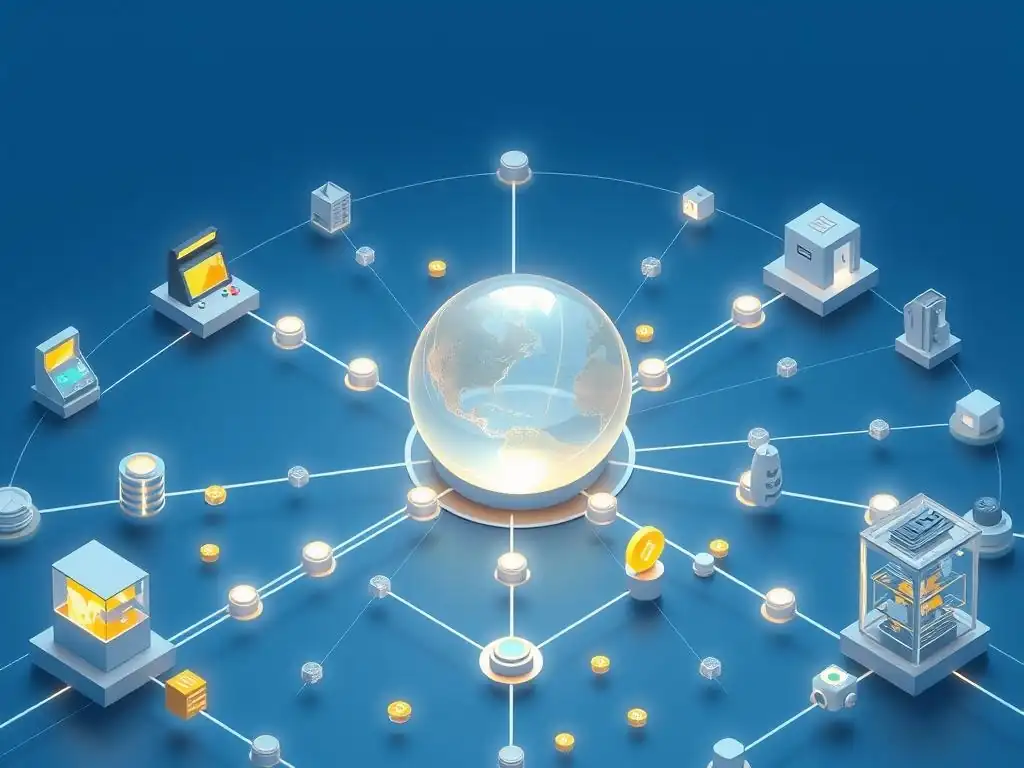
Driving Growth: How NFTs are Expanding the Metaverse Ecosystem
Increased User Engagement: NFTs Creating Interactive Experiences
NFTs are significantly enhancing user engagement within the metaverse by creating more interactive, immersive, and rewarding experiences. The element of digital ownership provided by NFTs fosters a sense of investment and participation that is not present in traditional virtual worlds. When users own digital assets as NFTs, they have a vested interest in the metaverse and are more likely to actively engage with its content and community. This increased engagement is a key driver of the NFTs metaverse symbiotic relationship growth.
NFTs enable new forms of interactive experiences within the metaverse. For example, NFT-gated access to virtual events, exclusive communities, and premium content is becoming increasingly common. Holding a specific NFT can grant users entry to exclusive virtual concerts, conferences, or private communities within the metaverse, creating a sense of exclusivity and belonging.
Furthermore, NFTs are being used to create interactive games and experiences within virtual worlds. Users can collect NFT-based game assets, participate in NFT-powered quests, and earn rewards in the form of NFTs or cryptocurrency. This gamification of the metaverse, driven by NFTs, is attracting a wider audience and fostering deeper user engagement, contributing to the overall growth and vibrancy of the metaverse ecosystem.
New Revenue Streams for Creators: NFTs Empowering Metaverse Artists
NFTs are revolutionizing the way creators, particularly metaverse artists, monetize their work, establishing new and more equitable revenue streams. In traditional digital platforms, creators often rely on centralized platforms and intermediaries, which can take a significant cut of their earnings and limit their control over their creations. NFTs empower creators by allowing them to directly sell their digital art, music, virtual fashion, and experiences to their audience, bypassing intermediaries and retaining a larger share of the value they create. This empowerment is a crucial aspect of the NFTs metaverse symbiotic relationship.
NFT marketplaces and platforms like OpenSea, Rarible, and SuperRare provide creators with tools to mint, list, and sell their NFTs directly to collectors. Smart contracts embedded within NFTs can also ensure that creators receive royalties on secondary sales of their work, providing ongoing revenue streams beyond the initial sale. This direct-to-consumer model, facilitated by NFTs, is transforming the economics of digital creation and empowering metaverse artists to build sustainable careers.
Furthermore, NFTs are enabling new forms of creative expression and monetization within the metaverse. Artists are creating immersive virtual art installations, interactive NFT experiences, and digital wearables that can be sold and traded as NFTs, opening up entirely new possibilities for artistic innovation and economic opportunity within the metaverse.
Enhanced Community Building: NFTs Fostering Metaverse Communities
NFTs are playing a significant role in fostering stronger and more engaged communities within the metaverse. NFTs can act as membership tokens, granting holders access to exclusive communities, virtual spaces, and experiences. Owning a specific NFT can signify belonging to a particular community or tribe within the metaverse, fostering a sense of identity and shared purpose among NFT holders. This community building aspect is a vital component of the NFTs metaverse symbiotic relationship growth.
Projects like Bored Ape Yacht Club (BAYC) have demonstrated the power of NFTs in building strong online communities. BAYC NFTs not only represent digital art but also serve as membership passes to an exclusive online community, providing holders with access to private events, online forums, and collaborative projects. This community aspect has become a significant driver of value for NFT projects, as it fosters a sense of belonging, shared identity, and collective ownership.
Within the metaverse, NFTs are being used to create communities around specific virtual worlds, games, art collections, and shared interests. These NFT-gated communities enhance user engagement, foster collaboration, and contribute to the overall vibrancy and social fabric of the metaverse ecosystem.
Challenges and Considerations for NFTs in the Metaverse
Scalability Issues: Addressing Transaction Costs and Speed
One of the significant challenges facing the widespread adoption of NFTs in the metaverse is scalability. Many popular blockchains used for NFTs, such as Ethereum, have faced scalability limitations, resulting in high transaction fees (gas fees) and slow transaction speeds, especially during periods of high network congestion. These scalability issues can hinder the seamless and affordable use of NFTs within the metaverse, potentially impacting user experience and hindering the NFTs metaverse symbiotic relationship growth.
Layer-2 scaling solutions, such as Polygon, Optimism, and Arbitrum, are emerging as potential solutions to address these scalability challenges. These solutions operate on top of the main blockchain (Layer-1) and offer faster transaction speeds and lower fees. Many metaverse projects are now integrating Layer-2 solutions to enable more affordable and efficient NFT transactions.
Furthermore, the development of more scalable Layer-1 blockchains, such as Solana and Avalanche, is also contributing to addressing scalability concerns. As blockchain technology continues to evolve and scalability solutions mature, the challenges related to transaction costs and speed for NFTs in the metaverse are expected to diminish, paving the way for wider adoption and smoother user experiences.
Security Concerns: Protecting NFT Assets in Virtual Worlds
Security is a paramount concern for NFTs in the metaverse. As valuable digital assets, NFTs are susceptible to theft, scams, and hacks. Users need to be vigilant about securing their NFT assets and protecting their private keys, which control access to their NFTs. Security breaches and theft of NFTs can have significant financial consequences and erode user trust in the metaverse ecosystem, posing a challenge to the NFTs metaverse symbiotic relationship.
Best practices for NFT security include using hardware wallets (cold storage) to store private keys offline, being cautious of phishing scams and malicious links, and utilizing reputable NFT marketplaces and platforms. Furthermore, metaverse platforms and NFT marketplaces are implementing security measures to protect users' assets and accounts. Smart contract audits and security protocols are becoming increasingly important to ensure the integrity and security of NFT transactions and platforms. Educating users about NFT security best practices and implementing robust security measures are crucial steps to mitigate security risks and foster a safer and more trustworthy metaverse environment for NFT adoption.
The regulatory landscape surrounding NFTs and the metaverse is still evolving and largely uncertain. Governments and regulatory bodies worldwide are grappling with how to classify and regulate NFTs and metaverse-related activities. This regulatory uncertainty creates challenges for businesses and users operating in the NFT metaverse space, as the legal and compliance requirements are not yet clearly defined. Navigating this evolving legal landscape is a critical consideration for the sustainable growth of the NFTs metaverse symbiotic relationship.
Issues such as NFT ownership rights, intellectual property, taxation, and securities regulations are all under scrutiny by regulators. The lack of clear regulatory frameworks can create risks for businesses and users, potentially hindering investment and innovation in the NFT metaverse sector. However, as the NFT and metaverse space matures, regulatory clarity is expected to emerge.
Industry stakeholders, legal experts, and policymakers are engaging in discussions and collaborations to develop appropriate and balanced regulatory frameworks that foster innovation while protecting users and addressing potential risks. Clear and well-defined regulations will be essential for fostering long-term trust, stability, and growth in the NFT metaverse ecosystem.
The Future of NFTs and the Metaverse: A Look Ahead
Evolving Standards and Interoperability Protocols
The future of NFTs and the metaverse hinges on the development and adoption of open standards and interoperability protocols. Currently, the metaverse is fragmented, with different platforms and ecosystems operating in silos. For NFTs to truly unlock their potential in the metaverse, interoperability is crucial – the ability for NFTs and user identities to move seamlessly between different virtual worlds and platforms. Evolving standards and protocols are essential for fostering this interoperability and strengthening the NFTs metaverse symbiotic relationship growth.
Initiatives focused on metaverse standards, such as the Metaverse Standards Forum, are emerging to promote collaboration and develop open standards for interoperability. These efforts aim to create common frameworks for avatars, digital assets, and data exchange across different metaverse platforms. Furthermore, advancements in blockchain technology and cross-chain interoperability solutions are paving the way for NFTs to be utilized across multiple blockchains and metaverse environments. The development and widespread adoption of these standards and protocols will be crucial for creating a more open, interconnected, and user-centric metaverse, where NFTs can truly realize their potential as portable and interoperable digital assets.
Increased Adoption and Mainstream Integration
Increased adoption and mainstream integration are expected to be key trends in the future of NFTs and the metaverse. As awareness and understanding of NFTs and the metaverse grow, and as user experiences improve and become more accessible, wider adoption is anticipated across various sectors and demographics. Mainstream brands, businesses, and individuals are increasingly recognizing the potential of NFTs and the metaverse for marketing, commerce, entertainment, and social interaction, driving further adoption and integration. This broader adoption will further solidify the NFTs metaverse symbiotic relationship.
As metaverse platforms become more user-friendly and accessible, and as NFT technology becomes more seamless and integrated into everyday digital experiences, mainstream adoption is likely to accelerate. The integration of NFTs into social media platforms, e-commerce, and entertainment applications is expected to further drive adoption and bring NFTs to a wider audience. This mainstream integration will not only expand the user base of the metaverse but also unlock new use cases and applications for NFTs, further fueling the growth and evolution of both technologies.
The Potential for New and Innovative Applications
The future of NFTs and the metaverse holds immense potential for new and innovative applications that are yet to be fully explored. As these technologies continue to evolve and converge, we can expect to see a wave of novel use cases emerge, transforming various industries and aspects of our digital lives. The NFTs metaverse symbiotic relationship will likely give rise to applications we cannot even imagine today.
Potential future applications include more sophisticated and immersive metaverse experiences powered by AI and advanced graphics, new forms of digital identity and reputation systems based on NFTs, decentralized governance models for metaverse communities using NFTs, and the integration of NFTs with physical world assets and experiences. The metaverse could become a platform for virtual education, remote collaboration, immersive entertainment, and new forms of social interaction, all underpinned by the ownership and economic empowerment provided by NFTs.
This continuous innovation and exploration of new applications will drive the long-term growth and transformative potential of NFTs and the metaverse, shaping the future of the digital world.
Conclusion: The Enduring Power of the NFTs Metaverse Symbiotic Relationship
The NFTs metaverse symbiotic relationship is undeniably powerful and transformative. NFTs provide the essential layer of digital ownership, interoperability, and economic empowerment that the metaverse needs to flourish as a user-centric and decentralized ecosystem. Conversely, the metaverse provides a rich and immersive environment for NFTs to be utilized, experienced, and valued, unlocking their full potential beyond mere collectibles. This mutually beneficial relationship is driving growth, innovation, and new opportunities within both the NFT and metaverse spaces.
As both technologies continue to evolve, the symbiotic relationship between NFTs and the metaverse is poised to deepen and expand. Overcoming current challenges related to scalability, security, and regulation, and focusing on developing open standards and fostering interoperability, will be crucial for realizing the full potential of this powerful synergy. The future promises a metaverse where digital ownership is paramount, user empowerment is central, and new forms of digital experiences and economies are enabled by the enduring power of the NFTs metaverse symbiotic relationship.
Frequently Asked Questions
What is the symbiotic relationship between NFTs and the metaverse?
NFTs provide verifiable ownership of digital assets within the metaverse, while the metaverse provides use cases and experiences that increase the value and demand for NFTs, creating a positive feedback loop. This leads to mutual growth.
How do NFTs contribute to the growth of the metaverse?
NFTs enable digital scarcity and ownership, driving economic activity and creating unique user experiences within virtual worlds. This attracts more users and investment, fueling metaverse expansion.
What are some examples of NFTs being used in the metaverse?
Examples include virtual land ownership, avatar customization, in-game items, and digital art displayed in virtual galleries. These contribute to the unique digital identity and experiences.
What are some of the key challenges facing the NFTs-metaverse symbiotic relationship?
Challenges include issues like scalability, interoperability, and regulation. Addressing these challenges is crucial for sustainable long-term growth and user adoption.
How might the regulatory landscape impact the future of the NFTs-metaverse symbiotic relationship?
Clearer regulatory frameworks are needed to address issues such as intellectual property, consumer protection, and securities laws, which can either foster or hinder the growth and adoption of NFTs in the metaverse.
Final Reflection: Cultivating Growth in the Digital Frontier
The exploration of the NFTs metaverse symbiotic relationship reveals a dynamic landscape ripe with potential, yet also fraught with uncertainty. Today, as digital ownership becomes increasingly intertwined with our virtual identities, understanding this connection is no longer a futuristic exercise, but a crucial step in navigating the evolving digital frontier. The convergence of these technologies is not just a trend; it's a fundamental shift in how we interact, transact, and ultimately, exist within the digital realm.
This symbiotic relationship has profoundly influenced the cultural and social landscape, fostering new forms of artistic expression, community building, and economic opportunity. Witnessing the rise of decentralized art galleries and metaverse-based economies underscores the transformative power of this convergence. The metaverse is coming, and it will affect every product, company, and person that we touch.
- Matthew Ball. This quote encapsulates the pervasive influence that the metaverse, fueled by NFTs, will have on our lives, demanding that we actively engage with its development and potential.
As we stand on the precipice of this new era, I invite you to reflect on the role you wish to play in shaping the future of the NFTs metaverse symbiotic relationship. Consider how you can leverage these technologies to foster creativity, build community, and contribute to a more equitable and accessible digital world. The future is not predetermined; it is a canvas waiting to be painted with our collective vision. Let us strive to create a metaverse that reflects our highest aspirations and empowers us all to thrive in the digital frontier.
Unleash the Metaverse: Start Your NFT Journey!
Thanks for exploring the exciting world of NFTs and the Metaverse with us! You've gained valuable insights into how these technologies are shaping the future. Now, it's time to turn that knowledge into action and become an active participant in this digital revolution.
Here are a few steps you can take right now:
- Mint Your First NFT: Explore platforms like OpenSea or Rarible and make your first digital creation. Even a simple artwork or collectible can open new doors and connect you with a vibrant community. This is your gateway to understanding the Metaverse on a deeper level.
- Join the Conversation: Engage with NFT creators and collectors on social media. Share your thoughts, ask questions, and learn from others’ experiences. Look for discussions on relevant Discord servers or Telegram groups.
- Research Emerging Metaverse Projects: Explore different platforms such as Decentraland or The Sandbox, and identify projects that align with your interests. Consider acquiring virtual land or participating in online events.
Ready to turn your understanding into action? Which NFT project excites you the most within the Metaverse, and why? Share your thoughts in the comments below!
Leave a Reply