
Ethical Supply Chain Audits: Can Blockchain Replace Traditional Methods?


Welcome to Blockchain Trends, your gateway to understanding the revolutionary impact of blockchain beyond the hype. Dive into a world where decentralized solutions are reshaping industries and challenging traditional norms. Are you ready to explore how blockchain is transforming ethical practices? Our latest article, "Ethical Supply Chain Audits: Can Blockchain Replace Traditional Methods?
", delves into the promising realm of blockchain supply chain audits benefits. Discover how this technology offers unprecedented transparency and efficiency in verifying product origins and labor practices, and how it might just revolutionize the way we ensure ethical sourcing. Intrigued? Read on to uncover the potential and the challenges that lie ahead.
Ethical Supply Chain Audits: Can Blockchain Replace Traditional Methods?
- Introduction: The Need for Ethical Supply Chain Audits
- Understanding Traditional Supply Chain Audits
- Blockchain Technology: A Potential Solution for Ethical Supply Chain Audits
- Blockchain Supply Chain Audits Benefits: Exploring the Advantages
- Blockchain-Based Supply Chain Audit Platforms: Examples and Use Cases
- Comparing Blockchain and Traditional Supply Chain Audits
- Overcoming the Challenges of Implementing Blockchain in Supply Chain Audits
- The Future of Ethical Supply Chain Audits: Blockchain's Role
- Conclusion: Embracing Blockchain for More Ethical and Transparent Supply Chains
-
Frequently Asked Questions
- What are the primary limitations of traditional supply chain audits that blockchain aims to address?
- How can blockchain technology enhance the transparency of supply chain audits?
- What are the key benefits of using blockchain for supply chain audits in terms of cost and efficiency?
- What role does decentralization play in improving the ethical nature of supply chain audits using blockchain?
- What are some potential challenges or barriers to widespread adoption of blockchain for supply chain audits?
- Final Reflection: Embracing Transparency and Trust
- Unearth Trust: Transform Your Supply Chain Now!
Introduction: The Need for Ethical Supply Chain Audits
The Growing Demand for Supply Chain Transparency and Accountability
In today's globalized economy, consumers and regulators are increasingly demanding transparency regarding the origin and journey of products. Reports of unethical labor practices, environmental damage, and product counterfeiting have fueled a call for greater accountability within complex supply chains. Businesses are under pressure to demonstrate that their goods are produced and transported ethically and sustainably. This heightened scrutiny extends beyond the final product to encompass every step, from raw material sourcing to delivery.
Meeting this demand requires robust auditing processes that can reliably verify claims about product origin, working conditions, and environmental impact. Companies are finding that reputational damage from a single supply chain scandal can cost millions and erode consumer trust built over years. For instance, a 2017 report estimated that forced labor in supply chains generated $150 billion in illegal profits annually, highlighting the scale of the problem and the urgent need for effective ethical oversight. This pressure is driving the exploration of new technologies capable of providing the necessary level of detail and assurance.
Limitations of Traditional Supply Chain Audit Methods
Traditional supply chain audits, while foundational, often struggle to provide the comprehensive, real-time visibility required for true ethical assurance. These methods typically rely on periodic site visits, manual document checks, spreadsheets, and disparate databases maintained by various parties. This creates inherent limitations in verifying the authenticity and timeliness of information across a multi-tiered supply chain involving numerous suppliers, manufacturers, distributors, and logistics providers located across different geographies.
The process is often time-consuming and costly, with audits potentially taking weeks or even months to complete depending on the supply chain's complexity. For example, auditing a single product's journey through five different countries could involve coordinating with dozens of entities and reviewing thousands of paper or siloed digital documents. Furthermore, the reliance on intermediaries providing data introduces opportunities for data manipulation or oversight, making it difficult to guarantee the integrity of the audit findings. These limitations highlight the need for more efficient, reliable, and transparent auditing mechanisms.
Understanding Traditional Supply Chain Audits
How Traditional Supply Chain Audits Work: A Step-by-Step Overview
Traditional supply chain audits typically follow a structured process designed to assess compliance with various standards, whether related to quality, social responsibility, environmental impact, or security. The process often begins with planning, defining the scope of the audit, identifying key suppliers or stages to examine, and setting objectives. This is followed by data collection, which involves reviewing documentation such as invoices, shipping records, certifications, labor records, and environmental permits. Auditors may also conduct interviews with staff and perform on-site inspections at facilities.
Once data is collected, auditors analyze the information to identify discrepancies, non-compliance issues, or areas for improvement. Findings are documented in an audit report, which is then shared with the auditee and relevant stakeholders. Corrective actions are often recommended, and follow-up audits may be conducted to ensure implementation. This linear, often paper-intensive process relies heavily on the accuracy and honesty of the information provided by the audited entities and the diligence of the auditors. A single complex supply chain might require hundreds of such audits annually across different tiers.
Challenges and Weaknesses of Conventional Audit Systems
Conventional audit systems face significant hurdles in providing the level of transparency and reliability needed for truly ethical supply chains. Their inherent structure makes them vulnerable to several critical weaknesses that undermine their effectiveness and limit the scope of blockchain supply chain audits benefits.
Lack of Transparency and Data Integrity in Traditional Audits
One of the most significant weaknesses is the pervasive lack of transparency and challenges in ensuring data integrity. Information is often stored in siloed systems belonging to individual companies within the supply chain, making it difficult to get a holistic, end-to-end view. Data can be manually entered, leading to errors, or worse, intentionally manipulated to hide issues.
The opacity inherent in multi-tiered supply chains allows critical information about sourcing, labor conditions, and environmental practices to remain hidden from auditors and consumers alike.
This lack of a single, verifiable source of truth means auditors often rely on snapshots of data provided at a specific time, without continuous monitoring or guaranteed authenticity. For example, a factory might present clean labor records during an audit visit but operate under different conditions when auditors are not present.
Cost and Complexity of Maintaining Traditional Audit Processes
Managing traditional audits across a complex global supply chain is both costly and resource-intensive. Companies must employ or contract large audit teams, cover travel expenses for site visits, and spend considerable time coordinating schedules and reviewing vast amounts of documentation. The administrative burden of planning, executing, and following up on audits adds significant overhead.
Estimates vary, but large corporations can spend millions of dollars annually on supply chain compliance audits. A single audit of a major supplier facility might cost upwards of $10,000 to $30,000, not including the internal costs for the company being audited. Furthermore, the complexity arises from dealing with different regulatory environments, languages, and business practices across various regions, requiring specialized knowledge and increasing the potential for errors or misinterpretations.
Susceptibility to Fraud and Manipulation in Current Systems
The reliance on manual processes and centralized databases makes traditional audit systems highly susceptible to fraud and manipulation. Documents can be forged, data points altered, or critical information simply withheld. Since there is no immutable record shared across the entire supply chain, proving the authenticity of a piece of data provided by one party to another is challenging.
Consider the case of conflict minerals or illegal logging, where documentation is often falsified to obscure the true origin of materials. Traditional audits may only catch such issues through extensive, costly, and often difficult investigations, if at all. The lack of a tamper-proof audit trail means that unethical practices can be effectively hidden, undermining the very purpose of ethical supply chain audits. This vulnerability is a primary driver for seeking more secure and transparent alternatives.
Blockchain Technology: A Potential Solution for Ethical Supply Chain Audits
Blockchain's Key Features for Enhancing Supply Chain Transparency
Blockchain technology offers a paradigm shift in data management that addresses many of the fundamental weaknesses of traditional supply chain audits. Its core features provide the foundation for creating more transparent, secure, and verifiable supply chains. The potential blockchain supply chain audits benefits stem directly from how this distributed ledger technology operates.
Immutability and Traceability: Core Blockchain Advantages
At its heart, a blockchain is a distributed ledger that records transactions in blocks, which are then cryptographically linked together in a chain. Once a block is added to the chain, it is extremely difficult to alter or delete the data it contains without consensus from the majority of participants in the network. This immutability ensures that the record of events in the supply chain, such as a product changing hands, a sustainability certification being issued, or a quality check being performed, is permanent and tamper-proof.
This immutable record creates an unprecedented level of traceability. Every step a product takes, from the farm or mine to the store shelf, can be recorded as a transaction on the blockchain. Each participant in the supply chain adds to this shared ledger, creating a comprehensive and verifiable history.
For example, tracking a batch of coffee beans could show when it was harvested, by whom, under what conditions, when it was transported, roasted, and packaged, all verifiable on the ledger. This granular traceability is a key component of the blockchain supply chain audits benefits, allowing auditors and consumers to follow a product's journey with confidence.
Enhanced Security and Data Integrity with Blockchain
The cryptographic principles underlying blockchain technology provide enhanced security and ensure data integrity. Each transaction on the blockchain is secured using complex algorithms, and blocks are linked via cryptographic hashes. Any attempt to alter data in a historical block would break the cryptographic link to the subsequent blocks, immediately alerting network participants to the tampering.
Furthermore, data entered onto the blockchain can be timestamped and linked to specific identities (though not necessarily publicly revealing) through digital signatures. This makes it possible to verify who added what data and when, significantly reducing the risk of fraudulent entries. Unlike centralized databases which are single points of failure and attractive targets for cyberattacks, a distributed ledger is much more resilient. Compromising the data would require simultaneously attacking and gaining control over a majority of the network's participants, a computationally infeasible task for large, well-distributed blockchains. This inherent security is a major advantage for sensitive audit data.
Decentralization and Distributed Ledger Technology (DLT) in Supply Chains
Blockchain is a type of Distributed Ledger Technology (DLT). Unlike traditional centralized systems where data is stored and controlled by a single entity, a DLT is replicated and shared across a network of participants. In a supply chain context, this means relevant parties – farmers, manufacturers, logistics providers, auditors, retailers – can potentially have access to the same, shared, and continuously updated ledger of supply chain events.
This decentralization eliminates reliance on a single point of authority or data storage, reducing the risk of censorship, data loss, or control by a single powerful entity. It fosters a peer-to-peer network where trust is placed in the technology and the network consensus mechanism rather than in any single intermediary.
For ethical supply chain audits, this means that audit trails are not held by one company but are distributed and verifiable by authorized network participants. This distributed nature enhances resilience and promotes a more democratic and transparent view of the supply chain, contributing significantly to the overall blockchain supply chain audits benefits.
Blockchain Supply Chain Audits Benefits: Exploring the Advantages
Implementing blockchain technology in supply chain auditing yields numerous advantages over traditional methods, fundamentally changing how companies track, verify, and ensure ethical practices. The key blockchain supply chain audits benefits revolve around improved visibility, efficiency, trust, and cost reduction.
Improved Transparency and Traceability through Blockchain
One of the most significant blockchain supply chain audits benefits is the dramatic improvement in transparency and traceability. By recording every transaction and movement on an immutable, shared ledger, blockchain creates a complete, verifiable history of a product's journey. This allows auditors and stakeholders to trace products back to their origin with unprecedented detail and confidence.
For example, tracing conflict minerals might involve verifying records from the mine, through multiple intermediaries, to the final product manufacturer. With blockchain, each transfer of ownership or change in location is a timestamped transaction, cryptographically linked to the previous steps. This makes it incredibly difficult to insert illegally sourced materials into the chain undetected.
Transparency is also enhanced as authorized parties can view the same ledger, ensuring everyone is working from the same, verified information. This level of end-to-end visibility far surpasses the capabilities of disparate databases and paper trails, directly contributing to the value proposition of blockchain supply chain audits benefits.
Enhanced Efficiency and Reduced Costs with Blockchain Audits
Blockchain can significantly streamline audit processes, leading to enhanced efficiency and reduced costs. Traditional audits often involve manual data gathering, verification across disparate systems, and extensive travel. By providing a shared, real-time, and verifiable ledger, blockchain reduces the need for time-consuming manual checks and reconciliation of conflicting information.
Automated checks can be built into the system, alerting auditors to anomalies instantly. For instance, if a product batch appears in a location without a corresponding transport record on the blockchain, it could trigger an alert. Some early adopters have reported reducing the time spent on verifying compliance documents by up to 50% or more. While initial implementation costs exist, the long-term operational savings on audit labor, travel, and administrative overhead contribute significantly to the overall blockchain supply chain audits benefits, potentially leading to a 20-30% reduction in total auditing expenses for complex supply chains over time.
Increased Trust and Accountability in the Supply Chain
Blockchain inherently fosters increased trust among supply chain participants and enhances accountability. Because the ledger is distributed and immutable, no single entity can unilaterally alter the historical record. This creates a foundation of trust based on verifiable data rather than relying solely on the reputation or assertions of individual parties.
Each participant is accountable for the data they record on the blockchain. If a discrepancy arises, the source of the incorrect or fraudulent data can be traced back to the specific entity that submitted it. This increased accountability encourages ethical behavior and accurate reporting throughout the supply chain. Consumers can also gain trust by potentially accessing a verified history of the products they purchase, knowing that claims about ethical sourcing or sustainability are backed by a tamper-proof audit trail. This building of trust across the ecosystem is a crucial, albeit sometimes intangible, aspect of blockchain supply chain audits benefits.
Real-Time Visibility and Data Sharing on the Blockchain
Traditional audits provide a snapshot in time; blockchain offers near real-time visibility into supply chain activities. As transactions occur – a product moves from one warehouse to another, a quality check is completed, a certification is updated – this information can be recorded on the blockchain, making it immediately accessible to authorized network participants.
This real-time data sharing allows for continuous monitoring of supply chain performance and compliance, rather than relying on infrequent audits. Issues can be identified and addressed much faster, preventing potential problems from escalating. For example, if a shipment is delayed or deviates from its planned route, this can be instantly visible, allowing for proactive intervention.
This constant flow of verifiable information provides auditors with an up-to-the-minute view, making audits more effective and responsive. The ability to access and share verified data in real-time is a powerful driver for improving overall supply chain management and is a core element of the blockchain supply chain audits benefits.
Blockchain-Based Supply Chain Audit Platforms: Examples and Use Cases
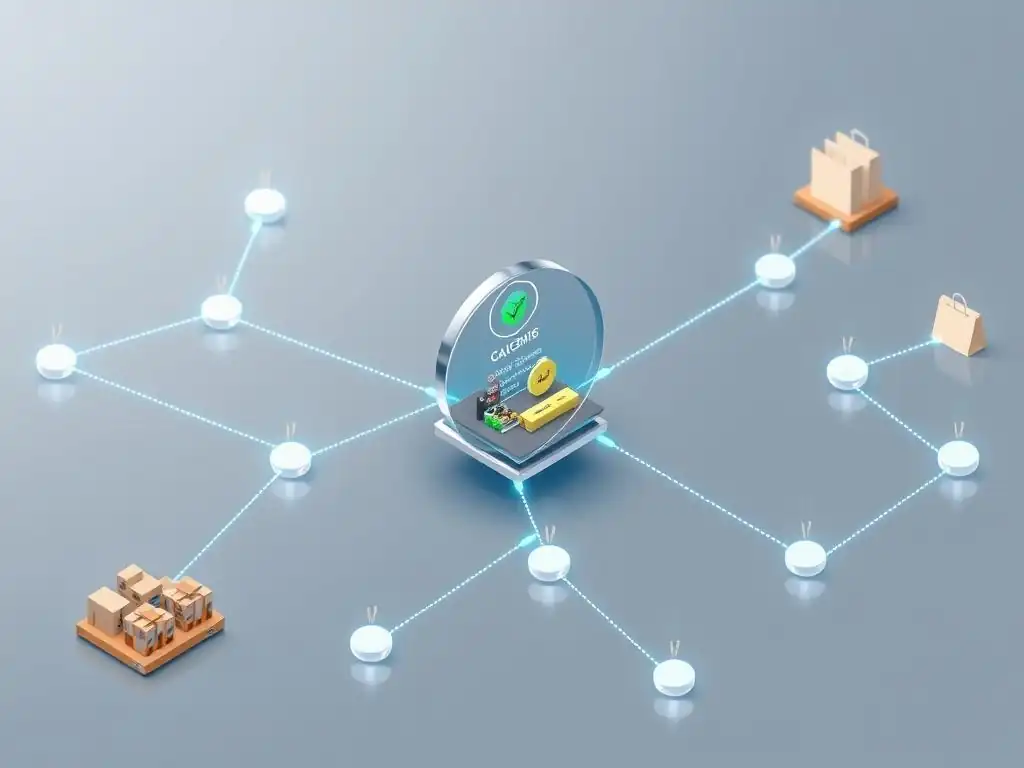
The theoretical benefits of blockchain for supply chain audits are being realized through various platforms and pilot programs across different industries. These real-world applications demonstrate the practical advantages and the tangible blockchain supply chain audits benefits achievable today.
Provenance: Tracking Seafood Supply Chains
Provenance is a well-known example of a platform using blockchain to bring transparency to supply chains, particularly focusing on the seafood industry. They leverage blockchain to track fish from the point of catch to the consumer, verifying claims about sustainability, origin, and ethical labor practices.
By tagging individual fish or batches and recording key data points like catch location, vessel information, processing details, and certifications on the blockchain, Provenance creates an immutable digital history. This allows consumers to scan a QR code on the product packaging and access a verifiable story about its journey. For ethical supply chain audits, this means auditors can verify sustainability certifications (e.g., MSC certification) and fair labor conditions by checking the blockchain records provided by fishers, processors, and distributors. Provenance has successfully tracked millions of products across diverse supply chains, proving the concept's viability.
IBM Food Trust: Enhancing Food Safety and Traceability
IBM Food Trust is another prominent example, a blockchain-based platform designed to improve food safety and traceability across the global food supply chain. Developed by IBM in collaboration with retailers and food companies, it allows participants to securely share food origin and status data.
In one notable trial, Walmart used IBM Food Trust to trace mangoes from farm to store. What previously took days or weeks using traditional methods was accomplished in just seconds using the blockchain platform. This speed is critical for food safety, enabling rapid identification and isolation of contaminated products during outbreaks, potentially saving lives and reducing massive financial losses from recalls.
The platform records details like farm location, processing dates, shipping information, and expiry dates on a shared ledger, providing a comprehensive and verifiable audit trail for every food item. This enhanced traceability is a direct demonstration of the significant blockchain supply chain audits benefits in the food sector.
VeChain: Supply Chain Management and Product Authentication
VeChain is a blockchain platform specifically designed for enterprise solutions, with a strong focus on supply chain management and product authentication. It provides businesses with tools to track products, verify authenticity, and manage supply chain data on a blockchain.
VeChain has partnered with various companies across industries, including luxury goods, pharmaceuticals, and agriculture. For instance, they have worked with luxury brands to combat counterfeiting by assigning unique blockchain identities to products, allowing consumers to verify authenticity. In the food and beverage sector, VeChain tracks products like wine and olive oil from production to sale, ensuring quality and origin claims are verifiable.
Their platform enables the recording of detailed audit-related data, such as temperature logs during transit for pharmaceuticals or fertilizer use for agricultural products, making it easier for auditors to access and verify compliance information directly on the blockchain. These examples showcase how blockchain technology, through platforms like VeChain, delivers tangible blockchain supply chain audits benefits by creating verifiable digital histories for physical goods.
Comparing Blockchain and Traditional Supply Chain Audits
A direct comparison between blockchain and traditional methods highlights the transformative potential of blockchain technology for ethical supply chain audits. While traditional methods have served for decades, their limitations become apparent when contrasted with the capabilities offered by distributed ledger technology. The advantages of blockchain supply chain audits benefits are clear across several key areas.
Transparency and Data Integrity: Blockchain vs. Traditional
When it comes to transparency and data integrity, blockchain holds a significant advantage. Traditional audits rely on information provided by individual entities, which can be incomplete, outdated, or manipulated. Data often resides in siloed systems, making it difficult to gain a comprehensive, end-to-end view of the supply chain.
Blockchain, conversely, creates a single, shared, immutable ledger accessible to authorized participants. Once data is recorded and validated by the network, it cannot be altered. This inherent immutability ensures the integrity of the data and provides unparalleled transparency into the product's journey. Auditors can trust the data on the blockchain, knowing it represents a tamper-proof record of events. This fundamental difference in data handling is perhaps the most compelling of the blockchain supply chain audits benefits.
Cost-Effectiveness: A Comparative Analysis
While initial implementation costs for blockchain solutions can be substantial, involving software development, integration, and training, the long-term cost-effectiveness comparison often favors blockchain for complex or large-scale supply chains. Traditional audits involve recurring costs for labor, travel, and administration for each audit cycle.
Blockchain-based audits can automate many verification processes, reduce the need for extensive manual checks, and decrease travel requirements by providing remote access to verifiable data. The efficiency gains translate into reduced operational expenses over time. Some industry analyses suggest that companies could see a return on investment within a few years through reduced audit costs and improved risk management.
Furthermore, the cost of dealing with supply chain disruptions or scandals caused by a lack of transparency can be far higher than the investment in a blockchain solution. The cost savings from streamlined processes contribute significantly to the overall blockchain supply chain audits benefits.
Efficiency and Speed: Examining the Differences
The speed and efficiency of auditing are dramatically different between the two approaches. Traditional audits are typically periodic and time-consuming, often taking weeks or months to plan, execute, and report on. This reactive approach means issues might go undetected for long periods.
Blockchain enables near real-time monitoring and verification. Data is added to the ledger as events occur, providing auditors and supply chain managers with an up-to-the-minute view. Automated alerts can flag potential compliance issues instantly. Tracing the origin of a product, which could take days with traditional methods involving phone calls, emails, and document requests across multiple companies, can be completed in seconds with a blockchain explorer. This speed is crucial for responding quickly to ethical concerns, safety issues, or disruptions, highlighting a key aspect of the blockchain supply chain audits benefits.
Security and Risk Mitigation: Blockchain's Edge
Blockchain offers superior security and risk mitigation capabilities compared to traditional systems. Centralized databases are vulnerable to hacking and data breaches, and paper-based systems are susceptible to loss, damage, or physical tampering. The decentralized and cryptographic nature of blockchain makes it far more resistant to unauthorized access and data alteration.
The immutable record significantly mitigates the risk of fraud and manipulation within the audit trail. Auditors can rely on the data, knowing it hasn't been tampered with since it was recorded. This enhances the credibility of audit findings and reduces the risk of making decisions based on faulty information.
By providing a secure, transparent, and verifiable history, blockchain helps companies identify and mitigate risks related to unethical practices, non-compliance, and supply chain disruptions more effectively. This robust security framework is a foundational element of the blockchain supply chain audits benefits, protecting both the data and the reputation of the companies involved.
Overcoming the Challenges of Implementing Blockchain in Supply Chain Audits
While the blockchain supply chain audits benefits are compelling, implementing the technology is not without its challenges. Organizations must carefully consider and address several key hurdles to successfully integrate blockchain into their auditing processes.
Scalability Issues and Potential Solutions
One significant challenge is the scalability of some blockchain networks. Public blockchains, like Bitcoin or Ethereum (especially before recent upgrades), have historically faced limitations in processing a high volume of transactions quickly and cost-effectively, which is essential for tracking millions of individual products or events in a large supply chain.
However, significant progress is being made. Solutions like Layer 2 scaling protocols (e.g., sidechains, rollups) for public blockchains or the use of private/permissioned blockchains specifically designed for enterprise use cases (like Hyperledger Fabric or VeChain's Thor) offer much higher transaction throughput and lower costs. For instance, some enterprise blockchains can handle thousands or tens of thousands of transactions per second, a rate suitable for most supply chain needs. Companies must choose a blockchain architecture that meets their specific volume and speed requirements to fully realize the blockchain supply chain audits benefits without being hampered by performance issues.
Interoperability with Existing Systems
Integrating a new blockchain platform with existing legacy systems – such as Enterprise Resource Planning (ERP), Warehouse Management Systems (WMS), and supplier databases – is another major challenge. Supply chains often rely on a patchwork of different technologies used by various partners.
Achieving seamless data flow between these disparate systems and the blockchain requires robust integration layers, often involving APIs (Application Programming Interfaces) and middleware. Developing and implementing these integrations can be complex, time-consuming, and costly. Standardization efforts within industries and the development of standardized blockchain integration tools are helping to mitigate this challenge. Successfully connecting existing data sources to the blockchain is crucial for populating the ledger with accurate information and unlocking the full potential of blockchain supply chain audits benefits.
Data Privacy and Security Concerns
While blockchain is known for its security, implementing it in a supply chain context raises specific data privacy concerns. Not all supply chain data is intended to be public, and companies need to protect commercially sensitive information, such as pricing, customer details, or proprietary manufacturing processes.
Solutions include using private or permissioned blockchains where access is restricted to known participants, employing data hashing where sensitive details are kept off-chain but their integrity is verified on-chain using cryptographic hashes, or utilizing advanced cryptographic techniques like Zero-Knowledge Proofs (ZKPs). ZKPs allow one party to prove that a statement is true (e.g., a supplier meets a certain ethical standard) without revealing the underlying sensitive data itself. Carefully designing the blockchain solution to balance transparency with necessary data privacy is essential for adoption and realizing the secure aspects of blockchain supply chain audits benefits.
Regulatory Considerations and Compliance
The regulatory landscape surrounding blockchain technology is still evolving globally. Companies implementing blockchain for supply chain audits must navigate complex and sometimes ambiguous regulations related to data ownership, data retention, digital signatures, and cross-border data flow.
Ensuring compliance with existing laws (like GDPR in Europe or various industry-specific regulations) while leveraging blockchain's capabilities requires careful legal consideration. As blockchain adoption grows, regulatory frameworks are expected to become clearer, but companies must stay informed and potentially engage with policymakers. Working with legal and compliance experts is vital to ensure that the blockchain implementation meets all necessary legal requirements, allowing companies to confidently leverage the blockchain supply chain audits benefits within the bounds of the law.
The Future of Ethical Supply Chain Audits: Blockchain's Role
The trajectory of blockchain adoption in supply chain management suggests a future where the technology plays a central, transformative role in ensuring ethical practices and transparency. The evolution will likely involve increased integration, automation, and broader acceptance across industries.
Predictions for Blockchain Adoption in Supply Chain Management
Analysts predict significant growth in the use of blockchain for supply chain management and traceability in the coming years. Reports from firms like Gartner and Forrester consistently highlight supply chain as one of the most promising enterprise use cases for blockchain technology. The market for blockchain in supply chain is projected to reach several billion dollars globally within the next five to seven years, driven by the demand for greater transparency, efficiency, and trust.
Early adoption has been seen in industries with high requirements for traceability and authenticity, such as food, pharmaceuticals, luxury goods, and raw materials like diamonds or conflict minerals. As the technology matures, becomes more scalable, and interoperability improves, adoption is expected to accelerate across diverse sectors. This widespread integration will make the blockchain supply chain audits benefits accessible to a much broader range of businesses and consumers.
The Potential for Smart Contracts in Automated Audits
Smart contracts, self-executing contracts with the terms of the agreement directly written into code on the blockchain, hold immense potential for automating aspects of ethical supply chain audits. These contracts can be programmed to automatically trigger actions or verify conditions based on data recorded on the blockchain.
For example, a smart contract could automatically release payment to a supplier only when specific conditions are met and recorded on the ledger – such as proof of delivery to a certain location, verification of fair labor conditions via an IoT sensor, or confirmation of a sustainability certification. Smart contracts can also automate compliance checks, flagging transactions that violate pre-defined ethical or regulatory rules without manual intervention. This automation reduces the burden on auditors, speeds up verification processes, and ensures consistent application of standards, further enhancing the efficiency component of blockchain supply chain audits benefits.
The Evolution of Supply Chain Ethics with Blockchain Technology
Blockchain technology is poised to fundamentally evolve the landscape of supply chain ethics. By providing an immutable, transparent, and accessible record of supply chain activities, it empowers stakeholders – from consumers and NGOs to regulators and businesses themselves – with verifiable information.
This increased transparency makes it significantly harder for unethical practices to remain hidden. Companies will be incentivized to improve their ethical sourcing and labor practices because their supply chain data is potentially auditable by a wider audience. The technology can facilitate the creation of 'digital passports' for products, detailing their ethical and environmental footprint from origin.
This shift moves ethical oversight from periodic, potentially superficial audits to continuous, verifiable accountability embedded within the supply chain itself. Blockchain doesn't just improve audits; it has the potential to drive a new era of ethical integrity in global trade, solidifying its role in delivering profound blockchain supply chain audits benefits for society.
Conclusion: Embracing Blockchain for More Ethical and Transparent Supply Chains
Key Takeaways: The Transformative Power of Blockchain Audits
Blockchain technology offers a powerful alternative to traditional methods for conducting ethical supply chain audits. Its core features – immutability, traceability, security, and decentralization – directly address the limitations of conventional systems, such as lack of transparency, data integrity issues, high costs, and susceptibility to fraud. The tangible blockchain supply chain audits benefits include significantly improved transparency and traceability, enhanced efficiency leading to reduced costs, increased trust and accountability among participants, and real-time visibility into supply chain operations.
Real-world examples like Provenance, IBM Food Trust, and VeChain demonstrate that these benefits are not just theoretical but are being successfully implemented across various industries to track products, verify authenticity, and ensure compliance with ethical and sustainability standards. While challenges related to scalability, interoperability, data privacy, and regulation exist, ongoing technological advancements and collaborative efforts are steadily overcoming these hurdles, paving the way for broader adoption.
Call to Action: Exploring and Implementing Blockchain Solutions for Supply Chain Ethics
The growing global demand for ethical and sustainable products necessitates a shift towards more robust and reliable auditing mechanisms. Traditional methods are often insufficient to meet this need in complex, multi-tiered supply chains. Blockchain technology provides the foundation for building the next generation of ethical supply chain audits.
Organizations committed to transparency, accountability, and ethical sourcing should actively explore the potential of blockchain solutions.
- [ ] Assess current supply chain auditing processes and identify key pain points related to transparency, data integrity, and efficiency.
- [ ] Research blockchain platforms and solutions relevant to their specific industry and supply chain structure.
- [ ] Consider piloting a blockchain project with key supply chain partners to understand the practicalities and demonstrate the blockchain supply chain audits benefits firsthand.
- [ ] Engage with technology providers, industry consortia, and potentially regulatory bodies to navigate implementation challenges and stay abreast of best practices and evolving standards.
Embracing blockchain is not just a technological upgrade; it is a strategic imperative for businesses aiming to build trust, mitigate risk, and demonstrate genuine commitment to ethical practices in an increasingly scrutinized global marketplace. The time to explore the transformative power of blockchain supply chain audits benefits is now.
Frequently Asked Questions
What are the primary limitations of traditional supply chain audits that blockchain aims to address?
Traditional audits often suffer from a lack of transparency and are prone to data manipulation. Blockchain offers a more immutable and verifiable record.
How can blockchain technology enhance the transparency of supply chain audits?
Blockchain provides a shared, distributed ledger where every transaction is recorded and timestamped. This creates an audit trail that is difficult to tamper with, improving traceability.
What are the key benefits of using blockchain for supply chain audits in terms of cost and efficiency?
Blockchain can automate audit processes, reducing the need for manual verification and reconciliation. This leads to lower costs and faster audit cycles.
What role does decentralization play in improving the ethical nature of supply chain audits using blockchain?
Decentralization ensures that no single entity controls the data, reducing the risk of biased or fraudulent audits. This fosters greater trust and accountability within the supply chain.
What are some potential challenges or barriers to widespread adoption of blockchain for supply chain audits?
Challenges include scalability issues, interoperability with existing systems, and the lack of standardized regulations surrounding blockchain technology.
Final Reflection: Embracing Transparency and Trust
The exploration of ethical supply chain audits and the potential of blockchain to revolutionize traditional methods underscores a critical need for enhanced transparency and accountability in global commerce. The inherent complexities of modern supply chains often obscure unethical practices, but the promise of blockchain lies in its ability to create immutable, verifiable records, offering a powerful tool to combat exploitation and promote responsible sourcing.
The shift towards blockchain-enabled supply chain audits represents more than just a technological upgrade; it signifies a fundamental change in how we value ethical considerations. This transition is particularly important as consumers increasingly demand transparency and are willing to support businesses that prioritize ethical practices. The future of supply chains is not just about efficiency, it's about building trust and ensuring that every product tells a story of integrity.
This quote encapsulates the profound impact that blockchain can have, transforming supply chains from opaque networks into transparent ecosystems where ethical behavior is incentivized and rewarded.
As we look ahead, let us not only embrace the technological advancements that blockchain offers, but also commit to fostering a culture of ethical responsibility within our own spheres of influence. Consider how you, as a consumer, a business leader, or a policymaker, can champion the adoption of blockchain-based solutions to promote fair labor practices, environmental sustainability, and overall ethical conduct throughout the supply chains that touch our lives. Let's build a future where every product reflects a commitment to integrity and respect for human dignity.
Unearth Trust: Transform Your Supply Chain Now!
Thank you for exploring how blockchain can revolutionize ethical supply chain audits! We hope you’ve gained valuable insights into the potential of this technology to bring transparency and accountability to complex supply chains. Ready to take the next step toward a more ethical and efficient future?
Here are a few actions you can take right now:
- Commit to researching one specific blockchain platform that aligns with your industry and could enhance your supply chain traceability.
- Share this article with a colleague or industry peer to spark a conversation about the future of ethical auditing.
- Explore online resources and webinars dedicated to blockchain applications in supply chain management to deepen your knowledge.
What's one small change you can make today to start building a more transparent and ethical supply chain?
Leave a Reply