
Waste Not, Want Not: Blockchain Solutions for Circular Supply Chain Management Case Study

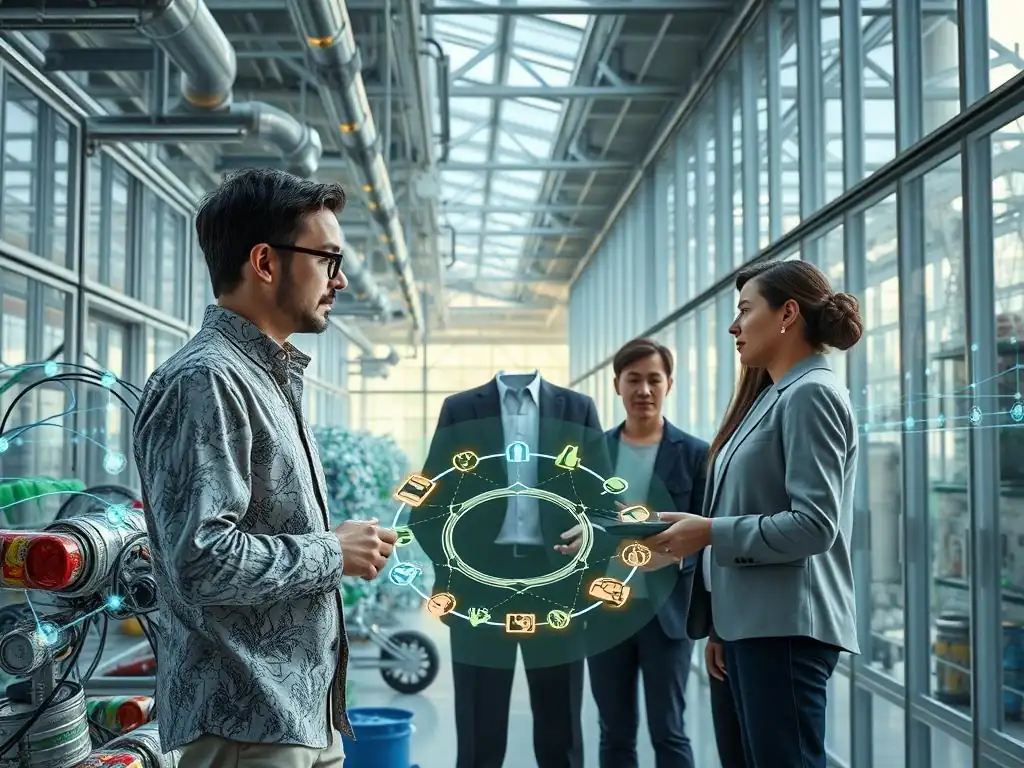
Welcome to Blockchain Trends, your guide to understanding the revolutionary impact of blockchain beyond the hype. Are you ready to discover how this technology is reshaping industries?
In this compelling article, "Waste Not, Want Not: Blockchain Solutions for Circular Supply Chain Management Case Study," we delve into the transformative power of blockchain supply chain circular solutions. Imagine a world where waste is minimized, resources are optimized, and supply chains are completely transparent. Intrigued? Read on to explore this fascinating case study and unlock the potential of blockchain for a sustainable future.
- Understanding Circular Supply Chain Management
-
Frequently Asked Questions
- How can blockchain technology improve traceability within a circular supply chain?
- What role does blockchain play in promoting trust and transparency in waste management within a circular economy?
- Can blockchain facilitate incentivization for participation in circular supply chain initiatives?
- How does blockchain address the challenge of data integrity in tracking recycled materials?
- What are some potential enterprise applications of blockchain in circular supply chain management beyond waste tracking?
- Final Reflection: Embracing Circularity Through Blockchain
- Empower Change: Implement Blockchain for a Greener Tomorrow!
Understanding Circular Supply Chain Management
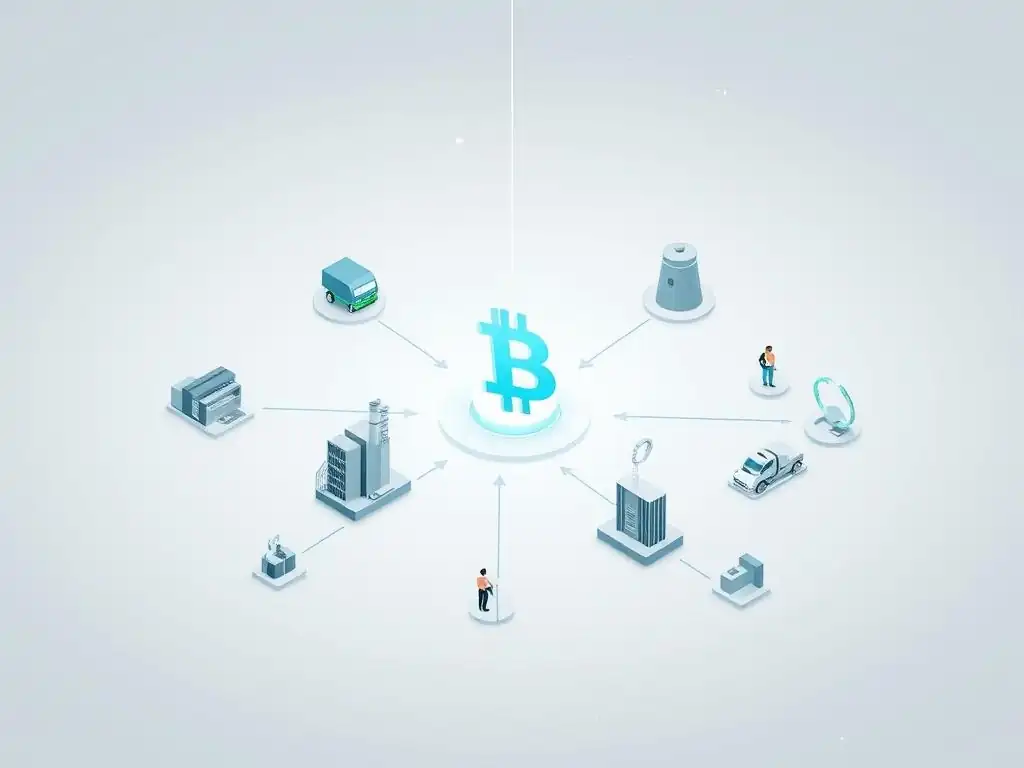
Defining Circular Economy Principles in Manufacturing and Resource Use
A circular economy represents a systemic shift from the traditional linear 'take-make-dispose' model to one where products and materials are kept in use for as long as possible. This involves designing out waste and pollution, keeping products and materials in use, and regenerating natural systems. In manufacturing and resource use, this translates to prioritizing strategies like product longevity, repair, reuse, remanufacturing, and high-quality recycling.
The goal is to maximize the value of resources throughout their lifecycle, minimizing the need for virgin materials and reducing environmental impact. This approach fundamentally changes how products are designed, produced, consumed, and managed at their end-of-life, requiring collaboration across the entire value chain.
Implementing these principles demands a deep understanding of material flows and product lifecycles. For instance, in electronics manufacturing, a circular approach would involve designing devices that are easy to disassemble and repair, using modular components, and ensuring valuable materials like rare earth elements and precious metals are recovered and reused effectively. Instead of discarding old electronics (e-waste), they become a valuable resource stream.
This requires robust systems for collection, sorting, refurbishment, and material recovery, moving beyond simple recycling to preserve higher levels of value. True circularity aims not just to recycle, but to keep products and components in use for as long as possible, thereby reducing the environmental footprint significantly.
Key Challenges in Implementing Circular Supply Chains: Traceability of Materials and Transparency Across Suppliers
Implementing effective circular supply chain management faces significant hurdles, particularly concerning the traceability of materials and transparency across complex, multi-tiered supplier networks. Knowing the exact origin, composition, and journey of materials and components is crucial for ensuring they can be effectively recovered, reused, or recycled. Without robust traceability, materials can be lost from the loop, mixed with contaminants, or downcycled to lower value applications, undermining circular goals. For example, tracking the precise composition of plastics or metals in electronic components after they have been integrated into a complex product assembly proves extremely difficult with traditional systems.
Furthermore, achieving transparency across a global supply chain involving numerous vendors, manufacturers, distributors, and recyclers is challenging. Data silos are common, with information often fragmented and inconsistent between different parties.
This lack of a single, verifiable source of truth makes it hard to build trust and ensure accountability regarding circular practices, such as verifying claims about the percentage of recycled content used or the ethical sourcing of materials. Reports indicate that less than 20% of e-waste generated globally is formally recycled, largely due to inadequate collection systems and lack of transparent tracking, highlighting the scale of the challenge in closing the loop effectively.
The Role of Technology in Enabling Circularity: IoT, AI, and Blockchain Integration
Advancing circular supply chain management relies heavily on the strategic integration of various technologies, including the Internet of Things (IoT), Artificial Intelligence (AI), and blockchain. IoT sensors can be embedded in products or packaging to track their location, condition, and usage patterns throughout their lifecycle, providing real-time data essential for optimizing collection, repair, and redistribution logistics. This data stream can inform decisions about when and where products are available for reuse or recycling, improving efficiency in resource recovery efforts. For instance, tracking high-value electronics components via IoT can facilitate their return to designated refurbishment centers.
AI plays a crucial role in analyzing the vast amounts of data generated by IoT and other sources. It can be used to predict product lifespan, optimize sorting processes for mixed waste streams, design products for easier disassembly, and identify optimal routes for reverse logistics. AI algorithms can process data on material composition and product history to determine the most valuable recovery pathway – whether it's repair, remanufacturing, or recycling.
When combined with blockchain supply chain circular solutions, AI can enhance decision-making by providing insights based on tamper-proof, verified data. Blockchain provides the foundational layer for secure, immutable record-keeping of material flows, ownership transfers, and circular actions (like repair or recycling events), creating the necessary trust and transparency for a functioning circular ecosystem, which is vital for effective blockchain supply chain circular solutions.
Frequently Asked Questions
How can blockchain technology improve traceability within a circular supply chain?
Blockchain provides an immutable and transparent ledger, allowing for easy tracking of materials and products throughout their lifecycle. This enhanced traceability helps verify the origin and composition of recycled materials.
What role does blockchain play in promoting trust and transparency in waste management within a circular economy?
Blockchain fosters trust by creating a verifiable record of waste handling processes. This transparency helps to ensure that waste is being managed responsibly and ethically.
Can blockchain facilitate incentivization for participation in circular supply chain initiatives?
Yes, blockchain can be used to create tokenized reward systems that incentivize consumers and businesses to participate in recycling and waste reduction programs. This incentivization encourages wider adoption.
How does blockchain address the challenge of data integrity in tracking recycled materials?
Blockchain's decentralized and immutable nature ensures that data related to recycled materials is secure and tamper-proof. This data integrity is crucial for building trust in circular supply chain practices.
What are some potential enterprise applications of blockchain in circular supply chain management beyond waste tracking?
Beyond waste tracking, blockchain can be used for verifying certifications, managing supplier relationships, and facilitating peer-to-peer trading of recycled materials within the enterprise.
Final Reflection: Embracing Circularity Through Blockchain
The journey through blockchain-enabled circular supply chains reveals a potent synergy, and its relevance today is undeniable. The imperative to minimize waste and maximize resource utilization has never been more critical, as environmental concerns and resource scarcity loom large. This exploration underscores how blockchain technology offers a transparent, secure, and efficient pathway to realizing the full potential of circular economy principles, transforming linear "take-make-dispose" models into closed-loop systems.
This shift towards circularity, facilitated by blockchain, isn't merely a technological advancement; it's a fundamental reimagining of our relationship with resources. Witnessing the potential of blockchain to track materials, verify authenticity, and incentivize responsible disposal has profoundly impacted my understanding of sustainable business practices. The greatest threat to our planet is the belief that someone else will save it.
- Robert Swan. This quote encapsulates the urgency and individual responsibility inherent in embracing circular solutions, and blockchain provides the tools to empower collective action.
Now, consider how you can contribute to this transformative movement. Reflect on the products you consume and the waste you generate. What steps can you take to support businesses that prioritize circularity and leverage technologies like blockchain to promote transparency and accountability? Let us all strive to be conscious consumers and advocates for a future where resources are valued, waste is minimized, and the principles of the circular economy are not just ideals, but the foundation of a sustainable world.
Okay, here's a CTA designed for the end of a web article titled "Waste Not, Want Not: Blockchain Solutions for Circular Supply Chain Management Case Study" on the website "Blockchain Trends" (blockchaintrends.org):
Empower Change: Implement Blockchain for a Greener Tomorrow!
Thank you for exploring the potential of blockchain in transforming supply chain management towards a circular economy. We hope you've gained valuable insights into how this technology can minimize waste and maximize efficiency. Now, let's put that knowledge into action!
Here are a few steps you can take right away:
- Identify a key pain point in your current supply chain related to waste or inefficiency and brainstorm how a blockchain solution could address it. This is your first step towards tangible improvement.
- Research successful blockchain implementations in similar industries. Understanding what's already working can provide valuable inspiration and a practical roadmap.
- Share this article with a colleague or on your professional network. Let's spark a wider conversation and encourage collaborative solutions within the blockchain community.
What innovative blockchain application are you most excited to see implemented to reduce waste and foster sustainability in supply chains? Share your thoughts in the comments below!
Leave a Reply