
Unlocking Digital Freedom: Demystifying SelfSovereign Identity Solutions

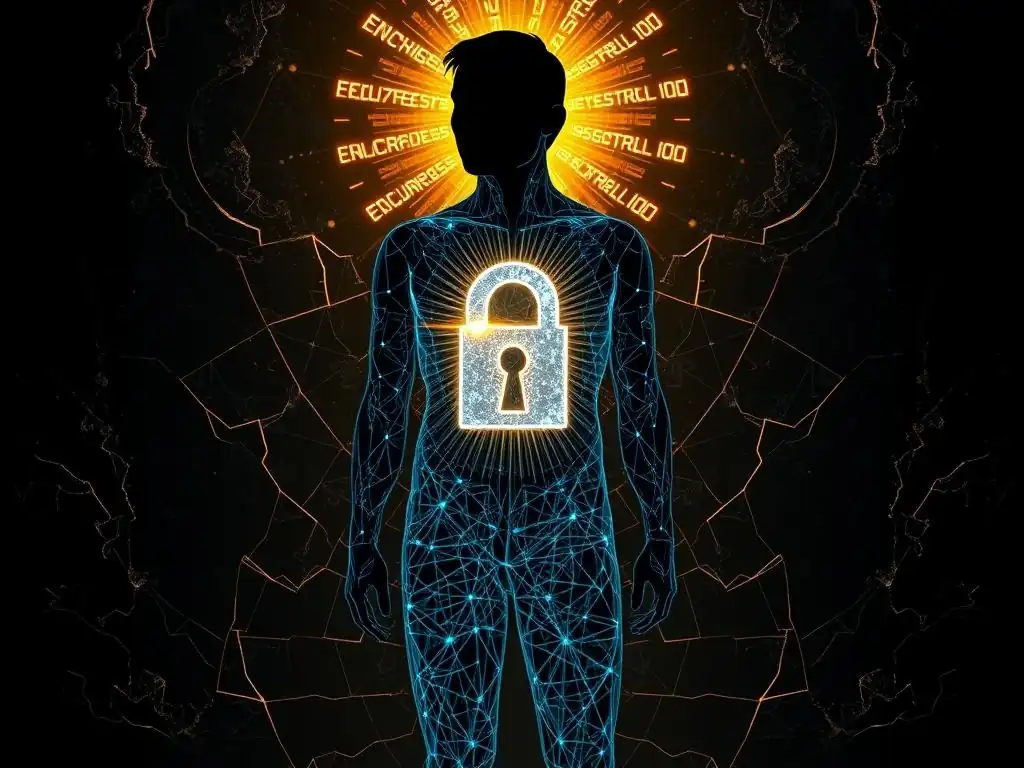
Welcome to Blockchain Trends, your go-to source for navigating the ever-evolving world of blockchain technology!
Beyond the hype and headlines, blockchain's transformative power extends far beyond cryptocurrencies. Are you ready to explore how this technology is revolutionizing industries, empowering individuals, and shaping the future?
Today, we delve into the fascinating realm of selfsovereign identity blockchain solutions, uncovering how they are poised to redefine digital freedom and personal data ownership. Intrigued? Let's unlock the potential together!
- Introduction: The Paradigm Shift of Self-Sovereign Identity (SSI)
-
Frequently Asked Questions
- What exactly is Self-Sovereign Identity (SSI), and how does it relate to blockchain?
- How do Self-Sovereign Identity blockchain solutions differ from traditional identity management systems?
- What are some practical applications of Self-Sovereign Identity blockchain solutions beyond just personal use?
- What are the current regulatory challenges surrounding Self-Sovereign Identity blockchain solutions?
- What is the future outlook for Self-Sovereign Identity blockchain solutions, and what are the key trends to watch?
- Final Reflection: Embracing the Future of Identity
- Embark on Your Self-Sovereign Journey!
Introduction: The Paradigm Shift of Self-Sovereign Identity (SSI)

What is Self-Sovereign Identity and Why is it Essential?
Self-Sovereign Identity (SSI) represents a fundamental shift in how individuals manage their digital presence. At its core, SSI empowers users by giving them complete control over their personal data and how it is shared. Instead of relying on centralized authorities, corporations, or governments to store and manage identity information, individuals become the primary custodians of their digital credentials.
This model contrasts sharply with traditional systems where users are often merely subjects of identity databases, lacking direct agency over who accesses their information and for what purpose. The concept is essential in an increasingly digital world where interactions, transactions, and even basic access to services require proof of identity.
The necessity for SSI stems from the growing realization that current identity models are fundamentally broken, leading to widespread privacy violations and security risks. As individuals interact with numerous online services, they create fragmented digital identities scattered across countless databases.
SSI proposes a unified, user-controlled approach where verified attributes (like age, address, or professional qualifications) are stored securely by the individual and shared selectively with relying parties, often using cryptographic proofs. This paradigm, frequently underpinned by Selfsovereign identity blockchain solutions, promises not just enhanced privacy but also greater efficiency and trust in digital interactions, moving towards a future where digital identity is truly owned and managed by the individual.
The Vulnerabilities of Centralized Identity Systems
Traditional identity management systems, where large databases hold sensitive personal information, present significant security and privacy risks. These centralized honey pots are prime targets for cybercriminals. High-profile data breaches are a stark reminder of these vulnerabilities.
For instance, the 2017 Equifax breach exposed the personal data of approximately 147 million people, including Social Security numbers, birth dates, and addresses. More recently, the Marriott breach, disclosed in 2018, affected up to 500 million guests, compromising passport numbers, payment card information, and other sensitive details. These incidents highlight the inherent danger of consolidating vast amounts of personal data in single, albeit protected, locations.
Beyond security, centralized systems often lack interoperability, forcing users to create separate logins and profiles for every service, leading to identity fragmentation and poor user experience. Furthermore, individuals have limited visibility into how their data is used, shared, or even stored by these entities. This lack of transparency and control undermines trust and makes it difficult for users to exercise their data rights, such as the right to be forgotten or the right to access their data.
The rigid nature of these systems also makes identity verification processes cumbersome and inefficient for both users and service providers. These systemic weaknesses underscore the urgent need for more resilient, private, and user-centric models like those offered by Selfsovereign identity blockchain solutions.
Blockchain's Architecture for Decentralized Identity
Blockchain technology provides a foundational architecture uniquely suited to supporting Self-Sovereign Identity principles. Its distributed ledger structure means that data is not stored in a single location but replicated across a network of computers, making it inherently resistant to single points of failure and censorship.
The immutability of blockchain is another critical feature; once a transaction or piece of data is recorded on the chain (like a verifiable credential or a Decentralized Identifier registration), it is exceptionally difficult to alter or delete, providing a permanent, auditable record of identity-related events or assertions without exposing the underlying personal data itself. This permanence is crucial for establishing trust and verifiable history.
Crucially, blockchain is not used to store sensitive personal information directly, which would be both inefficient and a privacy nightmare. Instead, it acts as a public or permissioned registry for Decentralized Identifiers (DIDs) and anchors cryptographic proofs of Verifiable Credentials (VCs). This mechanism allows an individual to prove they possess a credential (issued by a trusted entity) without revealing the credential's contents or unnecessary personal details to the verifier.
The decentralized and cryptographic nature of blockchain ensures that these proofs can be verified trustlessly by any party, relying on the network's consensus mechanism rather than a central authority. This innovative application of blockchain technology is what enables the realization of robust and privacy-preserving Selfsovereign identity blockchain solutions.
Frequently Asked Questions
What exactly is Self-Sovereign Identity (SSI), and how does it relate to blockchain?
SSI empowers individuals to control their own digital identities without relying on intermediaries. Blockchain provides a secure and immutable ledger for storing and verifying identity credentials.
How do Self-Sovereign Identity blockchain solutions differ from traditional identity management systems?
Traditional systems are centralized and controlled by organizations, while SSI gives individuals full ownership and control of their data. Blockchain ensures data integrity and reduces the risk of identity theft.
What are some practical applications of Self-Sovereign Identity blockchain solutions beyond just personal use?
SSI can streamline processes like KYC (Know Your Customer) in finance, supply chain tracking, and secure healthcare data sharing. It fosters trust and efficiency across various industries.
What are the current regulatory challenges surrounding Self-Sovereign Identity blockchain solutions?
Regulatory frameworks are still evolving, with concerns around data privacy, liability, and cross-border recognition of digital identities. Clarification is needed for widespread adoption.
What is the future outlook for Self-Sovereign Identity blockchain solutions, and what are the key trends to watch?
The future involves increased interoperability between SSI systems, enhanced user experience, and greater integration with Web3 technologies. Focus will be on user-centricity and data security.
Final Reflection: Embracing the Future of Identity
The journey through the landscape of Self-Sovereign Identity (SSI) solutions reveals a powerful truth: the future of digital freedom hinges on our ability to control our own data. As we navigate an increasingly interconnected world, the vulnerabilities inherent in centralized identity systems become ever more apparent. SSI, particularly when leveraged with blockchain technology, offers a compelling alternative, empowering individuals and fostering a more equitable digital ecosystem.
The promise of SSI extends far beyond mere convenience; it represents a fundamental shift in power dynamics. This shift, towards individual ownership and control, is not just a technological advancement, but a cultural imperative. It demands a re-evaluation of how we interact with online services and how we safeguard our personal information. Identity is not just a piece of data; it's the essence of who we are. Self-sovereign identity empowers individuals to own and control their digital identity, ensuring privacy, security, and autonomy in the digital age.
This quote encapsulates the profound impact SSI can have on our lives.
As we stand on the cusp of this digital revolution, let us embrace the principles of self-sovereignty. Consider how you can take control of your digital identity, explore the available SSI solutions, and advocate for a future where individuals, not corporations, are the masters of their own data. The power to shape this future lies within each of us. Let's build a world where digital freedom is not just a concept, but a lived reality.
Embark on Your Self-Sovereign Journey!
Thank you for exploring the world of self-sovereign identity with us. We hope this article has illuminated its potential to transform digital freedom and data ownership. Now, it's time to take control!
Here are a few steps you can take right now to deepen your understanding of SSI:
- Begin researching and selecting a digital wallet that aligns with your needs and security preferences. This is your first move toward true digital ownership!
- Join the community forum to share your thoughts on promising SSI solutions or ask any questions you might have.
- Try signing up for a platform using a decentralized identifier instead of traditional credentials to see firsthand how SSI empowers individuals.
What will be your first step toward claiming your self-sovereign identity today?
Leave a Reply