
From Centralized Platforms to Decentralized Ecosystems: The Creator Shift

Welcome to Blockchain Trends, your guide to understanding the revolutionary impact of blockchain technology!
Beyond the headlines, blockchain is reshaping industries and empowering creators in exciting new ways. Are you ready to discover how a decentralized approach is revolutionizing content creation? This article delves into the fascinating blockchain creator ecosystem benefits, exploring how it's shifting power away from centralized platforms and fostering a more equitable and innovative future. Intrigued? Read on to uncover the transformative potential of blockchain for creators, and how you can be a part of this exciting evolution!
From Centralized Platforms to Decentralized Ecosystems: The Creator Shift
- The Evolving Landscape of Content Creation: A Need for Change
- Understanding the Blockchain Creator Ecosystem
- Blockchain Creator Ecosystem Benefits: Empowering Creators and Audiences
- Blockchain-Based Monetization Models for Creators
- Real-World Examples: Blockchain Creator Platforms in Action
- Overcoming Challenges in the Blockchain Creator Economy
- The Future of Content Creation: Decentralization and Blockchain
-
Frequently Asked Questions
- How does blockchain technology empower creators compared to traditional centralized platforms?
- What are some specific examples of blockchain applications that benefit the creator ecosystem?
- How can blockchain contribute to fairer compensation models for creators?
- What role does regulation play in the development of a thriving blockchain creator ecosystem?
- What are the potential long-term benefits of a decentralized creator ecosystem built on blockchain?
- Final Reflection: Embracing the Decentralized Creator Future
- Ignite Your Creator Revolution!
The Evolving Landscape of Content Creation: A Need for Change
Limitations of Centralized Platforms for Creators
For years, content creators have relied heavily on centralized platforms to share their work with the world and, crucially, to earn a living. Platforms like YouTube, Instagram, Spotify, and Medium have become ubiquitous gateways for reaching audiences and building communities. However, this reliance comes at a significant cost.
Creators often find themselves at the mercy of platform algorithms that dictate visibility and reach, leading to unpredictable fluctuations in audience engagement and revenue. Furthermore, these platforms typically take a substantial cut of creator earnings, sometimes as high as 30-50%, diminishing the financial rewards for the creators' hard work and dedication.
Beyond revenue sharing, centralized platforms also exert considerable control over content itself, with opaque moderation policies that can lead to censorship, demonetization, or even outright platform bans, often with little recourse for creators. This centralized power structure creates an environment of dependency and vulnerability for creators, hindering their autonomy and long-term sustainability.
The limitations extend beyond financial and content control. Centralized platforms often lack transparency in their operations, leaving creators in the dark about how algorithms function, how revenue is calculated, and why certain content is promoted or suppressed. This lack of transparency breeds distrust and frustration. Moreover, data ownership remains firmly in the hands of the platforms.
Creators generate valuable data – audience demographics, engagement metrics, content performance – but have limited access to or control over this information. This restricts their ability to understand their audience deeply, optimize their content strategy, and build direct relationships with their fans outside the platform's ecosystem. The inherent power imbalance in centralized systems underscores the urgent need for alternative models that prioritize creator empowerment and fairer distribution of value.
The Rise of Blockchain Technology in Content Creation
Blockchain technology emerges as a compelling solution to address the inherent limitations of centralized content creation platforms. At its core, blockchain offers decentralization, transparency, and enhanced security – principles that directly counter the issues plaguing traditional platforms. By leveraging blockchain, creators can potentially break free from the control of intermediaries and establish more direct relationships with their audiences. Decentralization, the cornerstone of blockchain, distributes power across a network, eliminating single points of control and reducing the risk of censorship or arbitrary platform decisions. This distributed nature ensures greater resilience and autonomy for creators.
Furthermore, blockchain's inherent transparency provides creators with unprecedented visibility into transactions, content provenance, and community governance. Every action on a blockchain is recorded on a public ledger, fostering trust and accountability. This transparency extends to revenue distribution, ensuring fair and auditable payments to creators.
The cryptographic security of blockchain also safeguards intellectual property and content ownership, offering creators greater protection against copyright infringement and unauthorized use of their work. The combination of decentralization, transparency, and security positions blockchain as a transformative technology capable of reshaping the content creation landscape, shifting power back into the hands of creators and fostering a more equitable and sustainable creator economy.
Understanding the Blockchain Creator Ecosystem
Defining the Blockchain Creator Economy
The blockchain creator economy represents a paradigm shift in how creators produce, distribute, and monetize their work. Unlike the traditional creator economy dominated by centralized platforms, the blockchain creator economy leverages decentralized technologies to empower creators with greater control, ownership, and revenue potential. At its heart, this emerging ecosystem uses blockchain to facilitate direct connections between creators and their audiences, eliminating intermediaries and enabling new forms of value exchange. This encompasses not just content creation, but also the entire lifecycle of a creator's work, from ideation and production to distribution, monetization, and community building.
The blockchain creator economy is characterized by several key principles. Firstly, it prioritizes creator ownership. Through technologies like NFTs and tokenization, creators can directly own and control their content and intellectual property, rather than licensing it to platforms. Secondly, it fosters direct monetization.
Blockchain enables creators to receive payments directly from their audiences, cutting out platform fees and maximizing their earnings. Thirdly, it emphasizes community engagement. Decentralized platforms often incorporate governance tokens and DAOs, empowering creator communities to participate in platform decisions and shape the ecosystem's future. The blockchain creator economy is therefore not just about technology, but about a fundamental shift in power dynamics, fostering a more equitable and creator-centric content landscape.
Key Components of a Decentralized Creator Platform
A decentralized creator platform, powered by blockchain, is composed of several key components that work synergistically to deliver its unique value proposition. Smart contracts are foundational, automating agreements and transactions between creators and audiences without the need for intermediaries. These self-executing contracts ensure transparent and reliable revenue sharing, content access control, and royalty distribution. Tokenization is another crucial element, allowing creators to issue their own tokens or utilize platform-specific tokens to represent ownership, access rights, or community participation. These tokens can be used for various purposes, including rewarding engagement, granting exclusive content access, or governing platform decisions.
NFTs (Non-Fungible Tokens) play a vital role in establishing digital scarcity and provenance for unique content, such as digital art, music, or collectibles. NFTs enable creators to sell digital assets directly to fans, proving authenticity and ownership on the blockchain. Decentralized storage solutions, like IPFS or Filecoin, ensure that content is not stored on centralized servers vulnerable to censorship or single points of failure. Instead, content is distributed across a network of nodes, enhancing resilience and accessibility.
Finally, many decentralized creator platforms incorporate DAOs (Decentralized Autonomous Organizations) to facilitate community governance. DAOs allow token holders to vote on platform upgrades, content moderation policies, and resource allocation, fostering a more democratic and community-driven ecosystem. These components, working in concert, create a robust and empowering infrastructure for the blockchain creator economy.
Blockchain Creator Ecosystem Benefits: Empowering Creators and Audiences
Increased Transparency and Control over Content
One of the most significant blockchain creator ecosystem benefits is the enhanced transparency and control it offers to content creators. In traditional centralized platforms, creators often operate within a 'black box' system, with limited insight into algorithms, content moderation policies, and revenue distribution. Blockchain flips this paradigm, providing an open and auditable record of all transactions and content interactions.
Smart contracts governing content rights, usage, and monetization are publicly verifiable, ensuring that creators can track their earnings and content usage with clarity and precision. This transparency fosters trust and reduces disputes, empowering creators with a clear understanding of how their content is performing and generating revenue within the ecosystem.
Furthermore, blockchain-based platforms grant creators greater control over their content itself. Unlike centralized platforms that can unilaterally censor or remove content, decentralized systems, particularly those utilizing decentralized storage, offer greater resistance to censorship. Creators retain ownership of their content and can decide how and where it is distributed. This control extends to content moderation policies, which, in decentralized platforms with DAOs, are often determined by the community rather than a single platform entity. This shift from platform-centric to creator-centric control is a fundamental blockchain creator ecosystem benefit, fostering greater autonomy and creative freedom for content creators.
Direct Monetization Opportunities with Blockchain
Another key blockchain creator ecosystem benefit lies in the direct monetization opportunities it unlocks for creators. Centralized platforms typically act as intermediaries, taking a significant percentage of creator earnings in fees and commissions. Blockchain technology disrupts this model by enabling direct, peer-to-peer transactions between creators and their audiences. Through cryptocurrencies and stablecoins, creators can receive payments directly from fans without platform intermediaries taking a cut. This direct monetization significantly increases the revenue share for creators, allowing them to retain a larger portion of the value they generate.
Beyond simply cutting out intermediaries, blockchain also facilitates new and innovative monetization models. Tokenization allows creators to issue their own tokens, which can be used to grant access to exclusive content, offer premium services, or reward community engagement. NFTs provide a mechanism for creators to sell unique digital assets, such as digital art, music, or collectibles, directly to fans, creating new revenue streams beyond traditional advertising or subscription models. These diverse and direct monetization avenues represent a powerful blockchain creator ecosystem benefit, empowering creators to diversify their income streams and build more sustainable businesses.
Enhanced Community Engagement and Collaboration
Enhanced community engagement and collaboration are significant blockchain creator ecosystem benefits that stem from the decentralized nature of these platforms. Traditional platforms often foster a passive audience-creator relationship, where interaction is primarily limited to likes, comments, and subscriptions. Blockchain, however, can facilitate deeper and more meaningful engagement by empowering audiences to become active participants in the creator ecosystem. Tokenized communities, for example, can grant token holders voting rights in platform governance, enabling them to directly influence platform decisions and content moderation policies. This shared governance fosters a sense of ownership and belonging within the community.
Furthermore, blockchain facilitates new forms of collaboration between creators and their audiences. Decentralized platforms can enable fractional ownership of content through NFTs, allowing fans to invest in and co-own a piece of a creator's work. Smart contracts can automate royalty splits and revenue sharing among collaborators, fostering transparent and equitable partnerships. Blockchain-based platforms can also facilitate direct communication and interaction between creators and fans, bypassing platform algorithms and fostering more authentic relationships. This enhanced community engagement and collaborative potential is a vital blockchain creator ecosystem benefit, fostering stronger creator-fan bonds and driving collective growth within the ecosystem.
Blockchain-Based Monetization Models for Creators
Tokenization of Content and Intellectual Property
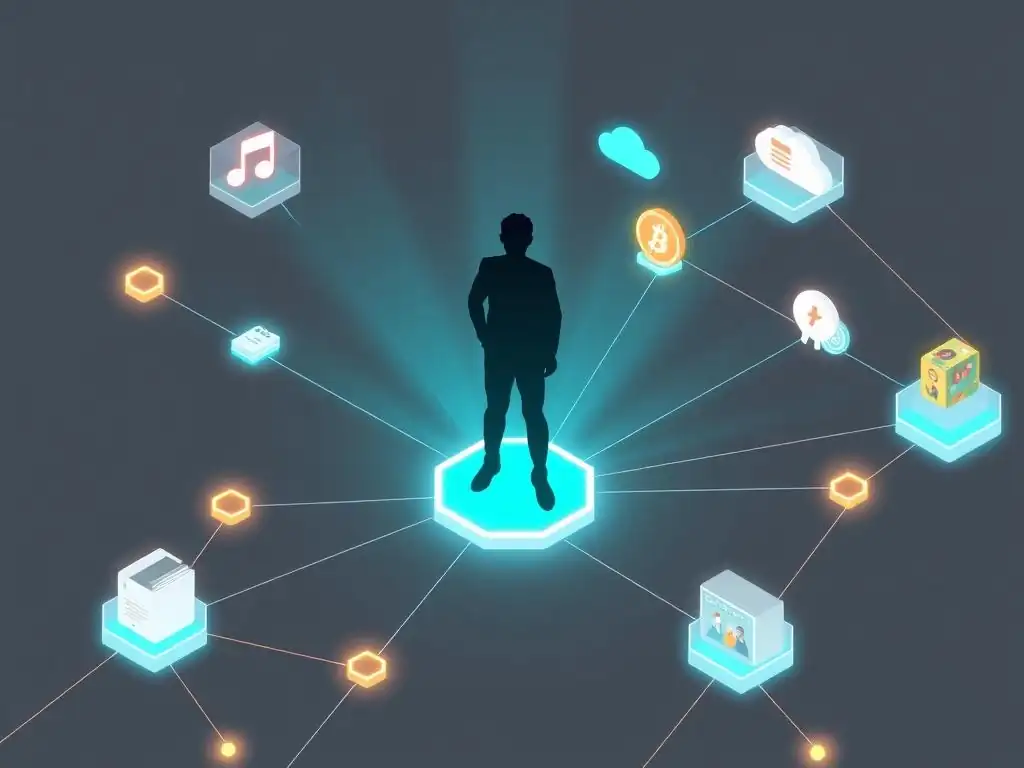
Tokenization represents a revolutionary monetization model within the blockchain creator ecosystem. It involves representing content or intellectual property rights as digital tokens on a blockchain. These tokens, often fungible tokens like ERC-20 tokens on Ethereum, can represent various forms of ownership, access rights, or utility related to the content.
For instance, a creator might tokenize access to exclusive content, requiring fans to hold a certain number of tokens to unlock premium articles, videos, or music. Tokenization allows creators to fractionalize ownership of their work, enabling collective ownership by a community or allowing creators to sell portions of future revenue streams to early supporters.
This model provides creators with greater flexibility and control over how they monetize their work. They can create tiered access models, reward loyal fans with exclusive tokens, or even use tokens as a form of digital currency within their community.
Tokenization also facilitates secondary markets, where fans can trade creator tokens, creating new economic opportunities and potentially increasing the value of creator tokens over time. By tokenizing content and intellectual property, creators can move beyond traditional monetization methods and build more dynamic and engaging economies around their work, fostering a deeper connection with their audience and unlocking new revenue potential.
NFTs (Non-Fungible Tokens) for Digital Collectibles and Art
NFTs, or Non-Fungible Tokens, have emerged as a groundbreaking monetization model specifically tailored for digital collectibles and art within the blockchain creator ecosystem. Unlike fungible tokens which are interchangeable, NFTs are unique digital assets representing proof of ownership of a specific item. This uniqueness makes NFTs ideal for representing digital art, music, virtual real estate, in-game items, and other collectibles.
Creators can mint NFTs representing their digital creations and sell them directly to fans and collectors on NFT marketplaces. Each NFT is recorded on the blockchain, providing verifiable proof of authenticity and ownership, which is crucial for digital assets in a world prone to replication.
NFTs empower creators to monetize digital scarcity and originality. For digital artists, musicians, and other creators of unique digital works, NFTs provide a mechanism to sell their creations as limited edition collectibles, similar to physical art or limited edition prints.
The scarcity and provenance offered by NFTs can drive value and demand, allowing creators to earn significantly more from their digital creations compared to traditional distribution models where digital content is easily copied and shared. Furthermore, NFTs often incorporate royalty mechanisms, ensuring that creators receive a percentage of secondary sales whenever their NFTs are traded on marketplaces, providing a continuous revenue stream beyond the initial sale.
Decentralized Autonomous Organizations (DAOs) for Creator Communities
Decentralized Autonomous Organizations (DAOs) represent an innovative governance and monetization model for creator communities within the blockchain ecosystem. DAOs are community-led entities governed by rules encoded in smart contracts and enforced on a blockchain. In the context of creator communities, DAOs can be used to collectively manage resources, make decisions about platform development, and distribute revenue among community members. Typically, DAOs utilize governance tokens, granting token holders voting rights and influence over the DAO's operations. Creators and fans who hold these tokens can participate in proposals, votes, and decision-making processes related to the creator platform or community.
DAOs empower creator communities by distributing governance and ownership more equitably. Instead of a centralized platform dictating rules and policies, a DAO allows the community itself to collectively shape its direction. This can lead to more democratic and creator-centric platforms, where decisions are made in the best interests of the community as a whole. DAOs can also facilitate transparent and automated revenue sharing, distributing platform revenue or community funds according to rules defined in smart contracts. This fosters a sense of shared ownership and incentivizes community participation, creating more vibrant and sustainable blockchain creator ecosystems.
Real-World Examples: Blockchain Creator Platforms in Action
Case Study 1: Audius - Decentralized Music Streaming
Audius stands out as a real-world example of a successful blockchain creator platform in action, specifically within the music streaming industry. Addressing the limitations of centralized platforms like Spotify and Apple Music, Audius provides a decentralized alternative where artists have greater control and ownership over their music and receive a fairer share of revenue. Built on blockchain technology, Audius allows artists to directly upload their music and connect with fans without intermediaries. The platform utilizes its native token, AUDIO, for various functions, including governance, staking, and rewarding artists and users.
Artists on Audius retain a significantly larger portion of their earnings compared to traditional streaming platforms. Instead of complex royalty calculations and platform fees, Audius facilitates direct payments to artists through its tokenized ecosystem. Furthermore, Audius prioritizes artist autonomy, allowing them to control their content distribution, pricing, and fan engagement strategies. The platform also fosters community governance, empowering AUDIO token holders to participate in platform decisions and shape its future development. Audius demonstrates the practical application of blockchain to create a more equitable and creator-centric music streaming ecosystem, offering a compelling alternative to centralized industry giants.
Case Study 2: Theta Network - Decentralized Video Streaming
Theta Network provides a compelling case study of a blockchain creator platform revolutionizing the video streaming industry. Traditional video streaming platforms face challenges related to content delivery costs and geographical limitations. Theta Network addresses these issues by creating a decentralized video delivery network powered by blockchain. It leverages a global network of users who share their bandwidth and computing resources to relay video streams, reducing reliance on centralized content delivery networks (CDNs). This decentralized approach aims to improve streaming quality, reduce costs, and enhance accessibility, particularly in underserved regions.
For content creators, Theta Network offers new opportunities for monetization and audience engagement. Creators can stream their content through Theta's decentralized network, potentially reaching a wider audience with improved streaming quality and lower delivery costs. Theta also incorporates its native token, THETA, which can be used for rewarding viewers for sharing bandwidth, tipping creators, and accessing premium content. By decentralizing video delivery and integrating blockchain-based monetization mechanisms, Theta Network presents a viable alternative to centralized video streaming platforms, empowering creators and enhancing the viewer experience.
Case Study 3: Mirror - Decentralized Publishing Platform
Mirror serves as a prominent example of a blockchain creator platform transforming the publishing landscape, particularly for writers and journalists. Addressing the limitations of centralized publishing platforms like Medium and Substack, Mirror offers a decentralized alternative that empowers writers with greater ownership, control, and monetization opportunities. Built on blockchain, Mirror allows writers to publish their work directly to a decentralized platform and connect directly with their readers. The platform leverages NFTs and crypto-based crowdfunding to enable writers to monetize their content and build sustainable careers.
Mirror utilizes NFTs for various purposes, including publishing articles as NFTs, creating limited edition digital publications, and rewarding early supporters with collectible NFTs. Writers can also raise funds for their projects through crypto-based crowdfunding mechanisms built into the platform, allowing them to receive direct financial support from their audience. Furthermore, Mirror fosters community governance, empowering writers and readers to participate in platform decisions and shape its future direction. By decentralizing publishing and integrating blockchain-based monetization tools, Mirror offers a compelling alternative to centralized publishing platforms, empowering writers and fostering a more equitable and sustainable publishing ecosystem.
Overcoming Challenges in the Blockchain Creator Economy
Scalability and Transaction Fees
Despite the immense potential of the blockchain creator economy, several challenges need to be addressed for its widespread adoption and long-term sustainability. Scalability remains a significant hurdle for many blockchain networks. As the number of users and transactions on a blockchain increases, transaction processing speeds can slow down, and transaction fees can rise significantly. This can create a bottleneck for creator platforms, particularly those with high user traffic or frequent microtransactions, such as tipping or content purchases. High transaction fees, especially on networks like Ethereum, can make small transactions economically unviable, hindering micro-monetization models crucial for many creators.
Various solutions are being explored to address scalability and transaction fee issues. Layer-2 scaling solutions, such as optimistic rollups and zk-rollups, are designed to process transactions off-chain while maintaining the security and decentralization of the main blockchain. These solutions can significantly increase transaction throughput and reduce fees. Alternative blockchain networks with higher scalability and lower fees, such as Solana, Polygon, and Flow, are also gaining traction within the creator economy. Continued innovation in blockchain technology and scaling solutions is crucial for overcoming these limitations and enabling the blockchain creator economy to reach its full potential.
User Adoption and Education
User adoption and education represent another critical challenge for the blockchain creator economy. While blockchain technology is gaining wider recognition, it still remains complex and unfamiliar to many creators and users. The technical complexities of blockchain wallets, cryptocurrencies, NFTs, and decentralized platforms can create a significant barrier to entry for non-technical users. Many creators and audiences are accustomed to the user-friendly interfaces and seamless experiences offered by centralized platforms, making the transition to decentralized alternatives potentially daunting.
Addressing this challenge requires a focus on user experience and education. Decentralized platforms need to prioritize user-friendly interfaces and intuitive onboarding processes to make blockchain technology more accessible to mainstream users. Educational resources, tutorials, and community support are essential to guide creators and audiences through the intricacies of the blockchain creator economy. Simplifying the user experience, abstracting away technical complexities, and providing comprehensive educational resources are crucial steps towards driving wider user adoption and realizing the full potential of the blockchain creator economy.
Regulatory Uncertainty and Legal Considerations
Regulatory uncertainty and legal considerations pose another significant challenge for the growth of the blockchain creator economy. The regulatory landscape surrounding blockchain technology and cryptocurrencies is still evolving globally, with varying levels of clarity and enforcement across different jurisdictions. This regulatory uncertainty can create ambiguity and risks for blockchain creator platforms and creators operating within these ecosystems. Issues such as the legal status of cryptocurrencies and NFTs, taxation of crypto assets, and compliance with securities laws remain complex and subject to interpretation.
Navigating this regulatory landscape requires careful consideration of legal compliance and risk management. Blockchain creator platforms need to stay informed about evolving regulations in different jurisdictions and adapt their operations accordingly. Engaging with legal experts and policymakers is crucial to advocate for clear and sensible regulations that foster innovation while protecting users. Addressing regulatory uncertainty and establishing clear legal frameworks will be essential for building trust and fostering the long-term growth and sustainability of the blockchain creator economy.
The Future of Content Creation: Decentralization and Blockchain
Predictions for the Growth of the Blockchain Creator Ecosystem
The future of content creation is increasingly intertwined with decentralization and blockchain technology, and predictions for the growth of the blockchain creator ecosystem are overwhelmingly optimistic. Analysts project substantial growth in the creator economy as a whole, and blockchain is poised to capture a significant and growing share of this market.
As awareness of blockchain creator ecosystem benefits spreads and user adoption increases, we can expect to see a proliferation of new decentralized creator platforms across various content verticals, including music, video, writing, art, gaming, and more. The trend towards creator empowerment and direct monetization is gaining momentum, and blockchain provides the ideal infrastructure to facilitate this shift.
Furthermore, advancements in blockchain technology, particularly in scalability and user experience, will play a crucial role in driving growth. Layer-2 solutions and more user-friendly blockchain platforms will make decentralized creator ecosystems more accessible and efficient. The integration of blockchain with other emerging technologies, such as AI and the metaverse, will also unlock new possibilities for content creation and creator-fan interaction within decentralized environments. The convergence of these trends points towards a future where blockchain becomes an increasingly integral part of the content creation landscape, empowering creators and reshaping the dynamics of the creator economy.
The Role of Blockchain in Democratizing Content Creation
Blockchain technology is playing a pivotal role in democratizing content creation, breaking down barriers to entry and leveling the playing field for creators globally. Traditional centralized platforms often favor established creators with large followings, making it challenging for emerging or independent creators to gain visibility and build an audience. Blockchain's decentralized nature can help to dismantle these gatekeepers and create a more equitable and meritocratic content ecosystem. Decentralized platforms often prioritize content quality and community engagement over algorithmic curation, giving creators more control over their reach and visibility.
Moreover, blockchain's global and permissionless nature transcends geographical boundaries and economic limitations. Creators from anywhere in the world can participate in the blockchain creator economy, access global audiences, and monetize their work without relying on intermediaries or facing censorship. Cryptocurrencies and stablecoins facilitate cross-border payments and financial inclusion, enabling creators in developing countries to access global markets and earn a living from their content. By fostering greater inclusivity, transparency, and creator empowerment, blockchain is democratizing content creation and fostering a more diverse and vibrant global creator economy.
Exploring New Avenues for Creator-Fan Interaction through Blockchain
Blockchain technology is opening up exciting new avenues for creator-fan interaction, moving beyond traditional one-way communication models towards more collaborative and participatory relationships. Tokenization and NFTs are enabling creators to build stronger communities around their work, rewarding fan engagement and granting exclusive access to loyal supporters. Tokenized communities can empower fans to participate in platform governance, content curation, and even co-creation, fostering a sense of shared ownership and collective agency.
The metaverse and virtual worlds, powered by blockchain, are creating immersive environments for creator-fan interaction. Creators can host virtual events, concerts, and experiences within these decentralized metaverses, allowing fans to engage with them in new and interactive ways. NFTs can represent virtual assets, collectibles, and access passes within these virtual worlds, creating new forms of digital ownership and community engagement.
Smart contracts can automate revenue sharing and royalty splits between creators and fans who contribute to content creation or community building. By fostering deeper engagement, shared ownership, and new forms of digital interaction, blockchain is transforming the creator-fan relationship and creating more vibrant and participatory content ecosystems.
Frequently Asked Questions
How does blockchain technology empower creators compared to traditional centralized platforms?
Blockchain enables creators to own their content and directly monetize it, bypassing traditional intermediaries. This reduces fees and increases transparency, creating a fairer system.
What are some specific examples of blockchain applications that benefit the creator ecosystem?
DeFi (Decentralized Finance) tools allow creators to receive direct payments and access loans. NFTs (Non-Fungible Tokens) enable creators to tokenize their work and establish verifiable ownership.
How can blockchain contribute to fairer compensation models for creators?
Smart contracts automate revenue sharing and ensure creators receive their due royalties. These contracts are transparent and immutable, guaranteeing equitable distribution.
What role does regulation play in the development of a thriving blockchain creator ecosystem?
Clear and supportive regulation can foster innovation and attract investment. Conversely, unclear or restrictive rules can hinder growth and discourage participation.
What are the potential long-term benefits of a decentralized creator ecosystem built on blockchain?
A decentralized ecosystem promises greater autonomy, increased revenue streams, and stronger community engagement. This fosters a more sustainable and equitable future for creators.
Final Reflection: Embracing the Decentralized Creator Future
The journey from centralized platforms to decentralized ecosystems represents more than just a technological shift; it signifies a fundamental power redistribution, placing agency back into the hands of creators. This movement towards blockchain creator ecosystems is not a fleeting trend, but a necessary evolution in how we value and reward creative work in the digital age. The inherent transparency, security, and direct connection with audiences offered by blockchain technologies are reshaping the landscape, promising a more equitable and sustainable future for creators worldwide.
The rise of decentralized platforms has profoundly impacted the cultural landscape, fostering a sense of community and ownership that was often absent in traditional models. Witnessing this shift firsthand has reinforced the importance of supporting initiatives that empower creators and promote genuine connection. The future of work is decentralized, and the future of creativity is decentralized. The two are inextricably linked.
This quote encapsulates the potential of blockchain to unlock new avenues for creative expression and economic empowerment, fostering a more vibrant and diverse cultural landscape.
As we stand on the cusp of this decentralized revolution, I urge you to consider the role you can play in shaping this future. Embrace the opportunities presented by blockchain creator ecosystems, support creators who are building on these platforms, and advocate for a more equitable and transparent digital world. Let us collectively build a future where creativity is valued, rewarded, and accessible to all.
Ignite Your Creator Revolution!
Thank you for exploring the transformative shift toward decentralized ecosystems for creators. We hope you now have a clearer understanding of the opportunities and challenges ahead. It's time to take action and become part of the future!
Here's how you can get started:
- Explore a decentralized platform that aligns with your creative work. Discover the tools and community that will support your journey. This is the most important step.
- Share this article with fellow creators who are interested in moving beyond centralized control and harnessing blockchain technology. Help spread the word!
- Think of an innovative way to use blockchain to better connect with your audience and maintain ownership of your content.
What small step can you take this week to begin shifting your creative efforts toward a more decentralized future? Share your ideas in the comments below!
Leave a Reply