
Blockchain for Healthcare in Developing Countries: Addressing Unique Challenges and Opportunities

Welcome to Blockchain Trends, your guide to the evolving world of blockchain technology.
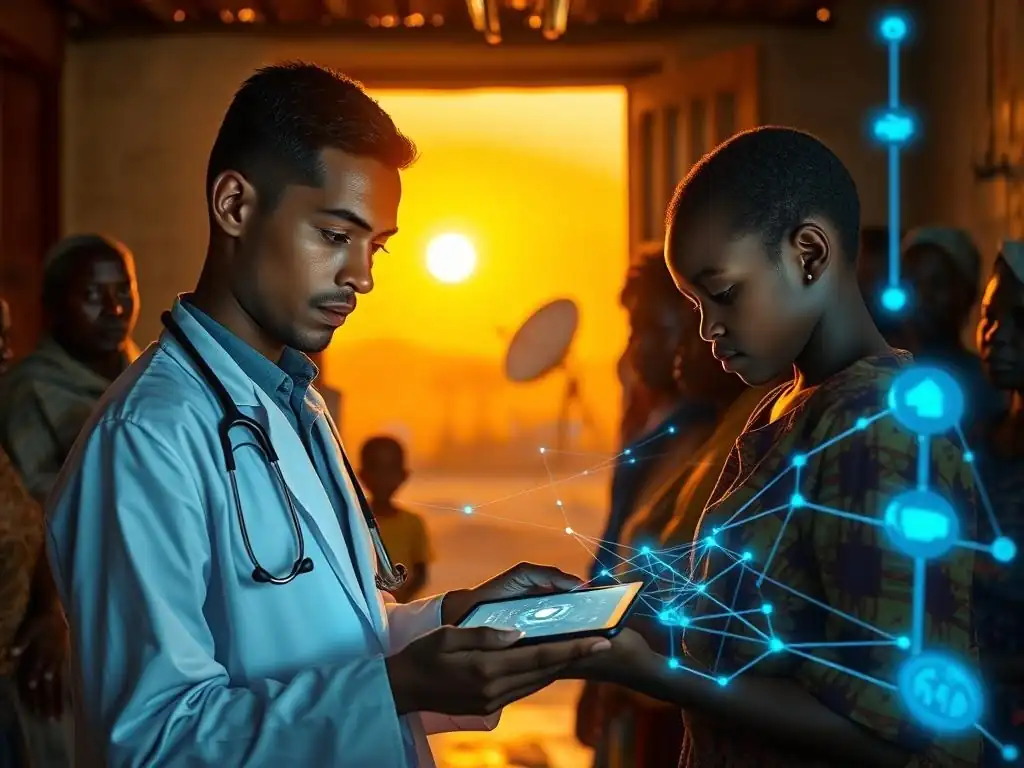
How can blockchain revolutionize healthcare in developing countries, overcoming unique hurdles and unlocking unprecedented opportunities? Dive into our in-depth analysis of blockchain healthcare developing countries challenges to uncover the innovative solutions and transformative potential shaping the future of healthcare access and efficiency. Prepare to explore the possibilities and the real-world impact of this groundbreaking technology.
Blockchain for Healthcare in Developing Countries: Addressing Unique Challenges and Opportunities
- Introduction: The Promise of Blockchain Technology in Healthcare for Developing Nations
-
Understanding the Specific Challenges in Implementing Blockchain Healthcare Solutions
- Infrastructure Limitations: Connectivity and Access to Technology in Developing Regions
- Regulatory and Legal Frameworks: Navigating Uncertainty in Blockchain Adoption
- Data Privacy and Security Concerns: Protecting Sensitive Patient Information in Vulnerable Systems
- Skills Gap and Training Needs: Building Local Expertise in Blockchain Technology
- Financial Constraints: Overcoming Budgetary Limitations for Blockchain Implementation
- Opportunities for Blockchain in Healthcare in Developing Countries
-
Overcoming Barriers to Blockchain Adoption in Developing Country Healthcare Systems
- Public-Private Partnerships: Fostering Collaboration and Resource Mobilization
- Government Support and Policy Development: Creating Enabling Regulatory Environments
- Community Engagement and Education: Building Trust and Acceptance of Blockchain Technology
- Open-Source Blockchain Solutions: Promoting Accessibility and Affordability
- The Future of Blockchain in Healthcare: A Vision for Developing Countries
- Conclusion: Blockchain as a Catalyst for Healthcare Transformation in Developing Nations
-
Frequently Asked Questions
- What are the main benefits of using blockchain technology for healthcare in developing countries?
- What are the key challenges to implementing blockchain healthcare solutions in developing countries?
- How can blockchain address the issue of counterfeit pharmaceuticals in developing countries?
- What regulatory considerations are important for deploying blockchain healthcare solutions in developing countries?
- How can blockchain help improve access to healthcare services in remote areas of developing countries?
- Final Reflection: Empowering Health Through Decentralization
- Transform Healthcare, One Block at a Time!
Introduction: The Promise of Blockchain Technology in Healthcare for Developing Nations
Blockchain's Potential to Revolutionize Healthcare in Resource-Constrained Environments
Blockchain technology, renowned for its decentralized, transparent, and immutable ledger capabilities, holds significant promise for transforming healthcare systems, particularly in resource-constrained environments like developing countries. These nations often grapple with issues such as fragmented data, lack of trust in institutions, inefficient supply chains, and limited access to specialized medical expertise.
Blockchain's core features, including enhanced data security through cryptography and distributed consensus mechanisms, offer a potential pathway to build more robust, equitable, and efficient healthcare infrastructure. By creating a secure, verifiable, and shared source of truth, blockchain can address fundamental vulnerabilities that plague traditional systems, paving the way for improved patient care and public health outcomes.
The application of blockchain extends beyond simple record-keeping; it can facilitate secure identity management for patients without formal identification, streamline payment systems in areas with limited banking access, and enable secure sharing of medical records between disparate facilities. For example, a patient's health history could be immutably recorded and accessed by different clinics or hospitals, reducing diagnostic errors and redundant testing, which are critical concerns in regions with limited resources. Furthermore, the technology's ability to track transactions and data access can significantly enhance accountability and reduce corruption within healthcare administration, freeing up scarce funds for essential services.
Focusing on Developing Countries: Unique Healthcare Challenges and the Need for Innovation
Developing countries face a distinct set of healthcare challenges that differ significantly from those in more developed nations. These include a high burden of infectious and non-communicable diseases, often compounded by inadequate public health funding, insufficient numbers of trained medical personnel, and geographical barriers to accessing care. Furthermore, issues like unreliable power grids, limited internet connectivity in rural areas, and complex socio-political landscapes add layers of complexity to healthcare delivery and data management. Addressing these deep-seated issues requires innovative solutions that can work within existing limitations while simultaneously building capacity.
Traditional, centralized healthcare IT systems are often expensive to implement and maintain, require reliable infrastructure, and can be vulnerable to single points of failure or data breaches. These factors make them less suitable for many developing country contexts.
This is where the potential of blockchain healthcare developing countries challenges becomes apparent – the technology's decentralized nature can offer resilience and potentially lower long-term operational costs compared to monolithic legacy systems. There is a pressing need for technological interventions that are not only effective but also adaptable, scalable, and sustainable in environments where resources are stretched thin and the need for impact is immense.
Understanding the Specific Challenges in Implementing Blockchain Healthcare Solutions
Infrastructure Limitations: Connectivity and Access to Technology in Developing Regions
One of the most significant blockchain healthcare developing countries challenges is the pervasive issue of inadequate infrastructure. Implementing blockchain solutions, which typically rely on network connectivity and computing power, can be severely hampered by limited internet access, especially in rural or remote areas. While mobile phone penetration is high in many developing nations, consistent and high-speed internet remains a luxury for a large portion of the population and healthcare facilities. Unreliable power supply further complicates the operation of necessary hardware, from servers to end-user devices.
Consider a scenario where a blockchain-based EHR system is deployed. For healthcare providers in remote clinics to access or update patient records, they need a stable internet connection and functioning computers or mobile devices. If the power is out or the internet is down, the system becomes inaccessible, defeating the purpose of real-time data availability. While offline capabilities with later synchronization can be designed, they add complexity and potential points of failure. Addressing these fundamental infrastructure gaps requires significant investment in telecommunications and energy sectors, often necessitating coordination between health ministries and other government bodies or private sector partners.
The regulatory landscape for blockchain technology is still evolving globally, but this uncertainty is often amplified in developing countries. Many nations lack clear legal frameworks regarding data ownership, smart contracts, digital identities, and the legal status of blockchain-based transactions. This ambiguity creates significant hurdles for healthcare organizations and technology providers looking to implement blockchain solutions, as they face potential legal risks and compliance challenges. Without clear guidelines, investment in blockchain healthcare developing countries projects can be hesitant.
For example, questions arise regarding which jurisdiction's laws apply when data is distributed across a global network, or how existing patient privacy regulations (like those mirroring GDPR or HIPAA principles) translate to a decentralized, immutable ledger. Establishing trust in a system where control is distributed requires legal certainty regarding accountability and recourse in case of errors or misuse. Developing clear, supportive, and adaptable regulatory frameworks that balance innovation with patient protection is crucial but often a slow and complex process involving multiple government agencies, which may lack technical expertise in this nascent field.
Data Privacy and Security Concerns: Protecting Sensitive Patient Information in Vulnerable Systems
While blockchain is often touted for its security features, implementing it in healthcare still presents significant data privacy and security challenges, particularly in developing countries. Although the blockchain itself can be immutable and secure, the interfaces and systems that interact with the blockchain – the "off-chain" components – can be vulnerable to cyberattacks. Furthermore, the principle of immutability means that erroneous or unlawfully placed data is difficult, if not impossible, to remove, raising concerns about the "right to be forgotten" and data correction.
In environments with limited cybersecurity expertise and resources, the risk of breaches or data manipulation at the entry or exit points of the blockchain system is higher. Protecting sensitive patient information requires robust access control mechanisms, secure storage of private keys, and continuous monitoring, all of which demand specialized skills and infrastructure that may be scarce. Furthermore, the potential for linking anonymized blockchain data with external datasets poses re-identification risks. Ensuring the confidentiality and integrity of patient information while leveraging blockchain's transparency requires careful system design, strong operational security protocols, and ongoing training for healthcare staff.
Skills Gap and Training Needs: Building Local Expertise in Blockchain Technology
A major barrier among the blockchain healthcare developing countries challenges is the significant skills gap related to blockchain technology. Developing, deploying, and maintaining complex blockchain-based systems requires specialized expertise in areas like cryptography, distributed systems, smart contract programming, and blockchain architecture. Such skills are in high demand globally and are often scarce and expensive, making it difficult for healthcare organizations in developing countries to attract and retain the necessary talent.
Training existing IT staff within healthcare institutions or recruiting new personnel with the required skills is a substantial undertaking that requires significant investment in education and capacity building. Without local expertise, healthcare systems become reliant on external consultants or technology providers, which can be costly and unsustainable in the long run. Building a sustainable blockchain healthcare ecosystem necessitates developing educational programs, fostering local developer communities, and creating pathways for knowledge transfer to ensure that countries can manage and evolve their own decentralized healthcare solutions.
Financial Constraints: Overcoming Budgetary Limitations for Blockchain Implementation
Implementing blockchain solutions, even open-source ones, involves significant initial investment in hardware, software development, integration with existing systems, training, and ongoing maintenance. For healthcare systems in developing countries, which often operate with severely limited budgets and competing priorities (such as infectious disease outbreaks, malnutrition, or basic infrastructure upgrades), allocating substantial funds for potentially unproven or complex technologies like blockchain can be challenging. The perceived high cost is a major factor contributing to the blockchain healthcare developing countries challenges.
While blockchain might offer long-term cost savings through increased efficiency and reduced fraud, demonstrating a clear and compelling return on investment (ROI) in the short-to-medium term is often difficult. Pilot projects can be expensive, and scaling up requires even greater financial commitment. Securing funding for blockchain healthcare initiatives often necessitates exploring innovative financing models, including grants from international organizations, philanthropic investments, or public-private partnerships. Careful cost-benefit analysis and phased implementation strategies are essential to make blockchain adoption financially feasible in these contexts.
Opportunities for Blockchain in Healthcare in Developing Countries
Improving Supply Chain Transparency and Efficiency for Pharmaceuticals
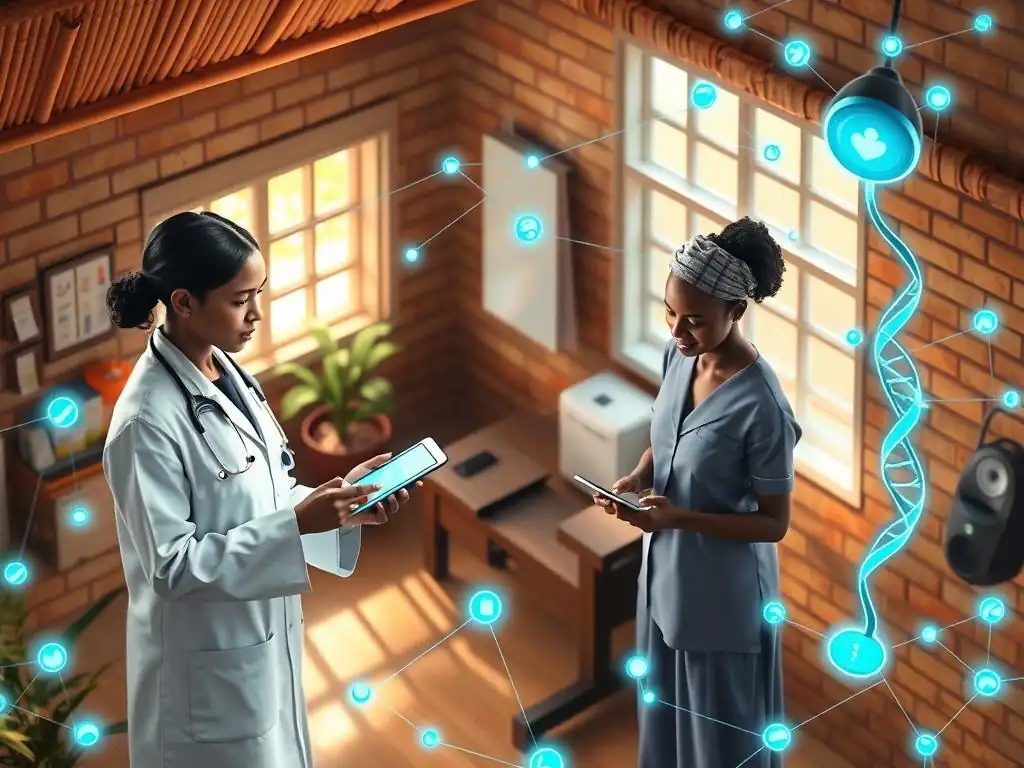
One of the most promising applications addressing blockchain healthcare developing countries challenges is its use in pharmaceutical supply chains. Counterfeit and substandard drugs are a major public health crisis in many developing nations, leading to treatment failures, drug resistance, and deaths. The opaque nature of traditional supply chains makes it difficult to track the origin and movement of medicines effectively. Blockchain can create a secure, immutable ledger of every transaction and transfer of custody for a drug, from manufacturer to the final patient or clinic.
Counteracting Counterfeit Drugs: Blockchain's Role in Verifying Authenticity
Blockchain provides a powerful tool to combat the proliferation of fake pharmaceuticals. By assigning a unique identifier (like a serial number or QR code) to each drug package at the point of manufacture and recording its journey on a blockchain, stakeholders can verify the authenticity of the product at any point in the supply chain.
For instance, pharmacists or patients could scan a code on the packaging using a mobile app to instantly check if the drug's recorded history on the blockchain matches its physical location and expected origin. This transparency makes it significantly harder for counterfeit drugs to infiltrate the legitimate supply chain undetected, as their provenance would not match the blockchain record.
Studies and pilot projects, such as those explored in countries like Nigeria or Kenya, indicate that such systems could reduce the percentage of counterfeit drugs reaching consumers, potentially saving lives and building trust in the healthcare system.
Optimizing Distribution Networks: Ensuring Timely Delivery of Essential Medicines
Beyond authenticity, blockchain can enhance the efficiency and visibility of pharmaceutical distribution networks. In developing countries, supply chains are often fragmented, with multiple intermediaries, leading to delays, stockouts, and wastage. A blockchain ledger can provide real-time visibility into inventory levels and shipment locations across the network.
This allows health officials or supply chain managers to identify bottlenecks, track expiration dates more effectively, and reroute shipments as needed to ensure essential medicines reach remote clinics or areas facing outbreaks in a timely manner. For example, tracking vaccines requiring strict cold chain storage becomes more reliable when temperature data can be logged onto the blockchain at various points, ensuring quality control throughout the journey. This optimization can reduce losses due to spoilage or expiration, estimated to be substantial in inefficient systems, thereby maximizing the impact of limited budgets.
Enhancing Electronic Health Records (EHR) Management and Interoperability
Managing patient health records is a significant challenge in developing countries due to paper-based systems, fragmented data across different facilities, and lack of interoperability. Blockchain offers a way to create secure, patient-centric EHR systems that can overcome these limitations, directly addressing a core blockchain healthcare developing countries challenge. While storing entire large records directly on the blockchain is impractical due to storage and cost limitations, blockchain can serve as a secure index or pointer to off-chain data, managing consent and access permissions.
Secure and Accessible Patient Data: Empowering Patients and Healthcare Providers
A blockchain-based system can provide patients with greater control over their health data. Through a secure digital identity linked to the blockchain, patients can grant or revoke access to their medical records for different healthcare providers. This shifts the paradigm from institution-owned data to patient-owned data, a crucial step in empowering individuals, especially in contexts where trust in institutions may be low.
For healthcare providers, this means having access to a comprehensive, tamper-proof history of a patient's allergies, medications, diagnoses, and test results, even if the patient has visited multiple clinics or hospitals. This improved data availability can lead to more accurate diagnoses, better treatment plans, and reduced medical errors, particularly vital in areas with limited diagnostic resources. A pilot project in Estonia, though a developed nation, demonstrates the technical feasibility of using blockchain (specifically, Guardtime's Keyless Signature Infrastructure) to secure health records, a model adaptable for developing regions.
Facilitating Cross-Border Healthcare: Enabling Seamless Data Sharing for Migrant Populations
Developing countries often have significant populations who migrate internally or across borders for work or due to displacement. Managing the health records of these mobile populations is extremely difficult with traditional systems. A blockchain-based health data system, designed with interoperability in mind, could allow individuals to securely share their essential health information – such as vaccination records, chronic conditions, or emergency contacts – with healthcare providers in different regions or even different countries.
This could be life-saving in emergency situations or when accessing care in a new location, overcoming a significant logistical and data-sharing blockchain healthcare developing countries challenge. While full international interoperability is a long-term goal, regional or national blockchain initiatives could significantly improve care coordination for mobile populations within those areas.
Streamlining Healthcare Insurance Processes and Reducing Fraud
Healthcare insurance penetration is often low in developing countries, and existing systems can be inefficient, paper-intensive, and vulnerable to fraud. Blockchain and smart contracts have the potential to automate processes, increase transparency, and significantly reduce fraudulent activities, making insurance more accessible and affordable.
Automated Claims Processing: Reducing Administrative Burden and Costs
Smart contracts, self-executing contracts with the terms of the agreement directly written into code on the blockchain, can automate many aspects of the insurance claims process. For example, upon receiving confirmation of a specific diagnosis or procedure (recorded via a verifiable source on or linked to the blockchain), a smart contract could automatically trigger a payment to the healthcare provider or patient. This eliminates manual processing steps, reduces administrative overhead, and speeds up payouts.
In systems burdened by bureaucracy and paperwork, automating claims processing via blockchain could free up significant resources and reduce delays that prevent patients from receiving timely care. Estimates suggest that administrative costs can account for a substantial percentage of healthcare expenditures, and automation offers a path to significant savings.
Combating Insurance Fraud: Enhancing Transparency and Accountability
Healthcare insurance fraud, such as submitting claims for services not rendered or inflating costs, is a major issue globally and particularly challenging to track in systems with poor record-keeping. By recording every interaction – from policy issuance to service delivery and claim submission – on an immutable blockchain ledger, a transparent audit trail is created. Smart contracts can enforce policy rules automatically, flagging or preventing suspicious claims that don't meet predefined criteria (e.g., duplicate claims for the same service).
The transparency and immutability of the blockchain make it much harder for fraudulent activities to go undetected, enhancing accountability for all parties involved – patients, providers, and insurers. This capability directly addresses a critical blockchain healthcare developing countries challenge related to financial integrity.
Facilitating Telemedicine and Remote Patient Monitoring
Telemedicine and remote patient monitoring are vital tools for expanding access to healthcare in developing countries, allowing patients in remote areas to consult with specialists or have their health status monitored without traveling long distances. Blockchain can play a crucial role in securing the data transmitted and stored within these systems.
Expanding Access to Healthcare: Reaching Underserved Communities
In regions with few doctors or clinics, telemedicine platforms secured by blockchain can connect patients with healthcare professionals located elsewhere. This is particularly impactful for specialized care (like dermatology, radiology, or mental health), which may be unavailable locally. Blockchain ensures that the patient's identity is verified and that the consultation records and transmitted health data are secure and private.
This dramatically expands the reach of healthcare services, bringing medical expertise to populations previously underserved due to geographical barriers. For instance, a rural health worker could use a mobile app to facilitate a teleconsultation, with patient data securely managed on a blockchain.
Secure Data Transmission: Protecting Patient Privacy in Remote Consultations
Transmitting sensitive patient data, including images, video, and vital signs, over potentially insecure networks is a major concern in telemedicine. Blockchain technology, while not typically used to store large media files directly, can secure the metadata and access permissions for this data. It can ensure the integrity of the transmitted data and provide an immutable log of who accessed the information and when.
This cryptographic security is essential for building trust in telemedicine services and protecting patient privacy, which is paramount when health information is being shared remotely. By providing a robust security layer, blockchain helps overcome the privacy-related blockchain healthcare developing countries challenges associated with digital health services.
Overcoming Barriers to Blockchain Adoption in Developing Country Healthcare Systems
Public-Private Partnerships: Fostering Collaboration and Resource Mobilization
Successfully implementing blockchain healthcare solutions in developing countries requires significant collaboration between public health bodies, private sector technology providers, NGOs, and international organizations. Public-private partnerships (PPPs) are crucial for pooling resources, sharing expertise, and navigating the complex landscape. Governments can provide regulatory support, access to healthcare networks, and help identify priority areas, while private companies bring technical knowledge, implementation experience, and potential investment.
For example, a government ministry might partner with a blockchain company and a telecommunications provider to develop a pilot project for tracking vaccine distribution in remote regions. The government provides the necessary health system access and defines requirements, the tech company builds the solution, and the telco ensures connectivity. Such partnerships can help overcome financial constraints and leverage diverse strengths to tackle the multi-faceted blockchain healthcare developing countries challenges, ensuring projects are aligned with national health strategies and have a higher chance of sustainability and scale.
Government Support and Policy Development: Creating Enabling Regulatory Environments
Strong government support is paramount for fostering blockchain adoption in healthcare. This includes not only financial backing but also the development of clear, supportive, and adaptable policies and regulations. Governments need to address legal ambiguities surrounding data ownership, digital identity, and the use of smart contracts within the healthcare context. They can also play a role in setting standards for blockchain interoperability and data security.
Creating sandboxes or regulatory 'safe spaces' for pilot projects can encourage innovation without immediate, stringent compliance burdens. Furthermore, government endorsement can build trust among healthcare providers and the public regarding the use of new technologies. Proactive policy development, perhaps guided by international best practices adapted to local contexts, is essential to unlock the potential of blockchain and navigate the regulatory blockchain healthcare developing countries challenges effectively. Without a supportive governmental framework, even the most promising technological solutions will struggle to gain traction and scale.
Community Engagement and Education: Building Trust and Acceptance of Blockchain Technology
Introducing any new technology into healthcare requires buy-in from healthcare professionals, administrators, and, critically, patients and communities. In developing countries, where technological literacy may vary and trust in new systems can be low, community engagement and education are vital. Explaining the benefits of blockchain in simple terms, addressing concerns about data privacy and security, and demonstrating how the technology improves healthcare delivery can build confidence and acceptance.
Engaging local leaders, community health workers, and patient advocacy groups is essential to tailor communication and ensure the technology meets real-world needs. Training programs for healthcare staff on how to use blockchain-based systems are also critical. A successful implementation is not just about the technology itself but about how well it is understood and adopted by the people who will use it daily. Overcoming the human and social blockchain healthcare developing countries challenges requires significant investment in education and ongoing support.
Open-Source Blockchain Solutions: Promoting Accessibility and Affordability
Given the financial constraints in developing countries, prioritizing open-source blockchain platforms and applications can significantly reduce costs and promote accessibility. Open-source software is typically free to use and modify, which lowers initial licensing fees. It also fosters a community of developers who can contribute to improving the technology and adapting it to local needs.
Using open standards and open-source components encourages interoperability and prevents vendor lock-in, a major concern when implementing complex IT systems. Furthermore, open-source projects can facilitate knowledge transfer and capacity building within the local tech community. While implementation and customization still require investment, starting with open-source foundations can make blockchain healthcare solutions more affordable and sustainable, helping to mitigate the financial blockchain healthcare developing countries challenges. Examples of relevant open-source platforms include Hyperledger Fabric or Ethereum (for permissioned networks).
The Future of Blockchain in Healthcare: A Vision for Developing Countries
Scalability and Sustainability: Ensuring Long-Term Viability of Blockchain Solutions
For blockchain to truly transform healthcare in developing countries, solutions must be scalable and sustainable beyond initial pilot phases. Scalability means the system can handle a growing number of users, transactions, and data volumes without performance degradation. Sustainability involves ensuring ongoing funding, maintenance, and local technical expertise are available for the long term.
Achieving scalability requires careful architectural design, potentially utilizing layer-2 solutions or focusing on specific, high-impact use cases initially before expanding. Sustainability depends on embedding the technology within national health strategies, securing recurrent funding sources (potentially through government budgets, insurance savings, or donor support), and continuously investing in local capacity building. The vision is for blockchain to become an integral, self-sufficient part of the healthcare infrastructure, not a series of isolated, short-lived projects that fail once initial funding runs out, thereby overcoming a key blockchain healthcare developing countries challenge related to project longevity.
Integration with Emerging Technologies: Combining Blockchain with AI, IoT, and other innovations
The future of blockchain in healthcare in developing countries lies in its integration with other emerging technologies. Combining blockchain's secure, immutable ledger with Artificial Intelligence (AI), Internet of Things (IoT) devices, and big data analytics can create powerful new capabilities.
For instance, IoT sensors could monitor the temperature of vaccine shipments, with this data securely logged onto a blockchain. AI algorithms could analyze this blockchain data to predict potential cold chain failures or identify inefficiencies. Similarly, AI could analyze anonymized health data stored or referenced on a blockchain to identify disease outbreaks earlier or personalize treatment plans, while the blockchain ensures data integrity and manages access permissions. This synergy can lead to more intelligent, predictive, and efficient healthcare systems, maximizing the impact of limited resources in developing nations.
Empowering Patients and Communities: Fostering Ownership and Participation
Ultimately, the vision for blockchain healthcare in developing countries should center on empowering patients and communities. By giving individuals greater control over their health data, facilitating secure access to telemedicine, and increasing transparency in supply chains and insurance, blockchain can shift the power dynamics within the healthcare system.
Engaging communities in the design and implementation process ensures that solutions are relevant and meet their needs. Fostering digital literacy and understanding of blockchain empowers individuals to utilize these new tools effectively. The long-term goal is to create a more equitable healthcare system where patients are active participants, not just passive recipients, and where communities have greater ownership and trust in the health services provided, effectively addressing the societal and trust-related blockchain healthcare developing countries challenges.
Conclusion: Blockchain as a Catalyst for Healthcare Transformation in Developing Nations
Summarizing the Key Benefits and Challenges of Blockchain Implementation
Blockchain technology offers a compelling opportunity to address some of the most persistent healthcare challenges in developing countries, including fragmented data, inefficient supply chains, lack of trust, and limited access to services. Its core features of transparency, security, and immutability can significantly improve areas such as pharmaceutical traceability, electronic health record management, insurance processes, and the delivery of telemedicine. These benefits hold the potential to enhance patient safety, improve efficiency, reduce costs, and expand access to care.
However, realizing this potential is not without significant hurdles. The blockchain healthcare developing countries challenges are substantial, including infrastructure limitations (connectivity, power), regulatory uncertainty, data privacy and security concerns in vulnerable systems, a critical skills gap, and financial constraints. Overcoming these barriers requires concerted effort, strategic planning, and collaborative action from various stakeholders.
Call to Action: Encouraging Further Research, Development, and Collaboration
Given the potential impact of blockchain on healthcare in developing countries, it is imperative to encourage further research, development, and collaboration. More pilot projects are needed to test different blockchain models and use cases in diverse local contexts, generating real-world data on effectiveness, feasibility, and cost-efficiency. Research should focus on developing solutions that are low-cost, low-bandwidth, and easily adaptable to existing infrastructure limitations.
International organizations, governments, NGOs, academic institutions, and private sector companies must collaborate to share knowledge, mobilize resources, and develop supportive policies. Investing in local capacity building and community education is crucial for long-term success. By working together to address the unique blockchain healthcare developing countries challenges, we can harness the transformative power of this technology to build more resilient, equitable, and effective healthcare systems for those who need them most.
Frequently Asked Questions
What are the main benefits of using blockchain technology for healthcare in developing countries?
Blockchain can improve data security and interoperability, ensuring patient records are accessible and tamper-proof. It can also enhance supply chain management for pharmaceuticals, combating counterfeit drugs.
What are the key challenges to implementing blockchain healthcare solutions in developing countries?
Limited infrastructure, including reliable internet access and electricity, poses a significant hurdle. The need for digital literacy and trust in technology among both healthcare providers and patients is also crucial.
How can blockchain address the issue of counterfeit pharmaceuticals in developing countries?
By creating a transparent and immutable record of the drug's journey from manufacturer to patient, blockchain can track and verify authenticity. This significantly reduces the risk of counterfeit drugs entering the supply chain.
What regulatory considerations are important for deploying blockchain healthcare solutions in developing countries?
Establishing clear data privacy and security regulations is essential. Governments also need to create supportive frameworks that encourage innovation while protecting patients' rights.
How can blockchain help improve access to healthcare services in remote areas of developing countries?
By enabling secure and decentralized data sharing, blockchain can facilitate telemedicine and remote diagnostics. It can also streamline patient identification and record management in resource-constrained settings.
Okay, here's a final reflection tailored for your article "Blockchain for Healthcare in Developing Countries: Addressing Unique Challenges and Opportunities," optimized for the keyword "Blockchain healthcare developing countries challenges" and following the structure you provided:
Final Reflection: Empowering Health Through Decentralization
The exploration of blockchain's potential in developing countries' healthcare systems reveals a landscape ripe with opportunity, yet fraught with unique challenges of infrastructure, regulation, and digital literacy. These hurdles, however, underscore the profound need for innovative solutions that can leapfrog traditional limitations and deliver equitable access to essential healthcare services. The promise of secure data management, transparent supply chains, and empowered patient control makes blockchain a compelling, albeit complex, tool for transformative change.
The journey of understanding blockchain's application in this context has been deeply impactful, highlighting the urgent need for collaborative efforts and culturally sensitive implementations. It's not merely about adopting technology, but about fostering trust and building sustainable ecosystems that prioritize the needs of the most vulnerable populations. As Nelson Mandela wisely stated: Education is the most powerful weapon which you can use to change the world.
Similarly, access to secure and transparent healthcare information, facilitated by blockchain, can be a powerful catalyst for positive change.
Now, consider the implications of this technology in your own sphere of influence. How can you contribute to bridging the digital divide and ensuring that the benefits of blockchain reach those who need them most? Let us all strive to be advocates for responsible innovation, working together to build a future where healthcare is accessible, secure, and truly empowering for everyone, regardless of their location or circumstance.
Transform Healthcare, One Block at a Time!
Thank you for exploring how blockchain technology can revolutionize healthcare in developing countries. We hope this article has shed light on the exciting possibilities and the challenges that need to be addressed. Now, it's time to take action!
Here are some ways you can contribute to this important movement:
- Share this article with policymakers or healthcare professionals working in underserved regions. Let’s start the conversation where it can make the most difference.
- Explore existing blockchain initiatives aimed at improving healthcare access in underserved communities. Understanding current efforts is the first step toward innovation.
- Think creatively about new, potentially disruptive ways to apply blockchain in healthcare that address specific needs you've identified. Your ideas could help shape the future solutions the world requires.
What innovative blockchain application do you believe could have the greatest impact on healthcare access in developing countries? Share your thoughts below!
Leave a Reply