
The Psychology of Crypto Adoption: Researcher R on Behavioral Economics and User Engagement


Welcome to Blockchain Trends, your compass in the rapidly evolving world of decentralized technology. Beyond the hype of cryptocurrencies lies a landscape of transformative possibilities, from revolutionizing finance with DeFi to reshaping enterprise operations.
But what actually drives people to embrace, or reject, this revolutionary technology? Dive into our exclusive interview with Researcher R, where we unravel the fascinating crypto adoption psychology research and explore the behavioral economics shaping user engagement in the blockchain space. Prepare to question your assumptions and discover the hidden motivations behind the decentralized revolution.
- The Psychology of Electric Vehicle Adoption: Dr. Anya Sharma on Behavioral Economics and Consumer Choice
- Dr. Sharma's Perspective on EV Adoption Psychology
- Behavioral Economics and Electric Vehicle Consumer Engagement
- Addressing the Challenges of EV Adoption: A Psychological Approach
- Case Studies: Applying EV Adoption Psychology Research
- The Future of EV Adoption: Predictions from Dr. Sharma
- Practical Implications for Automotive Businesses and Policymakers
- Conclusion: The Importance of Understanding EV Adoption Psychology
-
Frequently Asked Questions
- What is the main focus of Crypto adoption psychology research as discussed by Researcher R?
- How does Researcher R's work contribute to understanding the challenges in Crypto adoption psychology research?
- Beyond technological advancements, what key behavioral factors does Crypto adoption psychology research emphasize for broader adoption?
- How can businesses leverage findings from Crypto adoption psychology research to improve their crypto offerings?
- What are the regulatory implications highlighted by Crypto adoption psychology research and its findings?
- Final Reflection: Navigating the Labyrinth of Crypto Adoption
- Unleash Your Crypto Curiosity!
The Psychology of Electric Vehicle Adoption: Dr. Anya Sharma on Behavioral Economics and Consumer Choice
GreenTech Insights Interviews Dr. Sharma on Consumer Engagement in EVs
Understanding the complexities of crypto adoption psychology research is paramount in fostering wider engagement with decentralized technologies. While traditionally focused on financial incentives and technological features, the field is increasingly recognizing the deep-seated psychological factors that influence user behavior and adoption rates. Behavioral economics offers a powerful lens through which to examine how individuals perceive, evaluate, and ultimately decide to interact with cryptocurrencies and blockchain platforms. This perspective moves beyond rational choice models to explore the heuristics, biases, and social influences that shape decisions in the volatile and often opaque world of digital assets.
Researcher R, a leading voice in crypto adoption psychology research, highlights that early adoption was heavily driven by speculation and novelty. However, moving towards mass adoption requires addressing the behavioral barriers that prevent mainstream users from engaging. This involves dissecting the user journey from initial awareness to sustained engagement, identifying friction points rooted in human psychology.
Factors like perceived risk, trust in decentralized systems, and the cognitive load associated with managing digital assets all play significant roles. By applying insights from behavioral science, stakeholders can design more intuitive interfaces, communicate value more effectively, and build the confidence necessary for broad-based adoption.
Why EV Adoption Psychology Research Matters in the Automotive Industry
The significance of crypto adoption psychology research cannot be overstated for the future growth of the decentralized ecosystem. Unlike traditional financial products, interacting with cryptocurrencies often requires a higher degree of technical understanding and personal responsibility (e.g., managing private keys). This inherent complexity introduces psychological hurdles that can deter potential users. Research into these psychological barriers helps developers and service providers anticipate user needs and design platforms that mitigate anxiety and build confidence. For instance, studies have shown that simplified onboarding processes can dramatically increase user retention.
Moreover, understanding the psychological drivers behind why people adopt crypto – whether for investment, utility, or ideological reasons – allows for more targeted and effective communication strategies. Early crypto adoption psychology research focused heavily on the "get rich quick" mentality, but contemporary studies reveal a more nuanced picture, including motivations related to financial sovereignty, privacy, and participation in novel digital communities. For businesses and projects building on blockchain, insights into these motivations are crucial for aligning product development and marketing efforts with genuine user needs and aspirations, fostering sustainable engagement rather than fleeting interest.
Dr. Sharma's Perspective on EV Adoption Psychology
Key Behavioral Biases Influencing EV Purchase Decisions
Several key behavioral biases significantly influence decisions within the crypto space, a central focus of crypto adoption psychology research. One prominent bias is Loss Aversion, the tendency for individuals to prefer avoiding losses over acquiring equivalent gains. In the volatile crypto market, the fear of losing invested capital can be a powerful deterrent, often outweighing the potential for substantial profits.
This bias explains why many potential users remain on the sidelines or panic sell during market downturns, even against long-term rational analysis. Research suggests that framing potential outcomes in terms of relative gains or highlighting protective measures (like cold storage) can partially mitigate this effect.
Another critical bias is the Endowment Effect, where people tend to value something they own more highly than if they did not own it. Once individuals acquire cryptocurrency, they may develop a stronger emotional attachment and perceive its value as higher than market indicators suggest, making them reluctant to sell even when rational analysis advises it.
Conversely, for those who haven't adopted, the perceived value of crypto assets might be lower, contributing to inertia. Furthermore, Confirmation Bias leads individuals to seek out and interpret information that confirms their existing beliefs about crypto, whether positive or negative, potentially reinforcing speculative bubbles or unfounded skepticism.
The Role of Cognitive Biases in Electric Vehicle Investment
Cognitive biases play a profound role in crypto investment decisions, a core area explored in crypto adoption psychology research. The Availability Heuristic, for example, causes individuals to overestimate the likelihood of events that are easily recalled or vivid, such as stories of massive gains or catastrophic losses publicized in the media. This can lead to impulsive investment decisions based on hype or fear, rather than thorough research. The anchoring bias also comes into play, where initial exposure to a price point (e.g., Bitcoin's all-time high) can serve as an anchor, influencing future price expectations and investment strategies, sometimes irrationally.
The Dunning-Kruger effect, while not strictly a cognitive bias, is highly relevant; individuals with limited knowledge in crypto may overestimate their understanding, leading to overconfidence in risky investment decisions. Conversely, those with more knowledge might be acutely aware of the complexities and risks, leading to excessive caution.
Herding behavior is also rampant; observing others (friends, influencers, online communities) investing in certain assets can create social pressure and a belief that "everyone else is doing it," leading individuals to follow suit without independent evaluation. Crypto adoption psychology research aims to quantify the impact of these biases on market dynamics and individual portfolio choices.
Behavioral Economics and Electric Vehicle Consumer Engagement
How Behavioral Economics Can Improve EV User Experience (UX) - Charging Infrastructure
Applying behavioral economics principles can significantly improve the user experience (UX) for crypto platforms, addressing issues analogous to "charging infrastructure" concerns in EVs. One key area is simplifying the onboarding process and wallet management. The complexity of setting up wallets, securing private keys, and understanding transaction fees (gas) presents a significant cognitive barrier.
Behavioral design can employ principles like progressive disclosure, revealing complexity only as needed, and using clear, action-oriented language to guide users. Defaults can also be leveraged; for instance, setting reasonable default transaction speeds or gas fees can reduce decision paralysis and errors, similar to how simplified EV charging interfaces reduce user friction.
Furthermore, building trust through transparency and clear feedback is crucial. Users often experience anxiety during transactions due to network delays or uncertainty about confirmation. Providing real-time, easily understandable status updates and confirmations reduces this anxiety, leveraging the behavioral principle of certainty preference. Gamification elements, such as visual progress indicators or small rewards for completing setup steps, can also motivate engagement by tapping into intrinsic psychological drivers. Crypto adoption psychology research provides the data needed to identify specific pain points in the user journey and design interventions that make interacting with decentralized tech less daunting.
Applying Behavioral Insights to Increase EV Owner Satisfaction
Applying behavioral insights can substantially increase user satisfaction and retention within the crypto ecosystem. One major factor is managing user expectations, particularly around volatility and potential losses. Platforms can use nudges, such as displaying clear risk disclaimers at key decision points or offering educational modules on market dynamics, to set realistic expectations and promote responsible behavior. This proactive approach helps users cope better with market fluctuations, thereby increasing long-term satisfaction.
Another insight relates to community and social proof. Humans are social creatures, and belonging to a community reinforces behavior. Crypto platforms can foster strong communities through forums, social features, and transparent communication, providing users with a sense of belonging and access to peer support.
Highlighting positive experiences and success stories (while being mindful of regulatory compliance around financial advice) can leverage social proof to build confidence among new users. Loyalty programs or tokenomics designed with behavioral incentives can also encourage continued engagement, transforming passive holders into active participants. Crypto adoption psychology research helps identify which incentives and social mechanisms are most effective for different user segments.
Addressing the Challenges of EV Adoption: A Psychological Approach
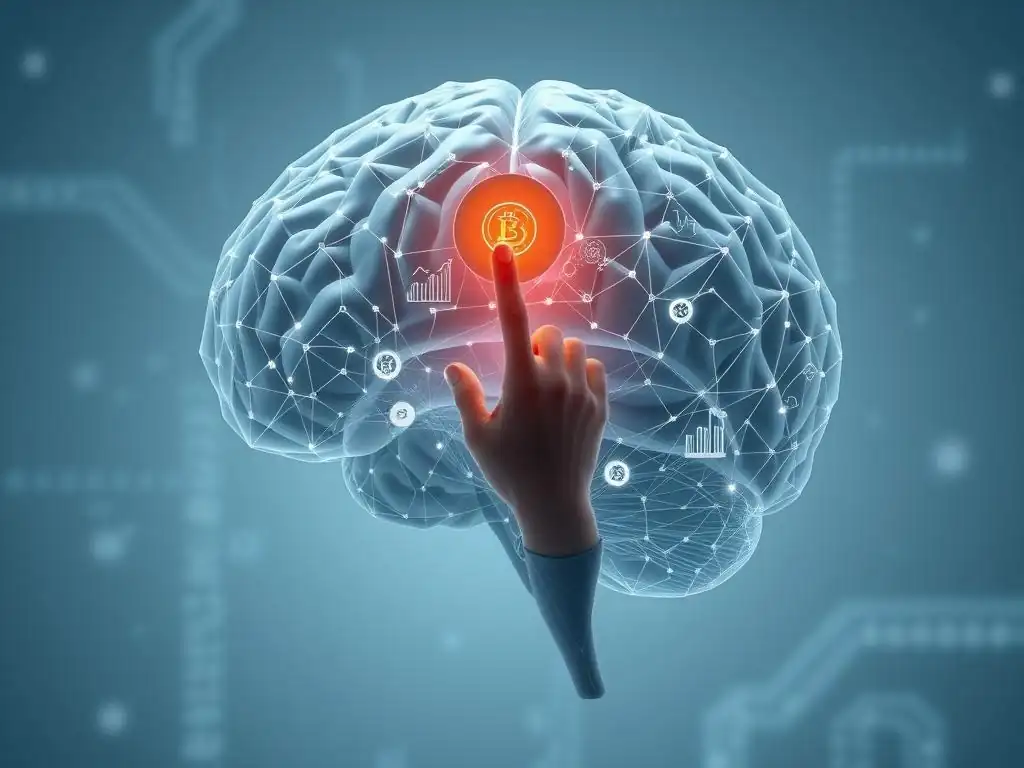
Overcoming Range Anxiety and Charging Infrastructure Concerns
In the context of crypto, overcoming "range anxiety" and "charging infrastructure concerns" equates to addressing fears around security, accessibility, and the reliability of the underlying technology and platforms. Users experience "security anxiety" related to losing private keys, getting hacked, or falling victim to scams. Psychologically, the abstract nature of digital assets and the irreversibility of blockchain transactions heighten this fear. Addressing this requires not just robust technical solutions but also clear, reassuring communication about security measures, easy-to-use backup procedures, and accessible customer support or community help.
"Infrastructure concerns" in crypto relate to the reliability and ease of accessing and using platforms – exchanges, wallets, dApps. Issues like network congestion leading to high fees or slow transactions (analogous to finding a working charging station), complex interfaces, or unreliable platform performance erode trust and deter usage. Crypto adoption psychology research suggests that providing consistent, reliable service, simplifying complex processes, and offering clear explanations for technical issues (like network fees) can significantly reduce user frustration and build confidence in the ecosystem's "infrastructure." Education plays a vital role, empowering users to understand the technology and mitigate risks themselves.
Building Trust and Confidence in Electric Vehicle Technology
Building trust and confidence is perhaps the most critical psychological challenge for broader crypto adoption. The history of scams, hacks, and market manipulation has created a significant trust deficit for many potential users. Psychologically, trust is built through consistency, transparency, and reliability. For crypto, this means platforms must demonstrate robust security, clear communication about their operations, and reliable performance, even under stress. Regulatory clarity, while external, also plays a significant psychological role, as it provides a framework of legitimacy that can reassure risk-averse individuals.
Furthermore, trust is built through perceived expertise and social consensus. Highlighting reputable projects, featuring endorsements from trusted figures (carefully navigating regulatory boundaries), and showcasing positive user experiences contribute to building a positive social narrative around crypto. Providing accessible educational resources helps demystify the technology, empowering users and reducing the fear of the unknown. Crypto adoption psychology research confirms that perceived trustworthiness of platforms and the ecosystem as a whole is a primary determinant of whether individuals move from curiosity to active participation.
Case Studies: Applying EV Adoption Psychology Research
While Tesla is an EV example, we can draw parallels in crypto adoption psychology research to strategies leveraging scarcity and social proof. Bitcoin's early adoption, for instance, was driven partly by its inherent scarcity (fixed supply of 21 million coins). This digital scarcity created a sense of value and urgency among early adopters, akin to how limited edition products leverage psychological principles. The narrative of Bitcoin as "digital gold" reinforced this perception of scarce value.
Social proof has been arguably even more powerful in crypto adoption. The rise of Bitcoin and Ethereum was heavily influenced by early advocates, online communities (like Reddit's r/Bitcoin or Twitter crypto circles), and later, celebrity or institutional endorsements. Seeing others invest and succeed (or simply participate) creates a powerful psychological pull.
The dramatic price increases, widely reported, served as a form of social proof of potential gains, attracting speculative interest. Crypto adoption psychology research analyzes how these social dynamics, amplified by online platforms, create network effects that accelerate adoption, sometimes leading to speculative bubbles driven by FOMO (Fear Of Missing Out), another powerful psychological force.
Nissan Leaf's Early Adoption Challenges and Psychological Analysis
Analyzing early crypto adoption challenges through a psychological lens, similar to the Nissan Leaf's experience, reveals key hurdles. Early crypto, much like early EVs, suffered from perceived limitations and a lack of widespread infrastructure (easy-to-use wallets, accessible exchanges). The user experience was often clunky and intimidating, requiring significant technical effort, creating high cognitive load. For many, the perceived effort and risk outweighed the perceived benefits, limiting adoption to a tech-savvy or ideologically motivated niche.
The psychological barrier of complexity was significant. Unlike traditional banking which is largely abstracted, early crypto required users to confront concepts like private keys, blockchain addresses, and transaction confirmations directly. This demanded a higher level of technical literacy and personal responsibility than most consumers were accustomed to, leading to frustration and errors. Crypto adoption psychology research from the early days highlighted these usability issues as major inhibitors. Over time, platforms have evolved to reduce this complexity, offering custodial solutions, simpler interfaces, and better educational resources, directly addressing these early psychological friction points.
The Future of EV Adoption: Predictions from Dr. Sharma
Emerging Trends in EV Adoption Psychology - Subscription Models
Emerging trends in crypto adoption psychology research point towards shifts in how users engage, potentially moving beyond outright ownership models towards subscription or participation models. Decentralized Finance (DeFi) protocols, for instance, allow users to earn yield on their crypto assets, acting somewhat like a savings account or investment platform. Psychologically, earning passive income reduces the perceived risk of simply holding assets and provides a tangible benefit, encouraging longer-term engagement. This taps into the psychological preference for consistent rewards.
Non-Fungible Tokens (NFTs) also represent a psychological shift, moving beyond purely financial assets to digital collectibles and representations of ownership in digital spaces. The psychological drivers here include status, identity expression, community belonging, and the joy of collecting – motivations distinct from pure investment. As the crypto ecosystem matures, crypto adoption psychology research predicts that adoption will be increasingly driven by utility, community, and unique digital experiences, rather than solely speculative gains, requiring platforms to cater to a broader range of psychological needs and desires.
The Impact of Government Incentives on Consumer Behavior in the EV Space
The impact of external factors, analogous to government incentives for EVs, significantly shapes consumer behavior in the crypto space, a vital area for crypto adoption psychology research. Regulatory clarity, while not a direct financial incentive in the traditional sense, acts as a powerful psychological de-risker. When governments provide clear guidelines or signal acceptance, it can alleviate fears of legality and future crackdowns, making potential users feel more secure engaging with crypto. This reduces perceived uncertainty, a significant psychological barrier.
Furthermore, positive media coverage and increasing institutional adoption (like companies holding Bitcoin on their balance sheets or offering crypto services) serve as strong forms of social proof and external validation. These signals can shift the psychological perception of crypto from a fringe, risky asset to a legitimate and potentially mainstream technology. Conversely, negative regulatory news, high-profile hacks, or widespread media skepticism can quickly erode confidence and deter adoption, demonstrating the powerful influence of external signals on collective psychological sentiment within the crypto market.
Practical Implications for Automotive Businesses and Policymakers
Designing EV Products with User Psychology in Mind - Simplified Charging
For developers and businesses in the crypto space, designing products with user psychology in mind is paramount, mirroring the need for "simplified charging" in EVs. This means prioritizing intuitive interfaces, clear communication, and minimizing cognitive load. Wallets should be easy to set up and secure, exchanges simple to navigate, and dApps straightforward to use. Error messages should be informative and actionable, not cryptic technical jargon. Features like clear transaction previews, estimates of fees, and easy-to-understand security settings directly address psychological pain points identified by crypto adoption psychology research.
The principle of "sensory marketing" can also be applied digitally – while not physical touch, visual design, smooth interactions, and responsive interfaces create a positive user experience that feels reliable and trustworthy. Reducing the number of steps required for common actions (like sending crypto or making a trade) leverages the psychological preference for ease and efficiency. Every point of friction in the user journey is a potential drop-off point, and behavioral design helps smooth these pathways, making adoption feel less like a chore and more like a natural extension of digital activity.
Marketing Strategies Based on EV Adoption Psychology Research - Highlighting Environmental Benefits
Marketing strategies in crypto, informed by crypto adoption psychology research, need to move beyond purely financial pitches to highlight broader benefits and align with diverse psychological motivations. While early marketing often focused on potential gains ("to the moon"), current strategies increasingly emphasize utility, community, and even ideological alignment (e.g., financial freedom, privacy). Highlighting the technological innovation, the potential for disintermediation, or participation in a global, decentralized network can resonate with individuals motivated by curiosity, control, or community.
For example, while the environmental impact of some cryptocurrencies (like Proof-of-Work) is a challenge, highlighting the energy efficiency of others (like Proof-of-Stake) or the potential for blockchain in sustainability initiatives can appeal to environmentally conscious individuals. Communicating complex concepts in simple, relatable terms, using analogies to familiar systems (though carefully, to avoid misrepresentation), and leveraging trusted voices are all strategies informed by psychological principles of persuasion and trust-building. Effective marketing based on crypto adoption psychology research understands the diverse reasons people engage and tailors messages accordingly.
Conclusion: The Importance of Understanding EV Adoption Psychology
Key Takeaways from the Interview with Dr. Sharma
Understanding crypto adoption psychology research is not merely academic; it is fundamental to achieving mainstream adoption of decentralized technologies. Key takeaways include the critical role of behavioral and cognitive biases (like loss aversion, availability heuristic, and herding) in influencing investment and usage decisions. The research underscores that perceived complexity, security anxiety, and lack of trust are major psychological barriers that must be actively addressed through improved user experience and clear communication.
Furthermore, the research highlights the power of social dynamics, community, and external validation (like regulatory clarity or institutional adoption) in driving psychological acceptance and accelerating adoption. Moving forward, successful crypto projects and platforms will be those that deeply understand these human factors, designing systems and strategies that mitigate psychological friction, build trust, and tap into a broader range of motivations beyond pure speculation. Crypto adoption psychology research provides the essential roadmap for navigating these human elements.
The Ongoing Evolution of EV Adoption Psychology Research
The field of crypto adoption psychology research is continuously evolving as the technology matures and the user base diversifies. Initial research focused on early adopters and speculative behavior, but contemporary studies are exploring the psychological nuances of engagement with DeFi, NFTs, DAOs, and other emerging use cases. As blockchain technology moves beyond purely financial applications into areas like supply chain, digital identity, and gaming, the psychological drivers and barriers to adoption will shift, requiring new research approaches.
Future crypto adoption psychology research will likely delve deeper into the psychological impact of decentralization itself – how users feel about having more control but also more responsibility. It will also examine the psychological dynamics of governance in decentralized autonomous organizations (DAOs) and the social psychology of building and maintaining trust in permissionless systems. The insights gained from this ongoing research will be indispensable for developers, businesses, and policymakers aiming to build a truly inclusive and widely adopted decentralized future.
Frequently Asked Questions
What is the main focus of Crypto adoption psychology research as discussed by Researcher R?
Researcher R's research primarily focuses on understanding the behavioral economics behind why individuals choose to adopt or reject cryptocurrency, moving beyond purely technical aspects to explore user engagement and decision-making processes.
How does Researcher R's work contribute to understanding the challenges in Crypto adoption psychology research?
Researcher R highlights the importance of understanding cognitive biases and emotional factors that influence an individual's willingness to engage with cryptocurrency, emphasizing that risk perception plays a significant role.
Beyond technological advancements, what key behavioral factors does Crypto adoption psychology research emphasize for broader adoption?
The research emphasizes the need to address user trust, perceived value, and ease of understanding. Successfully tackling these psychological barriers is crucial for wider adoption.
How can businesses leverage findings from Crypto adoption psychology research to improve their crypto offerings?
Businesses can use insights from this research to design more user-friendly interfaces, build trust through transparent communication, and tailor their marketing to address specific psychological concerns.
What are the regulatory implications highlighted by Crypto adoption psychology research and its findings?
The research suggests that regulations should consider the psychological vulnerabilities of potential users, promoting consumer protection and informed decision-making, especially concerning high-risk investments.
The journey through understanding the crypto adoption psychology research reveals a landscape far more complex than simple technological acceptance. It highlights the profound influence of behavioral economics on user engagement, demonstrating that the future of cryptocurrency hinges not just on innovation, but on a deep understanding of human motivations, biases, and fears. The insights gained from Researcher R's work are particularly relevant today, as the crypto market continues to evolve and mature, demanding a more nuanced approach to user acquisition and retention.
The ongoing influence of psychological factors on crypto adoption is undeniable. It's clear that fear of missing out (FOMO), coupled with the allure of quick riches, often overshadows rational decision-making, leading to volatile market behavior and potential financial ruin for uninformed investors. This underscores the ethical responsibility of crypto platforms and educators to promote informed participation and mitigate the risks associated with speculative trading. The greatest risk is not taking one,
as often attributed to various sources, rings particularly hollow when applied to crypto without the necessary understanding and due diligence.
Now, as you reflect on the insights shared, consider your own relationship with cryptocurrency. Are you driven by genuine interest in the technology, or swayed by the hype and potential for profit? Take a moment to critically evaluate your motivations and seek out reliable information before making any investment decisions. The future of crypto adoption depends on informed and responsible participation, and that starts with you.
Unleash Your Crypto Curiosity!
Thank you for exploring the psychology behind crypto adoption with us. You now have a clearer understanding of how behavioral economics influence user engagement. Ready to apply this knowledge?
Here are some next steps:
- Reflect on your own crypto experiences. How have psychological factors shaped your decisions and interactions with digital currencies? Consider journaling your thoughts to increase self-awareness.
- Share this article with your network to encourage discussions on improving crypto adoption strategies and addressing barriers to entry.
- Contribute to the conversation: Have you noticed particular behavioral patterns in the crypto space that might be explained by these insights?
What small change can you make today to help create a more user-friendly and accessible crypto ecosystem?
Leave a Reply