
Wearable NFTs: Expressing Yourself Through Digital Fashion in the Metaverse

Welcome to Blockchain Trends, your guide to understanding the revolutionary impact of blockchain technology!
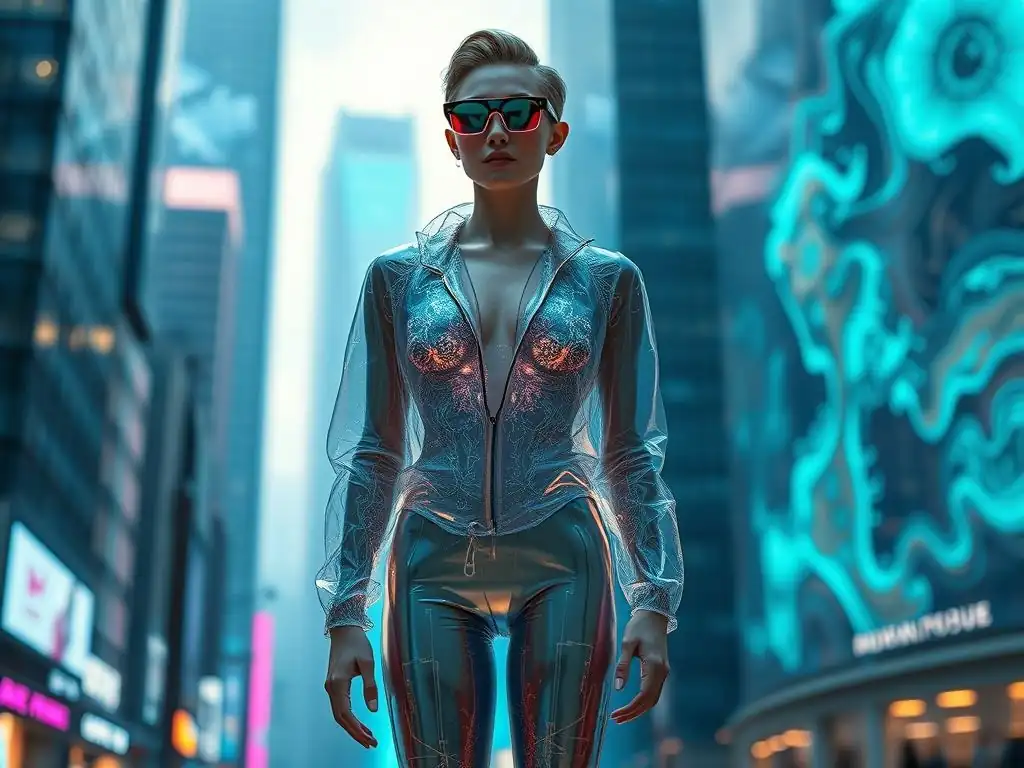
Dive into a world beyond cryptocurrencies and discover how blockchain is reshaping industries. Are you ready to explore the cutting edge of digital expression? This week, we're taking a fascinating look at Wearable NFT digital fashion and how it's blurring the lines between the physical and virtual worlds. Imagine owning unique, verifiable fashion pieces that you can wear in the metaverse – the possibilities are truly endless. Intrigued? Keep reading to uncover the latest trends and future possibilities!
Wearable NFTs: Expressing Yourself Through Digital Fashion in the Metaverse
- Introduction to Wearable NFT Digital Fashion in the Metaverse
- Why Wearable NFT Digital Fashion Matters
- Exploring the Different Types of Wearable NFTs
- The Benefits of Owning Wearable NFTs
- How to Buy, Sell, and Trade Wearable NFTs
- The Future of Wearable NFT Digital Fashion
- Challenges and Considerations for Wearable NFTs
- Notable Wearable NFT Digital Fashion Projects and Collections
- Conclusion: Embracing the Future of Fashion with Wearable NFTs
-
Frequently Asked Questions
- What are Wearable NFTs, and how do they relate to digital fashion?
- How can I acquire Wearable NFT digital fashion?
- What platforms or Metaverses currently support Wearable NFTs?
- What are the potential benefits of owning Wearable NFT digital fashion?
- What are some challenges or considerations when investing in Wearable NFT digital fashion?
- Final Reflection: The Dawn of Digital Self-Expression
- Unleash Your Metaverse Style Today!
Introduction to Wearable NFT Digital Fashion in the Metaverse
The Rise of Digital Fashion and Virtual Identity
The concept of fashion and personal identity is no longer confined to the physical world. With the exponential growth of the metaverse and virtual platforms, individuals are increasingly seeking ways to express themselves and curate their identities in digital spaces. This shift has fueled the rise of digital fashion, a realm where clothing and accessories exist purely in the virtual domain.
Platforms like Decentraland, The Sandbox, and Roblox, boasting millions of active users, have become vibrant ecosystems where avatars represent individuals, and their appearance is a key aspect of social interaction and self-presentation. This burgeoning digital realm necessitates new forms of self-expression, moving beyond static profile pictures to dynamic, customizable virtual representations.
The demand for digital fashion is further amplified by the desire for unique and personalized avatars. Just as in the real world, people want to stand out and showcase their individuality. Virtual identities are becoming extensions of our real-world selves, and fashion plays a crucial role in communicating personality, status, and belonging within these digital communities.
The gaming industry has long understood this, with in-game skins and cosmetic items generating billions in revenue annually. This established precedent paves the way for wearable NFT digital fashion to become a significant force in the broader metaverse landscape, as users seek more sophisticated and expressive ways to personalize their avatars beyond pre-set options.
Understanding Non-Fungible Tokens (NFTs) and Their Role
At the heart of wearable NFT digital fashion lies the technology of Non-Fungible Tokens (NFTs). Unlike cryptocurrencies such as Bitcoin or Ethereum, which are fungible and interchangeable, NFTs are unique digital assets representing ownership of a specific item. Think of them as digital certificates of authenticity and ownership, securely recorded on a blockchain. This technology allows for the creation of verifiable scarcity in the digital realm, a crucial element for establishing value and collectibility for digital items, including fashion.
The role of NFTs in digital fashion is transformative because they solve the problem of digital ownership and provenance. Before NFTs, digital items could be easily copied and replicated, making it difficult to establish true ownership or scarcity.
NFTs provide a mechanism to verify the authenticity and origin of a digital fashion item, proving that a user is the legitimate owner of the original piece. This digital scarcity, combined with the immutable nature of blockchain records, empowers creators to monetize their digital fashion designs and allows users to collect and trade unique digital garments and accessories with confidence, knowing their ownership is securely recorded and verifiable.
Defining Wearable NFTs: Digital Fashion for Avatars
Wearable NFTs are essentially digital fashion items represented as Non-Fungible Tokens that can be equipped and displayed by avatars in virtual worlds and metaverse environments. These digital garments and accessories range from clothing items like shirts, pants, dresses, and jackets to accessories such as shoes, hats, jewelry, and even virtual makeup or hairstyles. The key characteristic of wearable NFTs is their utility within virtual spaces – they are designed to be worn and showcased by digital identities, enhancing their appearance and expressing the user's style within these online realms.
Unlike traditional digital fashion assets that might be limited to specific platforms or games and lack verifiable ownership, wearable NFTs leverage blockchain technology to provide true ownership and interoperability (in many cases). This means that a wearable NFT purchased in one metaverse environment could potentially be used in another compatible platform, offering users greater flexibility and control over their digital fashion assets.
The concept of wearable NFT digital fashion extends beyond mere aesthetics; it represents a paradigm shift towards user-owned digital assets and the creation of a decentralized and open metaverse economy where digital identity and self-expression are empowered by blockchain technology.
Why Wearable NFT Digital Fashion Matters
Self-Expression and Identity in the Metaverse
Wearable NFT digital fashion is revolutionizing self-expression and identity formation within the metaverse. In virtual worlds where avatars represent our digital selves, clothing and accessories become powerful tools for communication and self-presentation. Just as fashion choices in the physical world reflect personality, interests, and social affiliations, wearable NFTs allow users to curate their virtual appearance to express their individuality and connect with like-minded communities within the metaverse.
The ability to customize avatars with unique and expressive wearable NFTs empowers users to transcend the limitations of physical appearance and explore different facets of their identity in the digital realm. Whether it's adopting a futuristic cyberpunk aesthetic, showcasing a love for a particular brand or artist, or simply experimenting with bold and unconventional styles, wearable NFT digital fashion provides a canvas for limitless self-expression. This resonates particularly strongly with younger generations who are increasingly comfortable with digital identities and view the metaverse as a significant space for social interaction and personal expression.
Wearable NFTs as Status Symbols and Collectibles
Beyond self-expression, wearable NFTs are rapidly emerging as status symbols and highly sought-after collectibles within the digital fashion ecosystem. Limited-edition pieces created by renowned digital artists or collaborations with established fashion brands can command significant prices and become coveted items among collectors and metaverse enthusiasts. Owning rare and exclusive wearable NFTs can signal social status, taste, and early adoption within these virtual communities, similar to how luxury fashion items function in the physical world.
The collectibility aspect of wearable NFTs is further enhanced by their verifiable scarcity and provenance. The blockchain record ensures the authenticity and limited supply of each piece, making them potentially valuable assets that can appreciate over time.
This has led to the emergence of a vibrant secondary market for wearable NFTs, where users buy, sell, and trade digital fashion items, mirroring the dynamics of the physical luxury goods and art markets. Just as a rare vintage handbag or a limited-edition sneaker carries prestige and value, so too do exclusive wearable NFTs within the metaverse, driving demand and fostering a culture of digital fashion collecting.
The Growing Market for Digital Fashion NFTs
The market for digital fashion NFTs is experiencing rapid growth, indicating a significant and expanding interest in this nascent sector. While still relatively new, reports suggest that the digital fashion market, including NFTs, is projected to reach billions of dollars in the coming years.
For instance, in 2021, RTFKT Studios, a digital fashion company specializing in NFT sneakers, was acquired by Nike, signaling the entry of major traditional fashion brands into the wearable NFT space. This acquisition, valued at an undisclosed amount but estimated to be in the hundreds of millions of dollars, highlighted the perceived potential of digital fashion NFTs.
Furthermore, platforms dedicated to wearable NFTs, such as DressX and The Fabricant, are gaining traction and facilitating transactions of digital garments and accessories. These platforms are partnering with both established and emerging designers to create and market wearable NFTs, catering to the growing demand from metaverse users seeking to personalize their avatars with unique digital fashion.
The increasing participation of traditional fashion houses and the emergence of specialized platforms, coupled with rising sales volumes and high-profile acquisitions, underscore the significant growth trajectory of the wearable NFT digital fashion market and its potential to become a mainstream sector within the broader fashion industry.
Exploring the Different Types of Wearable NFTs
Digital Clothing: From Virtual T-Shirts to Metaverse Gowns
Digital clothing NFTs encompass a wide spectrum of virtual garments, mirroring the diversity of fashion in the physical world. At the simpler end, we have virtual t-shirts and hoodies, often serving as entry-level wearable NFTs for users looking to express basic style or brand affiliation within metaverse platforms. These can be relatively affordable and accessible, acting as a gateway into the world of digital fashion ownership. Moving up the scale, digital clothing NFTs include more elaborate items like virtual pants, skirts, dresses, and jackets, allowing for more comprehensive avatar customization.
At the higher end of the spectrum, digital clothing NFTs feature haute couture-level virtual gowns and outfits, often designed by renowned digital artists or in collaboration with established fashion brands. These pieces are typically limited edition, highly detailed, and can incorporate dynamic elements like flowing fabrics or animated textures.
Examples include virtual gowns designed for metaverse fashion shows or exclusive collaborations with luxury brands, showcasing the potential for digital clothing NFTs to reach the pinnacle of fashion artistry and craftsmanship within virtual environments. The range of digital clothing NFTs caters to diverse tastes and budgets, offering options for casual everyday wear in the metaverse to extravagant statement pieces for special virtual occasions.
NFT Accessories: Shoes, Hats, and Jewelry for Your Avatar
Beyond clothing, wearable NFTs extend to a vast array of digital accessories that further enhance avatar customization and style. Digital shoes, ranging from sneakers and boots to heels and sandals, are a popular category, allowing users to complete their virtual outfits and express their footwear preferences. NFT hats, including caps, beanies, fedoras, and helmets, offer another avenue for personalizing avatar appearance and adding stylistic flair. These accessories can range from simple everyday items to more elaborate and thematic designs, catering to various metaverse aesthetics.
Digital jewelry NFTs represent another significant category, encompassing necklaces, earrings, bracelets, rings, and even virtual piercings. These accessories can be designed to be subtle and elegant or bold and statement-making, allowing users to express their personal style and add sparkle to their virtual presence. Some digital jewelry NFTs incorporate dynamic elements, such as gemstones that shimmer or change color, further enhancing their visual appeal and collectibility. The variety of NFT accessories provides users with a comprehensive toolkit for expressing their unique style and personality through their avatars, going beyond clothing to include the finer details of virtual fashion.
Wearable NFT Skins and Avatars: Transforming Your Digital Presence
Taking avatar customization a step further, wearable NFTs also include digital skins and even entire avatars. NFT skins allow users to alter the base appearance of their avatars, changing their skin tone, texture, or even adding unique visual characteristics like tattoos, markings, or fantastical features. These skins can range from subtle enhancements to dramatic transformations, allowing users to significantly alter their digital persona and express different identities within the metaverse.
More comprehensively, wearable NFTs can encompass entire avatars, representing complete and unique digital identities. These NFT avatars are not just customizable templates but rather distinct digital beings, often with unique visual styles, backstories, and even functionalities within specific metaverse platforms.
Owning an NFT avatar can be akin to possessing a unique character in a virtual world, granting users a distinct digital presence and identity that is verifiably theirs. Projects like World of Women and Bored Ape Yacht Club have demonstrated the popularity and value of NFT avatars, showcasing their potential as wearable NFTs that fundamentally transform digital presence and identity within the metaverse.
The Benefits of Owning Wearable NFTs
Authenticity and Ownership in the Digital Realm
One of the primary benefits of owning wearable NFTs is the assurance of authenticity and verifiable ownership in the digital realm. Unlike traditional digital assets, which can be easily copied and replicated, wearable NFTs are unique tokens on the blockchain, providing irrefutable proof of ownership. This is crucial in establishing value and collectibility for digital fashion, as it ensures that each wearable NFT is an original piece, not a mere copy. The blockchain ledger acts as a permanent and transparent record of ownership, accessible to anyone, further solidifying the authenticity and provenance of wearable NFTs.
This verifiable ownership empowers users to truly own their digital fashion assets, granting them control and agency over their virtual wardrobes. They can confidently showcase their wearable NFTs within metaverse environments, knowing that their ownership is recognized and protected by blockchain technology. Furthermore, the authenticity provided by NFTs combats the proliferation of counterfeit digital fashion, ensuring that creators and owners are protected from unauthorized copies and imitations. This aspect of authenticity and ownership is fundamental to building trust and value within the emerging market for wearable NFT digital fashion.
Interoperability: Using Your Wearable NFTs Across Platforms
While still developing, the potential for interoperability is a significant benefit associated with wearable NFTs. The vision of interoperability is that users will be able to utilize their wearable NFTs across various metaverse platforms and virtual worlds, creating a truly portable and versatile digital wardrobe. Imagine purchasing a digital jacket NFT and being able to wear it in Decentraland, The Sandbox, and other compatible metaverse environments – this is the promise of interoperable wearable NFTs.
Currently, interoperability is not fully realized across all metaverse platforms, as different platforms may utilize varying standards and formats for digital assets. However, ongoing efforts within the blockchain and metaverse communities are focused on developing interoperability standards and protocols. Projects are emerging that aim to bridge different metaverse platforms and enable the seamless transfer and utilization of wearable NFTs across these environments. As interoperability improves, the value and utility of wearable NFTs will be significantly enhanced, allowing users to build a truly universal digital wardrobe that transcends platform boundaries and maximizes the potential of their digital fashion investments.
Potential for Earning Revenue with Wearable NFTs
Wearable NFTs offer various avenues for users to potentially earn revenue, creating new economic opportunities within the digital fashion ecosystem. One primary method is through the resale of wearable NFTs on secondary marketplaces. As digital fashion NFTs gain popularity and certain pieces become more sought after, their value can appreciate, allowing owners to sell them for a profit. Limited-edition or designer collaboration wearable NFTs, in particular, can become valuable collectibles, attracting buyers in the secondary market.
Furthermore, some metaverse platforms and games are integrating wearable NFTs with play-to-earn mechanics, allowing users to earn cryptocurrency or other rewards for wearing or showcasing specific wearable NFTs within these environments. This could involve participating in virtual fashion shows, completing quests while wearing certain digital garments, or simply being rewarded for owning and displaying valuable wearable NFTs.
Additionally, creators of wearable NFTs can earn royalties on secondary sales, ensuring that they continue to benefit from the ongoing trading and appreciation of their digital fashion designs. The potential for revenue generation adds another layer of value to wearable NFTs, transforming them from purely aesthetic assets into potentially income-generating digital investments.
How to Buy, Sell, and Trade Wearable NFTs
Choosing a Marketplace for Wearable NFTs
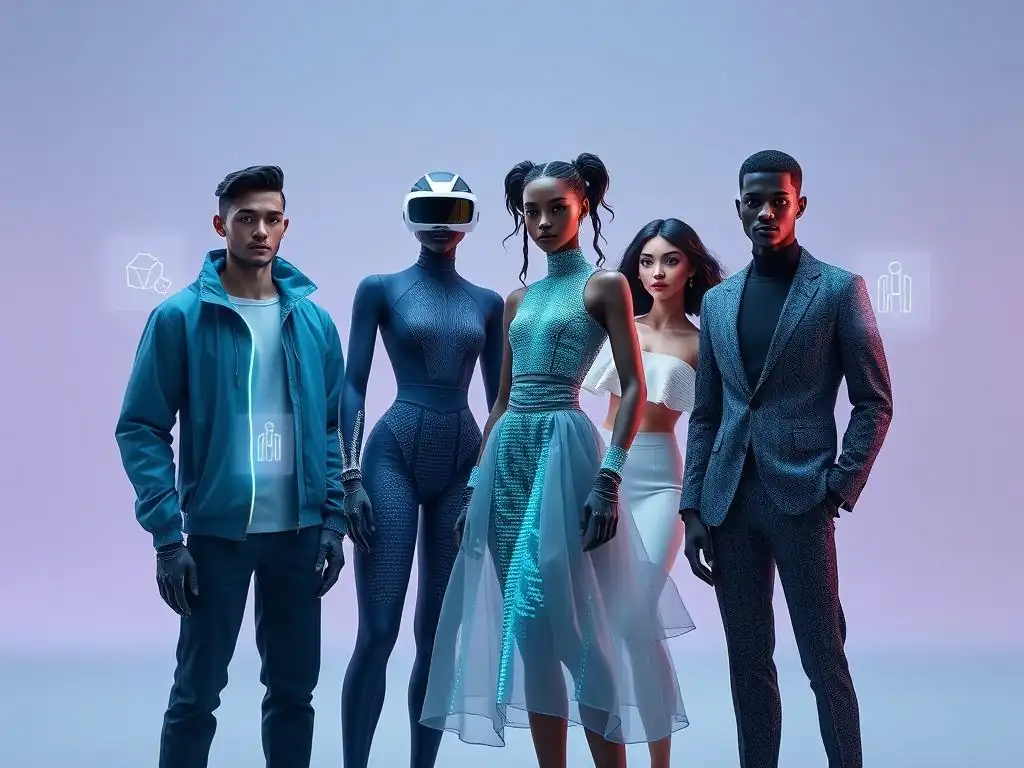
Navigating the world of wearable NFT digital fashion requires choosing the right marketplace to buy, sell, and trade these assets. Several NFT marketplaces are emerging that specialize in or feature dedicated sections for digital fashion NFTs. Platforms like OpenSea, Rarible, and Nifty Gateway are general NFT marketplaces that host a wide range of digital assets, including wearable NFTs. Within these platforms, users can search for "digital fashion," "wearable NFTs," or browse collections from specific digital fashion designers or brands.
Specialized marketplaces dedicated specifically to digital fashion NFTs are also gaining prominence. Platforms like DressX, The Dematerialised, and RTFKT's marketplace are curated spaces focused exclusively on digital fashion and wearable NFTs. These platforms often offer a more refined and focused selection of digital fashion assets, catering to users specifically interested in this niche.
When choosing a marketplace, factors to consider include the platform's transaction fees, the range of wearable NFTs available, the user interface and ease of navigation, and the platform's reputation and security. Comparing different marketplaces and reading user reviews can help in selecting the most suitable platform for engaging with wearable NFT digital fashion.
Setting Up a Digital Wallet for NFTs
To participate in the wearable NFT digital fashion market, setting up a digital wallet that supports NFTs is essential. A digital wallet is a software program or hardware device that allows users to securely store, manage, and transact with cryptocurrencies and NFTs. Popular digital wallets compatible with wearable NFTs include MetaMask, Trust Wallet, and Coinbase Wallet. These wallets are typically browser extensions or mobile apps that can be easily integrated with NFT marketplaces.
The process of setting up a digital wallet generally involves downloading and installing the wallet software, creating a new wallet, and securely storing the wallet's seed phrase or private key. The seed phrase is a crucial backup phrase that allows users to recover their wallet in case of device loss or failure. It is imperative to store the seed phrase securely offline and never share it with anyone.
Once the wallet is set up, users can connect it to NFT marketplaces to browse, buy, sell, and trade wearable NFTs. Funding the wallet with cryptocurrency, typically Ethereum (ETH), is also necessary to cover transaction fees and purchase wearable NFTs.
Understanding Gas Fees and Transaction Costs
Engaging with wearable NFTs, like other blockchain-based transactions, involves understanding gas fees and transaction costs. Gas fees are payments made by users to compensate for the computing energy required to process and validate transactions on the blockchain network, particularly on Ethereum, which is commonly used for NFTs. These fees fluctuate based on network congestion and the complexity of the transaction.
When buying, selling, or transferring wearable NFTs, users will typically need to pay gas fees in addition to the price of the NFT itself. Gas fees can vary significantly and can sometimes be substantial, especially during periods of high network activity. Marketplaces usually provide estimates of gas fees before users confirm transactions.
Understanding gas fees is crucial for managing costs when participating in the wearable NFT market. Users can monitor gas fee trackers online to identify periods of lower network congestion and potentially reduce transaction costs. Optimizing transaction timing and being aware of gas fee fluctuations are important aspects of navigating the economics of wearable NFT digital fashion.
The Future of Wearable NFT Digital Fashion
Augmented Reality (AR) Integration: Wearing NFTs in the Real World
The future of wearable NFT digital fashion extends beyond virtual worlds and holds exciting possibilities for integration with augmented reality (AR) technologies. AR allows for the overlay of digital content onto the real world, creating immersive and interactive experiences. Imagine wearing your digital NFT sneakers or a virtual NFT dress in the real world, visible through AR glasses or smartphone screens. This integration would bridge the gap between digital and physical fashion, allowing users to express their digital identity in real-world settings.
AR integration could revolutionize how we perceive and interact with fashion, blurring the lines between physical and digital wardrobes. Users could curate their digital fashion collection and choose to "wear" different wearable NFTs depending on their mood, occasion, or social context, all overlaid onto their physical appearance through AR technology. This concept opens up new avenues for self-expression, personalization, and the blending of digital and physical identities. While still in its early stages, the development of AR technology and its integration with wearable NFTs holds immense potential to transform the future of fashion consumption and self-presentation.
Customization and Personalization of Wearable NFTs
The future of wearable NFT digital fashion is poised for significant advancements in customization and personalization. Current wearable NFTs are often static digital assets, but future iterations are likely to incorporate greater levels of interactivity and user-driven customization. Imagine wearable NFTs that can be dynamically altered based on user preferences, mood, or even real-world environmental conditions. Digital clothing could change color or texture, accessories could adapt their style, and avatars could evolve their appearance based on user interactions and data.
Personalization could extend to integrating user data and biometrics into wearable NFTs, creating truly unique and responsive digital fashion pieces. For example, a wearable NFT could react to a user's heart rate or emotional state, subtly altering its appearance to reflect their inner feelings.
AI-powered customization could also play a role, with wearable NFTs learning user preferences and automatically suggesting style combinations or adapting to evolving fashion trends. The future of wearable NFT digital fashion is likely to be characterized by increased user control, dynamic customization, and a deeper integration of personal data, resulting in more expressive and personalized digital identities.
The Impact of Wearable NFTs on the Fashion Industry
Wearable NFTs are poised to have a profound impact on the traditional fashion industry, disrupting existing models and creating new opportunities for designers, brands, and consumers. For established fashion brands, wearable NFTs represent a new frontier for extending their reach into the metaverse and engaging with a digitally native audience. Brands can create and sell digital fashion collections as NFTs, tapping into the growing market for virtual apparel and accessories. This offers a new revenue stream and a way to connect with younger demographics who are increasingly spending time and resources in virtual worlds.
For independent designers and digital artists, wearable NFTs provide a platform to bypass traditional fashion industry gatekeepers and directly monetize their creations. NFTs empower creators to own their intellectual property, control distribution, and earn royalties on secondary sales, fostering a more decentralized and creator-centric fashion ecosystem.
The rise of wearable NFTs could lead to a democratization of fashion, allowing for greater diversity of styles, increased accessibility for emerging designers, and a shift towards user-owned and community-driven fashion trends. The fashion industry is on the cusp of a significant transformation, with wearable NFTs playing a key role in shaping its future.
Challenges and Considerations for Wearable NFTs
While wearable NFT digital fashion offers exciting possibilities, it's crucial to acknowledge and address the environmental concerns associated with NFT creation, particularly those related to energy consumption. Many NFTs are minted on blockchains that utilize a proof-of-work consensus mechanism, such as Ethereum (though Ethereum has transitioned to proof-of-stake), which requires significant computational power and electricity. This energy consumption contributes to carbon emissions and raises concerns about the environmental impact of NFT creation and trading.
However, the blockchain space is evolving, and more energy-efficient alternatives are emerging. Proof-of-stake blockchains, which require significantly less energy than proof-of-work, are gaining traction and becoming increasingly popular for NFT projects. Furthermore, layer-2 scaling solutions for Ethereum are being developed to reduce gas fees and energy consumption associated with transactions on the main Ethereum network.
The wearable NFT community and blockchain developers are actively exploring and implementing more sustainable practices to mitigate the environmental footprint of NFTs and promote eco-friendly digital fashion. Choosing NFTs minted on energy-efficient blockchains and supporting sustainable NFT platforms are crucial steps towards addressing environmental concerns within the wearable NFT space.
Intellectual Property Rights and Counterfeit Digital Fashion
Intellectual property (IP) rights and the potential for counterfeit digital fashion are significant challenges in the wearable NFT space. While NFTs provide a mechanism for verifying ownership, protecting the underlying designs and preventing unauthorized copies remains a complex issue. Digital fashion designs can be easily replicated and potentially minted as counterfeit NFTs, infringing on the IP rights of the original creators. Robust legal frameworks and technological solutions are needed to effectively address IP protection in the digital fashion realm.
Watermarking, digital signatures, and smart contracts that automatically enforce IP rights are potential tools for combating counterfeit wearable NFTs. Collaboration between digital fashion platforms, marketplaces, and legal experts is crucial to establish clear guidelines and mechanisms for IP enforcement. Educating creators and users about IP rights and the risks of counterfeit digital fashion is also essential. Building trust and ensuring the integrity of the wearable NFT market requires proactive measures to protect intellectual property and combat the proliferation of unauthorized digital fashion items.
Accessibility and Inclusivity in the Wearable NFT Space
Ensuring accessibility and inclusivity within the wearable NFT space is paramount to its long-term success and broader adoption. The current wearable NFT market can be perceived as exclusive and inaccessible to many due to factors such as the technical knowledge required to engage with NFTs, the cost of gas fees and NFTs themselves, and the lack of representation and diversity within the digital fashion community. Addressing these barriers is crucial to creating a more inclusive and equitable wearable NFT ecosystem.
Simplifying the user experience for buying, selling, and managing wearable NFTs is essential to lower the technical barrier to entry. Developing more user-friendly interfaces, providing educational resources, and offering support for newcomers can make wearable NFTs more accessible to a wider audience. Furthermore, addressing affordability is crucial.
Exploring options for lower-cost NFTs, fractional ownership models, and community-driven initiatives can make wearable digital fashion more accessible to individuals with varying budgets. Promoting diversity and inclusivity within the digital fashion community, showcasing creators and avatars from diverse backgrounds, and fostering welcoming and inclusive metaverse spaces are essential steps towards building a more equitable and accessible wearable NFT landscape.
Notable Wearable NFT Digital Fashion Projects and Collections
Digital Fashion Platforms and Designer Collaborations
Several pioneering digital fashion platforms and designer collaborations are shaping the wearable NFT landscape and showcasing its creative potential. DressX stands out as a prominent platform offering a wide range of digital clothing and accessories from various designers, bridging the gap between traditional fashion and the metaverse. Their collaborations with established brands and emerging digital artists demonstrate the growing convergence of physical and digital fashion worlds. The Fabricant is another notable platform known for its avant-garde and conceptually driven digital fashion creations, pushing the boundaries of virtual garment design and exploring the artistic possibilities of wearable NFTs.
RTFKT Studios, now part of Nike, has been instrumental in popularizing NFT sneakers and collectible digital fashion items. Their collaborations with artists like Takashi Murakami and their innovative approach to digital scarcity and community building have contributed significantly to the mainstream appeal of wearable NFTs. These platforms and collaborations exemplify the diverse and innovative approaches being taken within the wearable NFT digital fashion space, ranging from accessible everyday digital garments to high-end collectible pieces and experimental virtual fashion concepts.
Metaverse Fashion Events and Showcases
Metaverse fashion events and showcases are gaining momentum, providing platforms for designers to present their wearable NFT collections and for users to experience digital fashion in immersive virtual environments. Decentraland's Metaverse Fashion Week has emerged as a landmark event, attracting established fashion brands and digital creators to showcase their virtual collections. These events feature virtual runways, fashion shows, pop-up shops, and interactive experiences, mirroring the format of traditional fashion weeks but entirely within the metaverse.
Platforms like The Sandbox and Roblox are also hosting fashion events and collaborations, integrating wearable NFTs into their virtual worlds and creating opportunities for users to engage with digital fashion in gaming and social contexts. These metaverse fashion events are not only showcasing the latest wearable NFT designs but also fostering community engagement, driving awareness, and demonstrating the potential of digital fashion to become an integral part of metaverse culture. The increasing frequency and scale of these events highlight the growing importance of wearable NFTs in shaping the future of fashion and entertainment within virtual worlds.
Innovative Wearable NFT Art and Design Projects
Beyond platform-driven initiatives, numerous innovative wearable NFT art and design projects are pushing the creative boundaries of digital fashion and exploring new artistic expressions. Projects focused on generative fashion, where algorithms create unique and evolving wearable NFT designs, are emerging, offering dynamic and personalized digital garments. Artists are experimenting with incorporating interactive elements, animation, and even blockchain-based functionalities into wearable NFTs, transforming them from static digital images into dynamic and interactive art pieces.
Wearable NFTs are also being used to explore themes of digital identity, virtual self-expression, and the blurring lines between physical and digital realities. Projects that challenge traditional notions of fashion, sustainability, and ownership are gaining attention, pushing the boundaries of what digital fashion can be and its potential to spark conversations about the future of creativity and self-expression in the digital age. These innovative projects demonstrate the artistic and conceptual depth of wearable NFT digital fashion, showcasing its potential to be more than just virtual clothing but also a powerful medium for artistic exploration and social commentary.
Conclusion: Embracing the Future of Fashion with Wearable NFTs
The Transformative Potential of Digital Fashion in the Metaverse
Wearable NFT digital fashion is not merely a fleeting trend; it represents a transformative shift in how we perceive, consume, and express ourselves through fashion in the burgeoning metaverse. Digital fashion, empowered by NFT technology, is unlocking new dimensions of self-expression, identity creation, and social interaction within virtual worlds.
It moves beyond the limitations of physical fashion, offering limitless customization, boundless creativity, and a truly digital-native form of personal style. The metaverse is becoming a new frontier for fashion, and wearable NFTs are at the forefront of this revolution, paving the way for a future where digital and physical identities are increasingly intertwined and fashion transcends the boundaries of the material world.
The potential for digital fashion to democratize creativity, empower independent designers, and foster a more inclusive and accessible fashion ecosystem is significant. Wearable NFTs are disrupting traditional fashion industry models, creating new opportunities for creators and consumers alike, and fostering a community-driven approach to fashion design and consumption. As metaverse platforms continue to evolve and AR technology becomes more integrated into our daily lives, the transformative potential of wearable NFT digital fashion will only continue to grow, reshaping the fashion landscape and redefining our relationship with clothing and personal style in the digital age.
The Evolving Landscape of Wearable NFTs and Virtual Identity
The landscape of wearable NFTs and virtual identity is constantly evolving, driven by technological advancements, creative innovation, and growing user adoption. As blockchain technology matures and metaverse platforms expand their capabilities, wearable NFTs are becoming more sophisticated, interoperable, and integrated into the fabric of virtual life.
The concept of virtual identity is also undergoing rapid transformation, with avatars becoming increasingly personalized, expressive, and central to how individuals present themselves and interact within digital spaces. Wearable NFTs are playing a crucial role in shaping this evolution, providing the tools and means for users to craft unique and dynamic virtual identities that reflect their individuality and aspirations.
The future of wearable NFTs and virtual identity will likely see further blurring of the lines between physical and digital realms. AR integration, personalized customization, and AI-driven fashion experiences will contribute to a more seamless and integrated digital fashion ecosystem.
As users spend more time and resources in virtual worlds, their digital identities and virtual wardrobes will become increasingly valuable and meaningful, further driving the adoption and evolution of wearable NFT digital fashion. Staying abreast of these evolving trends and understanding the dynamic interplay between technology, creativity, and user behavior is crucial for navigating the exciting and rapidly changing landscape of wearable NFTs and virtual identity.
Investing in Wearable NFT Digital Assets: A New Frontier
Investing in wearable NFT digital assets represents a new frontier in the world of digital collectibles and virtual economies. While still considered a nascent and volatile market, wearable NFTs offer the potential for both aesthetic enjoyment and financial appreciation. As the metaverse continues to grow and digital fashion gains mainstream acceptance, the demand for unique and high-quality wearable NFTs is likely to increase, potentially driving up their value over time. Early adopters who strategically invest in promising wearable NFT projects and collections may see significant returns as the market matures.
However, investing in wearable NFTs, like any emerging asset class, carries inherent risks. Market volatility, technological uncertainties, and regulatory developments are factors to consider. Thorough research, due diligence, and a cautious approach are essential when considering investing in wearable NFT digital fashion.
Understanding the underlying technology, the creative vision of designers and projects, and the dynamics of the NFT market are crucial for making informed investment decisions. While the future of wearable NFTs is still unfolding, their potential as both valuable digital assets and transformative tools for self-expression makes them a compelling area to watch and potentially explore within the broader landscape of blockchain and metaverse technologies.
Frequently Asked Questions
What are Wearable NFTs, and how do they relate to digital fashion?
Wearable NFTs are unique, verifiable digital assets that can be "worn" by avatars in virtual environments like the Metaverse. They represent ownership of digital fashion items, allowing users to express their style and personality.
How can I acquire Wearable NFT digital fashion?
You can typically acquire Wearable NFTs through online marketplaces specializing in digital assets, often using cryptocurrencies to make purchases. Some platforms also offer creators the ability to mint and sell their own designs.
What platforms or Metaverses currently support Wearable NFTs?
Popular platforms supporting Wearable NFTs include Decentraland, The Sandbox, and Roblox (although integration varies). New platforms are constantly emerging, so it's important to research compatible environments before purchasing.
What are the potential benefits of owning Wearable NFT digital fashion?
Benefits include self-expression and personalization of avatars, potential investment opportunities as digital assets, and participation in a growing digital fashion economy. It also allows users to showcase unique style.
What are some challenges or considerations when investing in Wearable NFT digital fashion?
Challenges include market volatility, ensuring compatibility with different platforms, and understanding the intellectual property rights associated with each NFT. Research the creator and the platform is crucial.
Okay, here's a final reflection designed to close your article "Wearable NFTs: Expressing Yourself Through Digital Fashion in the Metaverse," optimized for the keyword "Wearable NFT digital fashion" and following the structure you outlined:
Final Reflection: The Dawn of Digital Self-Expression
The exploration of Wearable NFT digital fashion reveals more than just a technological trend; it signifies a fundamental shift in how we perceive identity and self-expression in the digital age. This nascent industry, brimming with potential, is already reshaping the boundaries of fashion and ownership, offering a glimpse into a future where our digital avatars are as meticulously curated as our physical selves.
The rise of Wearable NFTs has profoundly influenced the cultural landscape, blurring the lines between the virtual and the real. This evolution resonates deeply, reminding us that self-expression is a fundamental human need, regardless of the medium. Fashion is instant language.
- Miuccia Prada. This quote encapsulates the power of Wearable NFTs to instantly communicate our values, affiliations, and aspirations within the metaverse and beyond.
As we stand at the cusp of this digital revolution, consider the power you hold to shape your digital identity. Embrace the possibilities that Wearable NFT digital fashion offers, and dare to express yourself authentically in this brave new world. The future of fashion is not just wearable; it's uniquely, undeniably you.
Unleash Your Metaverse Style Today!
Thank you for exploring the exciting world of wearable NFTs! We hope you've discovered new ways to express yourself and connect with others in the metaverse. Now it's time to turn that inspiration into action.
Here are a few ways you can dive deeper into the digital fashion revolution:
- Design and mint your very own wearable NFT! Start small, experiment with different platforms, and showcase your unique style to the world.
- Join a metaverse fashion community on Discord or Telegram to connect with fellow designers, collectors, and enthusiasts. Share your ideas and get inspired!
- Explore the possibility of licensing your designs to virtual influencers or brands looking to expand their presence in the metaverse. This surprising step could open up new creative and financial opportunities.
What is one piece of digital fashion you would create if you had unlimited resources and creativity? Share your dream design in the comments below!
Leave a Reply